TensorNova
TensorNova
TensorNova
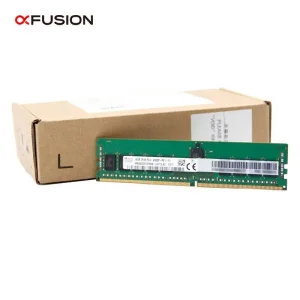
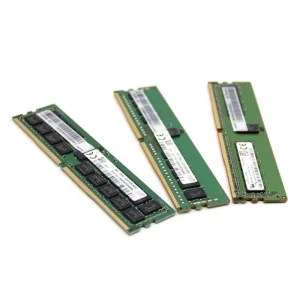
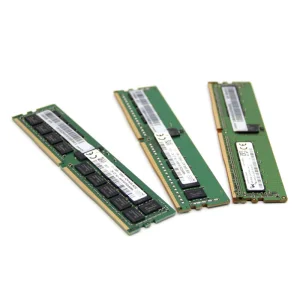
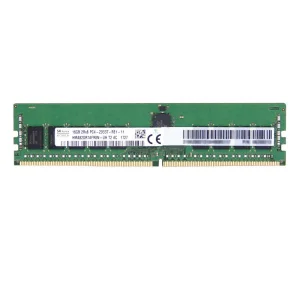
Standardized registered ECC DIMMs engineered for heavy database transaction systems, critical cloud virtualization environments, and enterprise infrastructure deployments throughout Germany.
How dynamic cloud laws, hardware security configurations, and energy costs dictate the future of server hardware procurement in Central Europe.
The German enterprise computing sector is undergoing a profound transformation driven by the alignment of strict regulatory compliance framework, localized cloud hosting requirements, and ambitious energy consumption targets. Frankfurt is the leading internet exchange ecosystem globally via DE-CIX, hosting a hyper-concentrated network of cloud hyperscalers, local colocation operators, and proprietary financial computing platforms. For system engineers deploying resources within this dynamic landscape, the choice of memory subsystems is not merely a question of capacity, but a strategic balance between power consumption, fault tolerance, and absolute reliability.
A key regulatory factor shaping modern infrastructure procurement is the German Energy Efficiency Act (Energieeffizienzgesetz - EnEfG). The legislation imposes strict limits on Power Usage Effectiveness (PUE) metrics for new data centers, forcing infrastructure engineers to select server components that optimize performance per watt. Memory subsystems account for up to 30% of total server power consumption under heavy utilization. Standardizing deployments on low-voltage 1.2V DDR4 RDIMMs and power-efficient memory topologies directly supports compliance with EnEfG directives while yielding measurable cooling cost savings.
Furthermore, security is paramount under the Federal Office for Information Security (BSI) IT-Grundschutz standards. Enterprise infrastructure operators must protect transaction processes against hardware-level security gaps and localized hardware failures. High-density server RAM featuring advanced Error-Correcting Code (ECC) algorithms provides critical defense against Single-Event Upsets (SEUs) caused by atmospheric neutron strikes, preventing silent data corruption, memory faults, and unscheduled system downtime.
The expansion of Industry 4.0 in manufacturing regions like Baden-Württemberg requires high-performance computing to run locally. Hardened Edge compute nodes require extreme thermal-tolerance RAM configurations to withstand fluctuating factory-floor environments.
Under the European Union's GDPR framework, critical personal data must reside within localized regional networks. Modern enterprise data centers in Germany rely on sovereign bare-metal servers equipped with hardware-validated ECC memory components.
Industrial automation, AI model execution, and critical medical database structures cannot tolerate memory read/write errors. Advanced multi-rank register chips verify transactions cycle-by-cycle, guaranteeing unmatched database uptime.
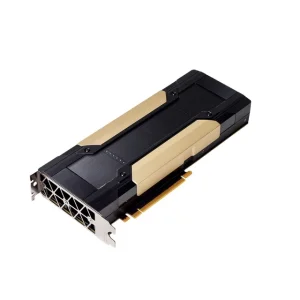
From core server memory configuration to custom liquid-cooled GPU clusters, TensorNova delivers tier-1 components and server platforms designed for complex modern computing demands.
TensorNova is an established, professional high-performance AI GPU server manufacturer and hardware solution provider based in China. Founded in 2016, we have committed our efforts to engineering, assembling, and distributing AI computing hardware, scalable GPU clusters, and premium memory modules to enterprise clients globally. With over 12 years of industry experience in high-performance computing, we maintain a focus on innovation, technical precision, and system localization.
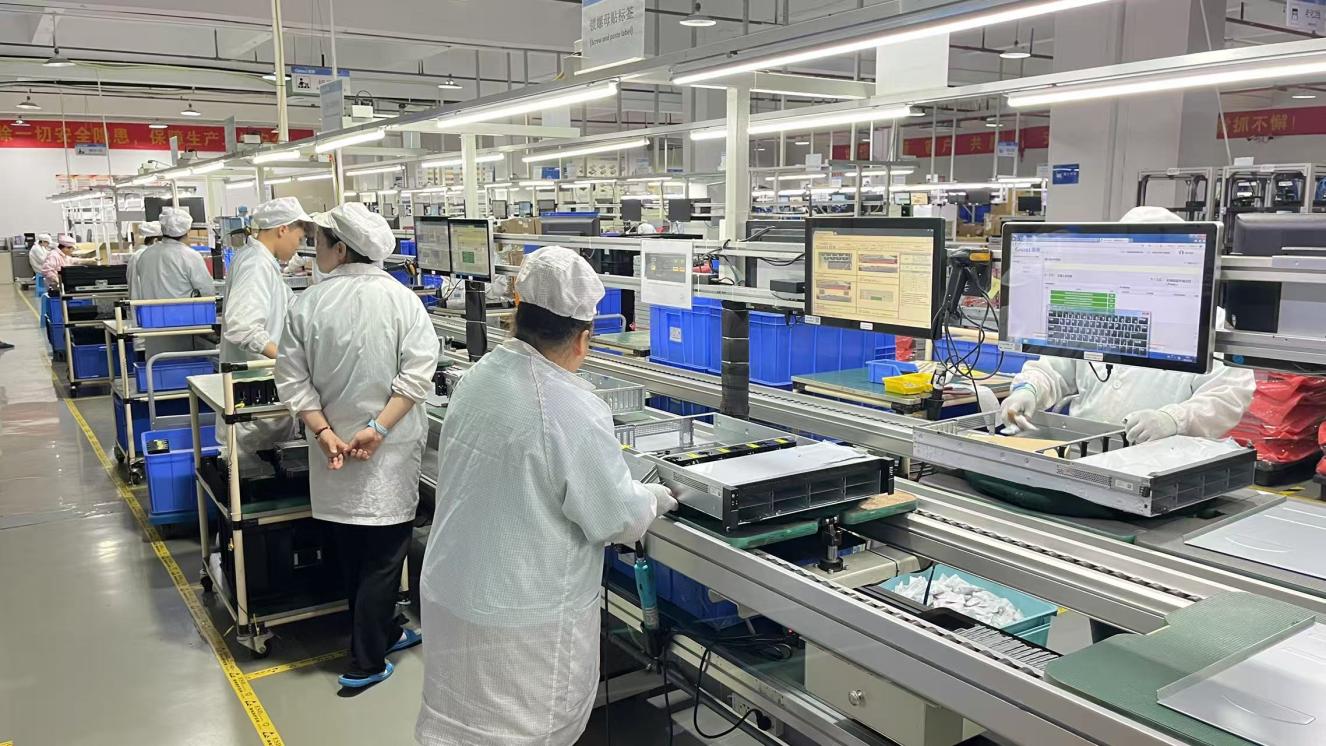
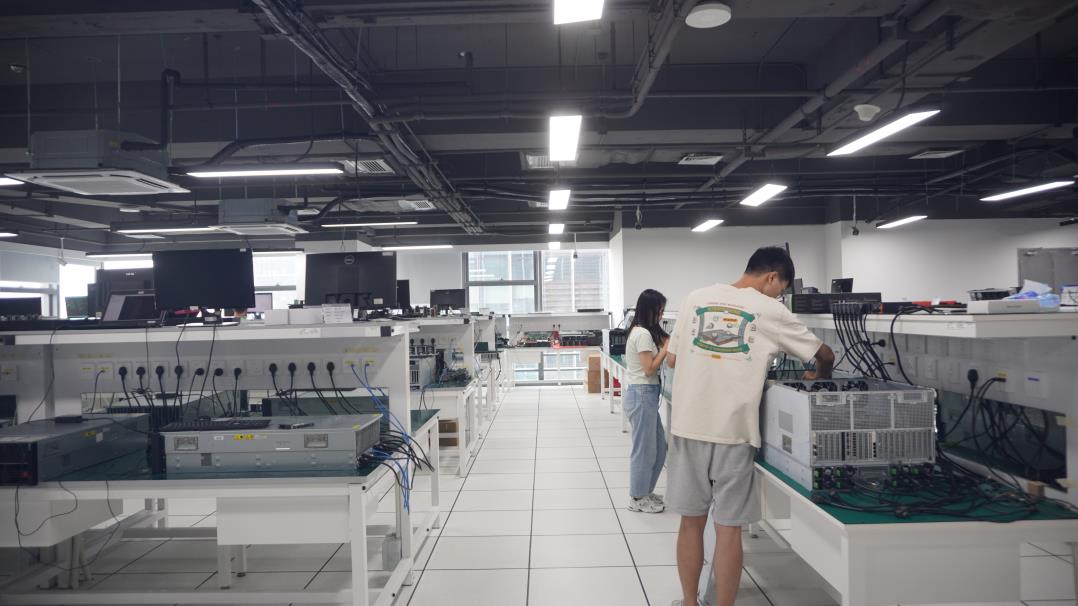
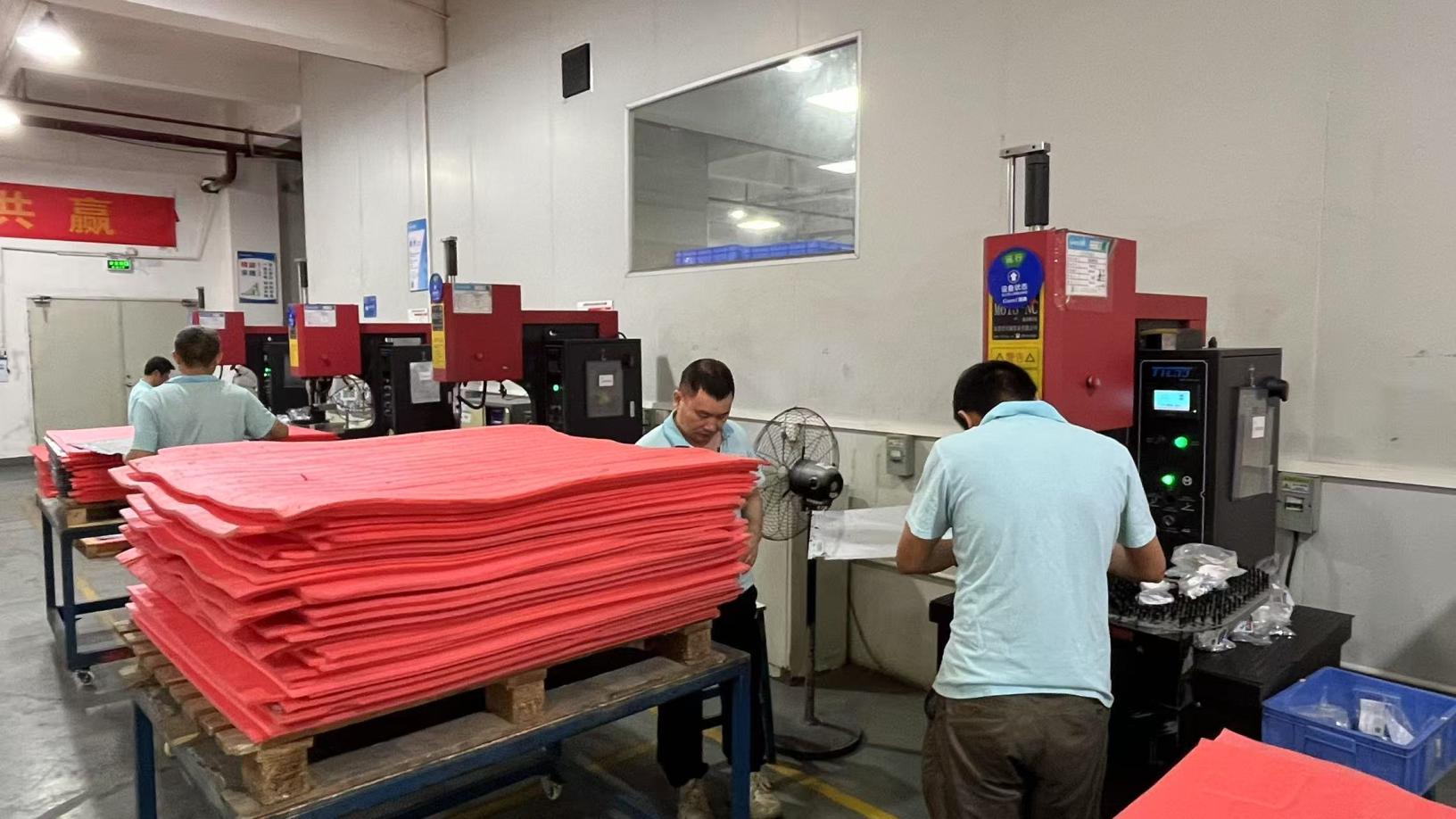
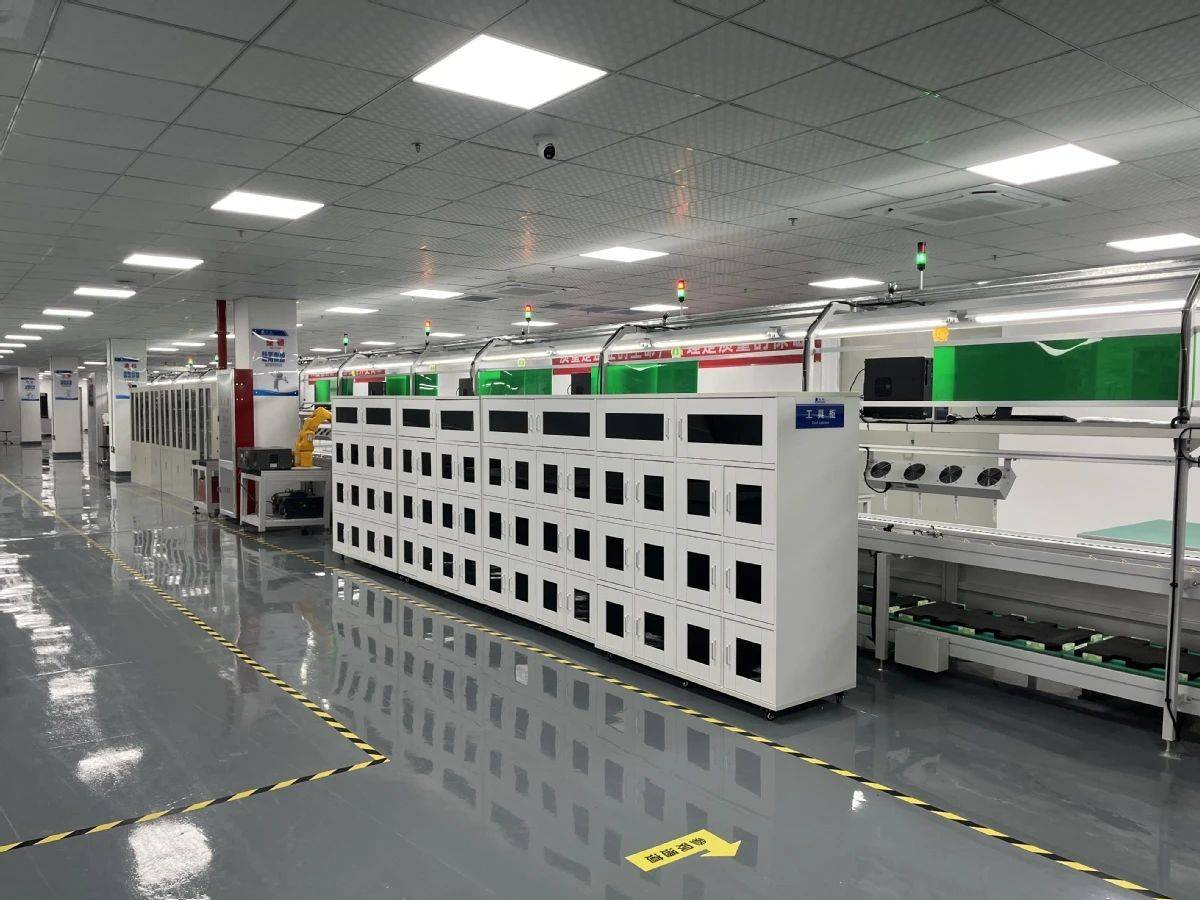
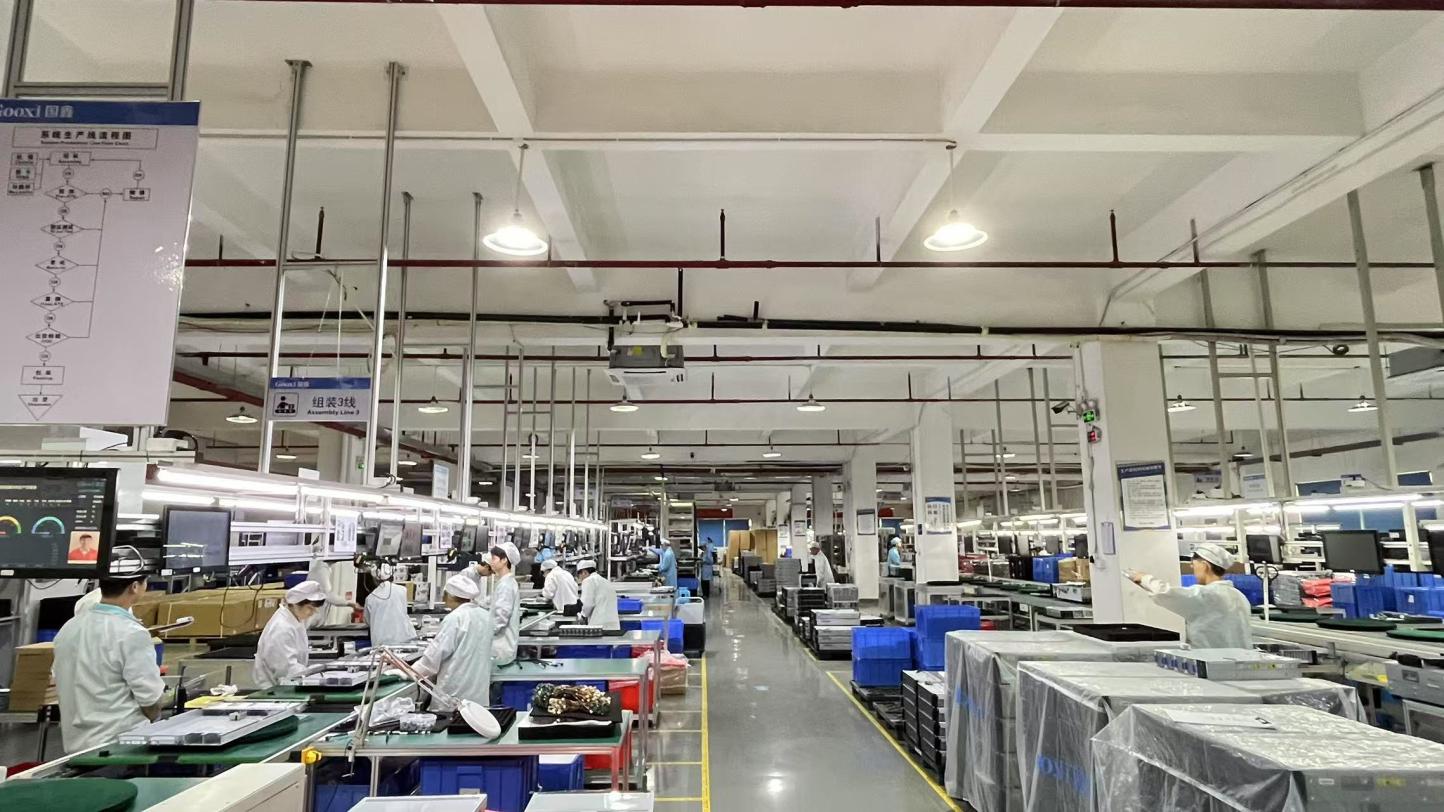
Operating out of a modern production facility of 320㎡ equipped for precision server integration, automated testing, and functional burn-in protocols, TensorNova sustains an annual export volume valued at $8.5 million. Guided by 6 years of export experience, we manage a secure, resilient global supply chain incorporating more than 1,200 verified components and semiconductor partners. This ecosystem guarantees supply continuity and fast turnaround times for customized projects.
Our commitment to quality assurance is validated by our ISO9001-based quality management system. Every batch of server RAM, host bus adapters, solid-state drives, and bare-metal server chassis undergoes a rigorous testing procedure. This protocol includes automated hardware stress analysis, thermal load validation, burn-in testing, and simulation of high-density computational workloads. With a team of 45 specialized Quality Control agents and 180 dedicated R&D engineers, we verify that every shipping server node matches the performance metrics required for critical commercial deployments.


Optimizing memory channel architecture is critical to unlocking raw processing performance in modern multi-core server processors.
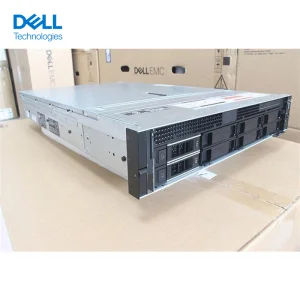
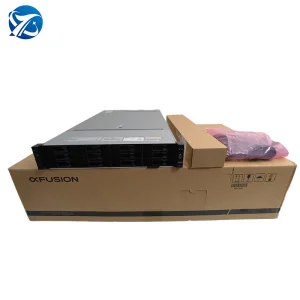
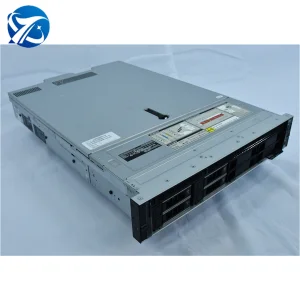
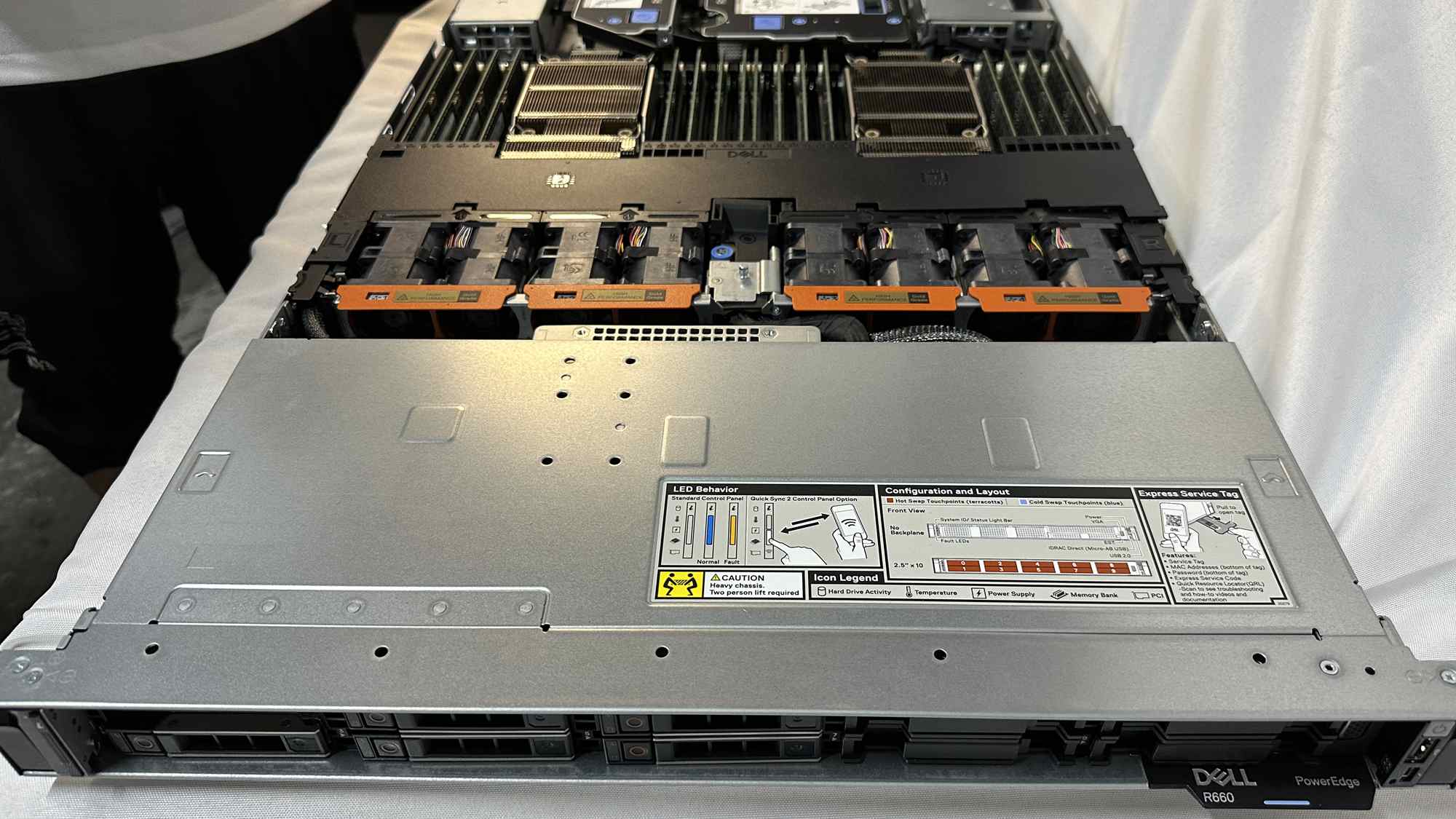
In modern multi-socket server platforms (such as the AMD EPYC and Intel Xeon Scalable architectures deployed in xFusion and Dell PowerEdge servers), memory subsystem layout directly impacts data processing throughput. Implementing a balanced memory configuration—populating one DIMM per channel (1DPC) or two DIMMs per channel (2DPC) with matching dual-rank RDIMMs—enables the processor to maximize memory bandwidth. Standardizing on 3200MHz DDR4 RDIMMs ensures low access latency (0.625ns) and data transfer speeds up to 25.6 GB/s per channel.
Additionally, the integration of registered components (RDIMMs) featuring a dedicated register driver chip minimizes command and address signal loading on the CPU memory controller. This design allows systems to scale up to 1.5TB of system memory per socket without stability issues. By pairing optimized memory architectures with advanced system storage (such as NVMe read-dense SSDs), modern systems eliminate data pipeline bottlenecks, enabling real-time processing of AI inferences, heavy SQL transactions, and high-density virtualization workloads.
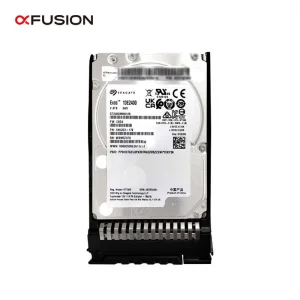
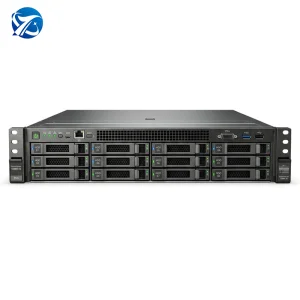
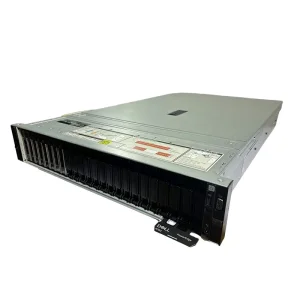
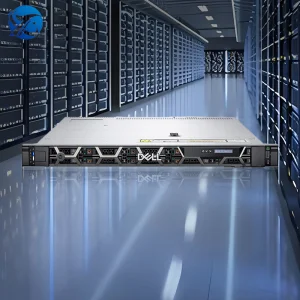
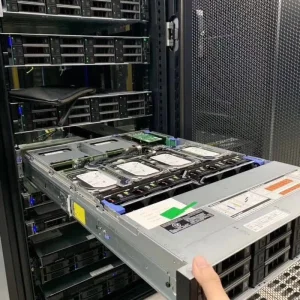
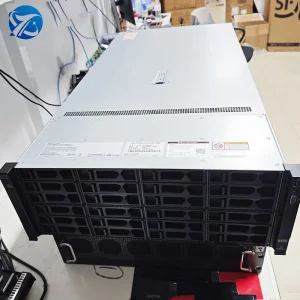
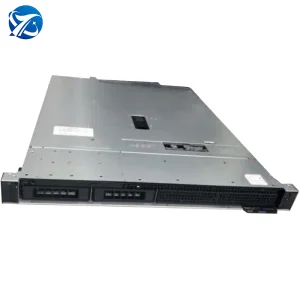
High-density 1U/2U server platforms, next-generation AI cluster designs, and solid-state data center storage options configured for the Central European market.
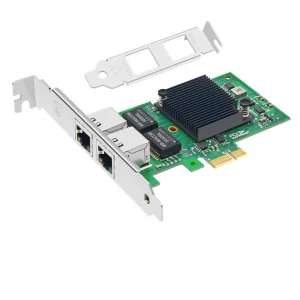
Expand bandwidth, throughput, and caching safety inside complex data center topologies with these verified hardware additions.
How the hardware interface landscape is evolving to support unprecedented data throughput requirements in global systems.
As CPU core counts scale beyond 64 and 128 cores per socket, legacy memory interface architectures face bandwidth-per-core limits. The hardware industry is actively transitioning toward DDR5 memory and Compute Express Link (CXL) cache-coherent interconnect topologies. DDR5 introduces on-die ECC functionality, doubling the default burst length from 8 to 16, and dividing the 64-bit data channel into two independent 32-bit subchannels. This change reduces access latency while improving memory channel efficiency in highly virtualized multi-tenant systems.
Additionally, CXL technology enables the creation of large, unified pools of memory accessible across different CPUs, GPUs, and specialized accelerators. This pooling reduces memory strandedness—where allocated virtual instances leave large portions of physical memory unutilized—and allows server arrays to dynamic-allocate memory capacities on demand. At TensorNova, our R&D pipeline is aligned with this transition. We are currently validation-testing next-generation CXL-enabled memory expansion modules and DDR5 enterprise-grade configurations, ensuring our clients can scale their systems effectively to handle complex, large-scale computational challenges.
Technical answers regarding compatibility, compliance, shipping, and quality assurance for procurement managers in the DACH region.