TensorNova
TensorNova
TensorNova
Premium 1U/2U server rack integrations featuring advanced scaling profiles, Intel Xeon architectures, and optimal processing structures.
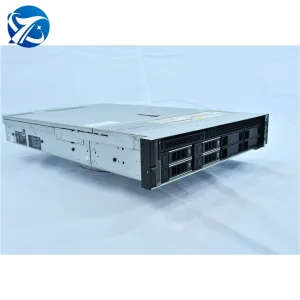
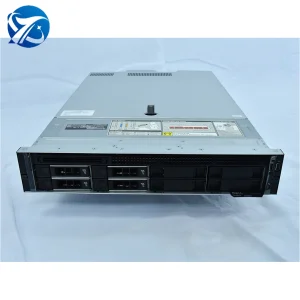
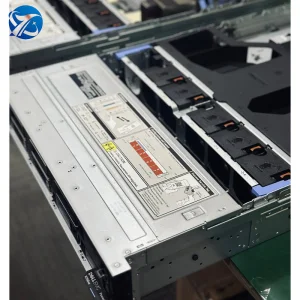
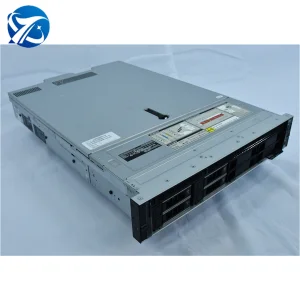
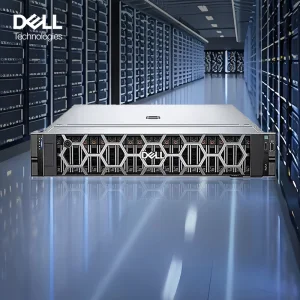
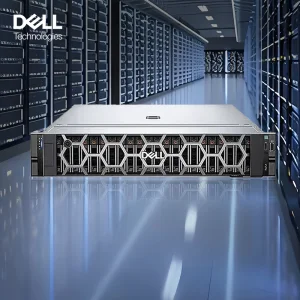
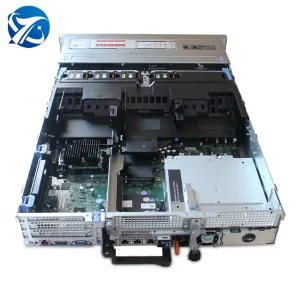
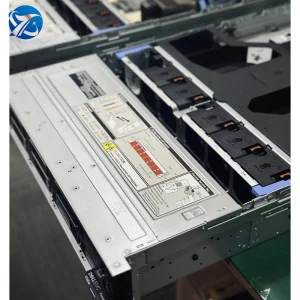
Enterprise computing architecture forms the backbone of global digital transformation. At the center of this foundation is the Dell PowerEdge server series, acclaimed for its modular engineering, robust system architecture, and superior enterprise reliability. Selecting a strategic exporter and customized system builder guarantees that global firms receive hardware tailored to high-density compute tasks.
Navigating the Dell server ecosystem requires understanding the differences between standard retail supply loops and custom integration channels. Leading exporters provide value-added services by converting base configurations into optimized computing platforms. These optimized configurations feature customized thermal management, customized drive-pool allocations (NVMe/SAS/SATA), and specific memory tuning. This allows data centers to maximize performance for specialized application layers, including high-frequency financial platforms and distributed machine learning systems.
Analyzing key advancements in modern enterprise compute layers, cooling system shifts, and power delivery improvements.
Deploying energy-efficient power supplies (up to 1400W Titanium hot-plug redundant PSUs) alongside optimized Intel Xeon architecture reduces ongoing datacenter operational expenses (OPEX) without compromising processing power.
Dell's R760 and R660 families utilize high-speed DDR5 memory (up to 4800MT/s), which increases memory throughput for database hosting, multi-tenant container virtualization, and complex computational physics simulations.
With CPU thermal thresholds exceeding 350W TDP, exporters offer options for direct-to-chip liquid cooling manifolds and custom high-airflow fan assemblies to ensure systems maintain operational thermal boundaries.
Integrating high-efficiency server distribution with specialized quality assurance systems and customized AI architecture engineering.
Based in China, TensorNova operates as a leading high-performance AI GPU server manufacturer and infrastructure solution provider. Since 2016, the company has integrated component-level sourcing with custom rack configurations for enterprise IT departments, research institutes, and cloud providers worldwide.
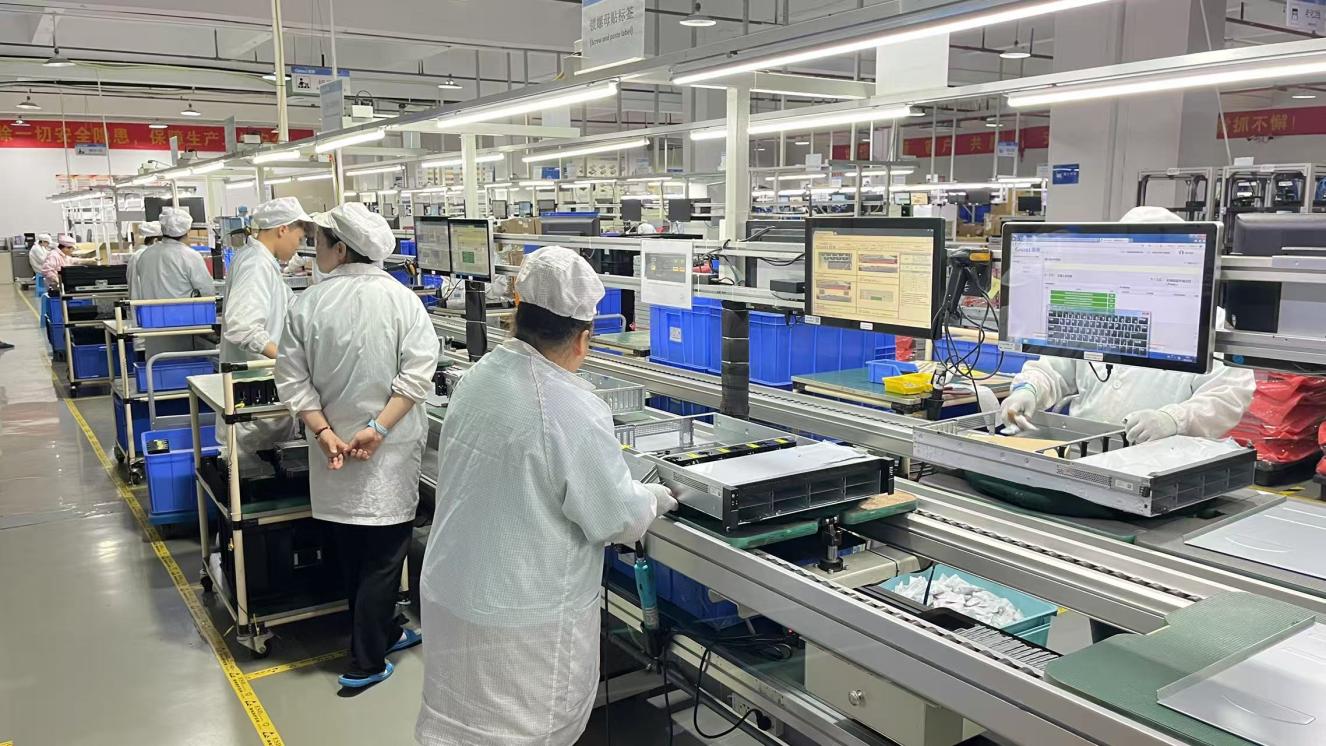
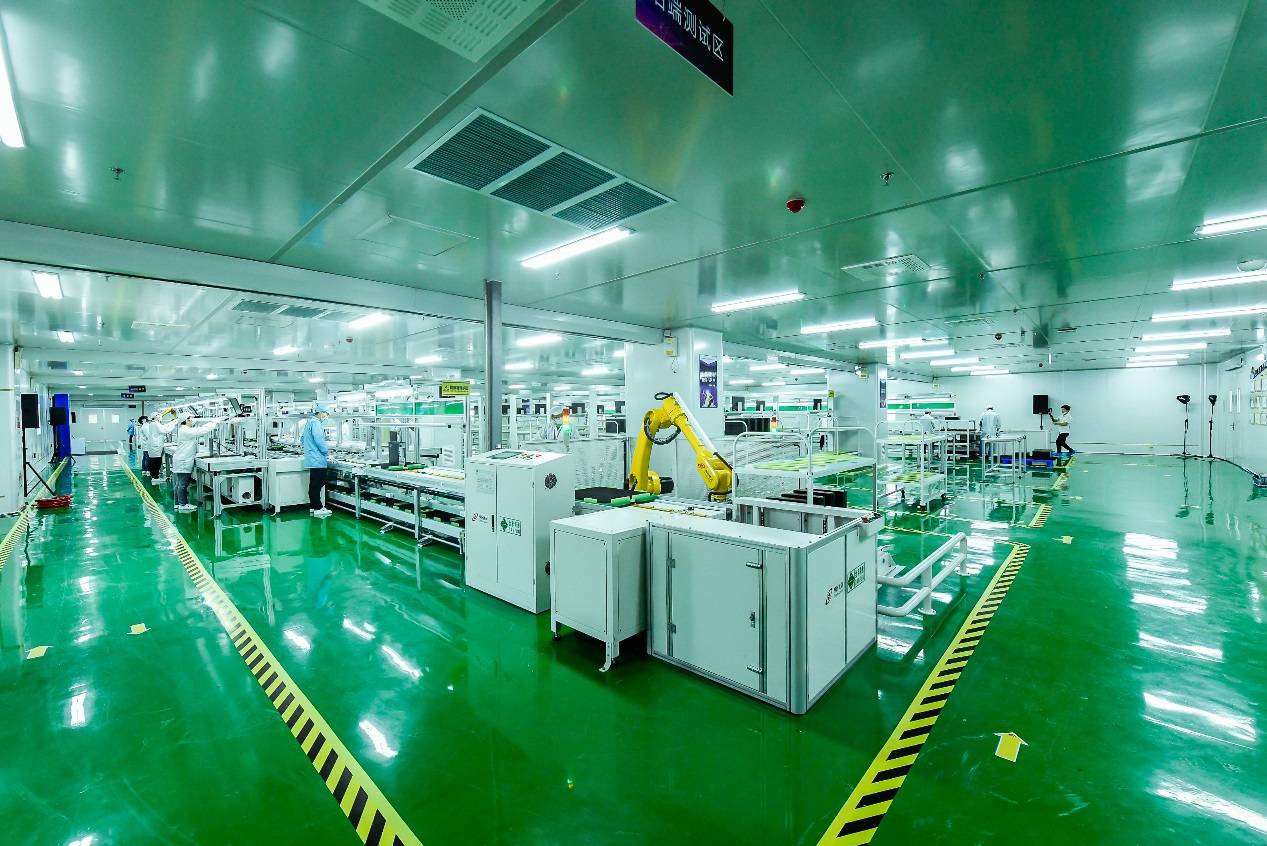
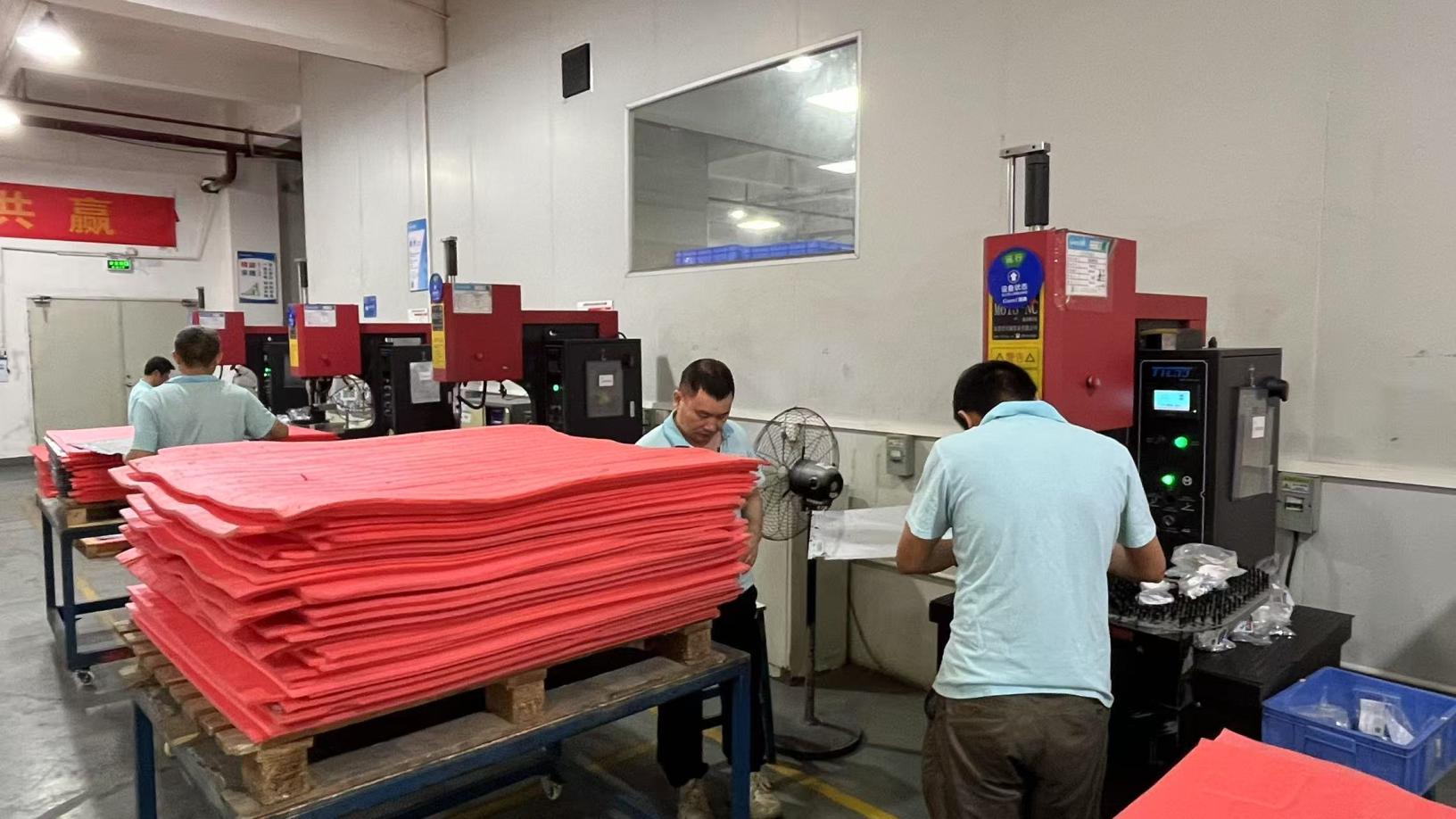
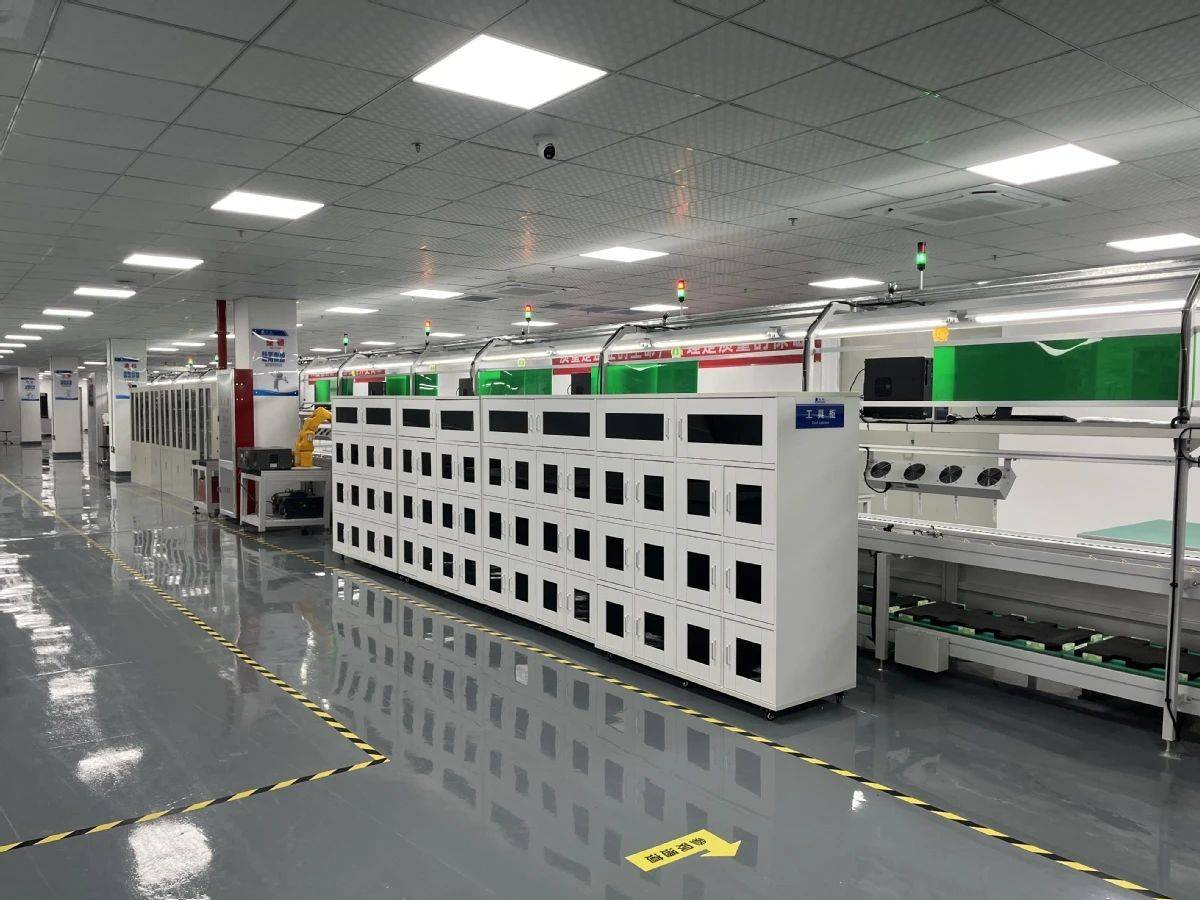
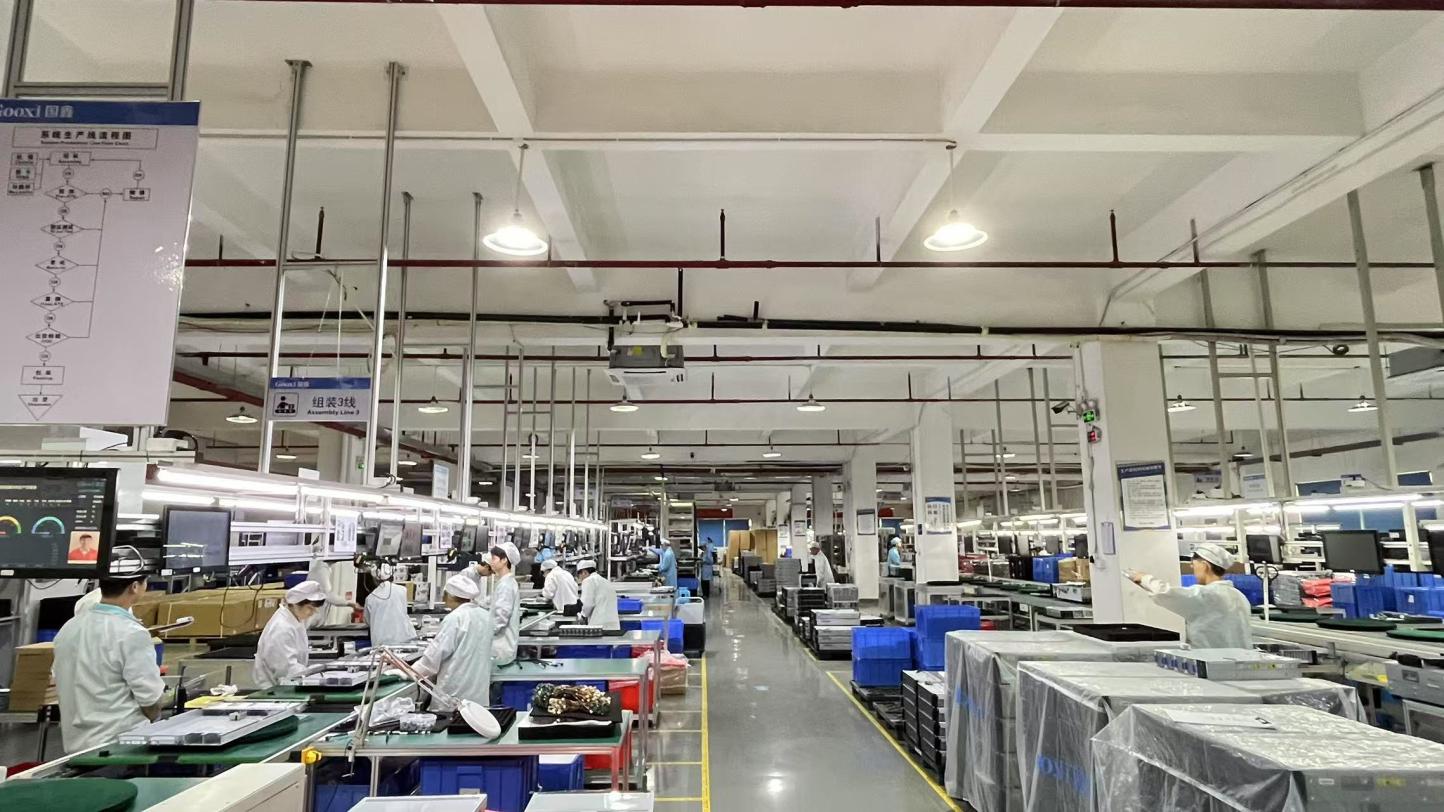
Operating out of a modern facility designed for server assembly, testing, and component integration, TensorNova works directly with a vast network of over 1,200 global suppliers. The engineering team features 180 R&D specialists who optimize bare-metal builds, customize GPU architectures, refine cooling setups, and execute motherboard-level bios and hypervisor tuning.
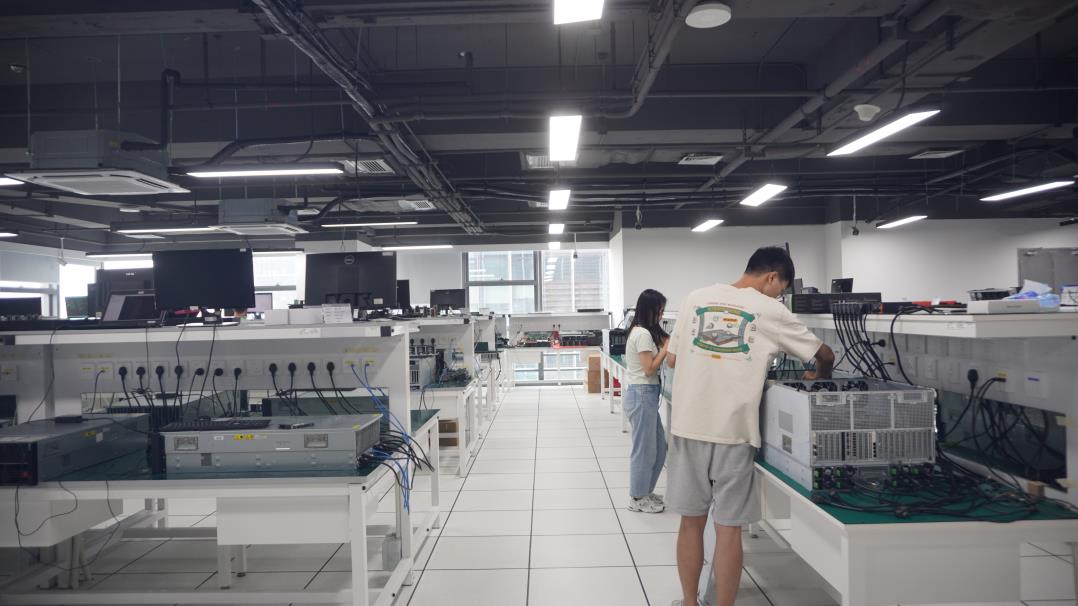
Quality control is critical. With over 45 QA analysts, TensorNova employs a strict validation process featuring ISO9001-based quality management system protocols. Each exported unit undergoes automated hardware stress testing, thermal validation, long-duration burn-in cycles, and deep workload simulation testing to guarantee out-of-the-box reliability.
| Capability Parameter | TensorNova Specifications |
|---|---|
| Core Competency | AI Computing, GPU Clusters, Custom Systems |
| Quality Framework | ISO9001, Automated Burn-In & Thermal Testing |
| Export Experience | 6+ Years Exports / 12+ Years Total Server Expertise |
| Target Markets | USA, Germany, Singapore, UAE, global regions |
| Annual Innovation | Launched 320+ Custom Server Systems Last Year |

Configuring baseline systems into optimized compute nodes for specialized corporate workloads.
Accelerating calculations by configuring multi-instance GPU architectures with fast interconnect pathways (PCIe Switch and direct linkages), bypassing processing bottlenecks.
Configuring Silicon Root of Trust systems on PowerEdge motherboards, applying cryptographically signed firmware, and enabling system lockdown features to prevent physical and digital supply-line changes.
Structuring disk backplanes (e.g. on Dell R760XD2 architectures) to combine high-speed NVMe drives for cache layers with high-capacity SAS/SATA storage for archival arrays.
Technical baseline metrics of prominent 1U, 2U, and 4U chassis styles configured by professional exporters.
| Model Name | Form Factor | Processor Sockets | RAM Maximum | Primary Storage & Slots | Common Use Case |
|---|---|---|---|---|---|
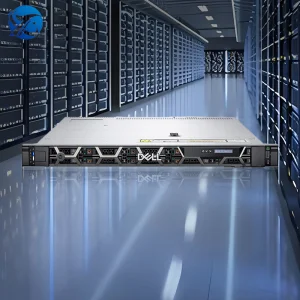
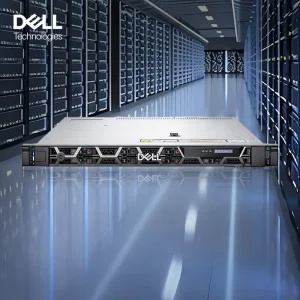
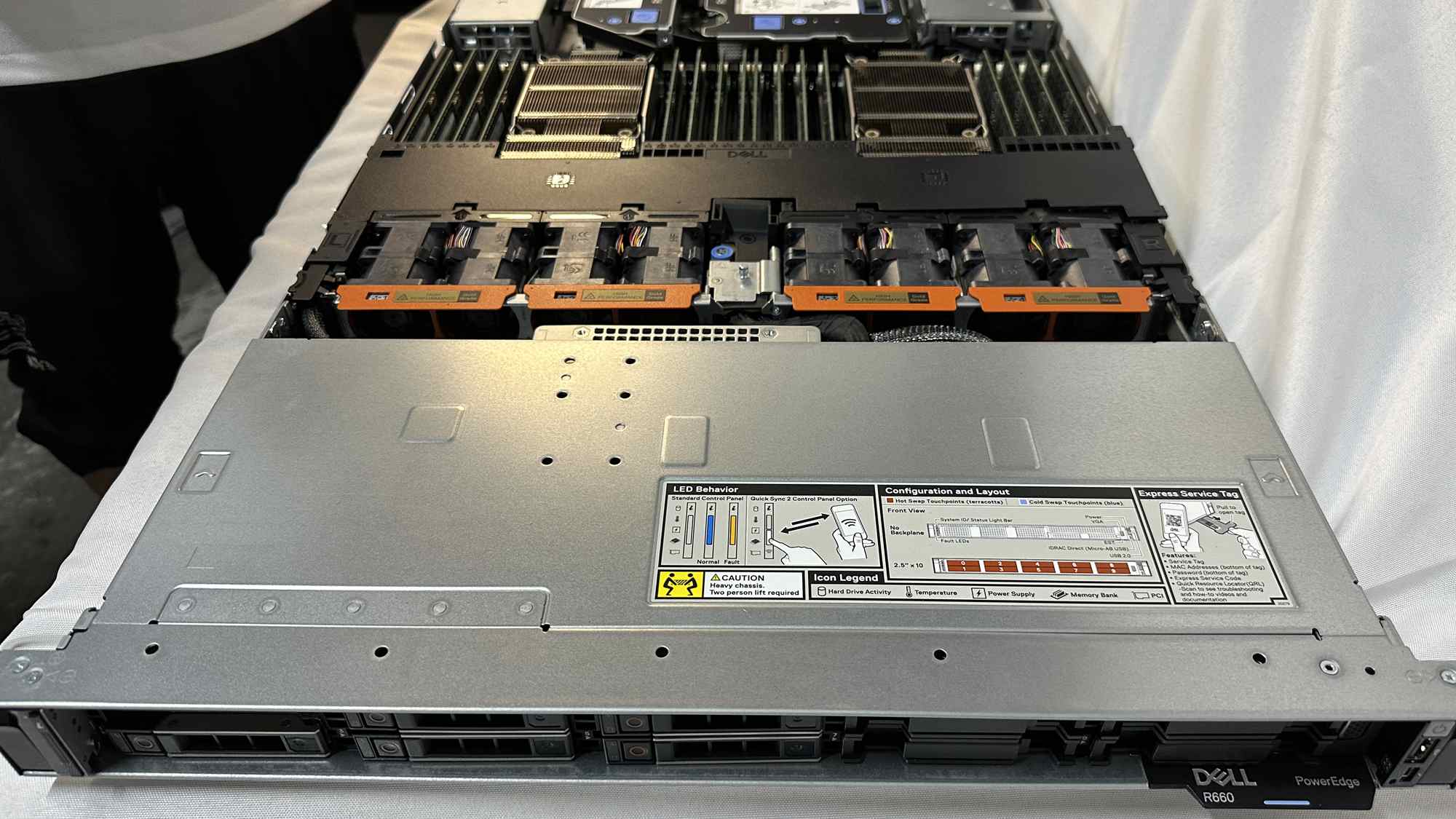
| PowerEdge R660 / R660XS | 1U Rackmount | Dual Socket (Intel Scalable Gen 4) | Up to 8TB DDR5 | Up to 10x 2.5-inch NVMe/SSD | Virtualization, High-density Cloud Nodes |
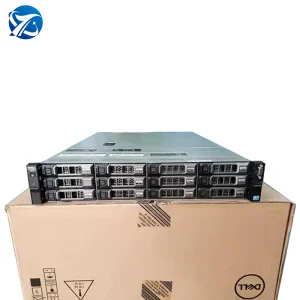
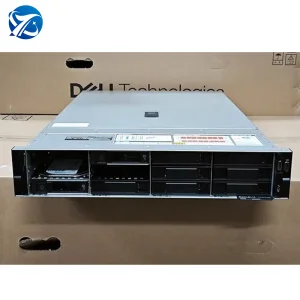
| PowerEdge R760 / R760XS | 2U Rackmount | Dual Socket (Intel Scalable Gen 4) | Up to 8TB DDR5 | Up to 24x 2.5-inch or 12x 3.5-inch | Database Engine, Virtualized Environments |
| PowerEdge R760XD2 | 2U High Capacity | Dual Socket (Intel Scalable Gen 4) | Up to 4TB DDR5 | Up to 24x 3.5-inch (high-density arrays) | Media Streaming, SDS storage nodes, Big Data |
| PowerEdge R960 | 4U Rackmount | Quad Socket (Intel Scalable Gen 4) | Up to 16TB DDR5 | Up to 32x 2.5-inch SAS/SATA/NVMe | Enterprise ERP, In-memory DB, Heavy AI Core |
Transporting high-value computational infrastructure across international borders requires strict compliance with trade regulations. Experienced exporters ensure that custom server configurations meet the regional standards of target markets, such as the United States, Germany, Singapore, and the United Arab Emirates.
Compliance processes include obtaining CE, FCC, RoHS, and UL electrical and ecological certifications, which prevent customs delays. Additionally, professional logistics management features climate-controlled transport, custom shock-absorbing foam packaging, and comprehensive transit insurance to ensure sensitive internal circuits remain intact from the factory floor to the client's datacenter.
A look at the upcoming technological changes shaping next-generation server clusters.
Upcoming system architectures will transition to PCIe 6.0, doubling the bandwidth of current PCIe 5.0 channels. This development will support ultra-fast SSD storage arrays and low-latency network interface cards.
As CPU and accelerator TDPs increase, hybrid cooling systems (integrating internal closed-loop liquid pumps with high-rpm exhaust fans) will become standard in compact 1U and 2U server setups.
Next-generation management firmware will use predictive telemetry algorithms to monitor thermal levels, fan degradation, and memory error rates. This allows for automated parts replacement before system failures occur.
Technical guidance for global procurement managers planning enterprise hardware acquisitions.
High-density rack configurations, 1U layouts, and high-performance server structures optimized for demanding workloads.