TensorNova
TensorNova
TensorNova
Explore our premium selection of DDR4 ECC registered memory modules and high-density computing platforms configured for hyperscale datacenters and mission-critical enterprise workloads.
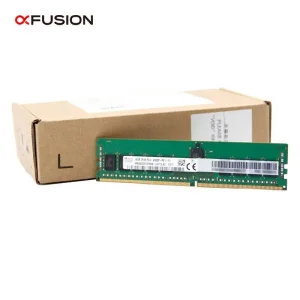
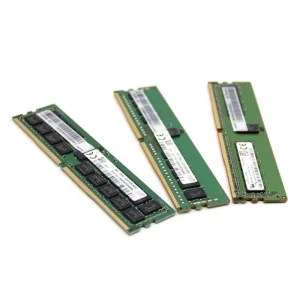
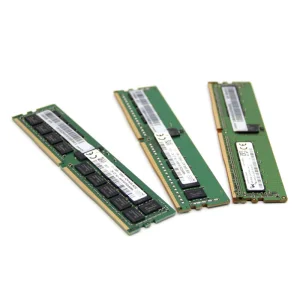
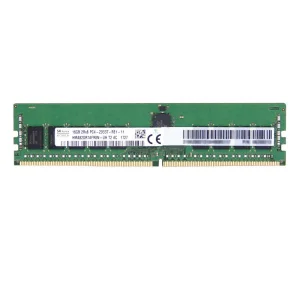
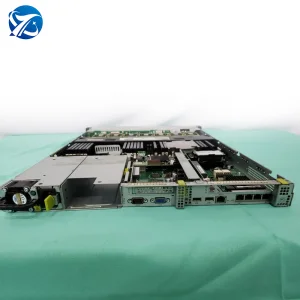
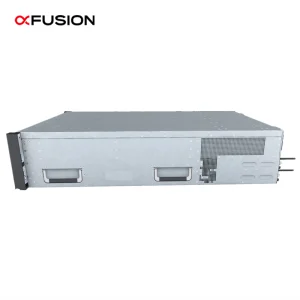
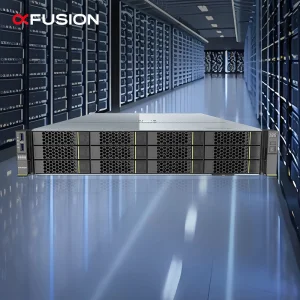
In the modern digital landscape, the performance, stability, and longevity of enterprise databases and hyper-scale server infrastructures hinge directly on memory module reliability. Server RAM is not merely a component; it is the fundamental conduit for high-throughput computing. Finding the right Server RAM factories and suppliers involves navigating a highly specialized supply ecosystem where engineering validation, raw component quality (DRAM die binning), and regulatory compliance form the baseline of trustworthy production.
High-quality memory modules require meticulous validation. Reputable manufacturers exclusively source Grade-A original DRAM silicon dies from tier-1 foundries, ensuring robust signal integrity and thermal efficiency under continuous high loads.
Enterprise servers cannot tolerate downtime. Reliability protocols dictate 100% automated hardware testing, burn-in verification under extreme high-temperature cycles, and real-world database workload emulation.
Adhering strictly to JEDEC Solid State Technology Association standards guarantees absolute cross-compatibility between various motherboard chipsets (Intel Xeon, AMD EPYC) and memory configurations.
The server architecture landscape is undergoing a massive paradigm shift. As data generation accelerates exponentially and compute nodes scale out, memory sub-systems face twin challenges: bandwidth limitations (known as the "memory wall") and stringent power efficiency constraints. To address these bottlenecks, memory manufacturing technology is evolving rapidly across several key frontiers.
While DDR4 remains a cornerstone in legacy server platforms due to its cost-efficiency and optimized reliability, modern AI and cloud datacenters are rapidly migrating to DDR5. DDR5 represents a complete re-engineering of the memory module interface. It moves the Power Management Integrated Circuit (PMIC) directly onto the DIMM, decentralizing voltage regulation from the motherboard to the module. This architectural shift significantly improves power efficiency and signal integrity. Furthermore, DDR5 doubles the burst length and bank groups compared to DDR4, supporting data transfer rates starting at 4800 MT/s to well over 8400 MT/s. On the far horizon, R&D labs are already establishing the initial JEDEC parameters for DDR6, which is expected to support signaling speeds exceeding 17,600 MT/s through advanced PAM (Pulse Amplitude Modulation) architectures.
The introduction of Compute Express Link (CXL) is redefining memory system topography. Traditionally, RAM has been bound strictly to the CPU socket, leading to underutilized memory capacity in multi-tenant cloud servers. CXL acts as an open industry standard interconnect, enabling memory pooling and expansion over PCIe physical layers. Through CXL 2.0 and 3.0 architectures, servers can dynamically allocate memory from a shared global pool. Memory manufacturers are responding by developing dedicated CXL E3.S and Add-in Card (AIC) memory expansion modules, creating a new class of high-density dynamic allocation hardware.
Reliability, Availability, and Serviceability (RAS) are non-negotiable for enterprise ecosystems. Modern RDIMMs deploy sophisticated On-Die ECC (Error Correcting Code) alongside standard side-band ECC. On-Die ECC performs active error correction directly within the DRAM die before data is output to the host system, significantly reducing memory read-error rates. Moving forward, Processing-in-Memory (PIM) and Near-Memory Computing (NMC) are transitioning from theoretical papers to physical silicon, integrating basic logic gates within the memory components to perform computational tasks, radically decreasing latency and energy consumption during big data queries.
For specialized AI accelerators and deep learning systems, standard RDIMM configurations are increasingly paired with or augmented by High Bandwidth Memory (HBM). HBM utilizes 3D-stacked DRAM dies connected via silicon through-silicon vias (TSVs) on a silicon interposer, achieving ultra-wide memory buses (up to 1024 bits wide per stack) and processing speeds exceeding 1 TB/s. As AI training datasets expand into trillions of parameters, the optimization of memory layouts for mixed-workload servers (GPU-centric compute combined with dense CPU system RAM) represents the baseline requirement for future server platforms.
A primary error in server procurement is treating memory as a homogenous resource. Different enterprise applications demand vastly distinct operational profiles from server RAM. Below is a macro breakdown of how memory architectures map to industry-specific requirements.
In algorithmic and high-frequency trading (HFT), latency is measured in nanoseconds. For these solutions, custom-screened, ultra-low-latency DDR4/DDR5 RDIMMs are utilized, running optimized sub-timings. High stability under high thermal thresholds is guaranteed to prevent write failures and transactional anomalies.
Machine learning workloads are characterized by intense matrix multiplication. This requires massive memory bandwidth to prevent CPU/GPU starvation. Solutions involve configuring multi-channel (8-channel or 12-channel) layouts using high-speed DDR5 modules to keep massive data pipelines continuously saturated.
Multi-tenant server instances require high density and reliability. Here, Load-Reduced DIMMs (LRDIMMs) or high-capacity RDIMMs (64GB, 128GB, and 256GB densities) allow servers to run high numbers of Virtual Machines (VMs) per physical CPU, maximizing hardware utilization and ROI.
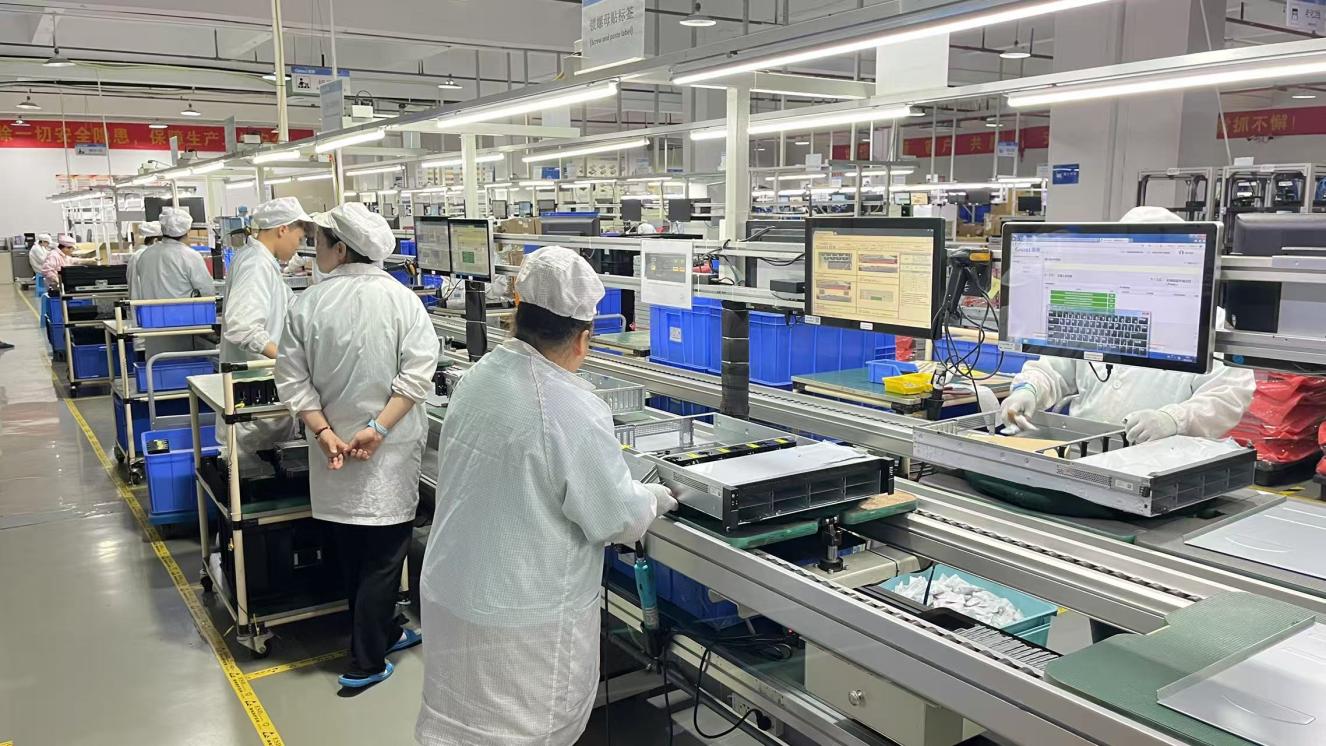
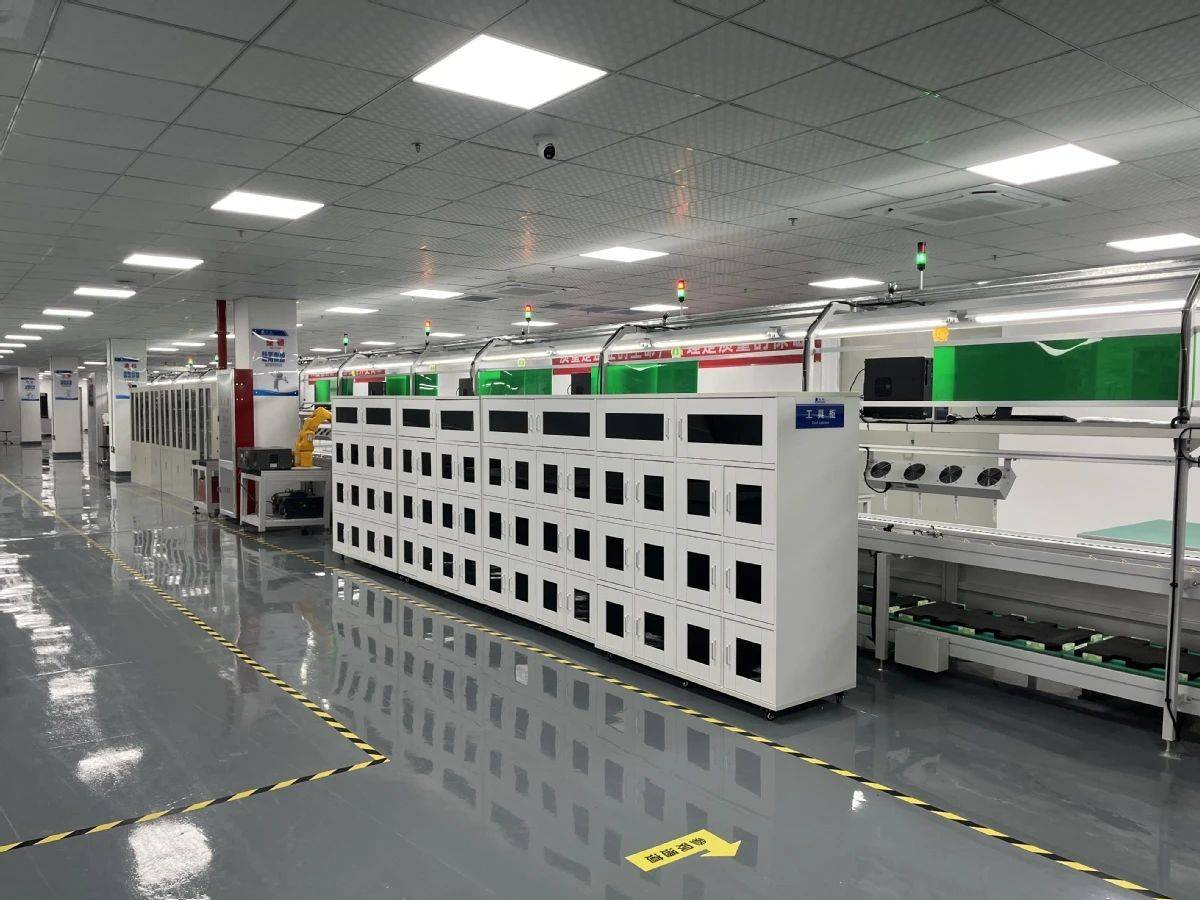
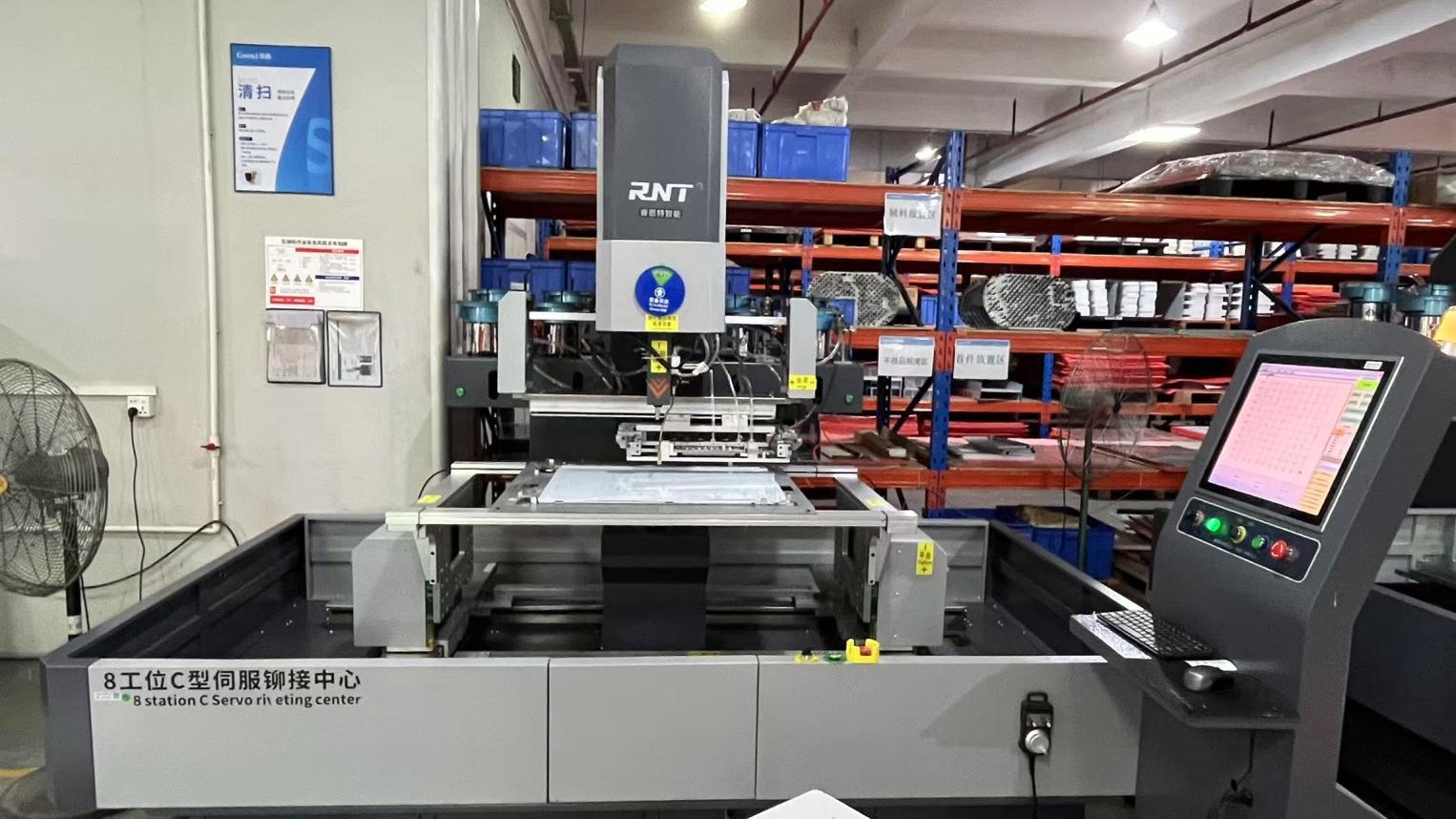
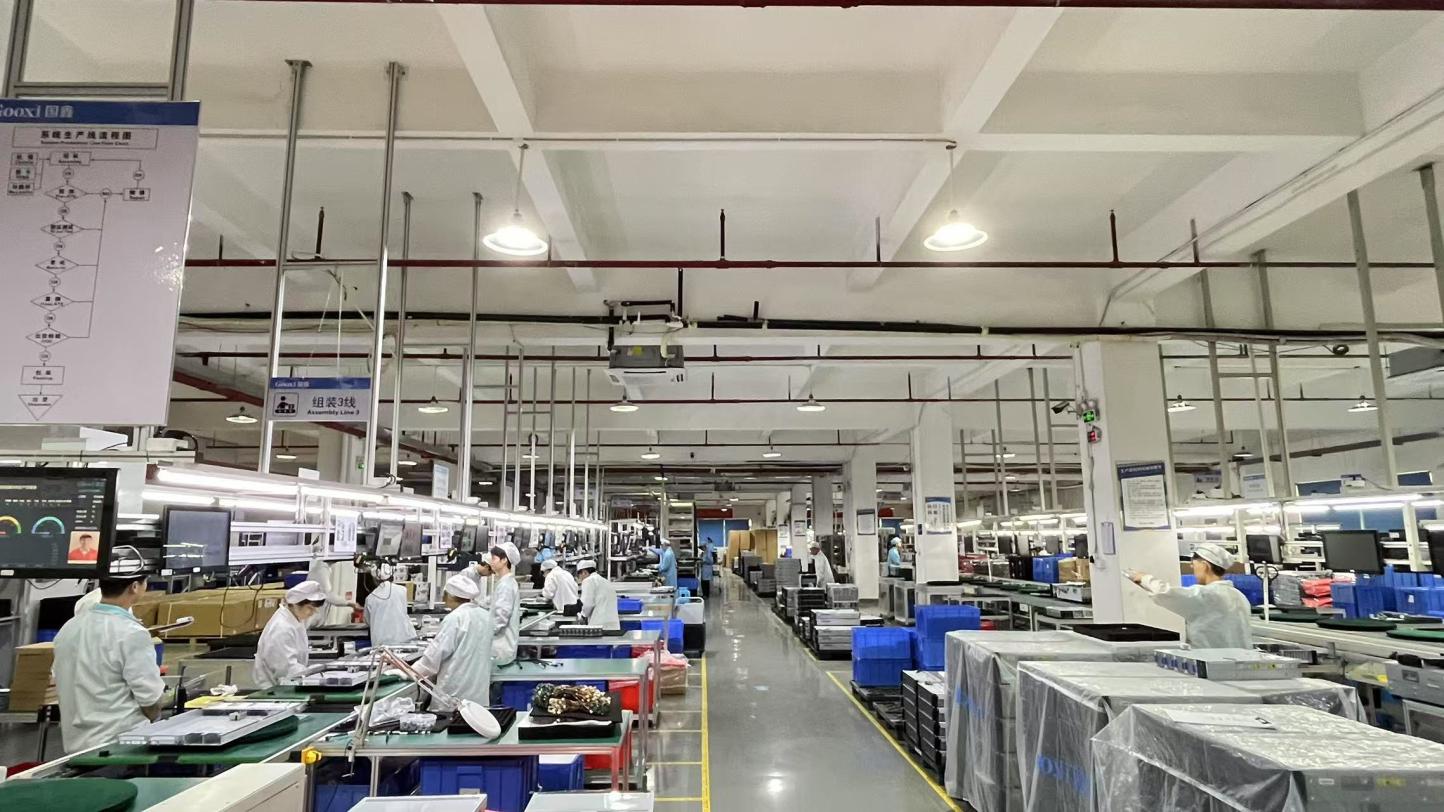
The global hardware supply chain relies heavily on advanced manufacturing ecosystems. China's shift toward "Smart Factory 4.0" combines automated Surface Mount Technology (SMT) production lines, intelligent testing protocols, and vertical supply chain integration. This ecosystem allows high-volume production, rapid layout prototyping, and strict quality parity with global tier-1 standards.
TensorNova is a professional, high-performance AI GPU server manufacturer and infrastructure solution provider based in China. Specializing in AI computing hardware, GPU clusters, and highly scalable data center configurations, the company has grown to become a reliable supplier in the high-performance computing market.
Operating from a state-of-the-art facility optimized for hardware system integration, server assembly, and comprehensive thermal-load testing, TensorNova brings more than 12 years of industry experience and 6 years of international trade operations. To guarantee system dependability, TensorNova utilizes an ISO9001-based quality management system. Every server and memory configuration undergoes rigorous automated hardware stress testing, thermal validation, long-run burn-in diagnostics, and real-world AI workload simulation testing managed by a team of over 45 quality control professionals.
TensorNova serves strategic enterprise markets across North America, Europe, Southeast Asia, and the Middle East, with primary client concentrations in the United States, Germany, Singapore, and the United Arab Emirates. Backed by a strong R&D force of approximately 180 engineers, TensorNova specializes in deep system tuning, hardware customization, GPU and memory configuration optimization, custom chassis layout, advanced liquid and air cooling designs, and workload-specific motherboard configuration.
Supported by an extensive supply chain containing over 1,200 verified components and hardware partners, TensorNova ensures fast assembly times, stable production, and high resilience against global semiconductor supply shocks. In the past fiscal year alone, the engineering team successfully introduced 320+ new products, demonstrating a commitment to continuous hardware innovation.
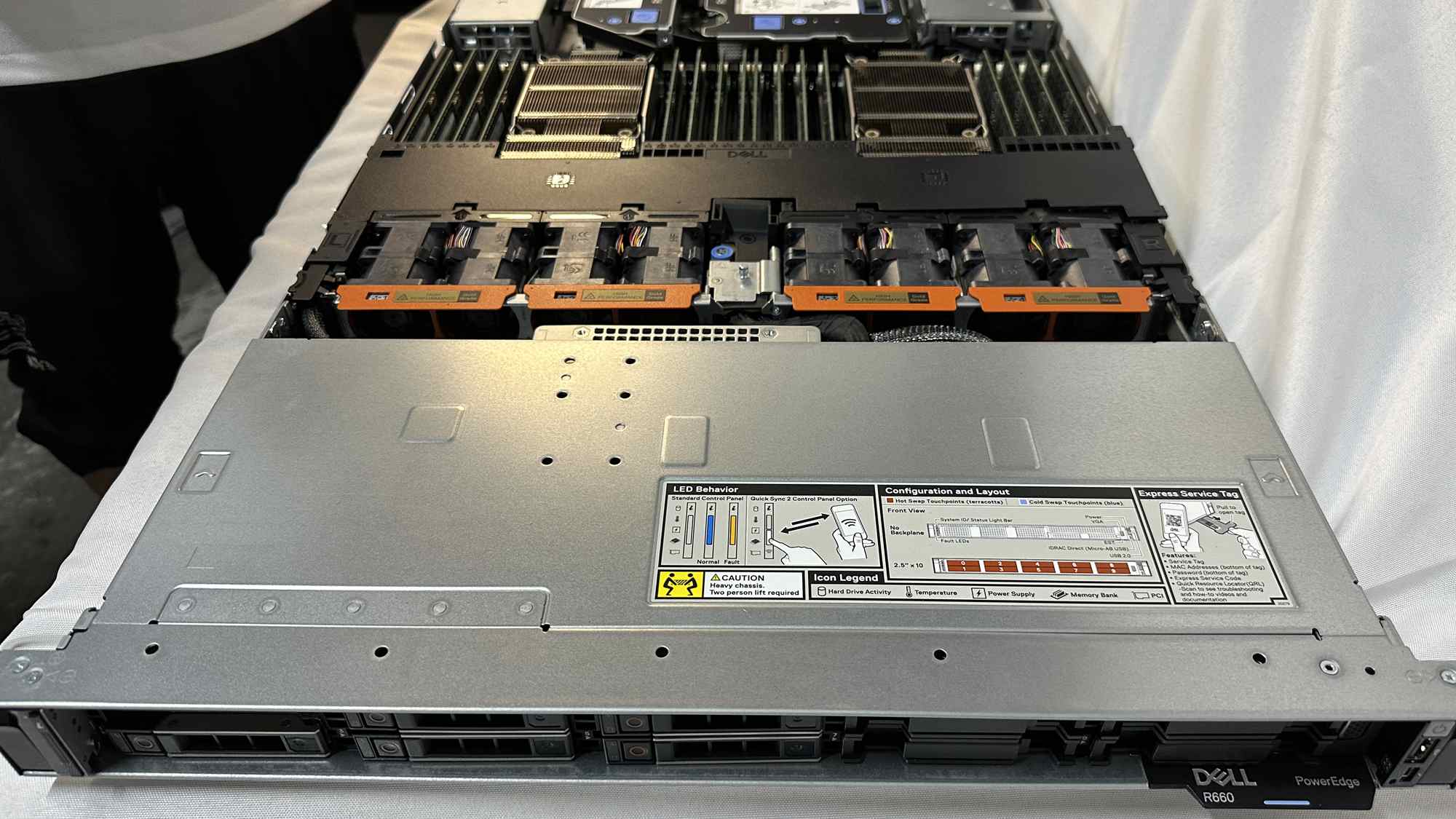
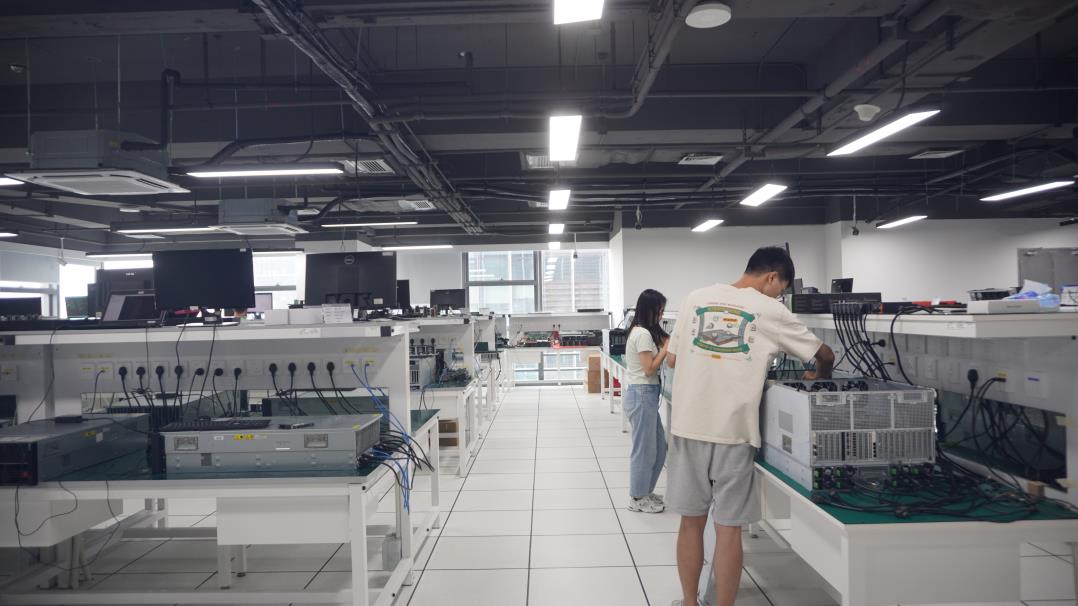
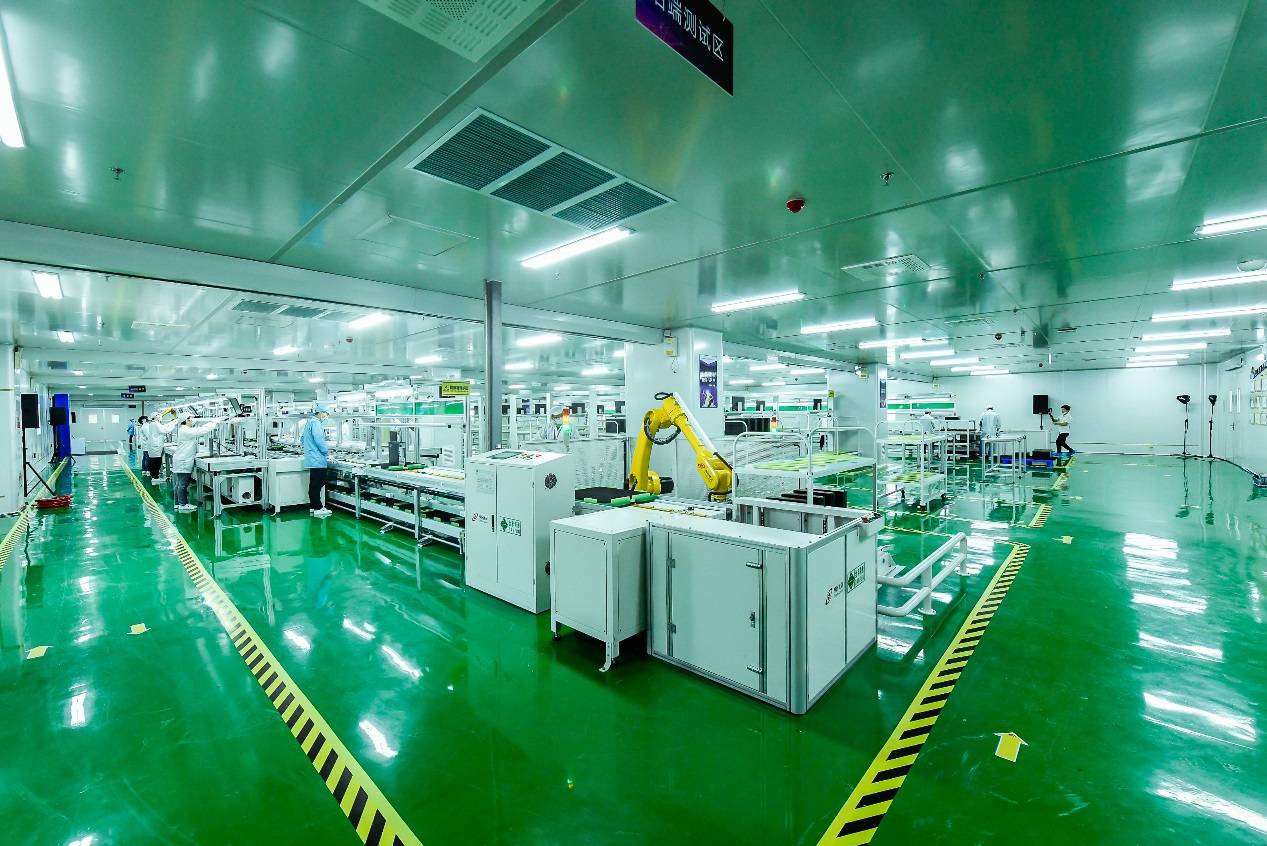
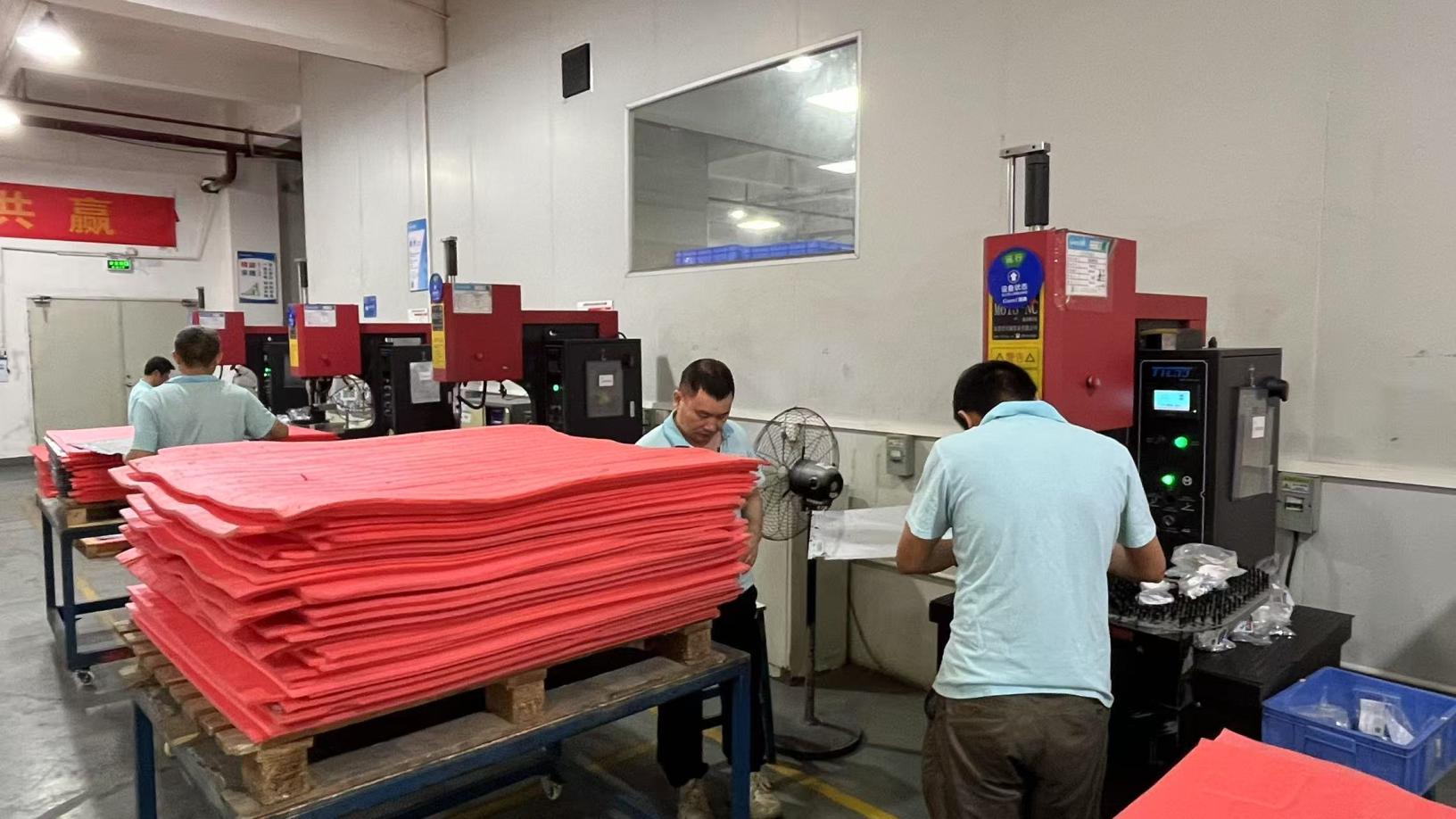
Enterprise-level hardware sourcing involves detailed engineering and economic criteria. Standard commercial off-the-shelf procurement methods are insufficient for the technical needs of modern high-performance computing centers.
Datacenters require detailed verification of DRAM component sourcing. Grade-A DRAM dies are selected through careful testing to guarantee reliable signal margins under high voltage and elevated thermal conditions.
Leading IT organizations require memory failure rates of less than 500 DPPM (Defective Parts Per Million). Achieving this standard requires systematic validation testing on major server platforms (Intel, AMD, ARM).
Industrial operations require predictable hardware lifecycle planning. Reliable memory partners must offer clear EOL (End of Life) transition timelines and keep reserve stocks of critical components to ensure system continuity.
Global hardware operations depend on reliable regional logistics, responsive technical support, and strict compliance with local regulatory frameworks. Sourcing memory modules requires navigating complex trade and environmental standards.
Every memory product shipped must meet key regulatory requirements. This includes CE and FCC certifications for electrical safety and electromagnetic emission levels, alongside RoHS and REACH compliance to verify the absence of restricted hazardous substances in the PCB assemblies.
To minimize operational downtime, enterprise clients require rapid-response SLA structures, structured regional RMA processing centers, and direct engineering access. This support model helps troubleshoot issues like memory training errors or signal degradation under load without delaying projects.
Review detailed technical and commercial answers designed to guide enterprise procurement managers and system architects in selecting high-reliability server memory.
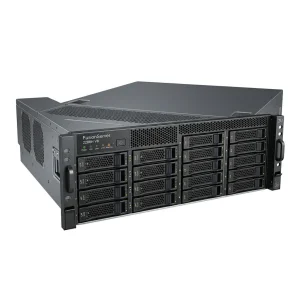
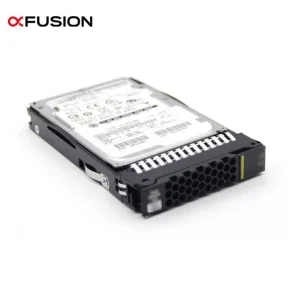
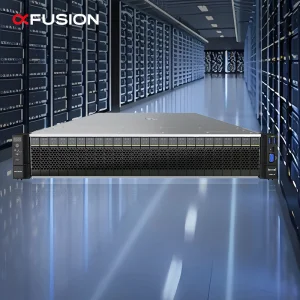
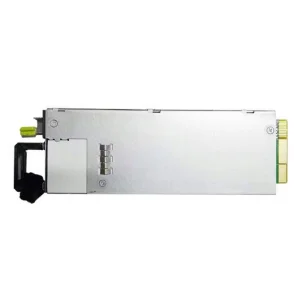
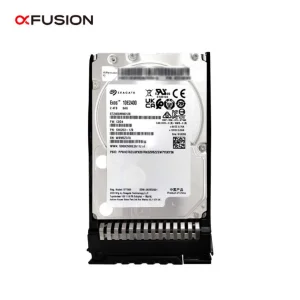
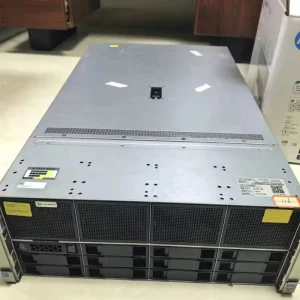
Browse our additional inventory, including 2U enterprise computing servers, redundant power supplies, high-durability SAS HDDs, and NVMe SSDs configured for intensive storage environments.