TensorNova
TensorNova
TensorNova
High-efficiency rackmount systems designed to meet enterprise virtualization, storage, and intensive AI processing demands.
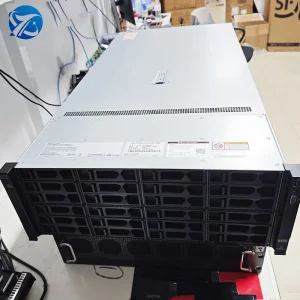
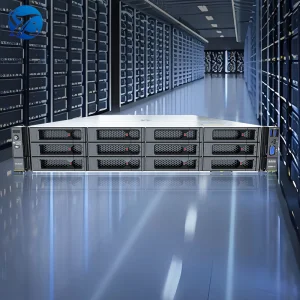
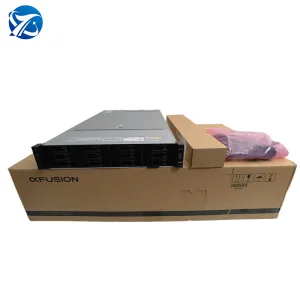
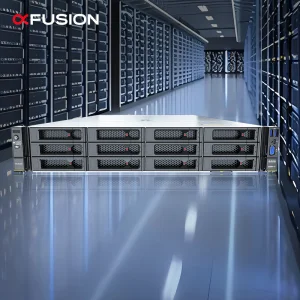
Unpacking the shift in hyper-density architectures, high TDP compute parameters, and advanced enterprise workloads.
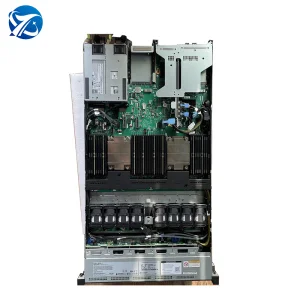
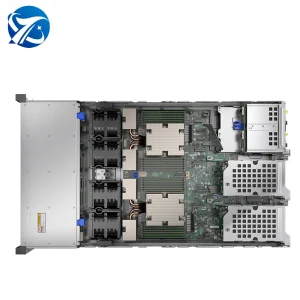
The contemporary global industrial sector is undergoing a profound paradigm shift driven by massive deep learning architectures and high-density virtualization setups. xFusion V7 rack servers are strategically engineered to target these processing frontiers. Designed to integrate Intel Xeon Scalable Gen 4/5 processors or AMD EPYC platforms, the V7 server series delivers a massive compute envelope. Enterprises deploy these systems in multi-tier applications, high-performance database arrays, and dynamic cluster configurations to maximize compute density per rack unit (RU).
With the commercialization of open-source LLMs like Deepseek, servers require dedicated architecture extensions. The xFusion V7 lineup features integrated high-speed PCIe Gen 5 topologies, enabling ultra-low latency host-to-device memory communication. TensorNova customizes these xFusion models specifically to bypass GPU-to-CPU scheduling bottlenecks, integrating vast pooled memory banks (up to 8TB DDR5) to accommodate the multi-billion parameter matrices typical of Deepseek-R1 inference, training steps, and token generation routines.
Operating V7 servers at massive scale demands deep thermal balancing technologies. Modern rack data centers face unprecedented Power Usage Effectiveness (PUE) challenges due to increased processors and high-TDP accelerator GPUs. xFusion integrates automated fan control algorithms, zoned cooling partitions, and support for hybrid liquid-to-air cooling loops. These mechanisms reduce parasitic cooling losses, enabling high-performance infrastructure to operate in ambient room environments with diminished power overhead.
Analyzing performance vectors: DDR5, PCIe Gen5, Liquid Cooling, CXL, and hardware security.
The implementation of DDR5 memory architecture in the xFusion Server V7 generation introduces data rates of up to 4800 MT/s and above, yielding a performance increase of over 50% compared to legacy DDR4 standards. More importantly, this memory boost is matched by the inclusion of PCIe 5.0 lanes, which double the throughput limit of PCIe 4.0 to 32 GT/s per lane. For applications requiring massive data ingestion pipelines—such as real-time predictive financial analytics or localized LLM training—this wide channel eliminates previous IOPS storage bottlenecks.
As CPU thermal profiles exceed 350W TDP and GPUs hover around 500W-700W, traditional air cooling is reaching its thermodynamic limits. xFusion V7 servers incorporate customized cold-plate liquid cooling modules that selectively extract thermal energy directly from high-heat components. TensorNova optimizes these servers using high-conductivity interfaces, quick-disconnect fittings, and leak-detection sensors, reducing server-level energy consumption by up to 15% and providing long-term reliability for dense configurations.
The V7 platform anticipates dynamic memory pooling via CXL 1.1 and 2.0. Memory resource allocation is no longer strictly bound to specific processor sockets. By utilizing CXL, memory expansion units can be dynamically mapped as unified memory blocks across the PCIe bus, significantly dropping CPU cache latency and allowing systems to share RAM pools for heavy database engines or real-time big data workloads without needing costly socket hops.
Modern servers are key points of vulnerability in enterprise security architectures. The xFusion V7 generation implements robust hardware security modules. Through integrated secure boot processors, firmware signature verification, and TPM 2.0 modules, the system dynamically checks the BIOS and baseboard management controller (BMC) firmware on bootup. If unauthorized adjustments are detected, the system halts execution to prevent rootkit and physical firmware-level exploitation.
From edge computing environments to core enterprise infrastructures, xFusion V7 scales across sectors.
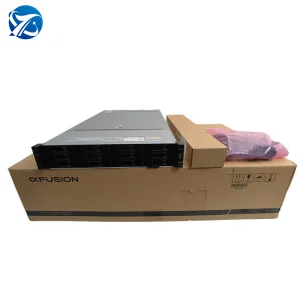
For organizations handling sensitive financial documents or medical databases, public cloud storage represents a continuous compliance challenge. The 2U 2258 V7 and 2288H V7 configurations are ideal for private high-performance NAS deployments, offering support for up to 25 hot-swappable drives, hardware RAID configurations, and NVMe-over-Fabrics connectivity to ensure rapid data availability.
Real-time conversational agents and LLM execution require highly specialized hardware optimization. Utilizing the FusionServer G8600 V7, enterprises deploy high-density PCIe GPU pools or integrated SXM modules. This delivers the necessary FP8 and INT8 precision compute power to process massive multi-turn prompt requests, providing ultra-low token latency for thousands of concurrent users.
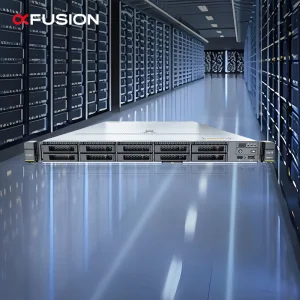
Smart factories, remote utility yards, and cellular telecom towers operate outside typical data center setups. The 1U 1288H V7 provides a dense footprints layout. This chassis operates efficiently in cramped settings, delivering high-performance routing, real-time localized video telemetry analysis, and low-latency preprocessing before pushing essential telemetry back to core corporate cloud platforms.
Continuous R&D mapping next-generation processing, modular storage, and energy-efficient data infrastructures.
Improving memory subsystem design remains key to handling next-gen AI pipelines. TensorNova is working closely with chip designers to customize memory topologies, enabling on-board caching layers that drastically lower CPU-to-DRAM latency. This ensures V7 systems can comfortably handle large-scale database operations and high-bandwidth processing without pipeline bottlenecks.
As processor thermal loads rise, liquid cooling is transitioning from a premium feature to an industry necessity. TensorNova is developing modular quick-connect manifold systems. These enable V7 servers to connect directly to commercial building cooling loops, helping facilities cut cooling-related energy costs and maintain hardware reliability even under heavy, continuous workloads.
Ensuring system security requires defense-in-depth across the entire stack. Future iterations will include automated, real-time memory encryption and dedicated hypervisor isolation modules. This hardware-level security helps isolate sensitive workloads, keeping virtual instances secure even if adjacent software layers are compromised.
TensorNova is a professional high-performance AI GPU server manufacturer and infrastructure solution provider based in China. We specialize in AI computing architectures, GPU clusters, and highly scalable data center hardware solutions for global enterprises. Established in 2016, TensorNova has grown into a trusted hardware partner with over 12 years of industry experience in AI computing and server manufacturing.
Operating out of a modern facility equipped for advanced server assembly, system integration, and rigorous quality validation, we log an annual export revenue of approximately $8.5 million. With 6 years of export experience, our solutions are trusted across key global markets, including the United States, Germany, Singapore, and the United Arab Emirates.
Our engineering-first approach is supported by an R&D team of approximately 180 R&D engineers. We design custom GPU configuration matrices, chassis adaptations, motherboard-level fine-tuning, and liquid cooling solutions to match specific AI workloads. In the past year alone, TensorNova launched over 320 new products, confirming our status as a leading partner in enterprise infrastructure.
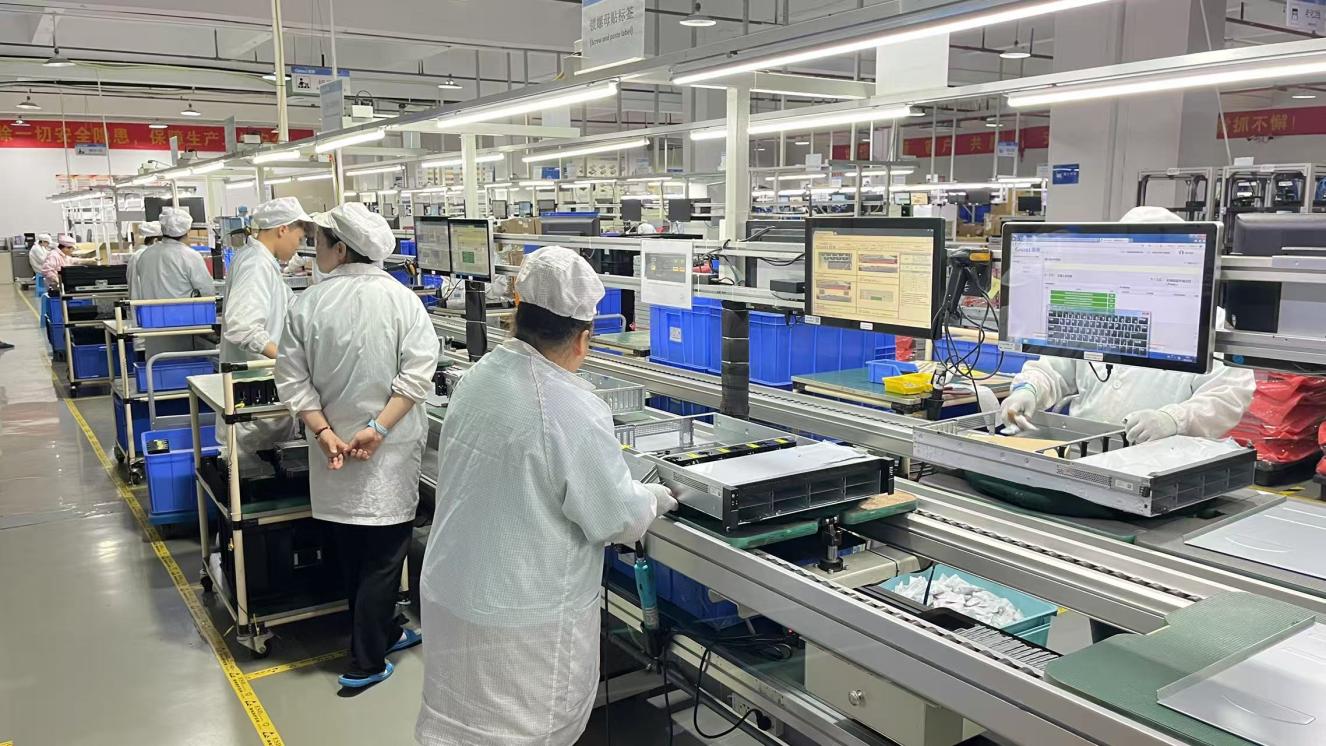
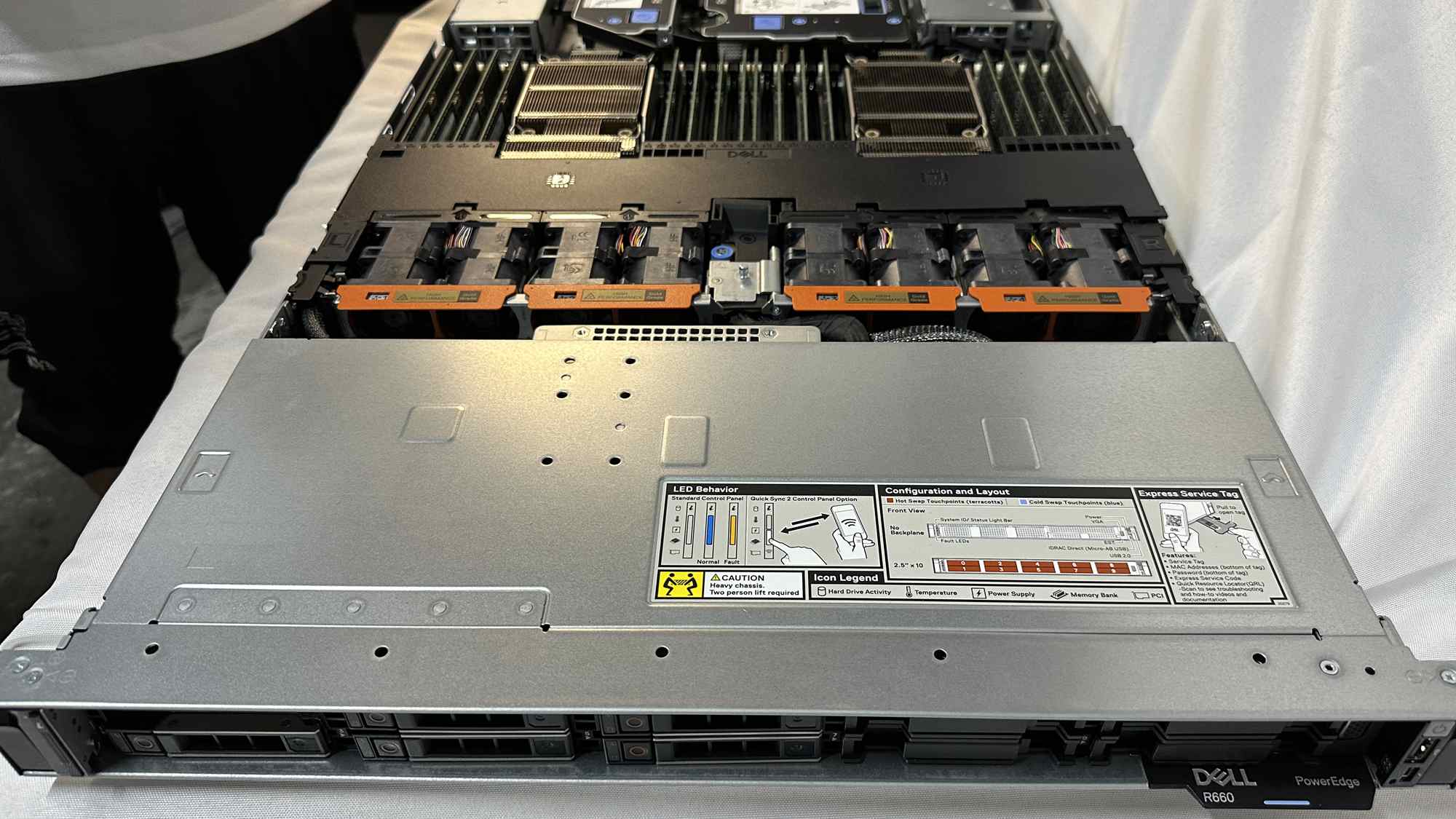
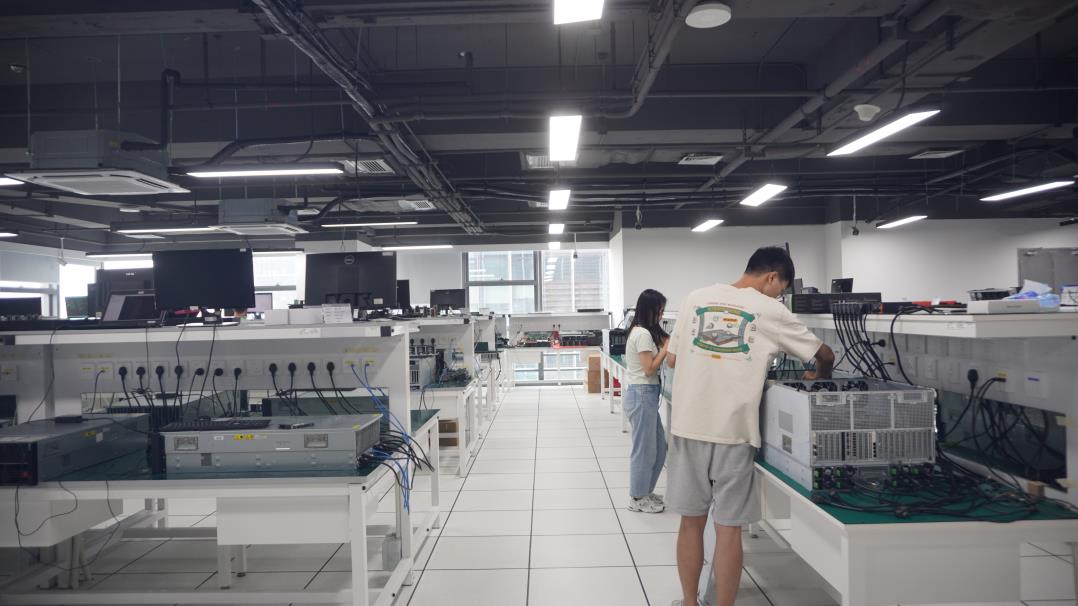
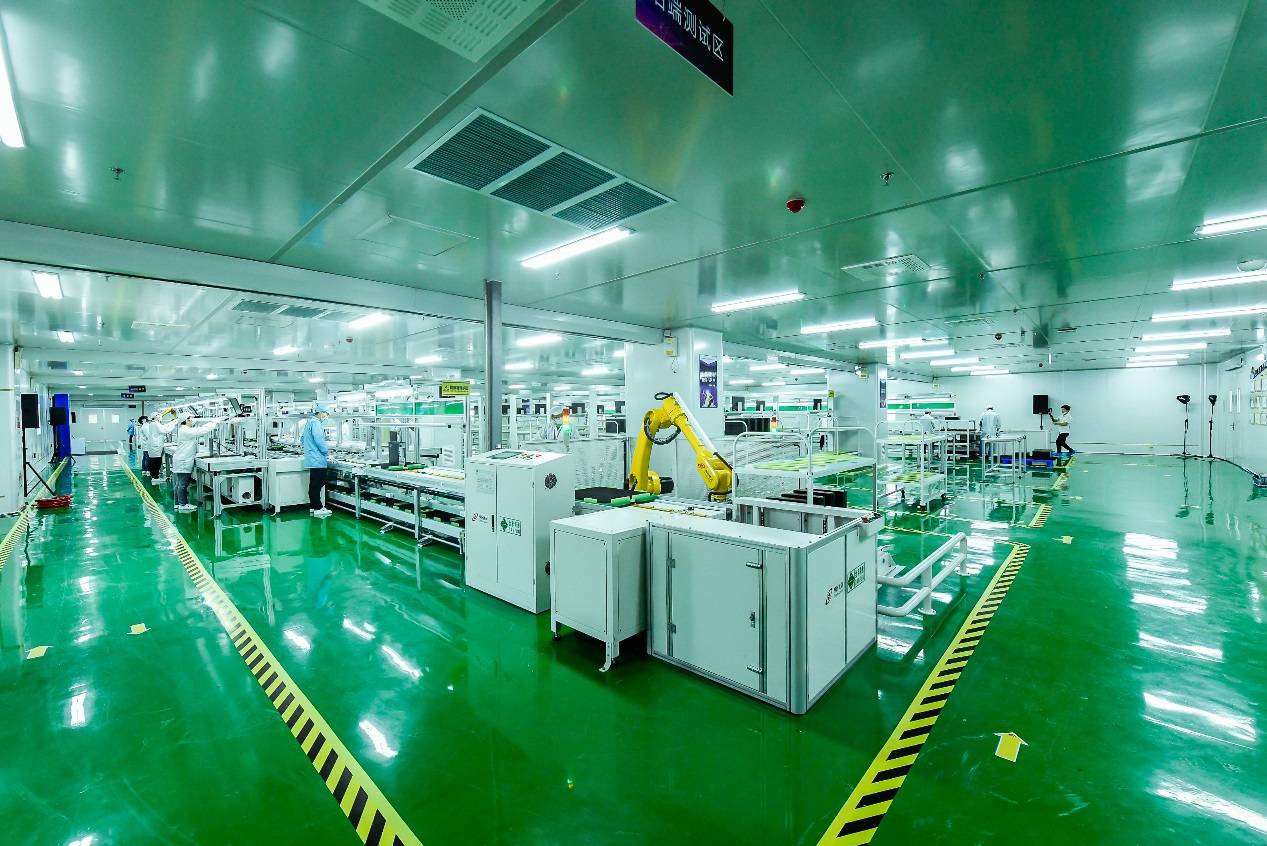
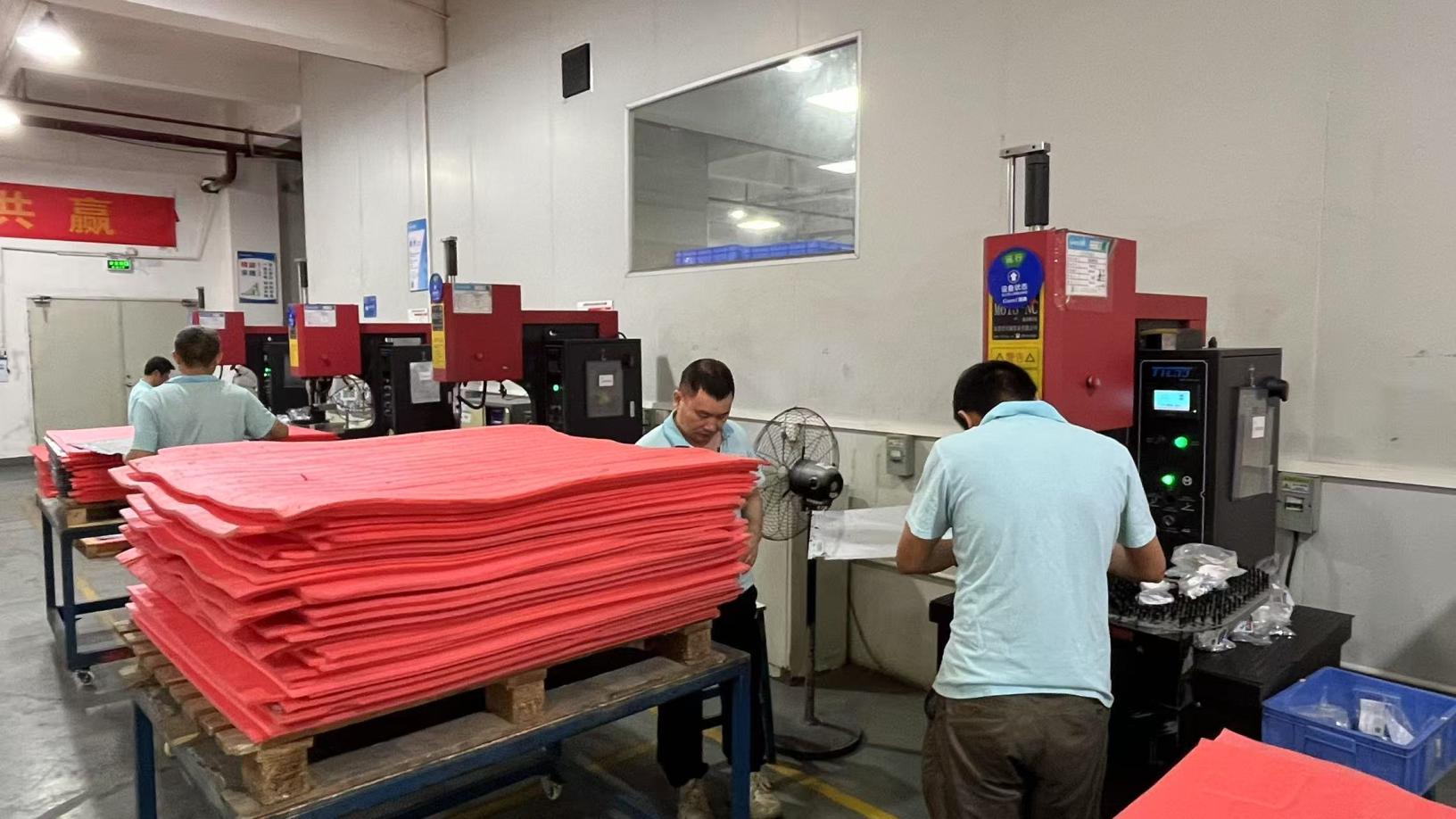
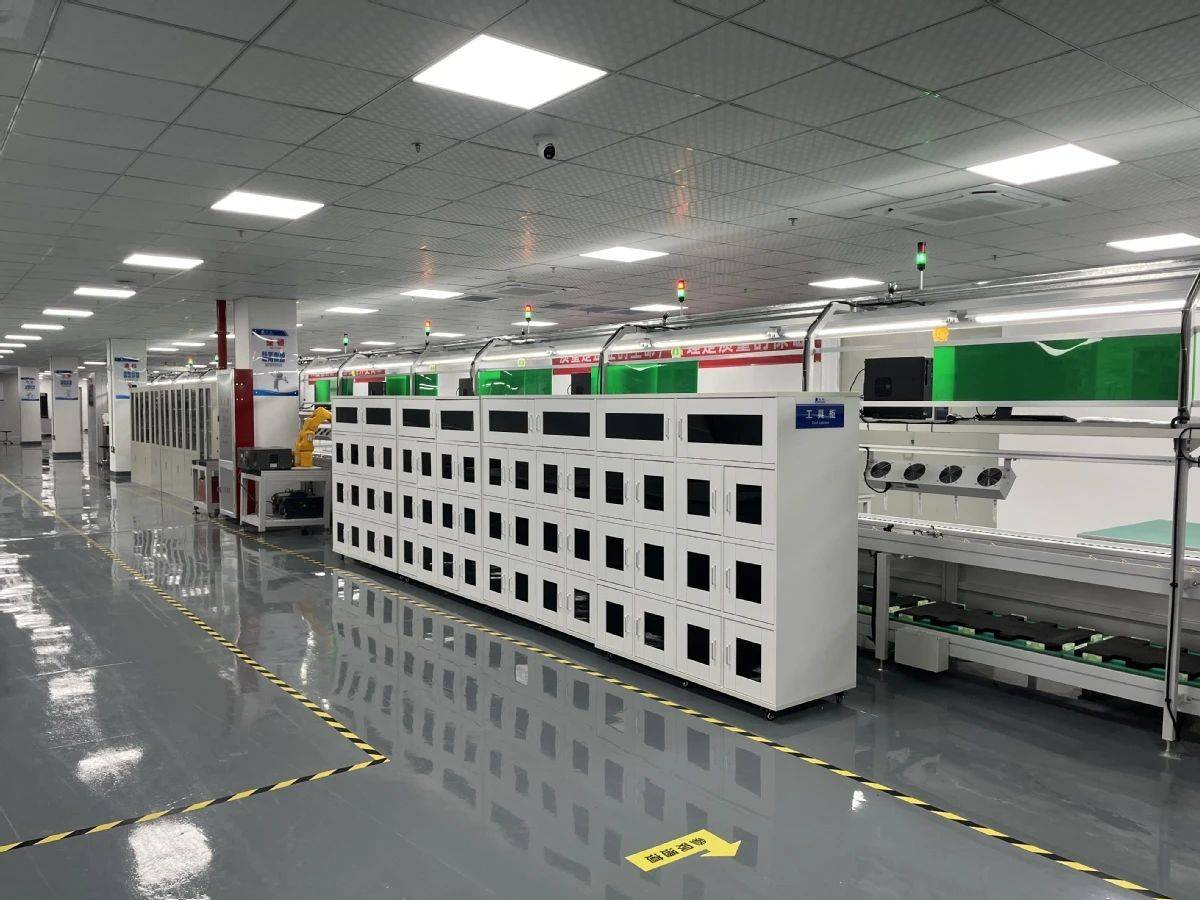
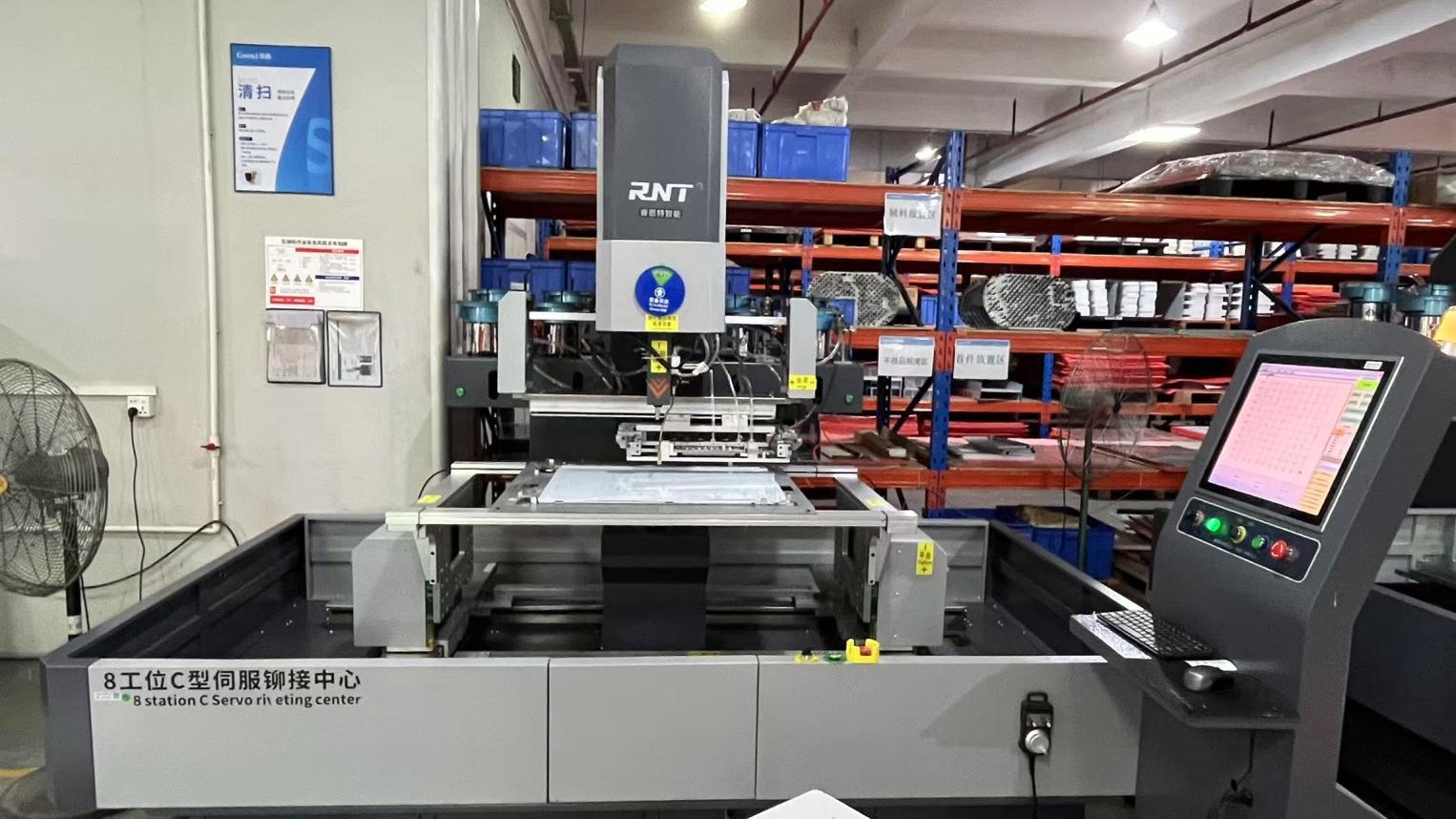
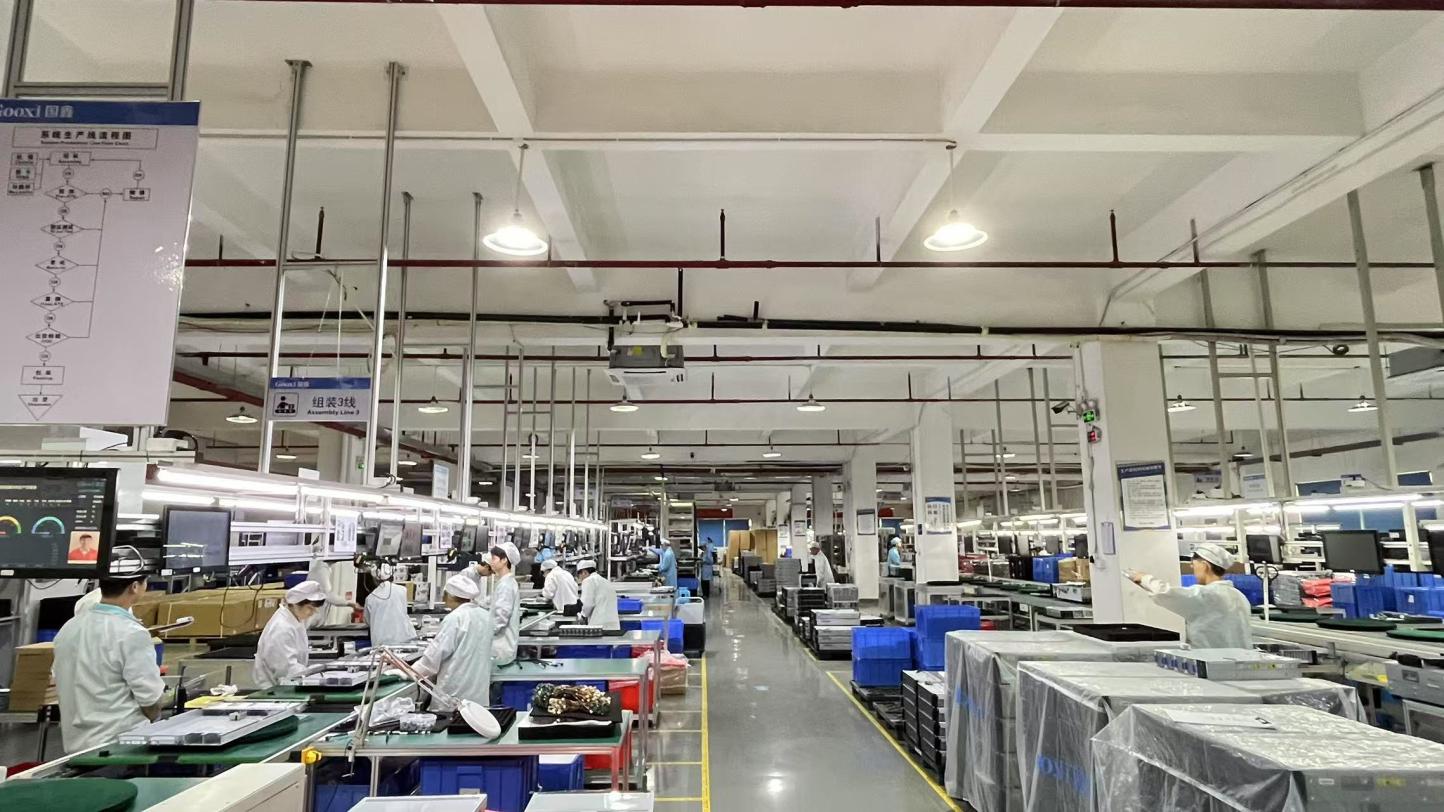
Every server system leaves our production facility only after passing strict validation protocols.
Our facility operates under an ISO9001-based quality management system. From component arrival through packaging, each stage is logged, tracked, and validated to ensure complete hardware traceability.
Assembled nodes undergo 72-hour burn-in cycles, high-temperature testing, and heavy simulated processing loads. This helps identify early component failures, ensuring high reliability upon deployment.
Supported by a network of over 1,200 suppliers and strategic component partners, we maintain a stable inventory. Our experienced international logistics partners guarantee safe, prompt global delivery.
Find the optimal model configuration to match your workload performance requirements.
| Model Name | Form Factor | Processor Type | Drive Bays | Optimal Deployment Target |
|---|---|---|---|---|
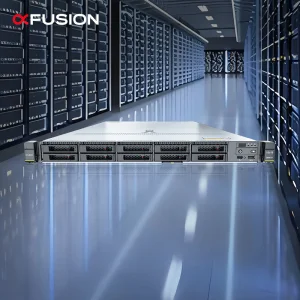
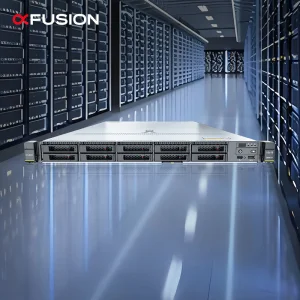
| FusionServer 1288H V7 | 1U Rackmount | Intel Xeon Scalable Gen 4/5 | Up to 4 x 3.5" or 10 x 2.5" | Web hosting, HPC edge compute, DNS clustering |
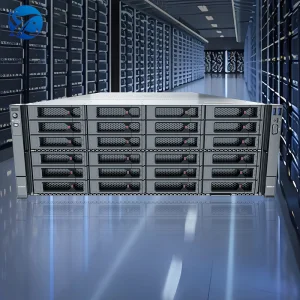
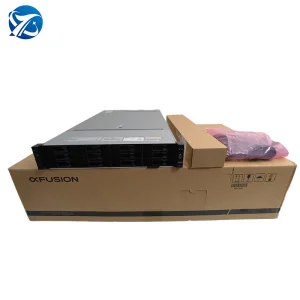
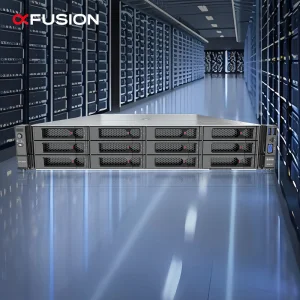
| FusionServer 2258 V7 | 2U Rackmount | Intel Xeon Scalable Gen 4/5 | Up to 12 x 3.5" or 25 x 2.5" | Virtualization setups, SQL database indexing, private cloud NAS |
| FusionServer 2288H V7 | 2U Rackmount (Enterprise) | Intel Xeon Scalable Gen 4/5 | Up to 25 x 2.5" (NVMe optional) | Hyperconverged Infrastructure (HCI), heavy enterprise databases |
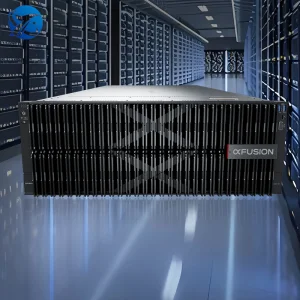
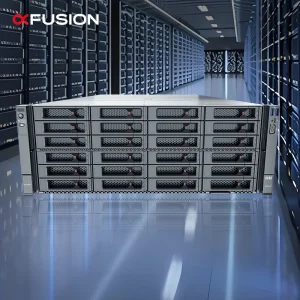
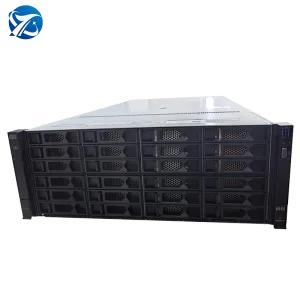
| FusionServer 5885H V7 | 4U Rackmount | Intel Xeon Scalable (4-Socket) | Up to 8 x NVMe SSD drives | SAP HANA, virtualization pools, complex mathematical modeling |
| FusionServer G8600 V7 | 8U Rackmount | Intel Xeon / Dual-Socket Host | Up to 8 x GPU Accelerators | Deep learning training, Deepseek inference engines, AI cluster compute |
Technical answers covering xFusion V7 hardware, custom configurations, and deployment queries.
The xFusion V7 rack server platform features the latest processor architectures (such as Intel Xeon Scalable Gen 4/5), PCIe 5.0 expansion slots for double the I/O throughput, and high-speed DDR5 memory (achieving speeds of 4800 MT/s and higher). This hardware upgrade significantly improves performance for memory-intensive workloads like virtualization, AI inference (including Deepseek-R1), and large database management.
At TensorNova, quality control is maintained through our ISO9001 quality management system. Every chassis undergoes a series of physical stress tests, including 72-hour power-cycling stress tests, thermal validation, NVMe drive read/write performance benchmarks, and full AI workload simulations. Our team of 45 quality assurance specialists monitors this testing sequence to ensure that all systems operate stably.
Yes. While standard 1U and 2U nodes (like the 1288H V7 or 2288H V7) support enterprise-grade PCIe GPUs for inference work, the FusionServer G8600 V7 is specifically designed for deep learning. It supports up to 8 dual-slot GPU accelerators with high-performance cooling arrays, providing the compute density needed for heavy AI workloads.
TensorNova offers customization across all hardware layers, including GPU configuration, storage layouts (mix of SSD/HDD/NVMe), specialized thermal cooling solutions, custom BIOS/BMC firmware settings, and optimized software stacks tailored for deep learning workloads.
xFusion V7 servers utilize dynamic, zoned cooling partitions and automated fan algorithms that adjust speed based on real-time sensor data. Additionally, support for hybrid liquid-to-air cold-plate loops extracts heat directly from high-TDP processors, reducing the load on datacenter CRAC units and improving power usage effectiveness.
Browse our broader range of 1U, 2U, and 4U rackmount systems engineered for industrial scale.