TensorNova
TensorNova
TensorNova
High-efficiency, 2-socket Rack servers custom-configured for Russian enterprise data workloads.
Navigating parallel supply chains, technical integration, and high-performance computing demand across Eastern Europe.
The enterprise IT infrastructure landscape within the Russian Federation has undergone a fundamental structural transformation over the past three years. Following the formal exit of major Western hardware manufacturers from direct localized distribution channels, the demand for Tier-1 enterprise hardware—specifically Dell PowerEdge servers—remains exceptionally high. Large-scale domestic entities, cloud service providers (CSPs), state enterprises, and financial institutions in Moscow and Saint Petersburg require high-density, reliable x86 computing architectures to maintain operational continuity, support legacy software databases, and power emerging artificial intelligence algorithms.
Procurement departments have transitioned from direct vendor procurement to a diversified, multi-layered supply network model. The primary focus of systemic integration now centers on securing high-performance nodes via international distribution hubs (such as China, UAE, and EAEU states) that comply with both import logistics frameworks and regional technical parameters (EAC conformity, GOST-R certifications).
Domestic operators like Yandex, VK, and Rostelecom have experienced unprecedented demand for local cloud virtualization, requiring robust 1U and 2U high-density rack systems. Key priorities include:
An engineer's breakdown of computing platforms optimized for intensive virtualization, data warehouses, and AI inference.
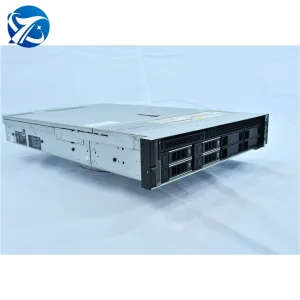
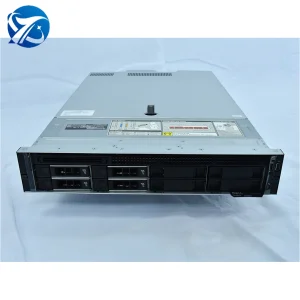
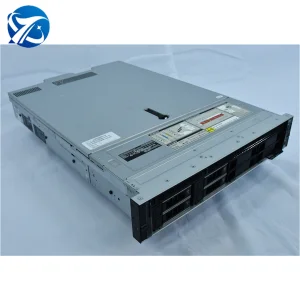
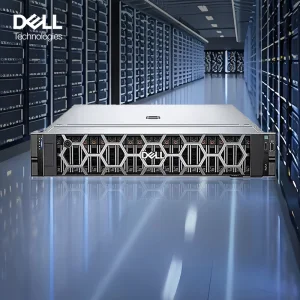
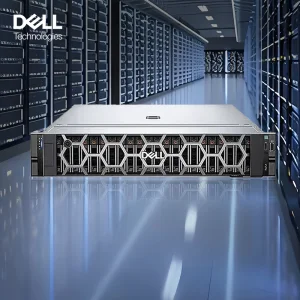
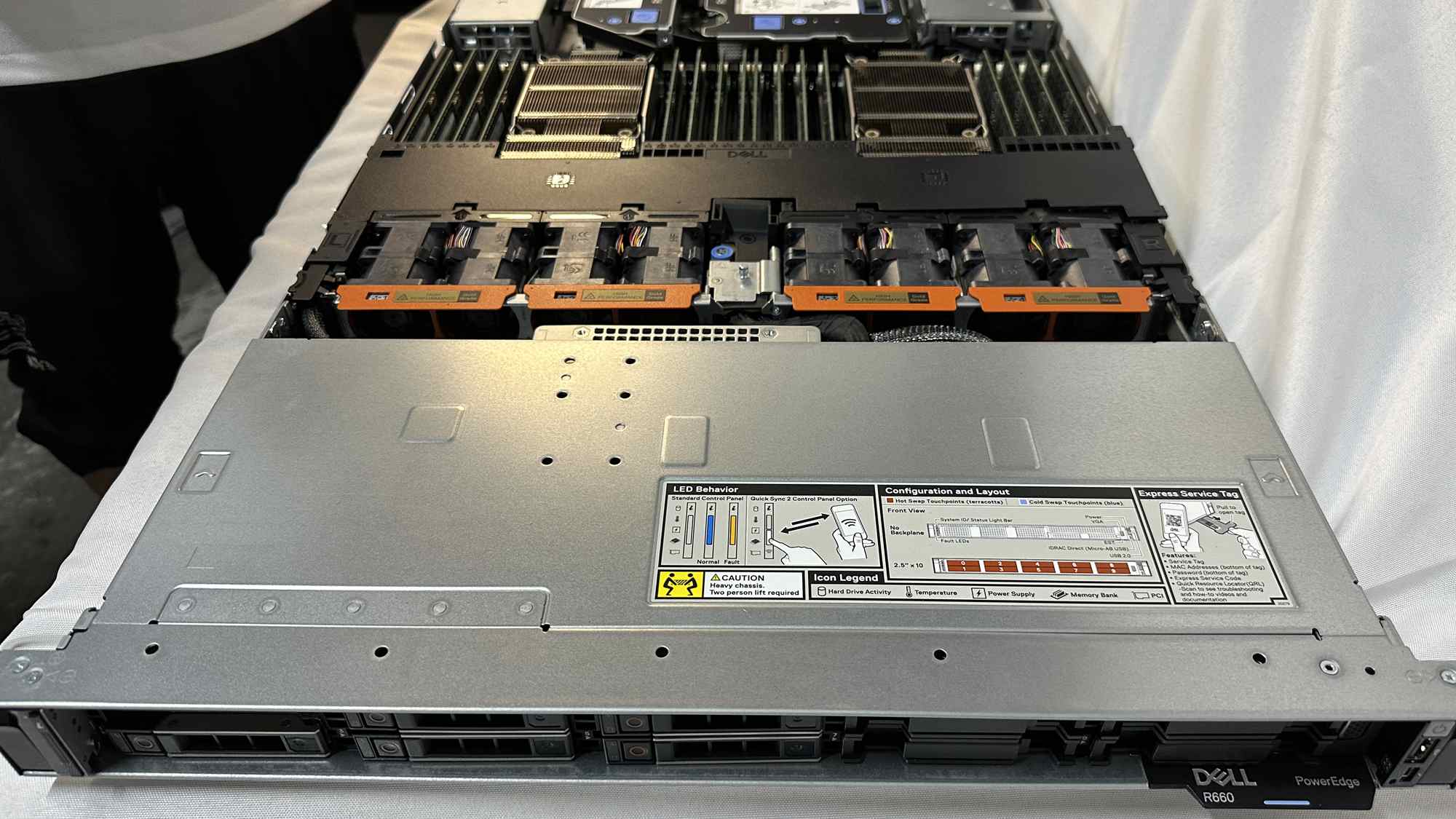
The transition to Intel Xeon Scalable 4th & 5th Generation processors has unlocked substantial compute gains for Russian industrial automation and transaction processing. Standardizing on the Dell PowerEdge R760 architecture allows operators to execute workloads utilizing up to 64 cores per socket. Built-in instruction sets like Intel Advanced Matrix Extensions (AMX) accelerate deep learning training and inference directly on the CPU, removing the immediate necessity for discrete GPU accelerators in standard classification models.
DDR5 memory modules running at speeds up to 4800MT/s offer 50% more bandwidth than prior DDR4 installations. This dramatically reduces memory latency bottlenecks in heavily consolidated virtualization environments, allowing databases such as PostgreSQL or Microsoft SQL to handle multiple transactional queries concurrently without latency spikes.
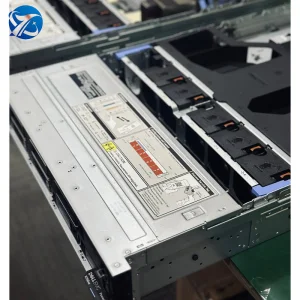
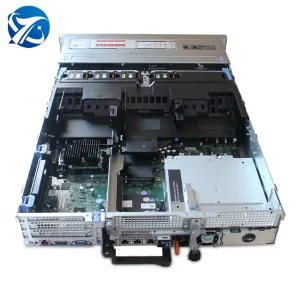
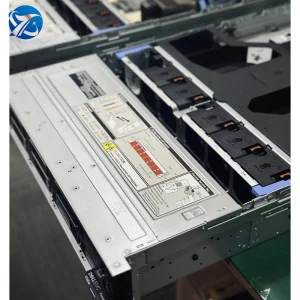
Thermal management is a critical design element for modern Russian datacenters operating in both extreme cold regions (where waste heat capture is utilized) and high-density urban facilities. The Dell R760XS and R760XD2 configurations employ Multi-Vector Cooling (MVC) 2.0, adjusting fan speeds dynamically based on temperature sensors placed across motherboard zones.
For high-capacity storage requirements, the PowerEdge R760XD2 supports optimized high-density disk layouts, integrating up to 28 3.5-inch SAS/SATA drives. This provides a cost-effective storage tier for data archiving, object storage pools, and backup systems without requiring external SAN arrays.
Understanding logistics channels, EAEU import compliance, customs clearances, and technical support localization.
Procuring and deploying high-performance server hardware in the current geopolitical landscape requires strict adherence to international legal frameworks, customs regulations, and trade compliance structures. Because direct corporate support from US-headquartered vendors is restricted, Russian enterprises rely on complex, verified import pipelines to secure genuine server components and complete rack systems.
All server shipments destined for the Russian Federation must pass EAC (Eurasian Conformity) standards. This guarantees compliance with low-voltage safety directives and electromagnetic compatibility (EMC) regulations. Qualified logistics partners manage customs clearance at EAEU borders, ensuring documents match current parallel import decrees.
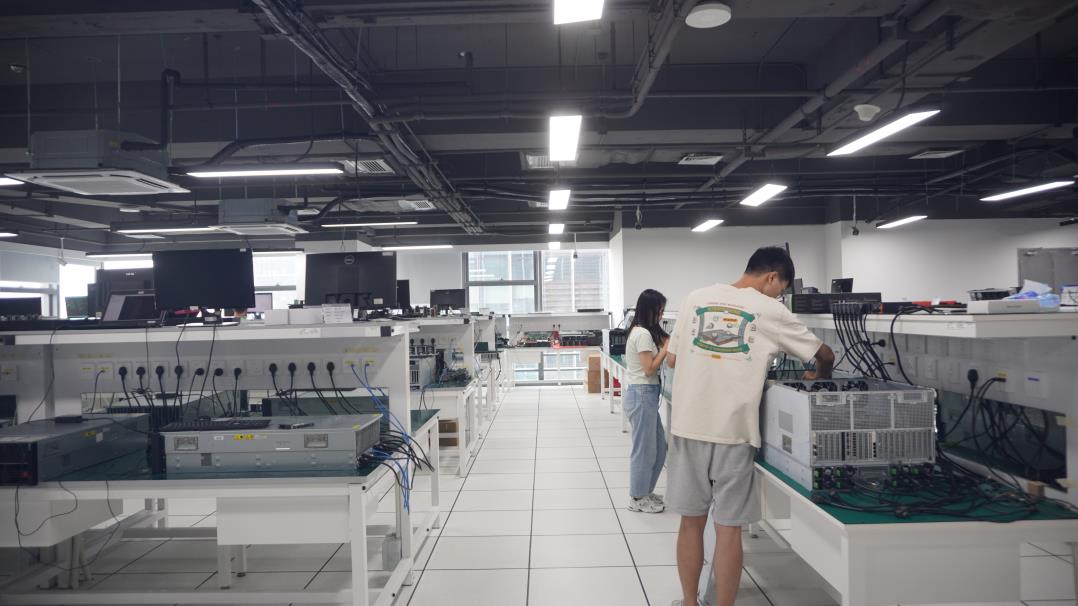
To prevent the entry of counterfeit or low-grade refurbished components, servers are routed through international consolidation hubs. Here, system engineers perform comprehensive cryptographic verification of CPU silicon, DDR5 memory serials, and SSD firmware to guarantee authentic enterprise-grade hardware.
Since official manufacturer warranties are unavailable, domestic enterprises utilize comprehensive Third-Party Maintenance (TPM) contracts. These agreements leverage vast domestic spare-parts warehouses containing OEM motherboards, power supplies, and storage controllers, maintaining 4-hour SLA targets.
Leveraging China's leading server manufacturing clusters to supply customizable enterprise platforms worldwide.
TensorNova is a professional high-performance AI GPU server manufacturer and infrastructure solution provider based in China. Established in 2016, the company specializes in AI computing, GPU clusters, and scalable datacenter hardware solutions for global enterprises. With over 12 years of industry experience in AI computing and server manufacturing, and 6 years of export experience, TensorNova bridges the gap between raw hardware manufacturing and custom local integration.
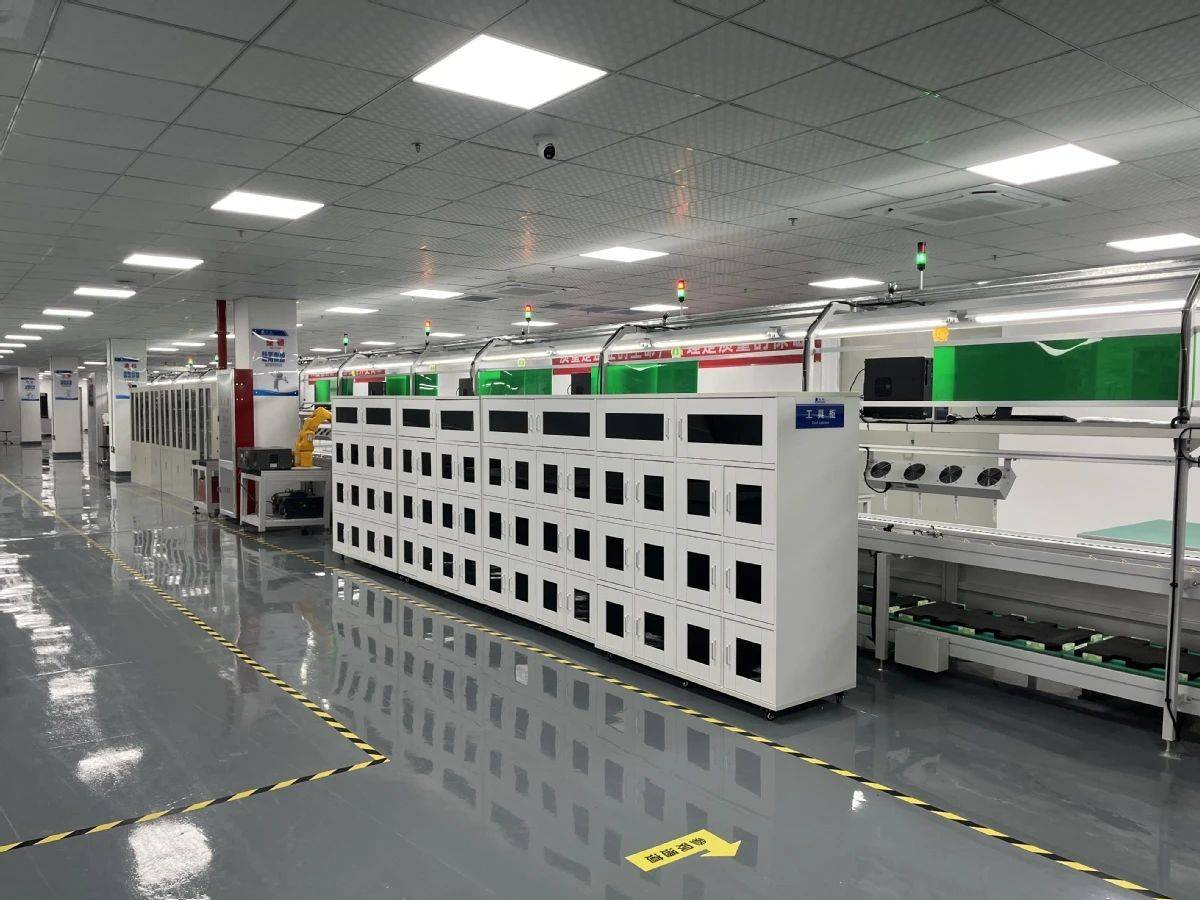
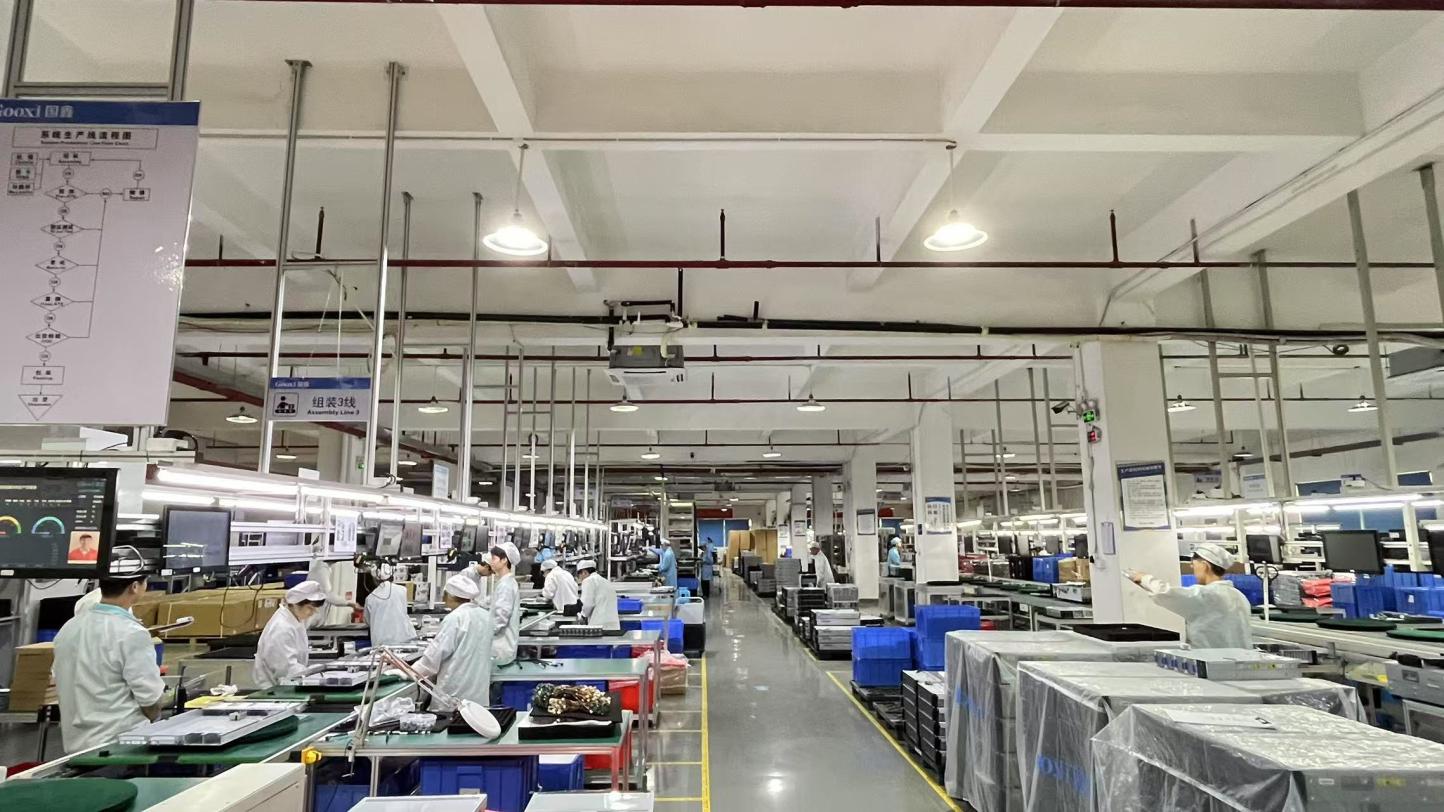
Operating a modern production facility equipped for advanced server assembly, testing, and system integration, TensorNova records an annual export revenue of approximately $8.5 million. Quality assurance is strictly implemented through ISO9001-based quality management systems, with product inspection conducted using automated hardware stress testing, thermal performance validation, burn-in testing, and AI workload simulation testing.
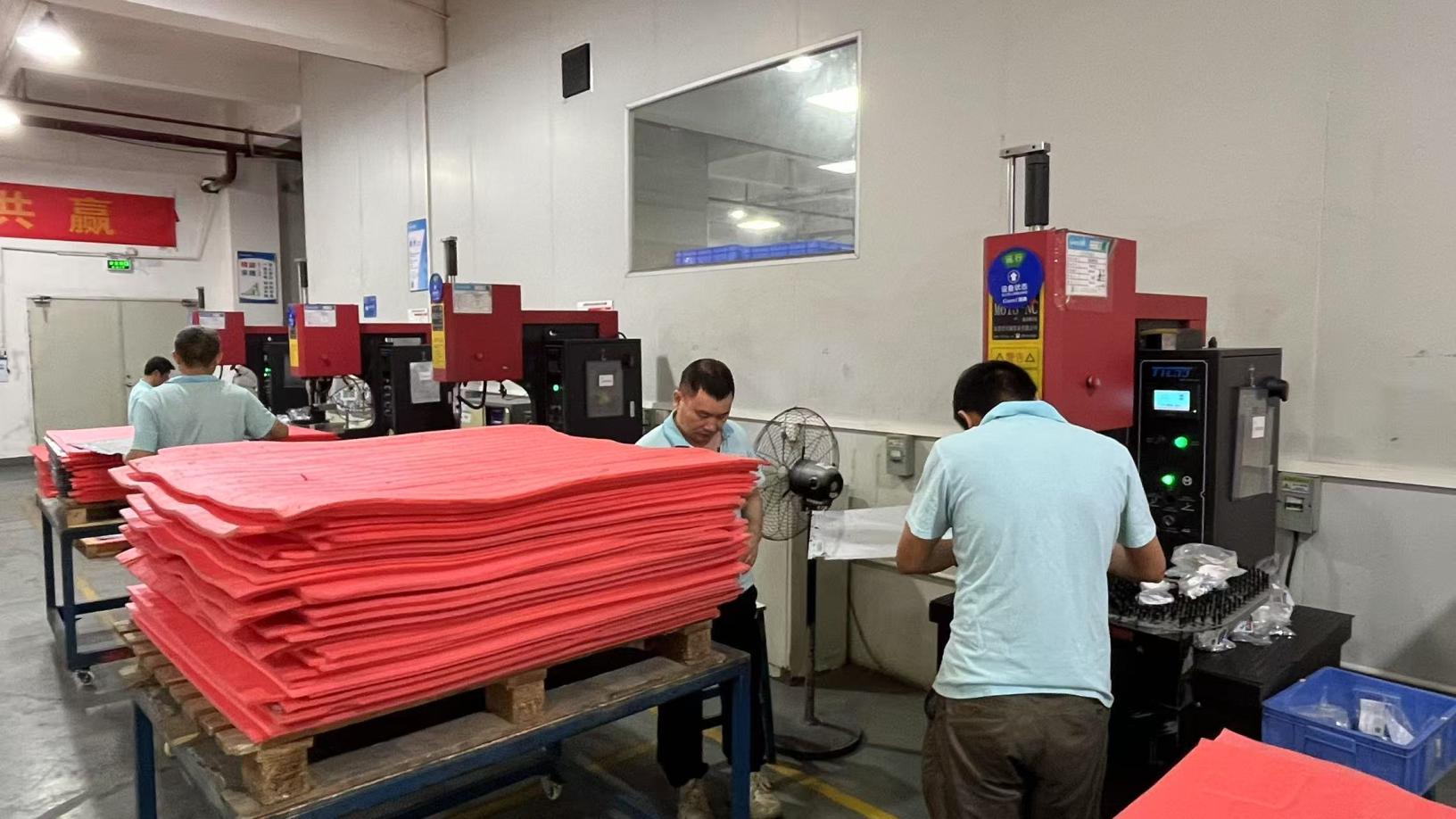
TensorNova maintains a robust supply chain ecosystem with more than 1,200 global suppliers and strategic component partners, enabling stable production and fast delivery capabilities. The company serves AI research institutions, cloud computing providers, datacenters, enterprise IT departments, and AI startups across North America, Europe, Southeast Asia, and the Middle East, with primary markets in the United States, Germany, Singapore, and the United Arab Emirates.
TensorNova's engineering team provides extensive customization options, including GPU configuration customization, chassis design, cooling system optimization (air or liquid cooling), motherboard-level tuning, and AI workload-specific optimization solutions. This allows customers to modify server bios, baseboard management controller (BMC) settings, and physical structures to match specific regional deployment criteria.
Get Custom Configuration Quote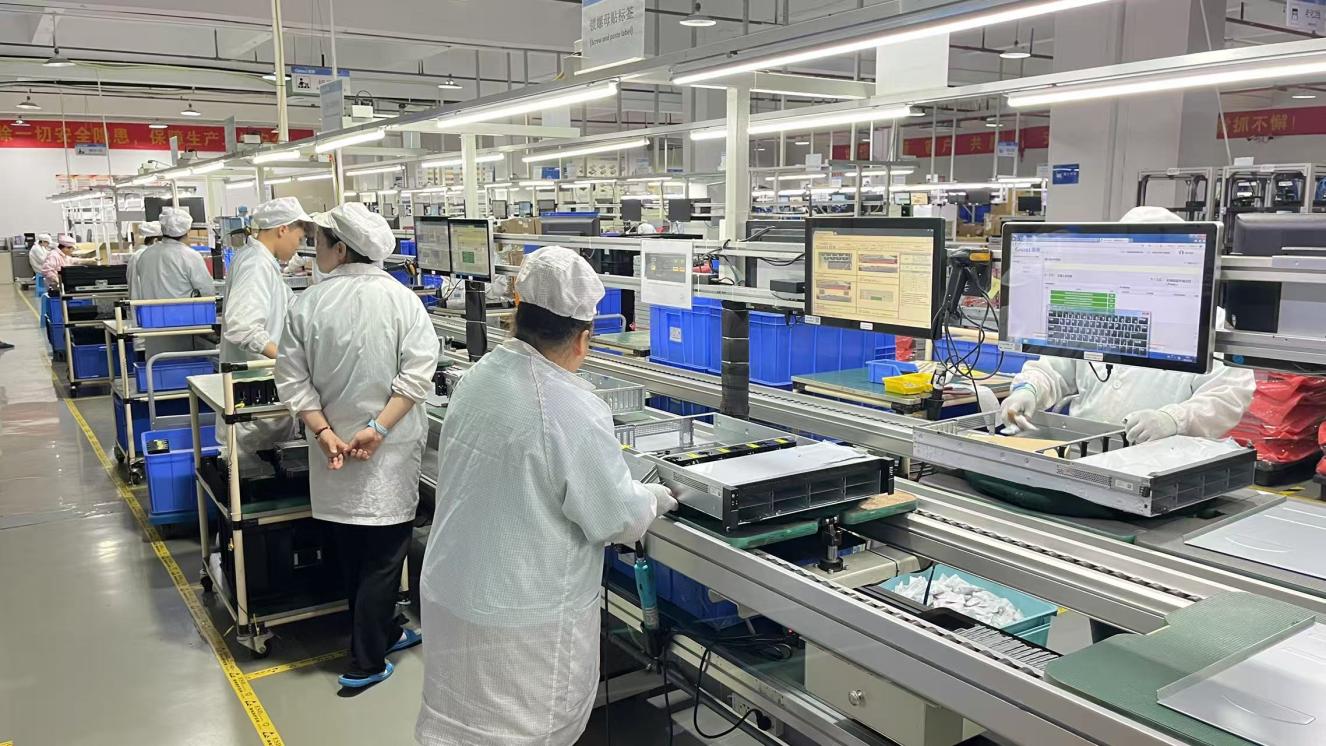


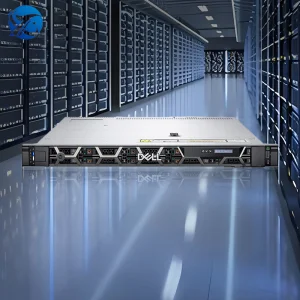
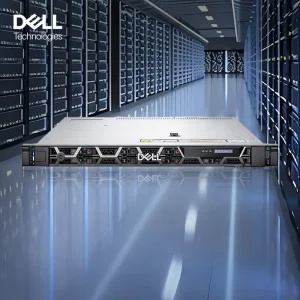
Compact 1U and 4U systems designed for intensive calculations, file servers, and regional branch office infrastructure.
Analyzing trends in liquid cooling integration, PCIe Gen 6 deployment, and high-performance computing.
As virtualization and AI workload requirements scale, the hardware deployment paradigm within the Russian industrial sector is moving toward dense, high-performance computing clusters. Hardware procurement must align with projected shifts in semiconductor designs and data infrastructure regulations.
Modern CPUs, especially those exceeding 350W TDP, create extreme localized heat spikes. TensorNova is working closely with datacenter architects in cold climates (such as Siberia and northern Russia) to implement direct-to-chip (DLC) liquid cooling systems. By shifting from classic forced air cooling to water-glycol heat exchangers, organizations can reduce overall datacenter Power Usage Effectiveness (PUE) to less than 1.15. This allows for higher system density and reduced cooling overhead.
The standard x86 host CPU is increasingly becoming a manager for highly specialized AI accelerators. While discrete GPUs handle neural network models, architectures like the Dell PowerEdge R960 (4U) incorporate customized FPGA arrays and Tensor Processing Units (TPUs) to accelerate search indexing, real-time security analytics, and financial fraud modeling. This heterogeneous computing approach reduces reliance on any single hardware brand and improves workload resilience.
Infrastructure security remains a top priority for Russian federal entities and private enterprises. The latest hardware generations feature cryptographically signed bios firmware and Silicon Root of Trust validation. When combined with localized operating systems (e.g., Astra Linux), this creates a verified execution environment that prevents firmware-level backdoors, malicious supply chain modifications, and unauthorized runtime changes.
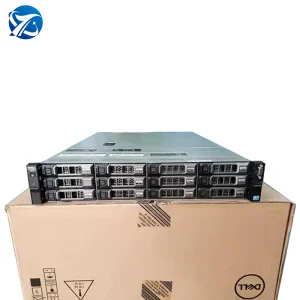
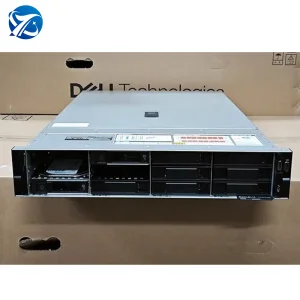
High-capacity storage servers and high-speed enterprise rack platforms for critical database workloads.
Addressing critical questions regarding logistics, certifications, warranty structures, and custom setups for the Russian market.
Servers are sourced via global distribution channels and routed through transit hubs in third countries (e.g., China, UAE, and member countries of the Eurasian Economic Union). Logistics providers handle customs processing and ensure that all documentation complies with parallel import frameworks, delivering hardware directly to domestic datacenter facilities.
Server installations require EAC (Eurasian Conformity) documentation to comply with low-voltage and electromagnetic regulations. For state contracts or deployment within specific public sectors, systems may also need validation under GOST-R parameters or registration in the register of domestic hardware, depending on the specific application.
TPM providers offer service level agreements (SLAs) ranging from 4-hour on-site engineering response to next-business-day hardware replacements. They maintain localized component warehouses stocked with original OEM motherboards, power supplies, memory chips, and CPUs to manage server repairs without requiring direct manufacturer contact.
Yes, technical partners provide verified BIOS, iDRAC, and disk controller firmware packages. These are updated manually via the iDRAC management interface, ensuring servers run stable software versions while preventing remote diagnostic access from unverified sources.
TensorNova provides complete hardware customization, including optimizing GPU cluster architectures, designing air or liquid cooling systems, motherboard-level tuning, and testing under simulated AI workloads. This ensures all components work together efficiently before final deployment.