TensorNova
TensorNova
TensorNova
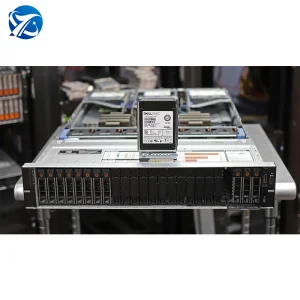
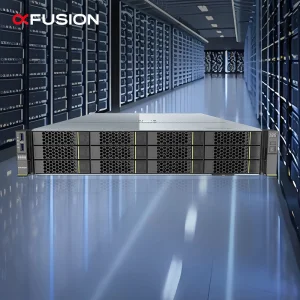
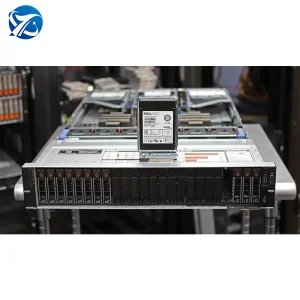
High-performance AI server nodes optimized for the Pacific Northwest datacenter clusters.
An analysis of local infrastructure demands, cloud computing concentration, and the surge in GPU server deployments.
Seattle is the home base of global cloud giants, creating a massive local density of AI workload distribution and high-performance computing centers.
Enterprises require custom hybrid architectures, combining on-premise high-density GPU chassis with AWS and Azure cloud nodes for compliance and security.
Washington state's abundant and cheap hydroelectric power attracts enterprise data hubs, shifting compute density toward liquid-cooled multi-GPU clusters.
The Seattle metropolitan area, historically a crucible for major software, cloud, and aerospace engineering innovations, has transitioned into a highly congested arena for AI GPU cluster deployments. With enterprise organizations accelerating their large language model (LLM) training initiatives and fine-tuning DeepSeek and Llama models, the demand for local hardware manufacturers and high-efficiency manufacturing partners has reached unprecedented heights. Datacenter corridors in Tukwila, SeaTac, and Bellevue are running at maximum power thresholds, highlighting the need for highly customized cooling systems, 48V busbar architectures, and rack integration services that only advanced GPU server factories can provide.
However, the local manufacturing capability in the US Pacific Northwest faces constraints regarding lead times and component availability. This structural friction has elevated the strategic importance of reliable global hardware integrators who can blend China 4.0 manufacturing speeds with local, high-touch support services. By partnering with advanced production facilities overseas, Seattle’s cloud builders and private datacenter operators are maintaining high agility, enabling them to procure custom GPU servers tailored to specific thermal and power profiles.
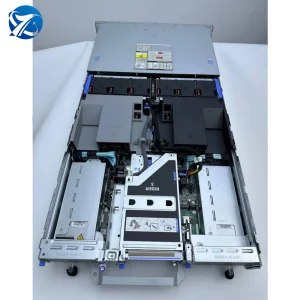
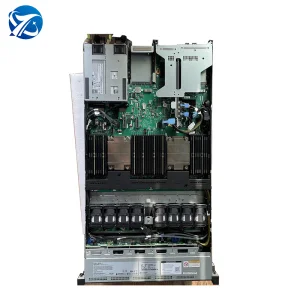
Scalable server systems optimized for complex DeepSeek model configurations and heavy AI inferencing.
The global AI hardware industry is currently experiencing a rapid evolution, driven by the emergence of open-source neural network models and complex LLM architectures like DeepSeek-V3 and Llama 3. Modern neural networks demand hardware infrastructure that excels not only in compute power but also in high-speed, low-latency interconnects. The bottlenecks in modern deep learning training have shifted from raw Floating Point Operations Per Second (FLOPS) to interconnect bandwidth, high-capacity PCIe Gen 5 lanes, and memory capacity (HBM3e / DDR5). As a result, standard 1U/2U server chassis must be re-engineered into thermal-optimized, multi-socket acceleration nodes capable of hosting heavy multi-GPU systems.
Furthermore, energy conservation regulations and the physical power constraints of contemporary data centers have made Energy Efficiency Ratio (EER) the primary metric for datacenter evaluations. Hardware engineering teams are focusing heavily on optimized power supply units (PSUs) with 80 Plus Titanium certification, combined with intelligent fan speed algorithms and Direct-to-Chip liquid cooling manifolds to keep power overhead at a minimum.
In the highly volatile AI GPU server manufacturing space, supply chain agility is the primary differentiator between successful deployments and long-term project delays. The China 4.0 manufacturing ecosystem offers unparalleled speed and engineering resilience. By leveraging dense supplier clusters in industrial hubs like Shenzhen, manufacturers can prototype and assemble multi-layered, impedance-controlled high-density PCBs and configure complex busbar systems in fraction of the time required by traditional Western manufacturing routes.
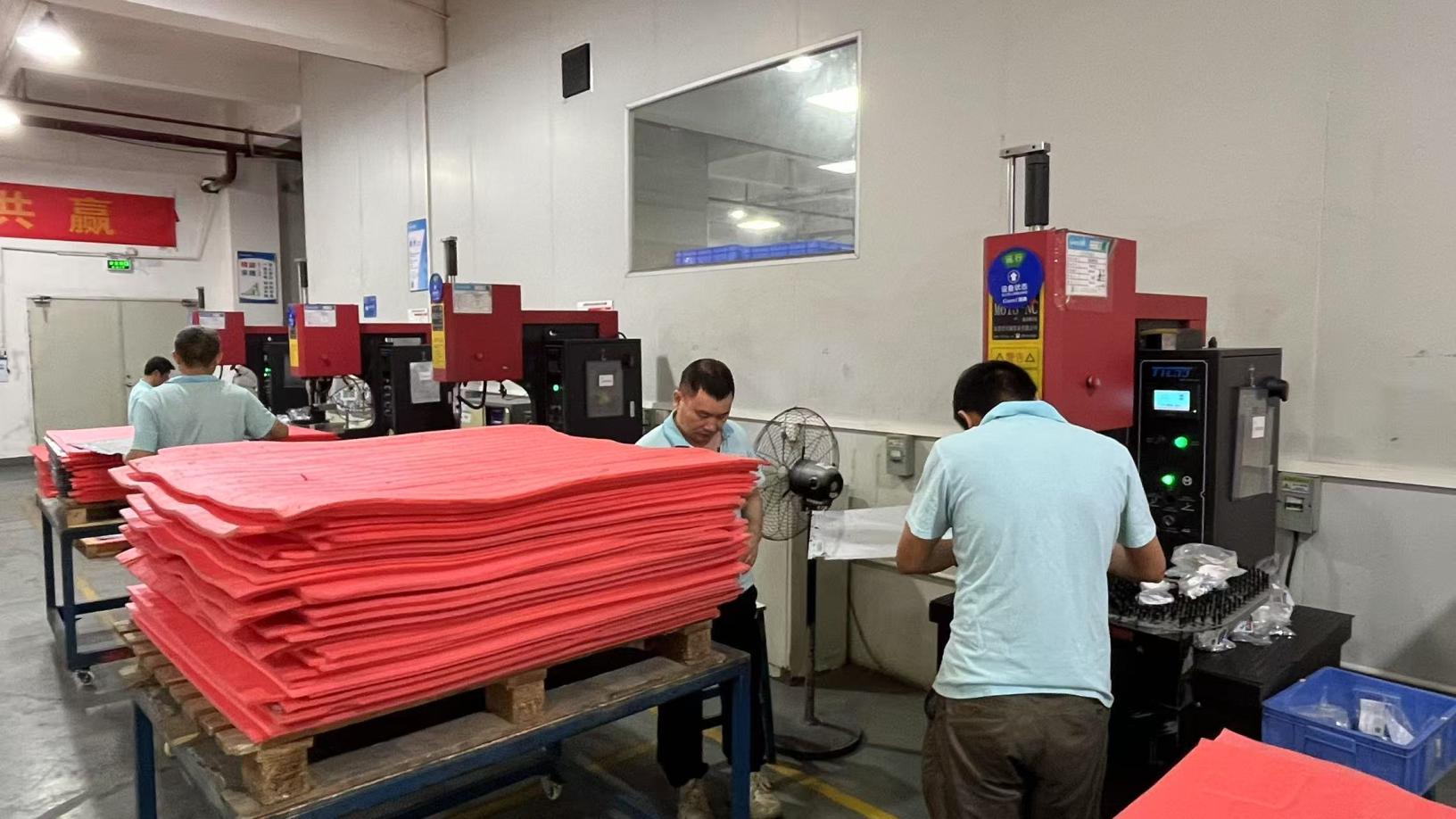
Through robust component sourcing agreements with major semiconductor partners, China-based manufacturers like TensorNova bypass common supply chain blockages, securing chassis materials, active cooling fans, and high-efficiency power supplies at scale. This allows for customized motherboard-level tuning and rapid custom chassis fabrication, offering global enterprises a balance of speed, cost efficiency, and certified quality control.
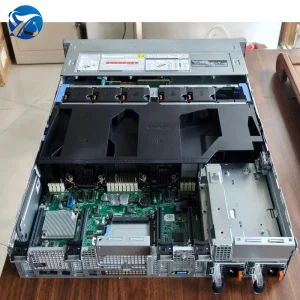
TensorNova is a professional high-performance AI GPU server manufacturer and infrastructure solution provider based in China. We specialize in AI computing architectures, GPU cluster development, and scalable data center hardware designs for global enterprise buyers.
Established in 2016, TensorNova has grown into a highly trusted supplier in the high-performance AI computing industry, with a strong focus on technical innovation, hardware reliability, and deeply customized rack systems. Our facilities are optimized for complex server integration, hardware stress testing, and thermal optimization.
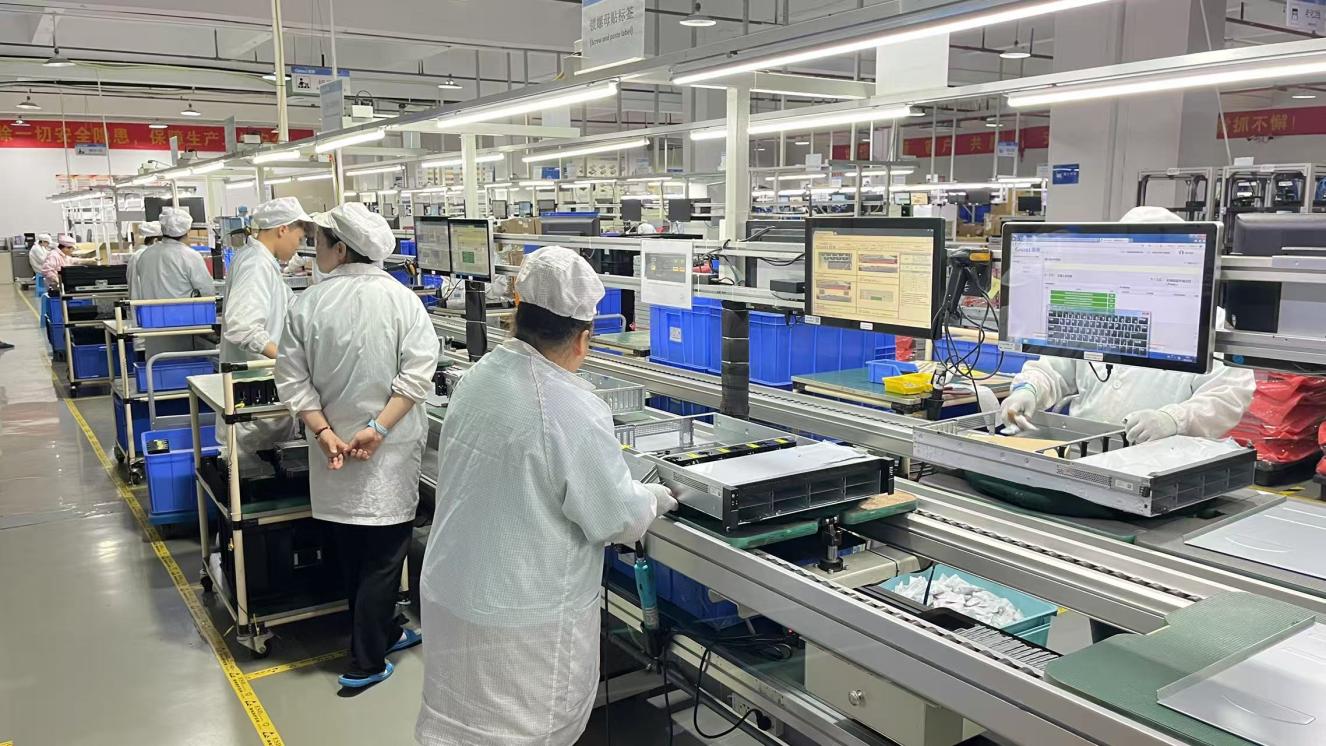
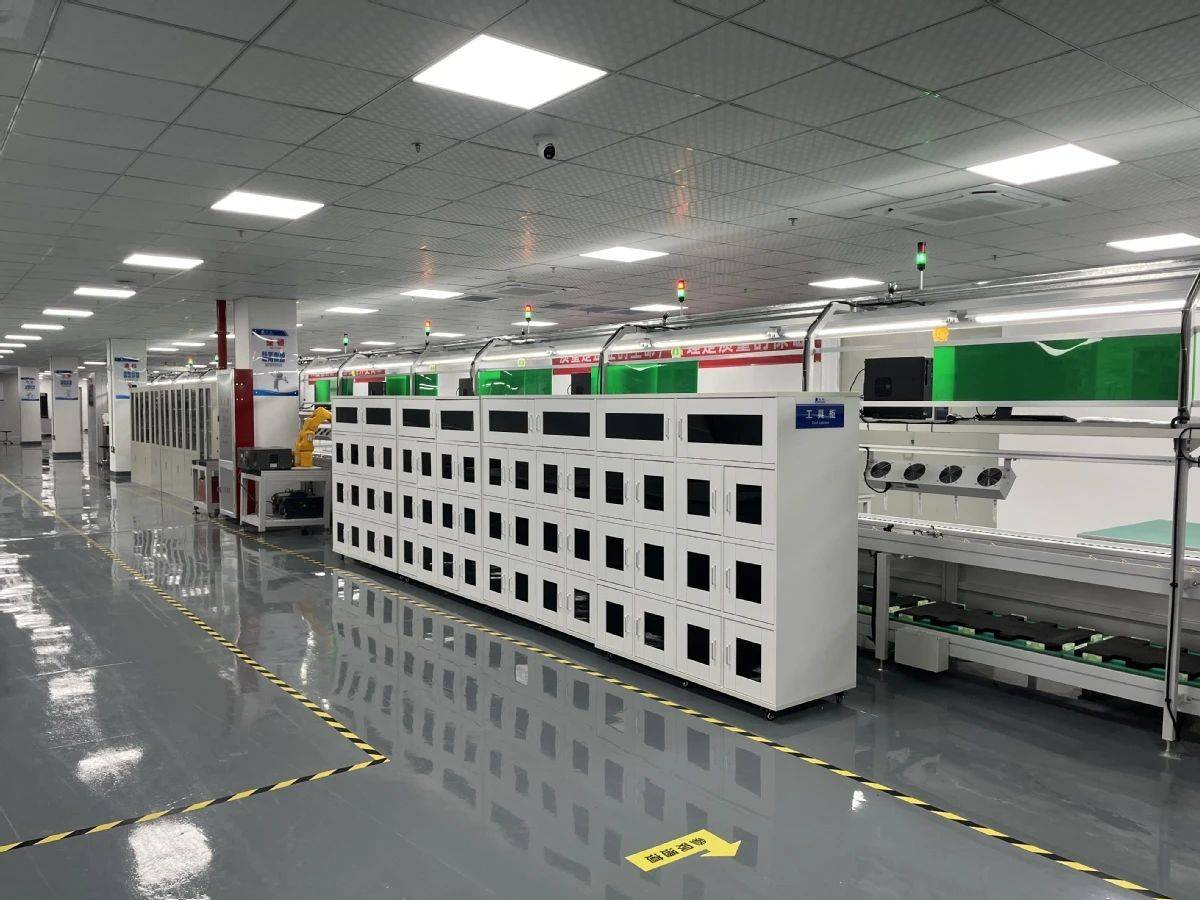
TensorNova operates a modern production facility spanning 320㎡ dedicated to advanced hardware assembly, cleanroom integration, and system-level functional stress testing.
We deploy over 45 dedicated QC personnel who implement strict ISO9001-based quality management systems to guarantee hardware integrity and performance.
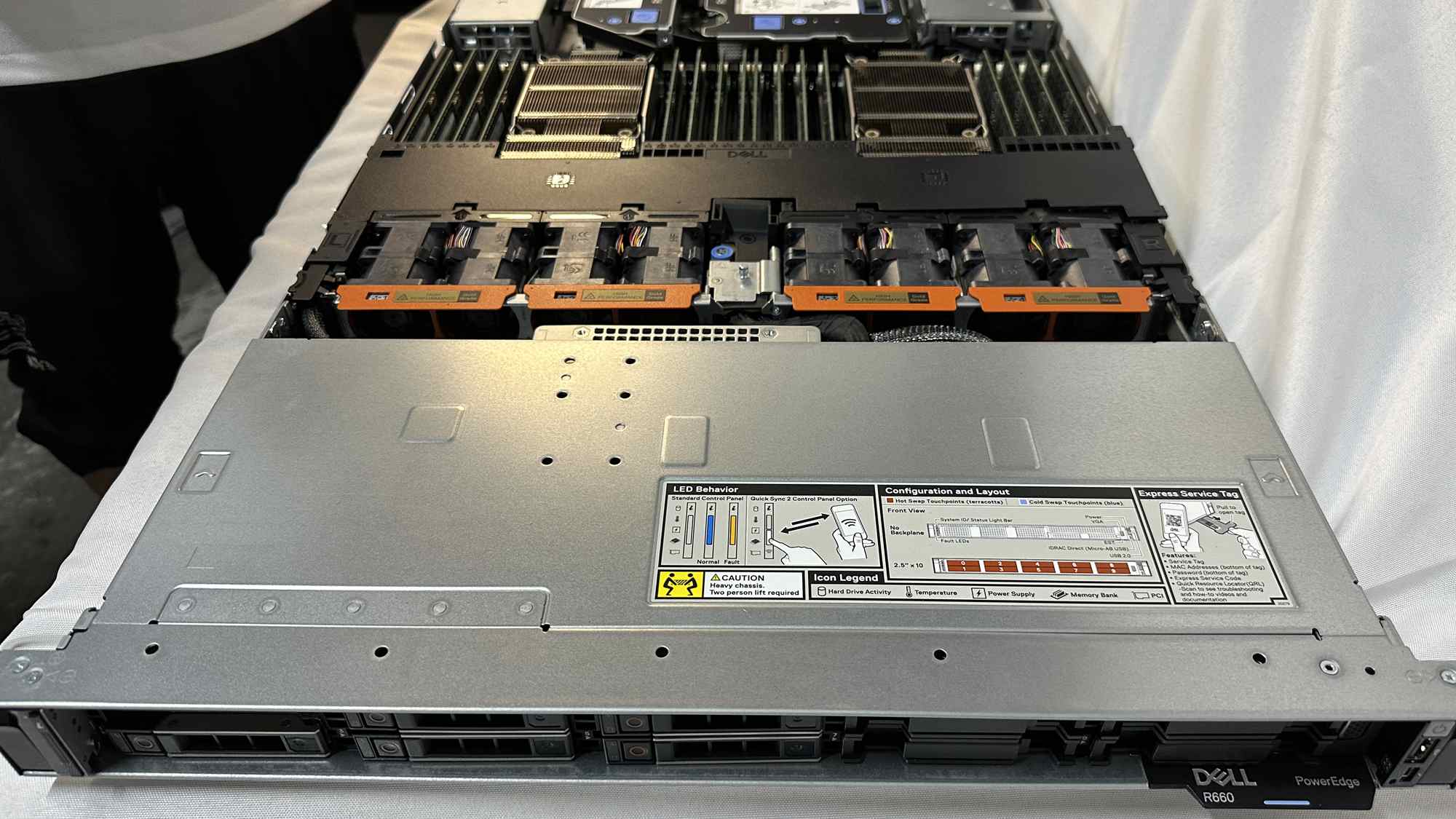
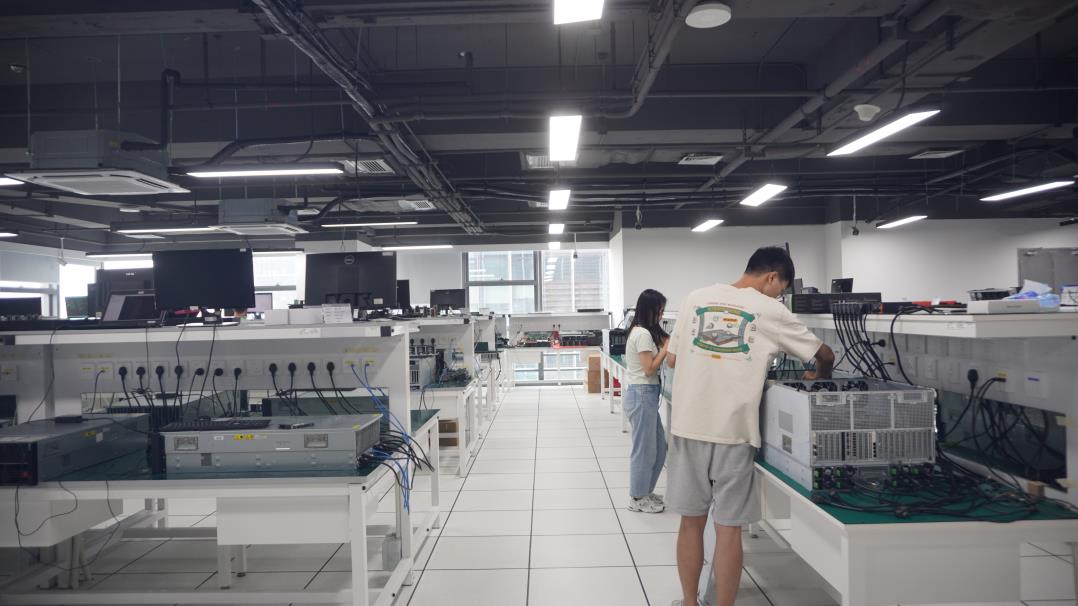
Every server undergo intensive testing, including automated hardware stress tests, thermal chambers validation, system burn-in tests, and simulated AI training workloads.
Our engineering focus centers on thermal dynamics and power delivery. At the high performance thresholds required by systems running multiple GPU nodes, standard testing protocols are insufficient. Our R&D team (consisting of approximately 180 engineers) designs custom chassis with airflow optimization, structural reinforcements to avoid PCB sag, and cooling configurations adaptable to both air and liquid cooling loops (CDUs). In the past year, we have successfully released over 320+ new products, catering to the rapid shifts in the GPU computing market.



Looking for custom GPU servers designed for high-density AI clusters in Seattle?
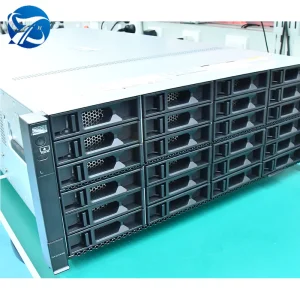
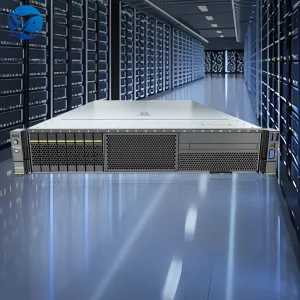
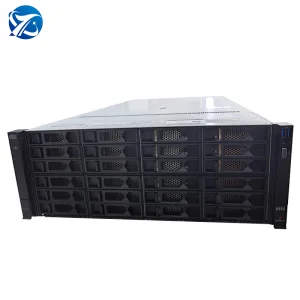
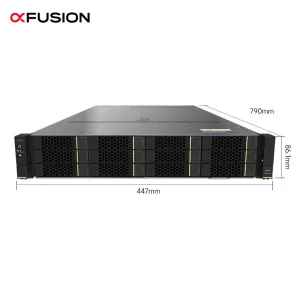
Send Inquiry NowEnterprise rackmount systems configured for high throughput, massive datasets, and local Seattle AI datacenter integration.
High-performance computing infrastructure is not a one-size-fits-all product. Different industrial and scientific sectors in the greater Seattle area impose unique demands on AI GPU server architectures:
Seattle has emerged as a powerhouse for biomedical research, home to world-renowned cancer research centers, genomic laboratories, and computational biology institutes. Processing genomic data requires intense localized compute clusters. GPU nodes configured with maximum NVMe read throughput and high system memory bandwidth (DDR5) allow scientists to execute drug discovery pipelines and deep learning-based protein folding predictions (e.g., AlphaFold) locally without incurring massive cloud ingress/egress fees.
The Pacific Northwest's aerospace manufacturing corridor requires heavy simulation capabilities to model aerodynamics, structural stress, and composite materials performance. Our dual-socket Xeon servers configured with multi-GPU accelerators handle massive finite element calculations and fluid dynamics datasets with sub-millisecond network latencies, bridging the gap between digital models and physical flight hardware.
With localized instances of DeepSeek, Llama, and custom transformer models gaining traction among Seattle's tech startups and enterprise software firms, cost-effective computational power is essential. Deploying on-premise GPU nodes provides companies with full governance over their training data, avoiding privacy risks while maximizing training efficiency through PCIe Gen 5 topologies.
Technical insights on custom GPU configurations, international logistics, and engineering capabilities.