 TensorNova
TensorNova
TensorNova
Top-tier computational nodes deployed for deep learning and high-density virtualization workloads.
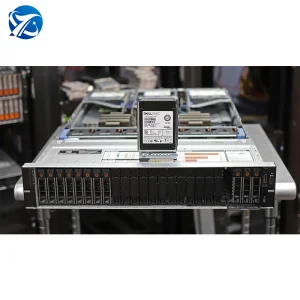
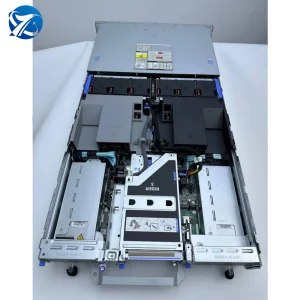
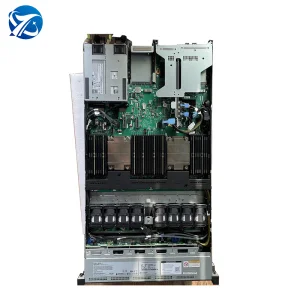
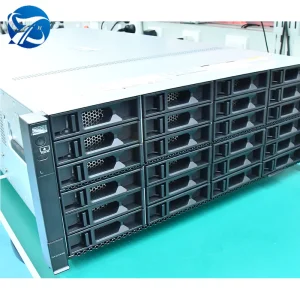
The Greater Boston metropolitan area, anchored by world-class academic institutions such as MIT, Harvard, Boston University, and Northeastern, has emerged as a premier global epicentre for artificial intelligence research, computational biology, and robotic engineering. From the deep-tech clusters in Kendall Square to the suburban high-tech corridor along Route 128, AI practitioners are transitioning from public cloud models to hybrid on-premise solutions. This structural migration is primarily driven by three critical requirements: latency minimization, predictable cost structures for multi-month training runs, and absolute data sovereignty over proprietary IP.
Biotech startups and pharmaceutical giants in Boston's massive life sciences corridor rely heavily on GPU-accelerated computing to run structural biology pipelines, AlphaFold modeling, molecular docking simulations, and high-throughput genomic sequencing. Similarly, financial technology firms situated in the Financial District utilize localized high-frequency clusters for predictive model generation and risk analysis. Standard generic computing units are no longer sufficient to process these dense datasets; only custom-architected AI GPU Servers featuring high-speed PCIe Gen 5 interconnects, NVLink topology, and multi-node InfiniBand architectures can keep pace with these modern computational demands.
TensorNova designs and builds hardware systems specifically tailored for the computational profiles of modern AI algorithms. Our systems are engineered to handle the diverse workloads of modern research groups and enterprise systems:
Modern GPU server design is no longer just about mounting graphic cards onto a motherboard. As GPU computational speed outpaces system-level interconnect developments, the host-to-device and device-to-device buses represent the primary system bottlenecks. Under the hood, TensorNova systems utilize state-of-the-art PCI Express (PCIe) Gen 5.0 lanes, allowing up to 128 GB/s bi-directional throughput per slot, preventing data starvation during epoch changes in training loops.
For large-scale neural network models that span multiple nodes, we incorporate NVIDIA NVLink or AMD Infinity Fabric topologies directly onto the baseboard. This allows high-speed peer-to-peer memory access without routing data through the system memory. When scaling to multi-chassis clusters, our server designs support dual-port Mellanox ConnectX InfiniBand adapters (NDR 400Gb/s per port) or RoCEv2 (RDMA over Converged Ethernet), minimizing communication latency during parallel gradient descents.
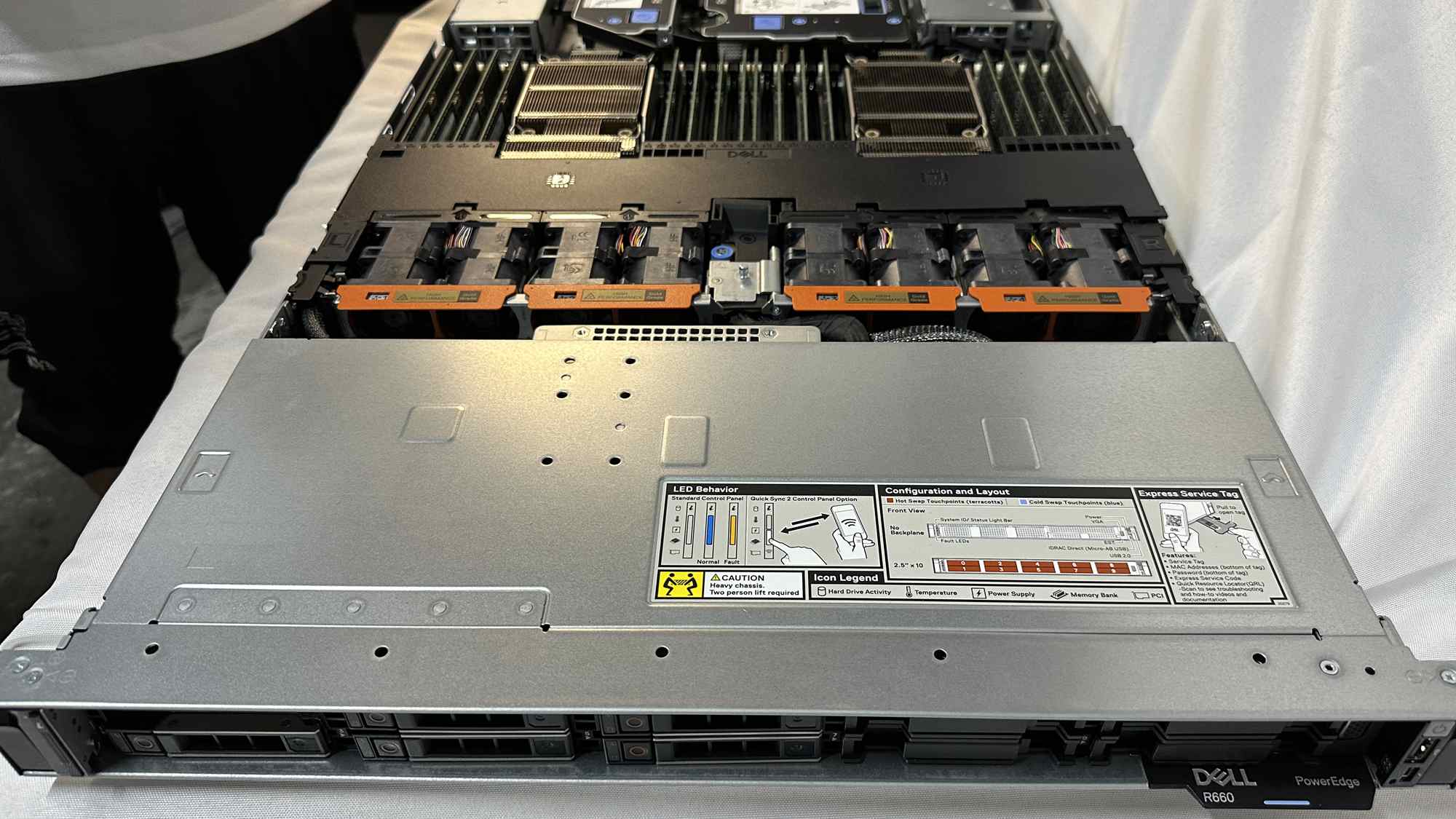
Furthermore, high-density power delivery is integral to server stability. Modern enterprise systems run up to eight high-power GPUs, demanding total system power draws of 6kW to 10kW per unit. TensorNova chassis feature N+N hot-swappable titanium redundant power supplies (PSUs) running at 220V/240V AC inputs, ensuring continuous operations even under peak load scenarios.
TensorNova is a professional, high-performance AI GPU server manufacturer and infrastructure solution provider based in China. Founded in 2016, the company has established itself as a trusted partner and critical supplier in the AI hardware industry. We focus on innovation, performance validation, and customized system integration to support global enterprise requirements.
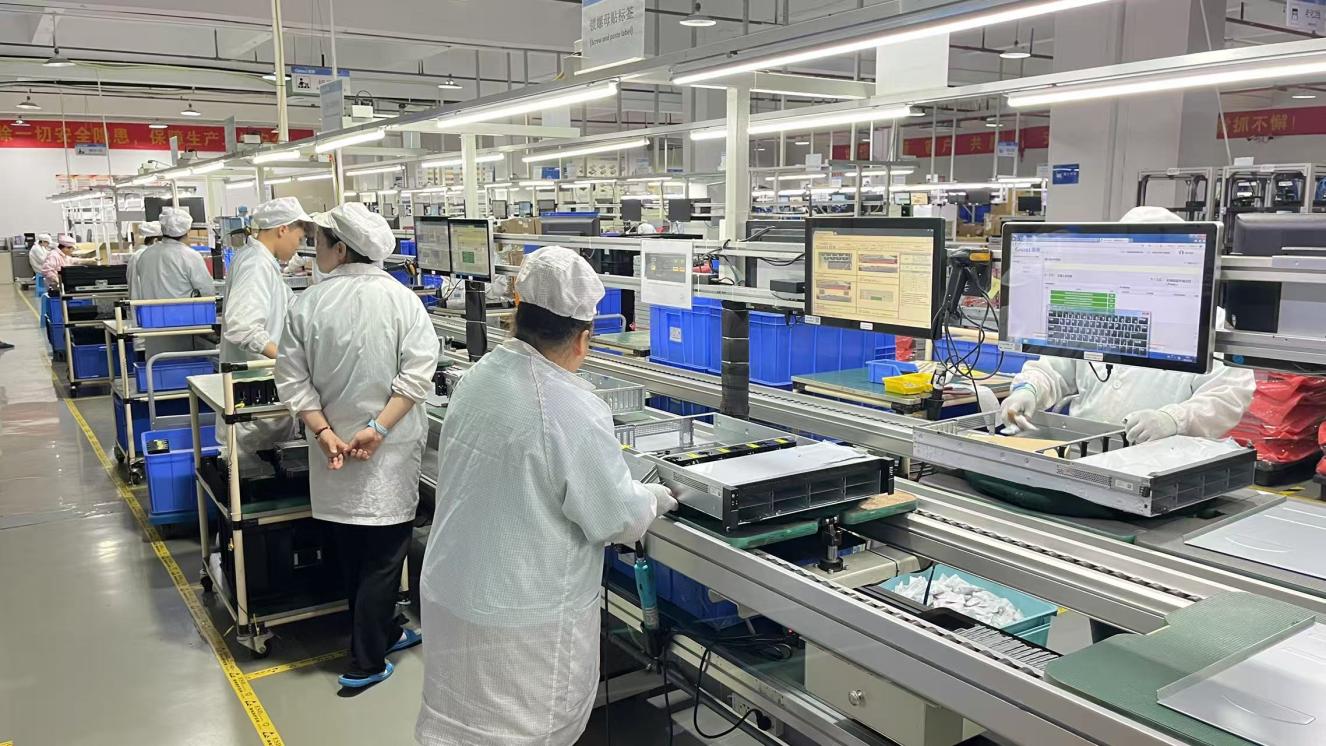
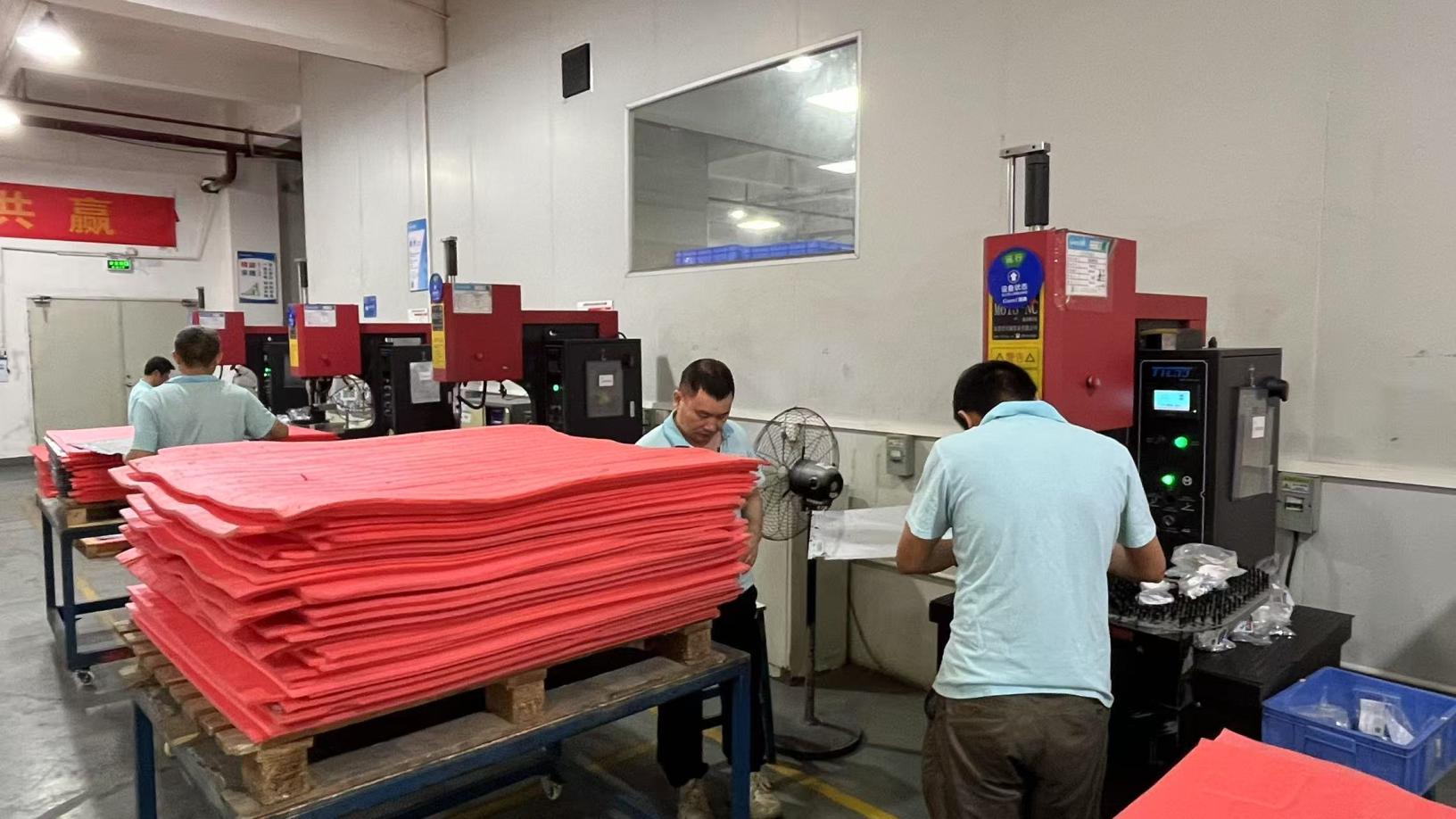
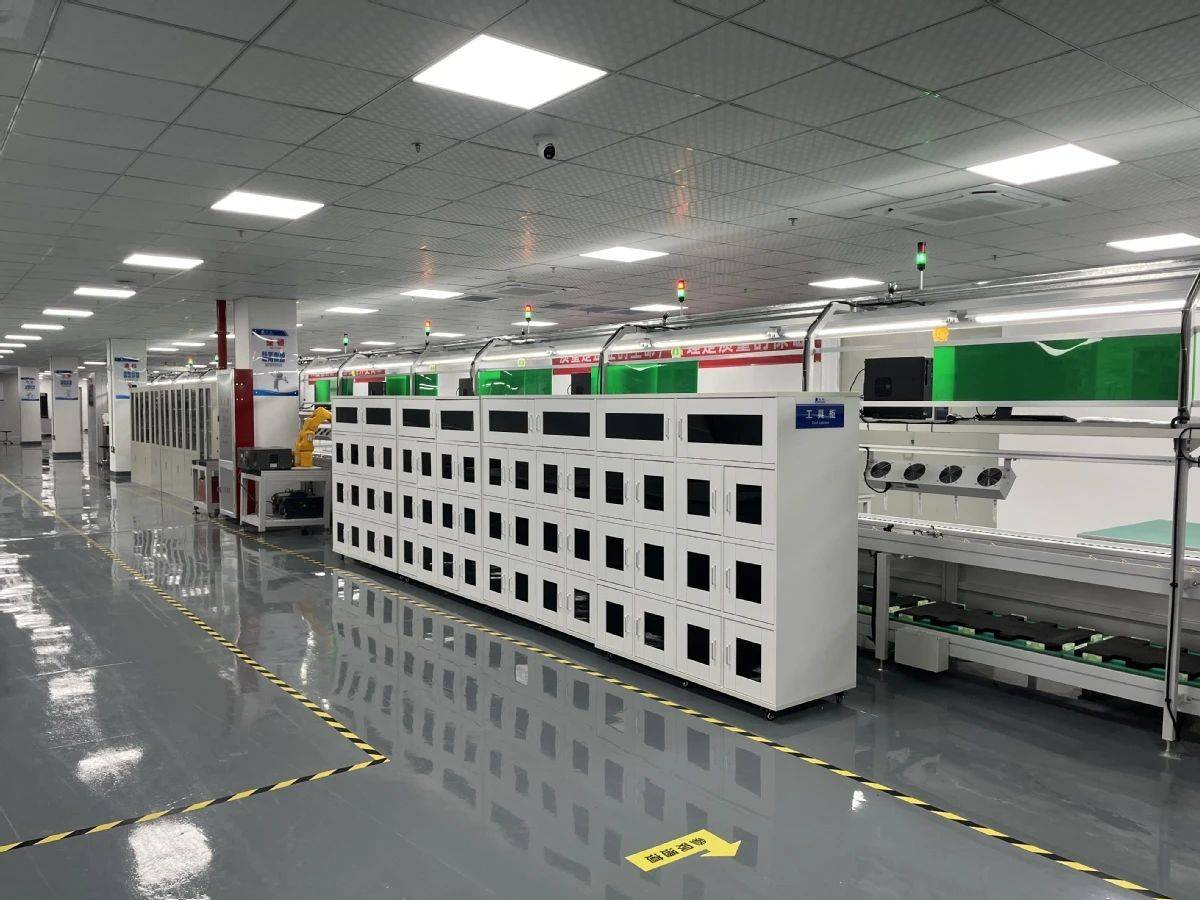
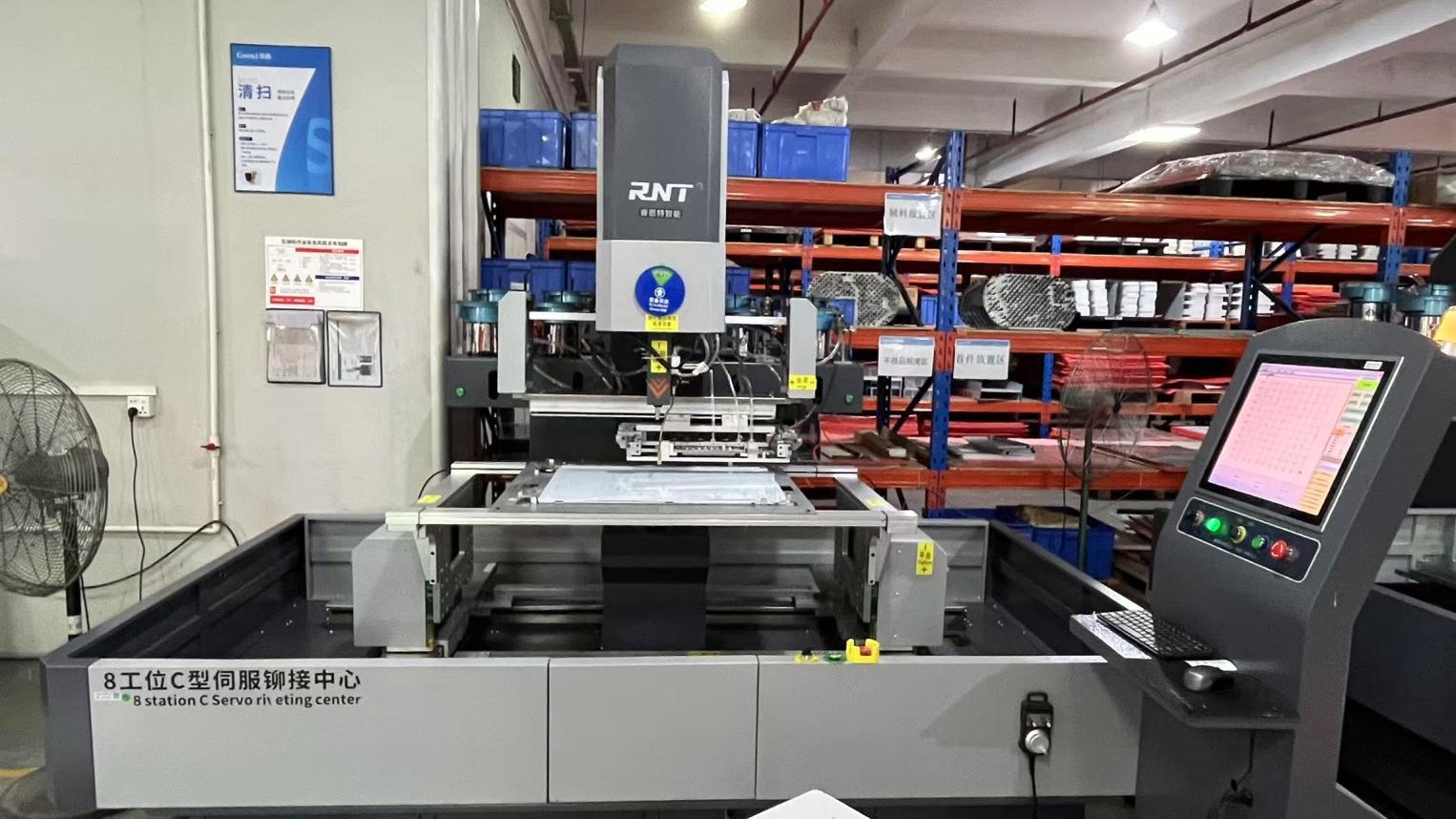
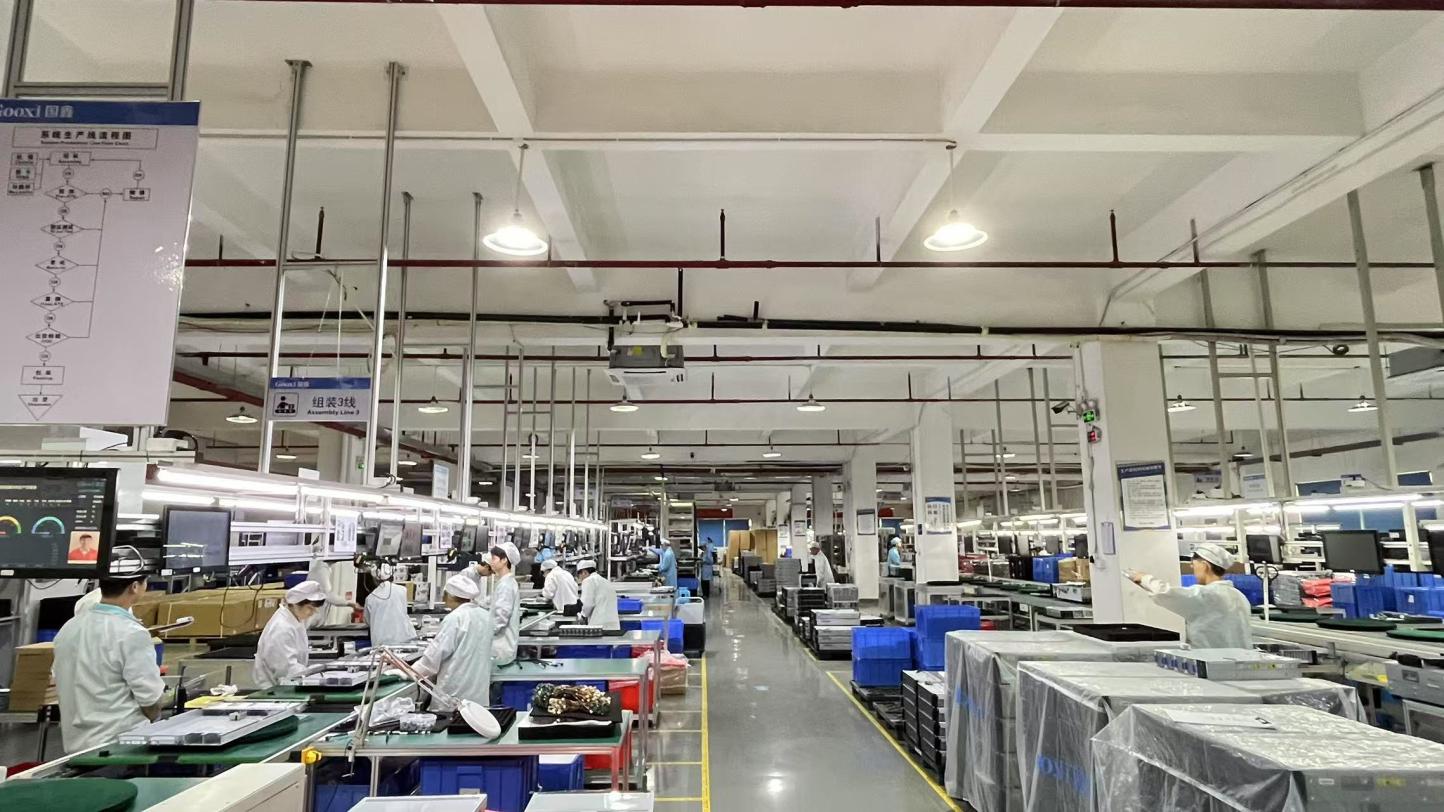
We operate a modern, specialized assembly and system validation facility covering 320㎡. This custom footprint is optimized for high-density server assembly, structural verification, thermal mapping, and pre-shipment software configurations. With 12 years of industry experience in high-performance computing, we maintain a secure supply chain encompassing more than 1,200 verified global suppliers and strategic hardware partners. This ensures a consistent allocation of critical components, including chipsets, server motherboards, chassis, and cooling systems.
Our research and development team, comprised of approximately 180 R&D engineers, is constantly iterating on current system frameworks. In the past year alone, TensorNova successfully designed and launched over 320 new products, bridging the gap between theoretical computing standards and practical system deployments.
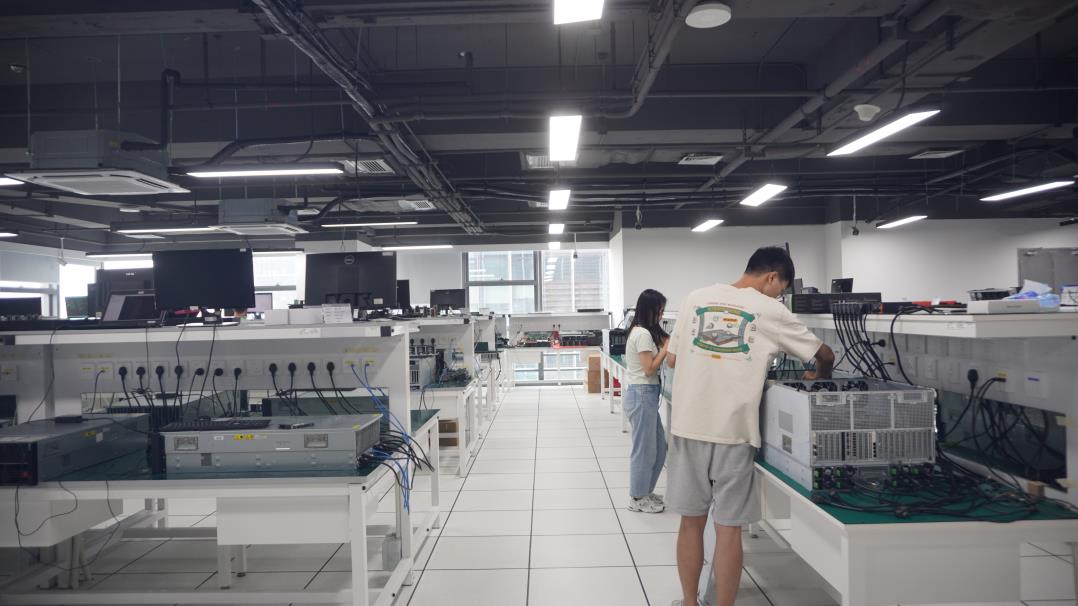
Reliability is the cornerstone of TensorNova's manufacturing ethos. A single system crash during a three-week machine learning epoch can result in tens of thousands of dollars in lost compute time. To eliminate this risk, all TensorNova systems go through a multi-stage validation framework managed by our 45-member Quality Control team:

Deploying AI systems in the Boston market requires strict adherence to local datacenter standards and US regulatory frameworks. TensorNova ensures that all hardware shipped to Massachusetts conforms with federal and state guidelines:
Explore our fully customizable computing models, rack units, and edge computing nodes.
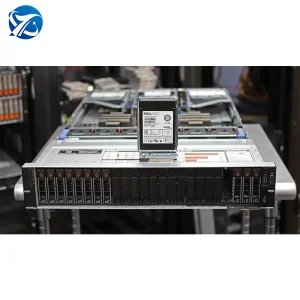
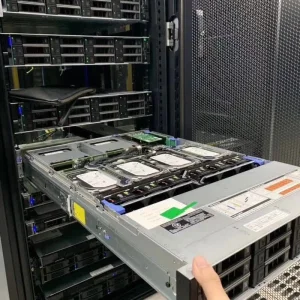
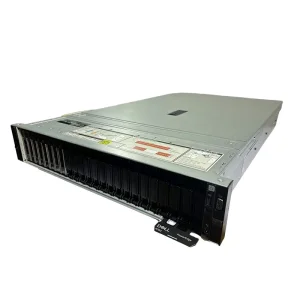
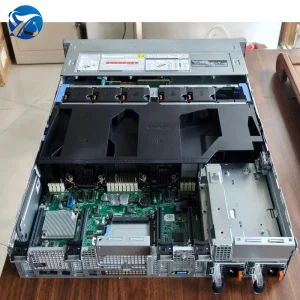
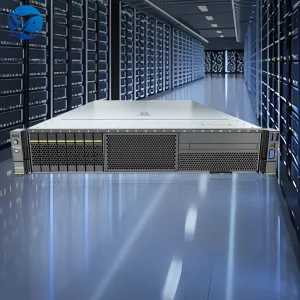
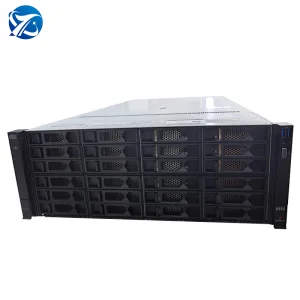
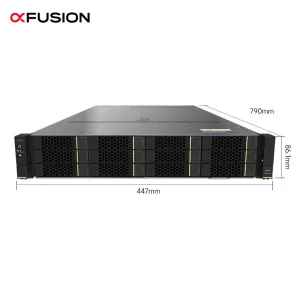
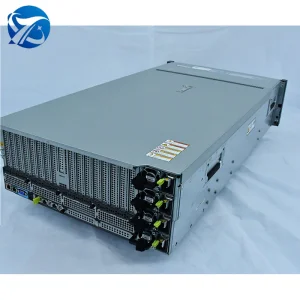
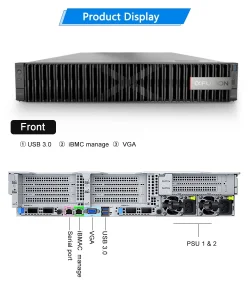
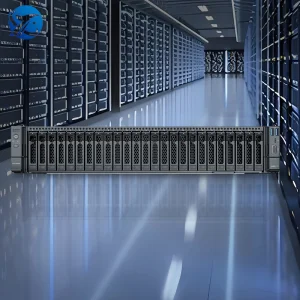
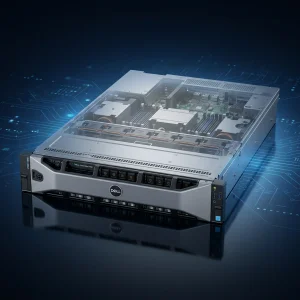
Our standard lead times for custom-configured servers range between 2 to 4 weeks depending on hardware availability, motherboard specifications, and testing verification queues. Because we maintain partnerships with over 1,200 suppliers globally, we are often able to secure components quickly. Air-freight shipping to logistics hubs in Boston typically takes an additional 5 to 7 business days, with customs handling processes managed by our logistics partners.
Older office complexes or retrofitted lab facilities in Boston (such as in Cambridge or Waltham) may have thermal and power load constraints. We work directly with your IT staff to design systems configured with custom airflow optimization, variable-speed high-static pressure fans, and titanium-level high-efficiency redundant PSUs. By utilizing energy-efficient component configurations, we help you align server designs with your facility’s target power limits.
Yes, our systems are built using standard x86 and ARM server architectures and support all major operating platforms including Ubuntu Server, Red Hat Enterprise Linux (RHEL), Rocky Linux, and VMware ESXi. Our R&D team tests our server builds under simulated AI workloads (PyTorch, TensorFlow, CUDA toolkit, Docker container stacks) to ensure that the system is ready to run your ML workloads right out of the box.
Every server node goes through a rigorous quality assurance checklist managed by our 45-person QC team. This includes: (1) Visual and physical inspection of components under ESD-safe environments; (2) Motherboard firmware/BIOS configuration and hardware-level validation; (3) 72-hour full-load system burn-in testing to verify silicon stability; (4) High-throughput I/O storage testing and PCIe lane verification; (5) Thermal profile analysis to confirm overall system safety under load.
Yes, customization is one of our core strengths. Our team of 180 R&D engineers will work with you to configure GPU setups (ranging from single edge nodes to high-density 8-GPU systems), storage options (such as direct NVMe arrays), and cooling configurations. We tailor every machine's specifications to match your exact application requirements.
Speak directly with a system engineer to review your requirements, discuss power/thermal limitations, and receive a detailed, itemized technical proposal.
Submit Request for Quote (RFQ)