 TensorNova
TensorNova
TensorNova
High-density computing servers specifically tuned for enterprise AI pipelines, financial technology analytics, and deep learning operations across the Nairobi digital ecosystem.
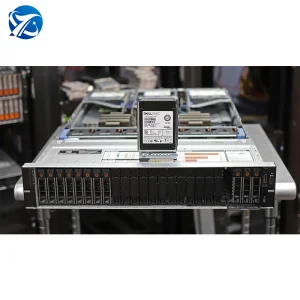
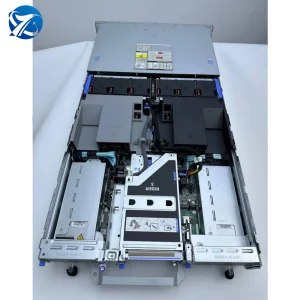
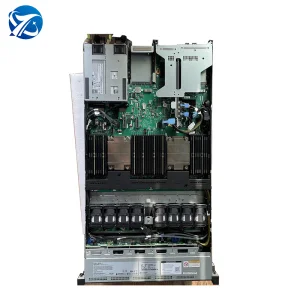
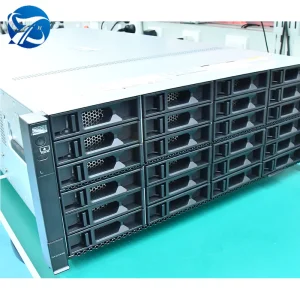
An analysis of East Africa's "Silicon Savannah" computational infrastructure, high-density server demands, and localized environment parameters.
Kenya is rapidly positioning itself as the primary engine for digital growth, software development, and machine learning research in Sub-Saharan Africa. Powered by initiatives like the Konza Technopolis (Konza Techno City) and the Kenya National Digital Masterplan (2022-2032), the country is witnessing an unprecedented transition from standard web hosting architectures to advanced machine learning models, fintech AI systems, and Swahili natural language processing (NLP) architectures.
This dynamic shift has forced telecommunication providers, commercial banks, academic research institutions, and digital government providers in Nairobi to acquire enterprise-grade GPU Acceleration Platforms. Unlike basic application servers, AI models such as DeepSeek-R1, LLaMA-3, and proprietary financial fraud detection algorithms require massive parallel processing arrays. High-performance GPU servers containing multiple NVLink interfaces represent the backbone of this transformation.
Within the Kenyan industrial sector, three key computing vectors dominate the demand for imported AI infrastructure:
How elevation and power grid profiles impact GPU performance, and why custom exporter integration is required.
Deploying high-performance GPU hardware (such as dual EPYC processors paired with multiple NVIDIA H100 or L40S graphics accelerators) in East Africa requires special attention to hardware engineering. Nairobi sits at an elevation of approximately 1,795 meters above sea level. Standard electronic cooling formulas assume sea-level atmospheric pressure. At high elevations, the air density is significantly lower, reducing its cooling efficiency by 15-20%.
To avoid severe thermal throttling under sustained AI model training cycles, GPU server configurations imported into Kenya must possess custom BMC cooling profiles, high-airflow variable-speed fans, and optional liquid cooling configurations. TensorNova works directly with data center operators in Nairobi, Mombasa, and Konza to deliver server chassis optimized for altitudinal thermal dynamics.
| Thermal Design & Power Feature | Standard Server Baseline | Nairobi/East Africa Optimized Spec | Performance & Reliability Impact |
|---|---|---|---|
| Chassis Airflow Velocity | Standard Fan Duty Cycle | High-RPM Counter-Rotating Fans | Prevents GPU hotspot thermal throttling at 1,800m elevation. |
| Cooling Technology | Standard Air Cooling | Dual-Loop Air & Direct-to-Chip Liquid Options | Reduces Power Usage Effectiveness (PUE) in regional datacenters. |
| Power Supply (PSU) | 80+ Gold / Single PSU | Dual redundant 80+ Titanium (up to 3200W) | Mitigates local voltage dips and supports continuous deep learning runs. |
| Storage Acceleration | SATA SSD / standard NVMe | PCIe Gen 5.0 U.3 NVMe SSDs | Allows maximum pipeline feeding speed for multi-GPU training. |
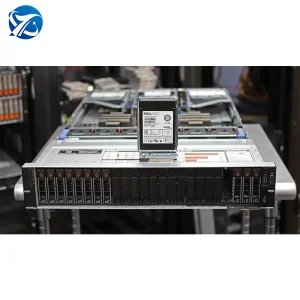
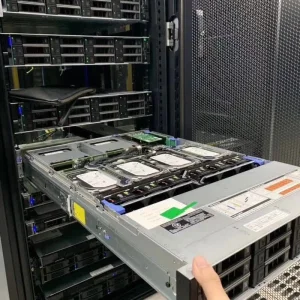
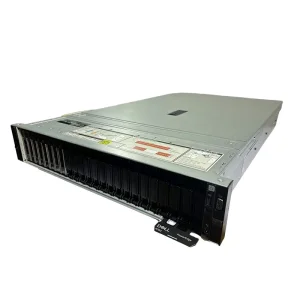
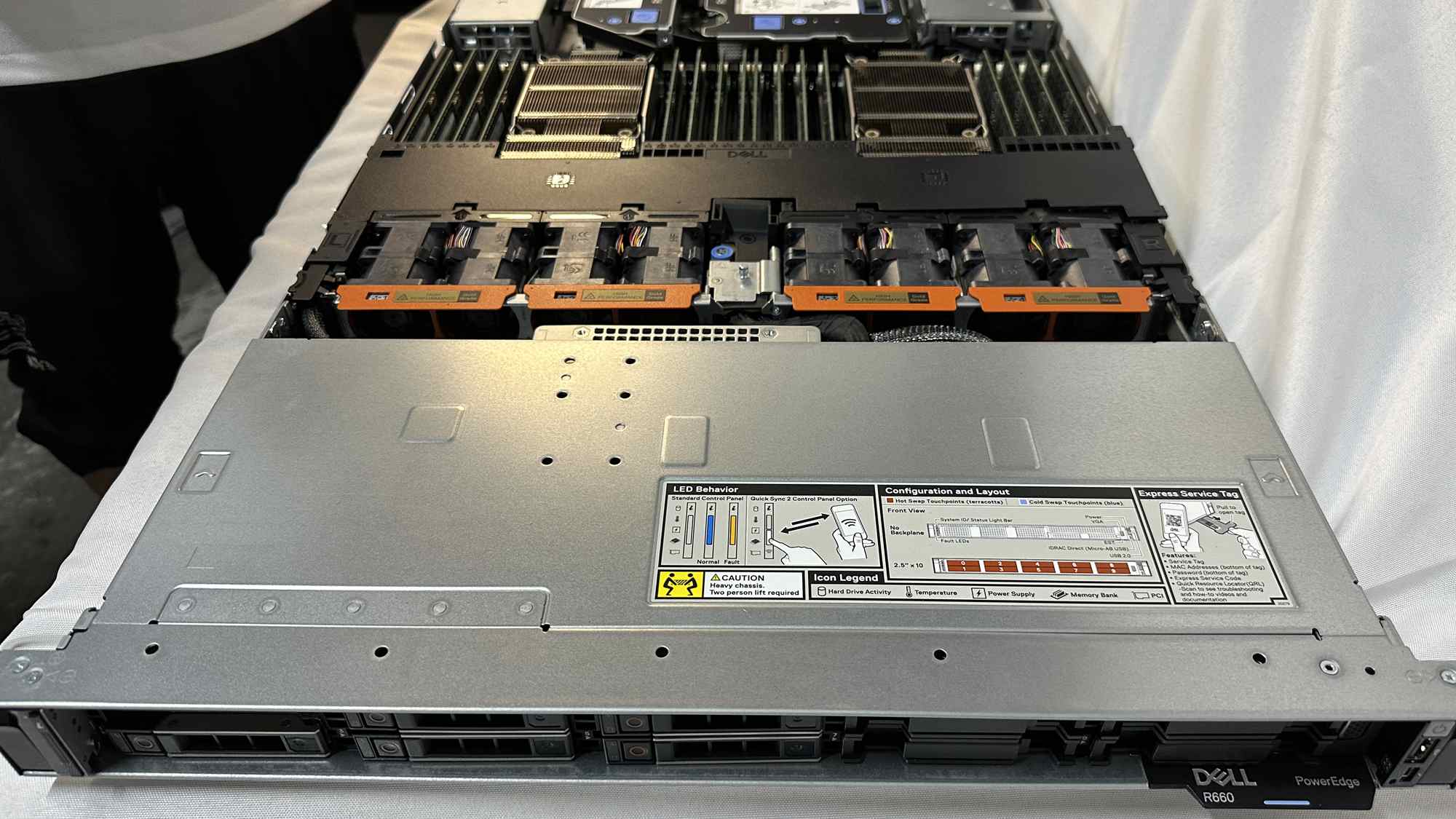
A mid-tier product showcase featuring high-density rackmount systems engineered for reliability, database hosting, and edge inference deployment.

China's premier developer of specialized computing platforms, bringing certified, high-density AI clusters to global and East African networks.
Established in 2016, TensorNova has grown into a highly trusted manufacturer in the AI hardware industry. We specialize in high-performance GPU configurations, enterprise clustering, and custom liquid/air-cooled rack architectures. Serving clients across North America, Europe, Southeast Asia, and the Middle East, we are proud to extend our robust export infrastructure to digital projects in Kenya.
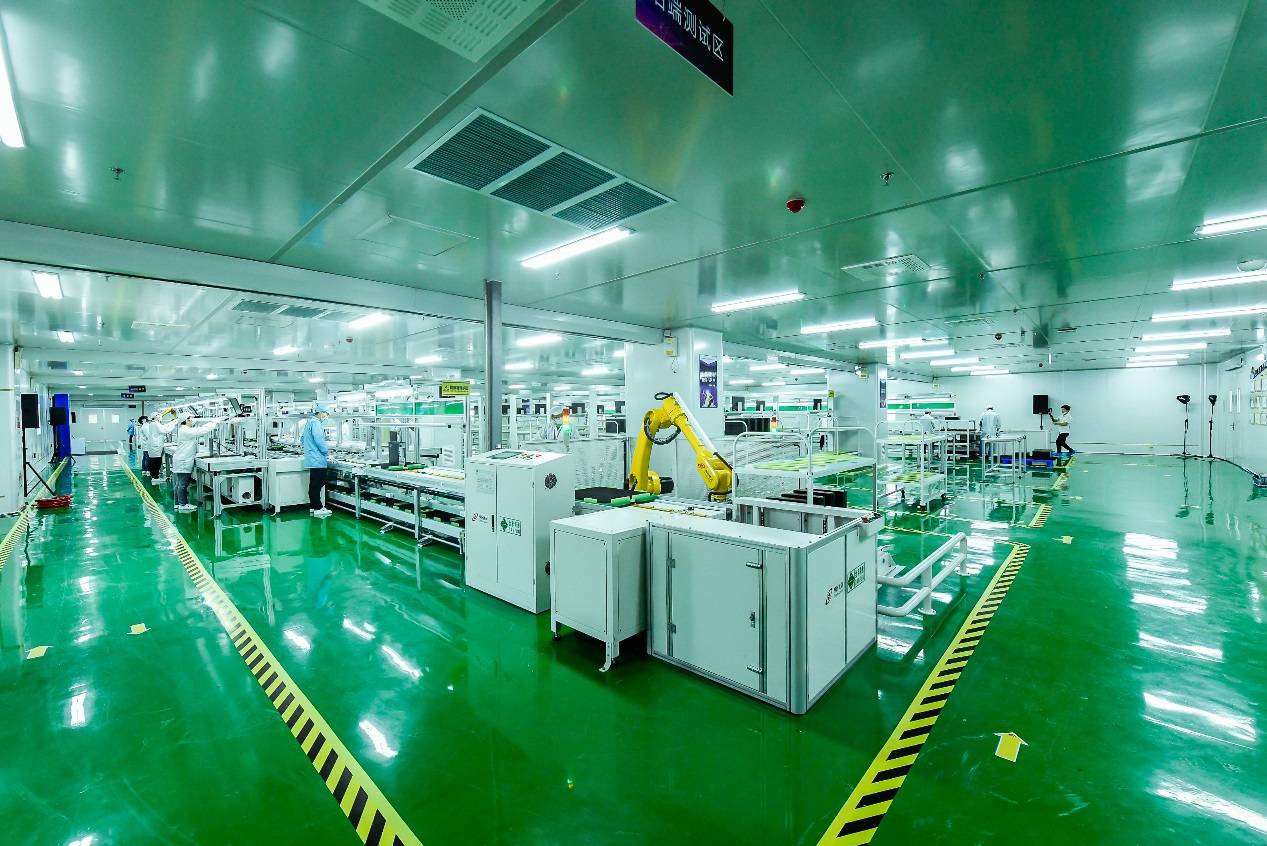
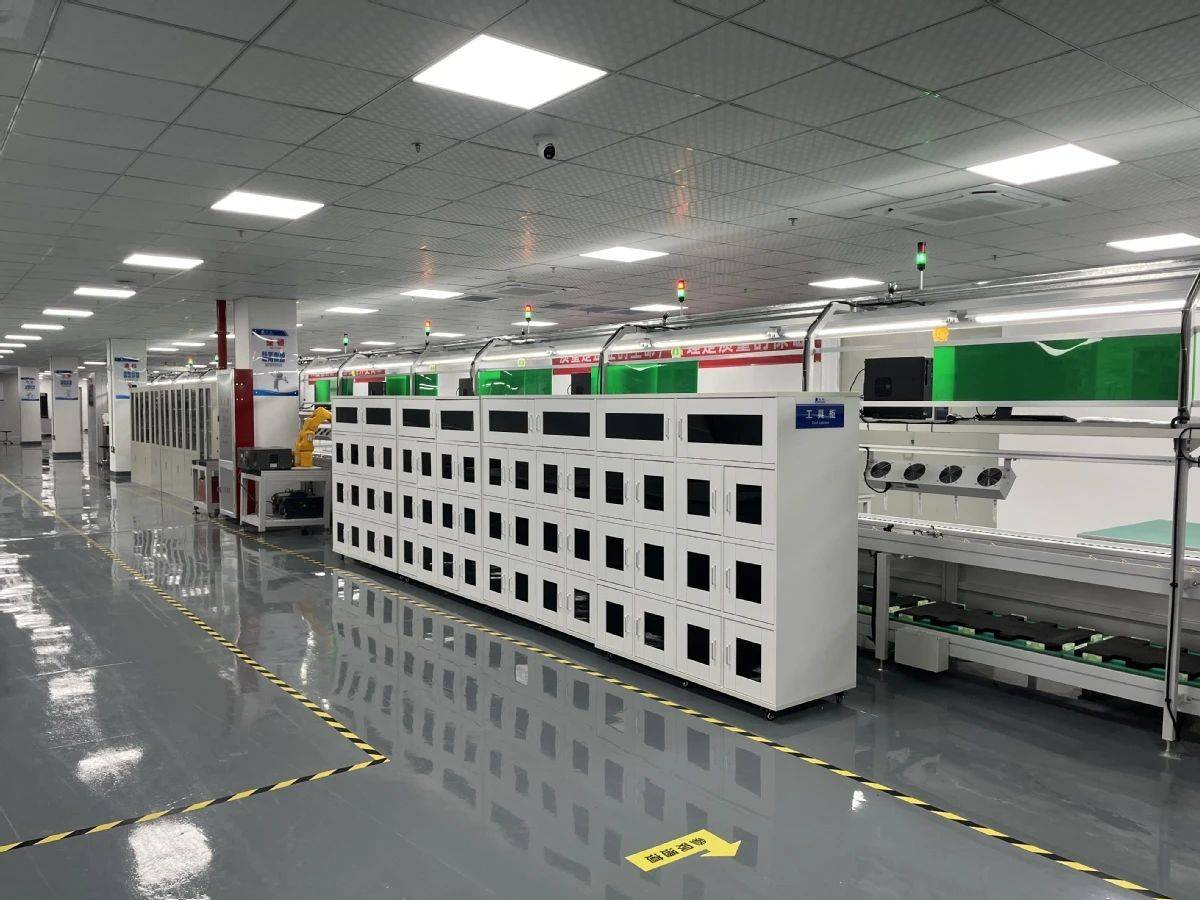
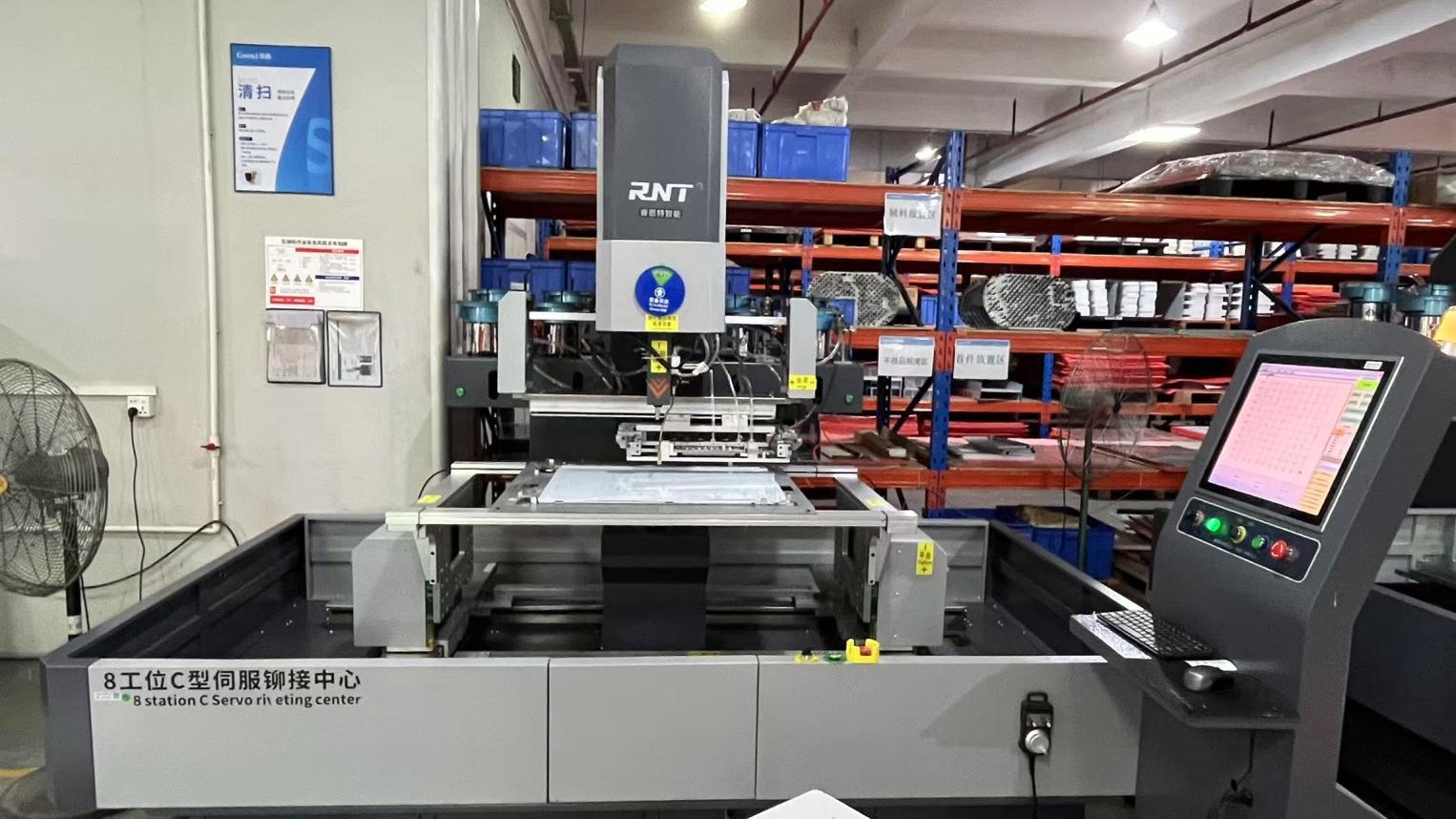
With an annual export revenue of approximately $8.5 million and 12 years of industry experience, we ensure our global partners receive fully optimized, enterprise-ready systems. Our advanced facility spans 320㎡ and is strictly managed under ISO9001-based quality control systems.
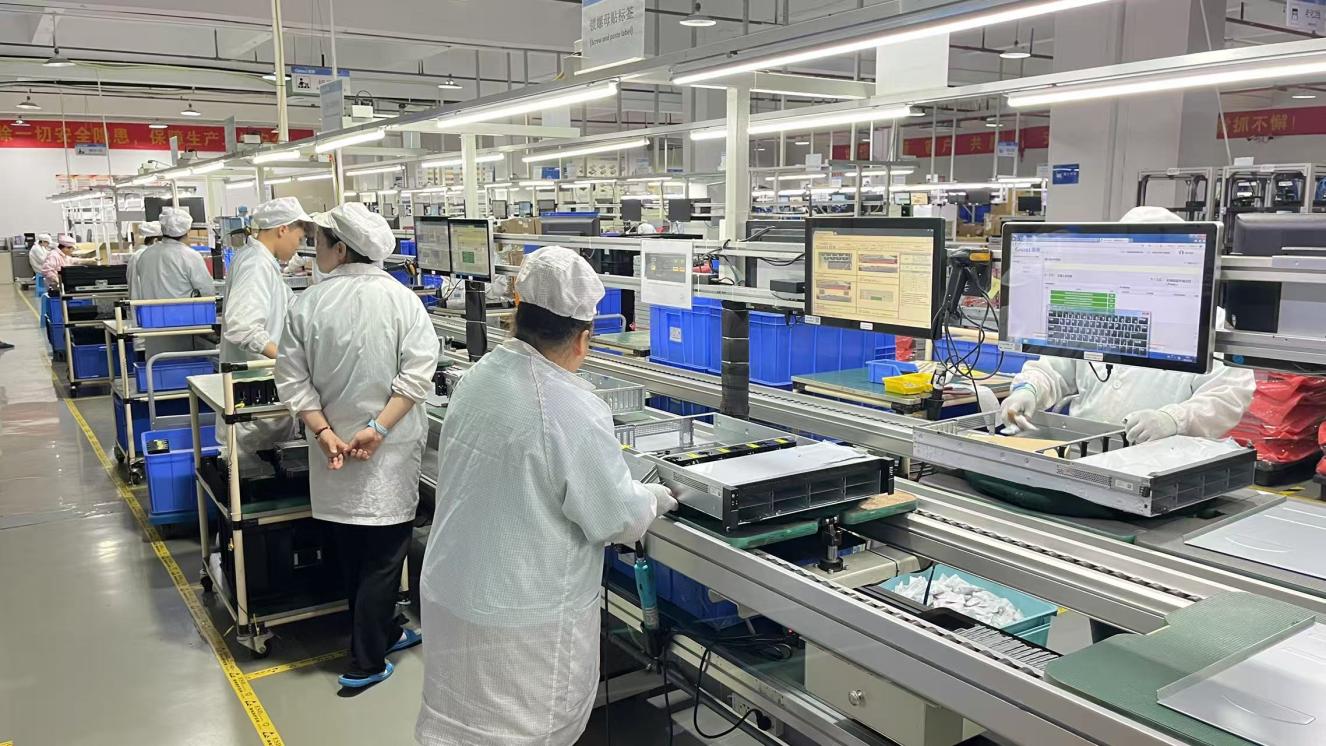
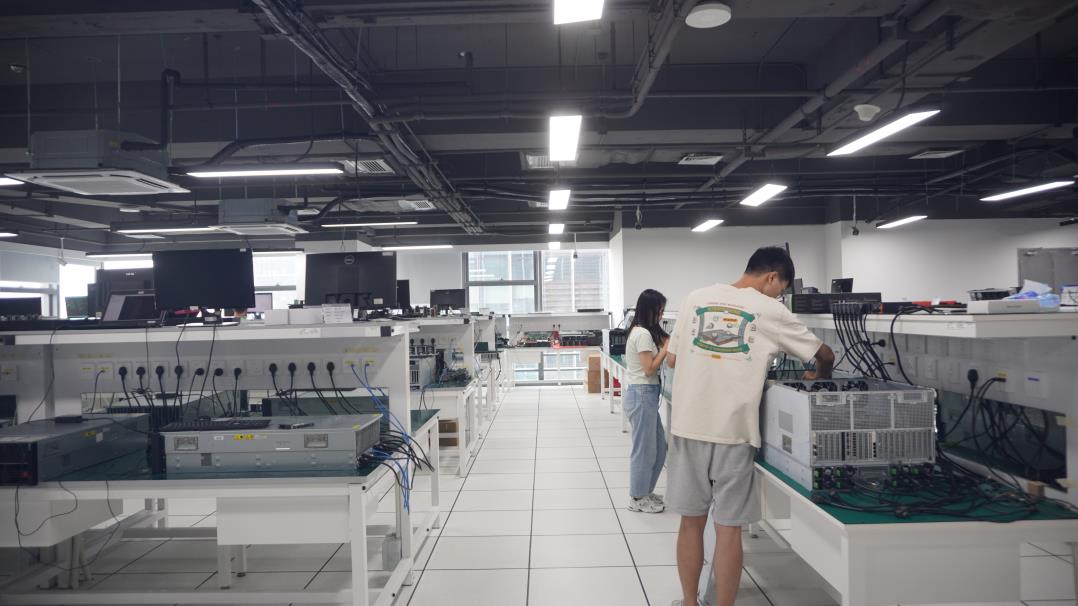
Every system exported to Kenya undergoes multi-phase automated hardware stress testing, thermal validation in environment simulation chambers, burn-in testing, and actual AI workload simulations (running heavy language modeling and neural network inference scripts). Our engineering customizes everything from motherboard-level tuning and high-density GPU layout arrays to specialized cooling mechanisms and BIOS modification for optimal power efficiency.

Seamless import pathways, regulatory approvals, and SLA frameworks for hardware integration in Kenya.
Importing enterprise telecom and high-performance computing equipment into Kenya requires compliance with the Kenya Bureau of Standards (KEBS). Electronic items must undergo the Pre-Export Verification of Conformity (PVOC) program. This certifies that all imported computer servers meet strict electrical safety, shielding, and efficiency guidelines before loading.
TensorNova manages this regulatory step directly. We provide complete documentation including CE, FCC, RoHS, and customized PVOC certificates, helping you avoid import delays at Mombasa Port or Jomo Kenyatta International Airport (JKIA) in Nairobi.
For high-density computing servers, uptime is critical. TensorNova provides tailored SLA-backed warranty structures for our Kenyan clients. This includes remote diagnostics, fast replacement parts dispatch, and field engineer consultation if required, ensuring your AI research and financial pipelines run smoothly.
Explore our complete catalog of AI-focused multi-GPU server designs, high-capacity CPU nodes, and next-generation storage architectures.
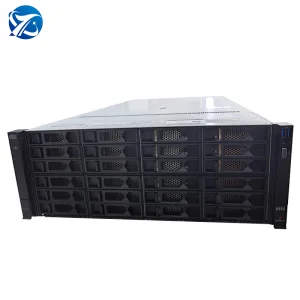
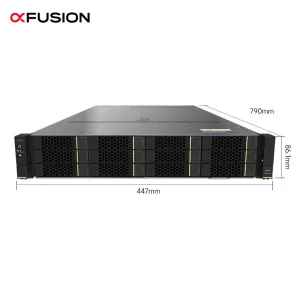
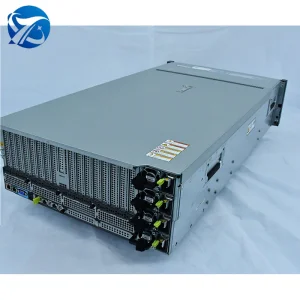
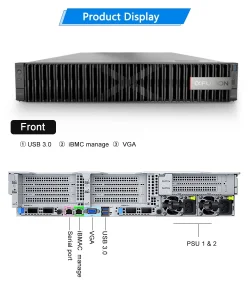
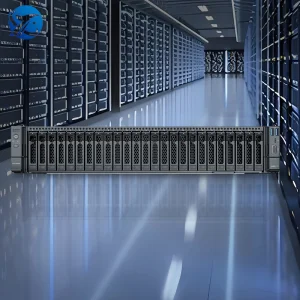
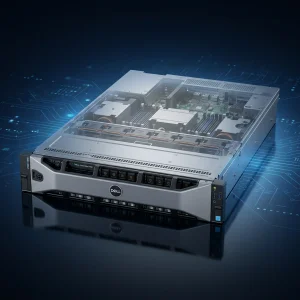
Whether you need a single 2U GPU server or a multi-rack HPC cluster for deployment in Nairobi or Mombasa, our engineers will design, test, and ship your hardware with full KEBS clearance.
Send Inquiry NowTechnical details, shipping logistics, and compliance guidelines for importing enterprise AI servers into East Africa.
TensorNova manages the complete Pre-Export Verification of Conformity (PVOC) documentation. Our logistics team works with accredited inspection agencies to secure the Certificate of Conformity (CoC) prior to shipping, ensuring rapid customs clearance at Mombasa Port or Jomo Kenyatta International Airport (JKIA) in Nairobi.
Nairobi's elevation of ~1,795m means the air is less dense, which reduces standard heat dissipation efficiency by 15-20%. TensorNova configures custom BMC high-velocity cooling profiles and modified fan speed tables to ensure high-TDP components (such as Nvidia H100 GPUs and high-end Xeon/EPYC CPUs) stay well within safe operating ranges without thermal throttling.
For customized configurations (such as specific GPU quantities, liquid-cooling loops, or memory upgrades), assembly and burn-in testing take 7 to 10 working days. Air freight to Nairobi (JKIA) averages 5-7 days, while sea freight to Mombasa takes approximately 25-30 days.
Yes. We specialize in configuring heterogeneous compute nodes for Large Language Models. We optimize GPU interconnects, PCIe bandwidth, and VRAM layout to handle multi-billion parameter models, ensuring high token throughput and low latency for local AI applications.
We offer comprehensive global warranties with selectable SLA tiers. This includes remote diagnostics, quick-ship replacement parts, and dedicated technician access. Hardware replacements can be dispatched directly to your data center location in Kenya.