TensorNova
TensorNova
TensorNova
Explore our high-performance hardware engineered specifically for low-latency calculations, IoT gateway deployment, and local server reliability.
The global enterprise data ecosystem is undergoing a major transformation. Traditional cloud structures face bottlenecks related to bandwidth limits, high transmission latency, and concerns about localized data control. Edge computing devices offer a solution by shifting processing power from central servers directly to where data is generated.
By processing workloads at the network edge, companies can reduce latency to single-digit milliseconds. This supports real-time decision-making for autonomous guided vehicles (AGVs), smart grid energy grids, and high-speed production lines. In this environment, edge devices act as both data collection systems and intelligent nodes capable of running complex local AI inference engines.
Our industrial-grade compute systems move tasks directly to the physical operational layer, removing the need for round-trip data cloud transmissions.
Maintain data residency and easily meet strict regional privacy laws by containing raw data within local network boundaries.
Server Industry Experience
Dedicated R&D Engineers
Global Supplier Network
Annual Export Volume
How we combine advanced server customization, strategic partnerships, and strict testing protocols to deliver enterprise-grade performance.
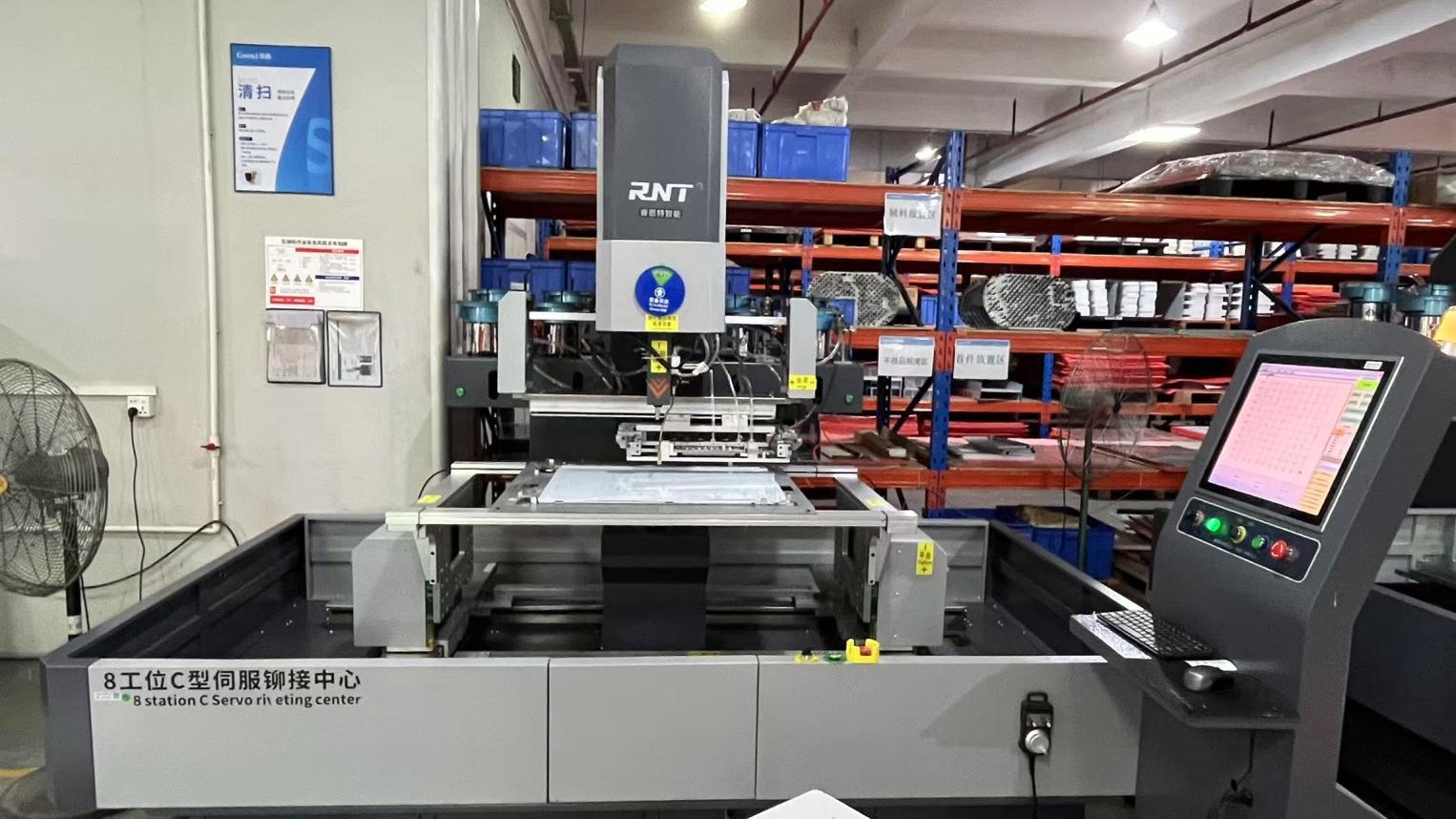
TensorNova supports tailored server modifications. From specialized chassis layouts and alternative thermal cooling systems to motherboard-level BIOS modifications, our 180+ R&D engineers develop bespoke hardware solutions tailored to your operational specifications.
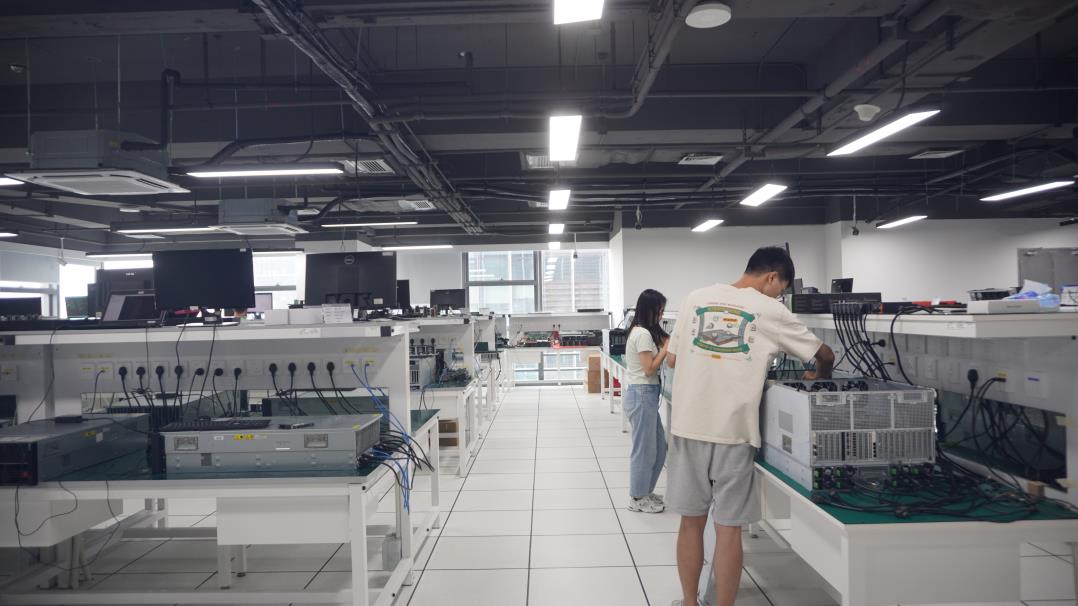
Quality control is managed by 45 QA staff operating under an ISO9001-certified framework. Every system undergoes hardware stress diagnostics, high-temperature environmental chamber tests, dynamic thermal validation, and direct AI workload simulation to verify long-term stability.
With an active supply ecosystem of over 1,200 suppliers and major industry component partners, we source high-density parts reliably. This helps shield our assembly timelines from global component shortages and guarantees stable manufacturing runtimes.
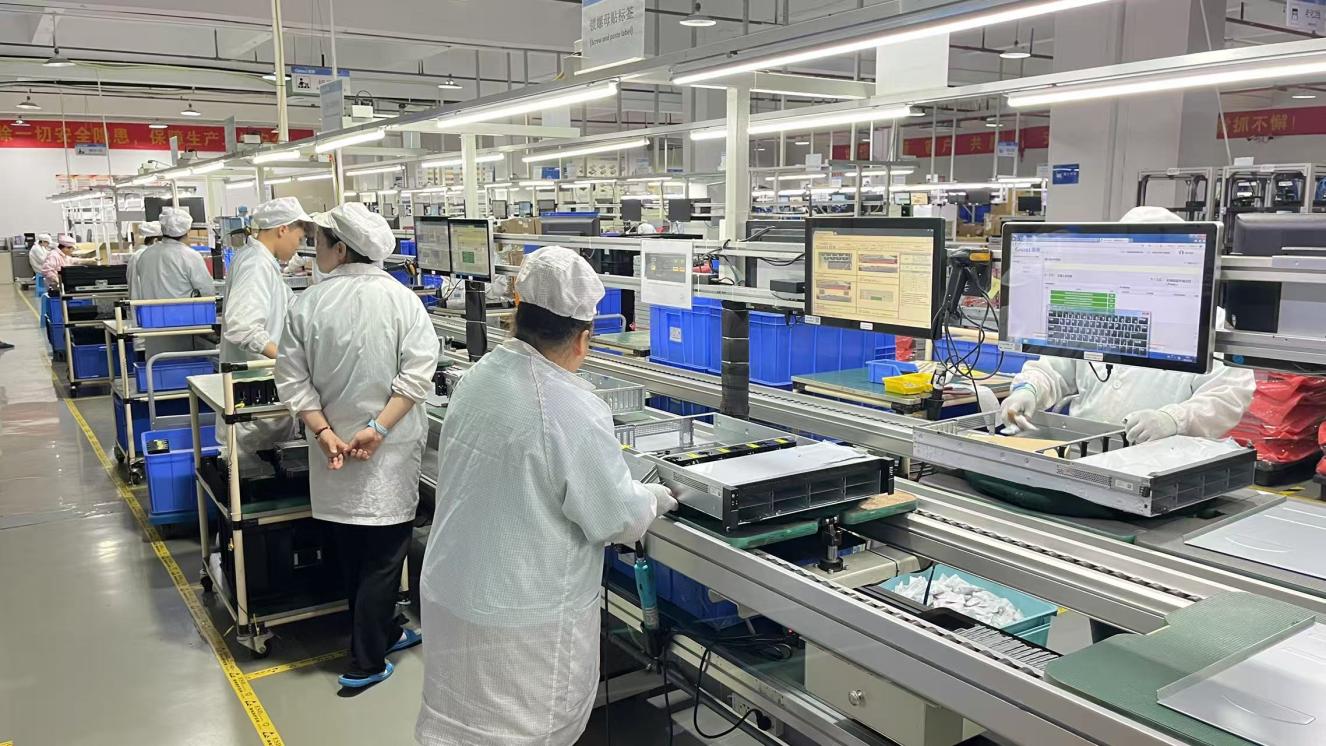
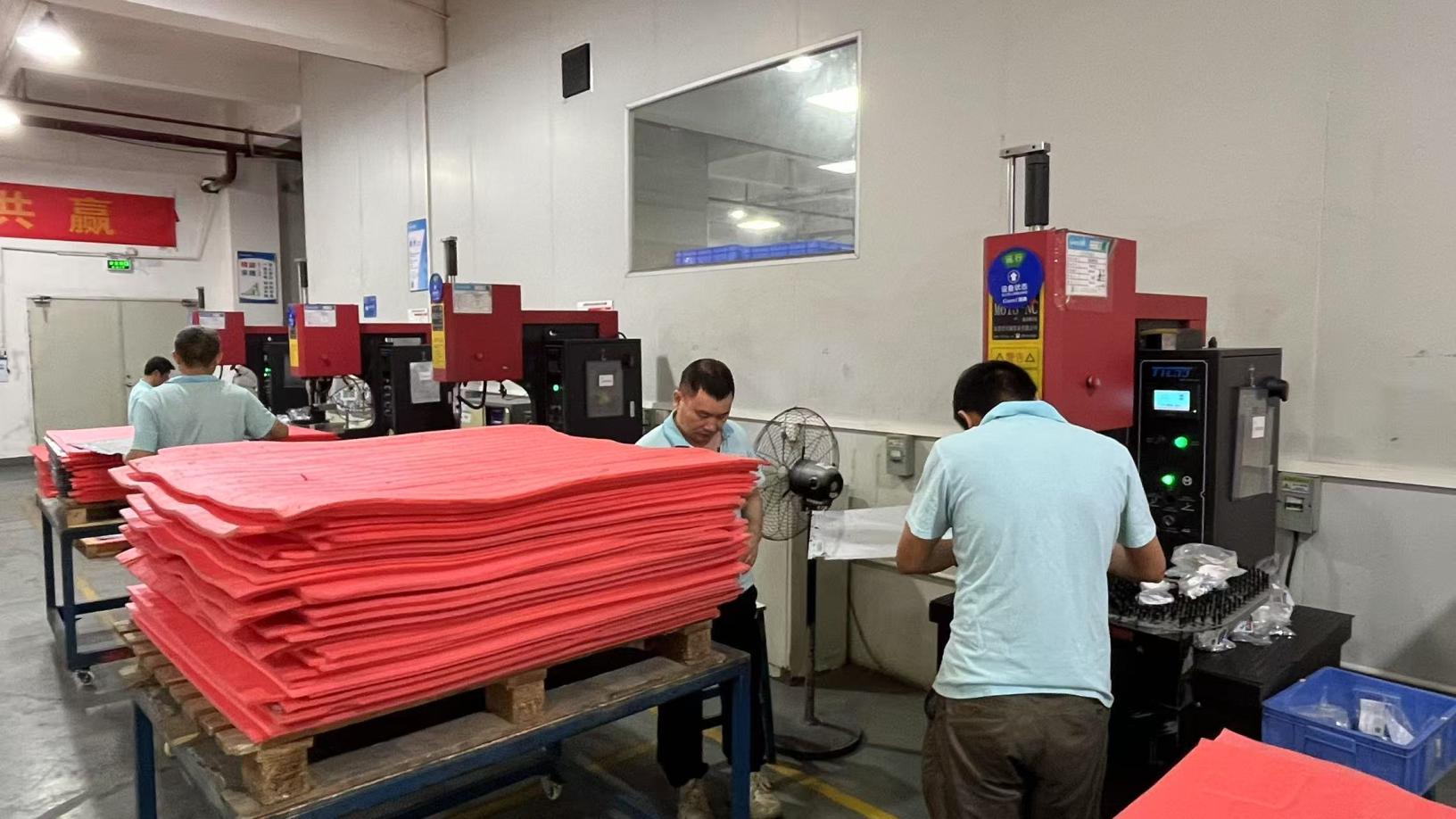
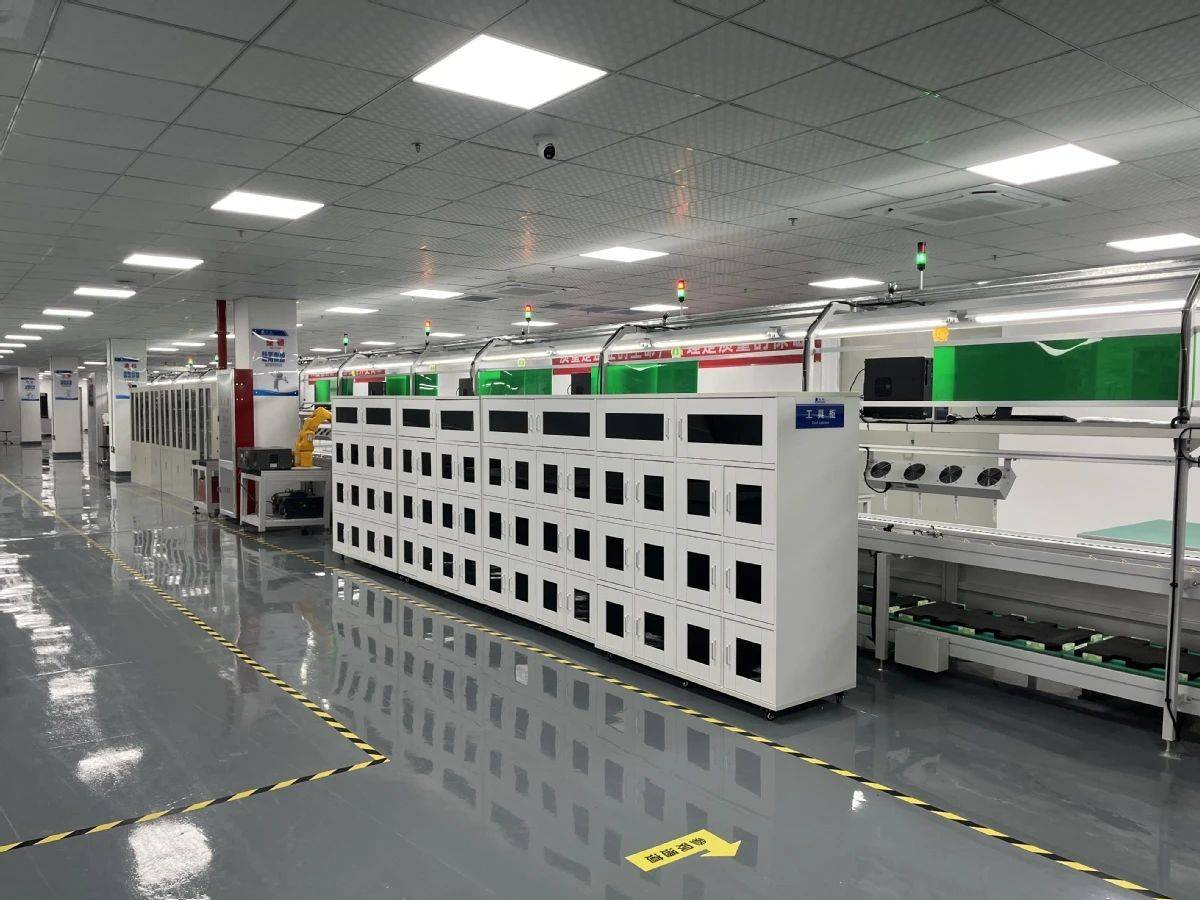
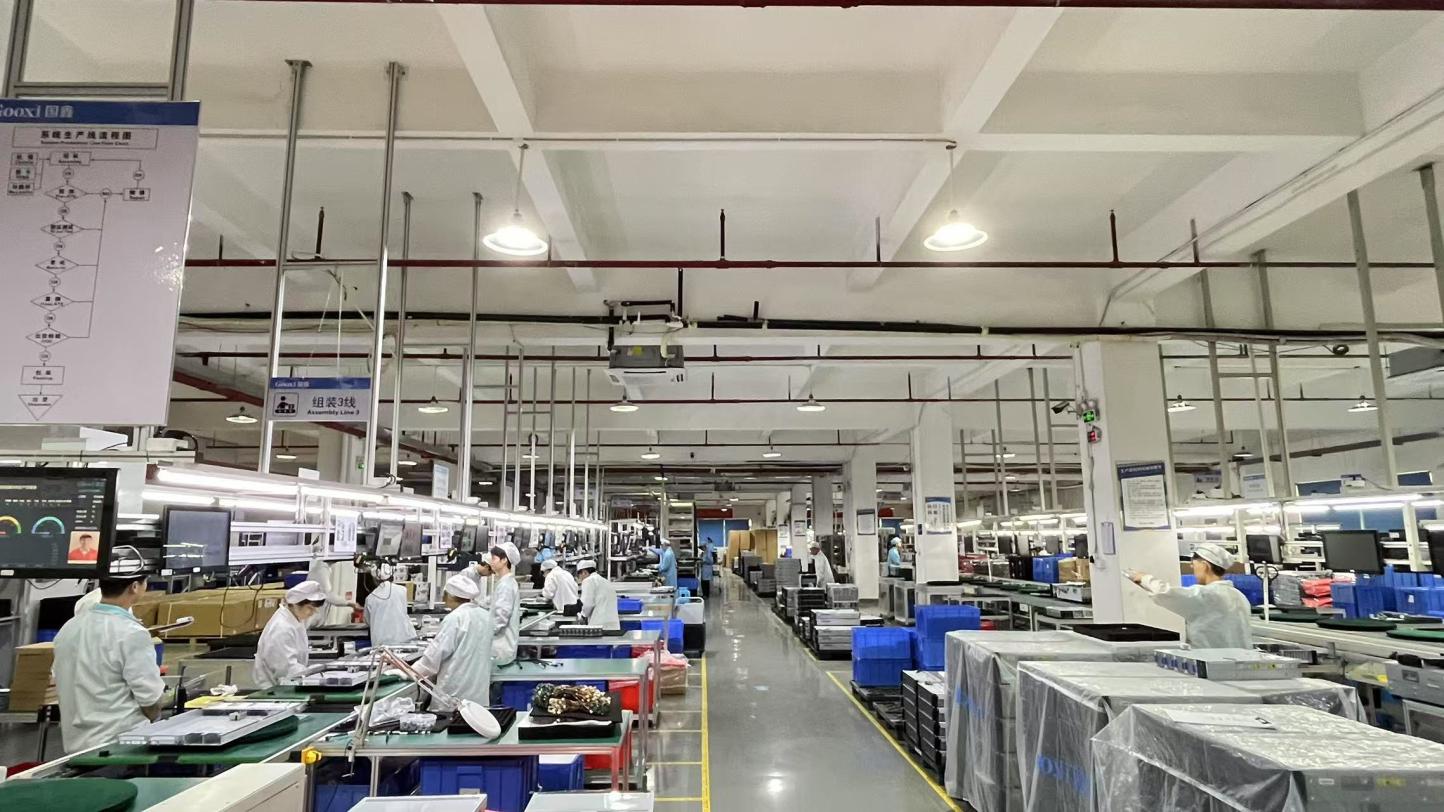
Building computing hardware requires an efficient, responsive industrial environment. Our assembly facility in China leverages localized supply chains, providing proximity to component packaging houses, raw material suppliers, and specialized engineering talent.
This geographic position enables rapid prototyping, turning custom blueprints into functional, testable edge configurations within days. By combining this localization with optimized logistics routes, TensorNova helps overseas procurement managers control total cost of ownership (TCO) while maintaining short production cycles.
A detailed look at TensorNova’s manufacturing and export capabilities:
New Products Launched Annually
Global Export Logistics Experience
Advanced Assembly Facility
Quality Control Officers
Ensuring our hardware satisfies regulatory frameworks, maintains import compliance, and operates reliably across international jurisdictions.
Our systems are built to meet key international safety and environmental regulations, including CE, FCC, and RoHS standards. This simplifies integration into networks across North America, Europe, Southeast Asia, and the Middle East.
We work with regional integration partners to offer remote telemetry monitoring, on-site diagnostics guidance, and modular spare part storage. This minimizes mean time to repair (MTTR) for critical hardware installations.
Industrial edge programs often operate on 5-to-10-year roadmaps. TensorNova offers long-term component support, providing replacement motherboards, chassis parts, and power supplies to prevent premature hardware obsolescence.
How TensorNova's high-performance hardware handles actual edge-to-cloud computing workloads in real-world environments.
In modern manufacturing, local hardware handles the collection and processing of high-frequency sensor readings, machine vision checks, and motor sync commands. Our rugged servers run local inference loops that monitor for product flaws or safety hazards, keeping operational lines running smoothly even if connection to the cloud is lost.
Self-operating machines like delivery robots, yard tractors, and automated warehouse pickers generate massive volumes of sensor and telemetry data. Our compact micro-servers and high-efficiency power supplies fit directly into vehicle frames. They process camera inputs and lidar sweeps locally to allow immediate steering adjustments and obstacle avoidance.
Managing vehicle flow in smart cities requires high-performance visual processing at street intersections. Our edge AI platforms parse multi-channel camera feeds locally to classify vehicle patterns and adjust signal timing. This localized processing reduces the costs associated with streaming raw video feeds back to central offices.
Deploying micro-data servers within 5G Multi-access Edge Computing (MEC) basestations brings processing capacity closer to mobile users. TensorNova's rackmount servers host virtualized network functions (VNFs) and power cloud-gaming engines, decreasing response times and improving content delivery across local networks.
Answers to common questions about power management, thermal efficiency, security configurations, and custom manufacturing options.
We use a mix of passive heat dissipation, customized internal airflow pathways, and high-efficiency fans. For harsh deployments, we design fanless enclosures that seal out dust and moisture, relying on aluminum fin heatsinks and copper heatpipes to keep the system cool. We also offer liquid-cooling integrations for high-performance GPU tasks.
Our engineering team can modify internal motherboard layouts, customize PCIe expansions, design rugged enclosures to meet specific shock and vibration limits, and configure power options (such as dual redudant AC/DC supplies). We can also apply custom branding and flash specialized BIOS settings prior to shipping.
Every server model undergoes rigorous hardware verification, including environmental chamber tests, vibration testing, and sustained burn-in tests under artificial computing workloads. Our quality assurance team uses testing equipment to monitor power draws, heat output, and data transmission stability down to individual components.
Our configurations feature high-bandwidth DDR5 RAM and PCIe Gen 5 interfaces to support high-performance accelerators. This hardware setup enables fast local data retrieval and high throughput, making it suitable for running localized large language models (LLMs) and complex machine learning tasks at the network edge.
We support secure boot protocols and hardware-root-of-trust (TPM 2.0) modules to guard against unauthorized firmware alterations. Additionally, our systems feature intrusion detection switches and encrypted storage options to protect physical data in remote or unmanned locations.
We maintain inventory agreements for essential components, including power regulators, controllers, and memory cards. By using an established network of over 1,200 local and international suppliers, we can adjust sourcing routes to maintain consistent production timelines during component shortages.
Yes, our power units support wide-voltage inputs (typically 90V to 264V AC, or specialized DC inputs) and include surge protection, over-current safeguards, and short-circuit protection. This helps shield internal processors from power spikes common in industrial and off-grid settings.
For standard chassis modifications, prototype designs are typically ready in 2 to 3 weeks. Complex motherboards or completely custom enclosures may require 4 to 8 weeks, which includes layout design, initial machining, and thermal validation steps.
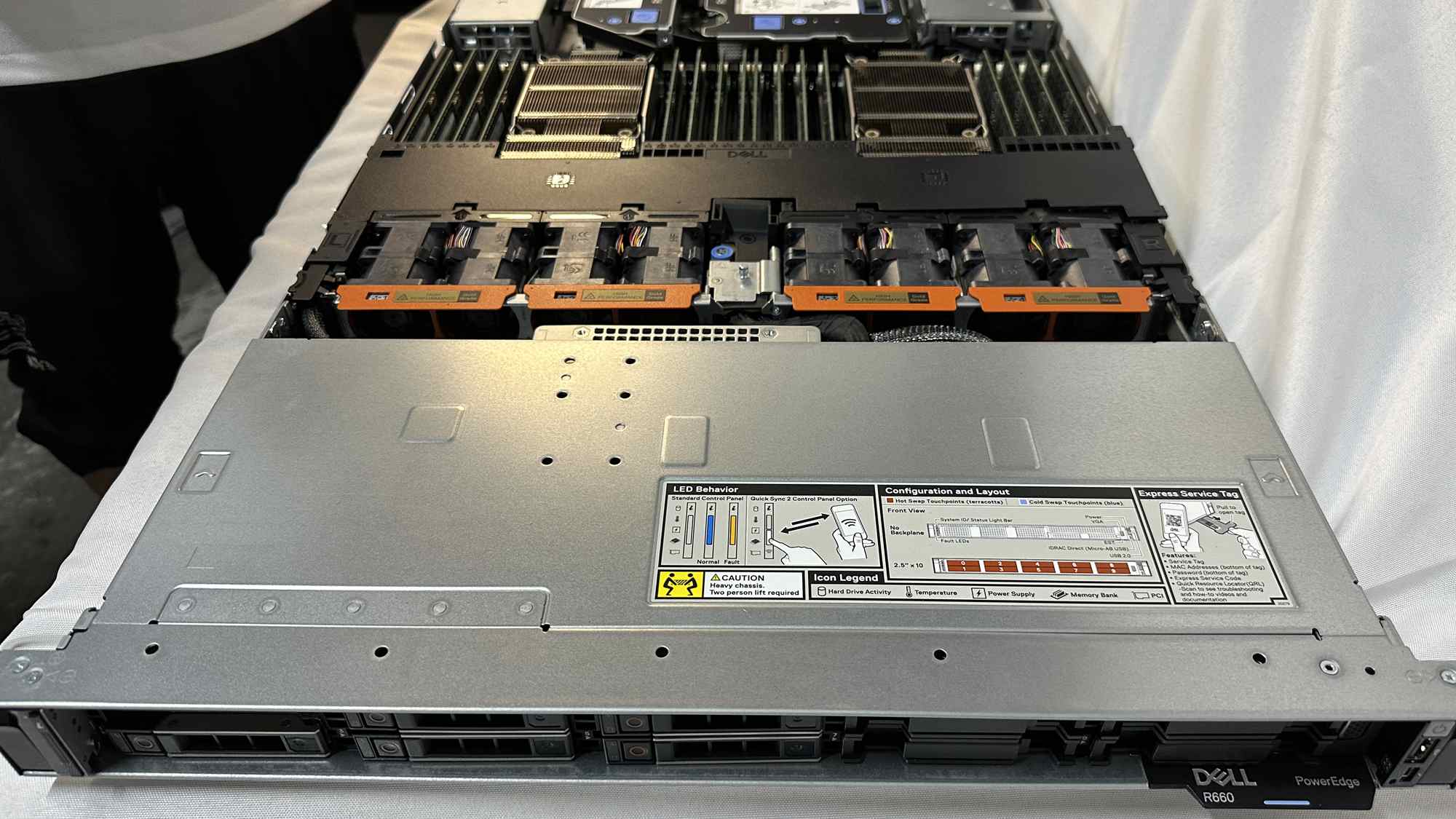
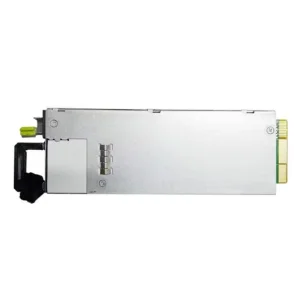
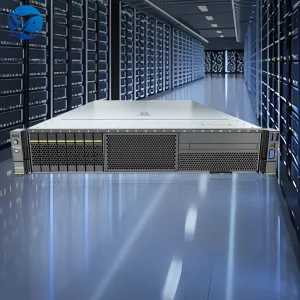
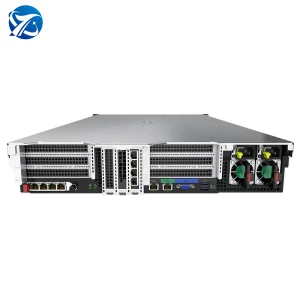
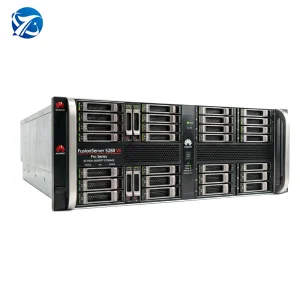
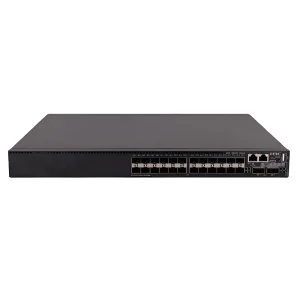
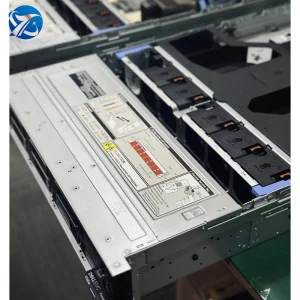
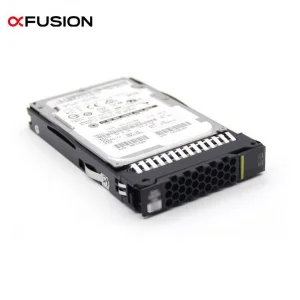
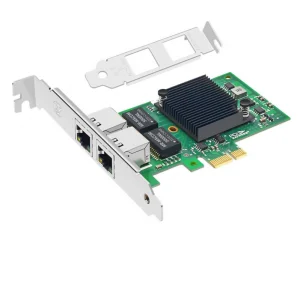
Our complete catalog of rackmount systems, storage expanders, and power supplies engineered for cloud centers and edge environments.
Inside our advanced assembly lines and quality control chambers, designed to deliver high-performance computing hardware globally.