TensorNova
TensorNova
TensorNova
Explore our premier array of critical infrastructure hardware, high-density storage nodes, and ultra-high-throughput controllers verified for enterprise data centers.
The global market is witnessing an unprecedented paradigm shift as hyper-scale cloud deployments, Big Data analytics, and complex AI workloads demand storage platforms characterized by ultra-low latencies, robust data persistence, and architectural adaptability.
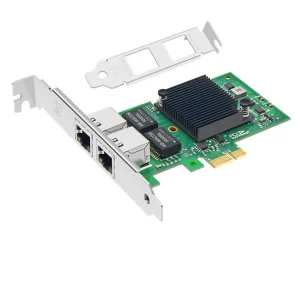
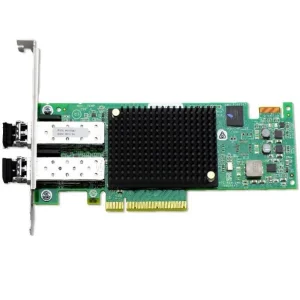
Global procurement specialists demand Storage Area Network (SAN) solutions that interface flawlessly with legacy systems. Leveraging dual-port 32Gb Fibre Channel (FC) Host Bus Adapters, enterprises can bypass standard IP networking latency to deliver rapid database transaction processing without physical bottlenecks.
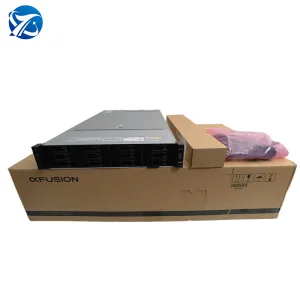
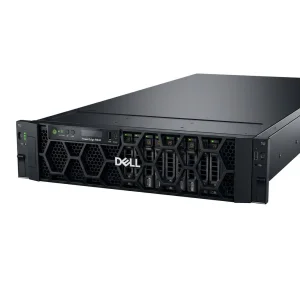
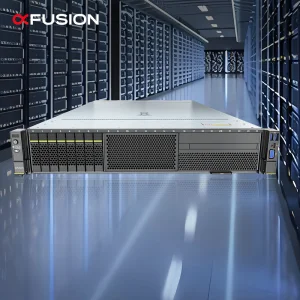
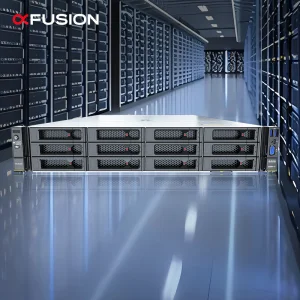
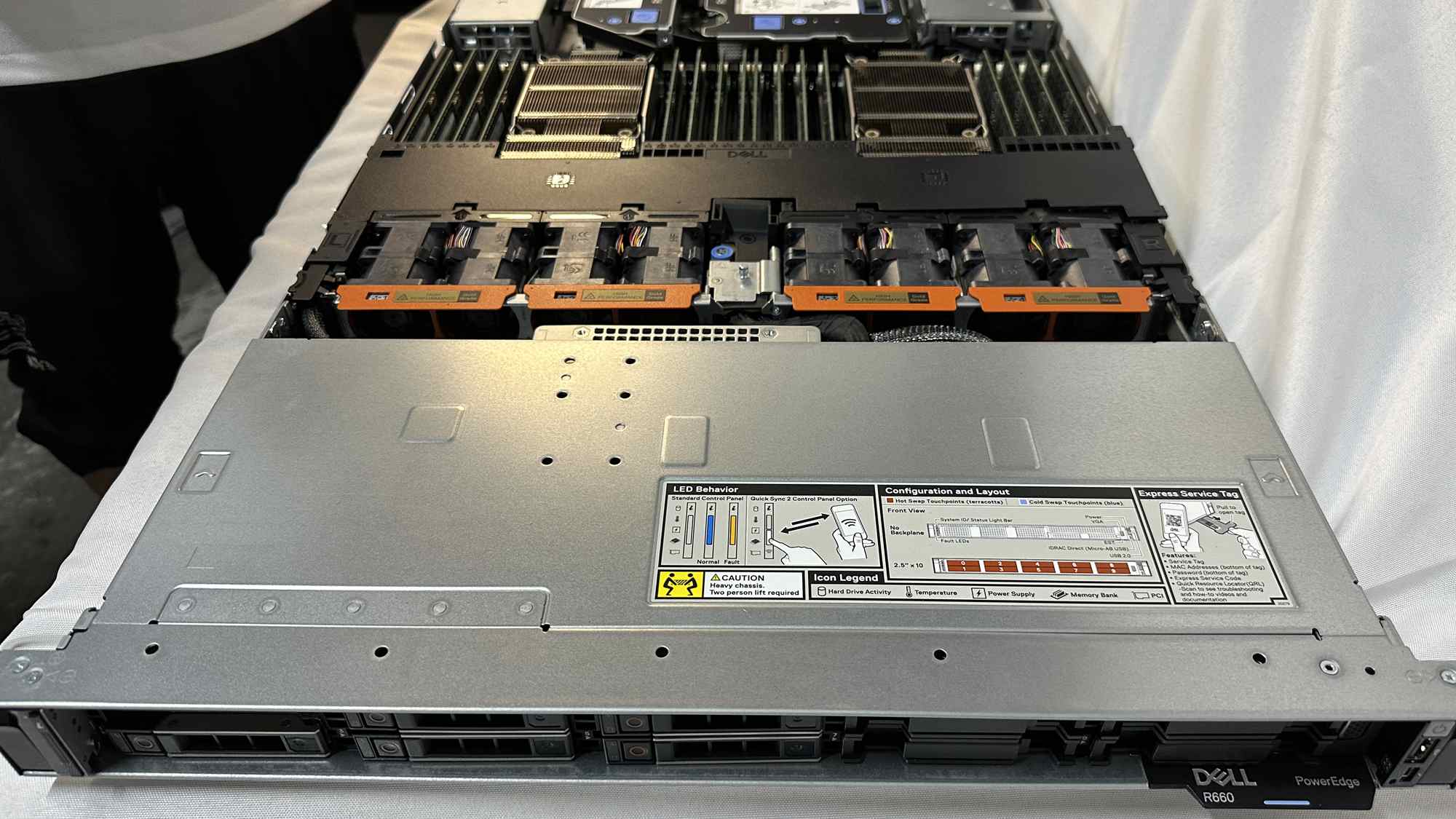
Modern IT architectures favor hybrid software-defined infrastructure. Storage configurations must bundle compute and persistent high-density drives (NVMe or SAS) in unified 2U chassis, supporting direct integration with virtualization hypervisors such as VMware vSphere and Nutanix AHV.
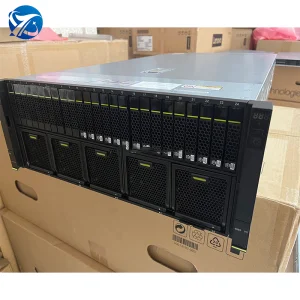
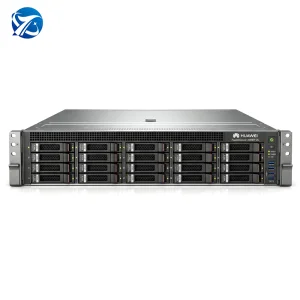
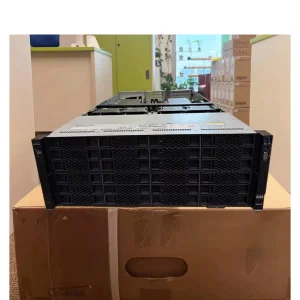
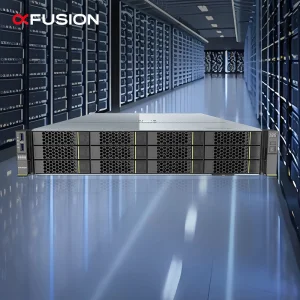
High-capacity applications, such as video surveillance, media archiving, and medical imaging, necessitate storage architectures offering high density per rack unit. High-bay 4U systems hosting up to 36 drive slots facilitate petabyte-scale storage clusters while maximizing data density and optimizing cooling airflow.
For enterprise purchasing authorities, procuring storage hardware is not merely a transaction; it is a long-term infrastructure investment. Demands focus on minimizing the Total Cost of Ownership (TCO), mitigating latency, ensuring high-availability data channels, and establishing flexible hardware customization options that can adapt to next-generation AI and database applications.
Enterprise data hubs demand optimized topologies to bridge the performance gap between raw processor speeds and storage medium limits. Below is a structured blueprint of typical enterprise-grade storage architectures.
| Solution Type | Primary Hardware Architecture | Protocols & Connectivity | Ideal Enterprise Workloads | Throughput & Latency Specs |
|---|---|---|---|---|
| Unified SAN Storage | Dual-port active-active controllers, 32G FC HBA, redundant SAS switches. | FC-AL, FCP, NVMe-oF over FC | Transactional Databases (SQL, Oracle), ERP application hosting, critical virtualization. | Low-latency (~0.5ms), high IOPS (Up to 1.2M IOPS per node) |
| Scale-Out NAS Systems | Multi-node scale-out rack servers (e.g., 2U-4U configurations), hot-swappable arrays. | NFS v4, SMB 3.0, S3 Object API | Unstructured raw data reservoirs, heavy machine learning training cache, enterprise file sharing. | High aggregate throughput (10-100 Gbps networks) |
| Hyperconverged (HCI) Nodes | Dual-socket high-memory systems (e.g., 2288H V7) with NVMe tiering and SATA capacity drives. | iSCSI, vSAN protocol, NVMe over RoCE | Private cloud builds, remote branch infrastructure consolidation, VDI environments. | Sub-millisecond data routing, high-density cluster compute |
| Deep Archive High-Density Storage | 4U 36-bay high-capacity storage servers (e.g., 5288 V5) with hardware RAID control. | SATA 6G, SAS 12G, SCSI Command Set | Continuous video surveillance streams, cold data compliance logs, warm backup repositories. | Optimized high sequential write, low cost-per-gigabyte |
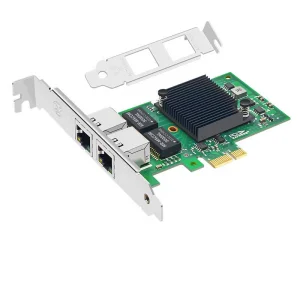
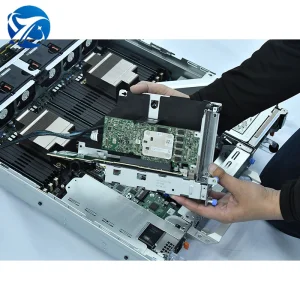
Traditional networks struggle under concurrent high-throughput workloads. Integrating high-performance Fibre Channel adapters (such as the Emulex LPe35002-M2) or hardware RAID controllers with built-in cache memory (such as LSI 9560-16I 8GB) helps offload processing demands from CPU cores. This allows data transactions to flow directly via dedicated PCI Express lanes, ensuring minimal latencies even under massive parallel read/write loads.
TensorNova stands as an established high-performance computing manufacturer and global hardware solution provider. Since our founding, we have specialized in AI GPU clusters, storage servers, and enterprise data center integration.
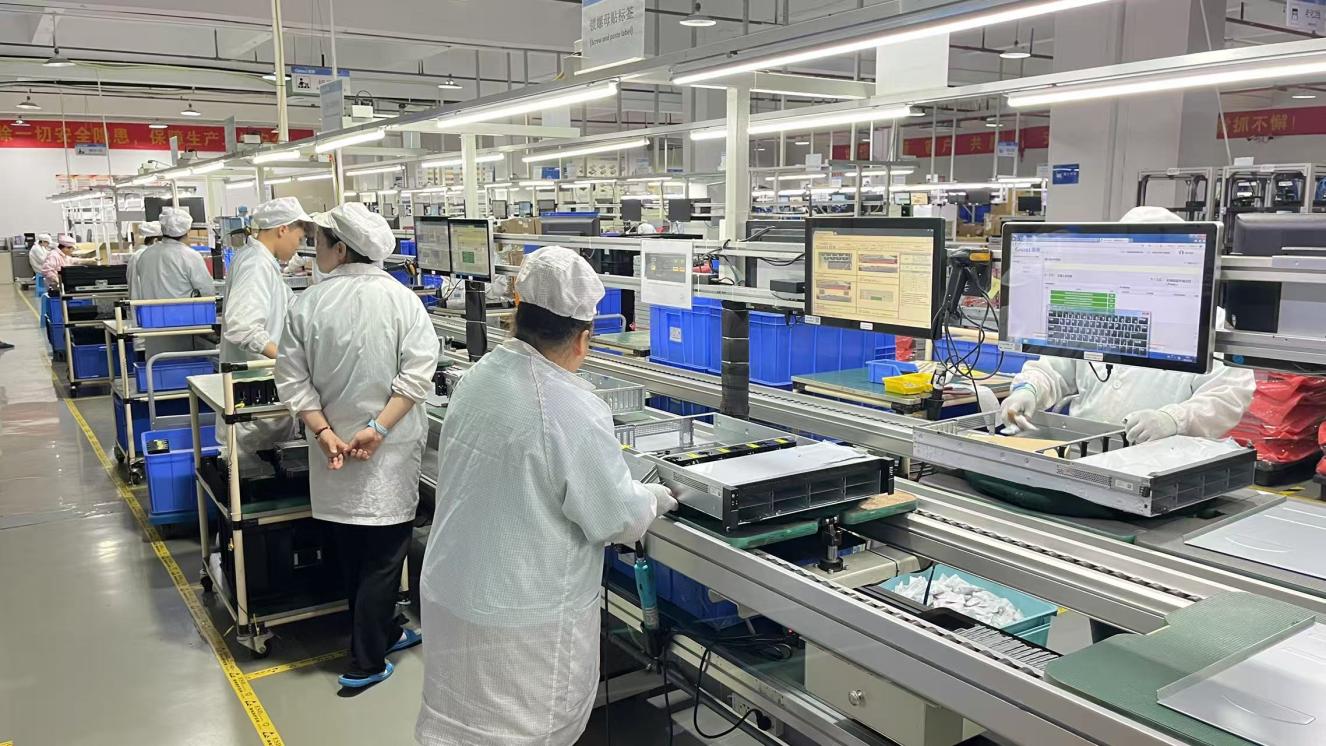
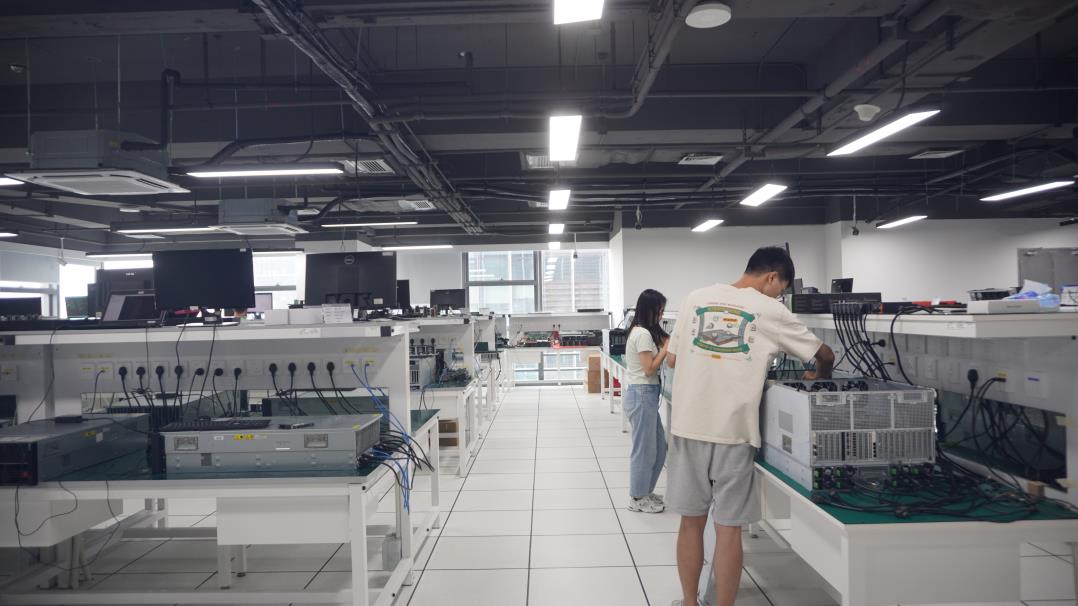
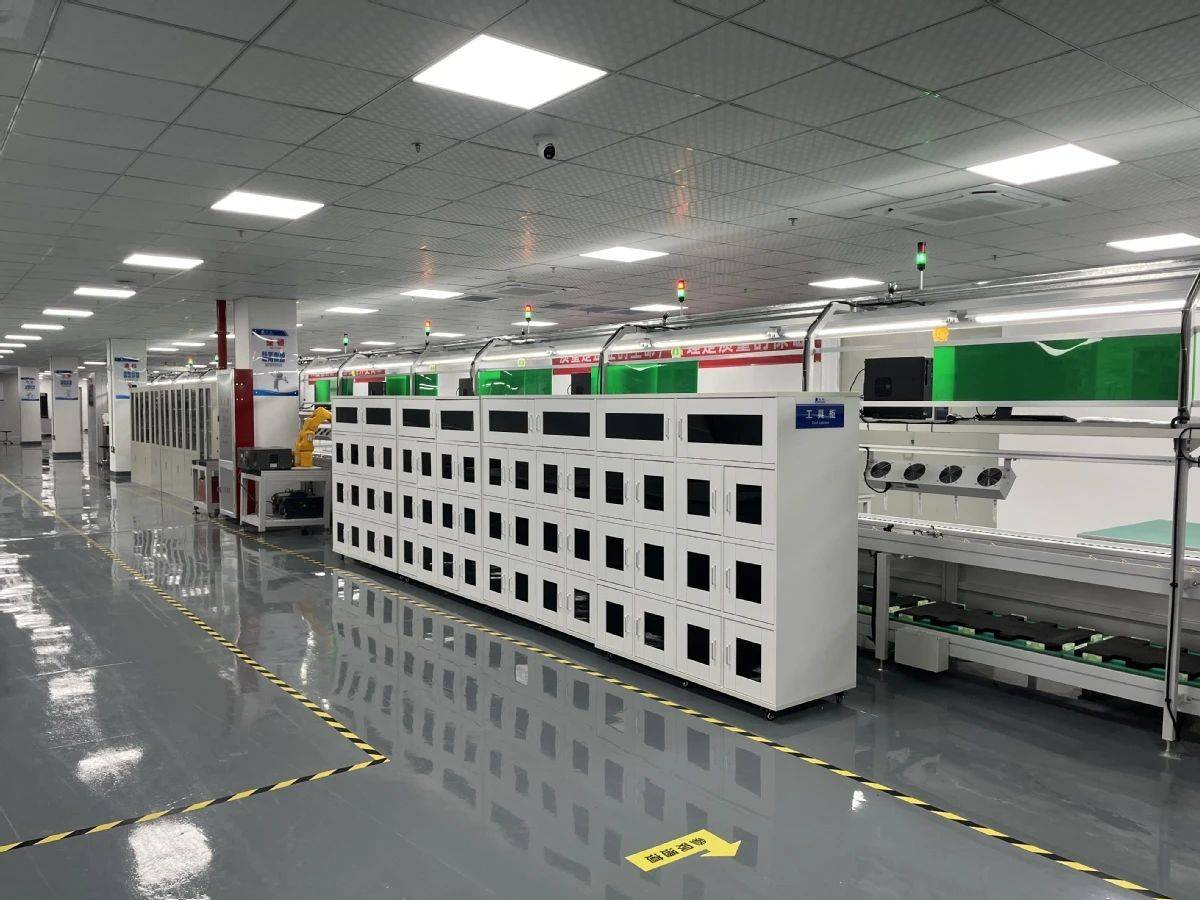
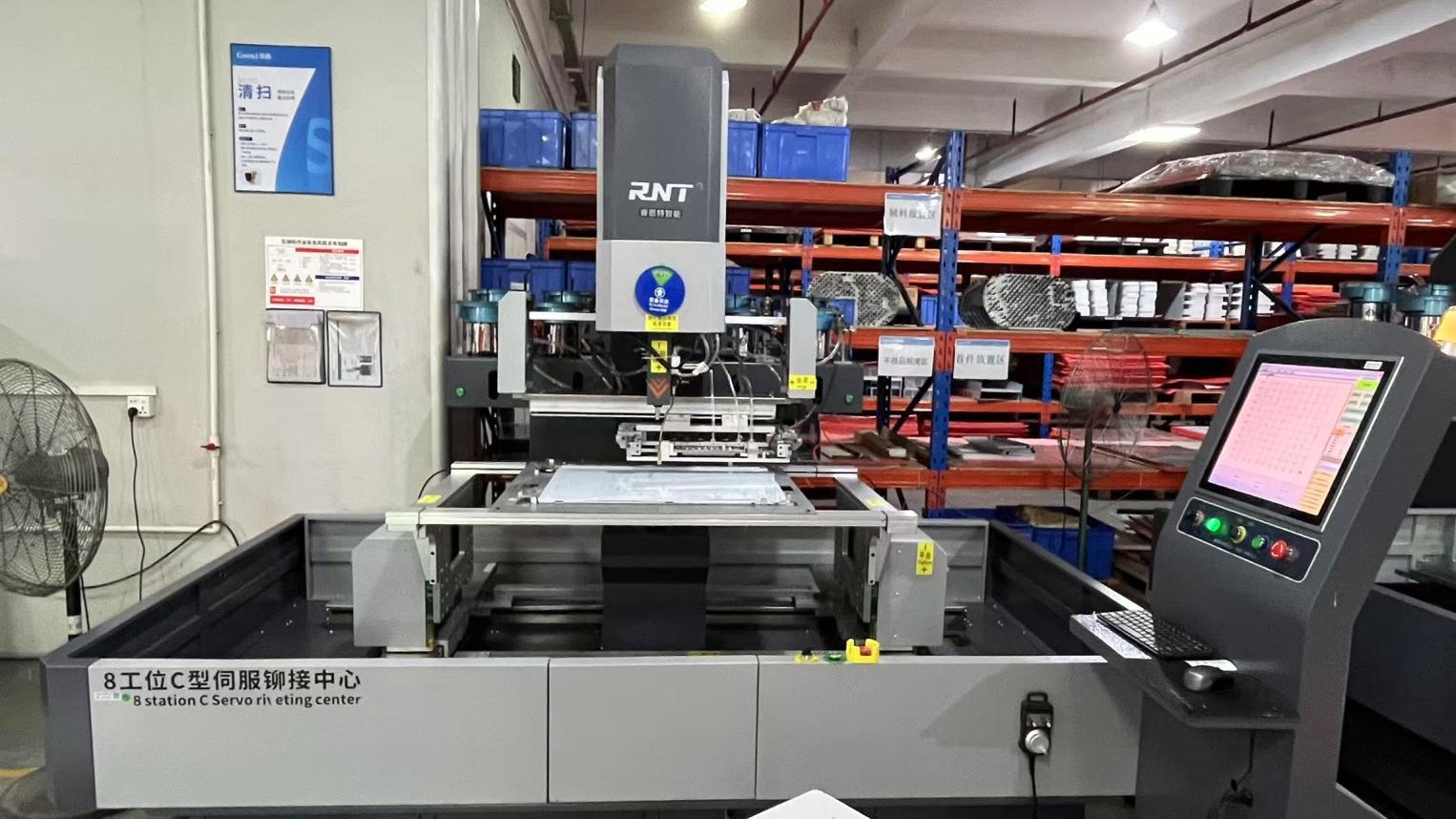
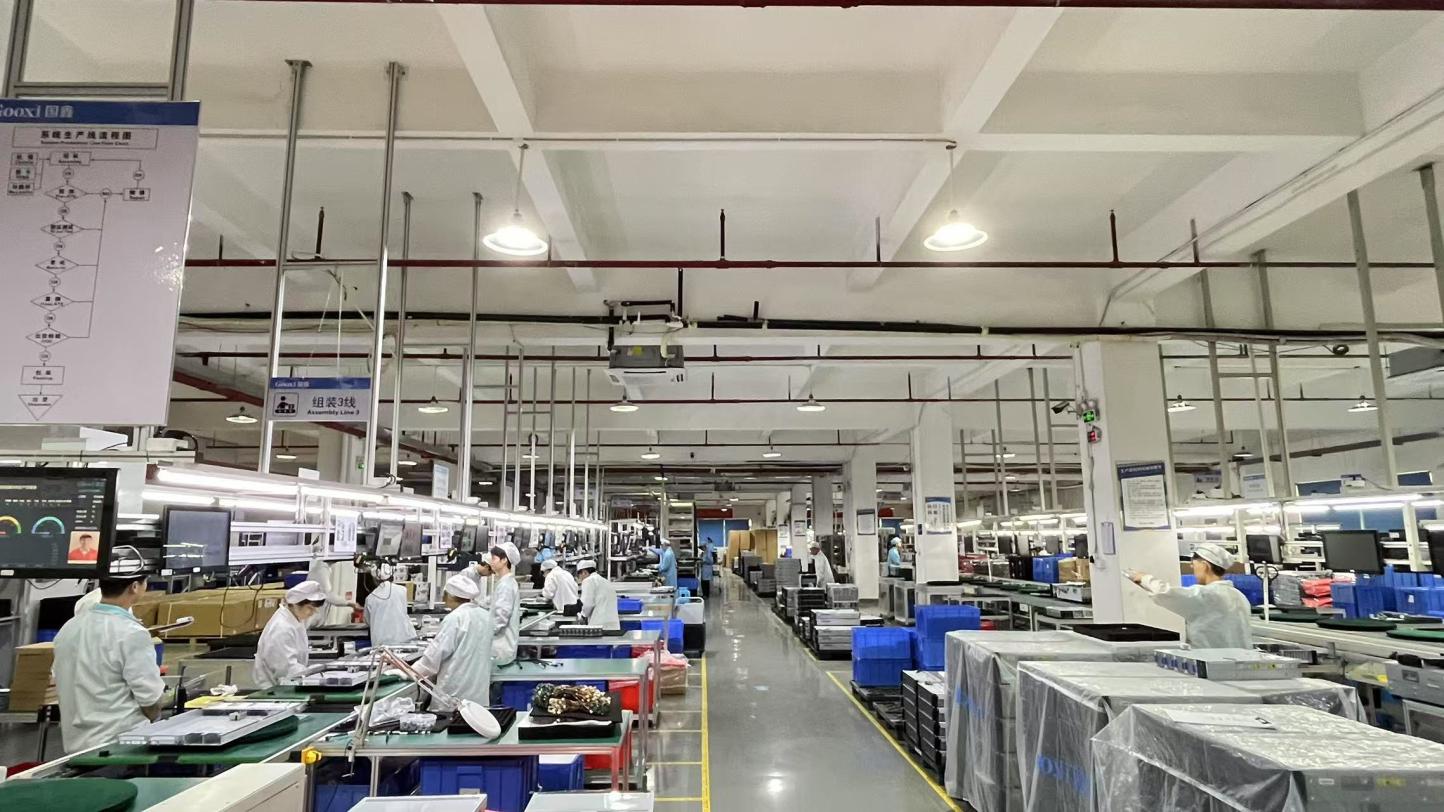
Quality reliability is the foundation of the modern data center. TensorNova operates a modern assembly facility equipped for advanced server layout, hardware integration, and systematic testing. Our quality control department is staffed by over 45 dedicated QC inspectors who ensure every server, network card, and storage node adheres to ISO9001 standards.
Our diagnostic testing suite includes automated hardware stress-testing, thermal performance validation, systematic burn-in procedures, and real-world high-throughput storage simulation. We ensure that components are tested to withstand volatile conditions, minimizing field failures and maximizing system uptime.
Every enterprise data landscape is unique. TensorNova offers flexible OEM/ODM system configuration services designed to align hardware performance with customer needs. Our customization options cover GPU configuration tailoring, chassis designs (2U, 4U, high-bay configurations), cooling system optimization (high-CFM air cooling or direct-to-chip liquid cooling systems), and motherboard BIOS/firmware-level performance tuning.
Our clients span AI research facilities, public cloud service providers, large data centers, enterprise IT divisions, and high-growth AI startups. Operating an expansive supply ecosystem with over 1,200 partners allows us to ensure stable production timelines and reliable international logistics pipelines.

High-performance storage architecture continues to evolve. Keeping pace with these changes is essential for maintaining a competitive edge and optimizing enterprise infrastructure.
The transition to PCIe 5.0 and the upcoming PCIe 6.0 standards doubles the available system bandwidth, allowing storage controllers to communicate at ultra-high speeds. By implementing NVMe over Fabrics (NVMe-oF) using RDMA protocols (RoCE v2), enterprise systems can establish shared pools of high-speed flash storage. This approach achieves latency profiles comparable to direct-attached SSDs.
AI workloads, such as deep learning and large language model (LLM) training, require storage solutions with high sustained IOPS and throughput. Implementing smart caching tiers, SSD storage configurations optimized for write-intensive workloads (high DWPD ratings), and intelligent NVMe fabrics helps prevent training stalls by keeping the GPU memory pipelines continuously supplied with data.
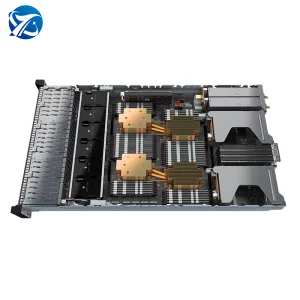
As data density increases, managing system heat becomes a key operational challenge. The industry is moving from traditional air-cooled setups toward hybrid and direct-to-chip liquid cooling systems. By optimizing cooling paths within high-bay servers, operators can support dense hardware configurations while reducing total cooling energy demands.
Shipping complex electronic hardware across international borders requires a meticulous understanding of regional certifications, customs requirements, and trade protocols.
All TensorNova integrated components and server products comply with major global safety and emissions directives. This includes CE certification for European distribution, FCC standards for North American deployments, and RoHS compliance for environmental safety. These measures help ensure smooth customs clearance and hassle-free deployment into global data centers.
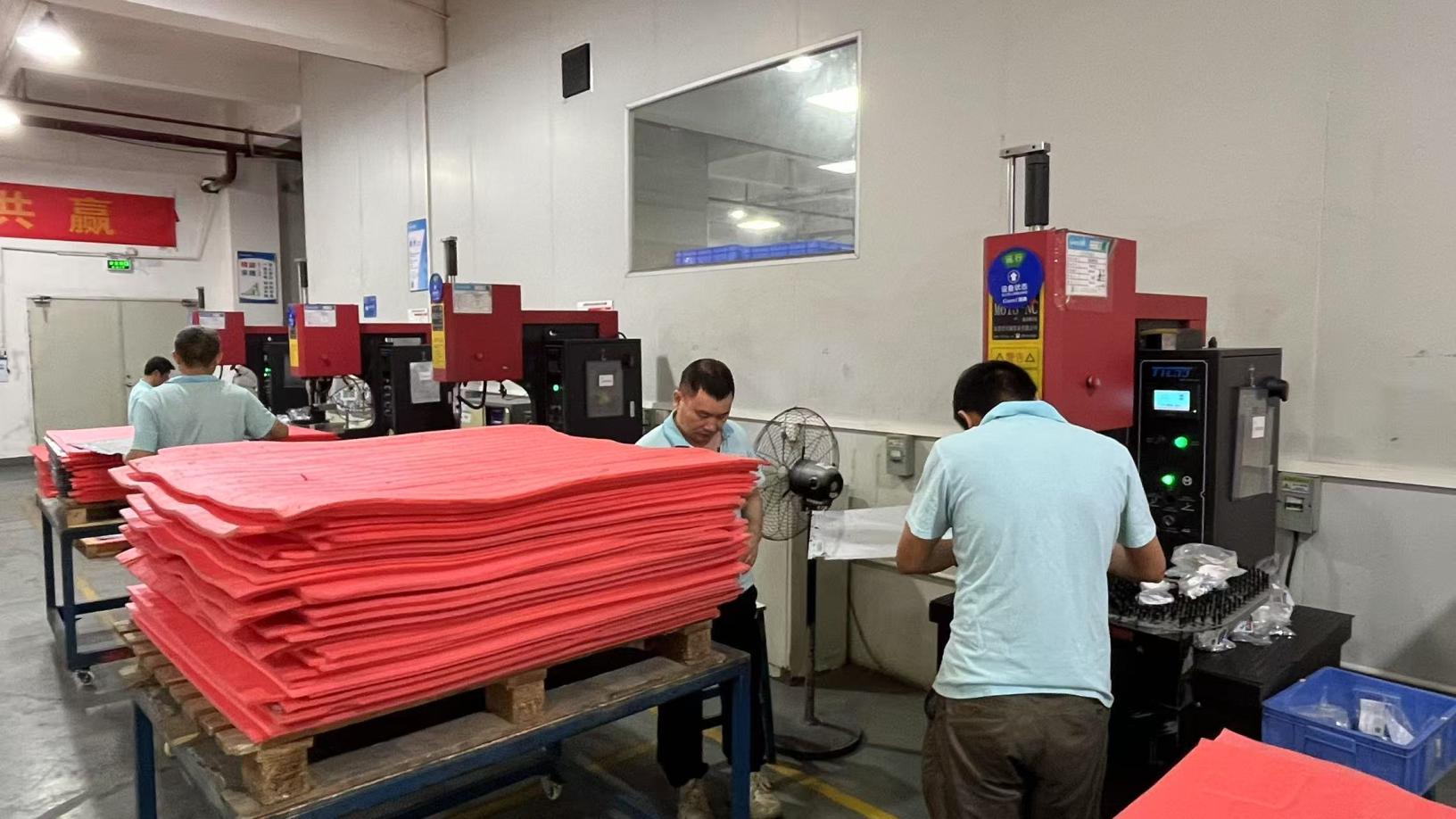
Leveraging our network of over 1,200 strategic suppliers, we actively manage components to buffer against market fluctuations. Finished systems are packed in double-walled anti-static containers with customized foam inserts. This protects sensitive drives, HBAs, and CPUs from vibration and static discharge during transit to customers worldwide.
Our system engineers address common questions regarding hardware design, performance optimization, and storage topologies.
Browse our additional inventory of rack servers, high-performance network interface cards, and enterprise array controllers.