TensorNova
TensorNova
TensorNova
An executive analysis of next-generation flash controller architecture, scaling production economics, and strategic hardware sourcing for modern AI data centers.
As the digital economy advances, processing workloads generated by high-density AI nodes, hyper-scale cloud data centers, and critical server architectures demand unprecedented storage performance. The shift towards massive scale systems, such as DeepSeek AI optimization models, necessitates data access speeds that can only be sustained by enterprise-grade NVMe solid-state storage. Consequently, global CTOs and procurement directors are looking at China’s hardware ecosystem as the epicenter for cost-effective, high-reliability storage engineering.
China's solid-state storage industry has transitioned from high-volume assembly lines to sophisticated research, customization, and deployment platforms. By developing local controller chipsets, implementing rigid thermal test procedures, and optimizing flash translation layers (FTL), Chinese SSD exporters and high-performance server integrators are delivering components that comfortably meet strict global enterprise compliance. This whitepaper analyzes how local manufacturing advantages, industry trends, and deep R&D efforts translate into concrete competitive benefits for global technology buyers.
Years Industry Exp
Strategic Partners
R&D Engineers
New Products/Year
Why domestic supply networks, advanced testing paradigms, and specialized manufacturing yield unrivaled technical and financial margins.
Chinese storage manufacturers operate directly alongside core semiconductor assembly, testing, and packaging (OSAT) facilities. This localization shrinks supply chain lead times and reduces component acquisition friction, ensuring high production volumes and stable logistics even during global component shortages.
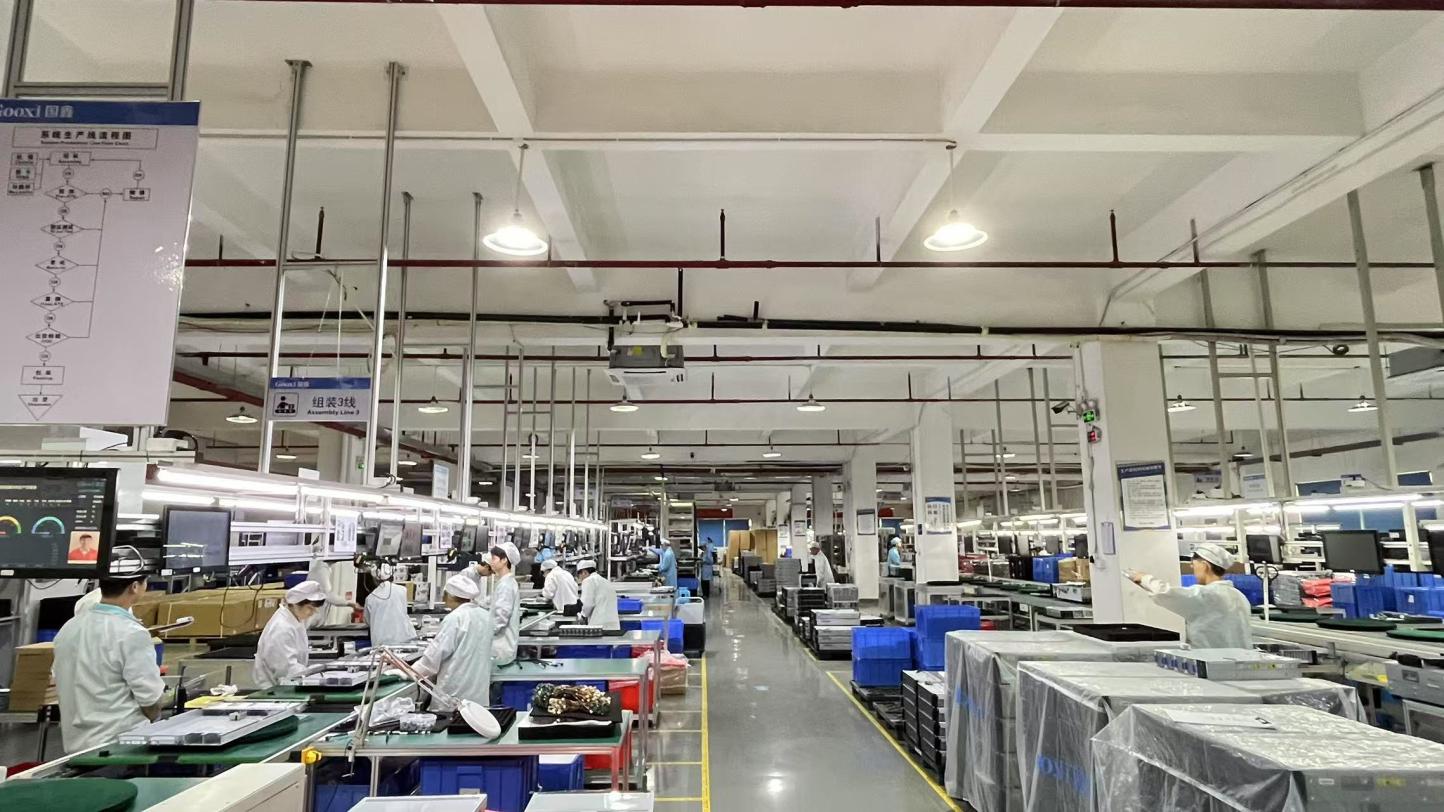
Reliability is built directly into production lines. By implementing hardware stress analysis, advanced thermal performance validations, high-heat burn-in chambers, and realistic AI simulation workloads, factories filter out infant mortality issues, achieving failure rates below 0.1% on commercial deployments.
From fine-tuning the Flash Translation Layer (FTL) for specific database write patterns to structural revisions like custom controller heatsinks, board-level component matching, and system bios tuning, Chinese developers build storage optimized for precise hardware ecosystems.
Keeping pace with rapid technological shifts shaping the next generation of cloud storage platforms.
Modern flash architecture is shifting to PCIe Gen 5.0, doubling bandwidth to 12.8 GB/s per lane. Suppliers are optimizing controller thermal footprints to maintain these high speeds without throttling.
Compute Express Link (CXL) is redefining server architectures. Memory pooling protocols allow storage devices and GPUs to share standard memory spaces, minimizing processing latencies.
With higher density levels, Quad-Level Cell (QLC) SSDs are replacing traditional HDDs for data lakes, making massive datasets instantly accessible to machine learning models.
Smart FTL engines predict access patterns based on server runtime data. By preemptively caching blocks, they reduce wear and maintain sustained IOPS over years of continuous load.
A leading high-performance AI GPU server manufacturer and infrastructure solution provider based in China.
Established in 2016, TensorNova has grown into a highly trusted manufacturer in the AI hardware space. With over 12 years of industry experience in server architectures and AI computing, TensorNova specializes in custom computing systems, GPU clusters, and high-density storage arrays tailored for enterprise applications.
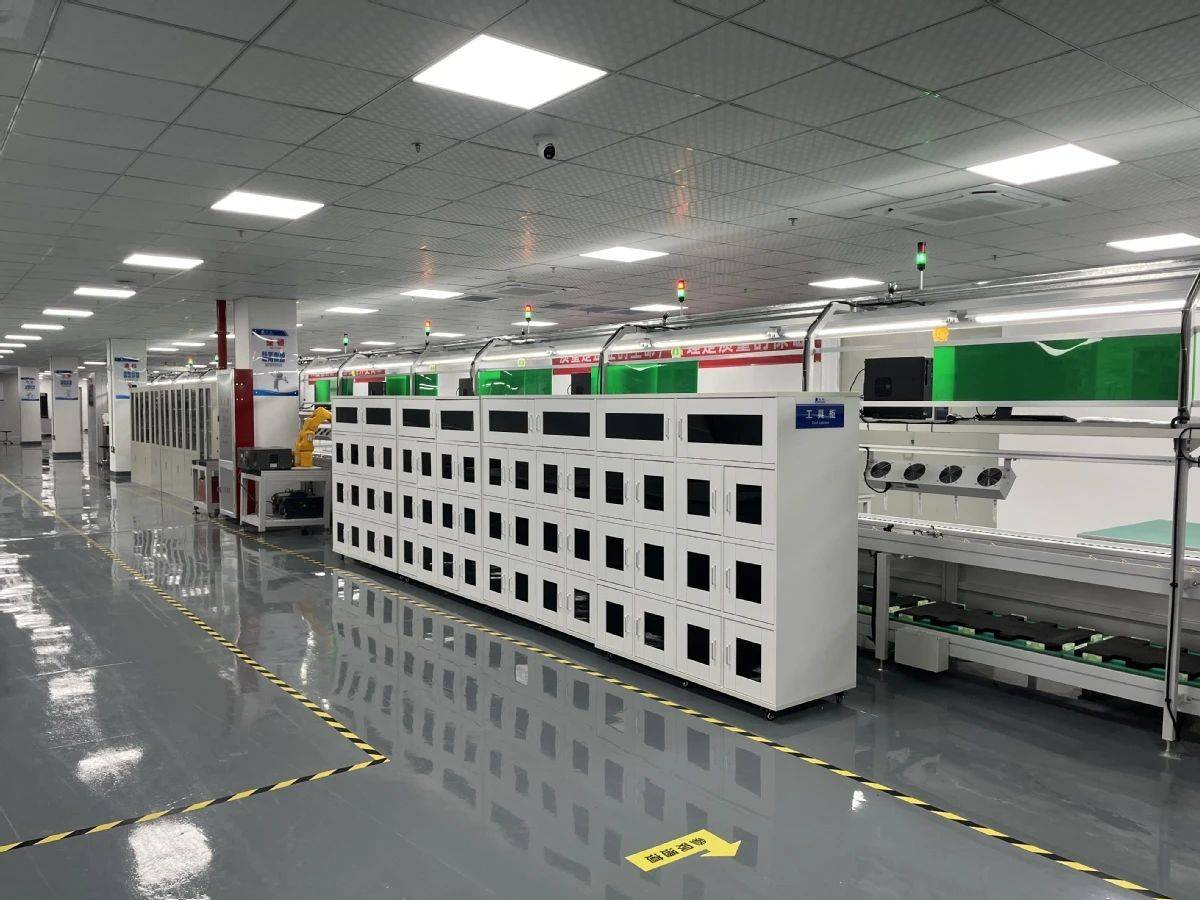
Operating a modern assembly, testing, and system integration lab covering 320㎡, TensorNova delivers top-tier hardware configurations. Backed by 180 dedicated R&D engineers, they continuously iterate on chassis designs, custom liquid-cooling integrations, motherboard-level tuning, and workload-specific firmware settings.
| Customization Suite | GPU scaling, liquid loop tuning, custom FTL, custom firmware |
| Core Market Focus | North America, Germany, Singapore, UAE, Southeast Asia |
| Product Verification | Burn-in tests, heat chamber stress, AI workload simulations |
| Annual Output Innovation | 320+ new products introduced annually |
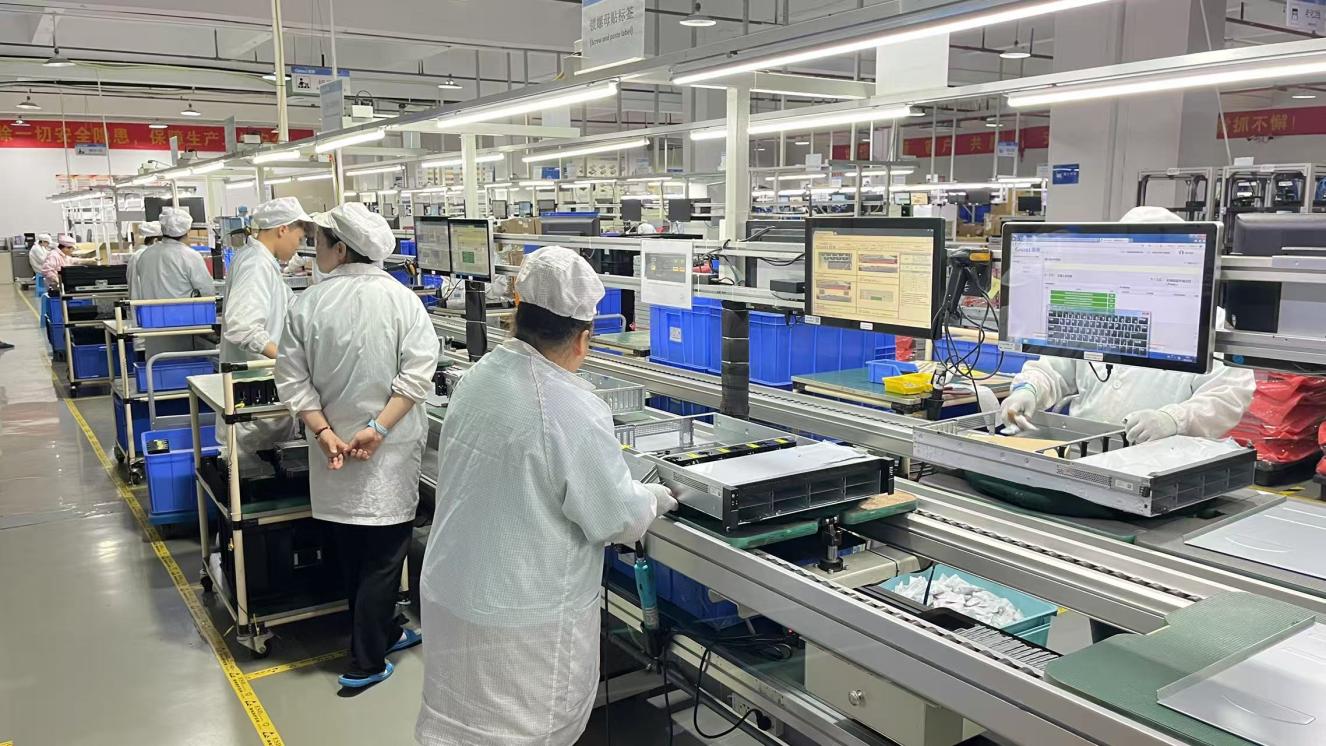
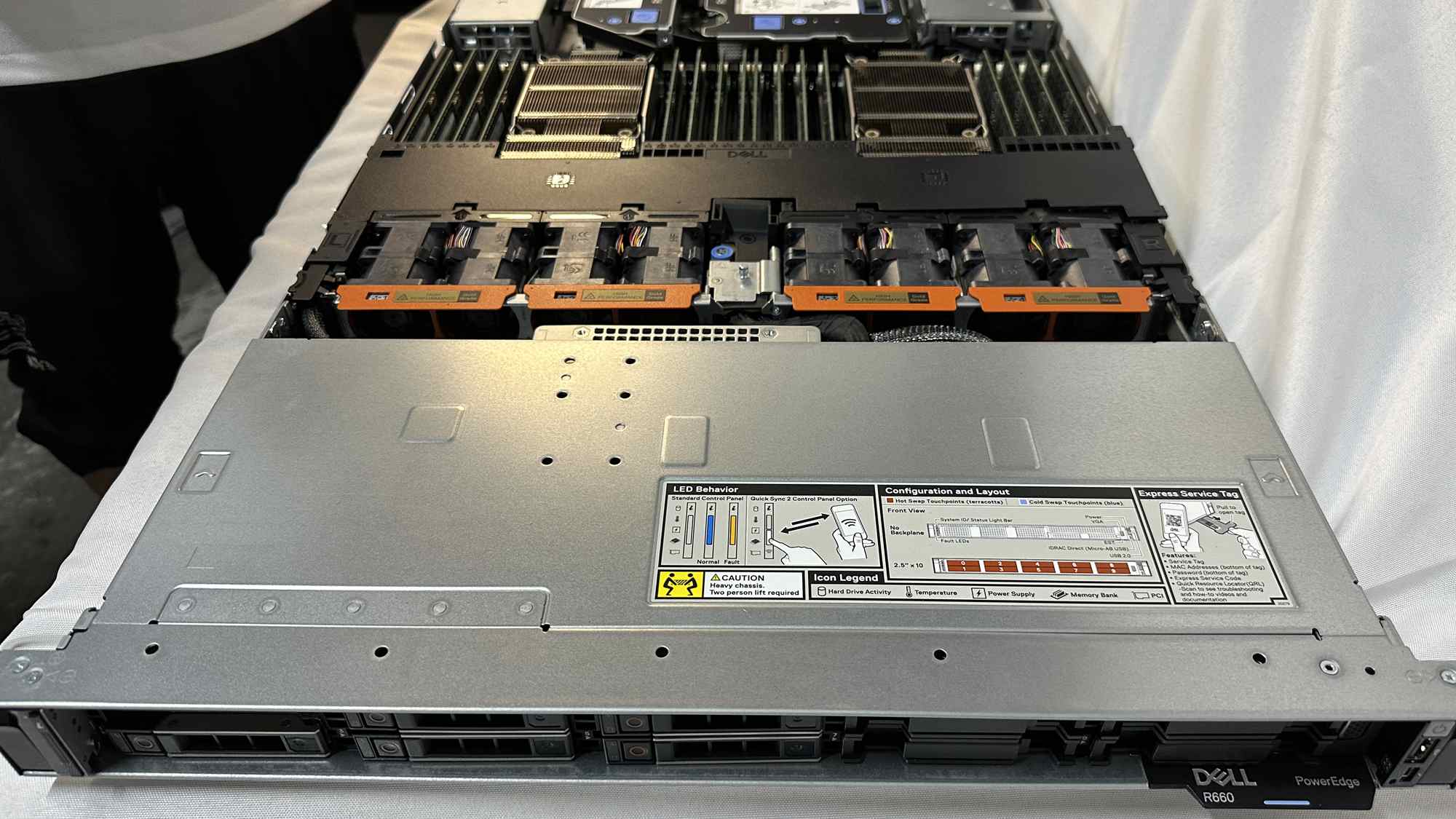
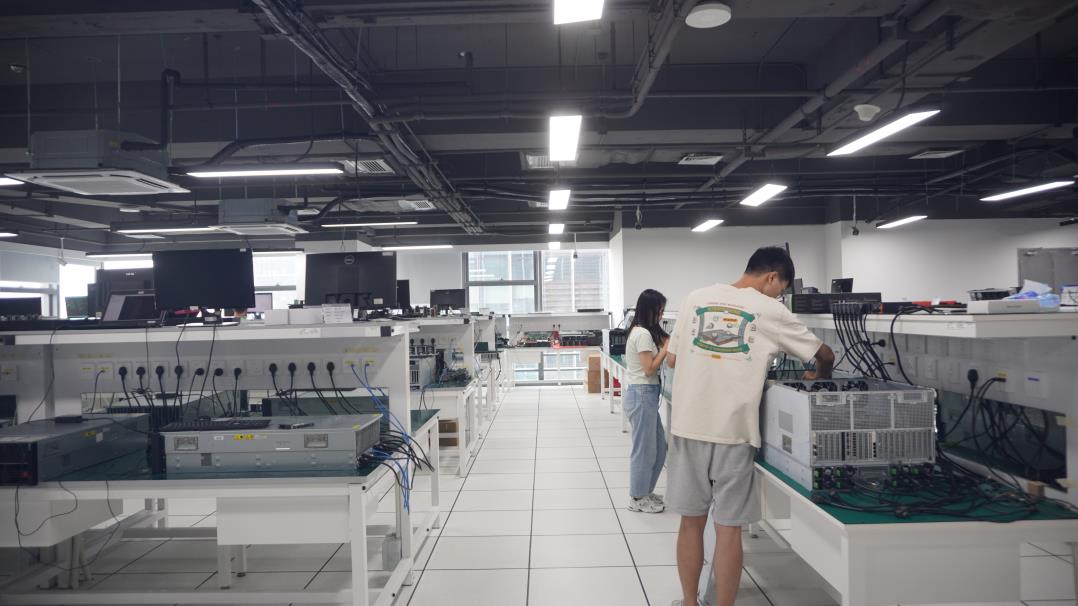

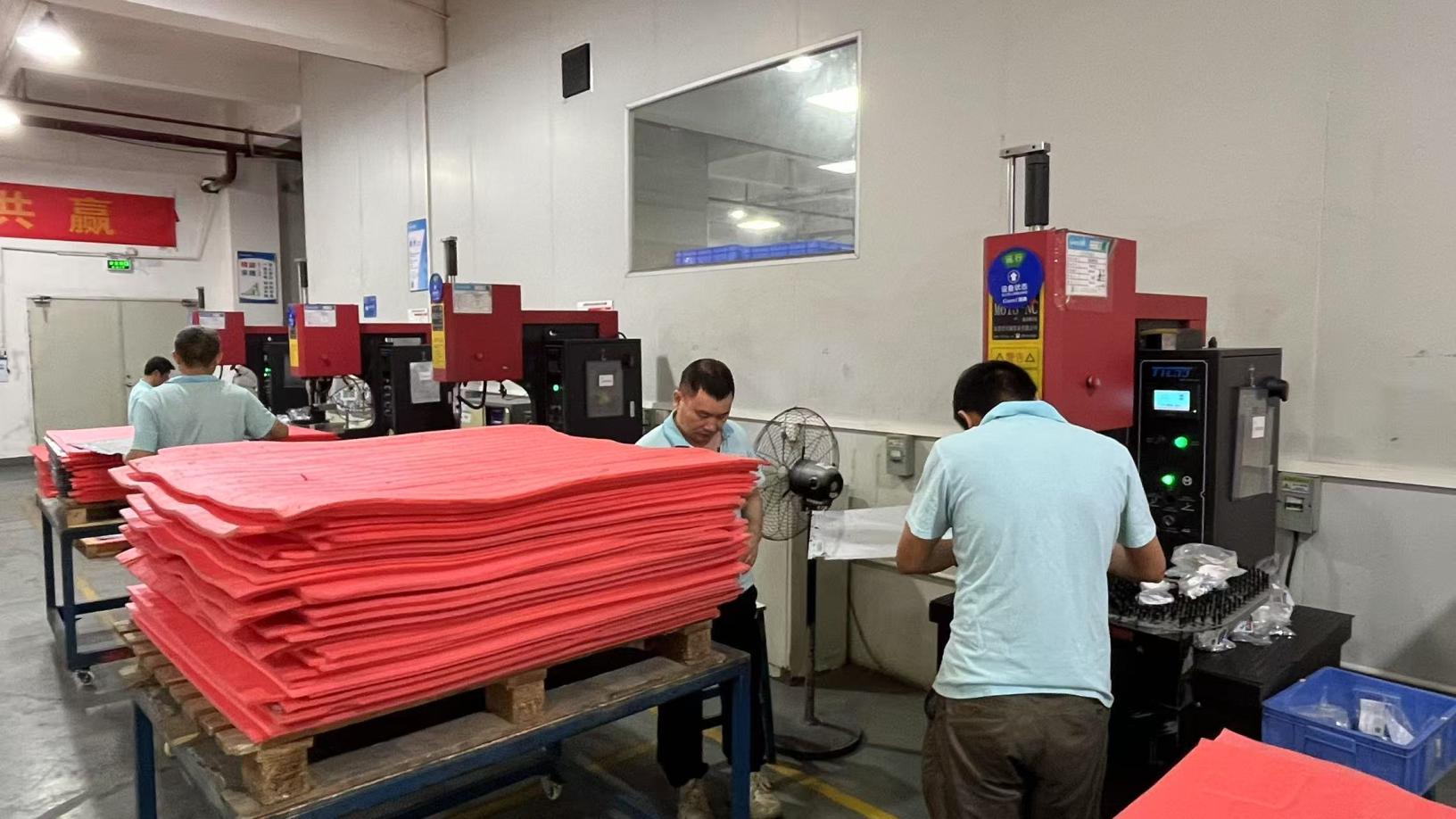

How modern storage setups are optimized for specific industrial tasks, from scientific simulations to global enterprise platforms.
Training large AI architectures (e.g., DeepSeek models) creates read/write bottlenecks. Ultra-low latency NVMe SSDs provide the high throughput needed to feed GPUs continuously.
AI & HPCModern datacenters mix high-speed PCIe Gen5 SSDs for active database transactions with high-capacity QLC flash for read-heavy operations, optimizing costs.
Data CenterHardware deployed outside traditional data centers needs to handle dust, vibrations, and temperature changes. Ruggedized industrial SSDs keep data intact at the edge.
Edge/IoTA reference checklist for purchasing and supply-chain officers to assess SSD manufacturers.
| Procurement Evaluation Metric | Standard Tier Requirements | TensorNova Advanced Tier Specs | Strategic Impact |
|---|---|---|---|
| Drive Lifespan (DWPD) | 0.5 - 1.0 Drive Writes Per Day | Up to 3.0 DWPD (TLC Enterprise Grade) | Ensures hardware reliability for intensive workloads. |
| Active Thermal Management | Basic passive heatsinks | Liquid loop integration & dynamic throttling | Prevents read/write speed drops under continuous loads. |
| Supply Chain Traceability | Basic assembly tracking | Full component origin mapping | Minimizes trade compliance risks for global imports. |
| Workload Fine-Tuning | Standard default firmware | FTL mapping customized to application needs | Optimizes IOPS performance for specific database engines. |
Expert answers addressing key questions on SSD selection, quality assurance, and custom logistics.
TLC (Triple-Level Cell) offers higher endurance (typically 1 to 3 DWPD) and faster write speeds, making it the preferred choice for transactional databases and virtualized server storage. QLC (Quad-Level Cell) packs more data per cell, lowering the cost per gigabyte, but has lower write endurance. QLC is ideal for read-heavy operations, such as serving AI training datasets, content distribution networks, and media archiving.
Leading manufacturers employ multi-stage testing, starting with board-level inspections. Finished drives undergo extended burn-in tests in climate chambers, cycling from sub-zero temperatures up to 70°C. They also run drive write tests to spot early component failures, followed by software simulations testing reliability under typical virtualization and database workloads.
The Flash Translation Layer (FTL) handles logical-to-physical block mapping, wear leveling, and garbage collection. By matching the FTL's write patterns to your specific database block size, you reduce the write amplification factor (WAF). This step minimizes unnecessary flash wear, boosting overall performance and extending the drive's operating life.
Yes, modern backplanes equipped with Tri-Mode RAID controllers can support SATA, SAS, and NVMe drives in the same chassis. This hybrid setup allows companies to run fast NVMe drives for hot databases while using high-capacity SATA SSDs or SAS hard drives for colder data tiers.