TensorNova
TensorNova
TensorNova
Analyzing the structural shift in rack power distribution architectures under the pressure of AI workloads and multi-phase energy grid integration.
The modern data center industry is facing an unprecedented paradigm shift. Driven by advanced neural network processing, large language models (LLMs) such as DeepSeek, and massive edge-computing frameworks, power density per cabinet has skyrocketed. Where legacy enterprise data centers traditionally managed average loads of 3kW to 5kW per rack, modern high-density installations regularly exceed 30kW to 100kW per cabinet. At this scale, legacy power strips are not only obsolete; they present severe thermal, mechanical, and electrical hazards. This shift has elevated the Power Distribution Unit (PDU) from a simple passive extension cord into a sophisticated rack-level electrical orchestration interface.
Globally, the market for PDUs is moving rapidly toward intelligent topologies. These components manage input power factors, monitor environmental telemetry, dynamically balance phases, and communicate real-time diagnostics via protocols like SNMPv3 and REST APIs. Geographically, North America, Europe, and Asia-Pacific (particularly China and Singapore) represent the largest deployment hubs for smart PDUs, reflecting their massive investments in hyperscale and edge facilities. In this ecosystem, choosing the right manufacturer and factory is critical to guaranteeing thermal safety, grid compliance, and computational resilience.
Integrating hardware capability with dynamic energy routing to optimize performance in high-density GPU nodes.
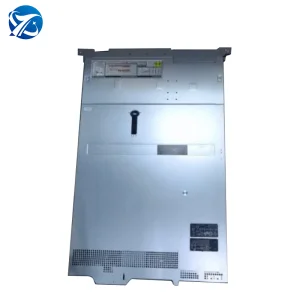
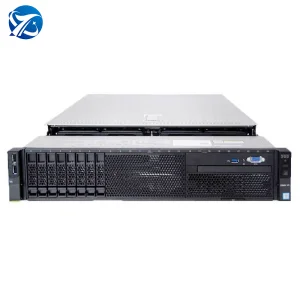
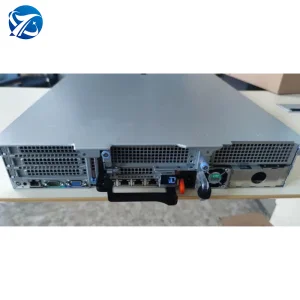
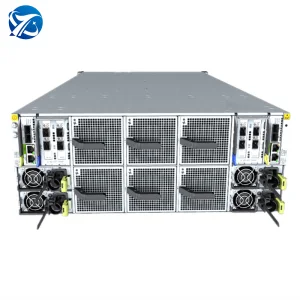
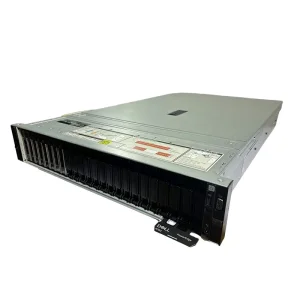
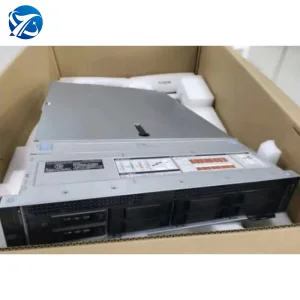
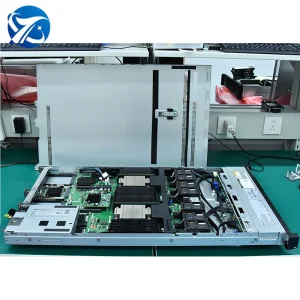
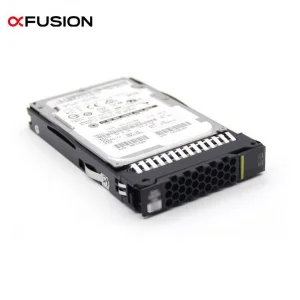
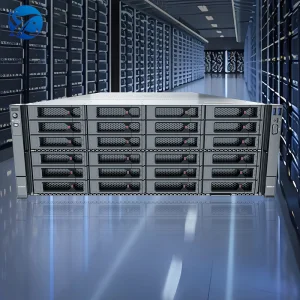
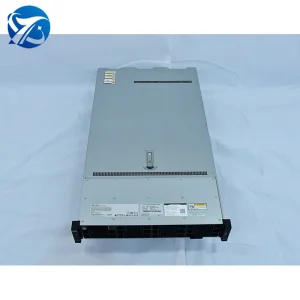
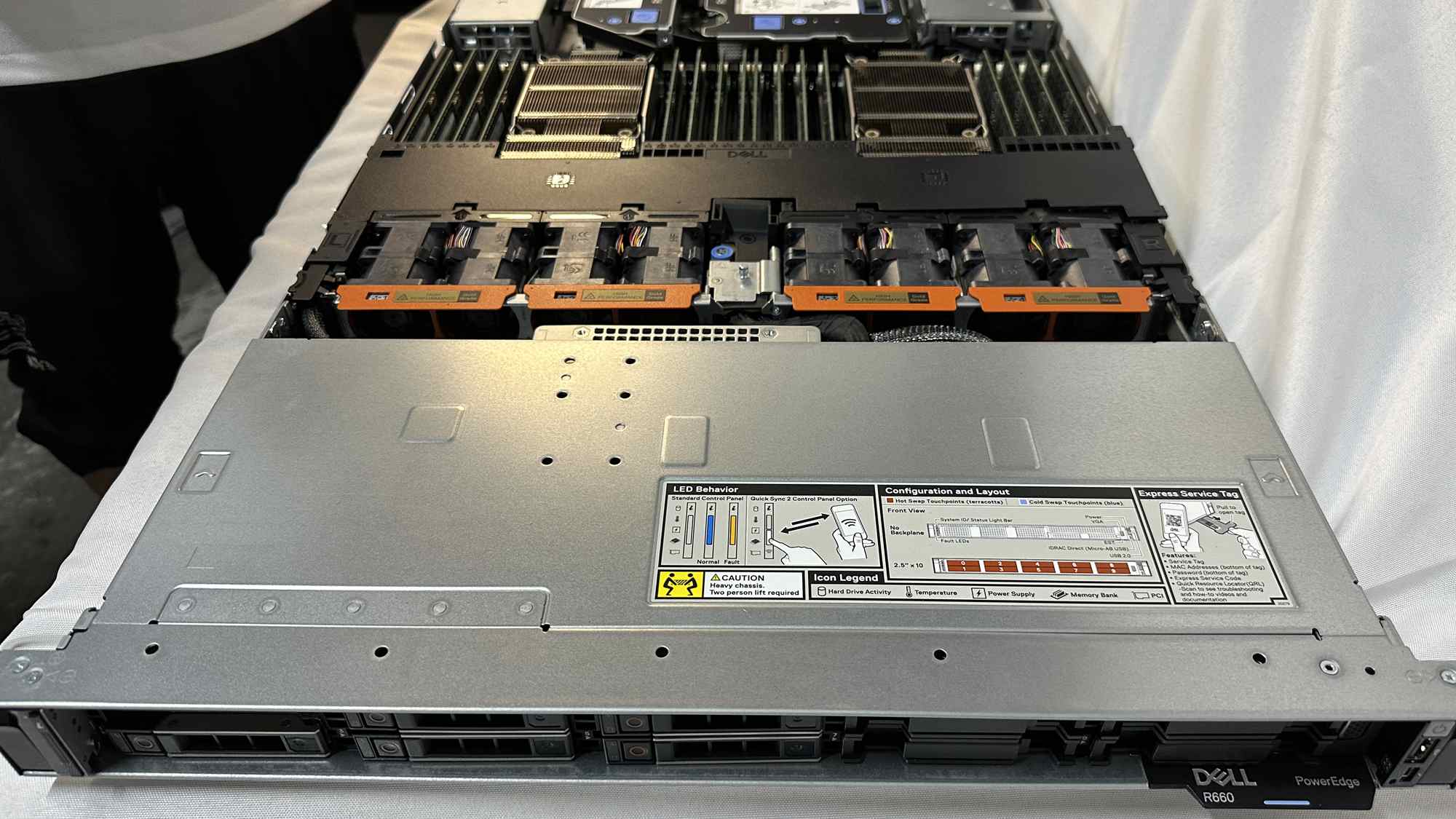
TensorNova, founded in 2016, is a premier high-performance AI GPU server manufacturer and infrastructure solution provider. Our operational core centers around high-density processing racks, AI clusters, and bespoke computing designs. In complex deployments involving high-current hardware like the G5200 V5 GPU Server or next-generation xFusion and Dell PowerEdge platforms, system uptime is highly dependent on continuous power reliability. The hardware demands of GPU-accelerated computing feature highly transient load fluctuations—surging from idle states to hundreds of Amps in milliseconds. This dynamic load characteristic demands robust rack-level power distribution networks.
By leveraging over 12 years of industry experience and 6 years of international trade operations, TensorNova has developed strategic component partnerships to co-design and implement specialized, high-capacity intelligent PDUs. These systems are custom-engineered to handle the complex thermal profiles and transient current draws associated with multi-GPU arrays, ensuring that servers operate at peak efficiency without risking phase imbalance or thermal degradation.
Evaluating PDU topologies from basic passive components to outlet-level switched and monitored intelligent systems.
Selecting a PDU manufacturer requires a clear understanding of the mechanical and electrical features of modern power distribution hardware. Depending on infrastructure needs, systems are classified by their control capability, telemetry depth, and physical topology. The table below highlights the primary differences:
| PDU Class | Telemetry Coverage | Control Capabilities | Primary Application Area |
|---|---|---|---|
| Basic PDU | None (Mechanical Breaker Only) | None | Low-density legacy network cabinets |
| Metered PDU | Aggregate Rack Amperage (Local Display) | None | Colocation spaces with fixed billing models |
| Monitored PDU | Aggregate & Branch Circuit SNMP Alerts | None | Enterprise clouds requiring capacity planning |
| Switched PDU | Aggregate Current & Temp/Humidity Sensors | Remote individual outlet ON/OFF toggle | Unattended Edge nodes, remote telecom towers |
| Outlet-Metered & Switched | Per-outlet detailed Watts, Volts, VA, PF, kWh | Per-outlet control & sequencing delay configuration | High-density AI Clusters, GPU Deep Learning labs |
Analyzing field applications of targeted PDU designs in various industrial, edge, and computing environments.
In massive installations utilizing AI-optimized architectures, power distribution units must integrate directly with the central building management system (BMS). Using three-phase 400V or 480V input distribution, these smart PDUs deliver 208V or 240V power directly to server PSUs, minimizing transformation losses. Advanced outlet-level monitoring enables exact power tracking per system, allowing operators to calculate specific metrics for AI training workloads and optimize total power usage.
Inside industrial production facilities, power conditions are often harsh, marked by harmonic distortion, dust, and temperature variations. Heavy-duty PDUs with built-in surge protection, IP-rated enclosures, and locking IEC outlets (such as IEC Lock or custom sleeve solutions) ensure that vibrating machine controllers, system-on-chip gateways, and network switches remain securely connected and powered.
Edge nodes deployed at telecom towers, retail hubs, or remote regional offices are often unmanned. In these settings, Switched PDUs allow engineers to remotely power cycle locked-up systems via secure web interfaces or terminal consoles. This capability reduces site visits, minimizes downtime, and supports automated shutdown sequences during UPS battery operations.
A look at emerging trends in power distribution: liquid-cooled racks, AI diagnostics, and sustainability-driven designs.
Over the next five years, the technical design of rack-level power distribution will adapt to two main challenges: extreme heat dissipation and smart grid integration. The roadmap below highlights key shifts in PDU engineering:
An inside look at TensorNova's engineering standards, quality assurance procedures, and supply chain integration.
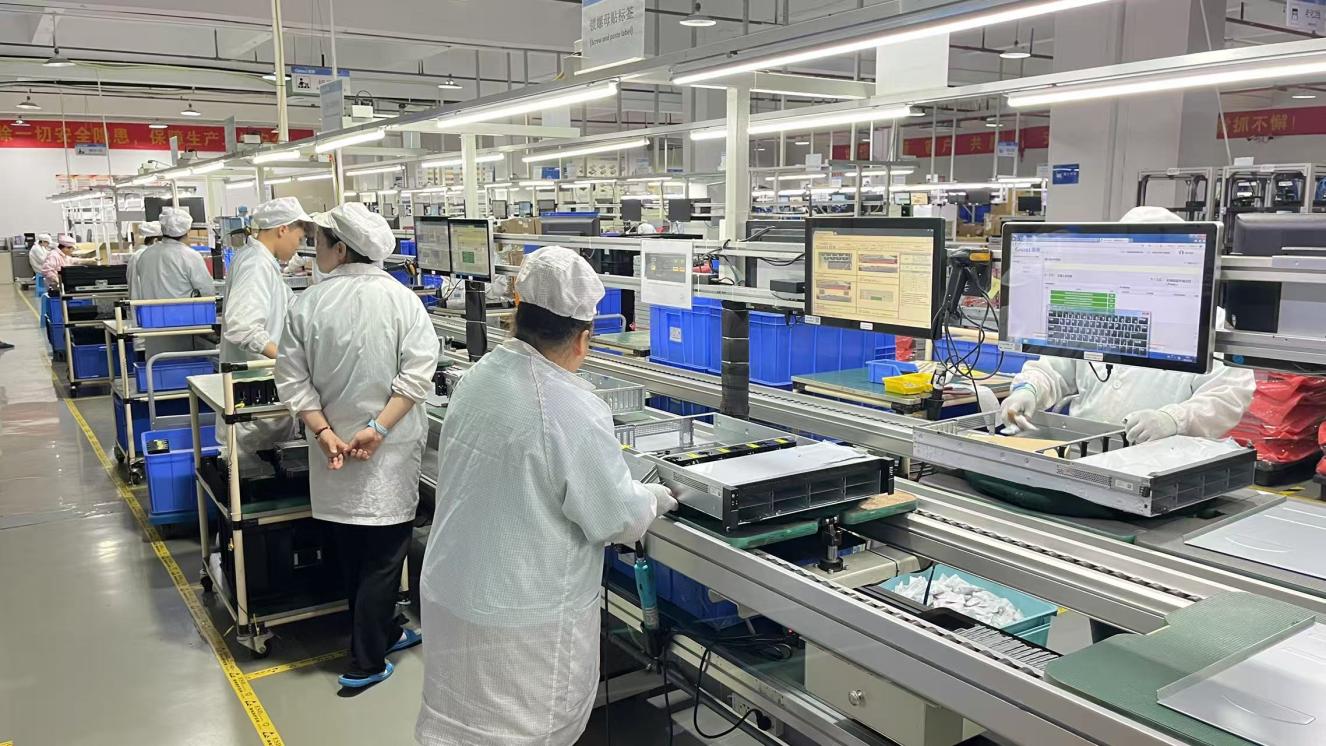
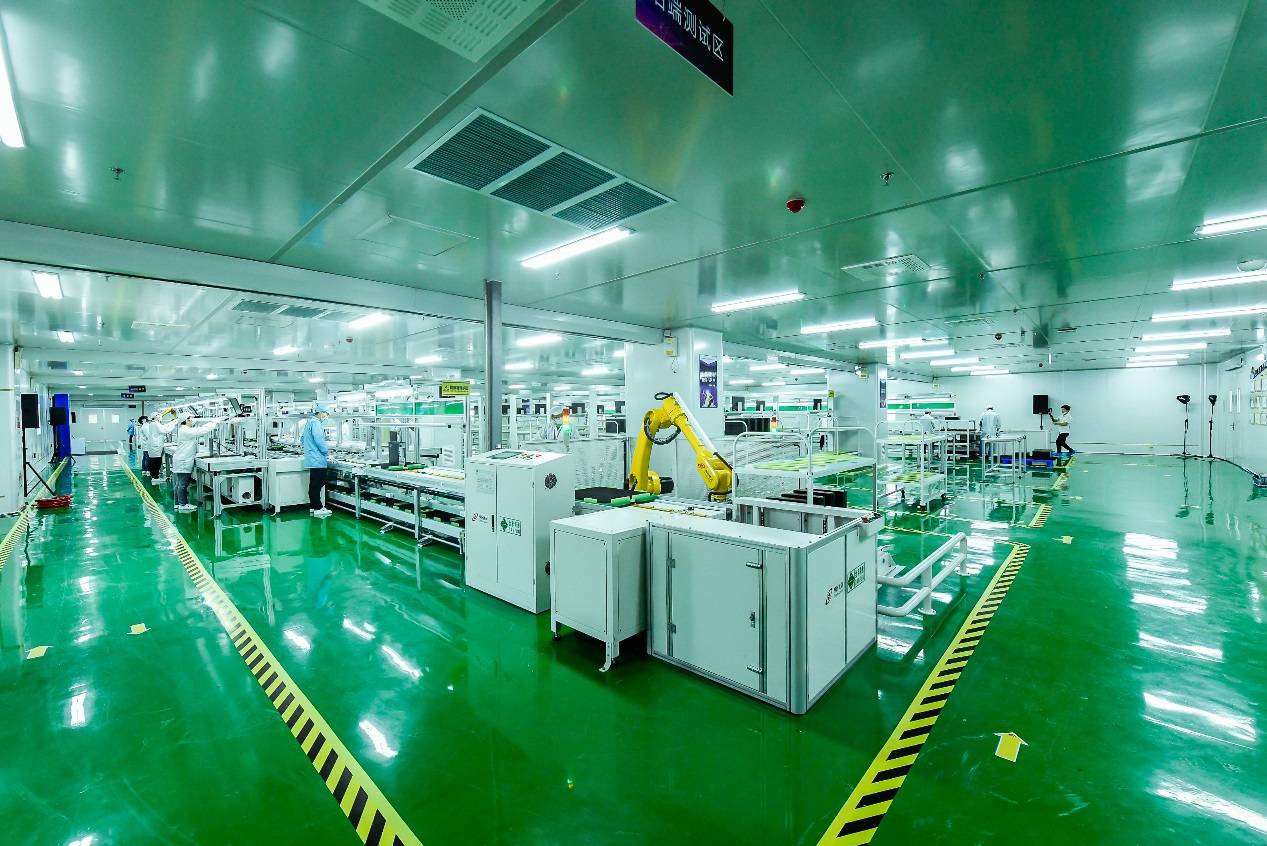
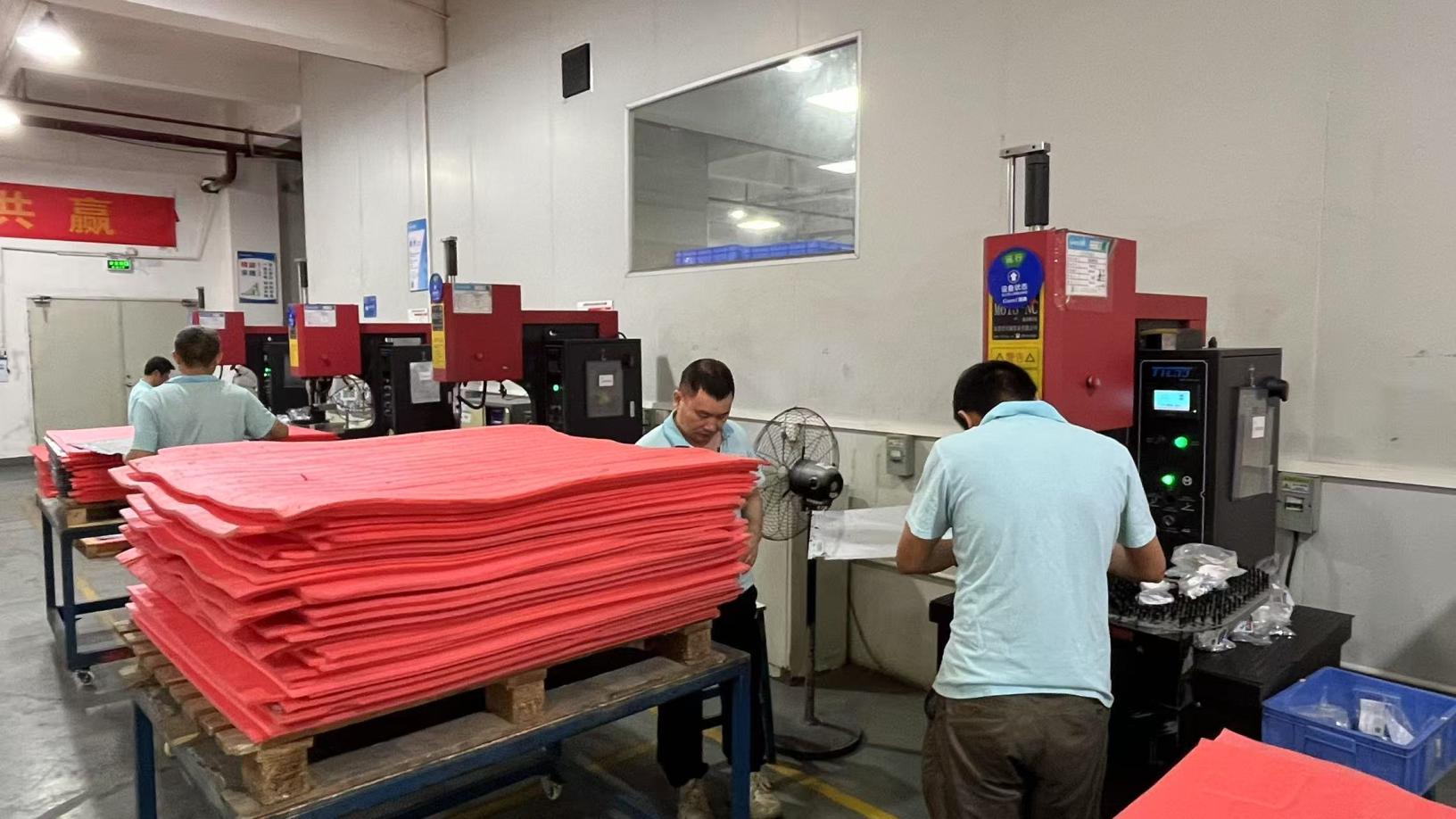
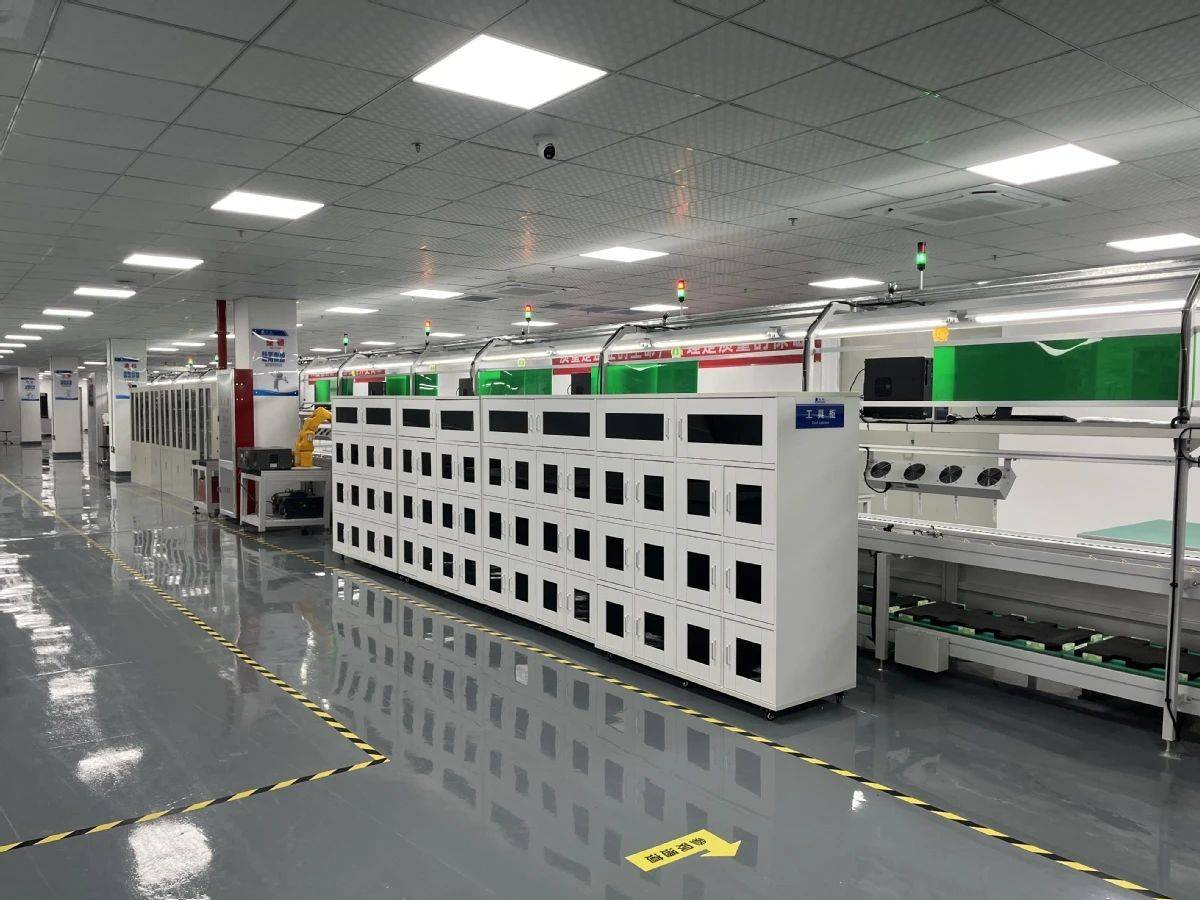
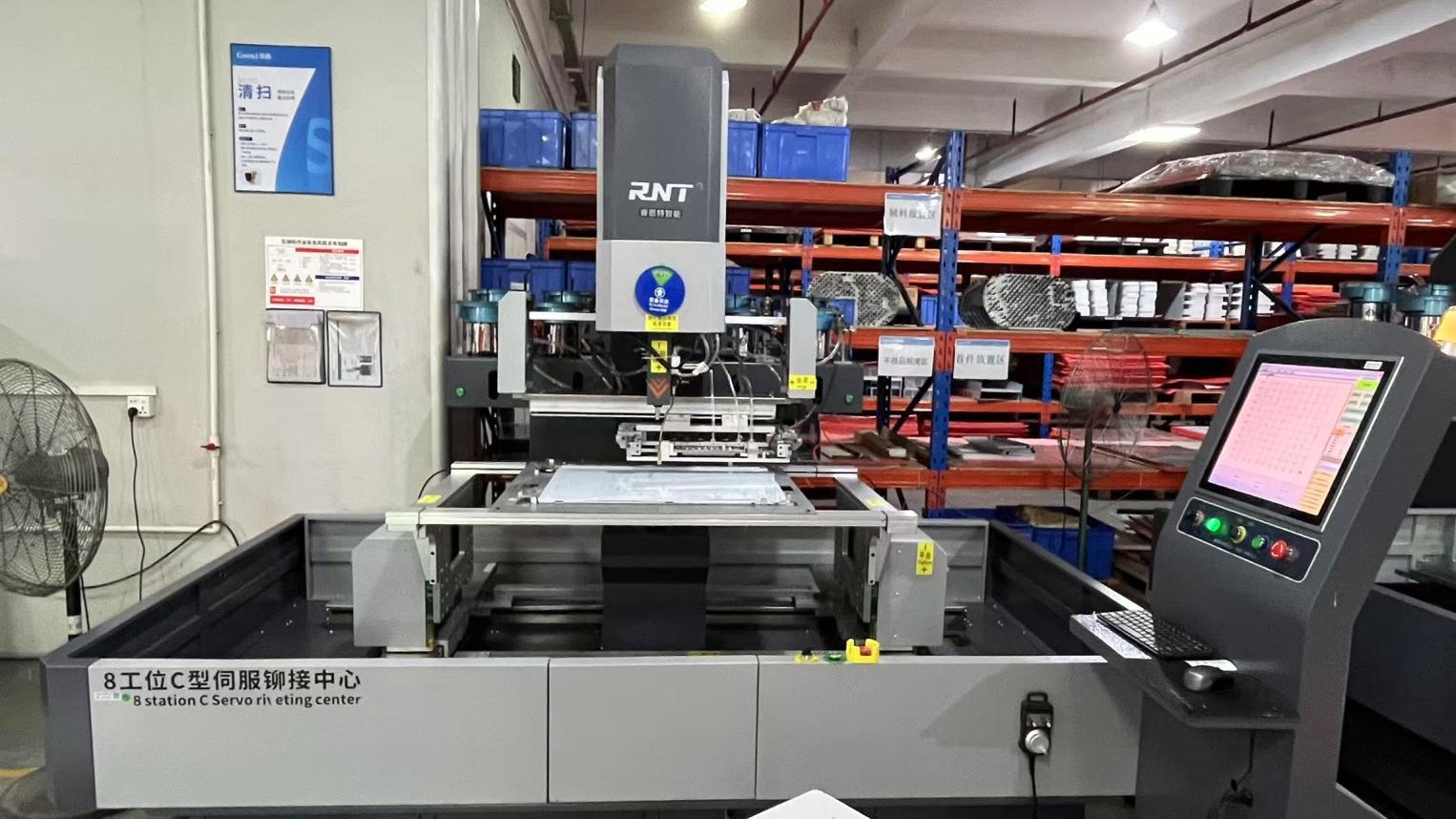
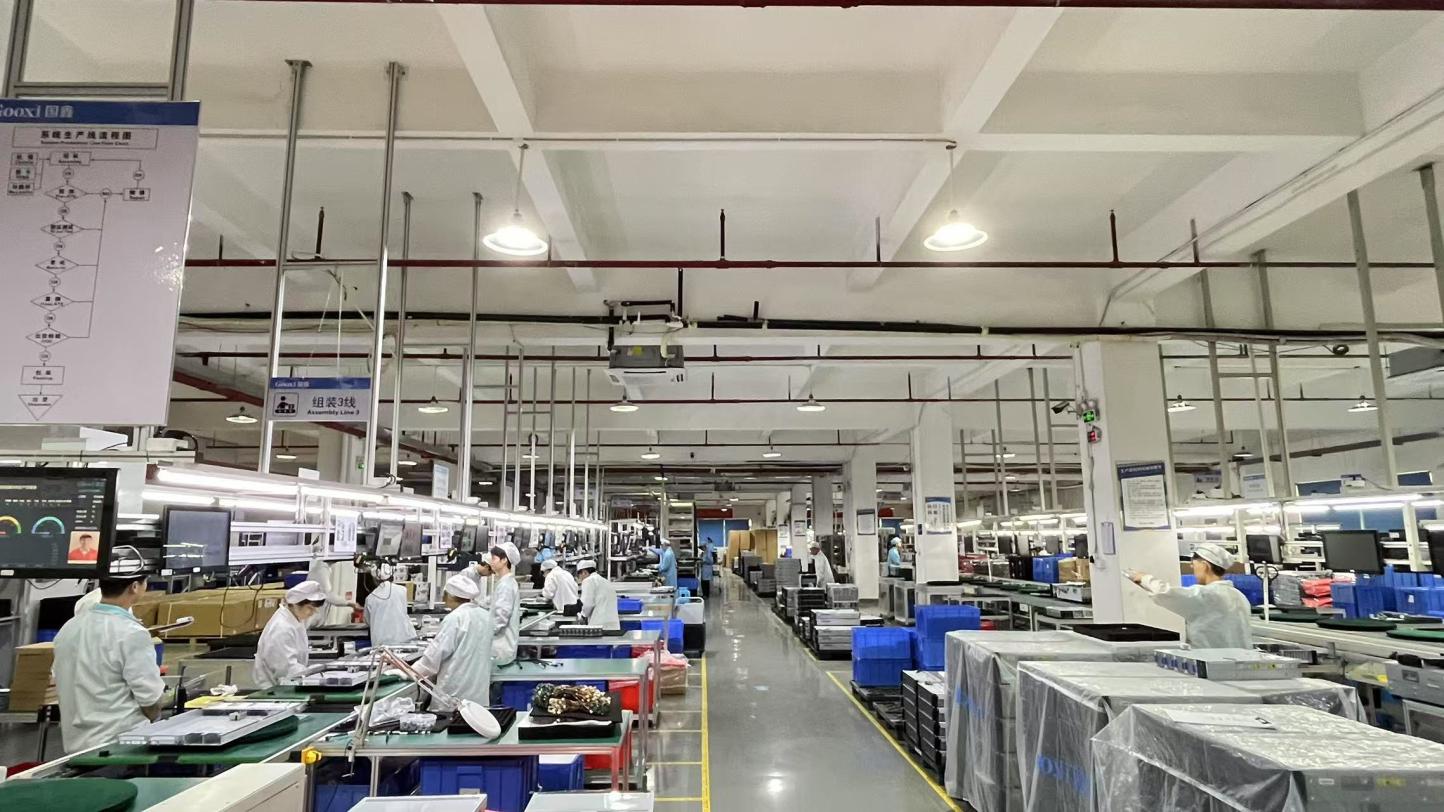
Operating a specialized manufacturing facility spanning 320㎡, TensorNova ensures high-precision integration, customization, and quality control. Power management infrastructure requires strict compliance and structural reliability. In partnership with ISO9001-certified production lines, we implement testing protocols designed to exceed global standards.
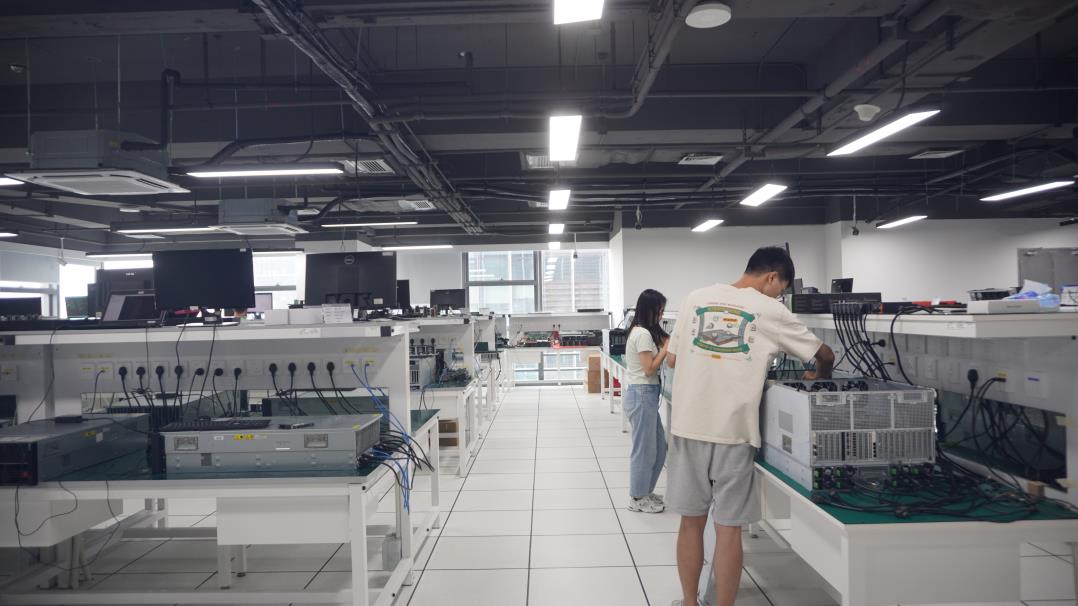
Our quality assurance workflow employs 45 dedicated quality control professionals who oversee multiple testing stages before shipment, ensuring reliable operation under high-load conditions:
With a robust network of over 1,200 global suppliers and component partners, TensorNova maintains a resilient material pipeline. This network prevents component shortages and ensures consistent, timely production schedules even during peak market demand.
Ensuring hardware safety, electromagnetic compatibility, and environmental compliance across international jurisdictions.
Data center electrical systems operate under strict regulatory oversight. A high-quality PDU must carry certifications matching its regional destination. The primary standards include:
Common technical questions regarding selection, phase balance, and integration of intelligent rack PDUs.