TensorNova
TensorNova
TensorNova
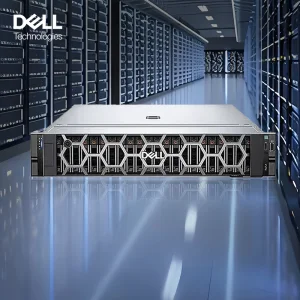
Deploy industry-leading rack servers engineered for high-throughput computing, deep learning execution, and scalable enterprise network storage.
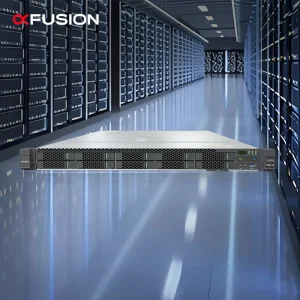
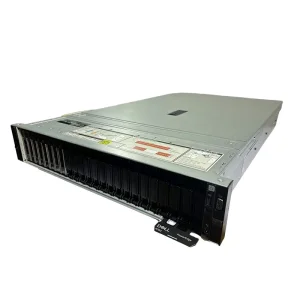
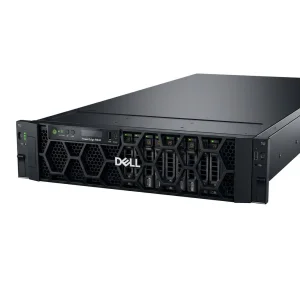
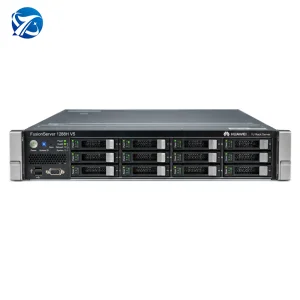
As artificial intelligence, hyper-converged infrastructure (HCI), and exascale processing continue to reconstruct corporate data ecosystems, traditional storage architectures have reached their processing limitations. The modern enterprise requires high-density, low-latency, and agile storage platforms.
The integration of PCIe Gen 5.0 protocols doubles the data bandwidth available to NVMe SSDs, delivering massive read/write speeds that reduce critical I/O bottlenecks in deep learning and real-time data ingestion environments.
Hardware-agnostic decoupling enables enterprises to scale compute and storage capabilities independently. SDS platforms utilize standard rack servers to build dynamic, self-healing storage resource pools.
High-density flash storage arrays configured alongside powerful multi-core processing architectures require advanced thermal solutions. Both hybrid air-liquid and immersive liquid cooling have transitioned from bleeding-edge experiments to mandatory data center layouts.
Procurement engineers and IT architects must bypass marketing labels and analyze quantitative benchmarks. Standardizing on raw throughput, power draw efficiency, and system reliability parameters ensures predictable long-term return on investment (ROI).
| Storage Class | Primary Protocols | Target IOPS Range | Ideal System Workload | Optimal Tier Placement |
|---|---|---|---|---|
| High-Density NVMe Arrays | NVMe over Fabrics (NVMe-oF) | 800,000 - 1,200,000+ | AI Deep Learning, HFT Datasets | Tier 0 (Extreme Hot Data) |
| Hybrid Enterprise SSD/HDD | SATA / SAS 12G | 150,000 - 400,000 | Virtual Desktop Infrastructure (VDI) | Tier 1 (Operational Warm Data) |
| Distributed Object Storage | S3 / REST APIs | N/A (Throughput-optimized) | Unstructured Media Archives, Backups | Tier 2 (Cold / Compliance Archival) |
Enterprise storage must deliver ultra-low access times, especially for transaction-heavy database clusters and interactive AI inference. Utilizing native NVMe interfaces minimizes protocol translation latency.
Ensure chassis designs support future modular upgrades, such as hot-swappable drives, secondary controller card additions, and seamless integration of PCIe expansion lanes.
Beyond unit cost, consider power conversion efficiency (80 Plus Titanium certification), thermal dissipation metrics, and software licensing expenses that impact operational overhead.
TensorNova is a professional high-performance AI GPU server manufacturer and infrastructure solution provider based in China, specializing in AI computing, GPU clusters, and scalable data center hardware solutions for global enterprises.
Established in 2016, TensorNova has developed into a trusted supplier in the AI hardware industry with a strong focus on innovation, performance, and customized computing systems. With over 12 years of industry experience in AI computing and server manufacturing, we serve clients across North America, Europe, Southeast Asia, and the Middle East.
Our strong R&D capabilities are supported by a dedicated team of approximately 180 R&D engineers, focusing on GPU server architecture, AI optimization, and high-density computing systems. In the past year alone, the team successfully launched 320+ new products including edge nodes and AI clusters.
TensorNova offers extensive hardware and system optimization options, including GPU configuration customization, custom chassis engineering, cooling loop design (advanced liquid or high-airflow cooling), motherboard-level hardware tuning, and workload-specific deployment optimization.
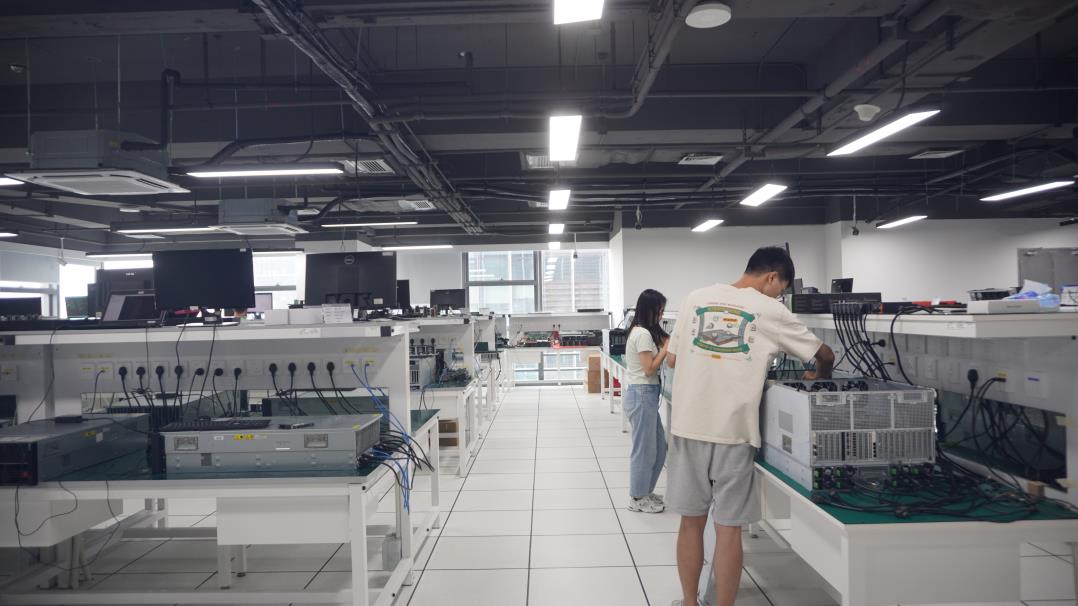
Our 320㎡ precision manufacturing and validation center ensures system reliability prior to global shipment.
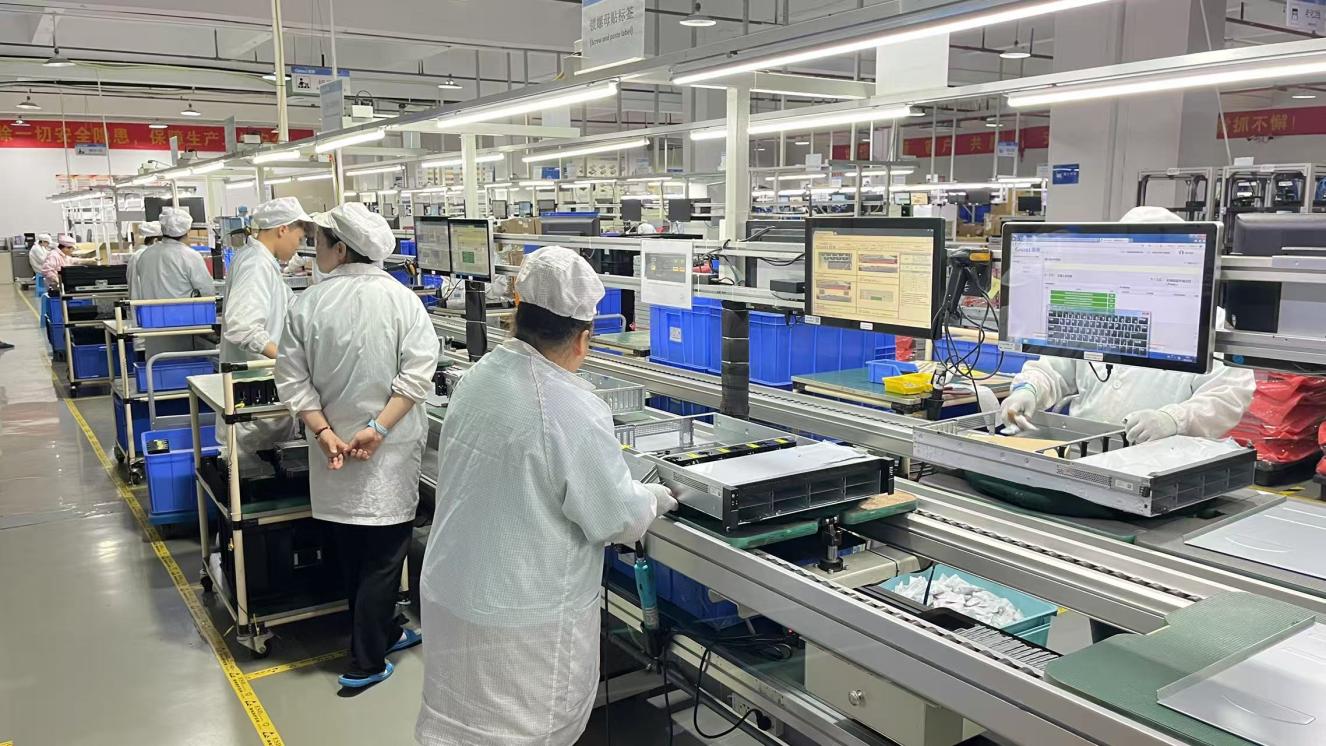
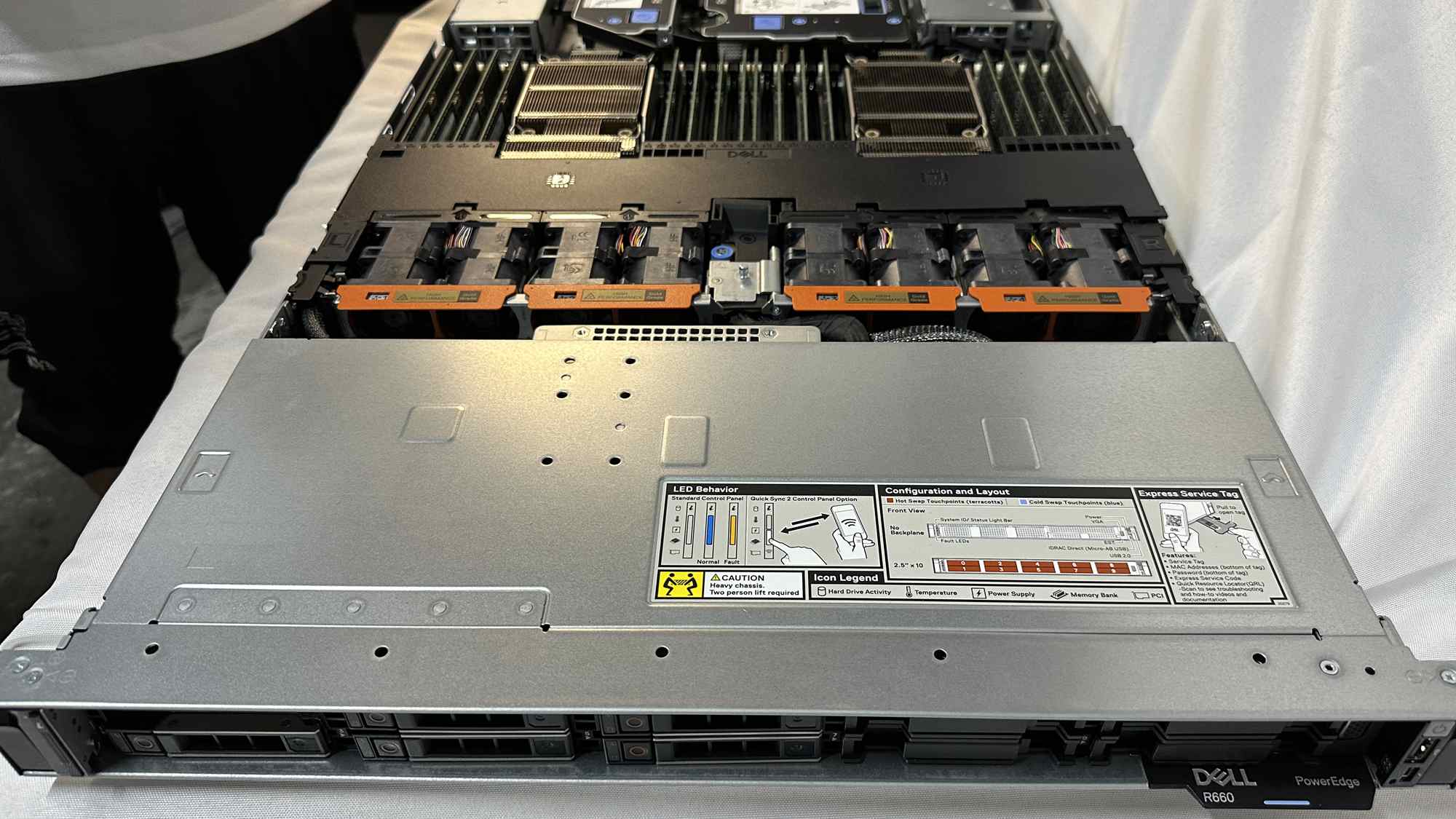
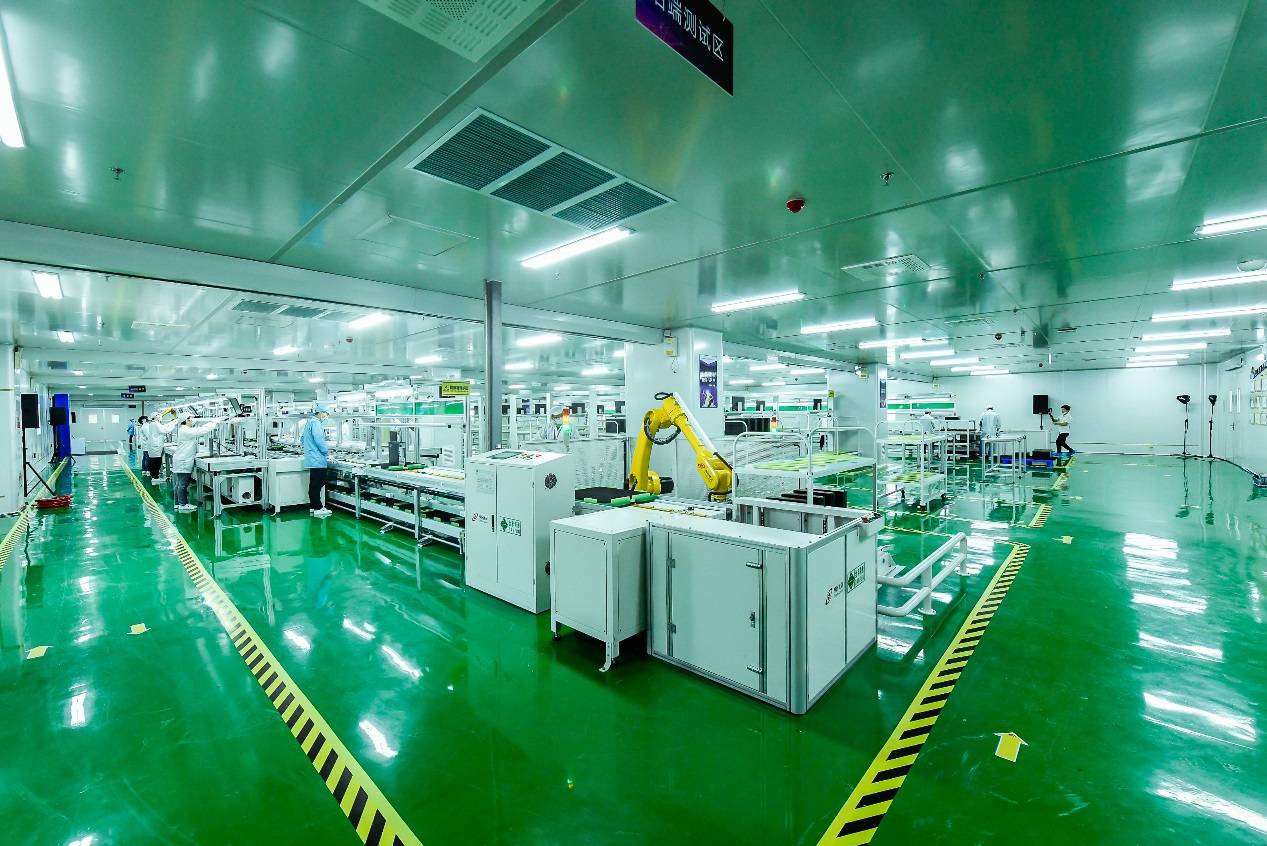
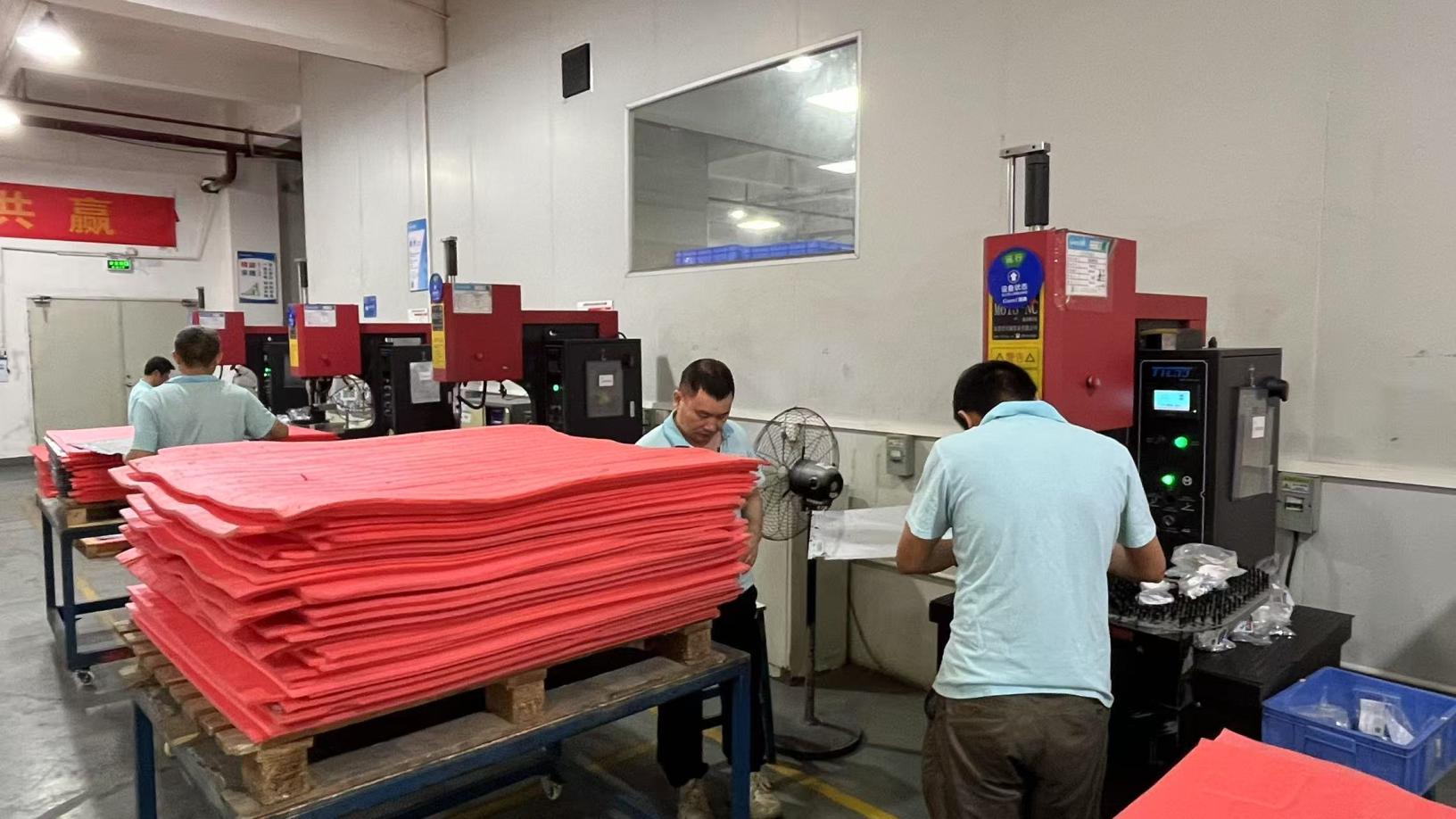
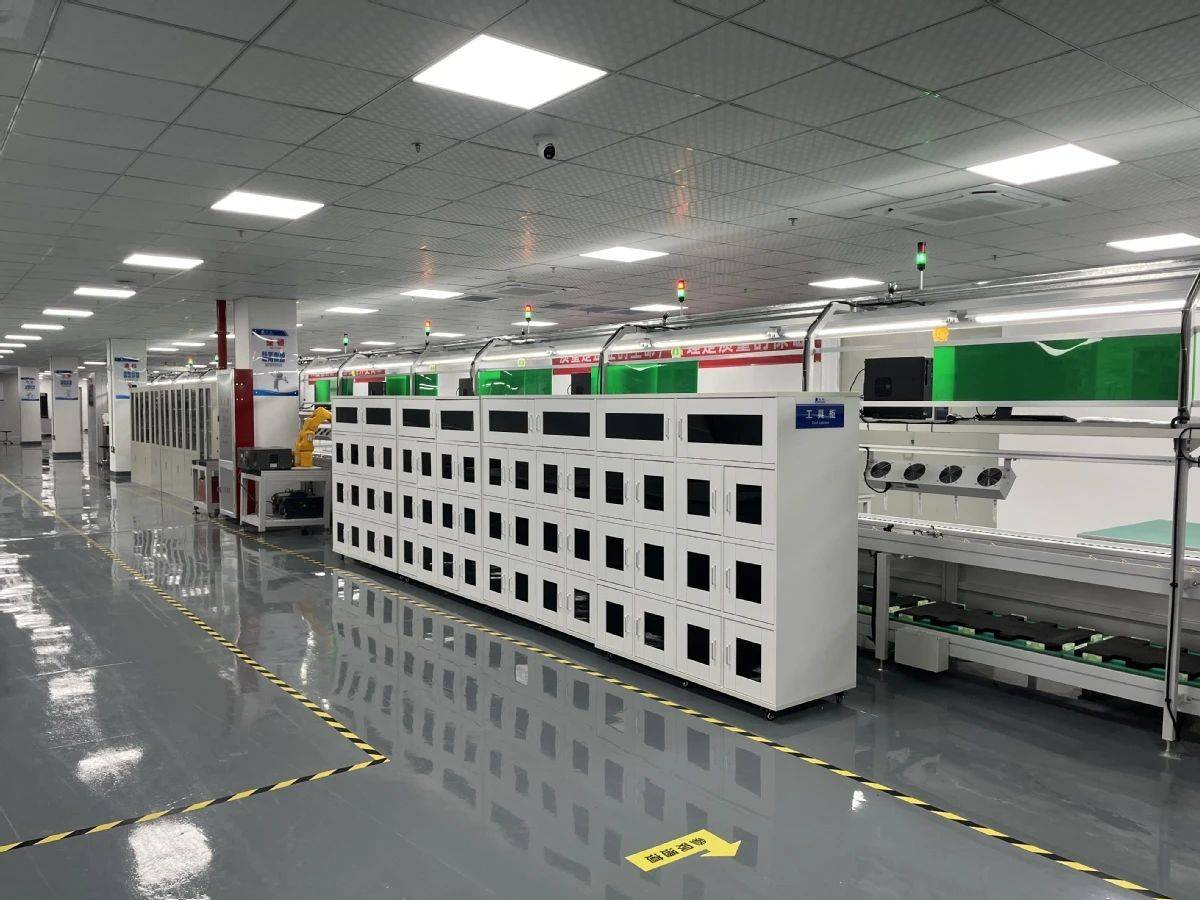

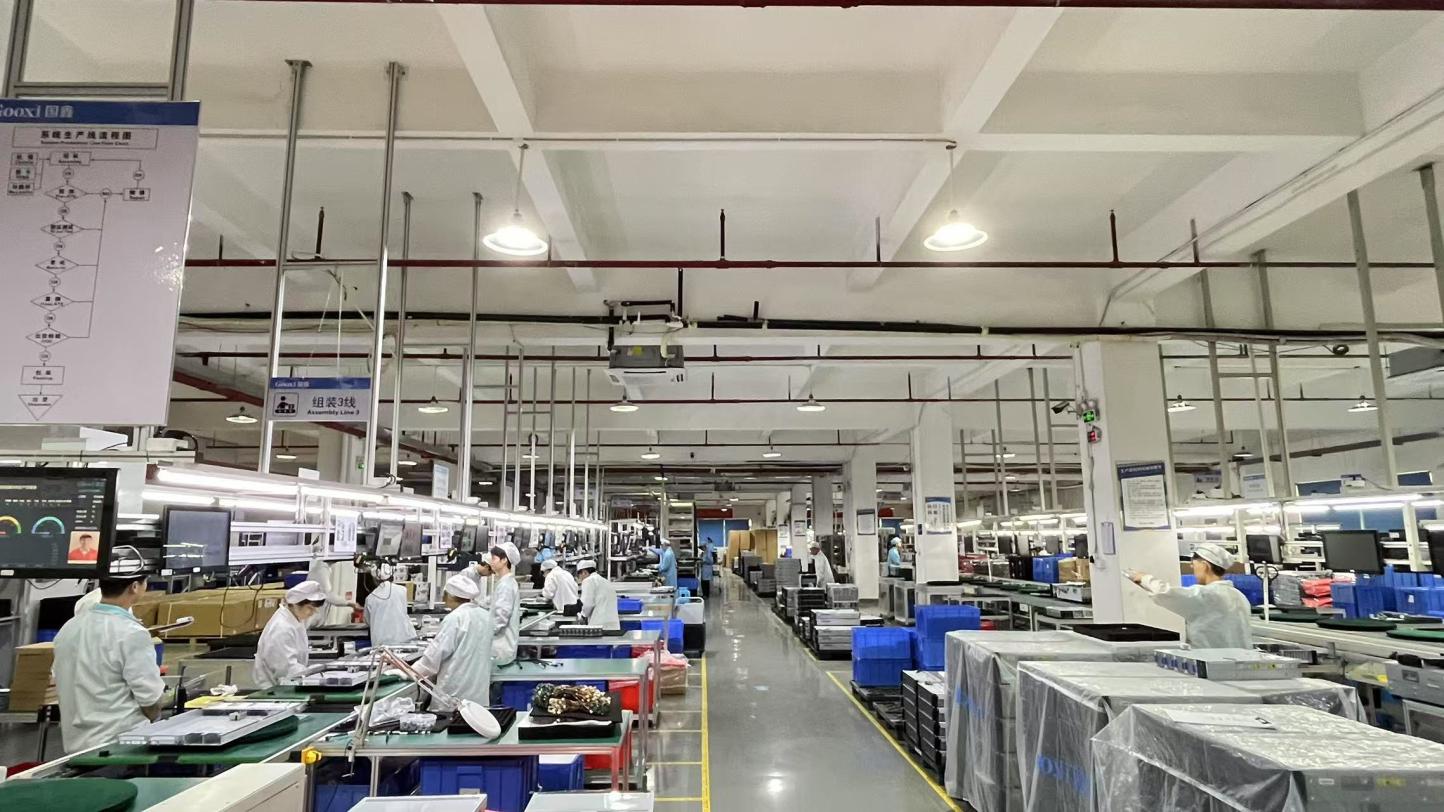
Manufacturing enterprise storage platforms requires deep integration of the local production ecosystem. TensorNova leverages next-generation factory scheduling and supplier networks to secure reliability and cost efficiency.
By collaborating with a network of over 1,200 global suppliers and component manufacturers, TensorNova mitigates supply disruptions, sourcing high-grade memory modules, controllers, and chipsets.
Quality assurance runs on ISO9001 systems. Dedicated automated platforms process hardware stress validation, thermal evaluation, burn-in checks, and high-intensity simulated AI computing workflows.
With 45 specialized quality control personnel examining all server assemblies, TensorNova ensures every node complies with rigorous international operating metrics before packaging.
Enterprise storage setups must fit specialized computational workloads. Adapting configuration choices dynamically avoids latency bottlenecks and system failure under high-frequency production demands.
Financial analytics platforms operate on sub-millisecond data pipelines. Deploying PCIe Gen 5.0 NVMe arrays alongside low-latency networking switches prevents write-queuing backlogs, keeping transaction ledgers processed instantaneously.
Running LLM models requires large-scale dataset ingest. Interlinking multi-socket GPU nodes with high-speed local network connections allows rapid GPU memory mapping without processor interrupts.
Edge nodes require physical reliability in harsh operating setups. Implementing compact, thermal-efficient 1U storage nodes ensures consistent local video parsing and sensor mapping with minimal power footprint.
Technical answers regarding high-density storage sourcing, system customization, and hardware integration protocols.
Browse additional high-capacity server and networking options engineered to scale your operational capacity.