TensorNova
TensorNova
TensorNova
Enterprise-grade computing hardware designed for deep learning, virtualization, large-capacity database systems, and mission-critical cloud deployments.
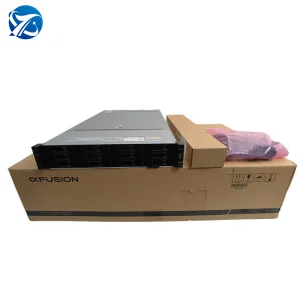
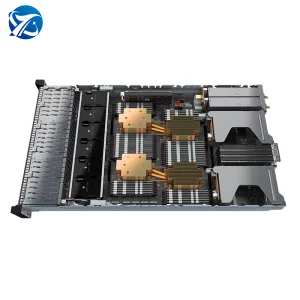
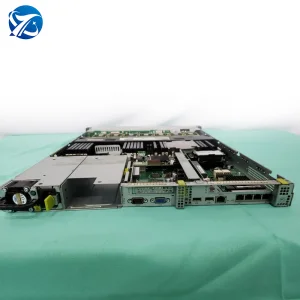
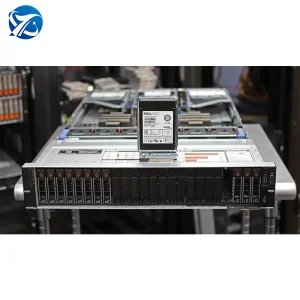
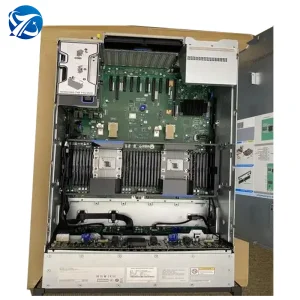
The global industrial and commercial landscapes are experiencing a structural paradigm shift driven by high-density LLM (Large Language Model) architectures, neural search computing, and edge AI workloads. Hardware standardisation has given way to domain-specific architectures where standard, off-the-shelf systems struggle to deliver optimum price-performance-power ratios. Customised OEM/ODM server systems have transitioned from niche components to core requirements for hyperscale data centers, financial institutions, and research centers worldwide.
With compute requirements growing exponentially, thermal management and chassis designs must keep pace. Original Equipment Manufacturers (OEMs) and Original Design Manufacturers (ODMs) fill the vital gap between core silicon suppliers and industry applications. By fine-tuning physical architectures, power distribution units, and PCIe signaling at the motherboard level, we provide tailor-made infrastructure optimized to tackle modern computational burdens.
By using customized bare-metal server chassis, liquid loop distributions, and targeted BIOS optimizations, system integrators bypass general-purpose performance bottlenecks, achieving up to 28% improvements in power-usage effectiveness (PUE) and workload efficiency.
Our integration protocols ensure that specialized server units—whether housing a cluster of eight PCIe GPUs for DeepSeek deployment, or optimized with SAS3908 RAID cards for extreme video archiving bandwidth—cohesively join existing network topologies. This customized flexibility ensures maximum return on investment for enterprise infrastructure deployments.
TensorNova is a professional high-performance AI GPU server manufacturer and infrastructure solution provider based in China, specializing in AI computing, GPU clusters, and scalable data center hardware solutions for global enterprises.
Quantifiable engineering excellence and robust supply chains delivering high-performance computing worldwide.
Hardware optimization requirements differ by region and industry. Hyperscalers in North America prioritize dense PCIe topologies and liquid loop integrations to satisfy environmental regulations. Meanwhile, European data centers operate under strict green efficiency directives, making heat reclamation systems and PUE metrics key design features.
In the rapidly expanding technology hubs of Southeast Asia and the Middle East, smart-city programs and sovereign AI initiatives drive the demand for high-density, multi-socket servers. These regions need ready-to-deploy platforms optimized for extreme operating temperatures and high dust loads.
Our OEM/ODM process responds directly to these environmental requirements. By altering structural configurations and deploying localized firmware parameters, our hardware delivers stable performance anywhere in the world.
Requiring customized multi-GPU nodes with specific PCIe routing, low latency fabrics (NVLink/NVSwitch equivalents), and high-bandwidth interconnects for LLM training and inferencing.
Seeking rapid bare-metal node deployments, standardized opencompute patterns, liquid-to-air cooling options, and specialized BIOS configurations to match hypervisor needs.
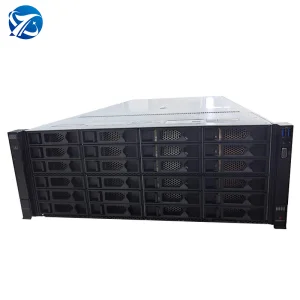
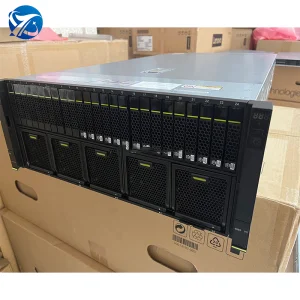
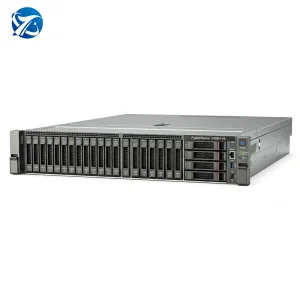
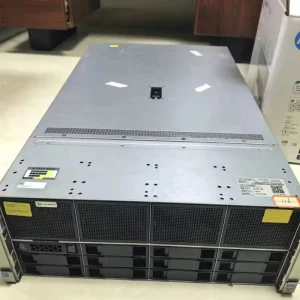
Deploying 4U/2U multi-socket servers (e.g. xFusion 2488H/Dell R760 series) with high storage capacities and RAID control hardware to protect transactional workloads.
Anticipating developments in computing architecture, high-speed interfaces, and thermal technology.
From silicon integration to thermal management, our capabilities support global computing deployments.
Our structural design team develops chassis solutions ranging from 1U compute nodes to 8U GPU architectures, matching specific depth and rail requirements.
We design air and liquid systems capable of managing the high thermal loads of modern AI computing platforms.
Our engineering team modifies system firmware to maximize PCIe lane efficiency and processing stability.
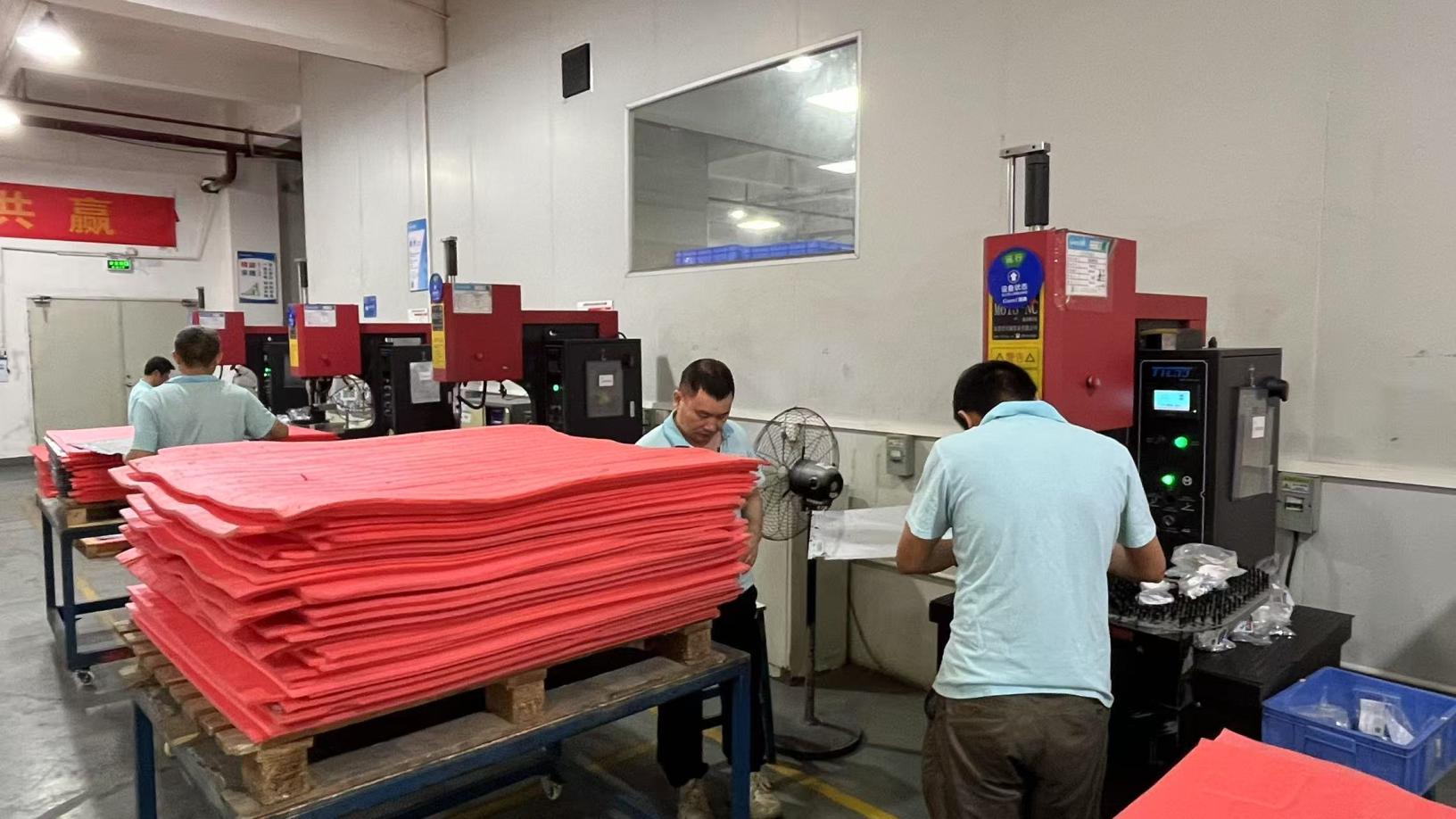
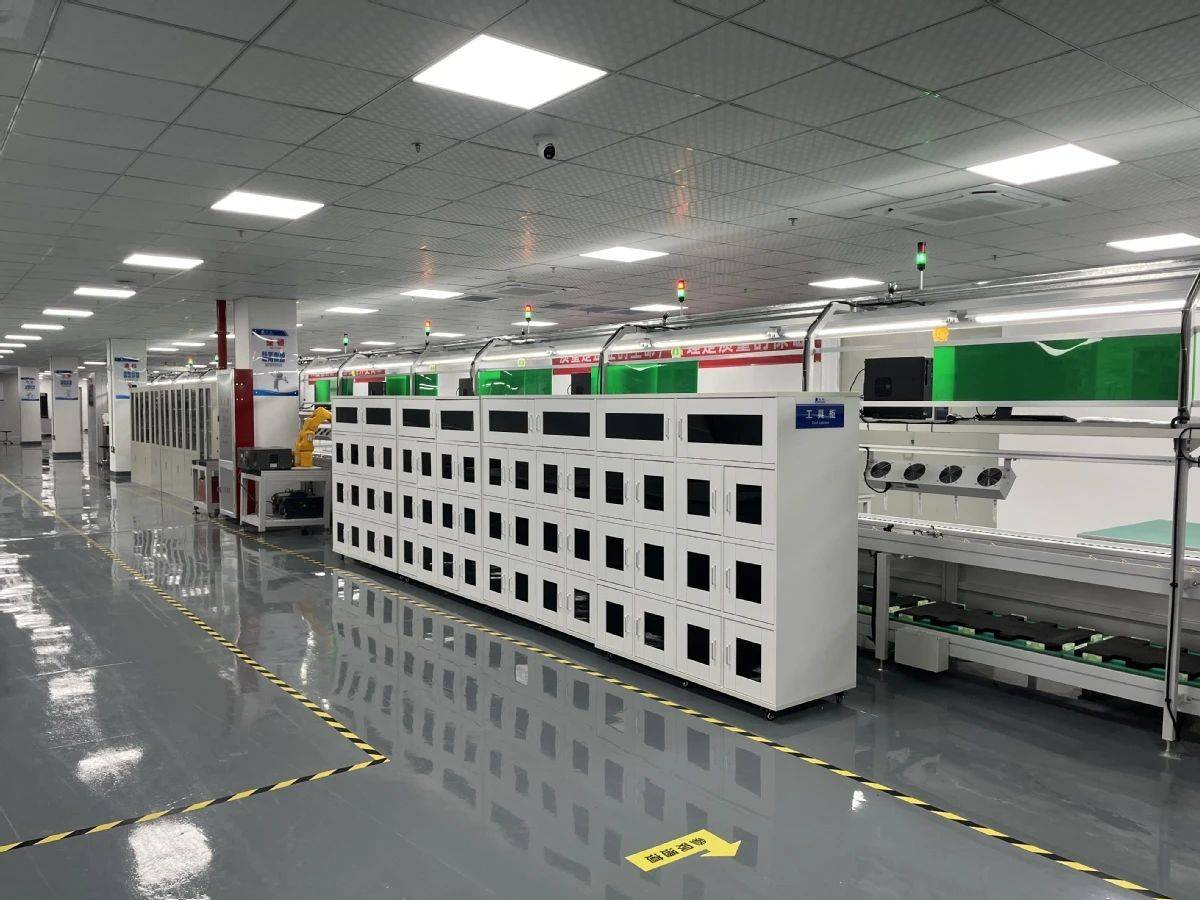
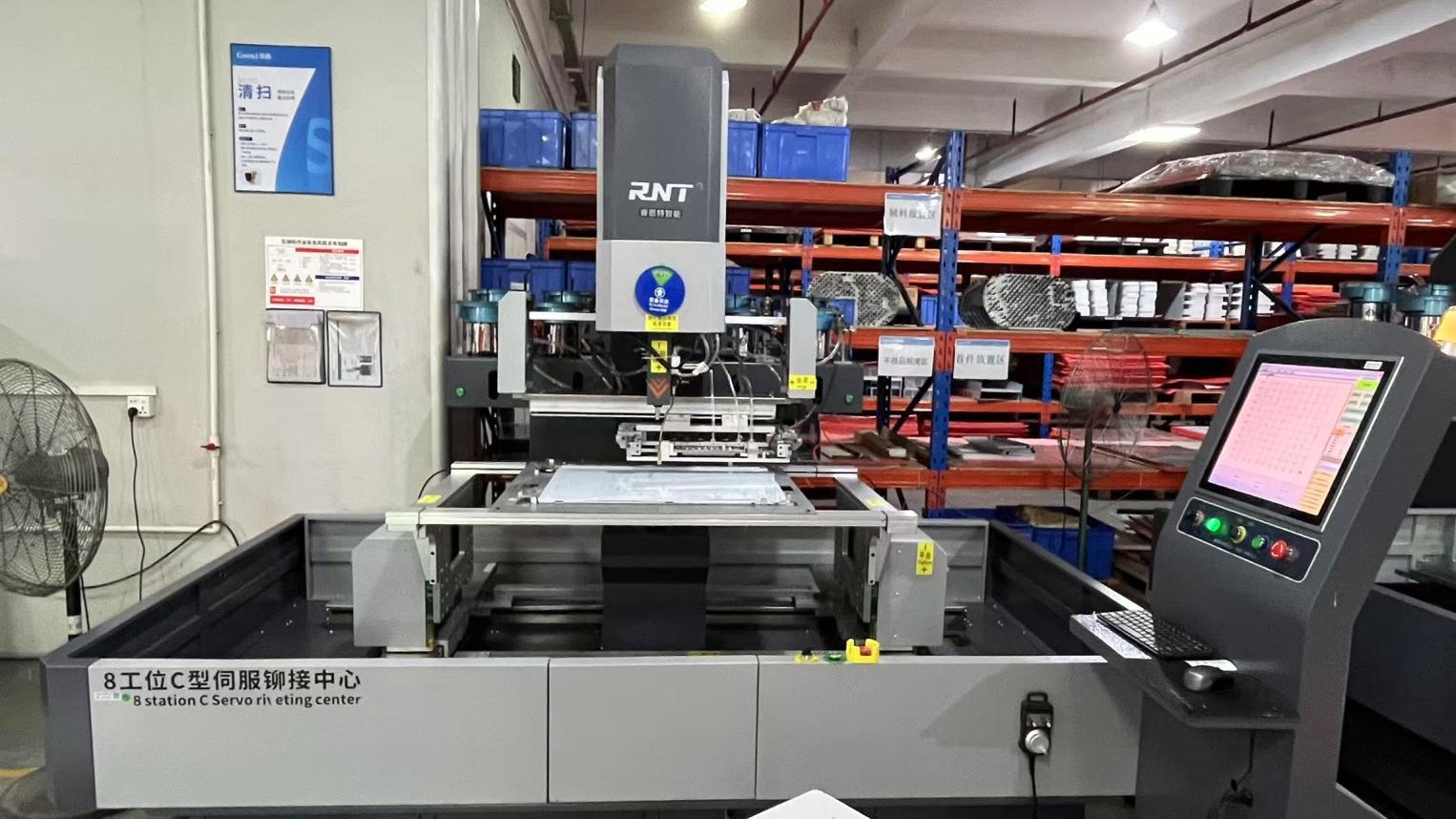
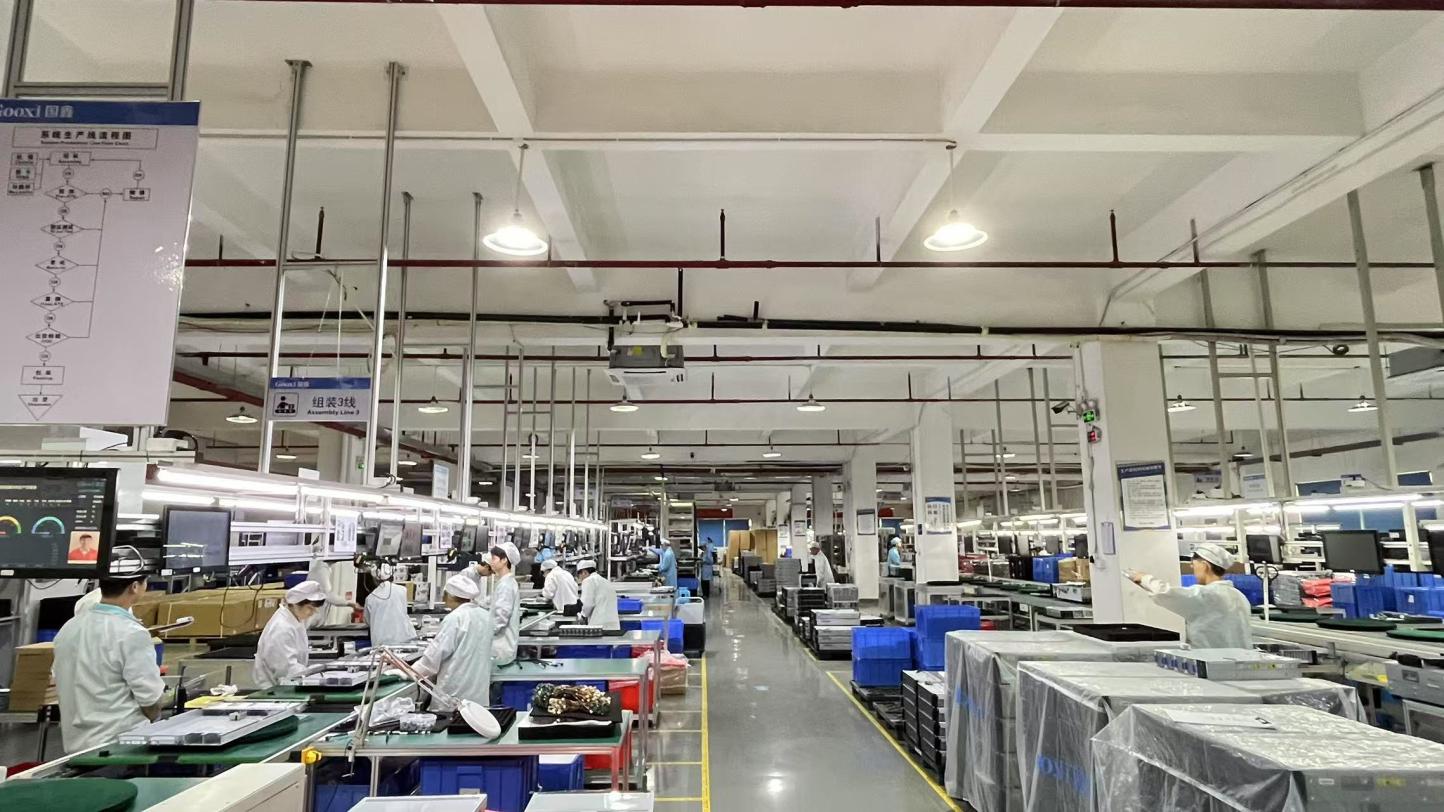
Our production facilities implement strict ISO9001 quality management processes to ensure compute node stability under continuous enterprise stress.
System memory and PCIe routing buses undergo testing to verify signal integrity before shipping.
Thermal chambers evaluate chassis performance, verifying fan speed responses and hot-spot mitigation.
Systems undergo continuous stress testing for 24 to 72 hours under variable power profiles to prevent early component failure.
GPU clusters are evaluated using standard LLM and training frameworks to ensure performance matches real-world use.
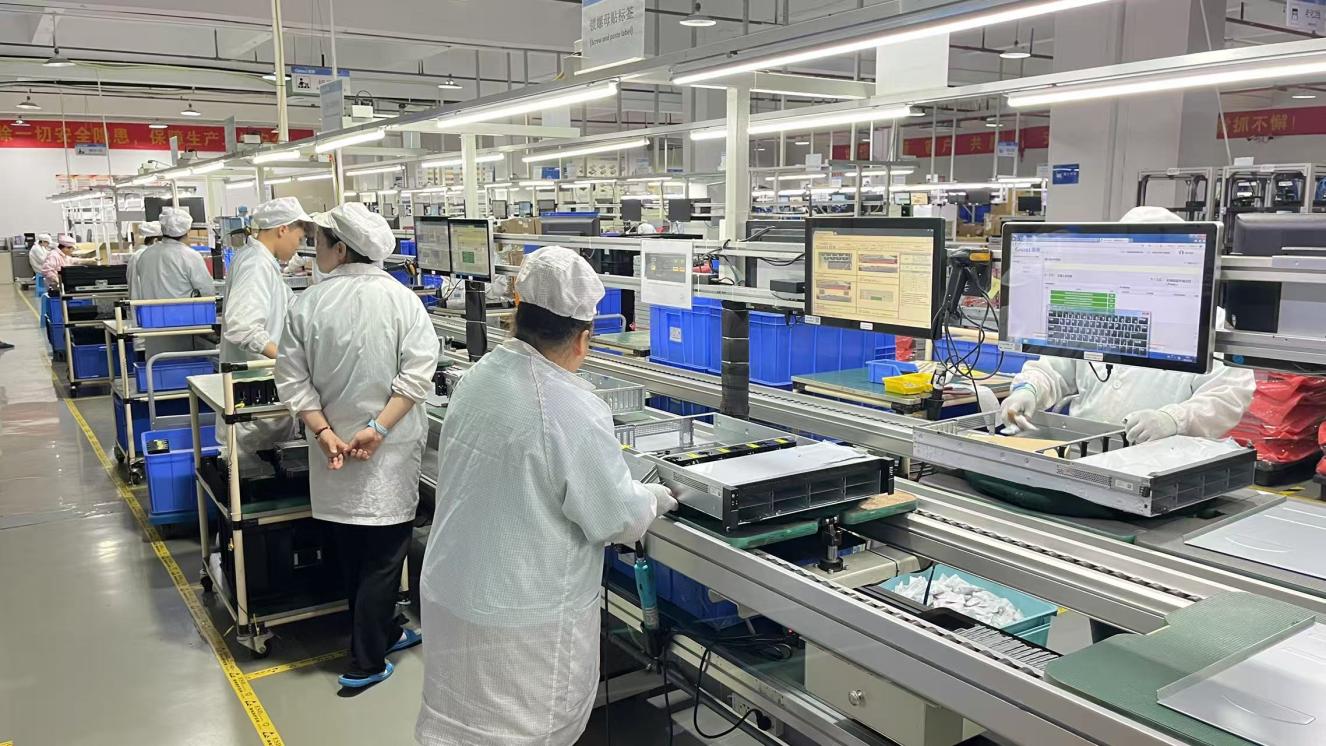
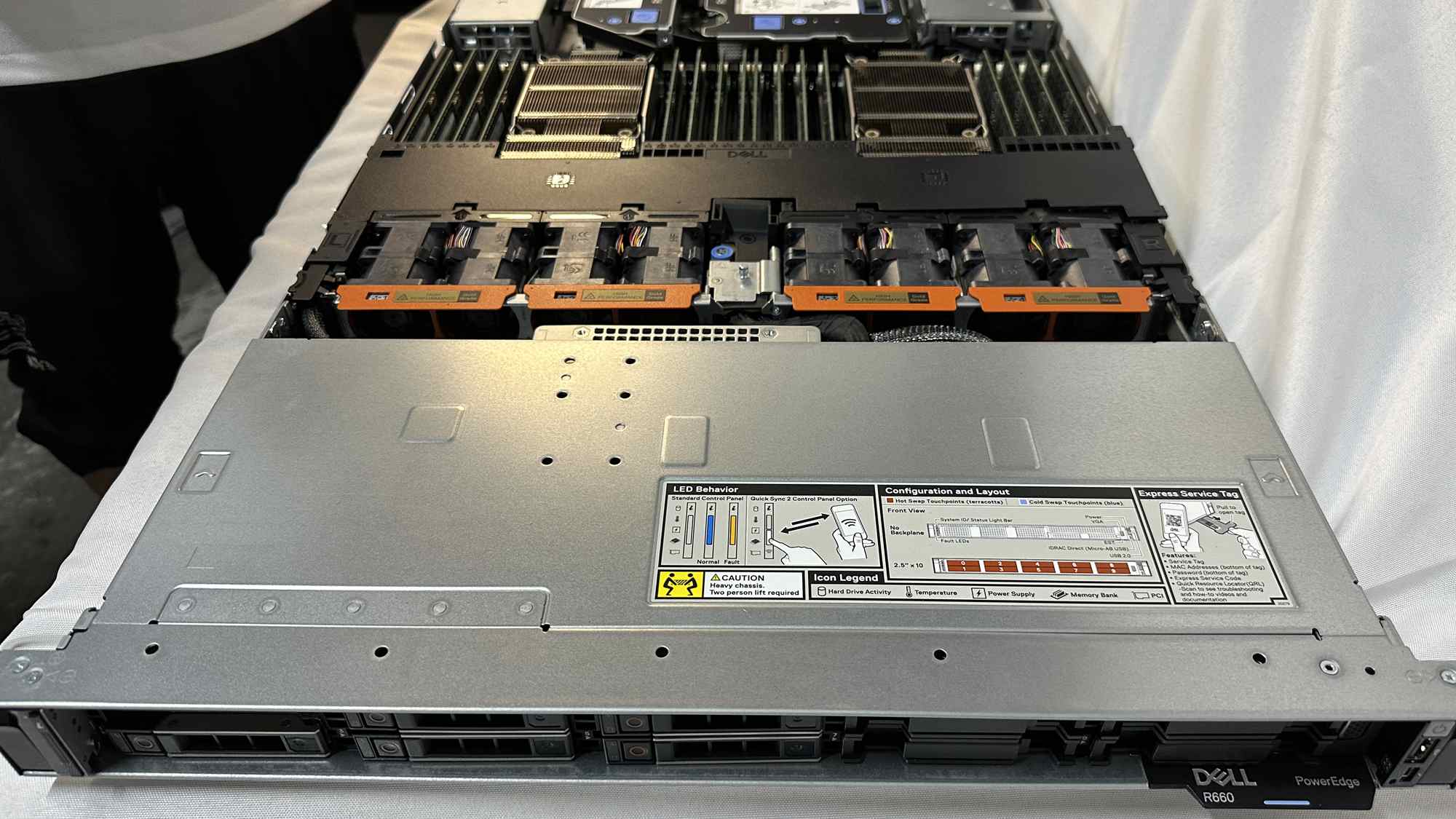
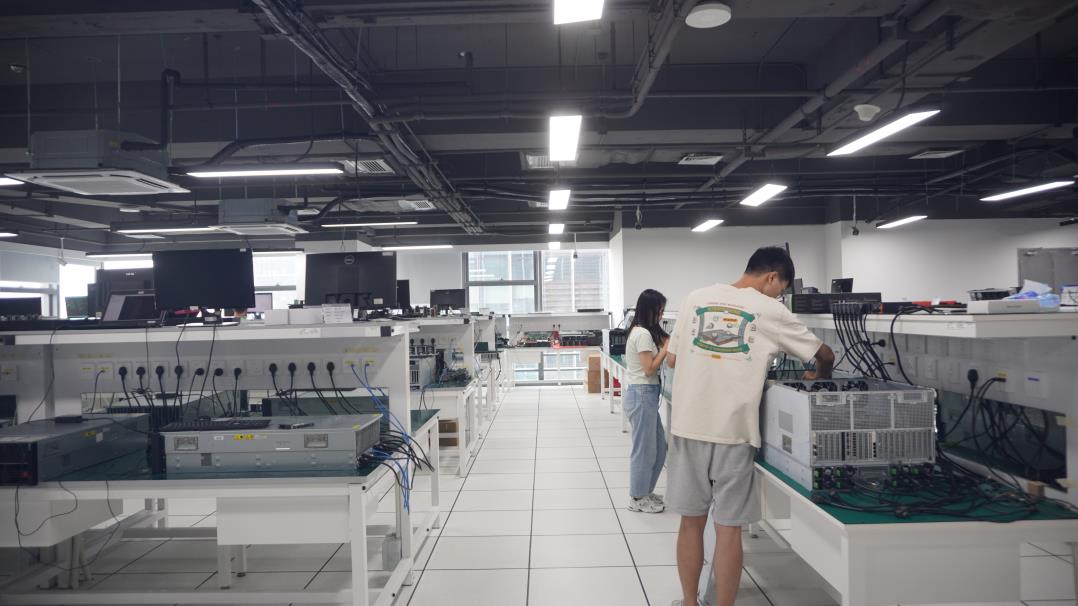

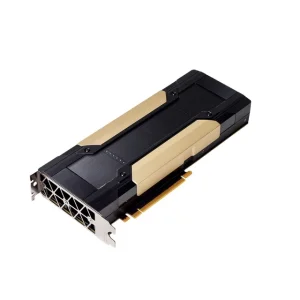
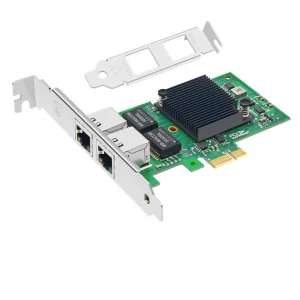
High-capacity database nodes, optimized GPU architectures, and essential host adapter arrays.


Answers to common inquiries regarding customization options, order placement, compatibility, and international shipping.