TensorNova
TensorNova
TensorNova
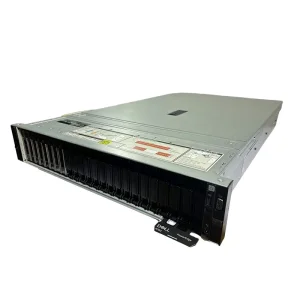
In the rapidly evolving landscape of global intelligence, the ability to integrate heterogeneous hardware architectures seamlessly has shifted from an operational advantage to a mission-critical necessity. Complex machine learning workloads, low-latency hyperconverged infrastructure, and high-density GPU nodes require specialized execution pipelines. At TensorNova, we define Seamless Integration Tools as the ecosystem of hardware configuration interfaces, motherboard-level optimizations, and firmware bridges that enable plug-and-play capability for advanced server topologies in existing bare-metal and hybrid-cloud datacenters.
Established in 2016, TensorNova is a professional, high-performance AI GPU server manufacturer and infrastructure solution provider based in China. Specializing in AI computing, GPU clusters, and scalable datacenter hardware solutions, we serve global enterprises across North America, Europe, Southeast Asia, and the Middle East. Through 6 years of international trade and export experience, TensorNova has built a robust ecosystem supported by more than 1,200 global suppliers and strategic component partners.
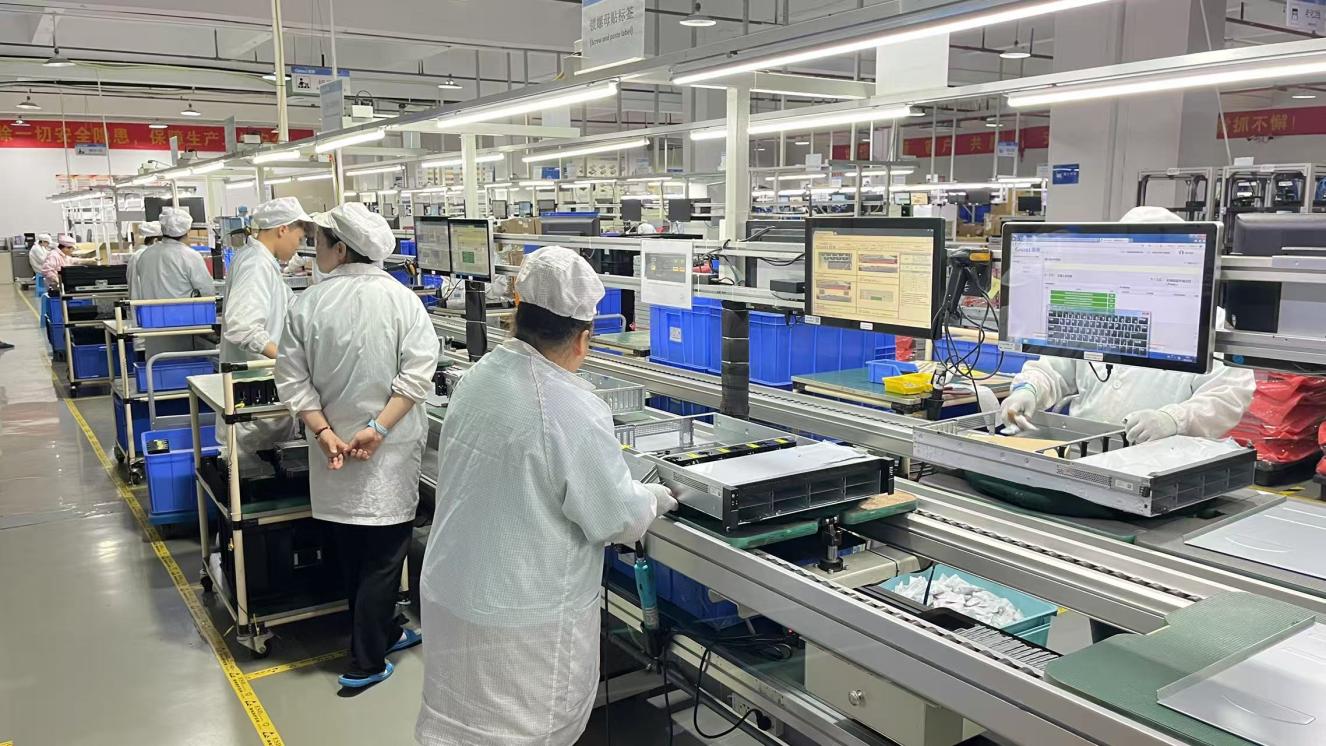
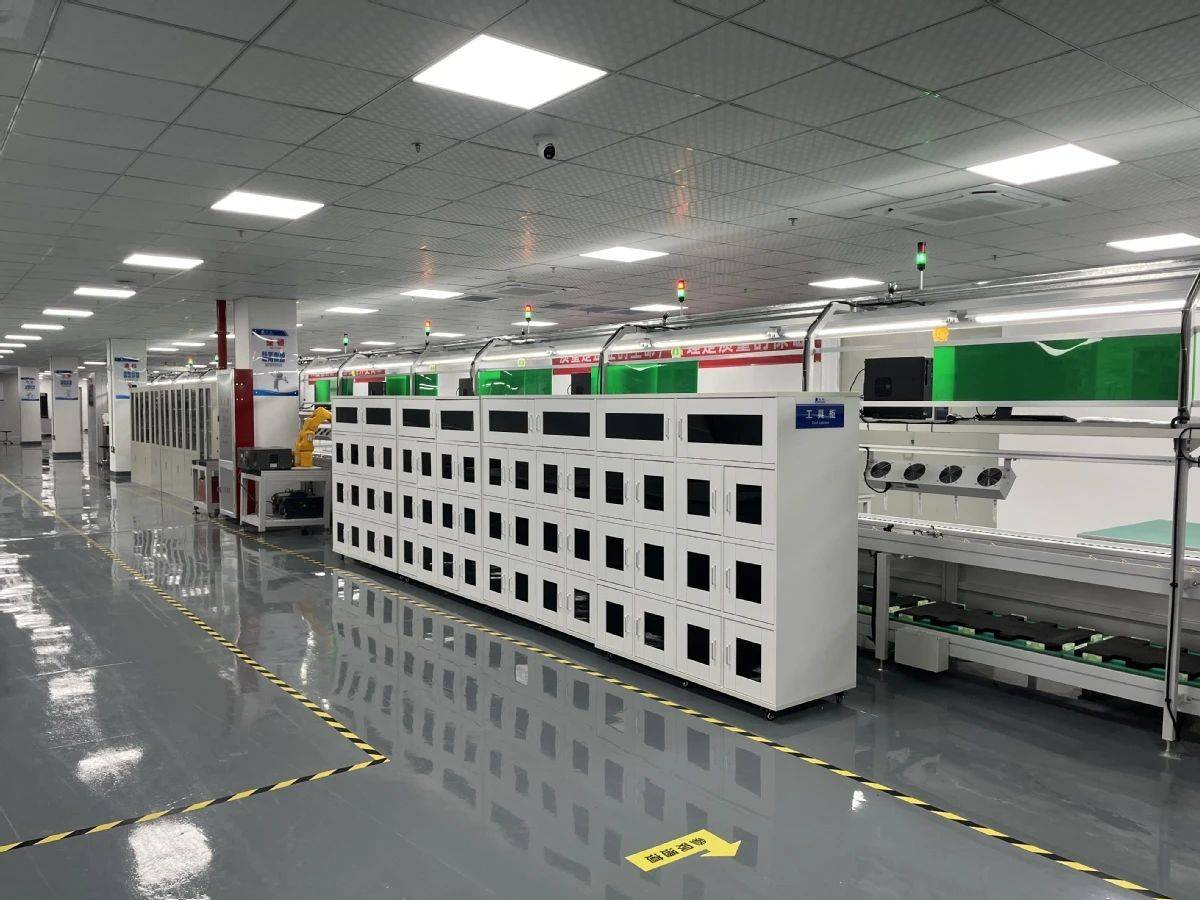
Operating a modern production facility designed for advanced server assembly, testing, and system integration, we adhere to strict quality management guidelines modeled on the ISO9001 standard. Supported by approximately 45 dedicated quality control professionals and a R&D force of 180 engineers, our production pipelines output tailor-made systems configured for customized GPU requirements, advanced air/liquid cooling loops, custom BIOS/motherboard tuning, and system-level workload optimization.
Enterprise procurement professionals looking for server systems face the challenge of balancing raw performance and thermal limits while maintaining backward compatibility. Whether equipping a large-scale data center, an AI research laboratory, or a public cloud provider, the procurement criteria revolve around several pillars:
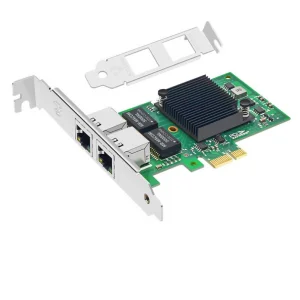
Maximizing I/O performance requires integration of high-bandwidth PCIe Gen 4.0 and Gen 5.0 lanes. Controllers like the 9560-8i Tri-Mode RAID card provide up to 12Gb/s SAS/SATA speeds and NVMe compatibility, eliminating network and storage bottlenecks in database or cloud arrays.
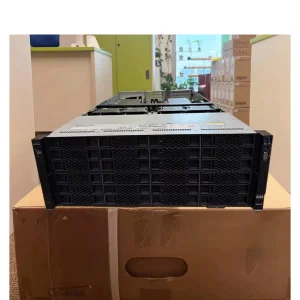
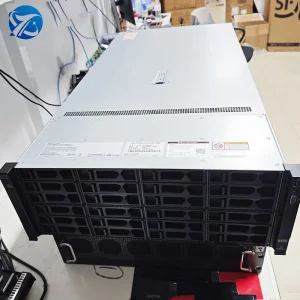
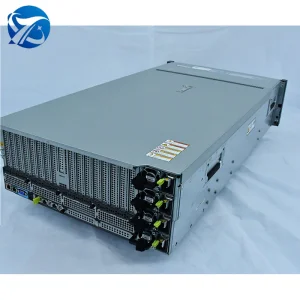
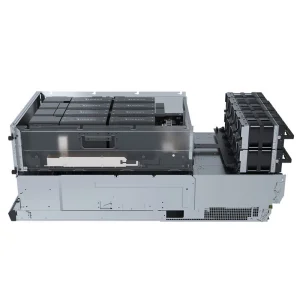
Deploying AI workloads requires server architectures that support diverse processing units. Integrating multi-socket Intel Xeon Scalable processors alongside scale-out GPU nodes (such as the FusionServer G8600 V7) ensures compatibility with large model frameworks like DeepSeek.
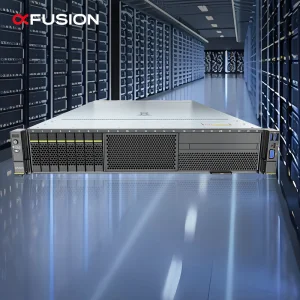
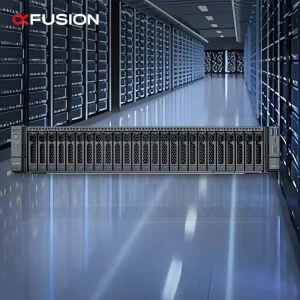
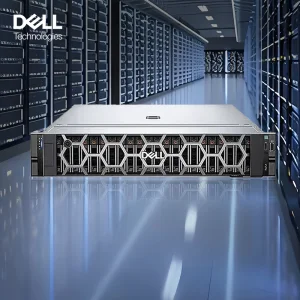
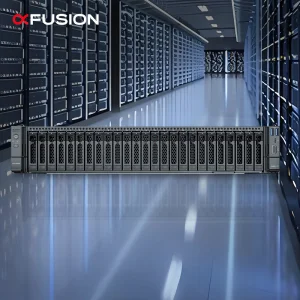
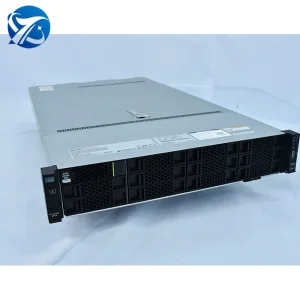
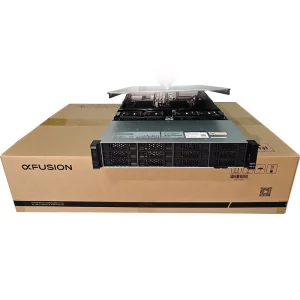
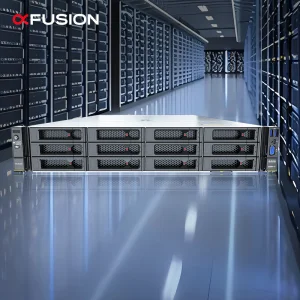
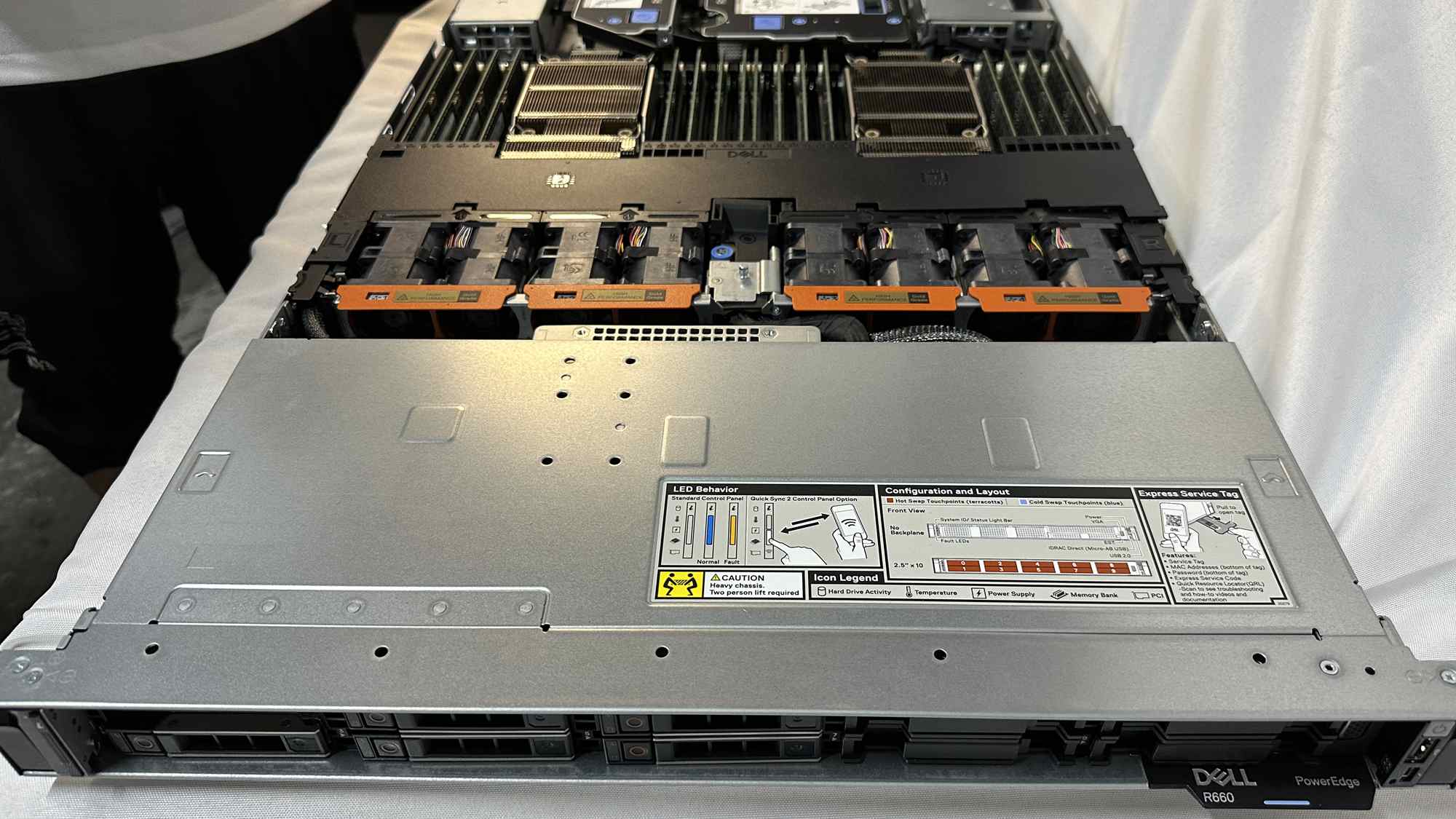
Enterprises require modular node layouts. Multi-drive rack servers, like the xFusion 2288H V7 2U configuration, allow virtualization, storage, and computing resources to scale incrementally, reducing upfront capital expenditures.
| Procurement Pillar | Technical Metrics Required | TensorNova Factory Solution |
|---|---|---|
| GPU Cluster Density | PCIe Gen 5.0, 8x GPU direct-interconnect topologies | FusionServer G8600 V7 8U GPU servers & custom thermal loops |
| Storage Latency | NVMe Tri-mode RAID, U.2 / U.3 SAS SSD storage pools | Custom 9560-8i RAID system designs & backplane assemblies |
| Energy Efficiency | Titanium 80-Plus PSUs, dynamic airflow profiling | 1400W-1500W hot-swap redundant power units with BMC controls |
| Virtualization Support | Hyperconverged Infrastructure (HCI) software compliance | xFusion 2288H V6 / V7 node validations for virtualization hypervisors |
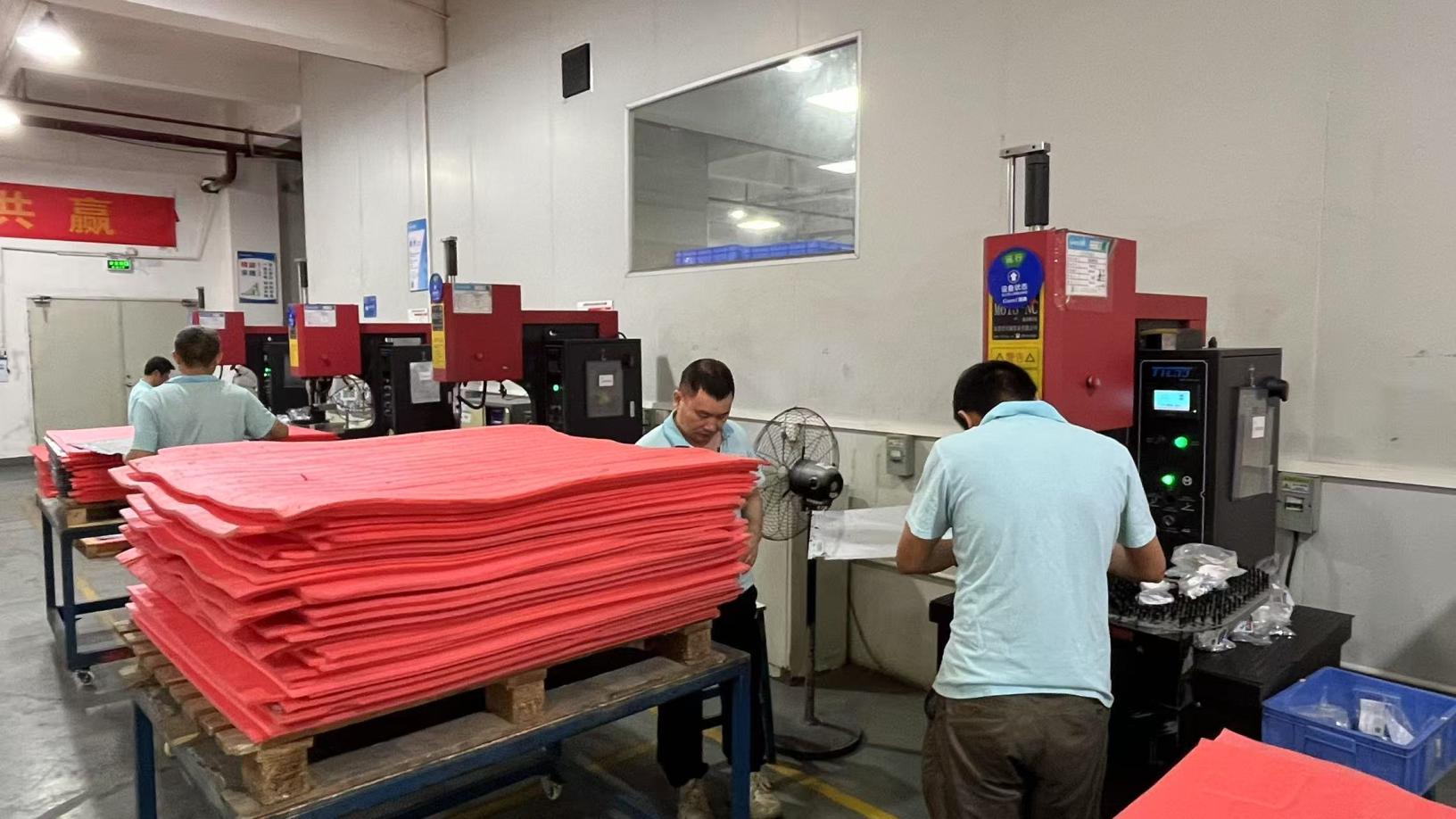
China’s manufacturing ecosystem, centered in global technology clusters like Shenzhen, offers unmatched efficiency and component sourcing advantages. TensorNova leverages this infrastructure to guarantee steady supply chains, rapid prototyping, and cost-controlled logistics.
Through deep integration with global chipmakers, memory suppliers, and passive component fabricators, we bypass procurement blockages. This broad network ensures stable lead times even during global component shortages.
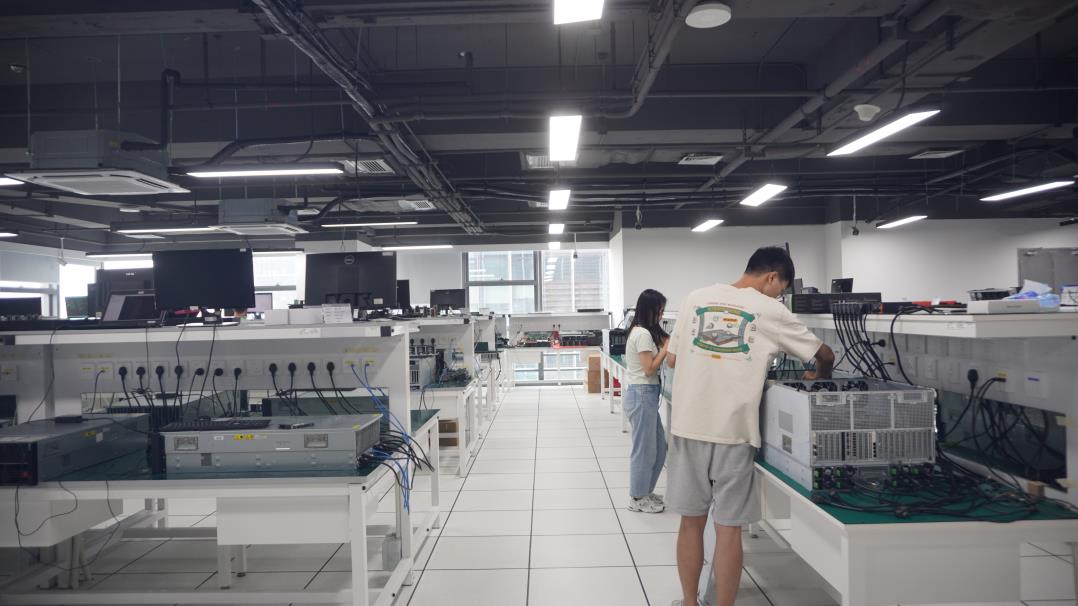
Our facility handles high-density server configurations. Technicians perform motherboard tuning, install custom-built liquid cooling pipelines, and assemble complex NVMe/SAS backplanes to match client specifications.
Every integrated system undergoes rigorous validation. Automated hardware stress testing, high-temperature burn-in chambers, and AI workload simulations (running DeepSeek and large LLMs) isolate potential points of failure.



Modern businesses face challenges with siloed infrastructures. True optimization requires bridging compute, storage, and networking layers. TensorNova’s OEM design services focus on providing the integration tools needed to make hardware components work as a unified system.
Our custom motherboards feature standard Redfish and IPMI Out-of-Band (OOB) administration layers. System administrators can configure BIOS settings, monitor hardware metrics, and flash firmware remotely across hundreds of nodes in real time.
By utilizing tri-mode SAS/SATA/NVMe backplanes alongside cards like the 9560-8i, we build systems that allow storage resources to scale. Administrators can partition NVMe drives dynamically to handle cache-heavy workloads without hardware rebuilds.
Deploying high-power GPUs requires smart power distribution. Our hardware is engineered for optimal airflow, supporting redundant high-efficiency power supplies and intelligent cooling loops that respond dynamically to heavy AI processing.
As workloads scale, data center hardware must evolve. Our engineering teams design hardware platforms with tomorrow's technologies in mind, ensuring the systems we build today remain compatible with future upgrades.
Our team is designing next-generation PCIe Gen 6.0 system architectures. Incorporating Compute Express Link (CXL) technology allows shared memory pools between CPUs and accelerators, maximizing data transfer efficiency.
As GPU heat outputs rise, traditional air cooling reaches its limits. We are developing direct-to-chip liquid cooling systems and closed-loop liquid cooling manifolds to keep high-density servers running efficiently under sustained workloads.
We are integrating machine learning models directly into baseboard management controllers (BMCs). This allows systems to adjust fan profiles, power states, and I/O routing dynamically based on real-time application behavior.
In line with global environmental standards, our upcoming architectures emphasize circular design. This includes using recyclable materials, reducing PCB waste, and maximizing power supply conversion efficiency.
Shipping enterprise hardware globally requires strict compliance and logistics management. TensorNova supports global deployments with localized assistance and certified manufacturing standards.
Our systems conform to international safety and emission standards, carrying CE, FCC, RoHS, and CCC marks. This ensures smooth customs clearance and compatibility with standard corporate infrastructure.
We work closely with clients to build custom BIOS configurations, install specialized firmware, and package systems with customized branding. Our team ensures the hardware integrates seamlessly with your existing software stack.
Leveraging our export experience, we handle international shipping requirements, including customs documentation, secure crating, and carrier scheduling. This ensures hardware arrives safely and ready for deployment.