TensorNova
TensorNova
TensorNova
Explore our elite selection of high-density servers, GPU cloud platforms, and storage processors engineered for enterprise scalability.
The global computational market is undergoing an unprecedented paradigm shift. Centralized cloud architectures are no longer the single default choice for intensive artificial intelligence tasks. The rise of private LLM (Large Language Model) training, proprietary fine-tuning pipelines (e.g., DeepSeek R1, Llama-3 systems), and strict localized data privacy laws have propelled Custom OEM AI Workstations to the forefront of enterprise infrastructure strategies.
Across industries ranging from autonomous transport simulation to real-time clinical diagnostics, organizations require hyper-tailored computational endpoints. Standard off-the-shelf servers often fail to align with the specific cooling configurations, PCIe lane distribution, and memory bandwidth profiles required by modern deep learning models. As specialized systems integration grows in complexity, direct partnerships with expert Chinese manufacturing hubs like TensorNova are bridging the gap between raw compute requirements and deployment realities.
Moving sensitive corporate training data to the public cloud risks intellectual property exposure. On-premise OEM AI workstations keep sensitive model parameters and training sets securely behind local firewalls.
While cloud instances offer flexibility, high-utilization AI training workloads running 24/7 lead to astronomical monthly cloud bills. Specialized on-premise hardware can yield full ROI in under 12 months.
For applications such as robotic guidance, intelligent video analytics, and algorithmic trading, sending raw data to remote clouds introduces unacceptable network latency. Edge-optimized custom systems resolve this bottleneck.
As deep learning methodologies evolve from basic convolution layers to trillions of dense parameters, server design rules are changing radically. Today's hardware development focuses intensely on three architectural pillars:
This push for specialization makes generic, one-size-fits-all server architectures obsolete. Companies require strategic customization options, including motherboard-level tuning, specific BIOS optimization for model training routines, and custom cooling curves optimized for unique regional data center environments.
Founded in 2016, TensorNova has established itself as an authoritative leader in high-performance hardware solutions. Backed by 12 years of industry-wide experience in AI computing, high-density server manufacturing, and systems integration, we specialize in bridging the gap between complex software computational requirements and physical silicon deployment.
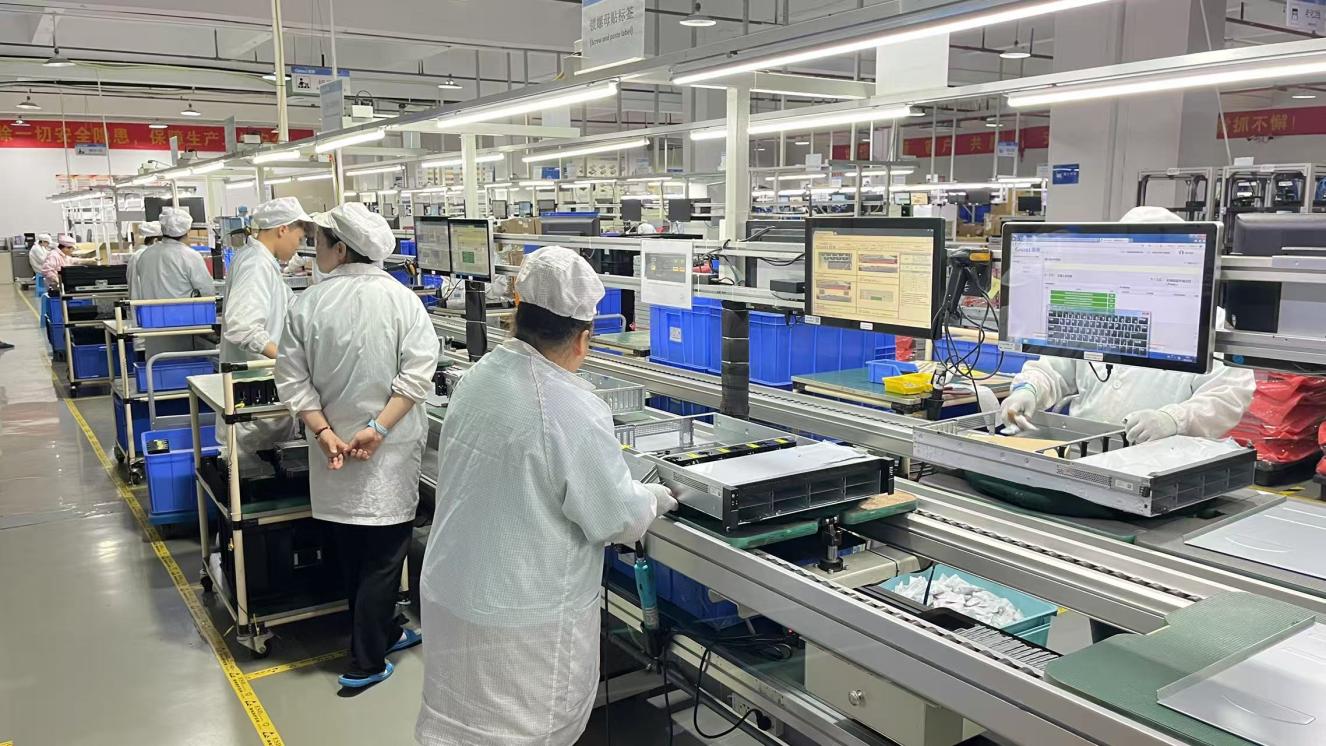
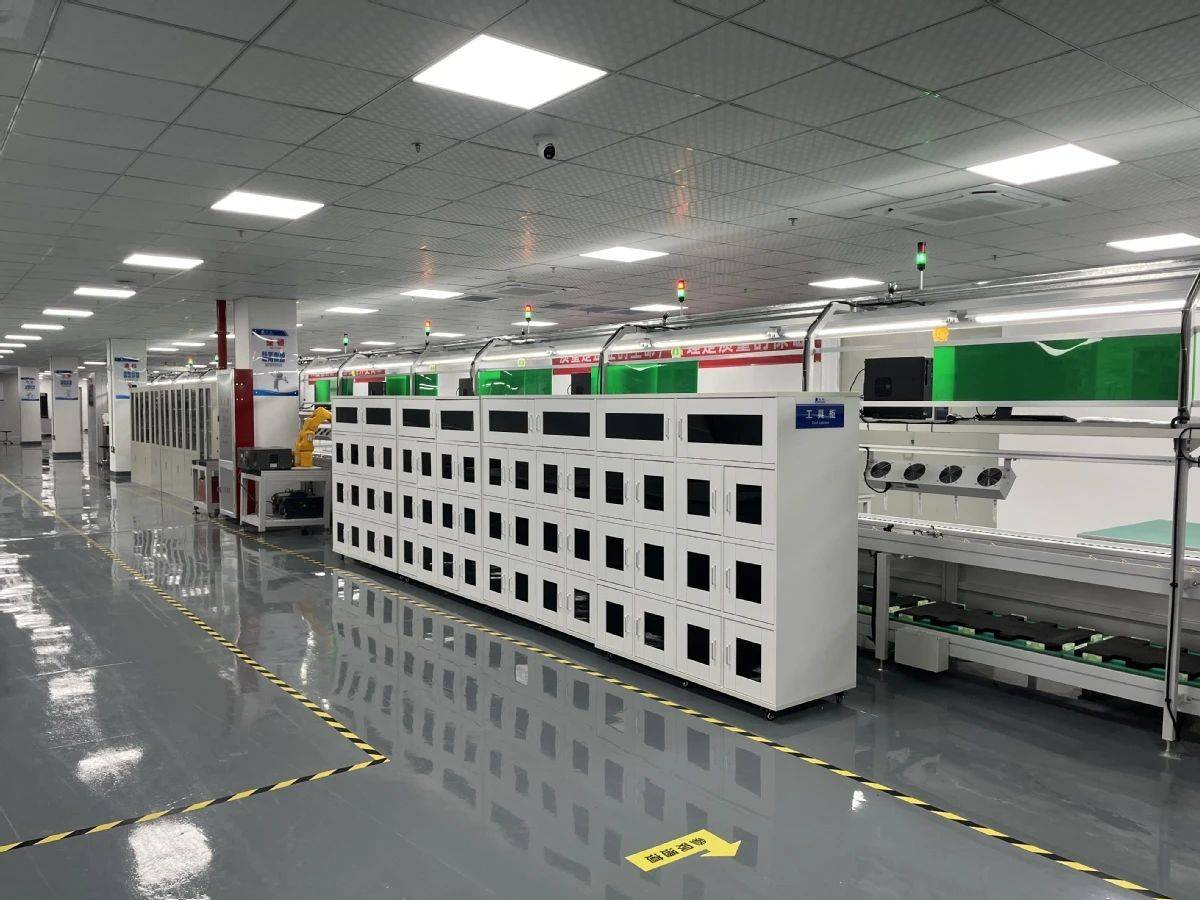
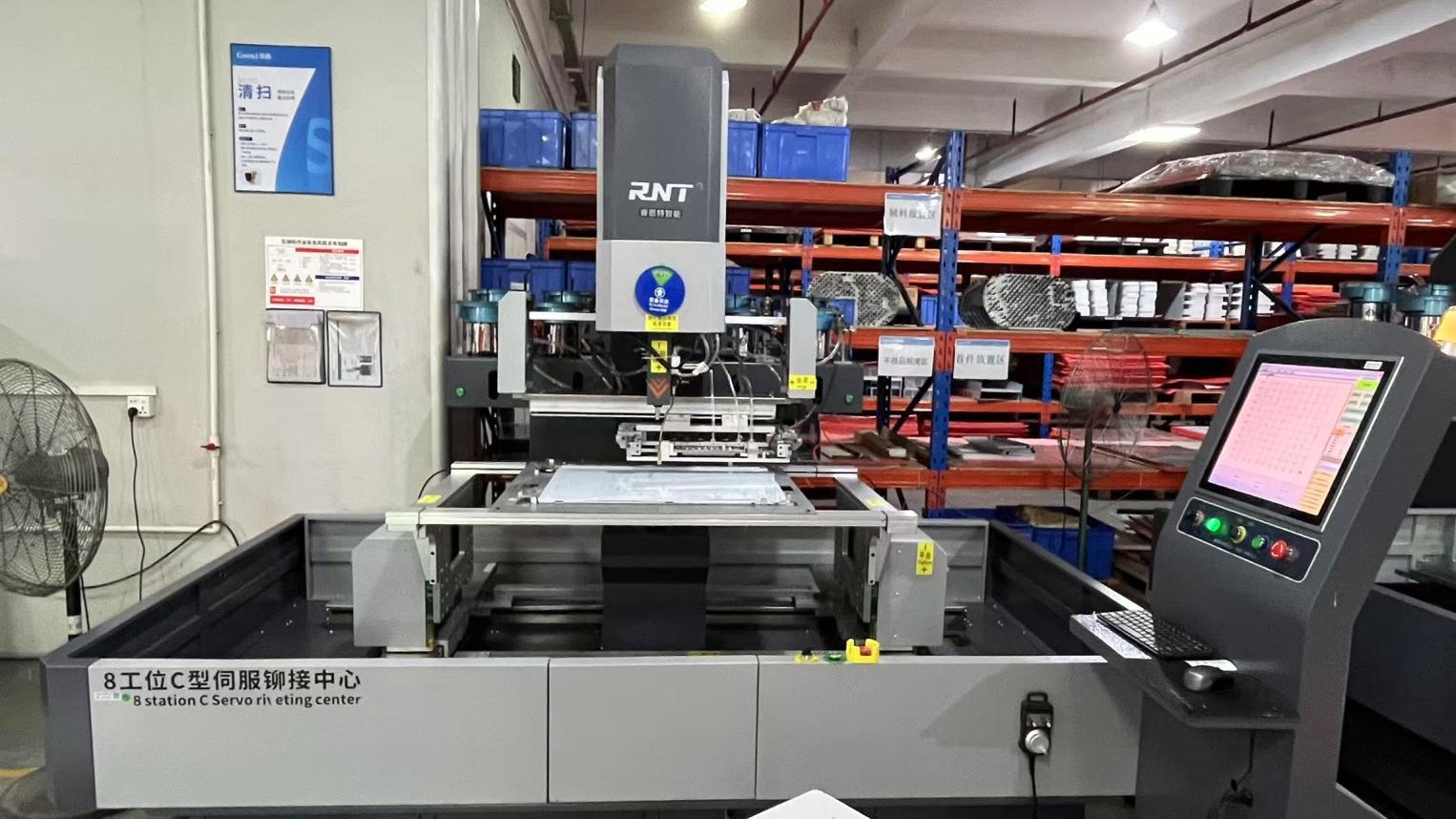
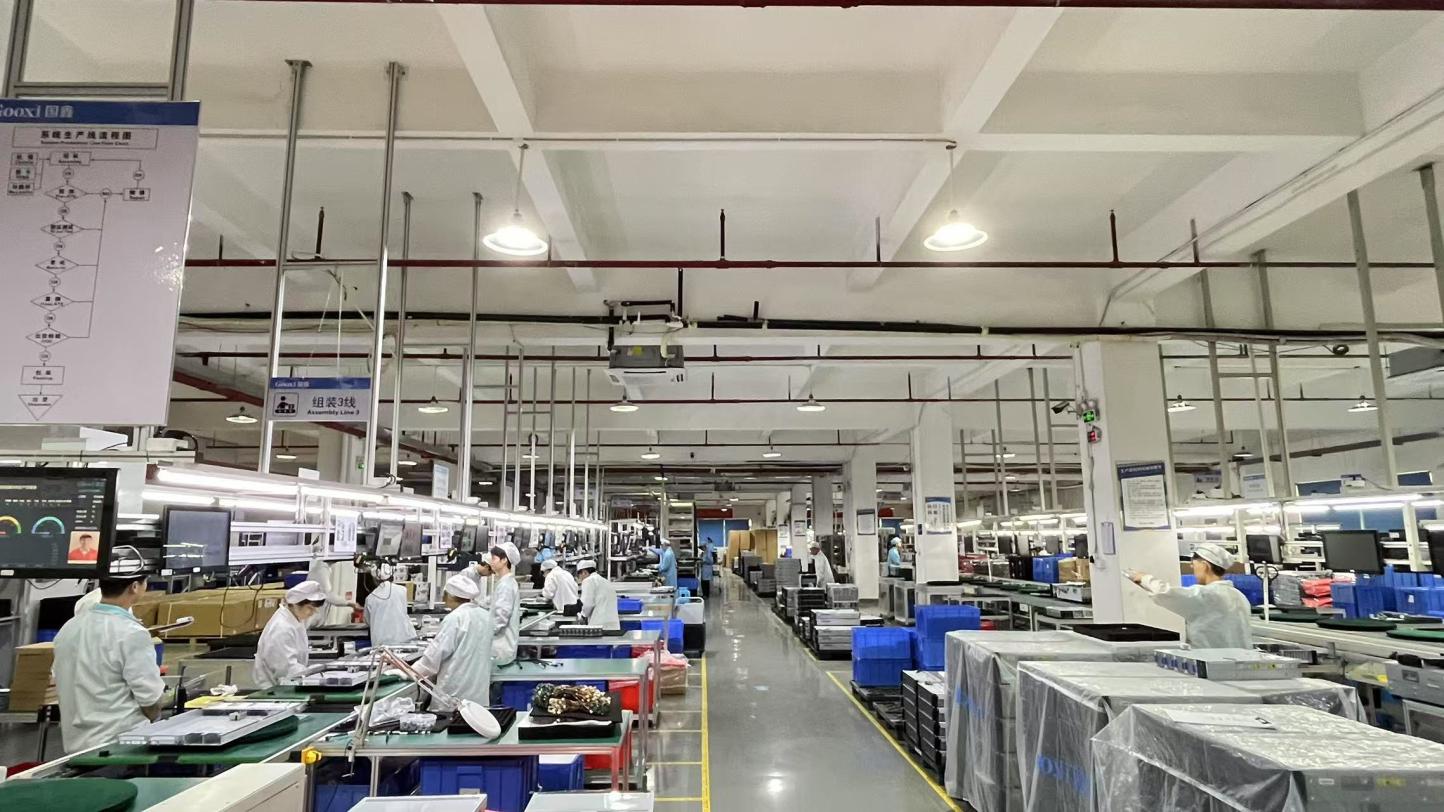
Operating from our advanced China-based assembly and integration facility, our production line is managed according to strict ISO9001 quality management guidelines. Every custom OEM workstation and GPU server undergoes a rigorous validation process, including:
With 6 years of export history, we have developed a logistics and customs clearance ecosystem that spans North America, Europe, Southeast Asia, and the Middle East, with primary service regions in the United States, Germany, Singapore, and the United Arab Emirates.
AI technology does not operate in a vacuum. The design of a custom OEM workstation depends heavily on where it is deployed and what operational challenges it must solve. Below are the primary vertical markets we serve:
Engineers training autonomous vehicle networks process petabytes of real-world video telemetry. Our custom workstations feature ultra-dense storage arrays with SAS RAID controllers and PM893 enterprise-grade SATA SSDs to ensure maximum read/write speeds, preventing data starvation during complex training runs.
Clinical settings running AI-driven pathology screening and genomic sequencing require highly stable compute architectures. Our customized, low-decibel workstation tower designs integrate easily into clean laboratory and hospital environments while maintaining server-grade compute power.
University labs often run mixed workloads, alternating between physics simulations, structural biology modeling, and machine learning research. We design highly versatile GPU/CPU configurations that support rapid reconfiguration and scale smoothly into wider cluster systems.
By offering customized physical architectures, customized motherboard designs, and tailored cooling loops (either whisper-quiet desktop air cooling or high-volume rack-mounted cooling), we ensure each system operates at peak efficiency for its specific localized use case.
Our long-term development strategy focuses on supporting next-generation computational technologies. As AI models transition from static training parameters to real-time agentic interactions, data throughput requirements are growing exponentially. TensorNova is actively optimizing its hardware designs to support several key emerging technologies:
By maintaining strong partnerships with leading chipmakers and component suppliers, we ensure our systems integrate the latest processing power, memory speed, and data transfer technologies to keep our clients ahead of the curve.
Get answers to key technical questions about custom AI hardware deployment.
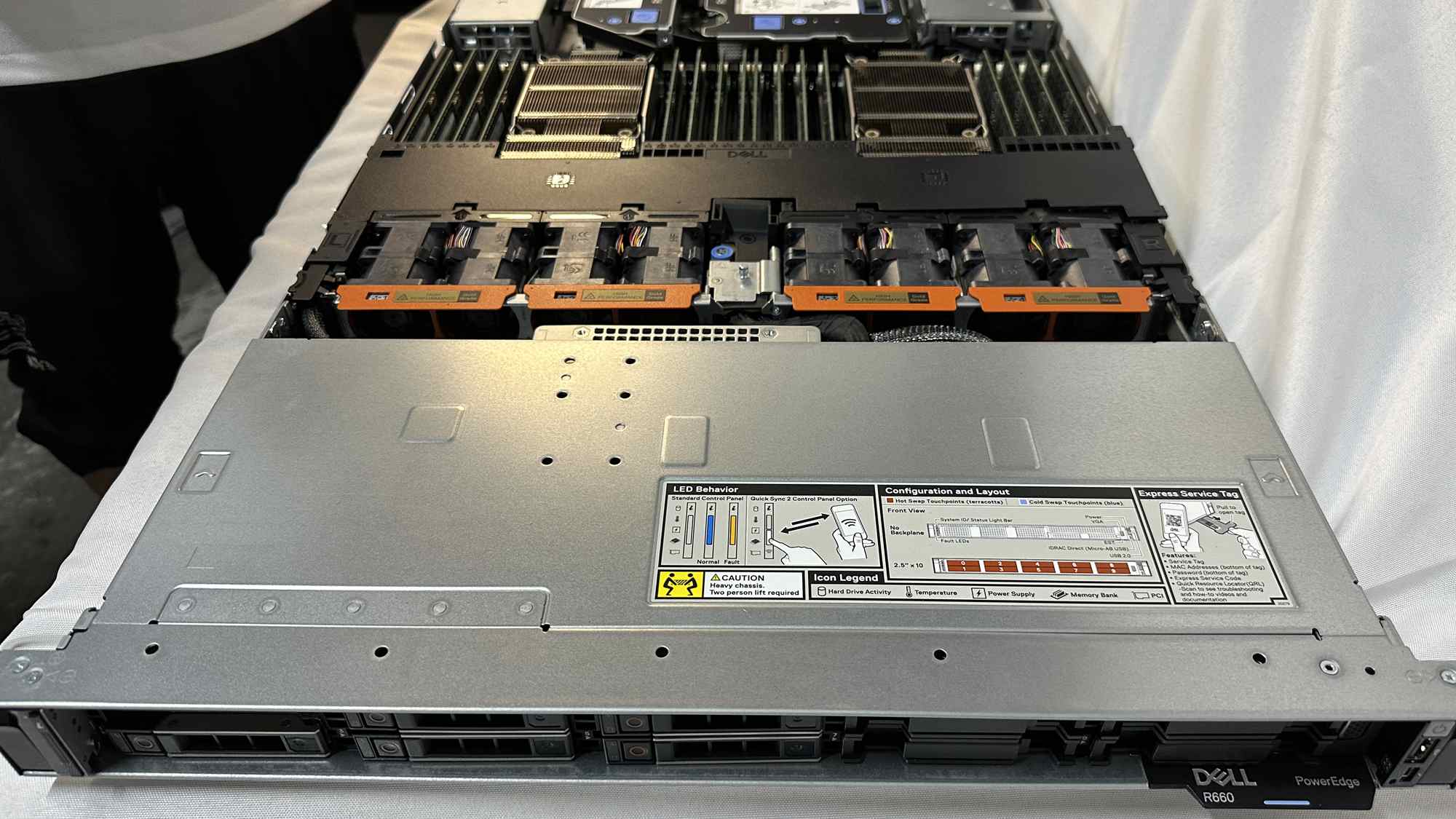
Explore our technical upgrades, including RAID controller cards, SSD storage arrays, and high-performance server configurations.
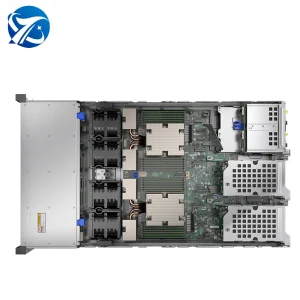
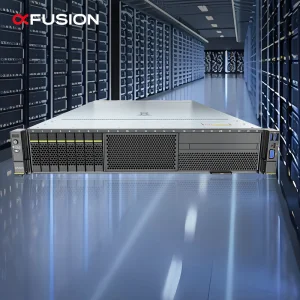
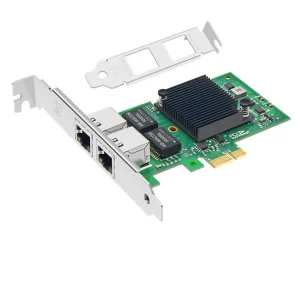
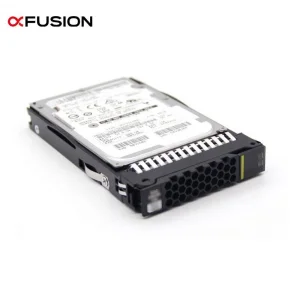
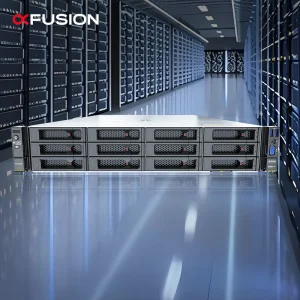
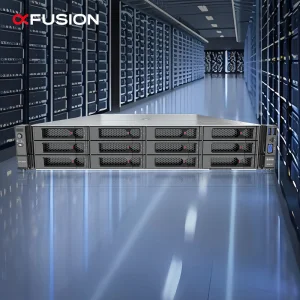
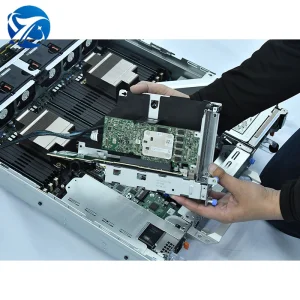
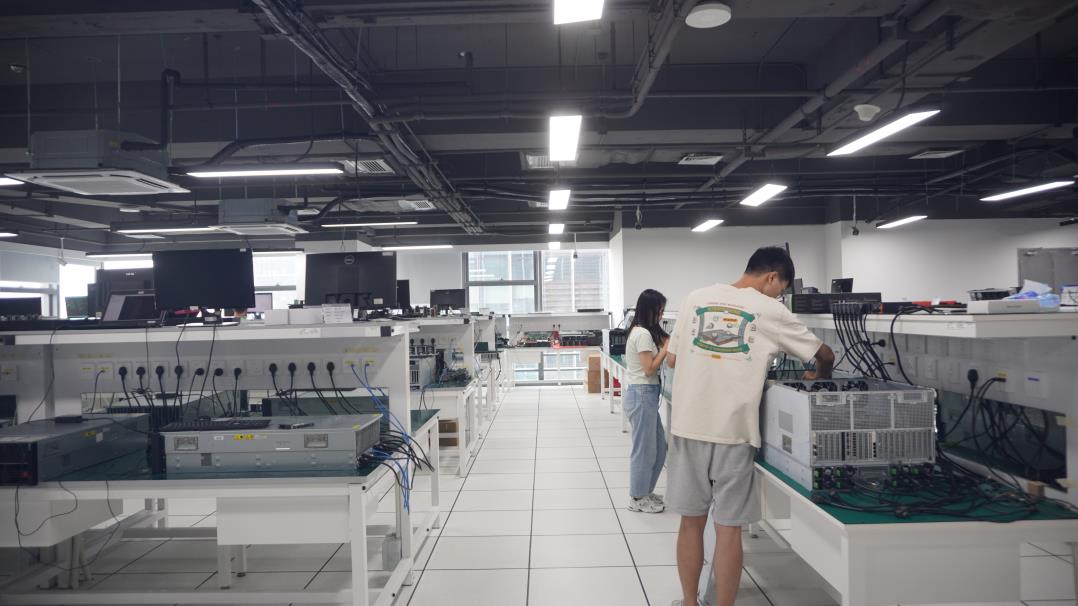
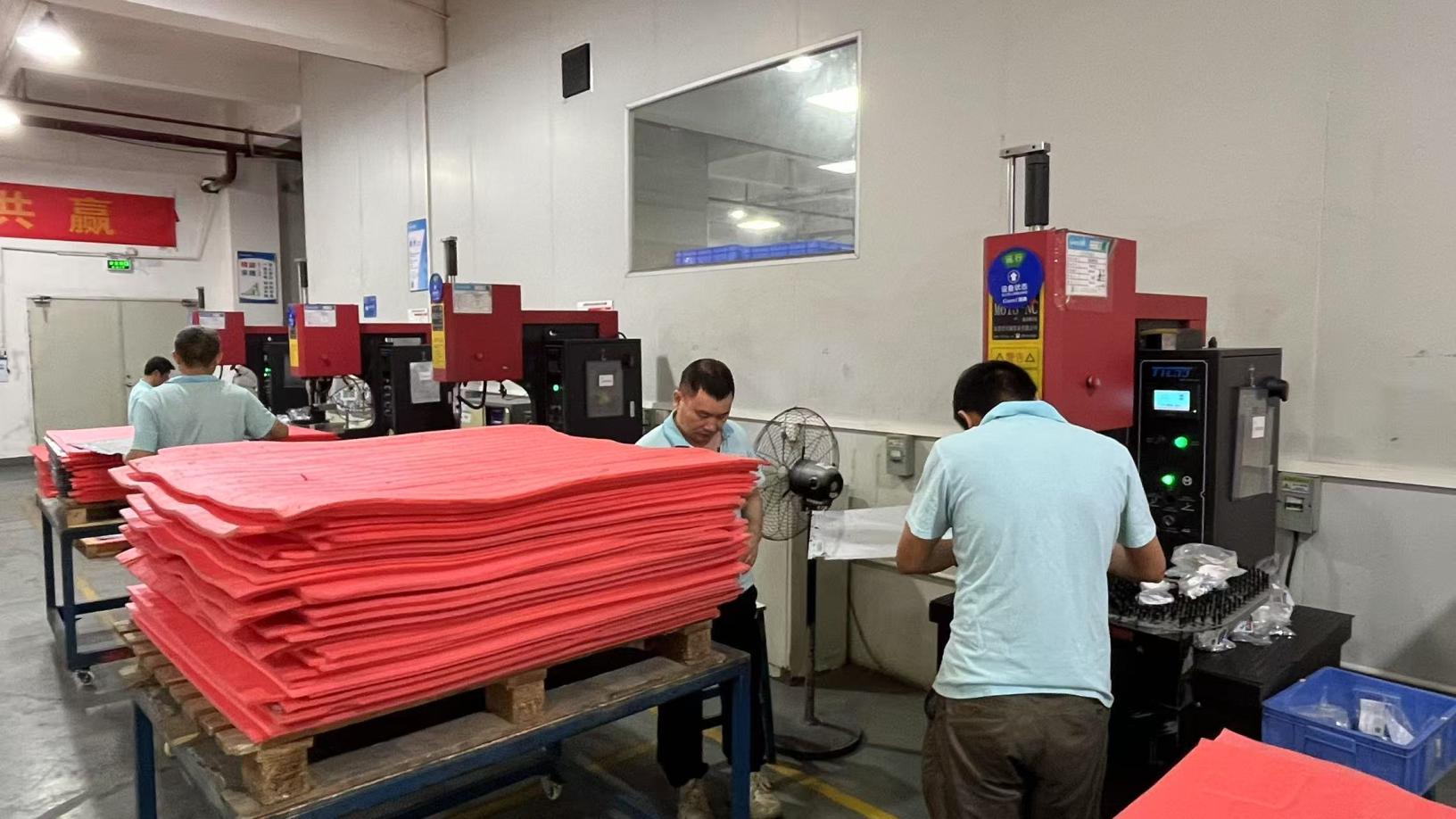
A glimpse inside our facility, server assembly lines, thermal testing zones, and advanced system configuration laboratories.