TensorNova
TensorNova
TensorNova
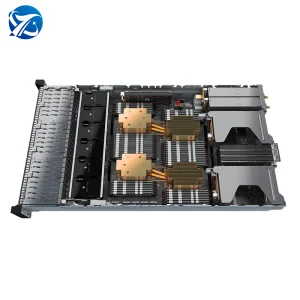
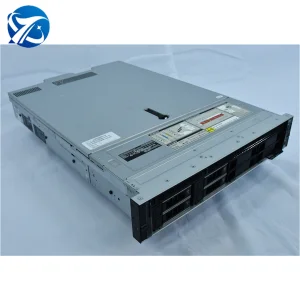
Deploy enterprise reliability with high-throughput controller cards, DeepSeek-optimized GPU nodes, and scalable storage configurations.
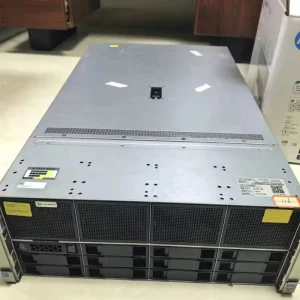
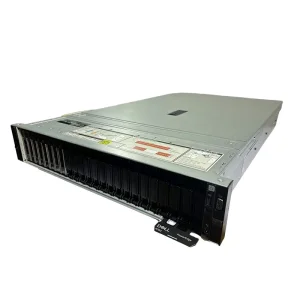
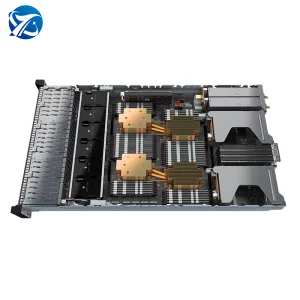
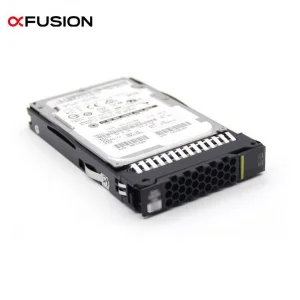
Modern enterprises are undergoing rapid digitalization, forcing networks to adapt. Traditional switching mechanisms can no longer keep up with the demands of AI model fine-tuning, large language models (LLMs), and low-latency hybrid cloud deployments. As a premier provider of networking and computational architectures, we design systems that match the requirements of modern network paradigms, such as HPE FlexFabric, Aruba CX OS configurations, and high-performance server interconnects.
In data center networks, managing bottlenecks requires looking beyond simple link speeds. The modern cloud demands smart routing protocols, robust Layer 2/3 hardware tables, and excellent power efficiency. Our systems integrate seamlessly with international networking standards, providing cloud operators and large enterprises with structural alternatives that lower total cost of ownership (TCO) without sacrificing quality.
High-density optical transceivers and switching nodes compatible with mainstream spine-and-leaf fabrics, offering lossless performance.
Ultra-low latency network components and high-cache RAID arrays designed to prevent packet loss in GPU-to-GPU clusters.
Zero-touch provisioning and software-defined architectures make it easy to configure and scale global IT deployments.
Founded in 2016, TensorNova has built a reliable supply ecosystem for AI and networking hardware.
Operating a specialized 320㎡ production and system integration facility, TensorNova provides advanced server assembly, testing, and component customization. Our product lines serve AI research centers, high-density server farms, and enterprise IT networks across the United States, Germany, Singapore, and the United Arab Emirates.
Our quality assurance workflow utilizes ISO9001-based quality management systems. Hardware undergo strict verification, including automated hardware stress testing, thermal performance validation, burn-in testing, and simulated AI workloads. This ensures every network controller, SSD, and multi-socket server performs reliably under demanding conditions.
Through strategic partnerships and a network of over 1,200 global suppliers, we secure high-grade silicon, optics, and PCB assemblies, providing stable pricing and lead times even during tight market conditions.
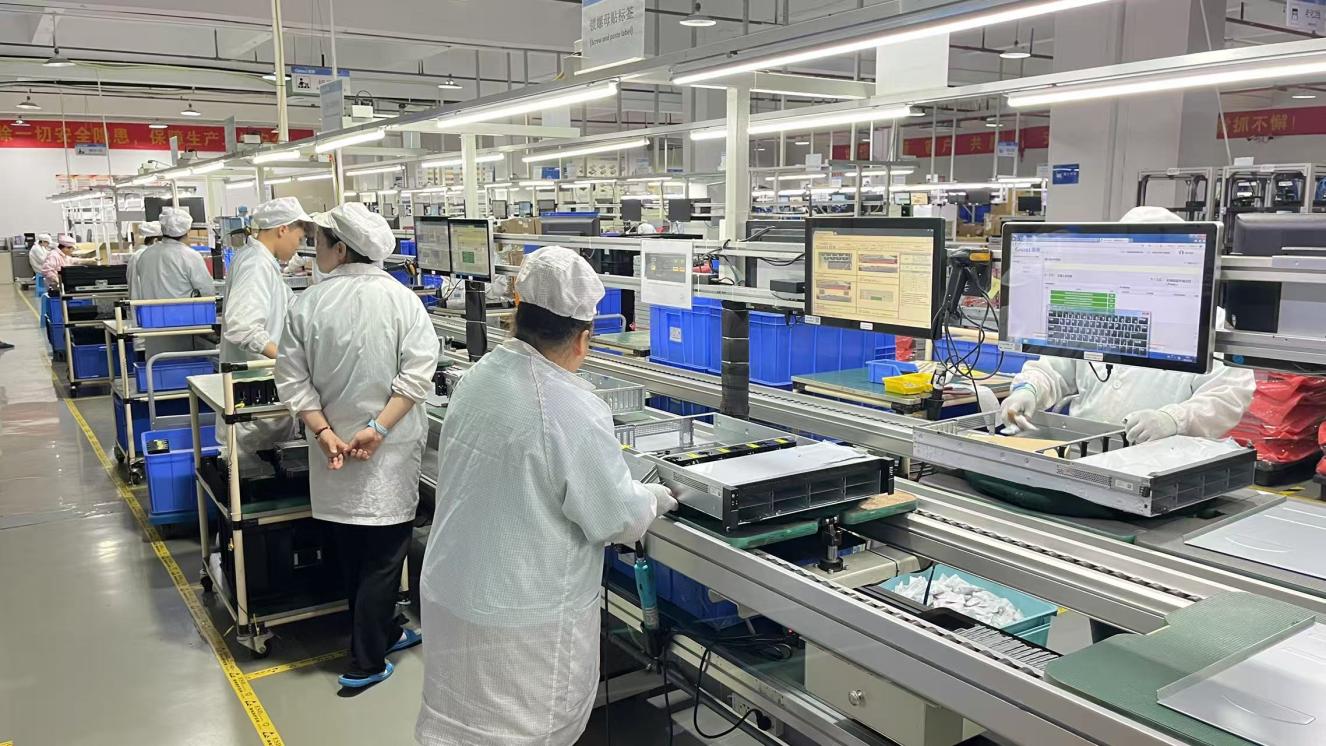
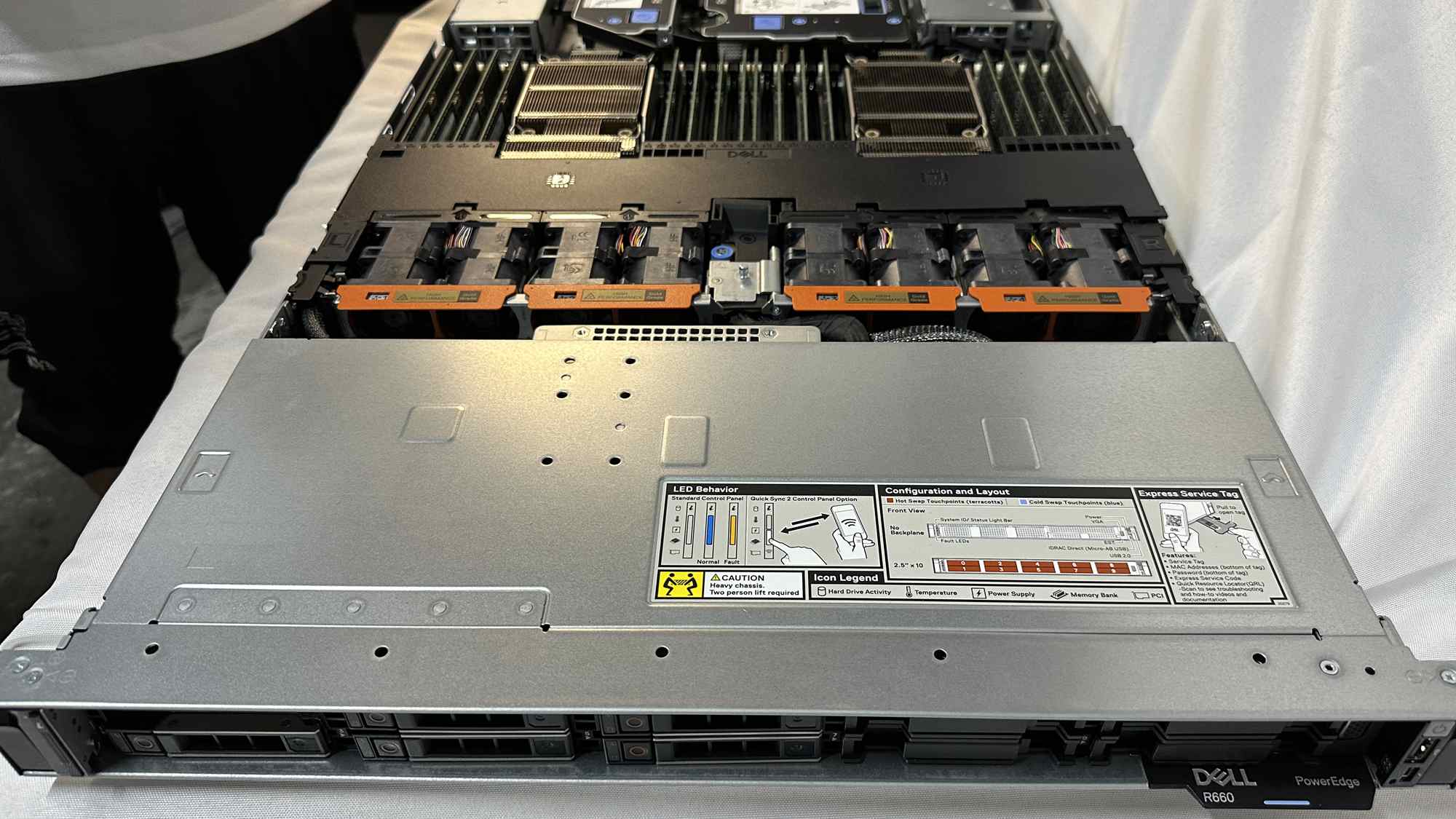
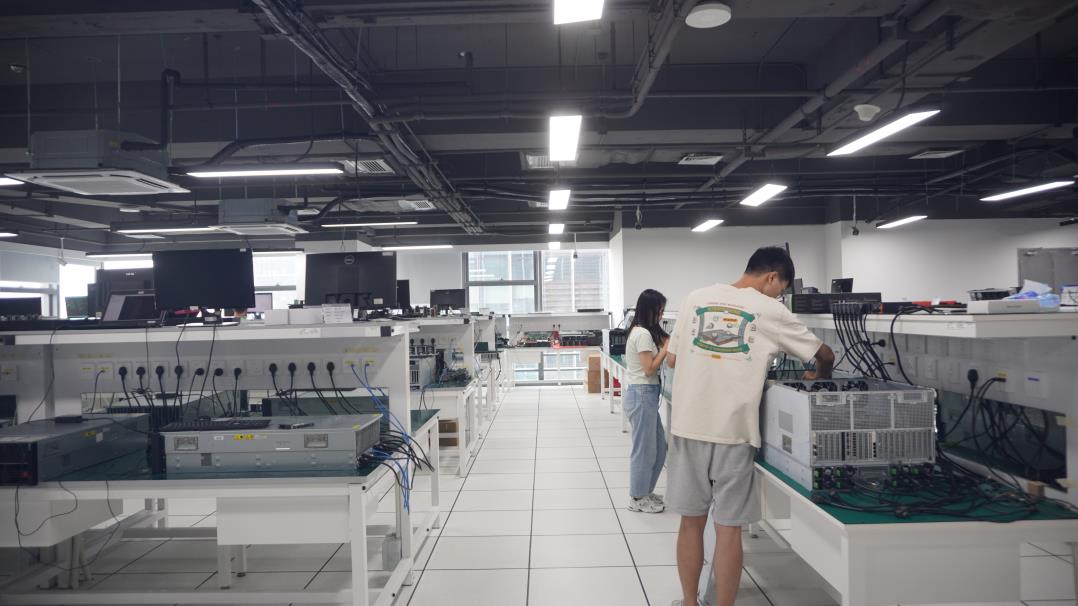
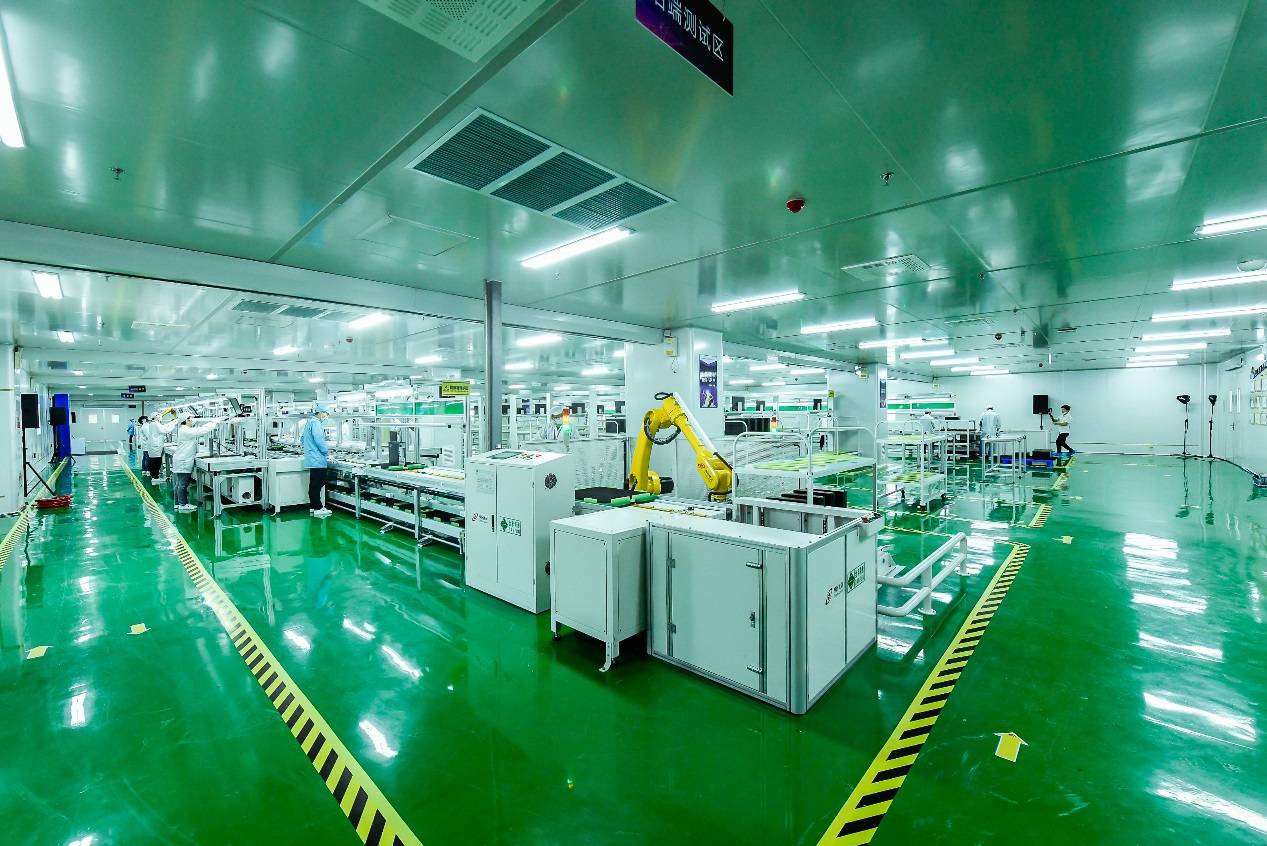
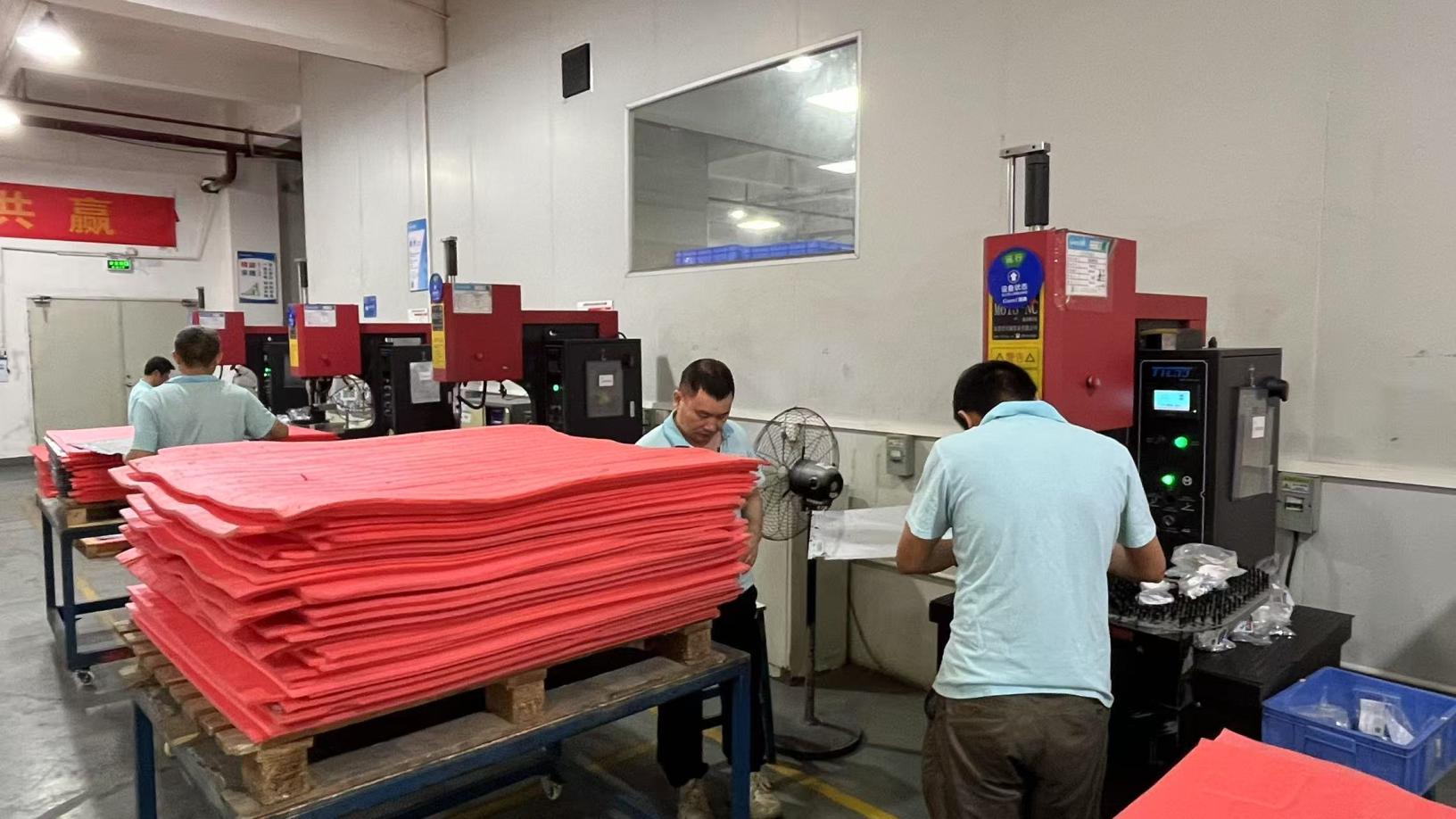
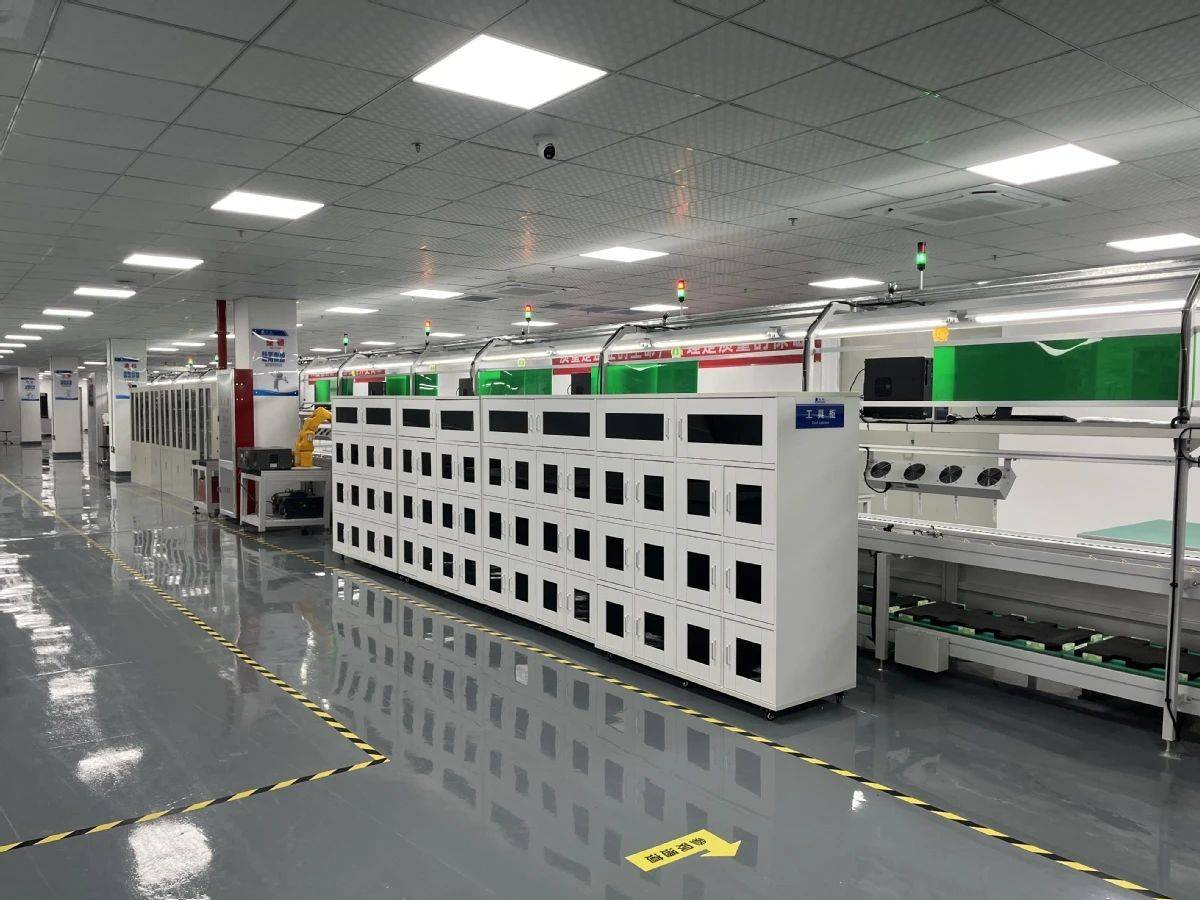


Enterprise networking requires hardware optimized for low latency and high bandwidth. In AI clusters and distributed databases, packet drops can cause training iterations to fail or databases to go out of sync. To prevent this, we design networking layouts with deep packet buffers, non-blocking fabric architectures, and robust cooling mechanisms to prevent thermal throttling.
Our solutions are designed to integrate with standard enterprise environments, including support for SFP28, QSFP28, and QSFP-DD form factors, enabling seamless operation up to 400G configurations. We match this with server storage architectures that utilize high-performance PCIe RAID controllers, SAS/SATA backplanes, and fast NVMe/SSD storage arrays to keep workloads running smoothly.
| Infrastructure Category | Core Standard Technical Specification | HPE Equivalent & Custom Support Matrix | Target Application Performance |
|---|---|---|---|
| Enterprise Core Switching | L3 Routing, OSPFv3, BGP-4, EVPN-VXLAN, RoCE v2 | FlexFabric 5945 / Aruba 8325 Equivalent configs | Ultra-low latency spine-leaf architecture (under 800ns) |
| High-Speed Transceivers | 10G SFP+, 25G SFP28, 100G QSFP28, 400G QSFP-DD | 100% HPE Aruba Transceiver EEPROM Compatible | Zero-bit error rate (BER) transmission up to 10km |
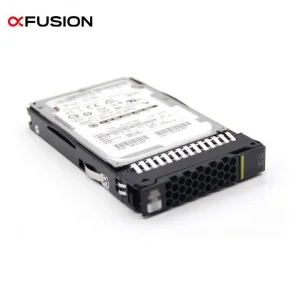
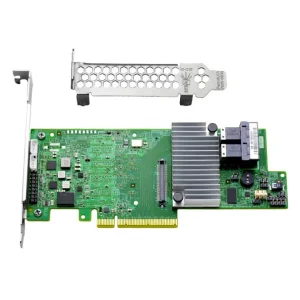
| Storage Array Backplane | SAS 12Gb/s, PCIe Gen 4.0 / Gen 5.0, NVMe Tri-Mode | Smart Array P408i-a / MegaRAID 9560-16i | High-cache (up to 8GB) data protection with zero-power backup |
| AI Cluster Network Fabric | Infiniband NDR 400G, RoCE v2, SmartNIC / DPU support | HPE Cray Cluster Interconnect Compatible layouts | Lossless RDMA over Converged Ethernet (RoCE) pipelines |
These components are built to handle intensive data operations. By optimizing the link layer and aligning with leading enterprise standards, we help businesses build resilient network pipelines that support modern, data-heavy workloads.
We ensure our networking and server hardware meets global regulatory and quality requirements.
Our products hold CE, FCC, RoHS, and UL approvals, ensuring they meet the security and environmental standards of markets like Europe and North America.
We source chips and optical components from verified tier-1 suppliers, ensuring long-term hardware availability and reliable product lifecycles.
We customize transceiver firmware and controller BIOS configurations to ensure plug-and-play compatibility with your existing switches and servers.
Every product undergoes multi-stage testing before leaving our facility to ensure reliable operation in demanding environments:
Networking and computing needs vary significantly by industry. We design and deliver custom solutions tailored to specific operating environments:
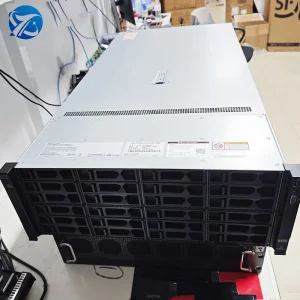
In AI training environments, GPU communication requires low latency. We design specialized InfiniBand and RoCE networks that support multi-chassis systems, such as the xFusion G8600 V7. This setup keeps data moving efficiently between processors, reducing bottlenecking during training.
For distributed enterprises, we offer energy-efficient PoE+ switches and optical transceivers. These components integrate with Aruba CX architectures, helping businesses scale their networks across corporate offices, warehouse complexes, and retail centers.
Industrial sites require rugged, reliable hardware. Our network components are built with electrostatic protection, dust-resistant chassis, and wide operating temperature tolerances to maintain reliable connectivity in challenging environments.
How TensorNova is evolving to meet the demands of next-generation enterprise networks.
As networks transition from 100G to 400G and 800G, traditional silicon reaching its physical limits. Next-generation systems will rely on Co-Packaged Optics (CPO) and Silicon Photonics to manage power and maintain signal integrity. TensorNova's R&D team is working to integrate these technologies into our future product lines.
Our upcoming product development focus includes:
Q3 2025: 800G QSFP-DD Transceivers with PAM4 modulation technology.
Q4 2025: Liquid-Cooled 8U GPU servers optimized for low-PUE enterprise computing.
Q2 2026: SmartNIC adapters supporting inline encryption and network address translation (NAT).
Answers to common questions regarding hardware compatibility, custom configurations, and global delivery.
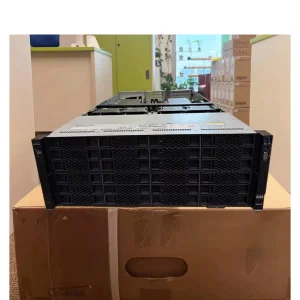
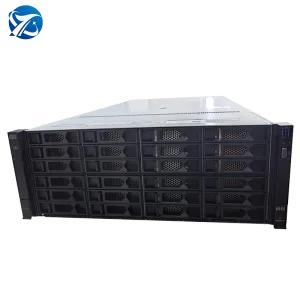
Ensure data integrity with high-density server configurations, surveillance storage, and SAS controllers.