TensorNova
TensorNova
TensorNova
Discover high-density, energy-efficient computer platforms engineered specifically to thrive under the heavy compute loads and high ambient climates of Manila's rapidly expanding hyper-scale facilities.
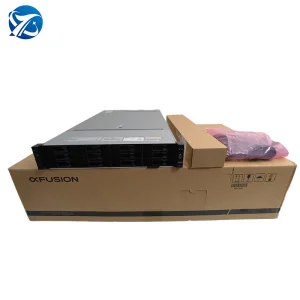
The digital economy of the Philippines is growing at an unprecedented rate, with Metro Manila serving as the epicentre of this technological transformation. Driven by the massive migration of workloads to cloud platforms, the proliferation of Business Process Outsourcing (BPO) operations, and the sudden integration of Artificial Intelligence (AI) models, data centers in the region are undergoing radical expansions. Global tech giants and local conglomerates are investing hundreds of millions of dollars to build state-of-the-art server farms across Makati, BGC, Taguig, and Quezon City.
As cooling costs and power consumption remain structural challenges due to the hot and humid tropical environment of the Philippines, the choice of core infrastructure hardware is more critical than ever. The entry of V7 Rack Server Architecture has marked a paradigm shift in how system administrators balance raw throughput against thermal efficiency.
Designed with high-density server optimization, intelligent fan speed controllers, and optimized heat sink channels, the V7 platform is the natural choice for Manila’s evolving infrastructure. These enterprise-grade units enable data centers to drastically lower their Power Usage Effectiveness (PUE) ratios while maintaining top-tier computing metrics.
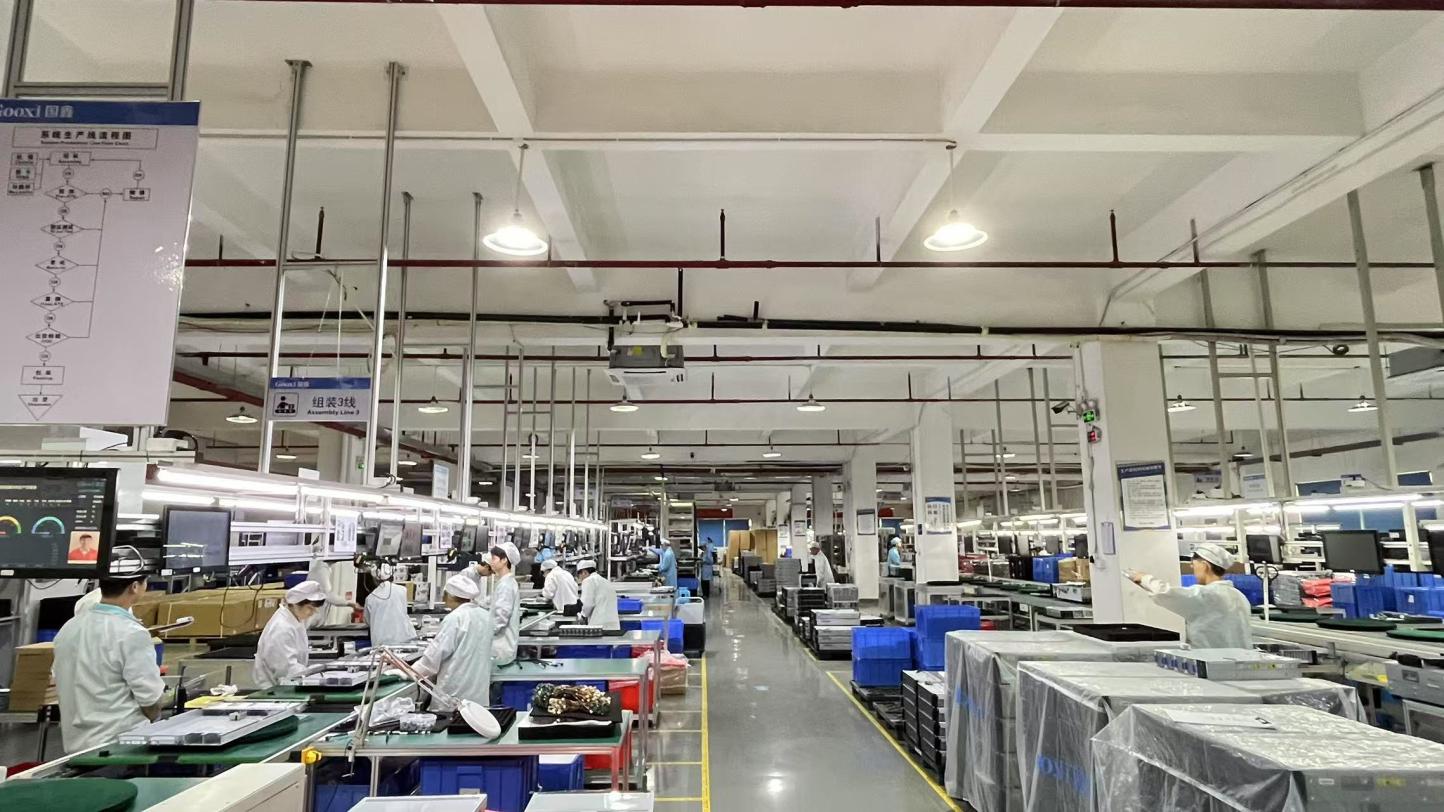
For purchasing managers in the Philippines and global conglomerates seeking deployment in Manila, logistics speed, price-to-performance ratio, and hardware quality assurance are non-negotiable. TensorNova bridges this gap by marrying next-generation China Factory 4.0 manufacturing processes with robust logistics networks focused on Southeast Asia.
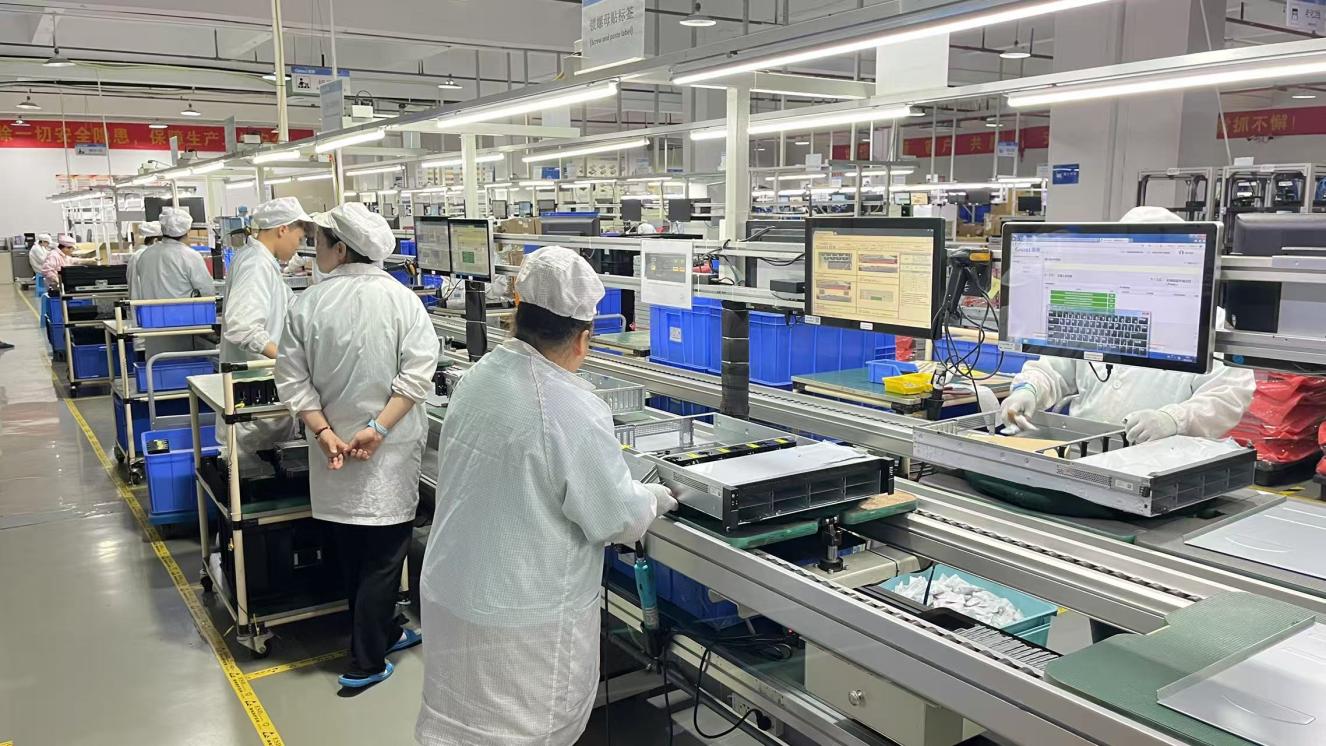
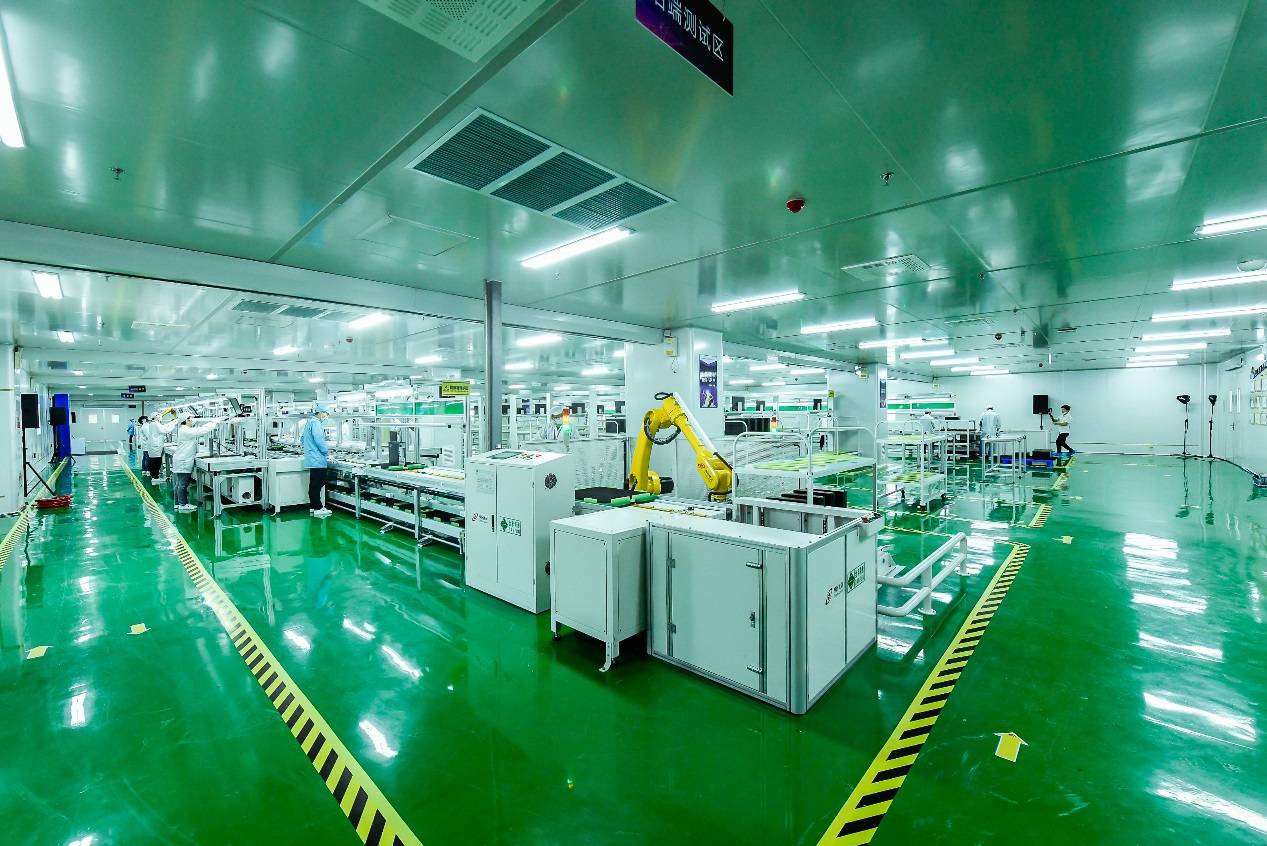
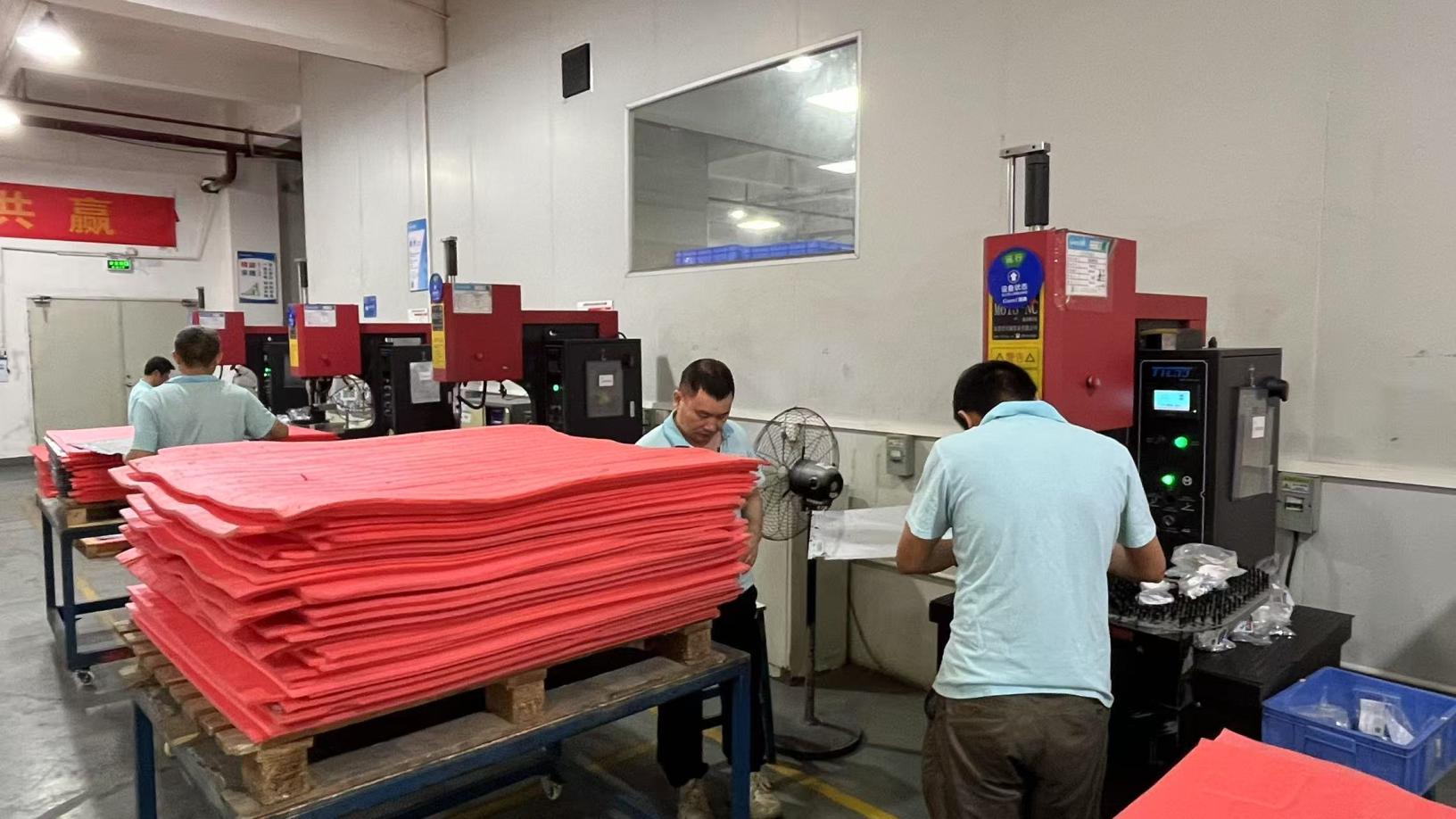
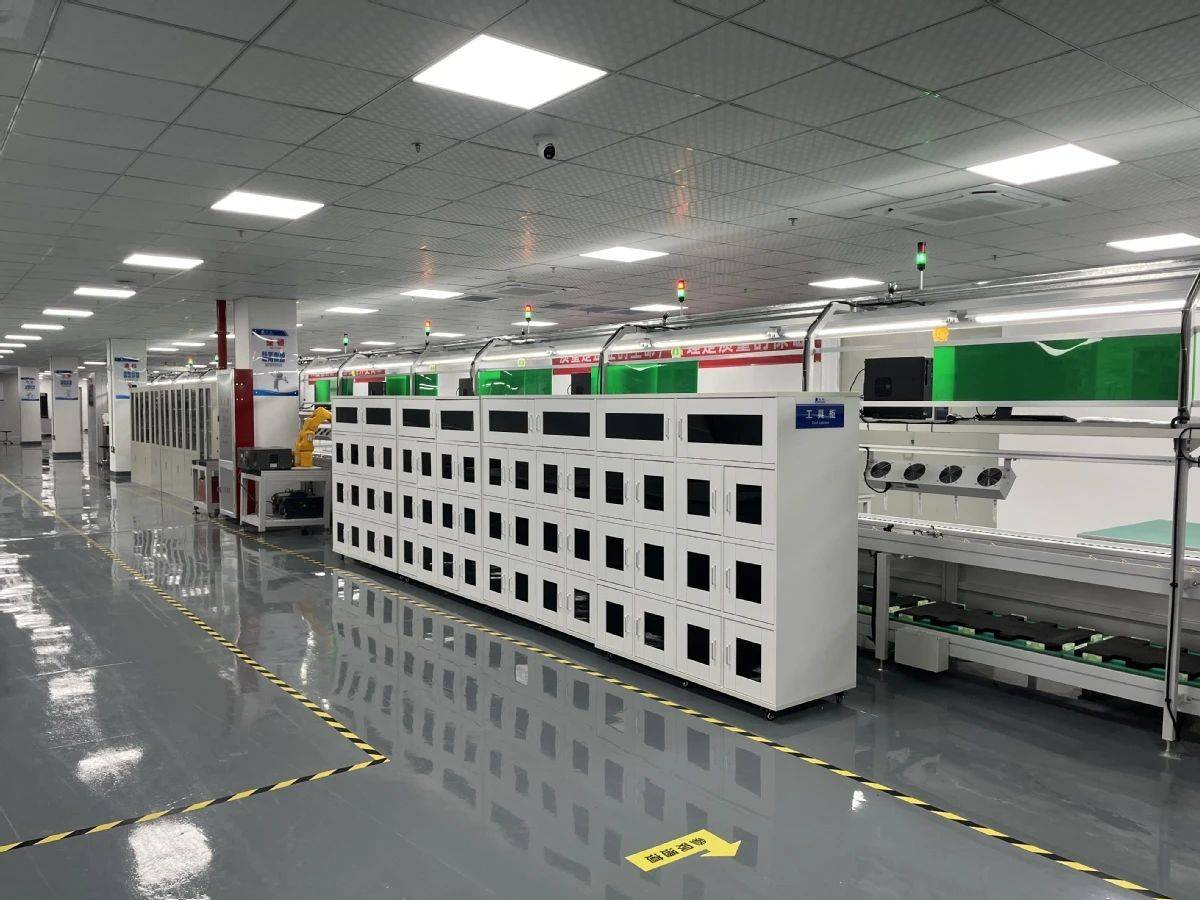
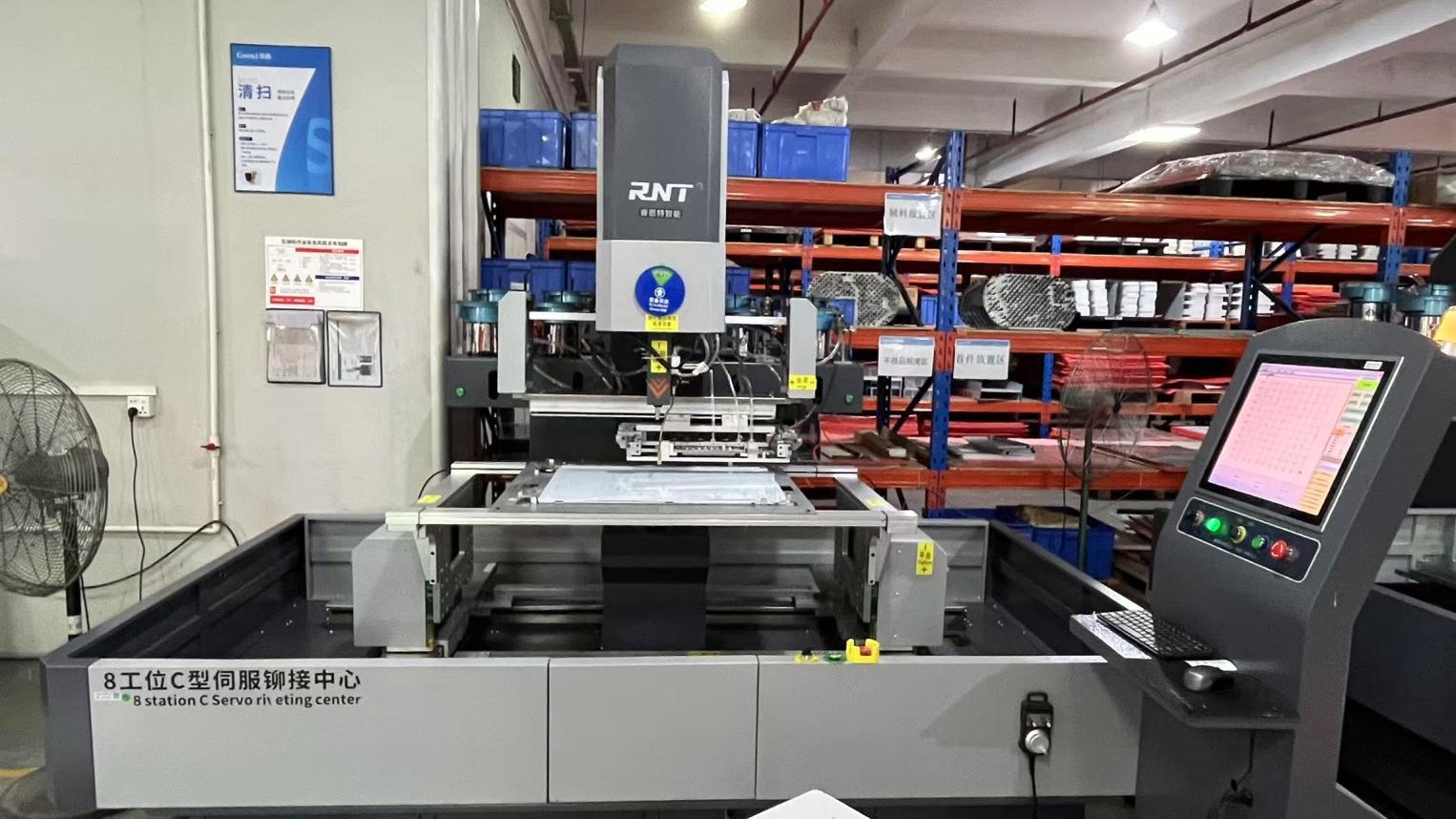
Every single node undergoes rigorous automated stress tests, deep environment chamber heat runs, memory latency validations, and simulated AI model execution before leaving our assembly lines.
With strategic partnerships spanning more than 1,200 suppliers globally, TensorNova maintains buffer inventories of micro-controllers, memory modules, and specialized PCIE boards to bypass silicon shortage challenges.
Operated strictly under certified ISO9001-based quality control standard frameworks. Our 45 dedicated inspectors and 180 expert R&D engineers guarantee computing systems configured to perform reliably from day one.
Different commercial zones within the Metro Manila area demand varied computing infrastructures. The V7 Server Series caters to all these specialized applications with tailored configurations:
Designed for high-reliability transactional environments. High frequency financial systems demand low latency DDR5 storage and PCIe Gen5 channels to process and match millions of digital transactions per second without performance drops.
Manila's outsourcing sector uses DeepSeek and other advanced AI LLM tools for customer routing. High-performance GPU nodes (such as the G8600 V7 8U GPU Rack) ensure thousands of real-time voice-to-text queries run concurrently.
Located at the boundaries of Metro Manila, industrial parks utilize 1U & 2U V7 edge computers for optical sorting, production line telemetry tracking, predictive machinery maintenance models, and plant security operations.
TensorNova is a professional, high-performance AI GPU server manufacturer and infrastructure solution provider based in China. Since our establishment in 2016, we have committed ourselves to engineering scalable, high-performance computing clusters and robust server platforms for hyper-scale players, modern AI research institutions, and enterprises worldwide.
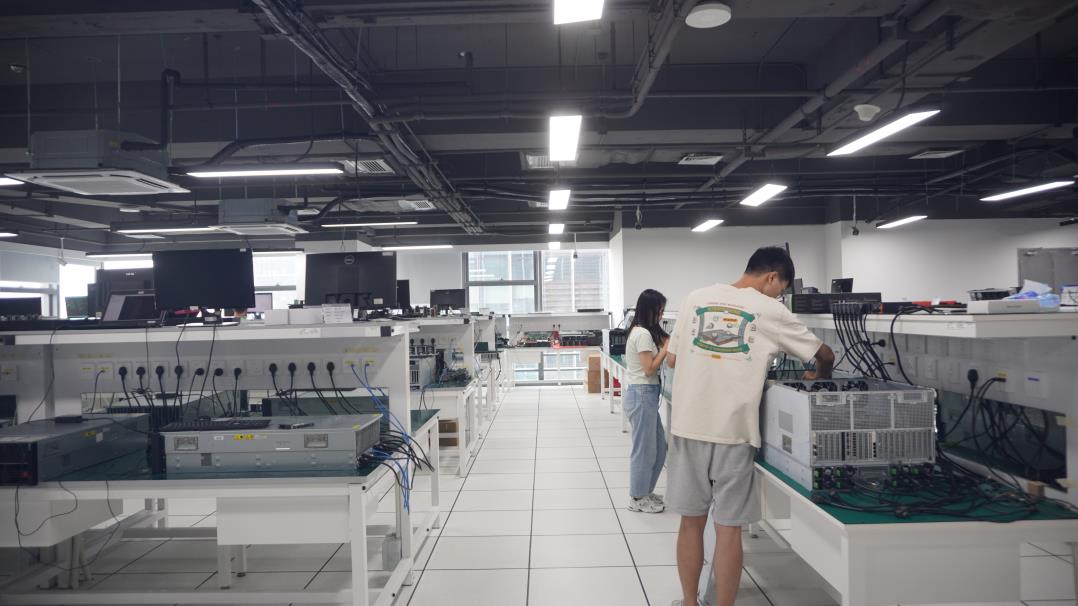
Operating from a modern system integration facility of 320㎡ dedicated entirely to high-precision motherboard testing, L10 system integration, thermal testing chambers, and firmware validation, our teams work relentlessly to exceed industry benchmarks. Leveraging over 12 years of industry experience in high-performance computing, we continue to lead the development of specialized server solutions.
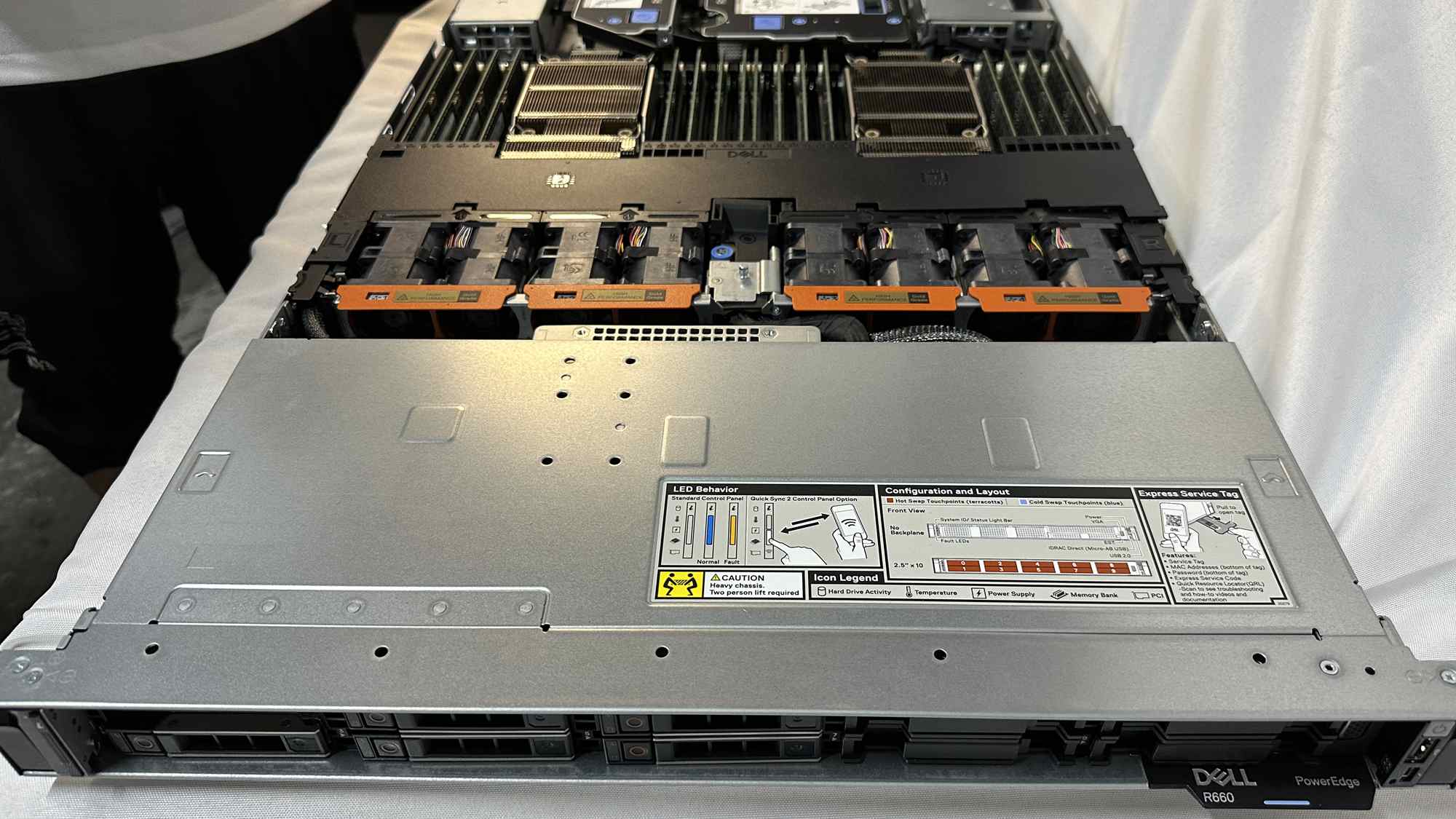
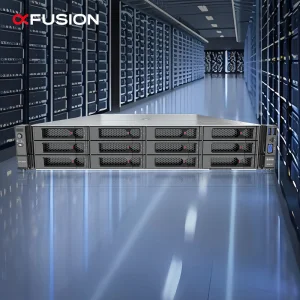
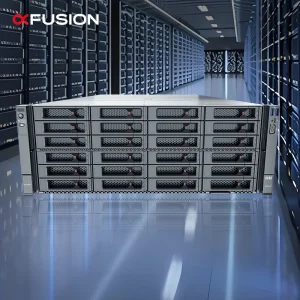
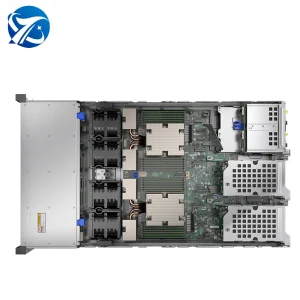
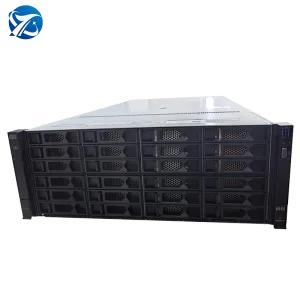
Explore the complete enterprise rack server array from TensorNova. High density computing configurations designed to fulfill workloads for edge calculations, NAS systems, LLM, and general virtualized server farms.
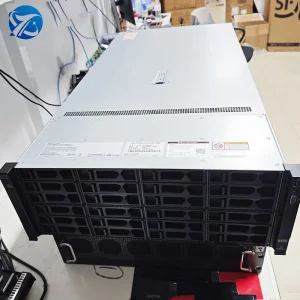
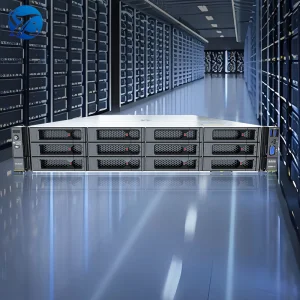
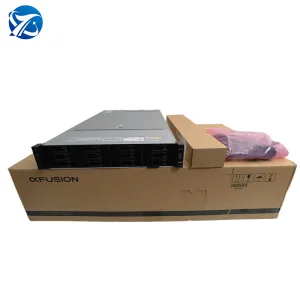
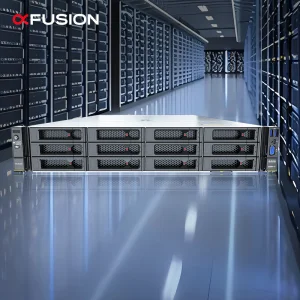
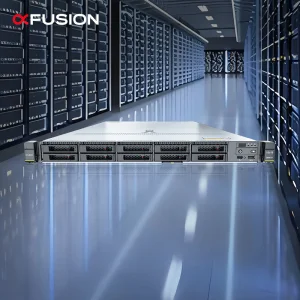
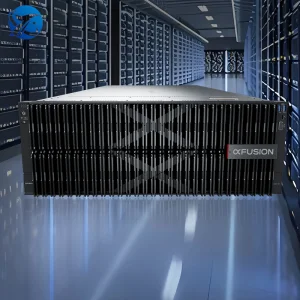
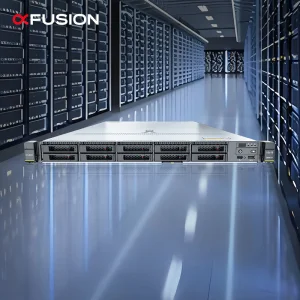
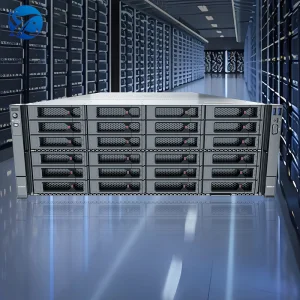
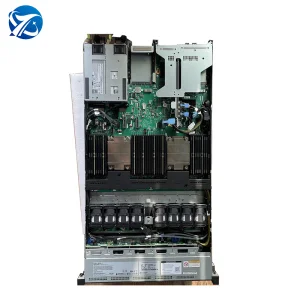
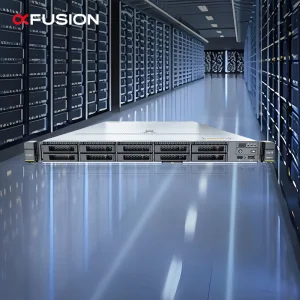
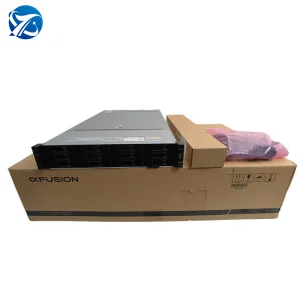
When engineering high-performance hardware structures to be shipped internationally, specific thermodynamic elements govern long-term field success. A standard server rack deployed in Stockholm operates in radically different ambient baselines compared to one running in Manila. Hence, our structural engineers evaluate the thermodynamic properties of the V7 design using strict localized models.
In humid tropical datacenters, pure air-cooling approaches require significant fan horsepower, increasing overall facility power consumption. TensorNova's high-density V7 models offer optional closed-loop liquid cooling plates directly over the CPU and GPU cores. This system captures up to 75% of core processor thermal emissions via high-conductivity copper plates, transferring it directly to localized heat exchangers. Consequently, operators can keep ambient room temperatures higher without risking local server throttling.
As deep learning workloads like DeepSeek become standard for customer-facing applications in Manila's business centers, database bottlenecks must be avoided. Integrating double-bandwidth PCIe Gen 5 channels along with Compute Express Link (CXL) allows the system memory, processor registers, and GPU banks to maintain a unified memory workspace. This minimizes processor cycle waits and dramatically improves the latency curves of real-time natural language engines.
In developing nations, public power grids can experience sudden voltage fluctuations. To protect expensive processing cores, all TensorNova V7 servers feature industrial-grade, platinum-certified redundant power supply units (PSUs) supporting 1+1 or 2+2 setups. These components feature auto-switching active phase control, optimizing power efficiency levels even during low idle cycles. This safeguard minimizes localized power loss events, ensuring 24/7 uptime for your critical operations.
Deploying infrastructure in a different country demands reliable remote management capabilities. Our Baseboard Management Controller (BMC) cards support IPMI 2.0 and Redfish API protocols, allowing offshore engineering teams to monitor temperatures down to the individual component level, perform system updates, power cycle servers, and isolate hardware errors without needing local technical staff on site.
Essential answers regarding procurement, system integration, shipping pathways, and deployment of V7 servers to Manila, Philippines.