TensorNova
TensorNova
TensorNova
Optimized hardware solutions configured for Sydney's enterprise edge and multi-tenant data center environments.
As the primary financial, industrial, and technology hub of Australia and the broader Oceania region, Sydney is undergoing an unprecedented digital transformation. Driven by the rapid scale-up of hyperscale cloud installations in regions like Western Sydney, Macquarie Park, and Alexandria, the demand for enterprise-grade networking fabric has escalated. High-performance L2/L3 switches serve as the central circulatory system of these data centers, enabling the routing of petabytes of data with minimal latency.
Sydney Market Context: The concentration of Tier-III and Tier-IV data centers (operated by players like Equinix, NEXTDC, Global Switch, and Macquarie Technology Group) has designated Sydney as the cloud capital of the Southern Hemisphere. Local systems integrators require switches with low packet loss, massive backplane capacity, and precise conformance to IEEE standards to handle high-frequency trading (HFT) at the Australian Securities Exchange (ASX) and remote edge workloads in resource sectors.
Enterprise network switches designed for the Australian market must balance high port density (10G/40G/100G/400G configurations) with thermal efficiency capable of operating under Australia's stringent energy targets. As local companies shift workloads to hybrid clouds, switches deployed at the network edge require integrated security capabilities, automated provisioning via NetConf/YANG, and hardware-level stability to prevent downtime in remote distribution warehouses across New South Wales.
Modern telecommunication networks and cloud architectures are shifting away from traditional three-tier architectures toward **Spine-Leaf topologies**. This evolutionary leap minimizes horizontal (East-West) traffic latency, which is essential for high-performance computing (HPC) and distributed AI workloads.
Globally, network switches are no longer just basic packet-forwarding boxes. The emergence of AI GPU clusters (incorporating DeepSeek, LLMs, and complex machine learning pipelines) requires switches that support:
Our switch modules offer deep buffer queues and non-blocking fabrics designed to handle persistent multi-gigabit workloads without throttling. By sourcing silicon directly from leading ASIC designers, our units are calibrated to interface natively with Xeon-based storage systems, high-density AI clusters, and virtual machine hypervisors.
TensorNova is a professional high-performance AI GPU server and network infrastructure solution provider based in China. Specializing in AI computing configurations, customized GPU clusters, and high-performance network fabric, we support global enterprise systems integrators and data centers with highly reliable, scalable technology solutions.
Established in 2016, we integrate over 12 years of industry experience to deliver fully stress-tested, customized computing units. Backed by rigorous QA systems, our products undergo extensive hardware stress validation, thermal performance profiling, burn-in testing, and realistic AI workload simulation prior to international dispatch.
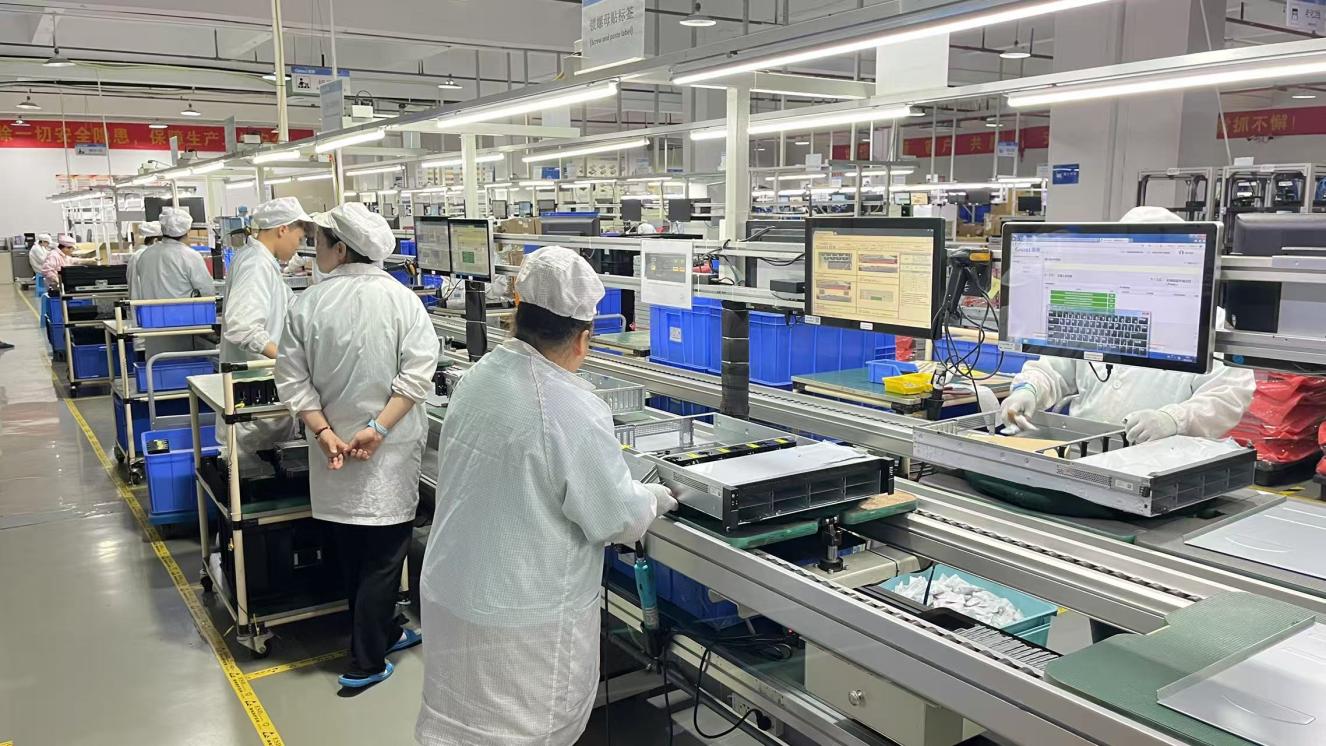
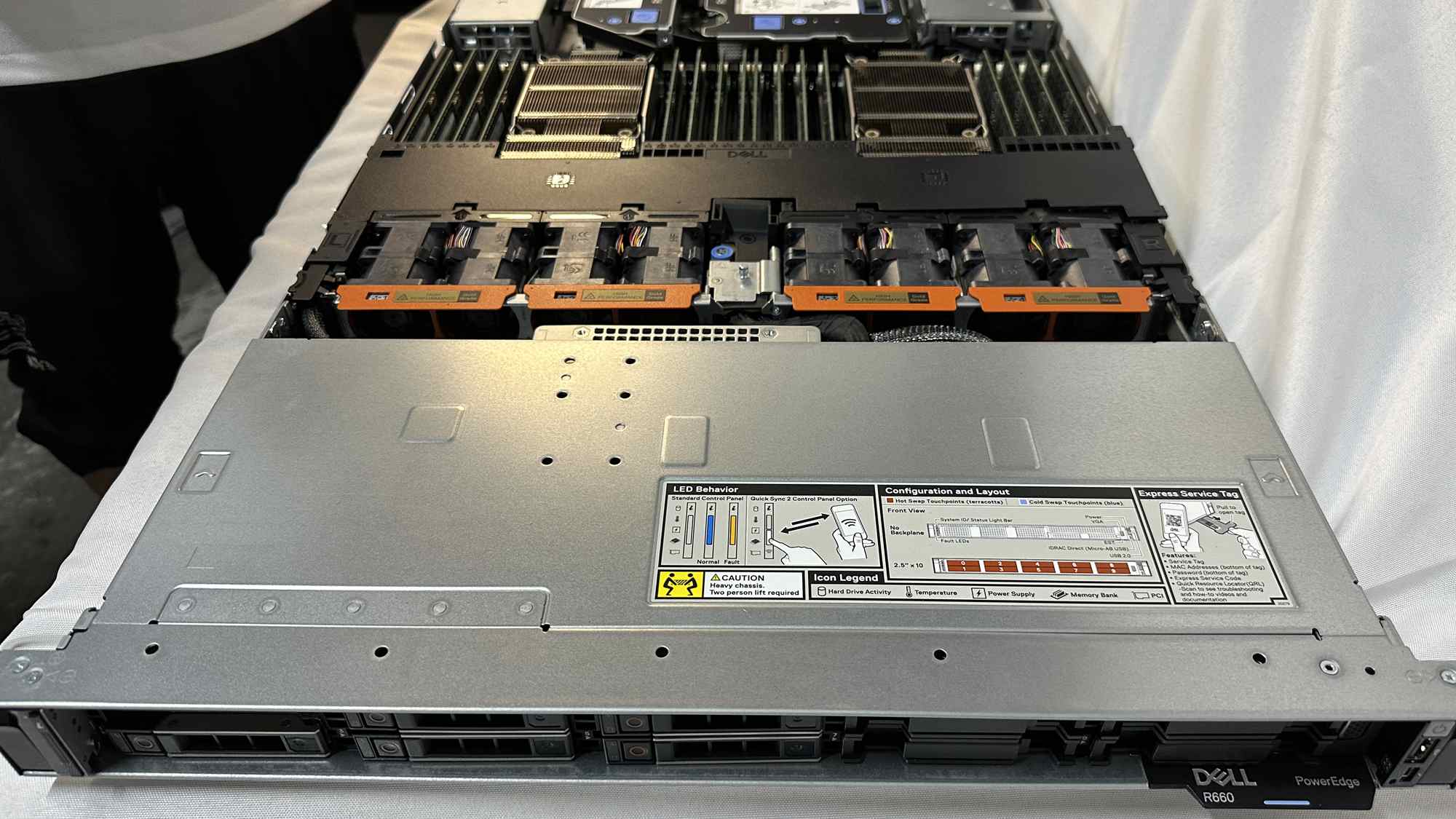
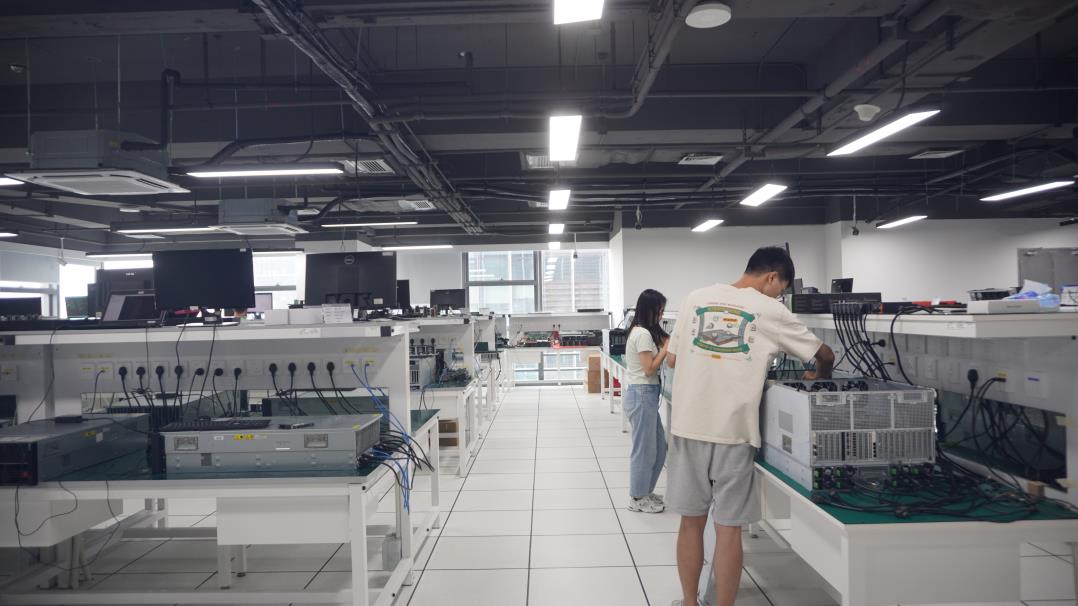

We provide custom OEM/ODM solutions tailored to specific architectural designs. This includes port layout variations, optimized liquid-cooling blocks for dense server rooms, proprietary BIOS/firmware tuning, and pre-configured hardware components to ensure hassle-free integration on arrival in Sydney.
How our strategic manufacturing base in China translates to reliability, cost efficiency, and performance margins for Sydney businesses.
With an established supply chain network of over 1,200 verified hardware vendors, we secure direct allocations of critical ASICs, PCB substrates, microcontrollers, and high-performance optical transceivers. This reduces development lead times and insulates clients from global semiconductor shortages.
Our 45 QC personnel implement zero-defect quality control. Every switch undergoes physical visual inspection, automated thermal loop cycling inside specialized chambers, full bandwidth stress testing across all ports, and AI network packet loss emulation.
Utilizing our 6 years of export experience, we manage rapid delivery pathways directly to Port Botany or Kingsford Smith Airport. We supply custom documentation, packaging designed to handle ocean transit, and technical declarations required for local custom clearances.
Understanding how our network switch fabric and hardware integrations solve complex engineering challenges across New South Wales.
For high-frequency trading (HFT) and core banking databases, milliseconds equal millions. Switches configured with ultra-low latency profiles and non-blocking backplanes ensure that transactional data packets are routed instantly between stock exchanges, clearing houses, and local storage networks. The inclusion of redundant, hot-swappable power supplies guarantees 99.999% uptime, keeping transaction nodes online through grid anomalies.
Industrial automation, automated guided vehicles (AGVs), and smart conveyor systems in Western Sydney's massive distribution centers require robust, ruggedized Ethernet switches at the edge. SFP+ expansion capabilities allow these facilities to link multiple distributed sub-racks over fiber, overcoming standard copper distance limitations while resisting electromagnetic interference (EMI) typical of heavy machinery operations.
Scientific research departments at facilities like the University of Sydney, UNSW, and UTS frequently move massive datasets—such as astronomical imaging and medical genomic mappings. Deploying core switches with 40GE and 100GE uplinks directly to Xeon-based high-performance computing clusters provides the high bandwidth required for heavy research workloads, eliminating the network bottlenecks of older network switches.
Colocation providers across Sydney use our customizable networking hardware and rack-mount server systems to construct secure virtual private clouds (VPCs). Features like VXLAN, EVPN support, and extensive VLAN routing allow providers to isolate multi-tenant workloads securely, optimizing overall network performance while reducing hardware management costs.
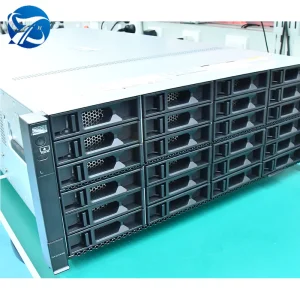
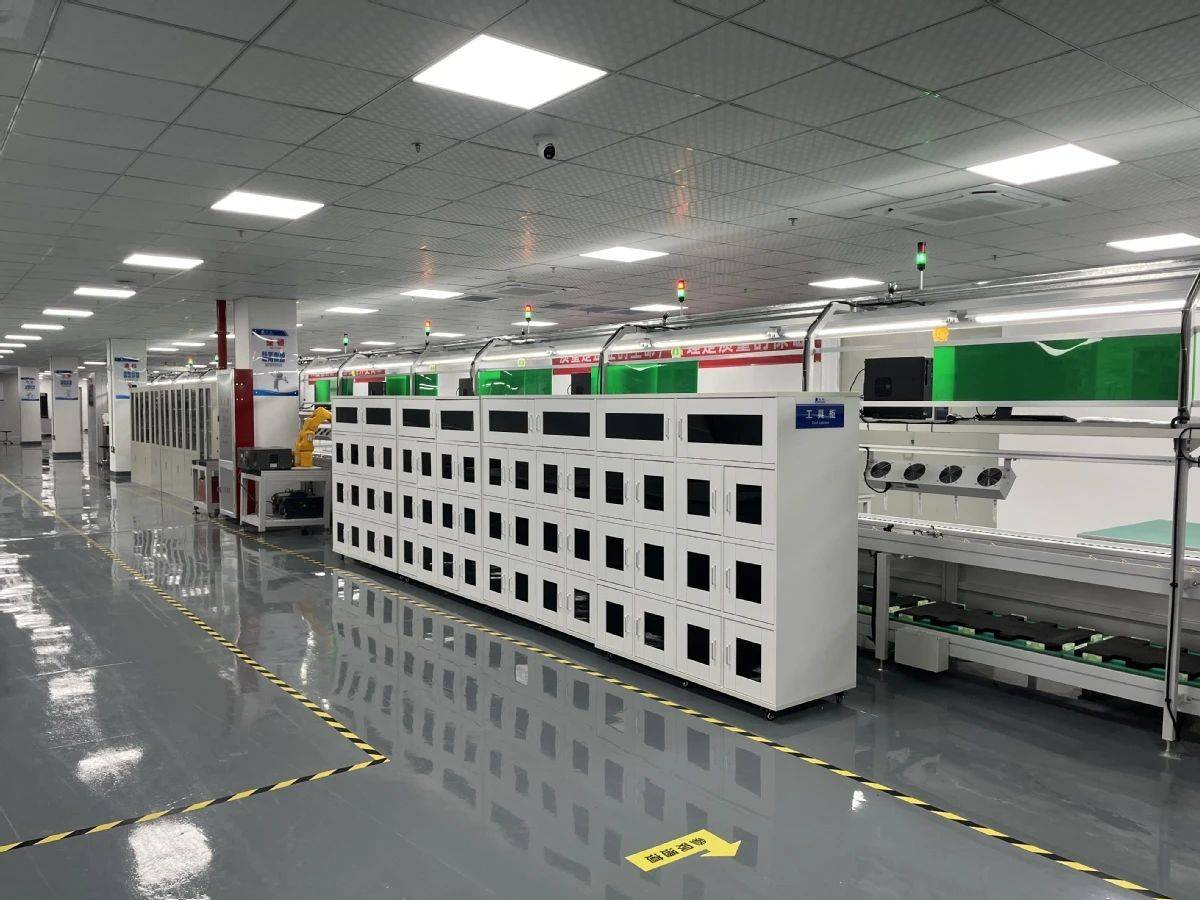
Rigorous visual quality checks, mechanical stress testing, and expert system assembly operations inside our ISO9001 facility.
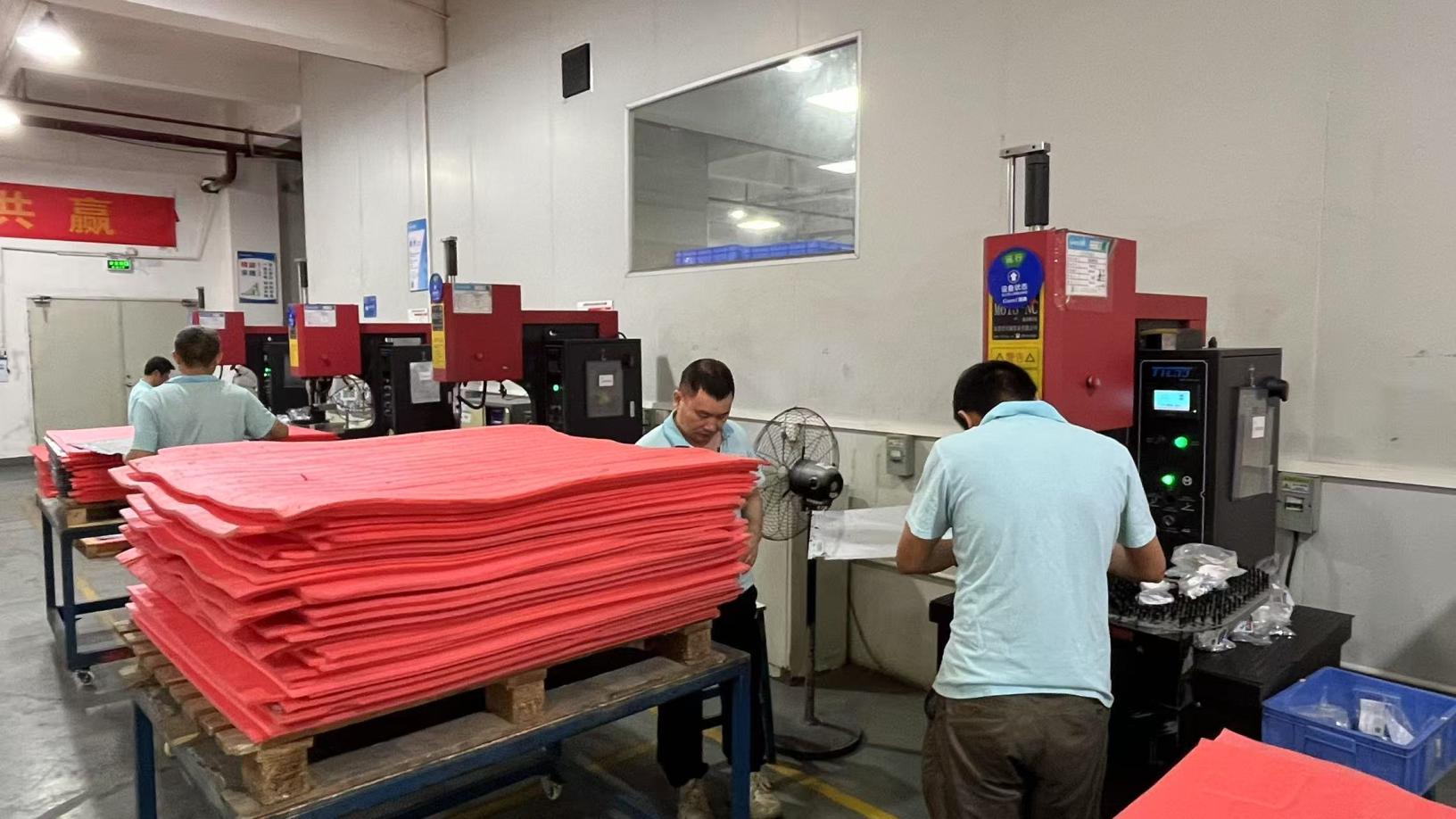


Purchasing enterprise networking hardware from international manufacturing partners requires careful navigation of both regulatory compliance and supply chains. Australian IT directors must ensure that imported equipment holds standard electrical certifications, matches local rack mounting profiles, and interfaces correctly with existing networks.
Regulatory Compliance (ACMA & RCM): All networking hardware imported for commercial use in Australia must comply with emissions standards mandated by the Australian Communications and Media Authority (ACMA). Our systems are manufactured to align with standard FCC, CE, and equivalent RCM requirements, minimizing regulatory complications during customs clearance at Australian entry ports.
While local capital outlay (CAPEX) is a key factor, long-term operational costs (OPEX)—including power, cooling, and management time—significantly impact TCO. TensorNova addresses this by integrating high-efficiency power units that exceed 92% efficiency ratings, reducing active heat load within the rack. Additionally, our hardware features open management protocol support (such as SNMP v3 and standard CLI engines), allowing Sydney IT teams to configure, monitor, and maintain units without paying high proprietary software licensing fees.
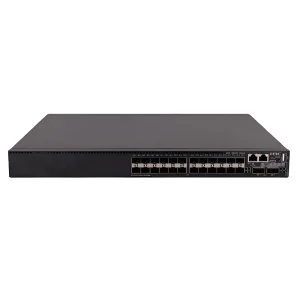
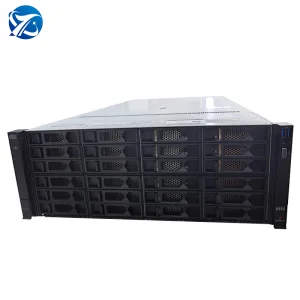
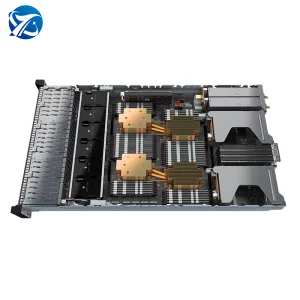
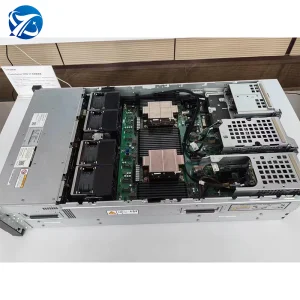
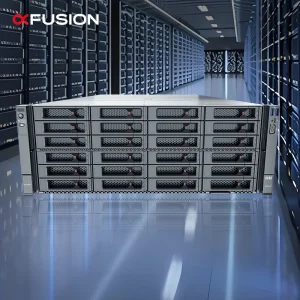
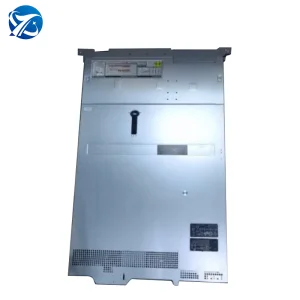
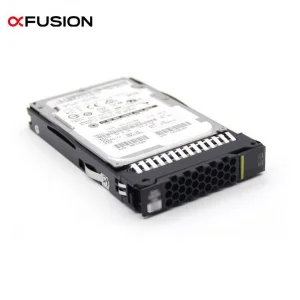
Enterprise-grade computing units, data center storage arrays, and network expansion accessories compatible with Australian corporate networks.
Technical answers to key infrastructure questions from our senior systems engineers.
Yes. All of our network switches and servers are designed to support standard Australian 230V/240V AC power at 50Hz. They are fitted with high-quality, hot-swappable 80 Plus Platinum power supplies. Additionally, we support customized power cords (AS/NZS 3112 compliant) to ensure seamless installation inside standard 19-inch racks across Sydney data centers.
TensorNova's hardware is designed and manufactured to comply with major international electromagnetic compatibility (EMC) and electrical safety guidelines, including CE, FCC, RoHS, and IEC standards. We coordinate with Australian import partners to ensure that all units carry the appropriate documentation required for customs clearance at Port Botany.
Quality assurance is managed through our ISO9001-based quality control pipeline. Backed by 45 dedicated QC technicians, every motherboard, switch ASIC, and memory module is subjected to intensive validation processes. This includes thermal stress cycles ranging from 0°C to 45°C, network load test patterns, and full-speed packet forwarding diagnostics over 24 to 72 hours before packaging.
Yes, we provide extensive engineering and chassis customization. Guided by our R&D team of 180 engineers, we can customize GPU and network configurations, optimize cooling layouts (liquid or forced-air), customize chassis faceplates, and pre-configure specific firmwares to meet your system requirements.
Standard transit times range from 7 to 10 working days via air freight, and 18 to 25 days via ocean freight to Sydney ports. We prepare all customs manifests, certificate declarations, and packaging to ensure smooth import handling.
Whether you are designing a high-density AI processing center or upgrading enterprise core switches, our engineering team can provide customized hardware layouts to match your technical requirements.