TensorNova
TensorNova
TensorNova
Explore our premium selection of computing nodes, hyper-scalable storage modules, and accelerator architectures built to power AI workloads.
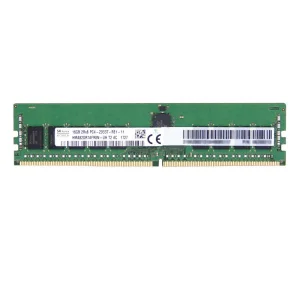
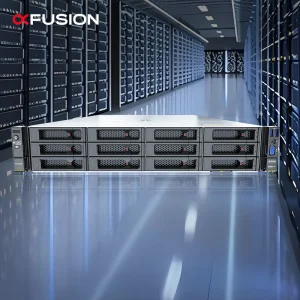
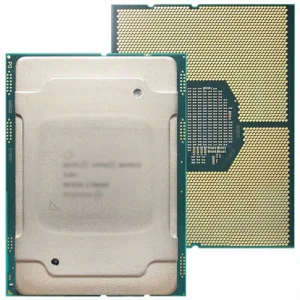
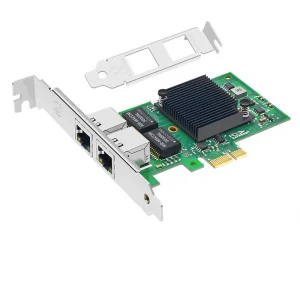
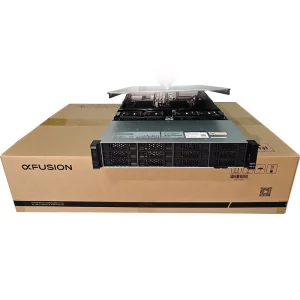
Uncovering the architectural paradigm shifts powering today's AI and cloud data centers.
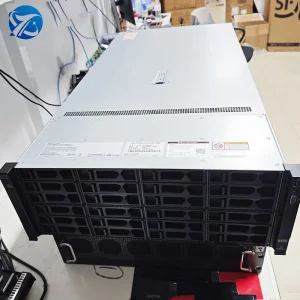
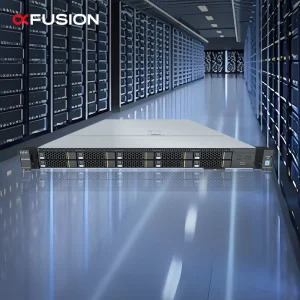
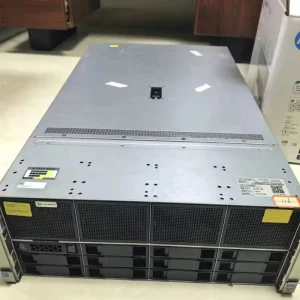
The global enterprise computing environment is undergoing an unprecedented architectural shift. The release and widespread deployment of V7 server solutions represent a quantum leap in computational density, I/O throughput, and thermodynamic efficiency compared to their V5 and V6 predecessors. As artificial intelligence models scale from billions to trillions of parameters, traditional server architectures face severe bottlenecks in memory bandwidth and CPU-to-GPU interconnect speeds.
V7 server architectures directly address these limitations by implementing advanced PCIe Gen 5.0 and Gen 6.0 channels, offering double the data transfer rate of previous standards. This allows high-throughput communications between core components, accelerating parallel processing for deep learning models like DeepSeek, LLMs, and complex scientific simulations. By integrating state-of-the-art DDR5 memory interfaces and Compute Express Link (CXL) technologies, V7 platforms deliver the ultra-low latency memory access necessary for real-time inference pipelines and massive database processing.
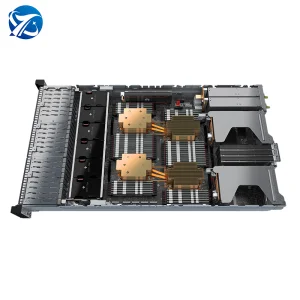
With the CPU and GPU Thermal Design Power (TDP) exceeding 350W and 700W respectively, heat management has transitioned from a supporting feature to a core architectural element. V7 server solutions are designed with unified liquid cooling manifolds and optimized airflow dynamics to maintain operational stability under sustained, max-capacity computational loads.
Furthermore, the shift toward sustainable and energy-efficient data center operations has forced manufacturers to implement intelligent power capping, dynamic workload distribution, and highly efficient titanium-grade power supply units (PSUs). These advancements ensure that enterprises can scale their operational capacity while minimizing their overall carbon footprint and maintaining compliance with regional environmental directives.
Delivering customized GPU clusters, enterprise server systems, and robust supply chain security globally.
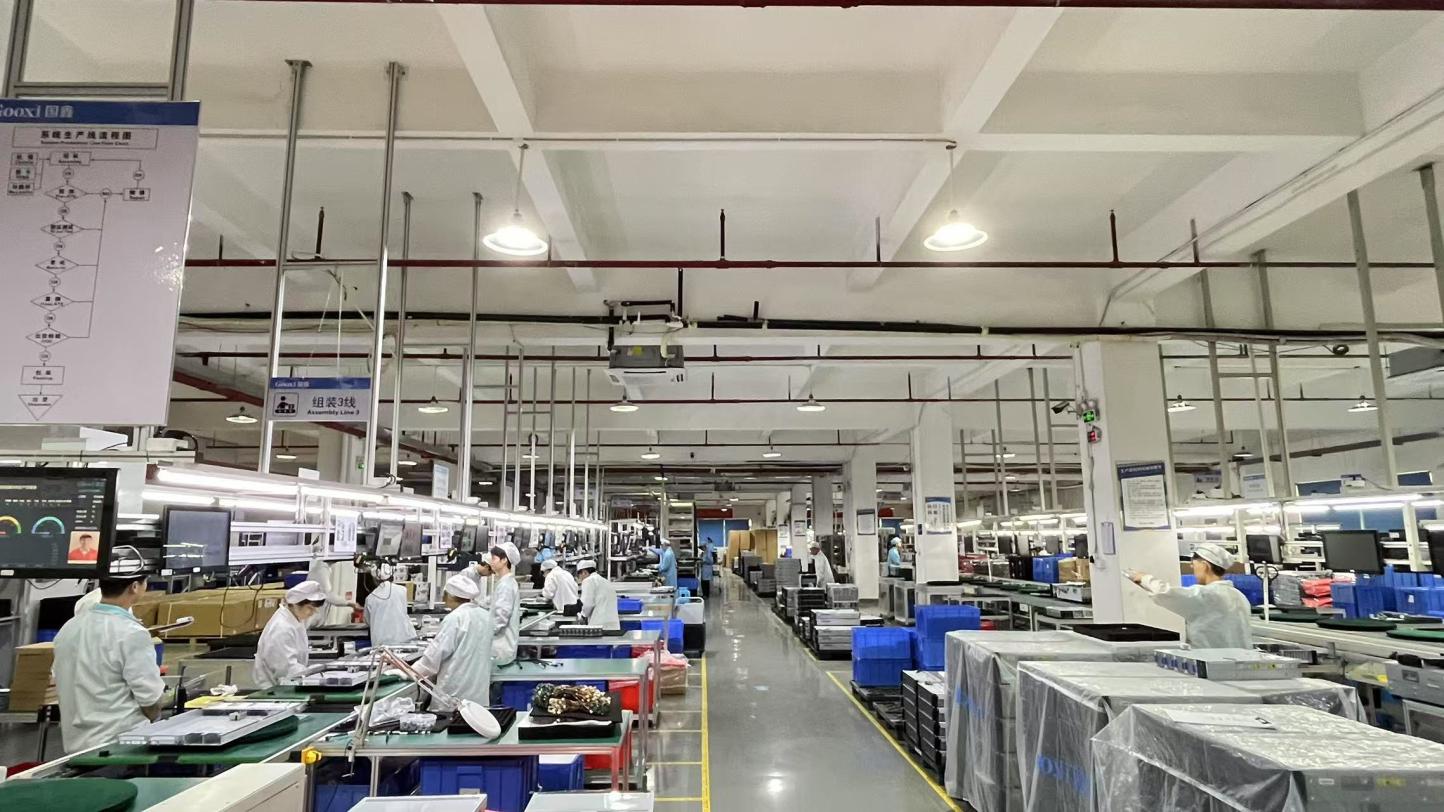
Established in 2016, TensorNova has positioned itself as a leading professional high-performance AI GPU server manufacturer and infrastructure solution provider. Based in China, we specialize in high-density AI computing nodes, GPU cluster engineering, and fully scalable hardware setups tailored for the next generation of digital infrastructure. With over 12 years of industry experience in high-performance computing systems and 6 years of global export experience, we bridge the gap between complex hardware configurations and global deployment.
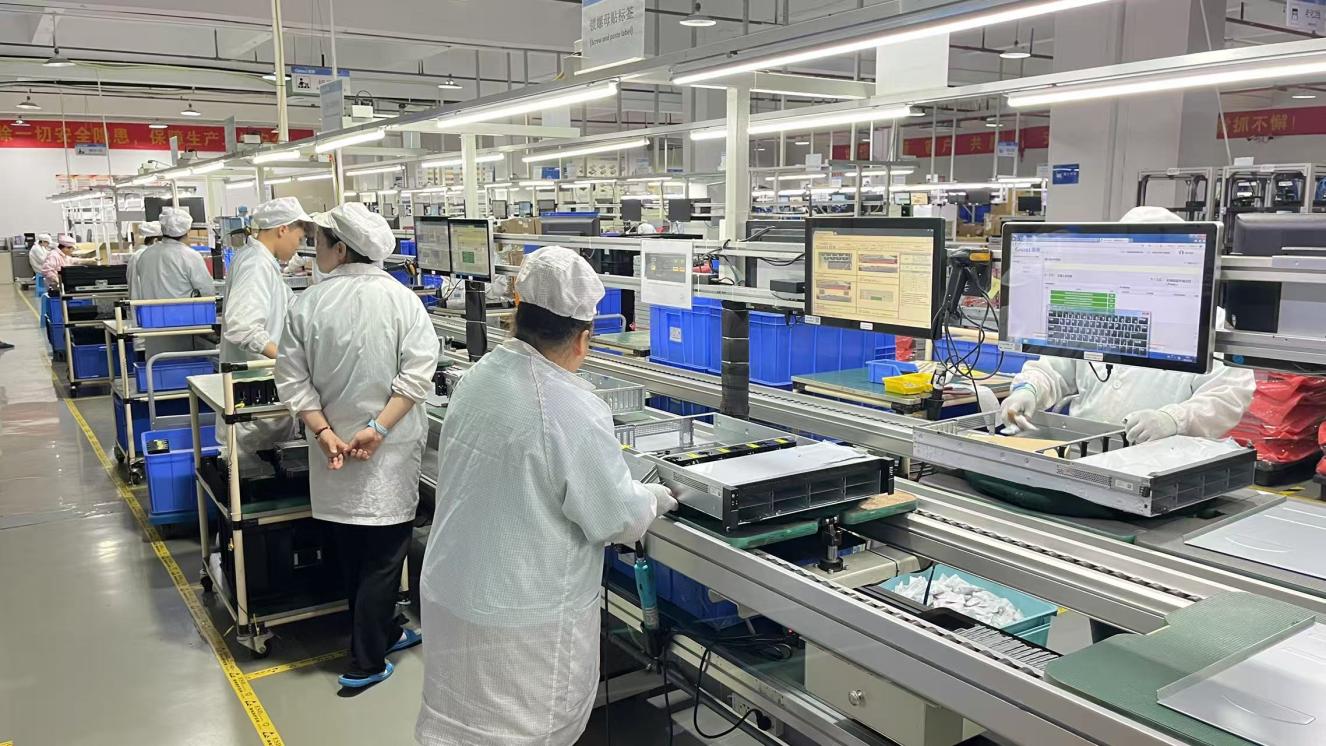
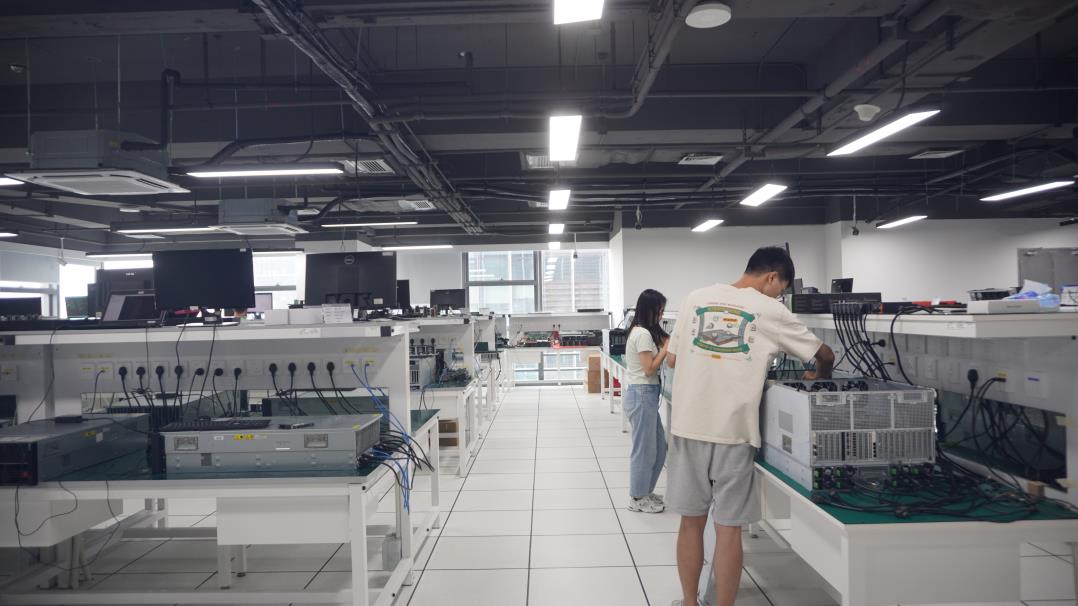
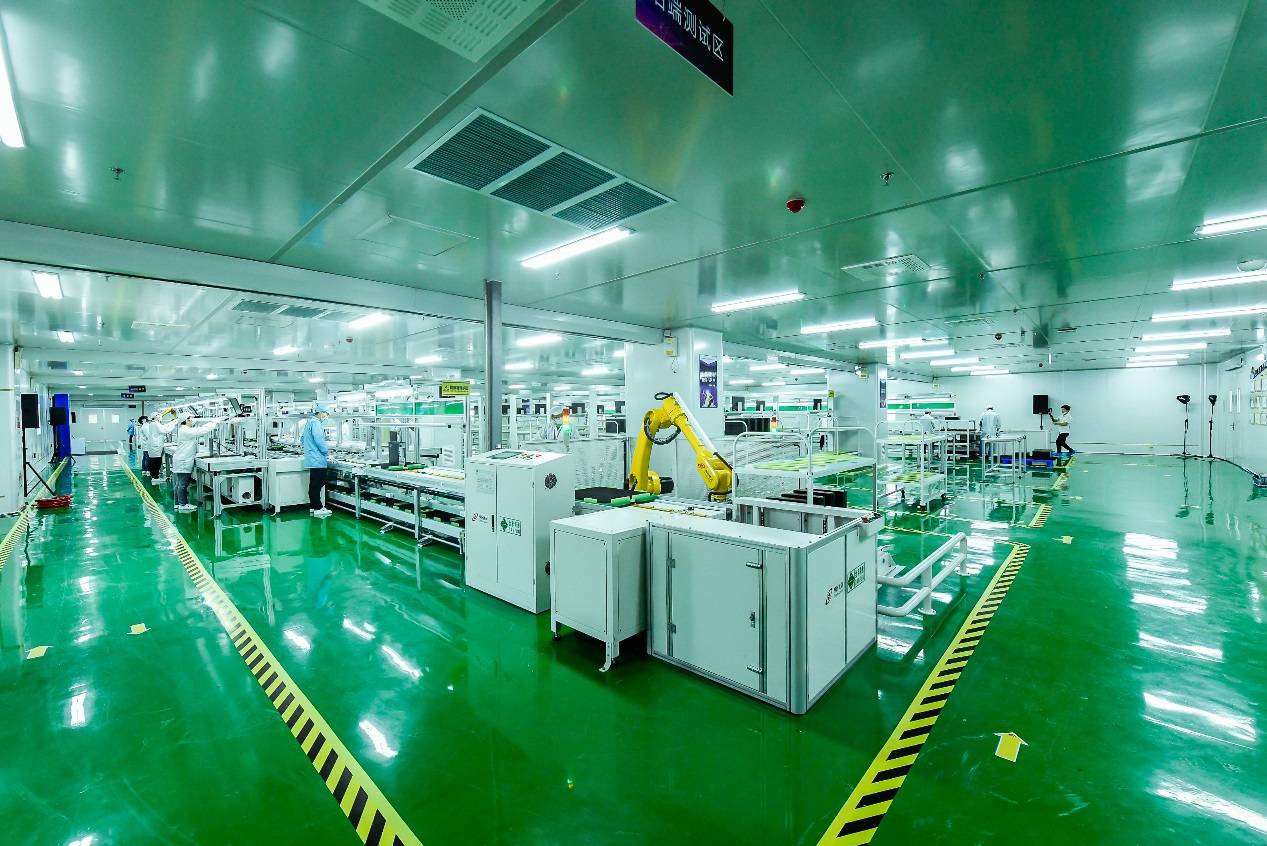
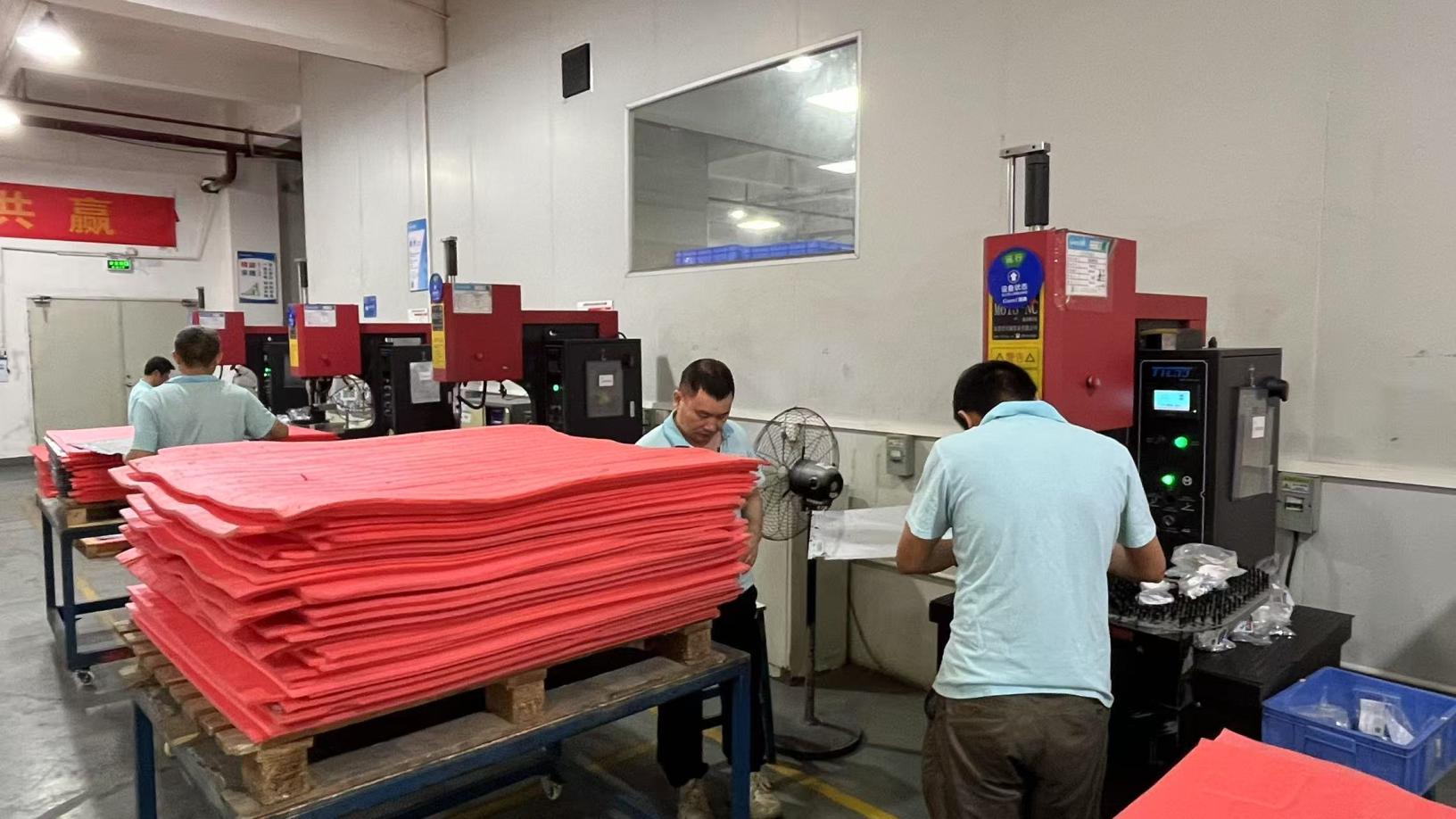
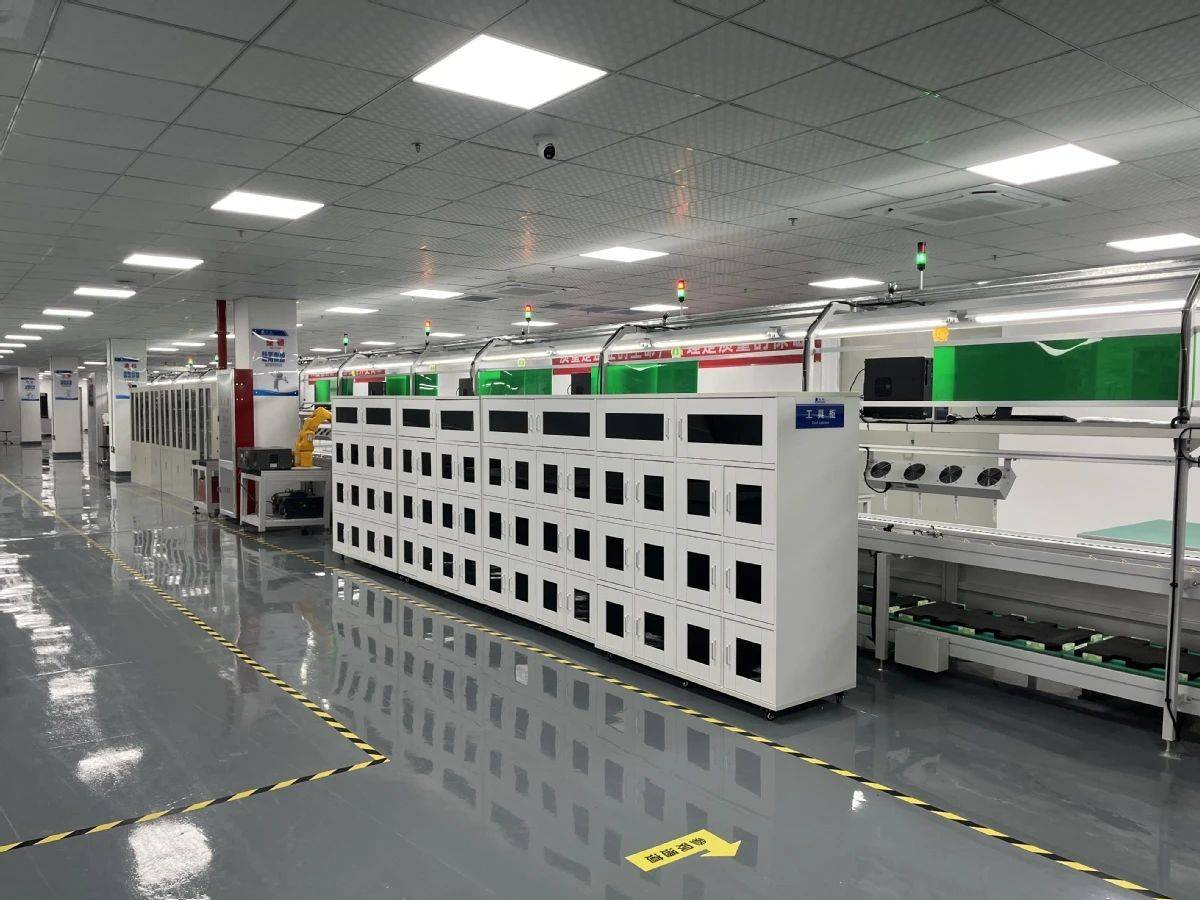
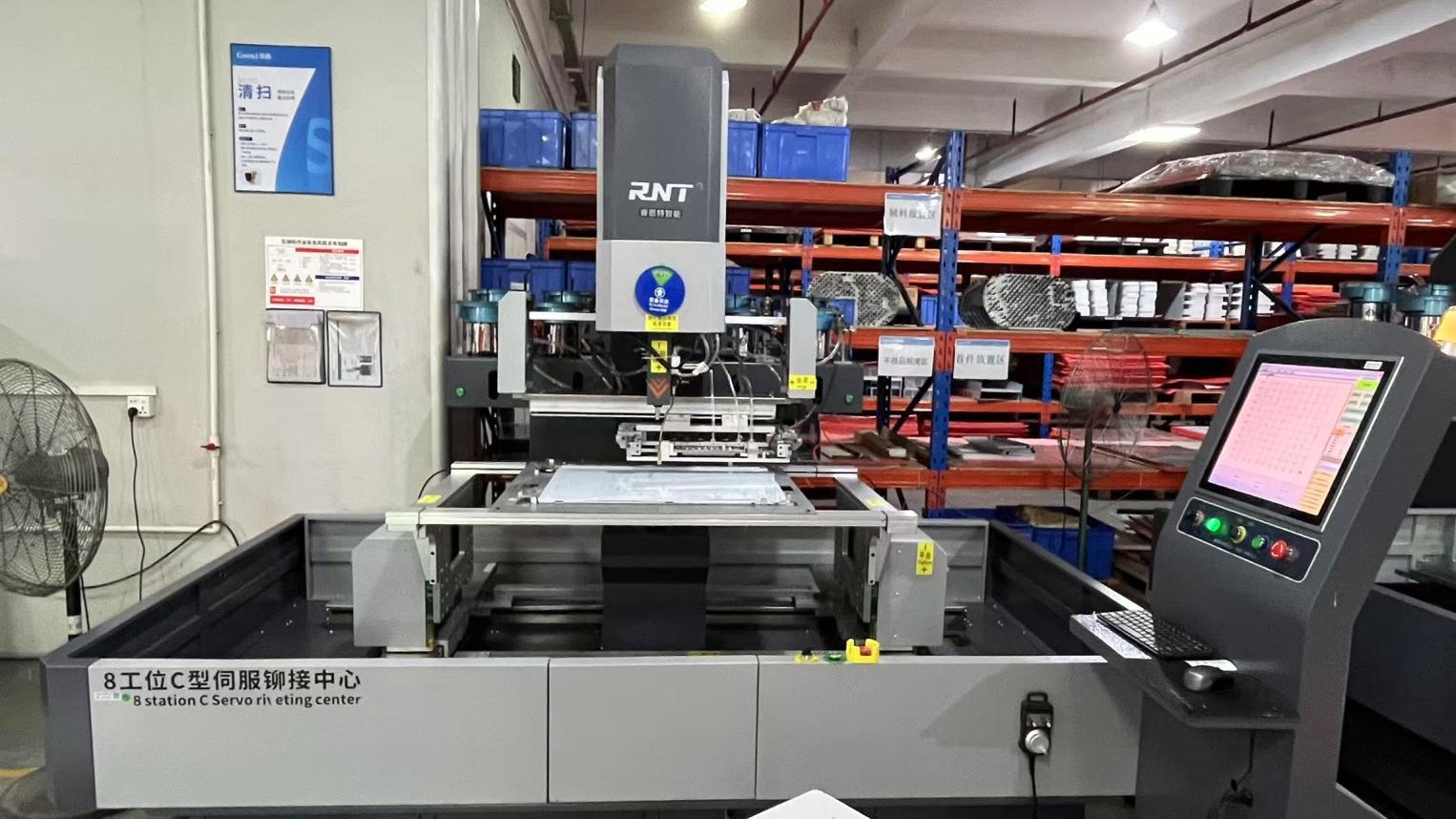
Operating from our advanced manufacturing facility, TensorNova utilizes advanced assembly procedures, automated stress testing systems, and thermal simulation chambers to ensure that every unit leaving our production line operates flawlessly under high workloads. Our quality assurance framework is backed by an ISO9001-based quality management system, run by a dedicated team of over 45 quality control personnel. Each unit is subjected to rigorous hardware stress testing, thermal profile validation, deep hardware burn-in, and specific AI workload simulations (including LLM model weight loadings) before shipment.
TensorNova's technical strength lies in our robust R&D program. Supported by a team of approximately 180 R&D engineers, we continuously push the limits of server design, specializing in complex PCIe switching architectures, liquid cooling cooling loop design, customized BIOS tuning, and hardware virtualization optimizations. Over the past year alone, our R&D division has successfully developed and introduced over 320 new products, providing our clients with immediate access to cutting-edge server technology.
TensorNova operates as a key supplier for AI research institutes, cloud computing providers, tier-1 data centers, and enterprise IT divisions across North America, Europe, Southeast Asia, and the Middle East. With primary hubs in the United States, Germany, Singapore, and the UAE, we guarantee stable lead times supported by an extensive network of 1,200+ global component suppliers.
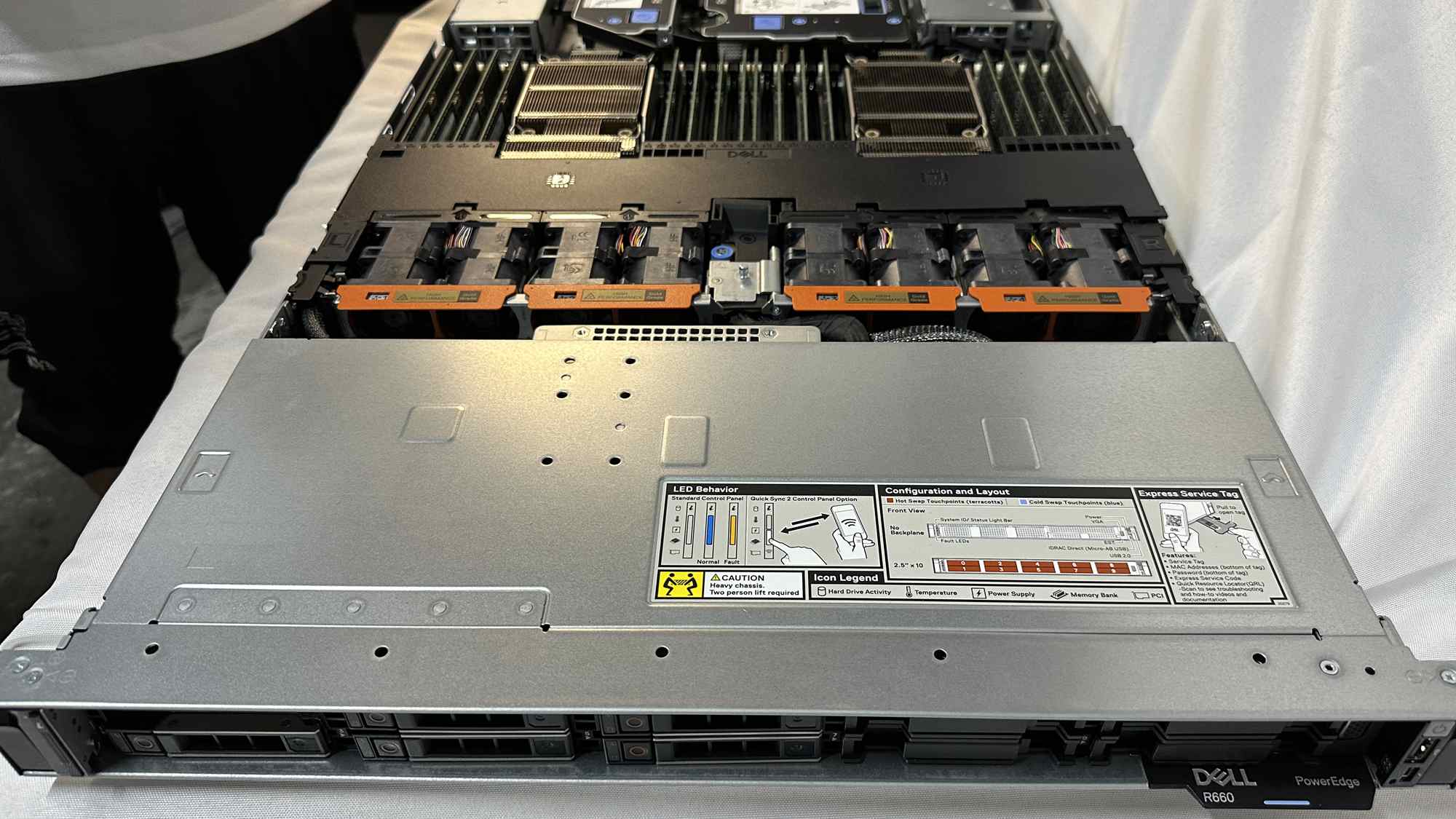
How modern enterprises evaluate, source, and scale their digital computing footprints.
Modern enterprise procurement focuses closely on cost efficiency, balancing upfront capital expenses (CAPEX) with long-term operational costs (OPEX) such as power usage, cooling overhead, and maintenance cycles.
Unpredictable semiconductor lead times highlight the value of sourcing partners with diverse raw material ecosystems, preventing costly delays in data center buildouts.
Deployments in markets like Europe and North America require strict adherence to local mandates, including CE, FCC, RoHS, and WEEE standards, alongside clear hardware-level data security protocols.
Architectural methodologies for deploying hybrid cloud topologies and high-density GPU computing clusters.
A look at the upcoming developments in enterprise hardware and architectural innovations.
As we look toward the future of enterprise hardware, server architecture is moving rapidly toward deeper domain customization. General-purpose computing systems are increasingly giving way to specialized platforms optimized for specific workloads, such as deep learning inference, real-time edge processing, and high-frequency financial modeling. Over the next three to five years, we expect the adoption of PCIe Gen 6.0 and Gen 7.0 standards, introducing PAM4 signaling to double bandwidth once again and support next-generation accelerator cards.
Additionally, the adoption of Compute Express Link (CXL 3.0) will enable true memory pooling and fabric-based resource sharing, allowing processing nodes to access memory channels dynamically across a unified rack fabric. This architecture will resolve memory-capacity bottlenecks, letting companies run larger models without needing to purchase excessive system memory for every node.
TensorNova is committed to staying at the forefront of these transitions. Our current R&D pipeline focuses on developing liquid-to-air hybrid heat exchangers, integrating optical interfaces directly onto the motherboard, and deploying AI-driven predictive health-monitoring systems that warn administrators of potential component issues before they lead to downtime.
Expand your data storage, accelerate cloud environments, and optimize local array speeds.
Technical insights, configuration guidance, and global support details for V7 hardware deployments.