TensorNova
TensorNova
TensorNova
High-performance rackmount nodes and storage accelerators optimized for out-of-band management and AI workload orchestration.
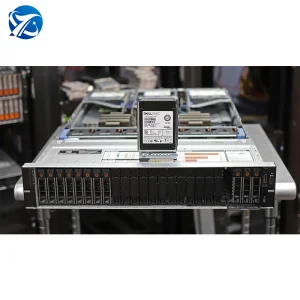
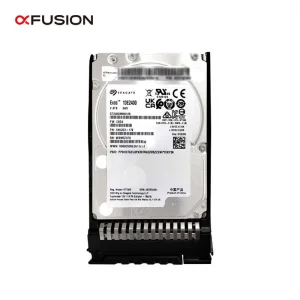
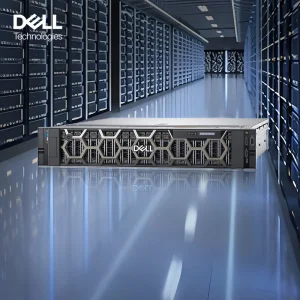
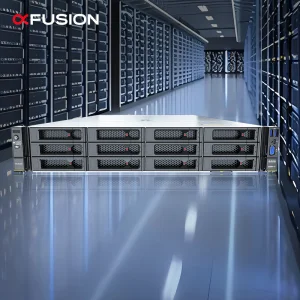
How industry-leading out-of-band management protocols, telemetry systems, and Baseboard Management Controllers (BMC) prevent unplanned downtime and reduce operational TCO.
Modern server management software relies on complex Baseboard Management Controllers (BMC) supporting the Redfish API. This enables unified, JSON-formatted telemetry reporting of hardware metrics, including die temperatures, PCIe lane health, fan speed control matrices, and real-time power draw profiling across dense server nodes.
By leveraging dedicated management LAN connections, system administrators execute physical operations—including remote OS deployment via virtual media, out-of-band firmware updates, and power cycling—regardless of the operating system's functional state. This minimizes high-cost localized intervention.
Silicon-level security forms the bedrock of modern server architectures. Integrated cryptoprocessors enforce strict secure-boot mechanisms, continuously validating BMC firmware signatures prior to execution, mitigating structural risks of side-channel hardware injection attacks.
Real-world architecture implementation blueprints across mission-critical compute environments.
In municipal video analysis systems, smart traffic flow control, and large-scale public security environments, edge-deployed servers (such as the AI Inference G5200 V5 GPU Server) must process multiple ultra-HD streams simultaneously. Localized server management software monitors environmental temperature fluctuations at the physical edge, using automated dynamic speed tables to prevent thermal throttling.
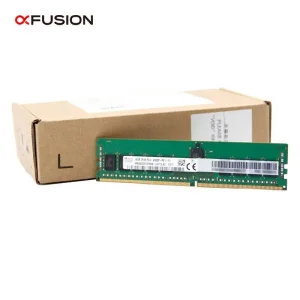
Financial infrastructure requires high-performance memory (like XFusion DDR4 RDIMM ECC Server RAM) and ultra-low latency NVMe storage (such as the PM9A3 PCIe Gen4 SSD). In these environments, management software utilizes predictive telemetry to flag single-bit ECC errors. By automatically migrating active virtual machines (VMs) before a hard hardware fault occurs, they prevent costly transaction outages.
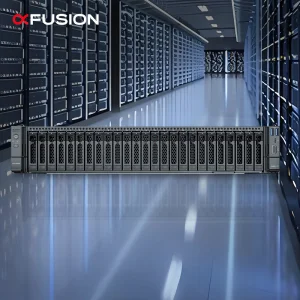
Deployments utilizing the xFusion 2288H V7 HCI Server rely on software-defined storage (SDS) clusters that dynamically scale storage capacity. Here, server management utilities manage storage bay controllers out-of-band, allowing seamless hot-swapping, background parity rebuilds, and direct API-based health reports to Kubernetes cluster controllers.
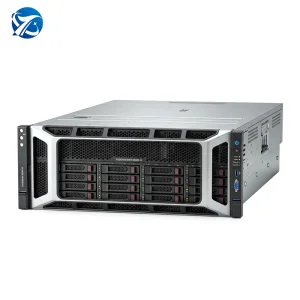
With data archiving requirements growing exponentially, systems like the Large Capacity 5288 V5 4U 36-Bay Storage Server demand extensive disk arrays. Management systems control staggered drive spin-up sequences to avoid power spikes. They also monitor disk vibration profiles and run background drive wear analyses to maintain reliable operations.
Combining high-performance AI GPU server assembly with strict quality control frameworks to power global enterprises.
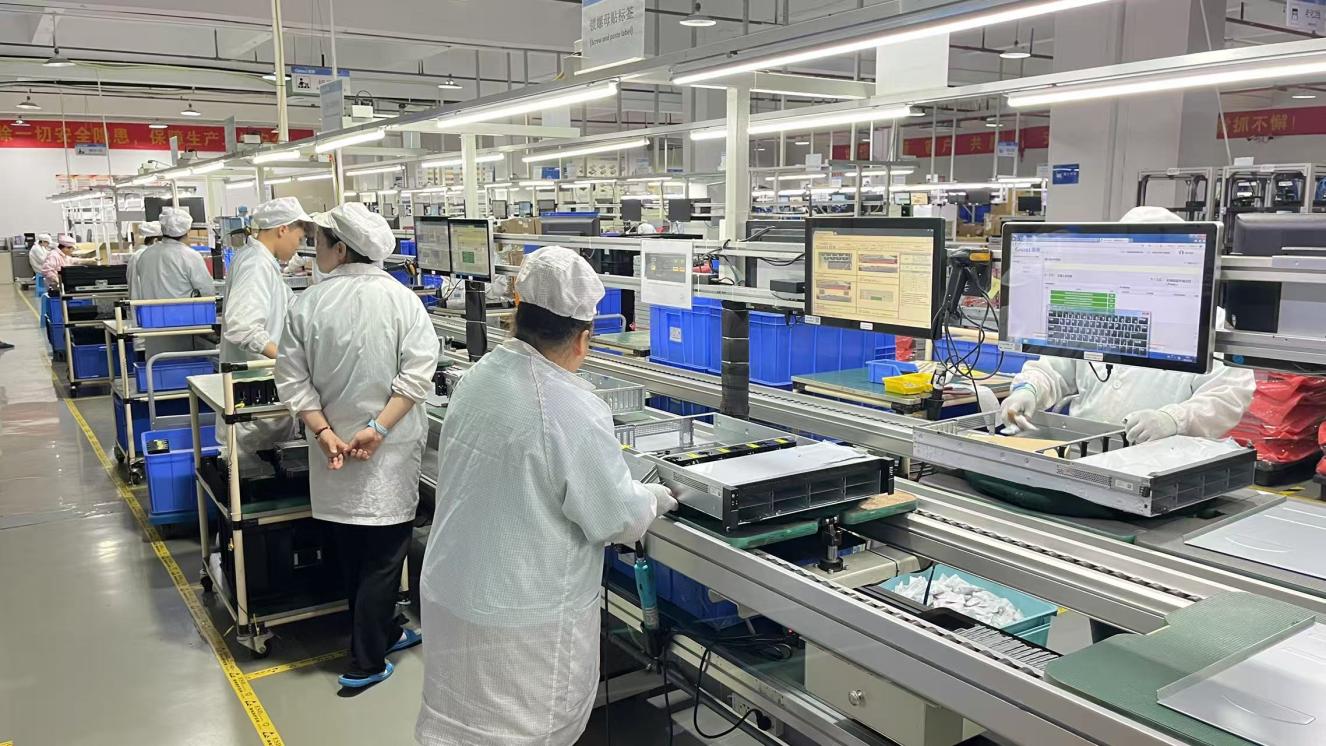
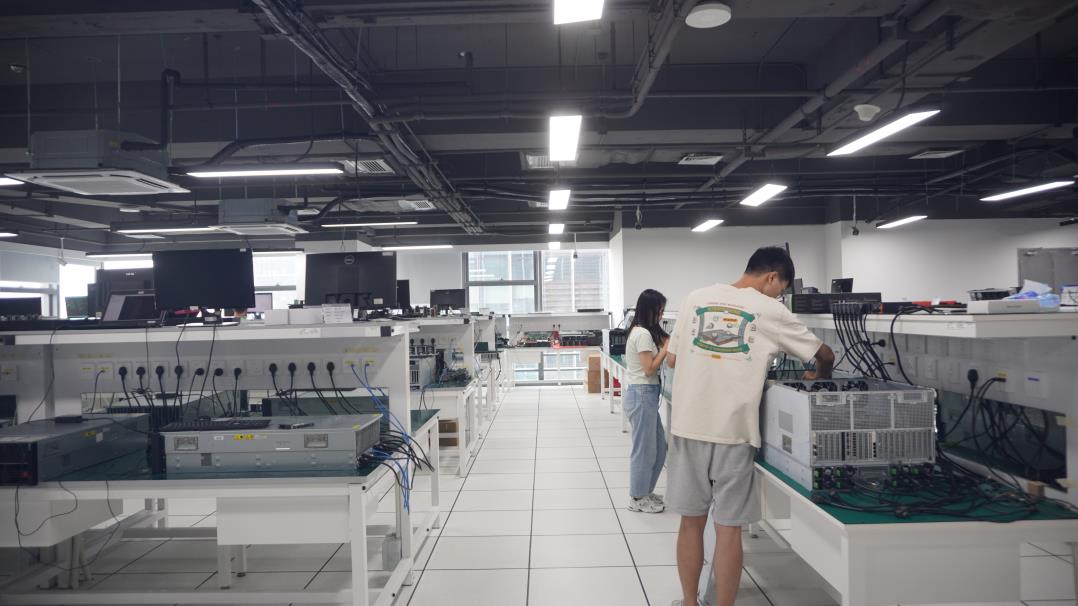
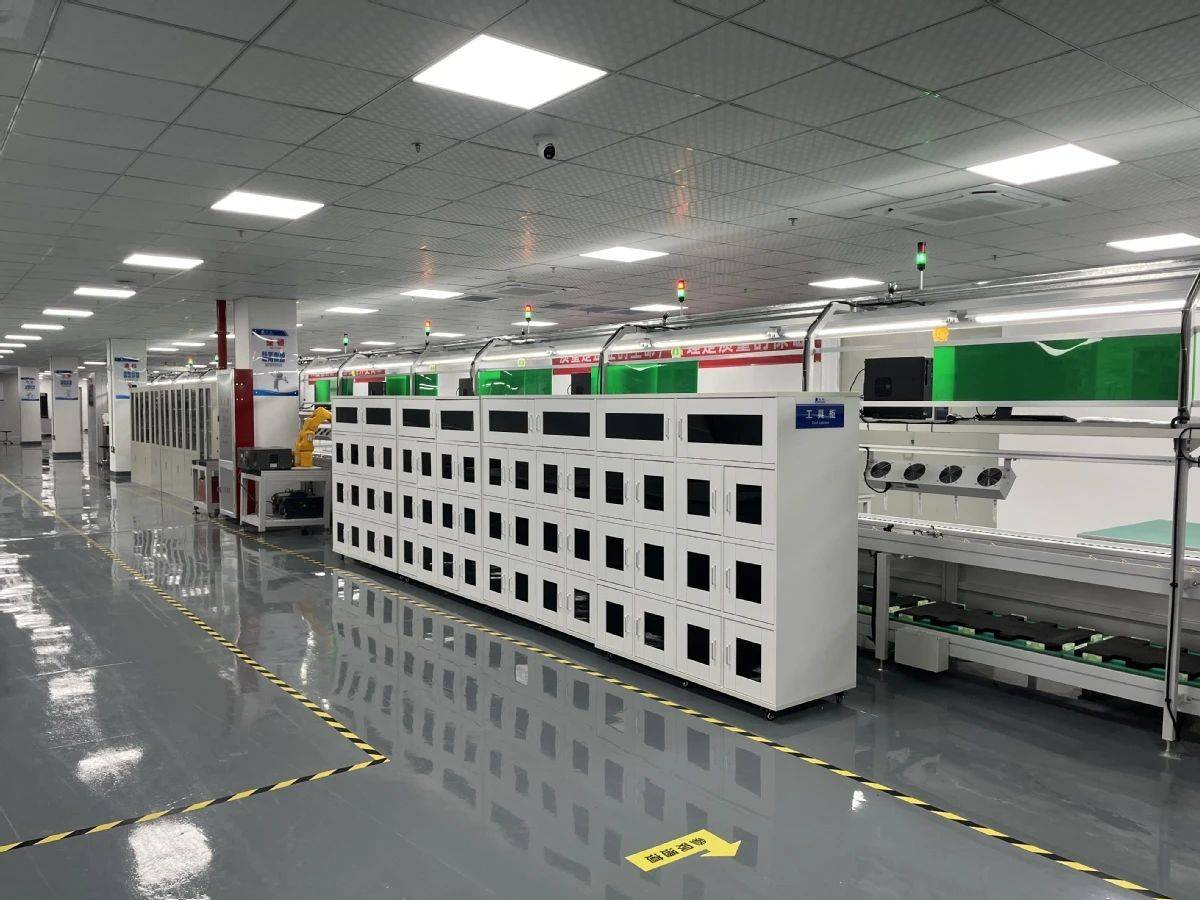
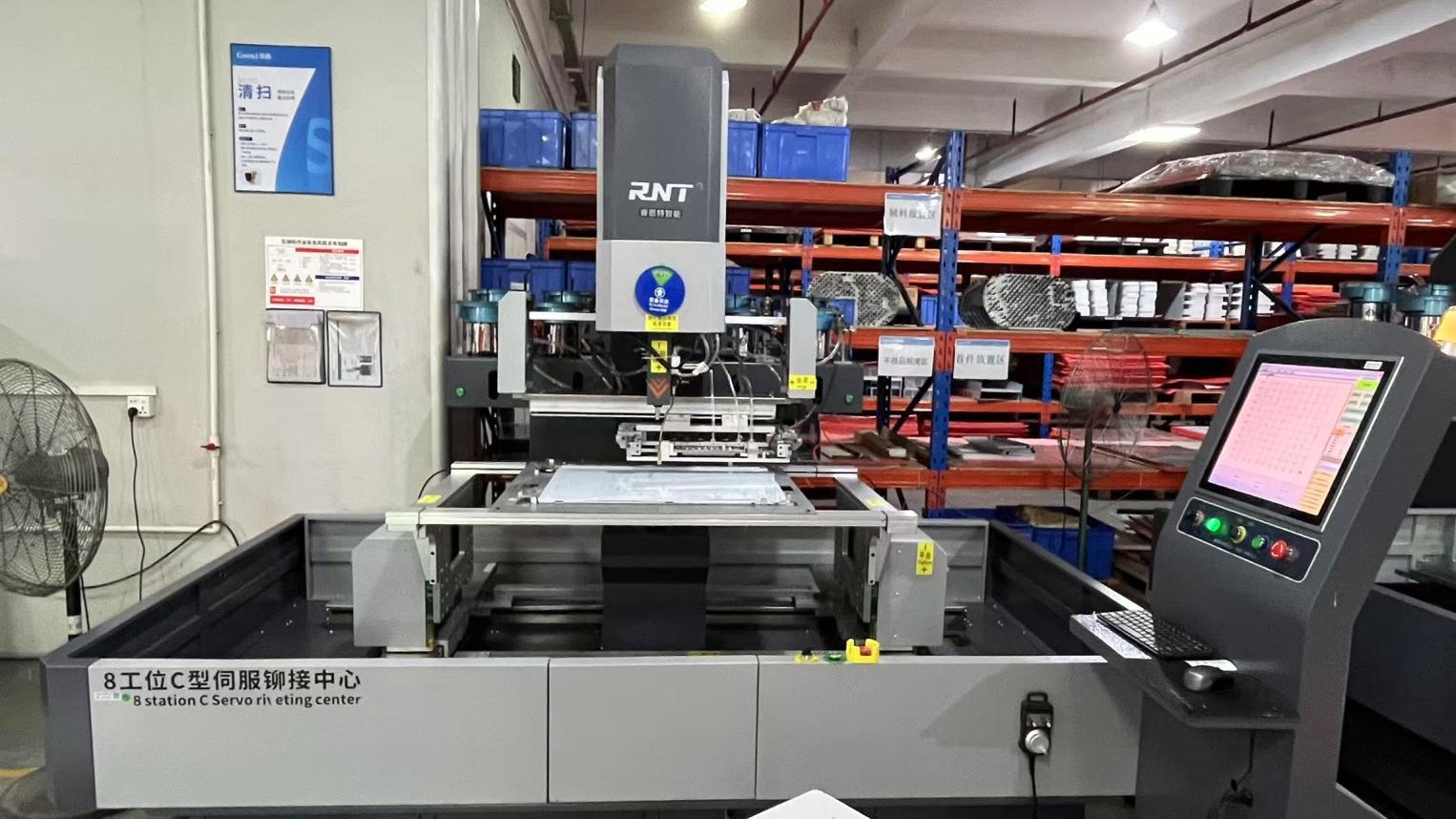
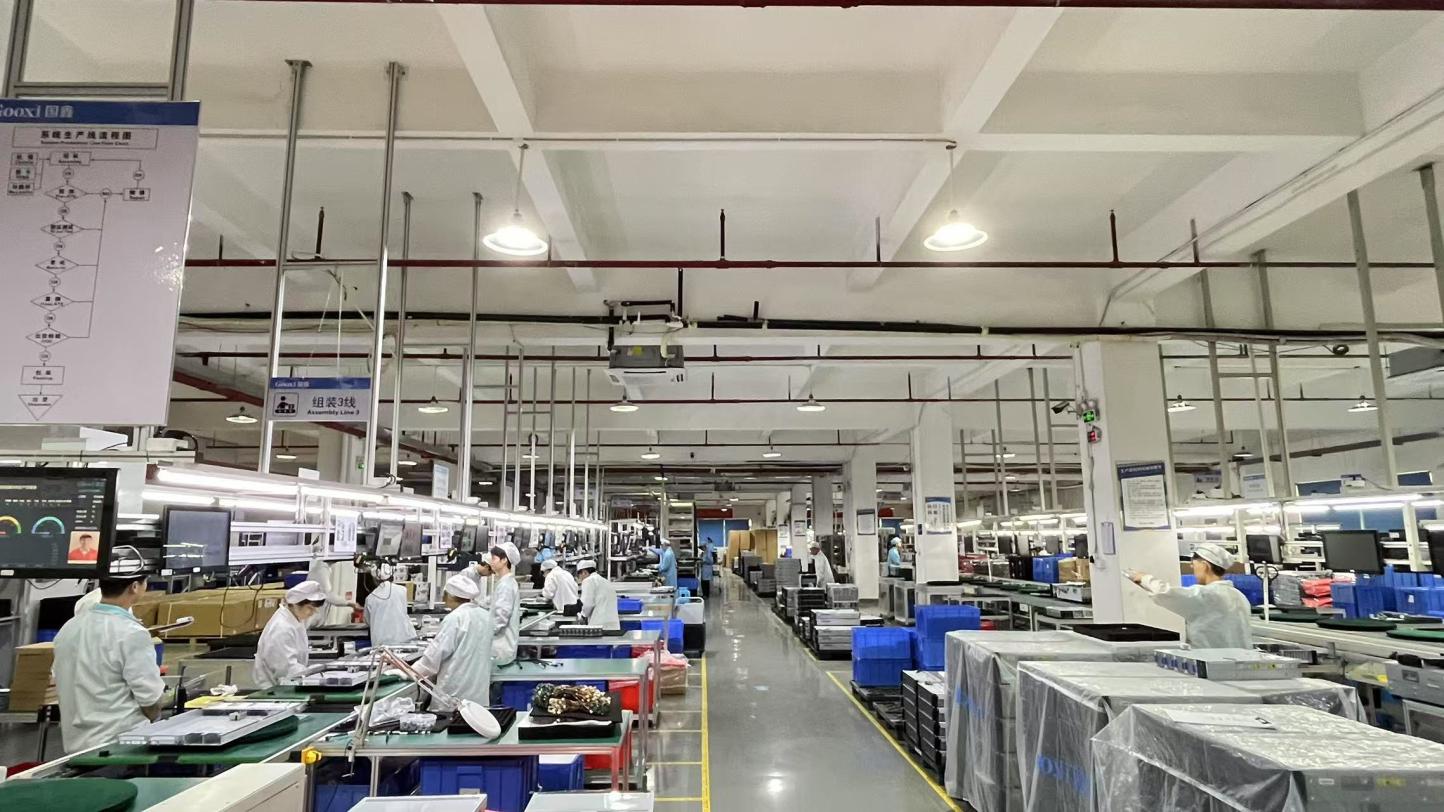
TensorNova manages its precision assembly facilities with a strict ISO9001-based quality control framework. Backed by 45 dedicated quality assurance engineers, every server system undergoes rigorous screening before shipment, including:
Leveraging a vast supply chain ecosystem of over 1,200 component partners, TensorNova provides extensive system modification capabilities. This includes custom card chassis design, specialized liquid cooling loop integration, motherboard-level BIOS optimization, and customized PCIe expansion options.
How physical server management systems are changing to support AI compute networks.
Standard cooling profiles struggle to manage the rapid power changes of GPU servers during training. Next-generation server management software integrates machine learning models directly into the BMC. These controllers analyze real-time GPU compute requests to pre-emptively adjust fan speeds, reducing system latency and saving up to 15% in cooling power.
As virtualization and bare-metal environments blend, management systems will bridge the gap. Modern Redfish APIs will talk directly to cloud scheduling agents like Kubernetes. This allows the orchestrator to dynamically change server hardware configurations, reallocate memory pools, and provision drives out-of-band to meet application demand.
With chip thermal designs pushing beyond 500W, liquid cooling is becoming the standard. Future management controllers will monitor coolant conductivity, fluid flow speeds, and micro-leak sensors. These systems will integrate directly with facility cooling units to protect valuable computing gear from moisture and thermal damage.
Meeting strict international enterprise standards and providing local support to keep operations running smoothly.
All hardware systems supplied by TensorNova carry recognized international certifications, including CE, FCC, RoHS, and UL approvals. Our configurations meet safety and electromagnetic compatibility standards, making them ready for immediate integration into enterprise data centers worldwide.
Our out-of-band management firmware is built with security first, supporting local data privacy standards like GDPR and HIPAA. The system features secure credential storage, role-based access control (RBAC), and encrypted logging, keeping control paths safe from unauthorized access.
We provide comprehensive support SLA plans, including remote BMC configuration help, firmware updates, and quick hardware replacement shipping. This ensures your systems stay updated and secure throughout their operational life.
Answering common technical questions about server management, system customization, and global deployment.
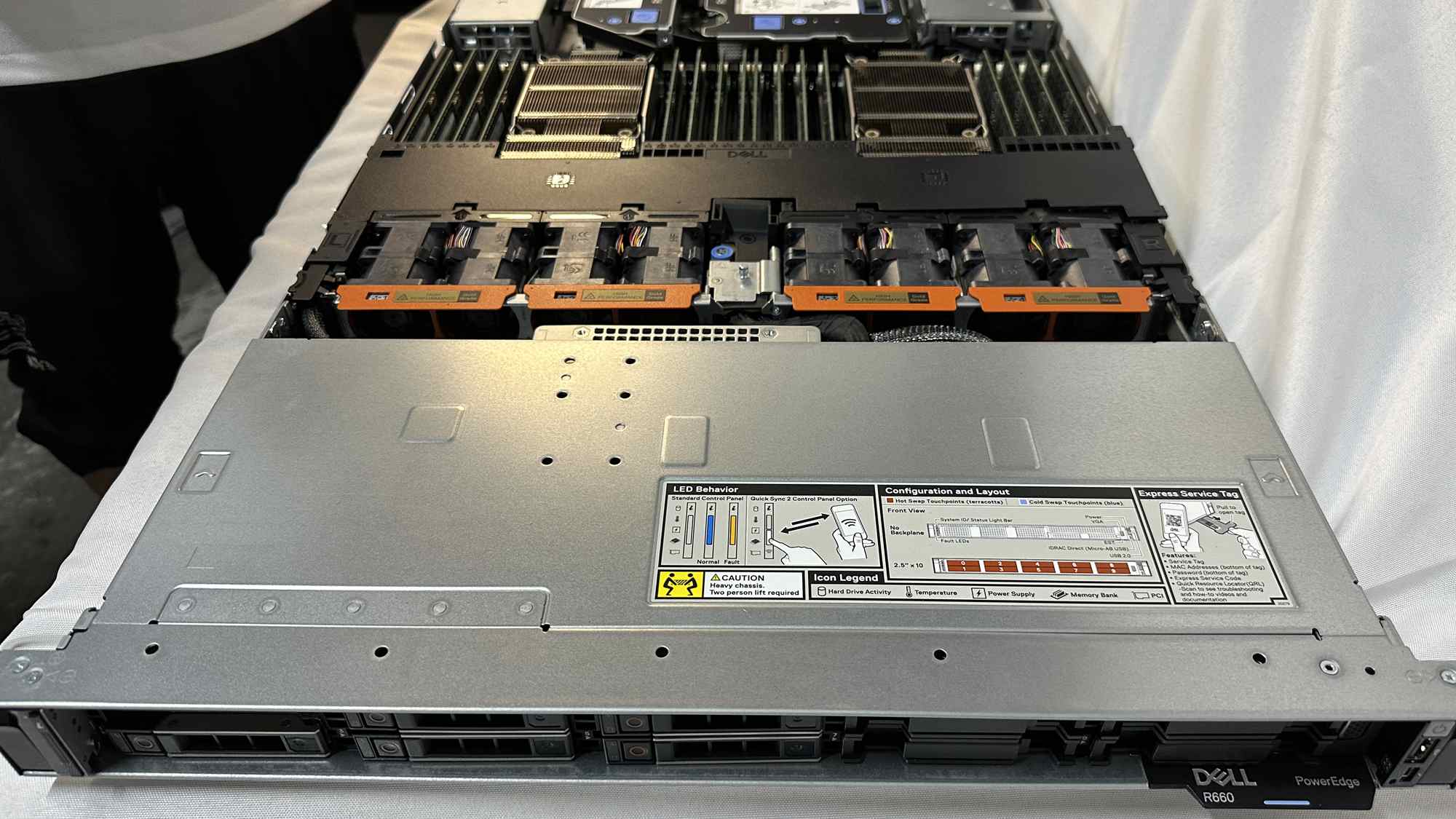
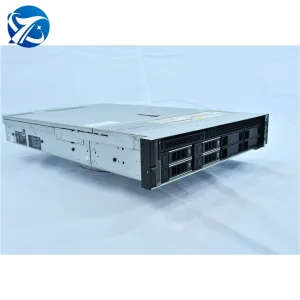
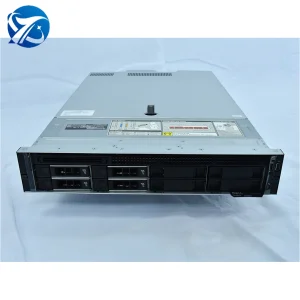
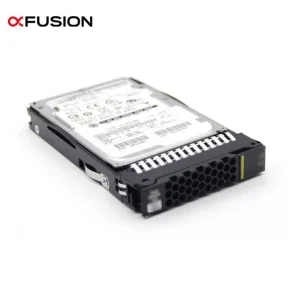
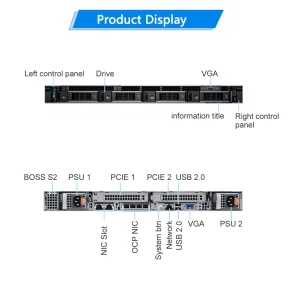
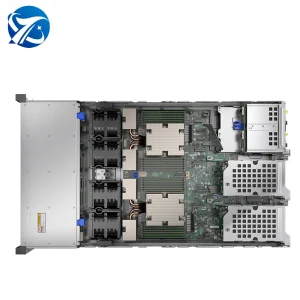
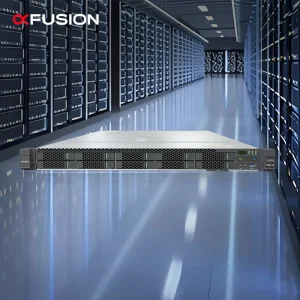
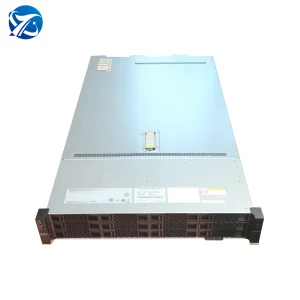
Reliable rackmount chassis systems, storage drives, and memory modules to support scalable datacenter infrastructure upgrades.
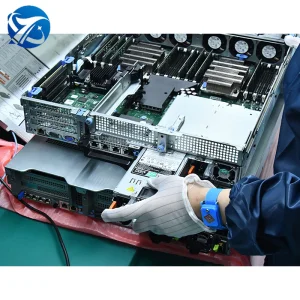
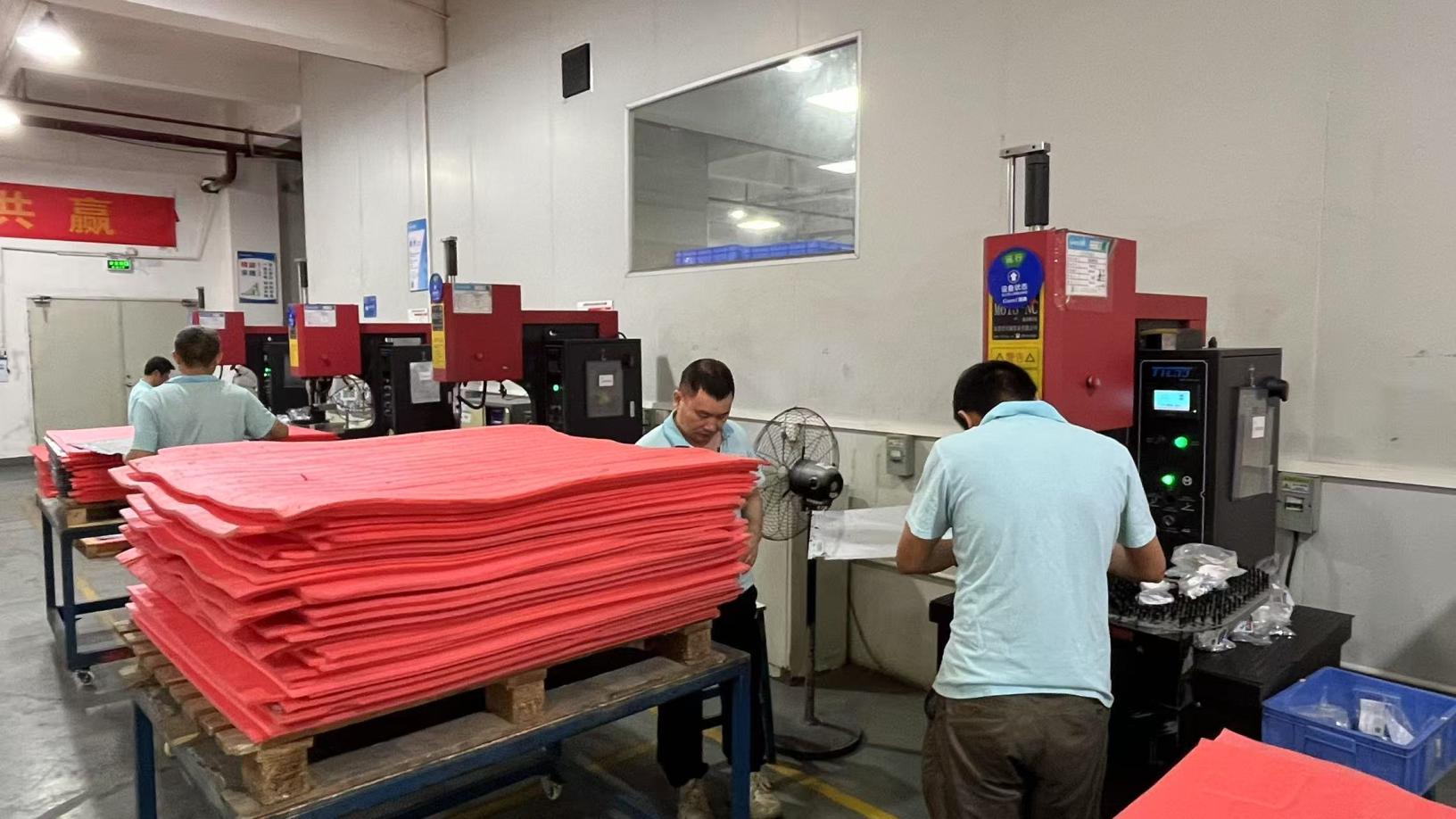
Inside TensorNova's assembly lines and server validation facilities.