TensorNova
TensorNova
TensorNova
High-performance rackmount servers custom-configured for heavy AI inference, continuous real-time data ingestion, and edge-to-cloud computing.
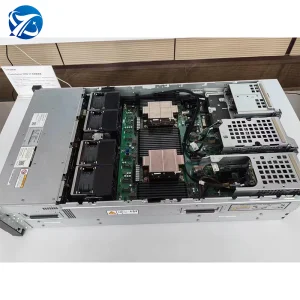
Modern enterprises no longer operate on batch-processed yesterday's data. Real-time data processing has transitioned from an operational luxury to a critical competitive baseline. Whether feeding telemetry pipelines to Large Language Models (LLMs), executing microsecond financial transactions, or monitoring edge IoT clusters in automated factories, the underlying hardware must support massive concurrent workloads without bottlenecking.
Information Gain Insight: The real challenge in real-time pipelines is not just pure CPU clock speeds; it is the coordination of high-bandwidth memory (HBM), PCIe Gen 5 lanes, fast NVMe read/write operations, and optimized GPU communication matrixes like NVLink. As a premier provider, TensorNova builds hardware designed explicitly to reduce system-level latency.
Real-time data processing manufacturers must design machines that optimize structural paths. From CPU-to-GPU memory maps to high-density networking interface cards (NICs) configured for RoCE (RDMA over Converged Ethernet), each component is tuned for zero-packet loss during high-stress telemetry ingestion.
High-throughput telemetry requires ultra-low latency. Designing systems with direct PCIe access bypasses the traditional bottleneck points, yielding up to 40% processing efficiency improvements in streaming pipelines.
Combining the sequential prowess of Intel Xeon or AMD EPYC processors with massive parallel GPU cores is necessary to run real-time anomaly detection and deep learning inference model deployment.
Our strategic relationships with 1,200+ global component suppliers ensure consistent access to critical chipsets, custom memory modules, and specialized raw materials.
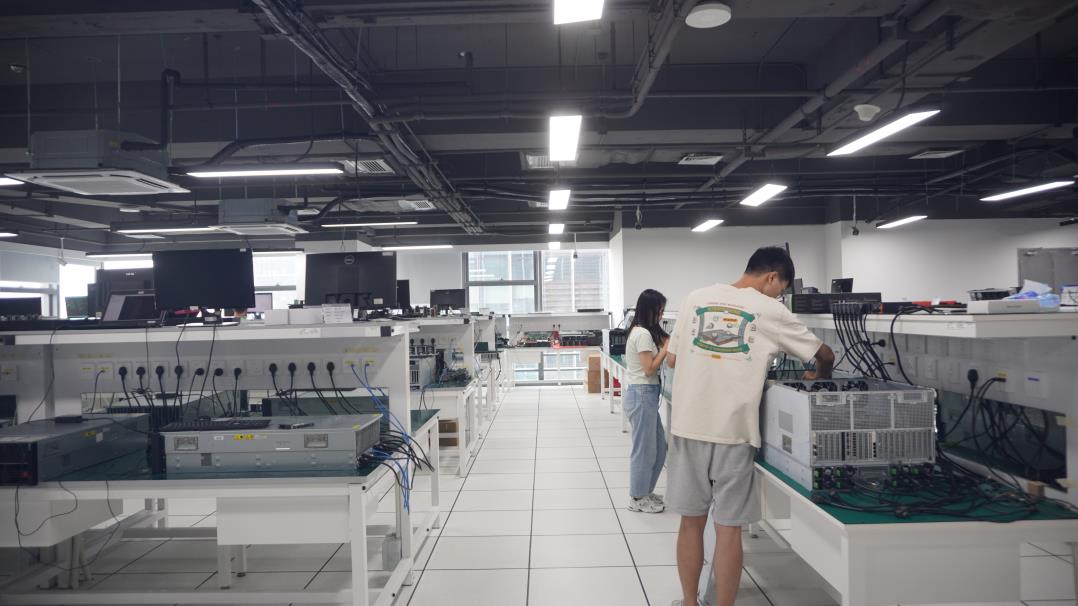
Rigorous burn-in cycles, thermal chamber analysis, and AI simulation testing ensure that our systems maintain a high Mean Time Between Failures (MTBF) even in taxing 24/7 data center configurations.
China continues to be the heart of global electronics manufacturing. For real-time data processing nodes and GPU server manufacturing, TensorNova leverages this highly dynamic ecosystem to offer unparalleled efficiency, rapid prototyping, and cost control.
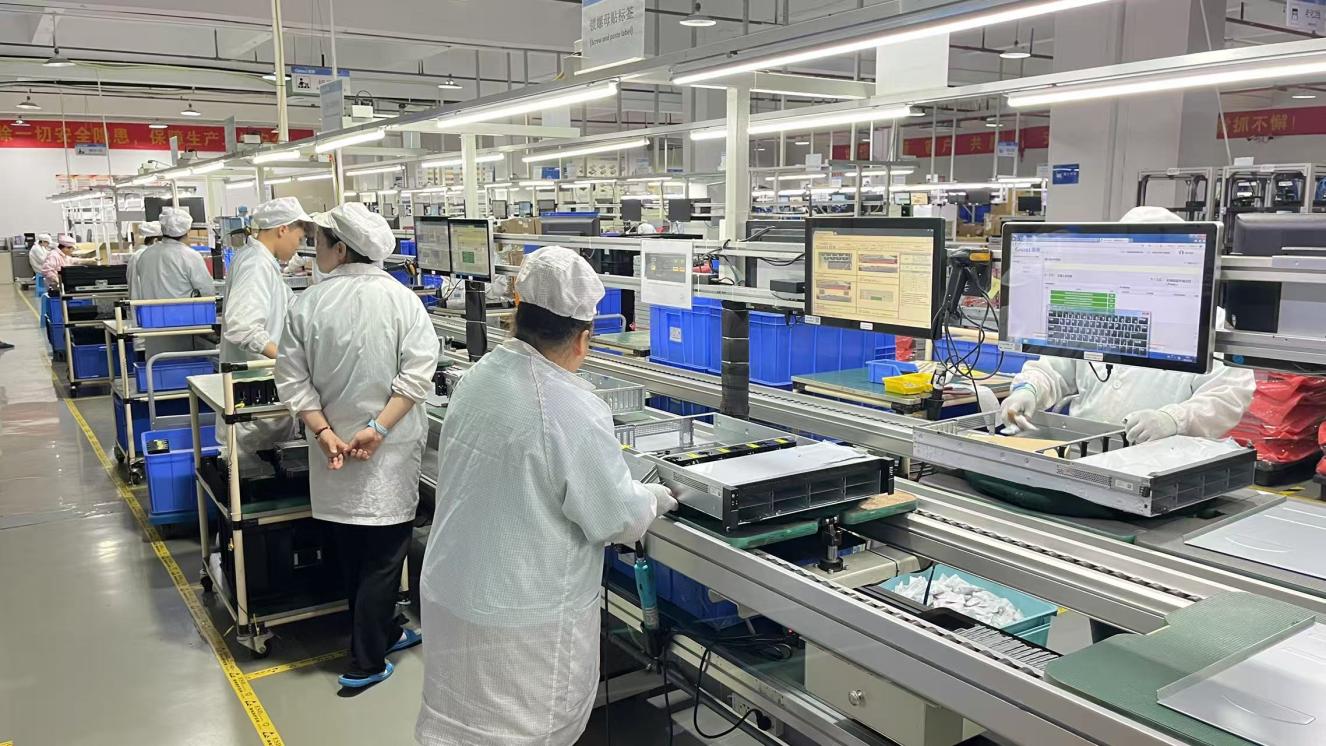
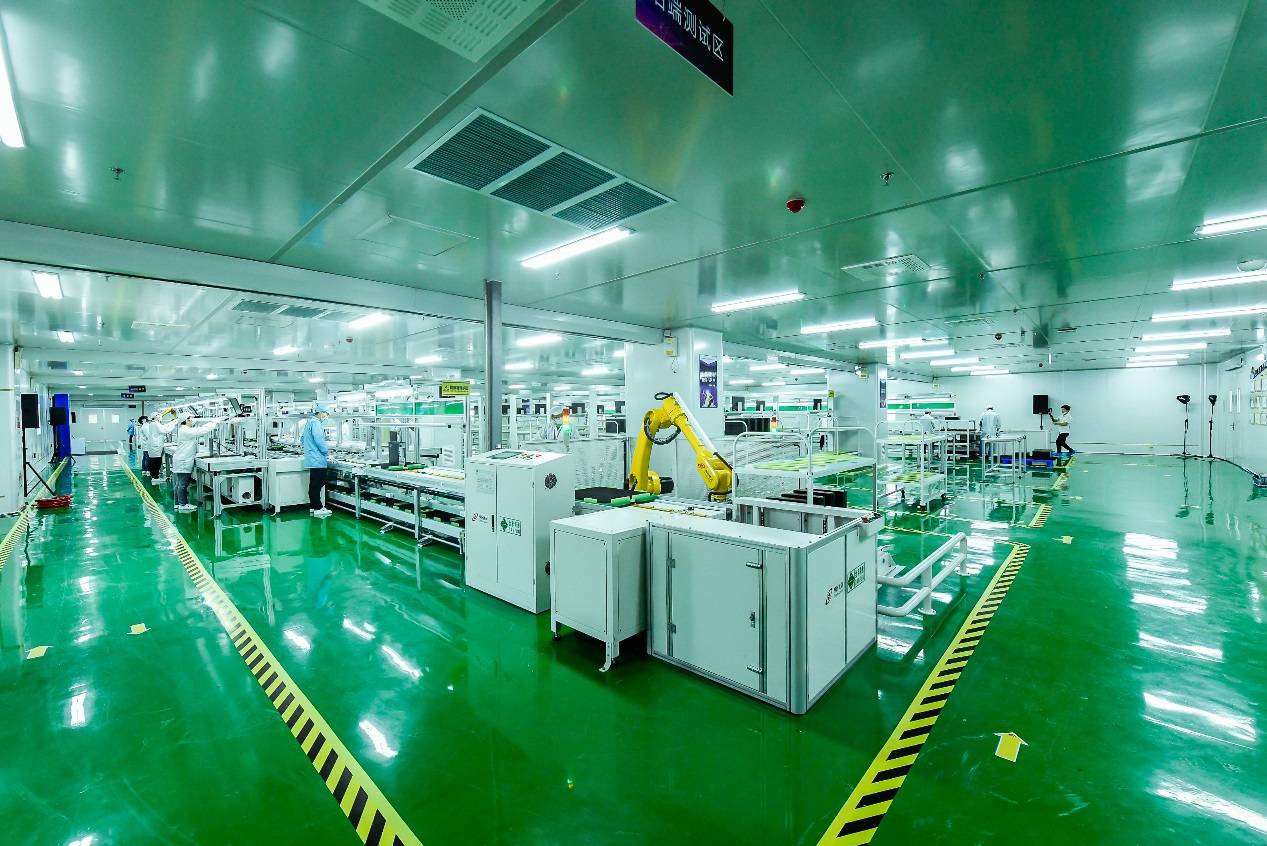
Our production facilities, including our dedicated, state-of-the-art 320㎡ advanced server integration cleanroom, are optimized for custom component placement, high-density server rack mounting, and advanced power distribution architectures.
Through our localized supply chain networks, we reduce the time-to-market for complex high-density GPU configurations. While typical OEM procurement cycles can stretch to months, TensorNova's integration model facilitates rapid component matching, assembly, and QA testing, accelerating deployments for compute-strapped enterprises.
Discover how computing architectures are evolving to meet the intense performance, memory, and cooling requirements of tomorrow's AI workloads.
As server component TDP (Thermal Design Power) exceeds 400W per chip, liquid cooling is transitioning from a premium feature to a default operational layout to maintain stable real-time operations.
Retrieval-Augmented Generation (RAG) and semantic databases require lightning-fast data ingestion and indexing. Dedicated hardware accelerators are essential to keep vector lookups sub-millisecond.
Processing data at the point of origin (Edge computing) prevents network latency and reduces cloud bandwidth costs, driving the demand for short-depth, rugged, real-time servers.
Deploying data infrastructure across borders requires strict adherence to localized regulations, including hardware-level security, emission certifications, and chemical standards. TensorNova ensures all shipped servers meet regional compliance mandates.
Our solutions conform to international quality and safety metrics. This enables hassle-free deployment in environments governed by strict operational guidelines, such as financial systems, municipal data hubs, and healthcare networks.
Global Support Infrastructure: We offer customized post-sale technical support, hardware warranty packages, and rapid component replacements across our key markets, including North America, Europe, Southeast Asia, and the Middle East.
We work in close cooperation with localized engineering teams in the United States, Germany, Singapore, and the United Arab Emirates to offer seamless hardware integration and system tuning service SLAs.
| Region | Compliance Mandates |
|---|---|
| United States | FCC Part 15, UL Listed, Energy Star Server Compliance |
| European Union | CE Mark, RoHS Directive, WEEE Directive, Ecodesign Lot 9 |
| Southeast Asia | CB Scheme, local electrical safety board approvals (e.g., PSB) |
| Middle East | SASO Certifications, local telecom/network approvals |
How our custom-built GPU and CPU rack servers perform in crucial, real-world data pipelines across multiple industry sectors.
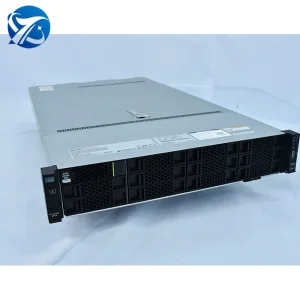
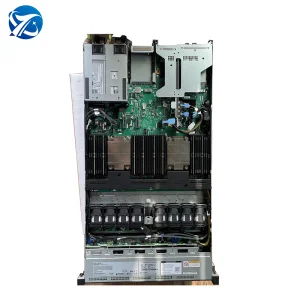
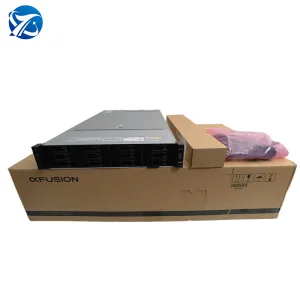
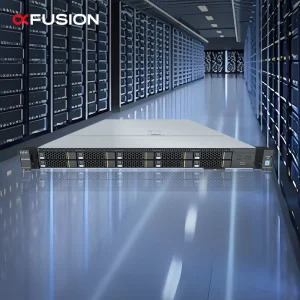
Leveraging high-density edge servers (like the FusionServer 1288H V7) to run real-time computer vision models on automated assembly lines. Instantly detects micro-faults, reducing product failure rates by up to 18%.
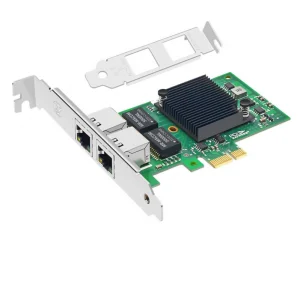
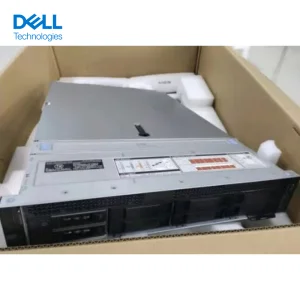
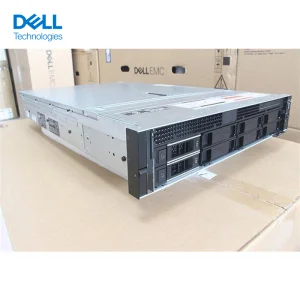
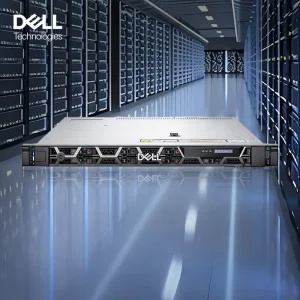
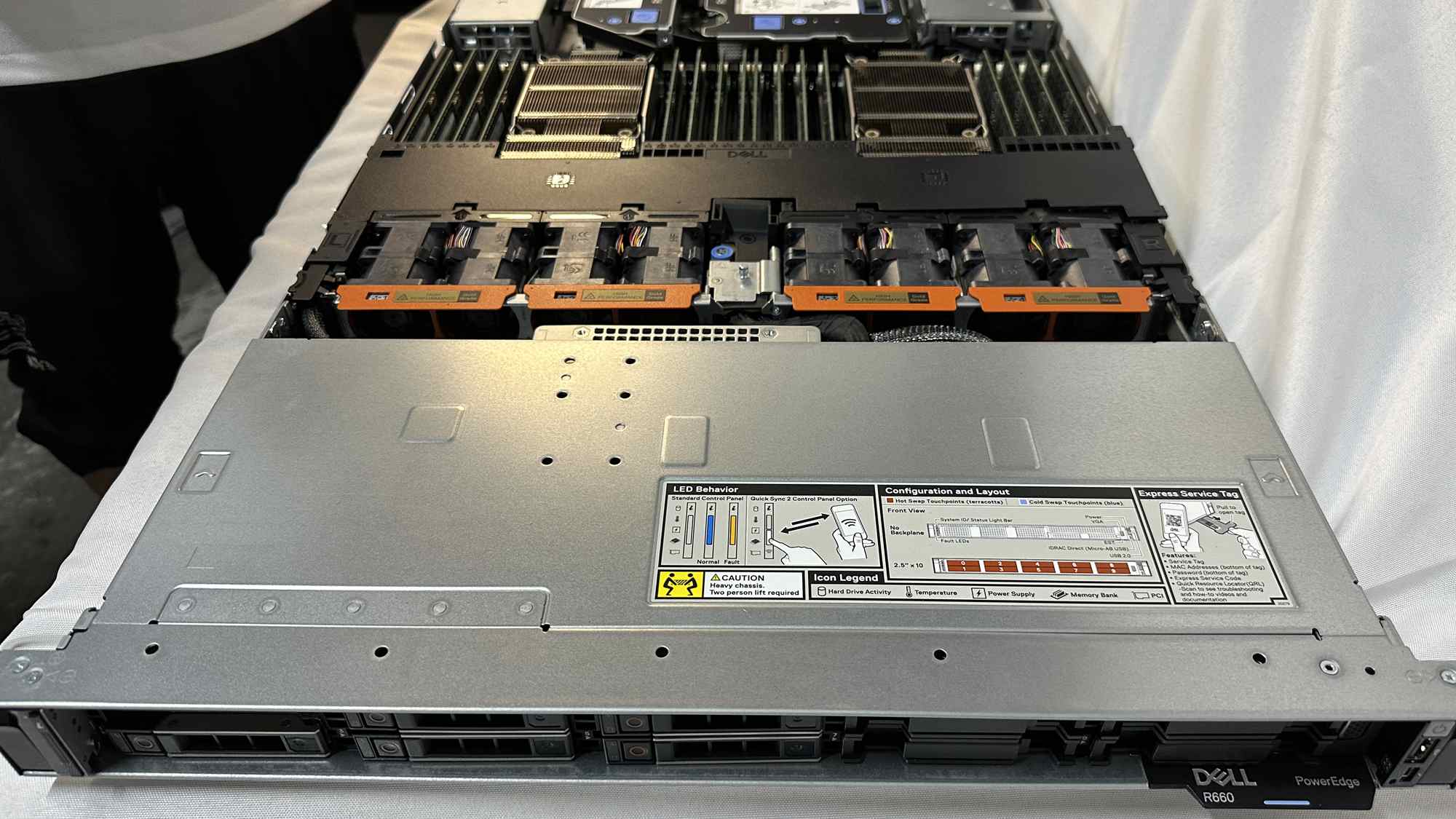
Minimizing tick-to-trade latency through specialized network cards (like the XP270-M2 RAID boot card paired with Dell PowerEdge R660), providing financial brokerages with sub-microsecond transaction advantages.
Processing thousands of live traffic video streams in metropolitan cloud centers, utilizing GPU-heavy nodes to calculate real-time traffic signal optimization and alleviate major city congestion points.
A detailed technical overview of popular configurations optimized for stream processing and real-time computation workloads.
| Server Model | Processor Type | Memory Limit | Expansion Capability | Primary Workload Match |
|---|---|---|---|---|
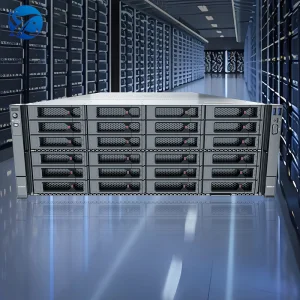
| FusionServer 2288H V7 | Intel Xeon Scalable (Gen 4/5) | Up to 8TB DDR5 ECC | Multiple PCIe Gen 5 Slots | Real-time AI Inference / RAG Pipeline |
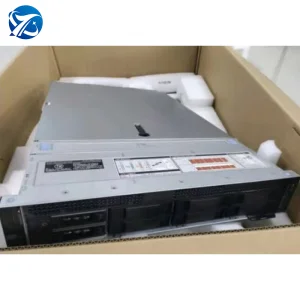
| Dell PowerEdge R660 | Dual Intel Xeon Scalable | Up to 8TB DDR5 RDIMM | 1U High-density layout | Micro-database caching / Web Telemetry |
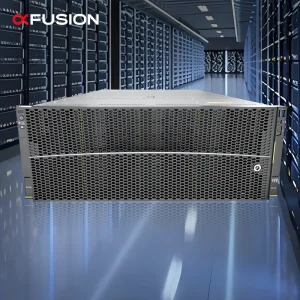
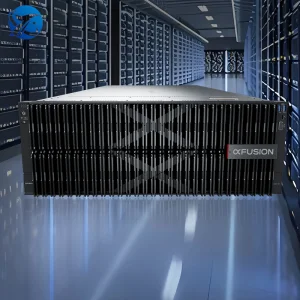
| xFusion 5885H V7 | Quad Intel Xeon Scalable | Up to 16TB DDR5 | 4U Multi-node architecture | High-throughput cluster operations / ERP |
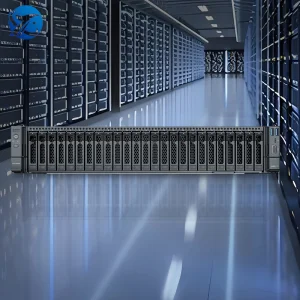
| xFusion 2488H V7 | Quad Intel Xeon Scalable | Up to 16TB DDR5 | 2U High-density layout | Deep Learning Training / Edge AI Clusters |
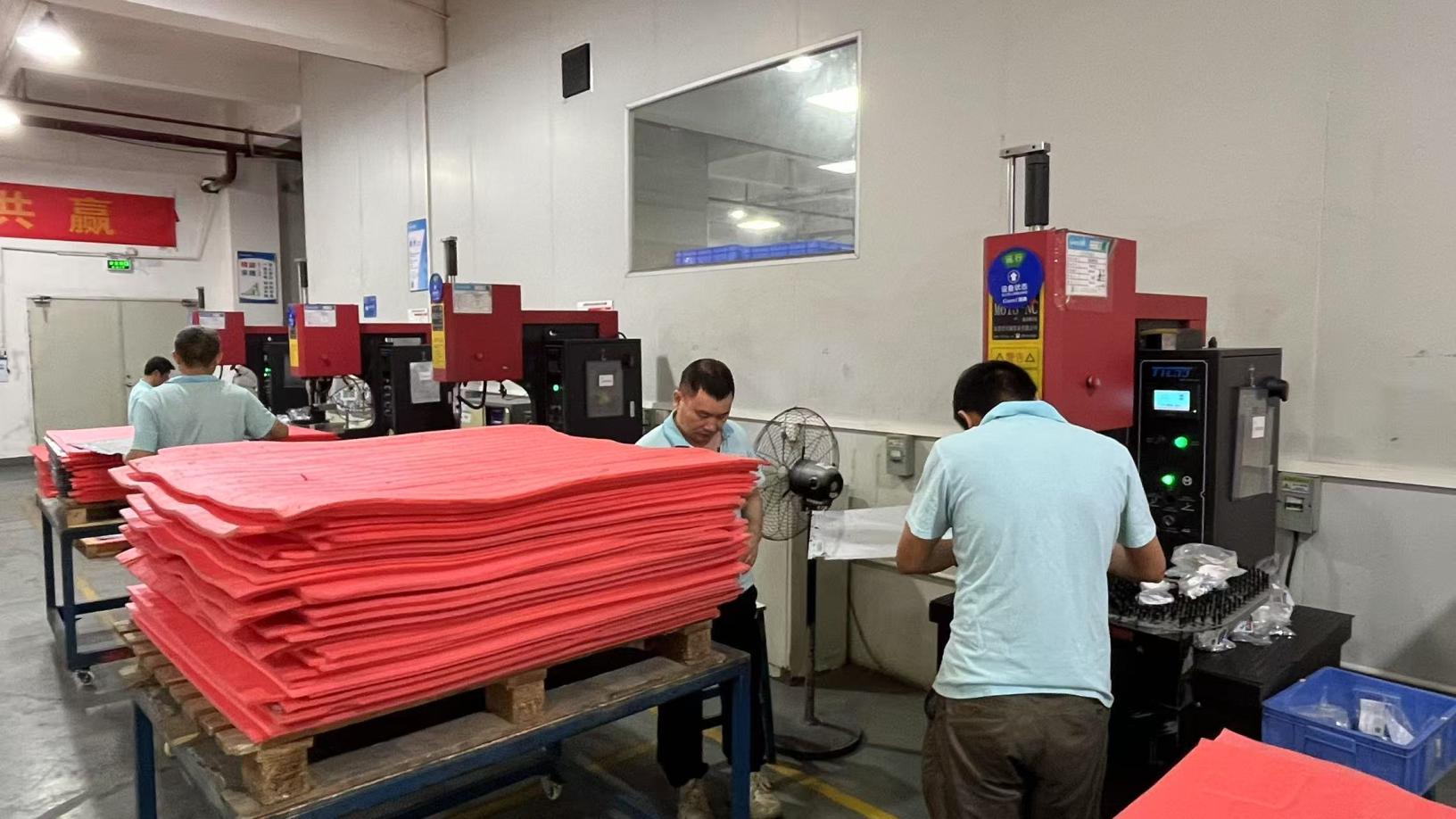
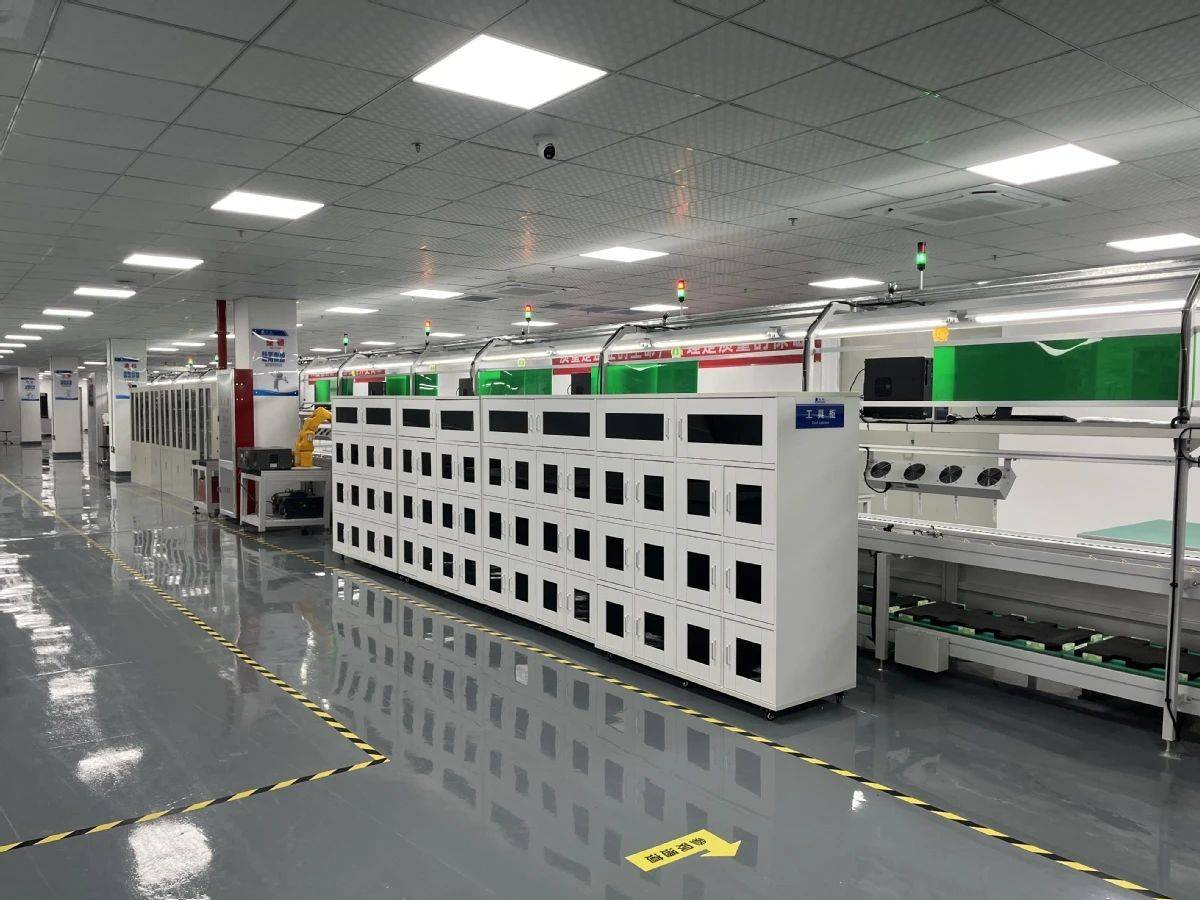
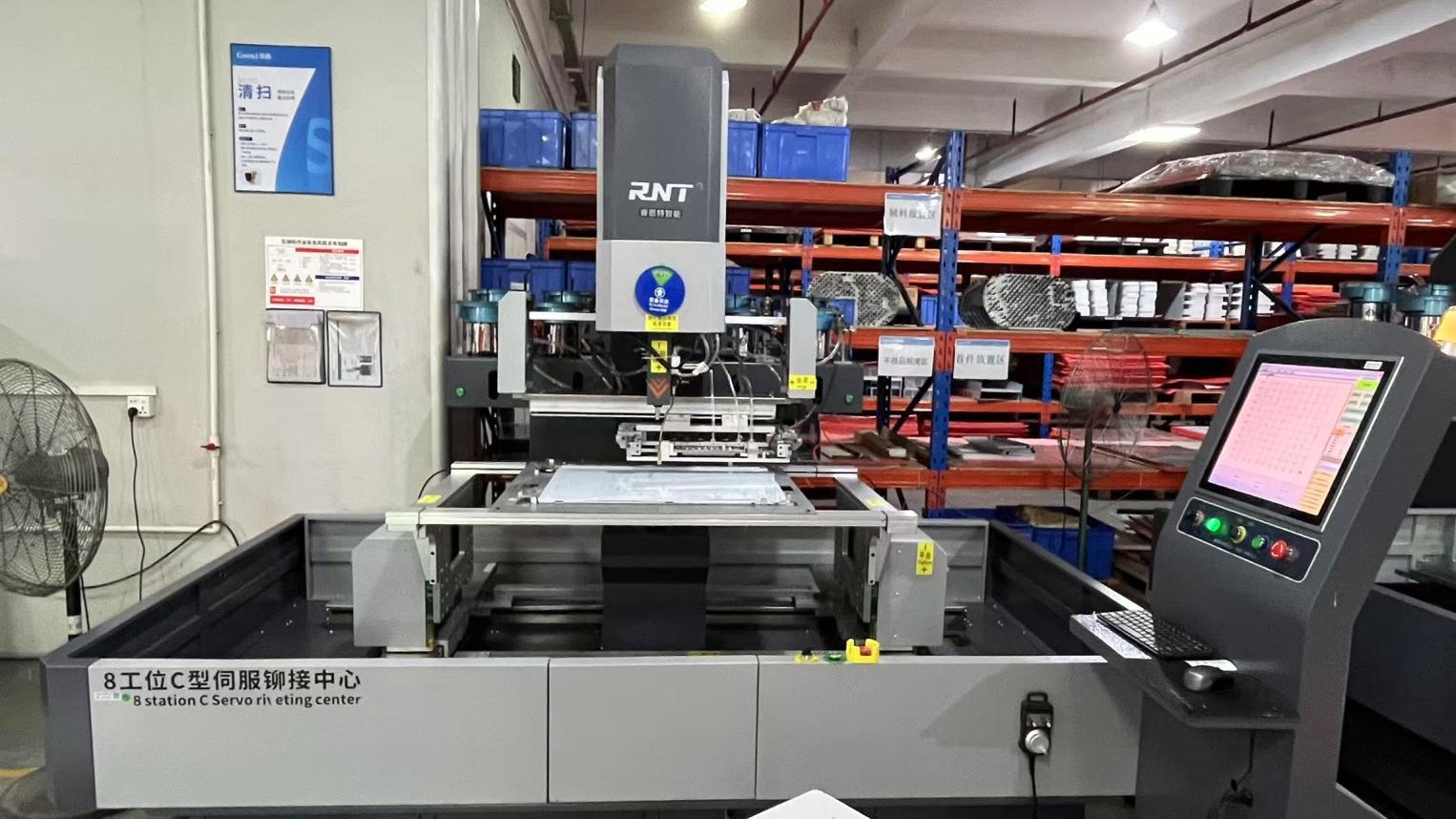
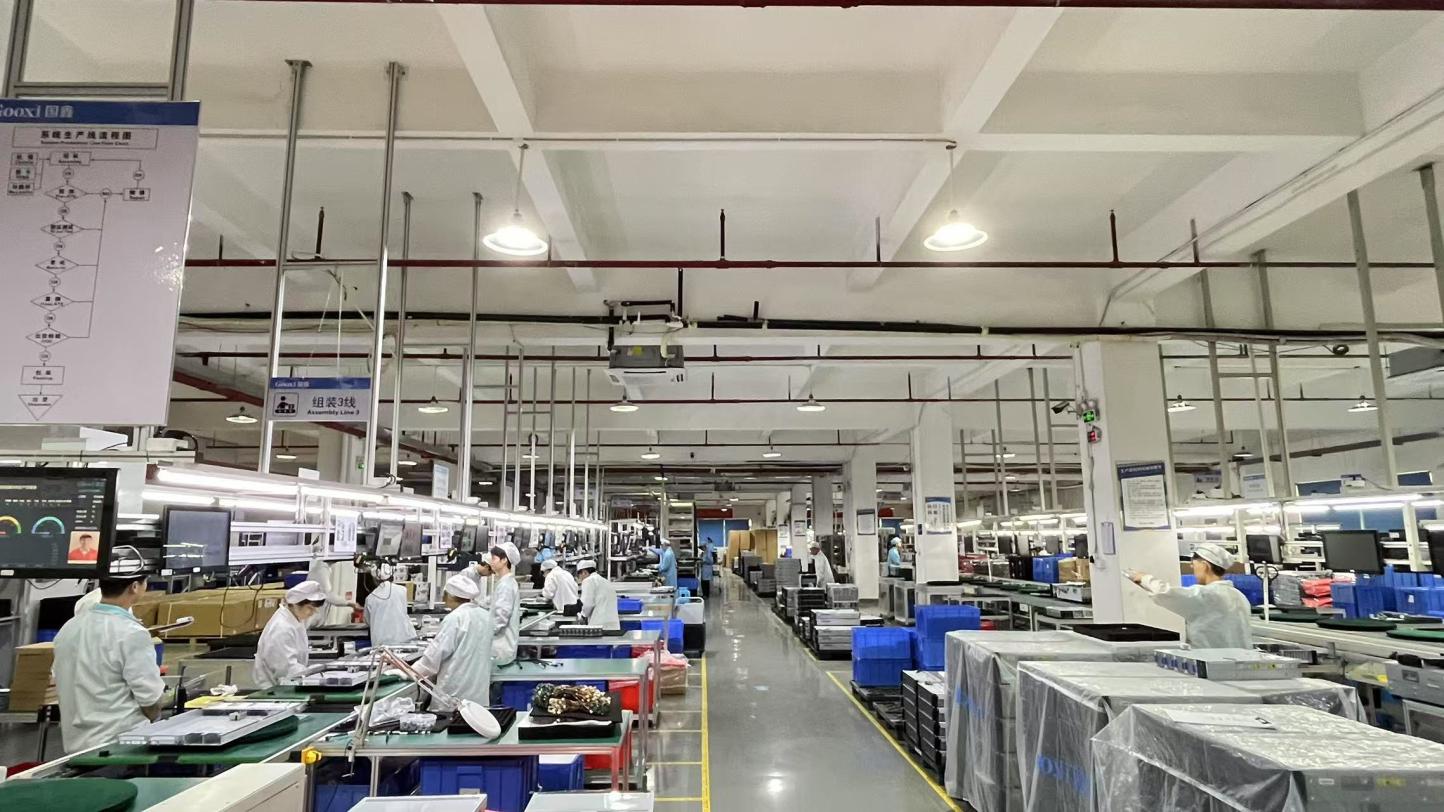
A look into our ISO9001-certified integration facility and testing chambers where we validate the structural integrity of our computing nodes.
Technical answers to key inquiries regarding procurement, custom integration, and deploying servers for real-time processing pipelines.
Hardware latency in data-intensive environments is primarily driven by three nodes: system bus speeds (PCIe Gen 5 vs Gen 4), RAM technology (DDR5 vs DDR4), and network throughput interfaces (such as SmartNICs supporting RDMA/RoCE). Bypassing traditional CPU interrupts via GPUDirect Storage (GDS) and GPUDirect RDMA is also essential for real-time AI analytics pipelines.
Every computing node assembled at our facility undergoes a strict validation protocol. This includes 72-hour burn-in procedures, thermal chamber testing under 100% computational load (both CPU and GPU), and simulated AI workloads using DeepSeek and proprietary LLM models to verify high-stress baseline reliability.
Yes, we specialize in high-degree customizations. Our R&D engineering team of approximately 180 experts can provide BIOS/motherboard tuning, specialized PCIe lane partitioning, localized liquid cooling block design, and custom chassis sizing tailored to specific rack infrastructure constraints.
Operating inside China's electronics manufacturing hub allows us to partner directly with over 1,200 strategic suppliers. This shortens component procurement loops, allows rapid iteration of custom design requirements, and lowers manufacturing overheads, providing significant cost advantages over typical Western system integrators.
Standard custom configurations are typically completed, tested, and ready for export shipment within 2 to 4 weeks, depending on component availability. We maintain strategic reserves of popular enterprise chassis and accessory units to minimize turnaround time.
Scalable, rackmount computing systems designed to balance storage capacity, memory density, and accelerated computational capability.