TensorNova
TensorNova
TensorNova
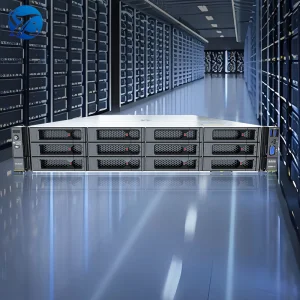
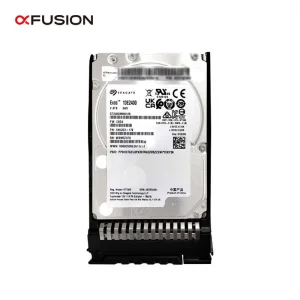
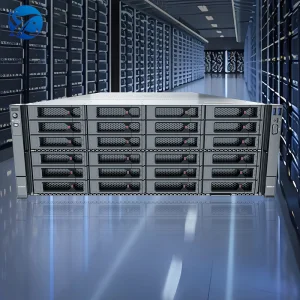
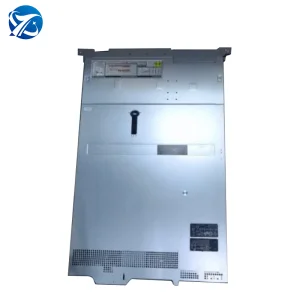
In the era of hyper-scale computing, large enterprises and global research organizations face unprecedented challenges when deploying scalable hardware architectures. The surge in AI models, big data analytics, and decentralized cloud applications has shifted procurement mandates from standard server configurations to highly customized, power-dense systems. Modern purchasing executives prioritize not just initial hardware acquisition costs, but overall Total Cost of Ownership (TCO), energy efficiency ratios, long-term technical reliability, and absolute vendor adaptability.
A significant challenge in current infrastructure procurement is sourcing hardware that balances high-density processing power with thermal stability. Standard, off-the-shelf rack servers often fail to meet the rigorous demand cycles of machine learning operations and intensive GPU clusters. Enterprise purchasers must evaluate vendors on their capabilities to supply certified, highly configurable platforms that run seamlessly with zero thermal throttling. Strategic procurement demands partners that offer integrated solutions, encompassing everything from foundational core architectures to micro-level components such as ultra-low latency SSDs, high-capacity DDR memory architectures, and top-tier PCIe interface controller cards.
TensorNova is a professional high-performance AI GPU server manufacturer and infrastructure solution provider based in China, specializing in AI computing, GPU clusters, and scalable data center hardware solutions for global enterprises. Established in 2016, TensorNova has developed into a trusted supplier in the AI hardware industry with a strong focus on innovation, performance, and customized computing systems.
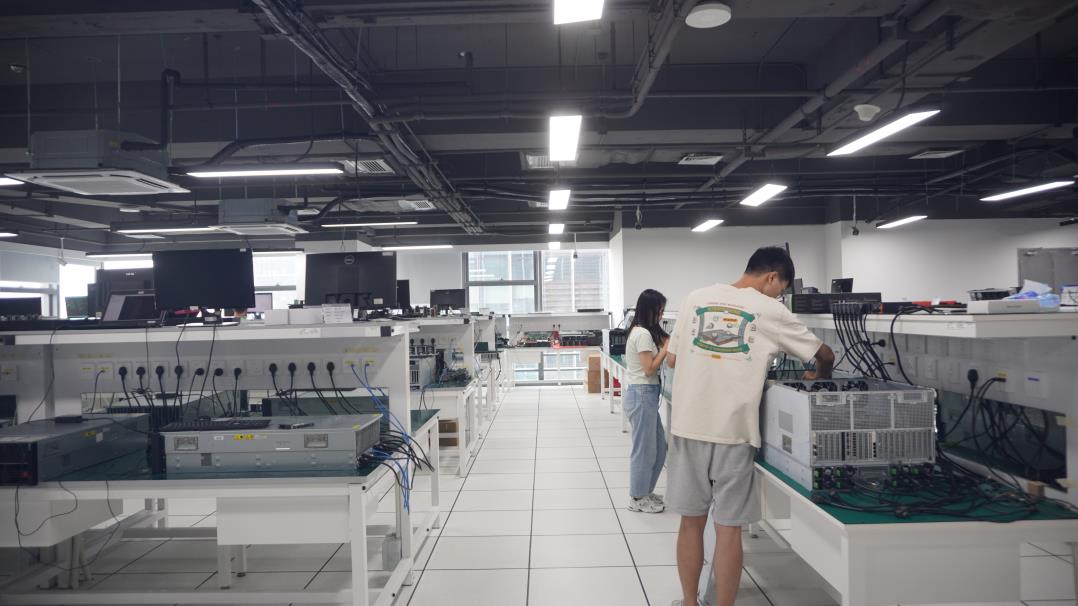
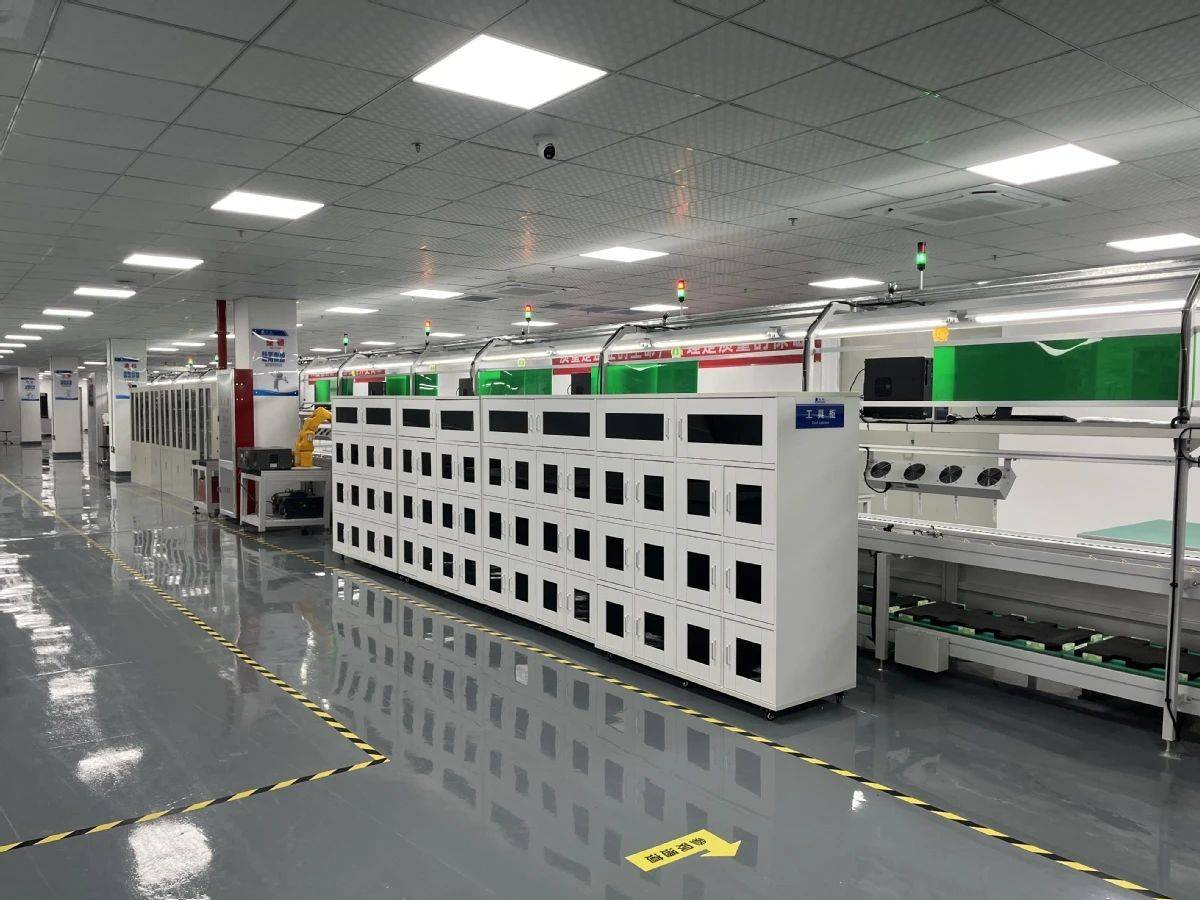
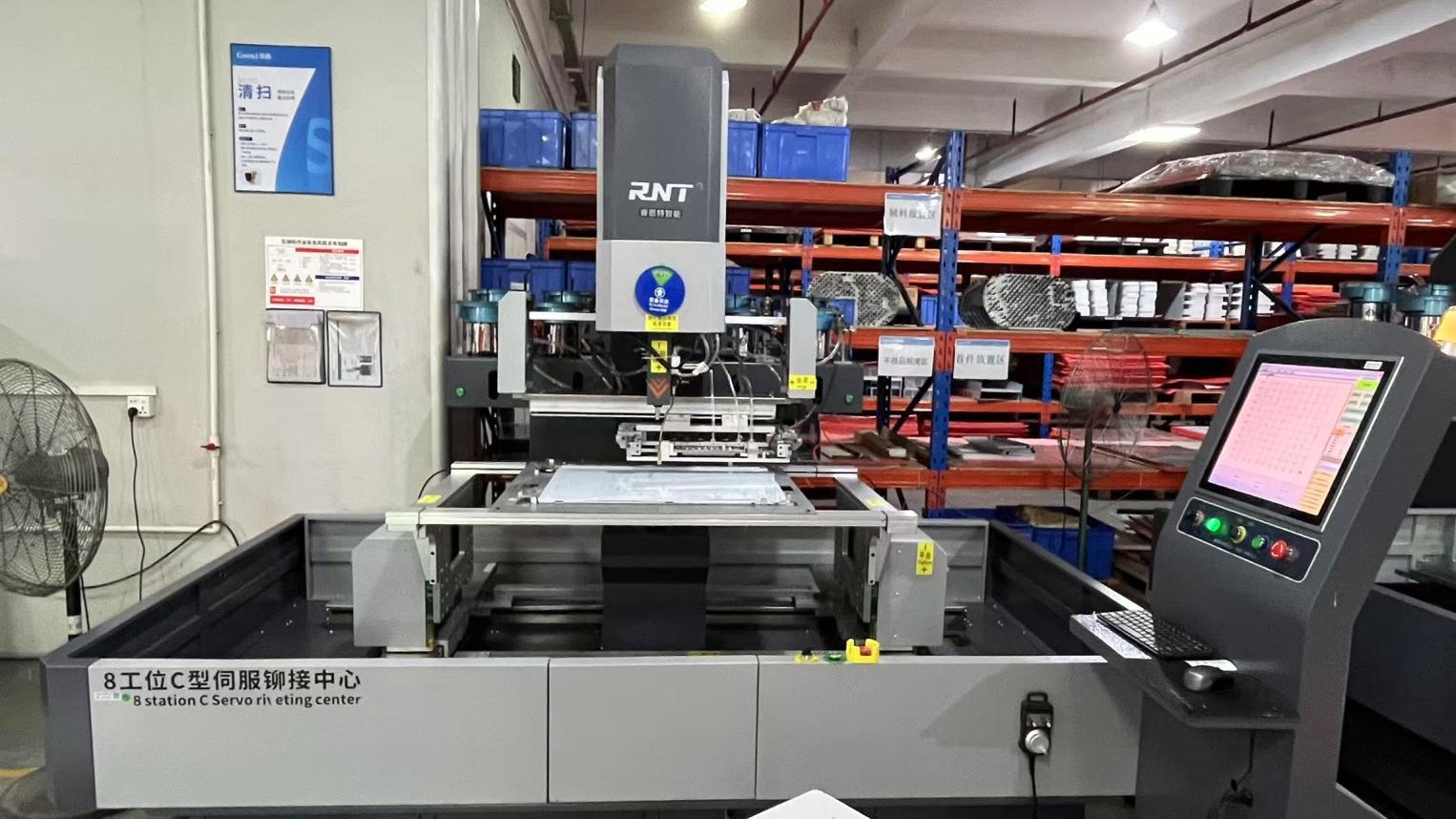
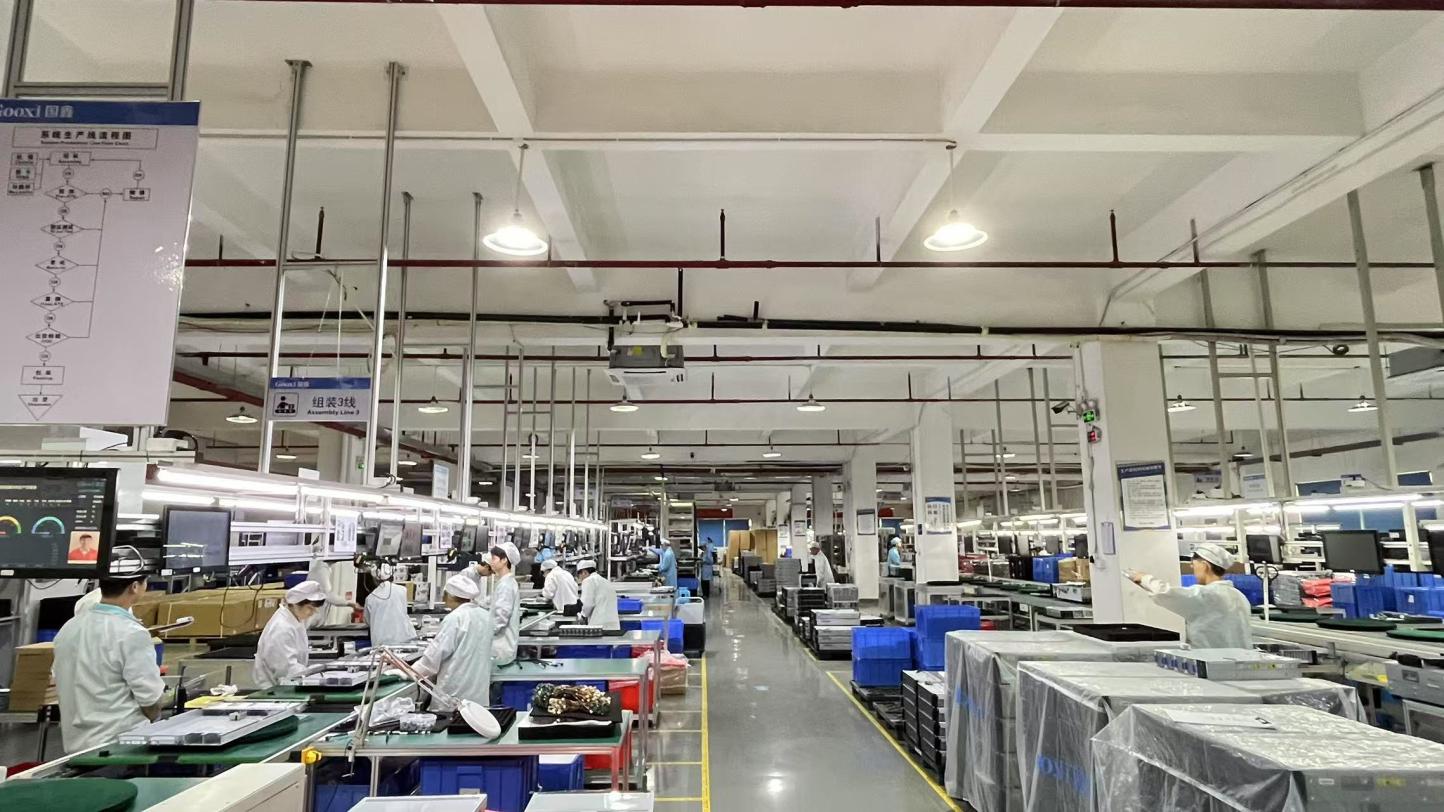
The company operates a modern production facility covering approximately 320㎡, equipped for advanced server assembly, testing, and system integration. With a strong international trade background, TensorNova serves clients across North America, Europe, Southeast Asia, and the Middle East, with primary markets in the United States, Germany, Singapore, and the United Arab Emirates.
With 6 years of export experience and over 12 years of industry experience in AI computing and server manufacturing, TensorNova has built a robust supply chain ecosystem with more than 1,200 global suppliers and strategic component partners, enabling stable production and fast delivery capabilities. We primarily serve AI research institutions, cloud computing providers, data centers, enterprise IT departments, and AI startups.
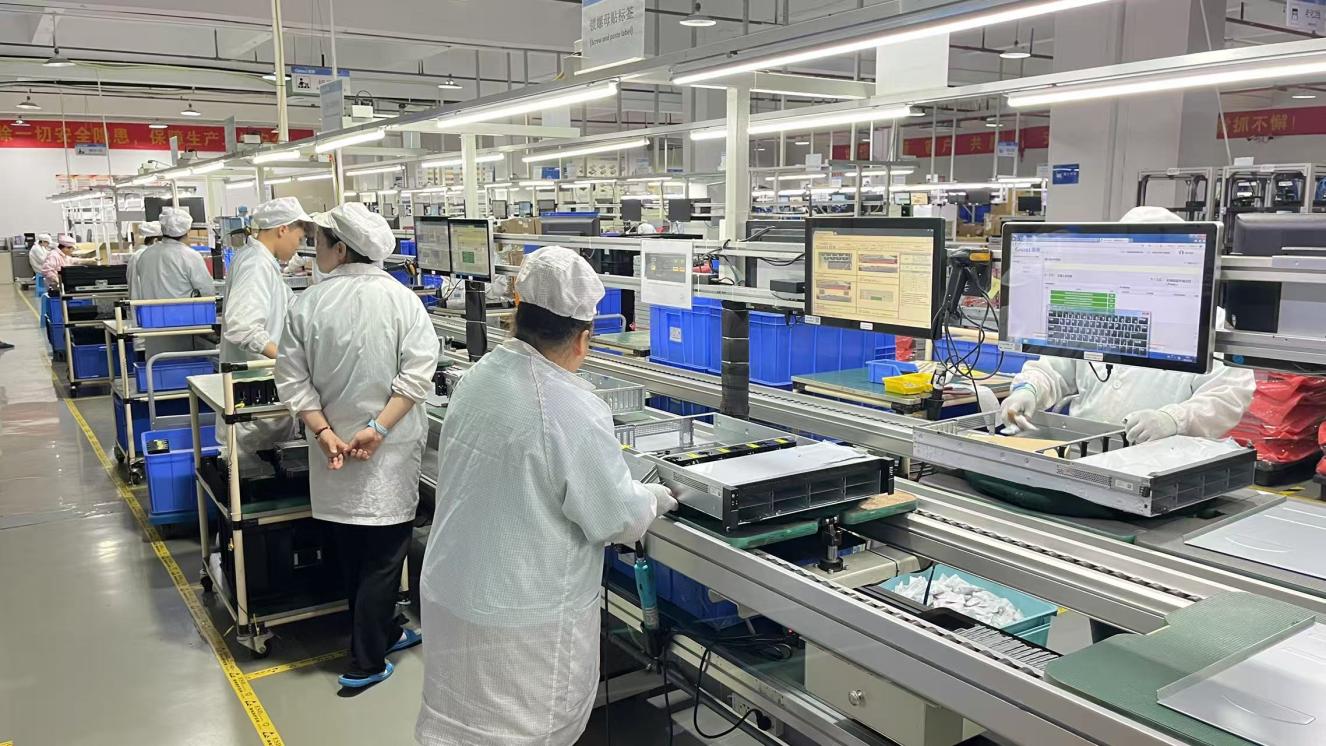
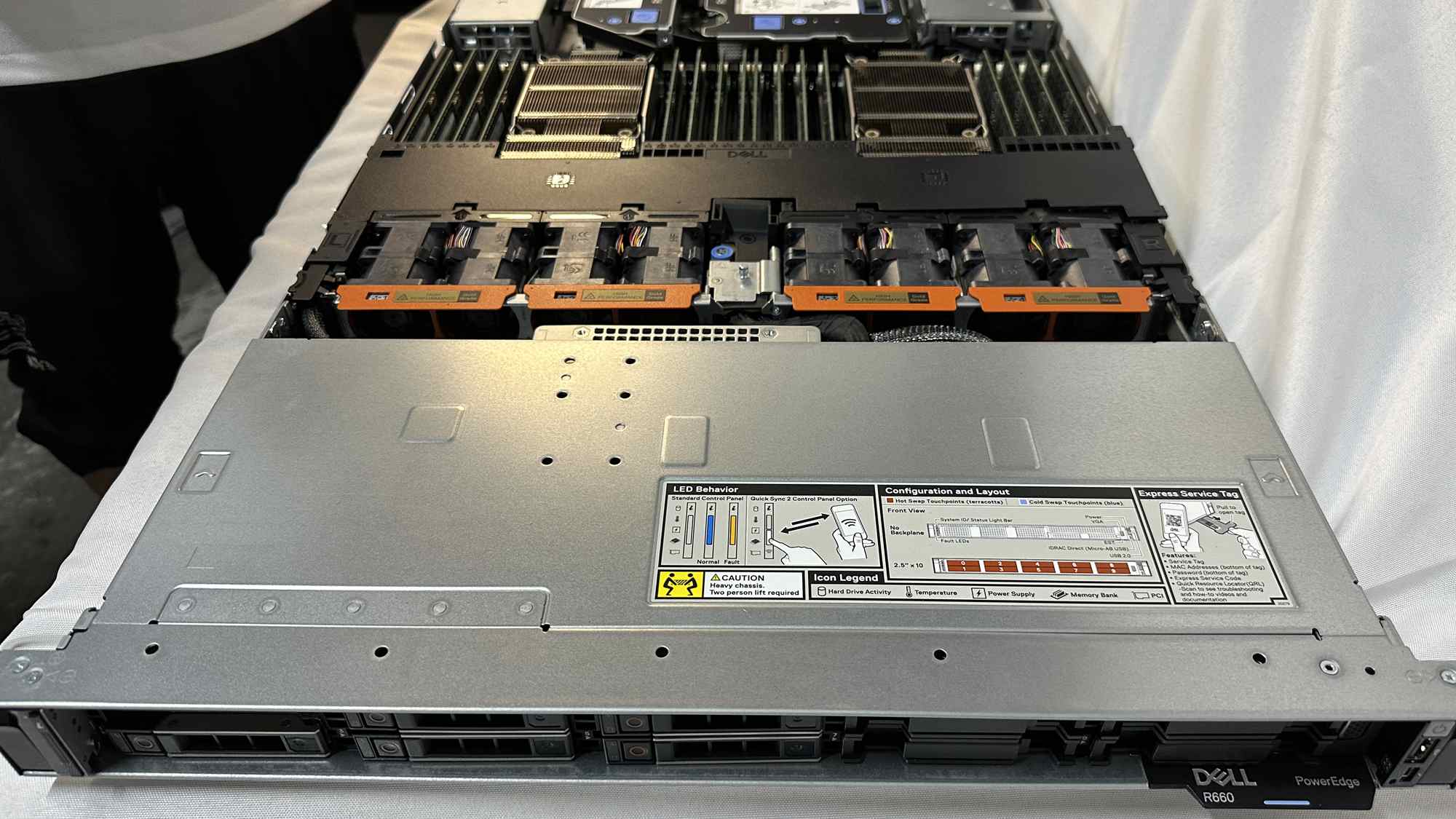

In the rapidly changing global digital economy, generic compute systems fall short in performance efficiency. TensorNova leverages deep engineering experience to create specialized hardware architectures tailored for diverse vertical industries. By designing systems focused on specific workload behaviors, we maximize utilization and eliminate data latency.
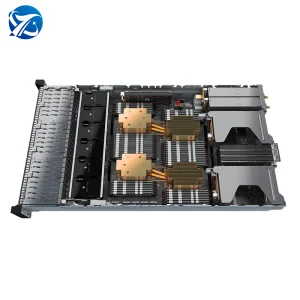
TensorNova AI platforms support massive GPU scaling via high-speed PCIe topologies. These platforms are optimized for Large Language Model (LLM) fine-tuning, complex computer vision applications, and neural network simulations. High-density structures deliver optimal compute performance while maintaining tight control over server room space.
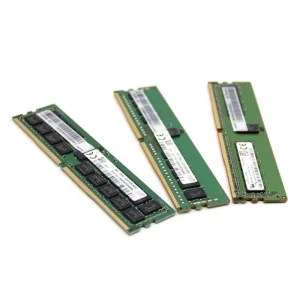
For virtualized environments and public cloud backbones, we build high-density multi-socket CPU units featuring high DDR memory capacity. Systems are validated with leading virtualization and open-source infrastructure management platforms to ensure simple node scaling and stable operations.
To address the rapid expansion of enterprise big data, we manufacture high-density hybrid storage servers that combine NVMe read-dense solid-state drives with high-capacity SATA drives. These configurations enable real-time database transactions, active media archiving, and high-frequency read/write speeds.
Enterprise computational architecture is shifting toward hybrid acceleration, automated thermal management, and ultra-high-speed point-to-point interconnects. At TensorNova, our dedicated R&D engineering division—comprising approximately 180 highly trained hardware engineers—drives innovation in hardware design to handle complex enterprise computational models.
Our next-generation systems focus on liquid loop cooling systems (direct-to-chip cold plates) to replace traditional high-RPM air cooling. This technological change cuts cooling power consumption in high-density installations by up to 40%. Additionally, we are integrating PCIe Gen 5 and Gen 6 interfaces across all server platforms. This provides the massive data bandwidth required by modern accelerator arrays and eliminates historical data processing bottlenecks.
Through strategic testing and hardware design, we optimize memory bandwidth and reduce processing latency. This optimization allows real-time inference engines, dynamic cloud networks, and GPU clusters to run consistently at peak capacity.
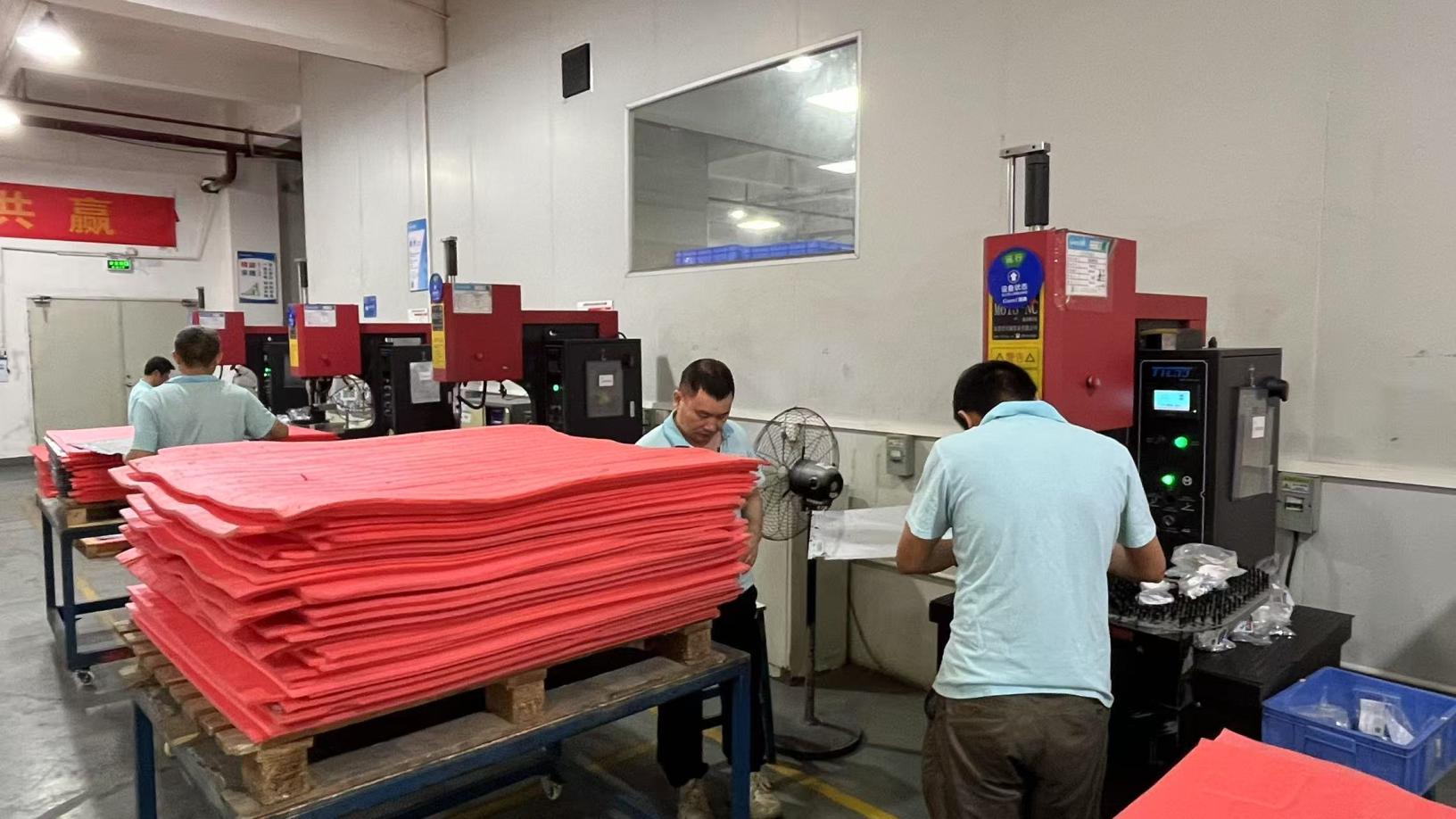
Maintaining manufacturing stability during global component shortages requires a resilient, highly integrated supply chain ecosystem. Over more than a decade, TensorNova has built relationships with over 1,200 trusted component suppliers worldwide. This extensive partner network ensures a consistent supply of critical elements, including enterprise-grade silicon, multi-layer circuit boards, advanced chassis materials, and server microprocessors.
Our primary international commercial channels serve clients in the United States, Germany, Singapore, and the United Arab Emirates. This global footprint allows us to analyze operational data from diverse markets and use these insights to continuously improve our hardware configurations. By sourcing from multiple regions and storing key components locally, we mitigate supply chain volatility and provide our clients with predictable production schedules, competitive pricing, and fast delivery timelines.
Enterprise hardware reliability is non-negotiable. System failures translate directly to operational downtime, lost data, and significant financial impacts. To prevent these risks, TensorNova operates under a strict ISO9001-certified quality control framework. This process ensures that every server chassis, processor node, memory module, and storage drive meets rigorous performance standards before leaving our facility.
Our quality control team consists of 45 specialized inspectors who track component parameters through every stage of assembly. Each hardware component undergoes thorough diagnostics, including automated stress testing, thermal cycling, and continuous burn-in testing. We also run AI workload simulations to verify system stability under heavy processing loads. This comprehensive testing ensures that all components, from server switches to high-density SSD arrays, perform reliably in demanding operational environments.