TensorNova
TensorNova
TensorNova

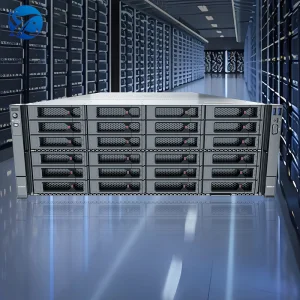
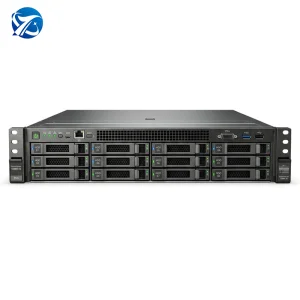
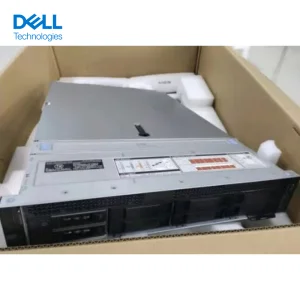
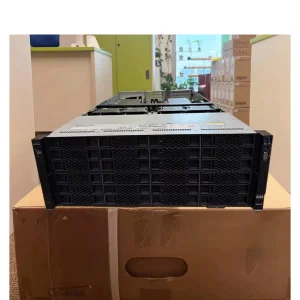
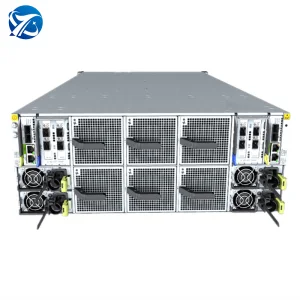
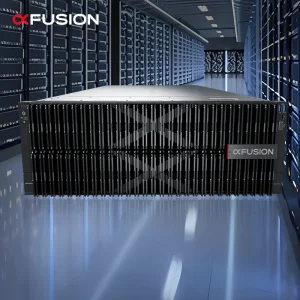
In today's fast-evolving technological paradigm, server computing performance is no longer purely determined by silicon specifications. The execution layer—specifically the System Firmware (BIOS/UEFI, BMC, and PCIe Controller Microcode)—acts as the fundamental bridge between operating systems and physical hardware circuits.
With the rapid adoption of extreme parallel compute models like DeepSeek, LLMs, and high-density GPU virtualization clusters, the firmware management lifecycle has evolved from occasional maintenance to a mission-critical operation. System reliability, real-time thermal throttling algorithms, and high-speed PCIe lane negotiations all rely directly on continuous, secure, and validated firmware updates.
Modern cyber threats increasingly target the pre-boot environment. Implementations of Platform Firmware Resilience (PFR) and cryptographically signed firmware packages protect bare-metal enterprise assets from persistent rootkit implants. Without a verified, trusted firmware lifecycle managed by certified suppliers, even the most robust AI workloads remain exposed to hypervisor-level bypass exploits.
Proprietary, locked-down Baseboard Management Controller firmware is rapidly being replaced by Linux-based OpenBMC distributions. Industry platforms leverage standard DMTF Redfish APIs to automate firmware deployment, hardware monitoring, and asset tagging across tens of thousands of compute nodes.
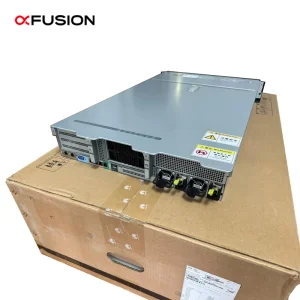
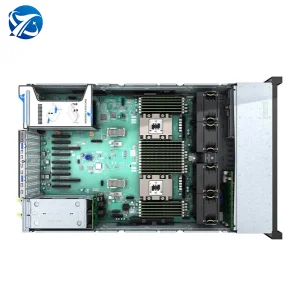
Deploying high-performance GPU nodes (such as FusionServer, G5200 V5, and other modern architectures) requires precise VBIOS alignment. Our engineering validates clock rate profiles, custom PCIe Gen 5 routing, and thermal limit states to maximize FLOP outputs without triggering thermal throttling locks.
Integrating hardware Root of Trust (RoT) engines natively into the motherboard layer. In the event of a compromised update, PFR automatically detects unauthorized alterations, prevents boot operations, and restores the primary system to a certified golden-copy recovery firmware version.
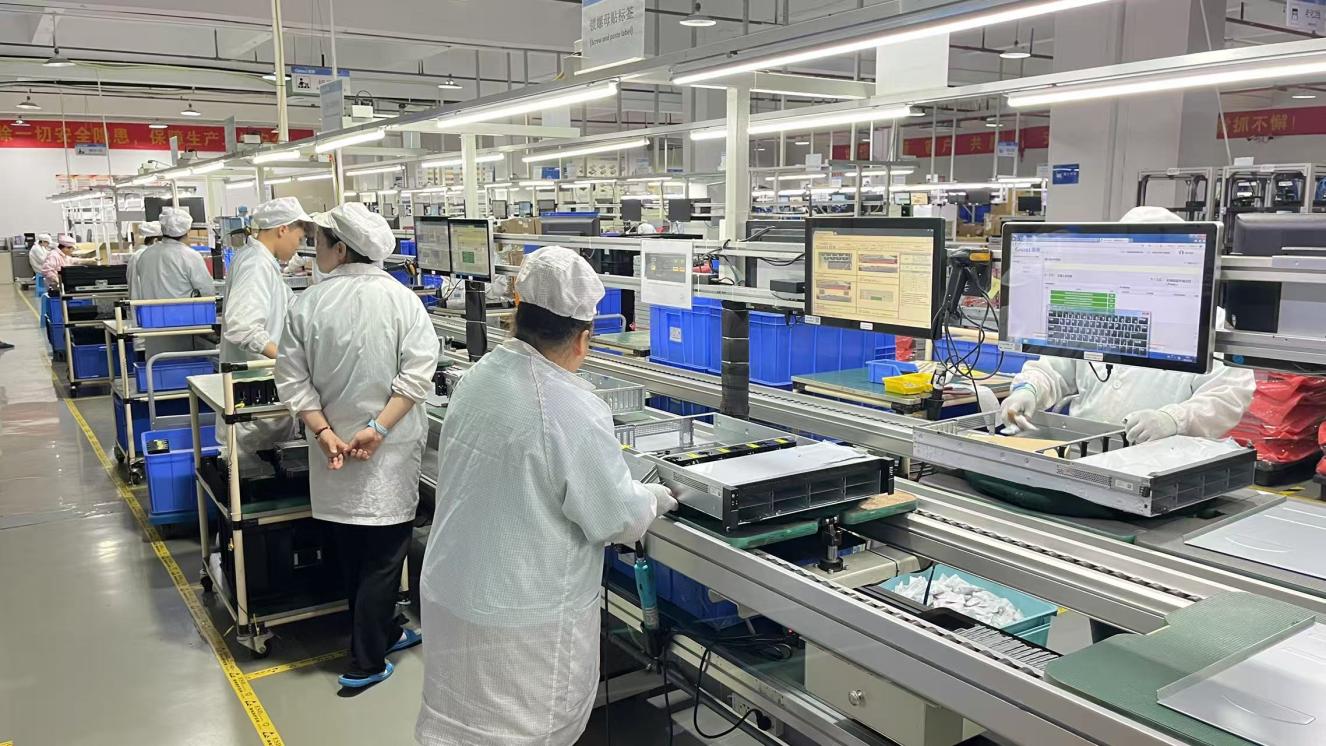
Established in 2016, TensorNova has emerged as a premier manufacturer and global supplier of high-density AI servers, custom GPU compute nodes, and high-performance system expansion components. Operating from modern manufacturing premises, TensorNova features a highly optimized production system designed specifically for the rigorous validation of complex server platforms.
Our facility handles everything from advanced server assembly to high-stress thermal and computational load simulation. Backed by 12+ years of industry experience and a robust R&D crew consisting of 180+ developers and system engineers, we verify compatibility, security, and optimization across all BIOS, BMC, and host software configurations before delivery.
Production Scope: Advanced hardware debugging, custom chassis prototyping, dynamic liquid cooling validation, multi-socket Intel Xeon scaling, and multi-node system integration.
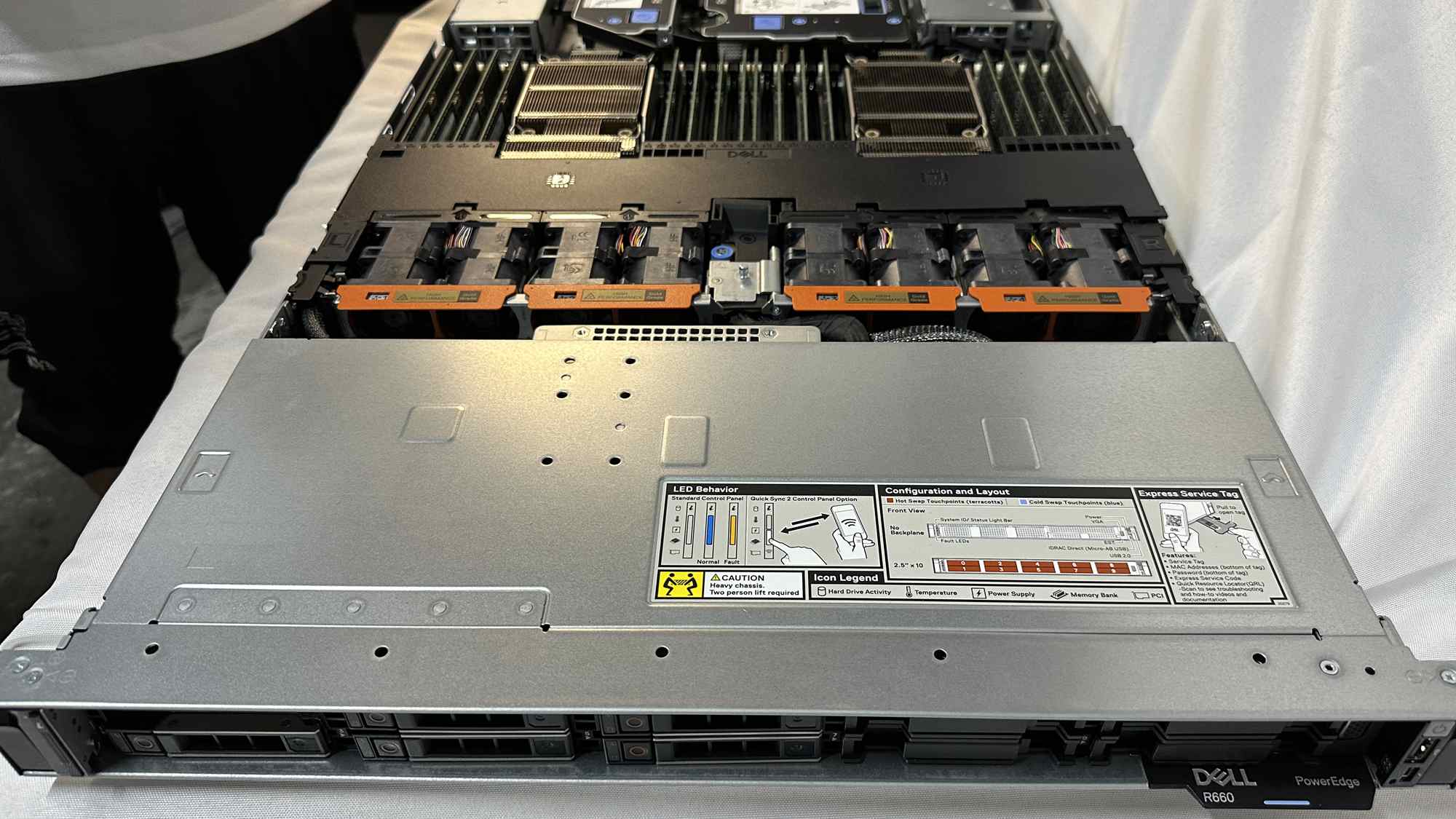
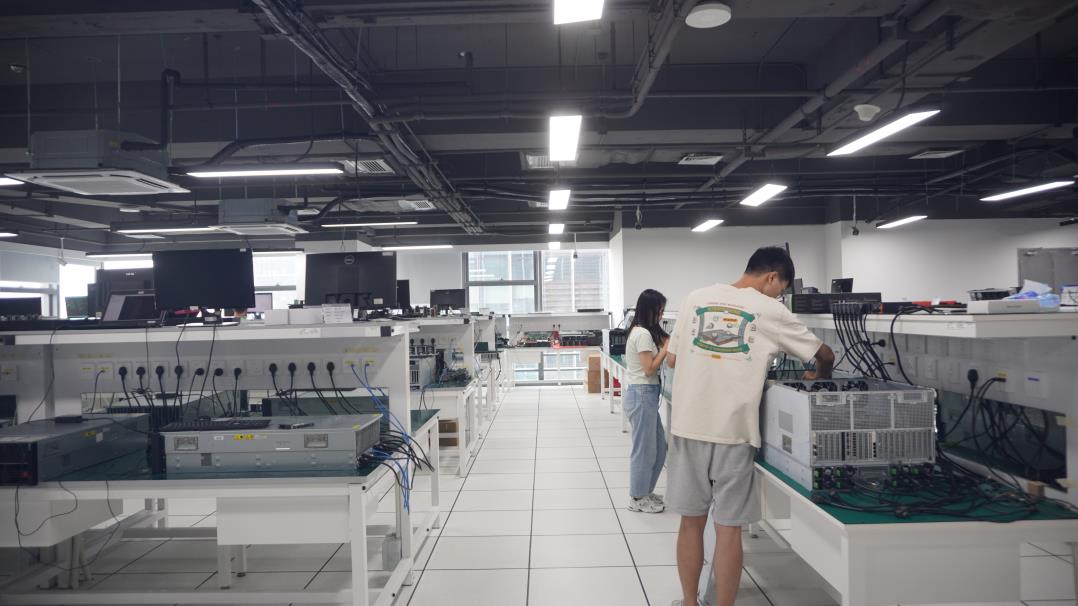

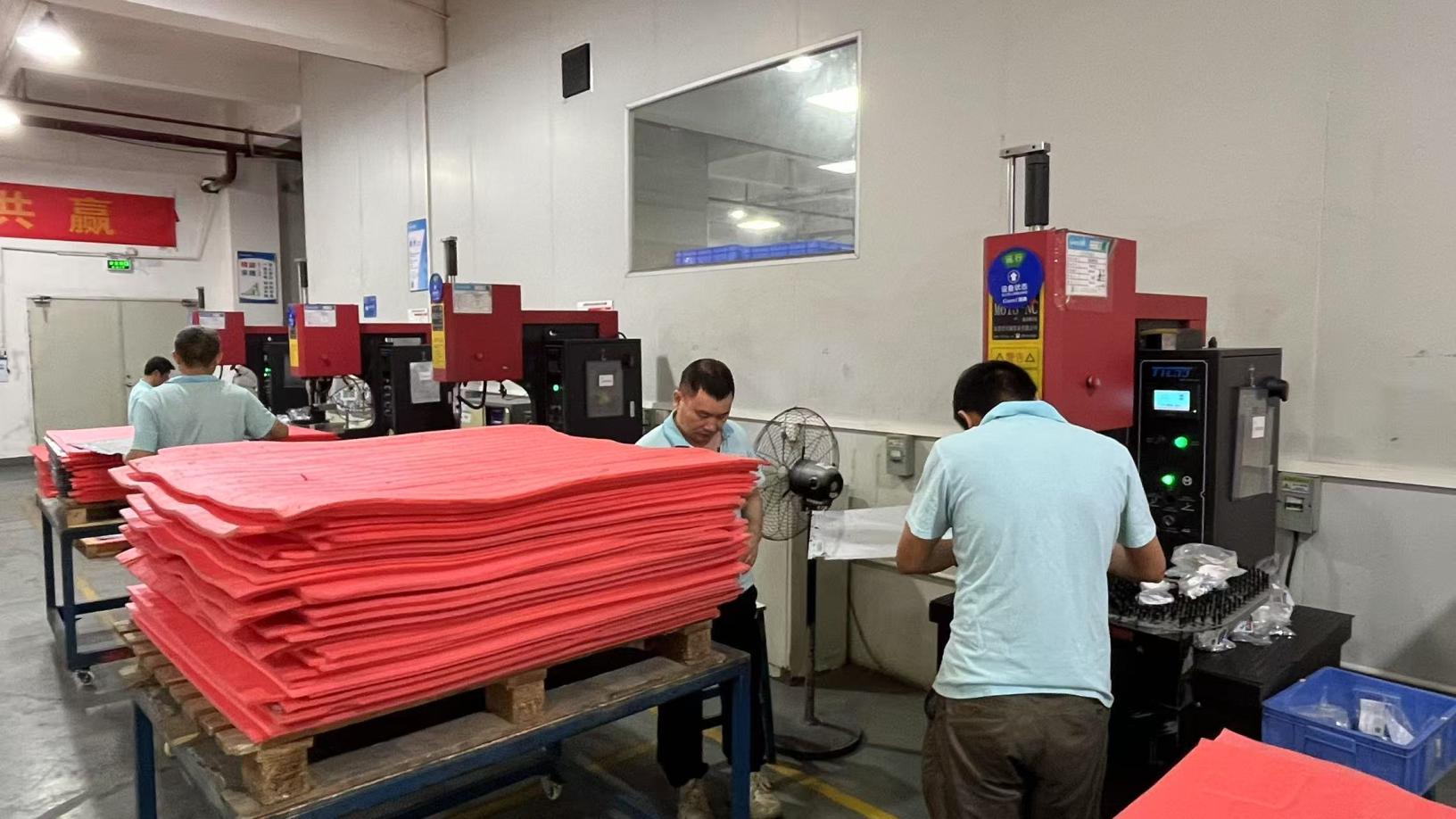
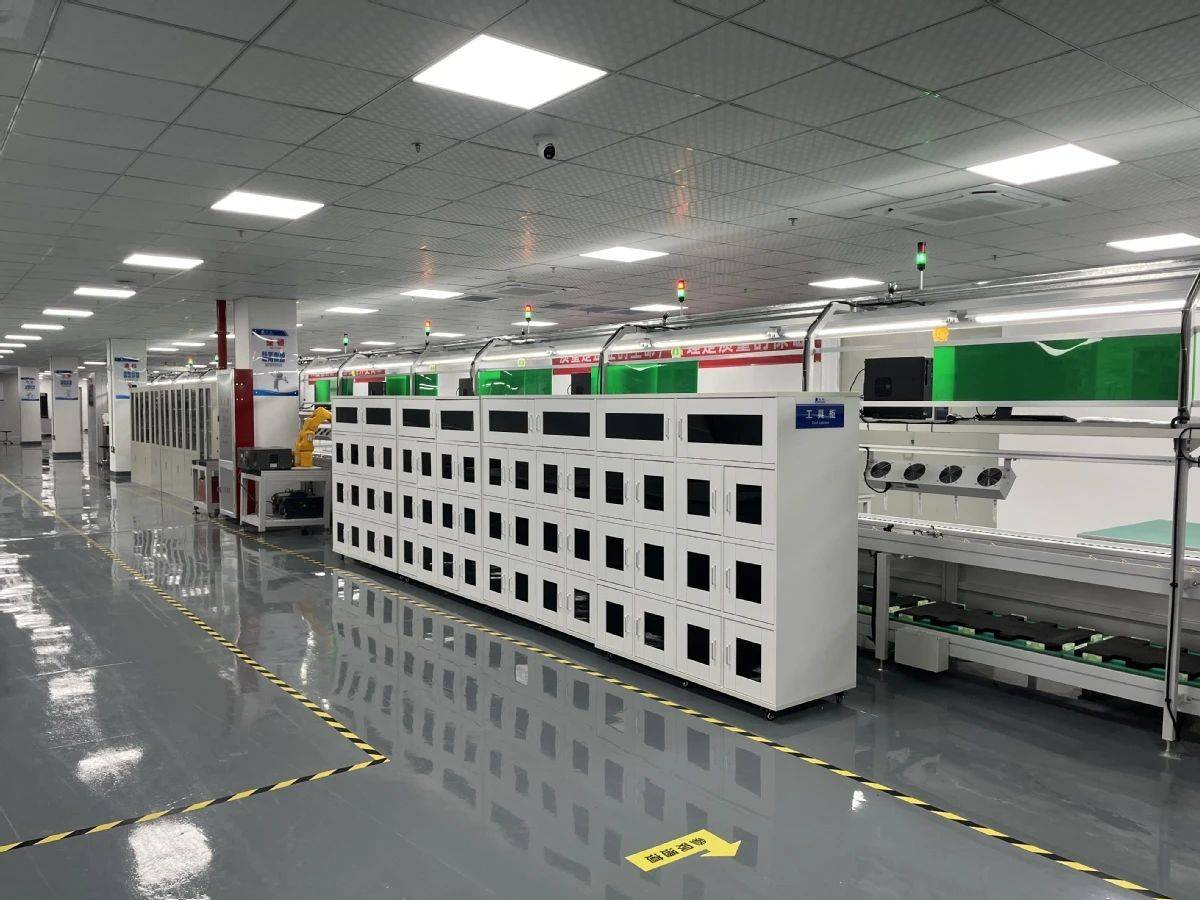

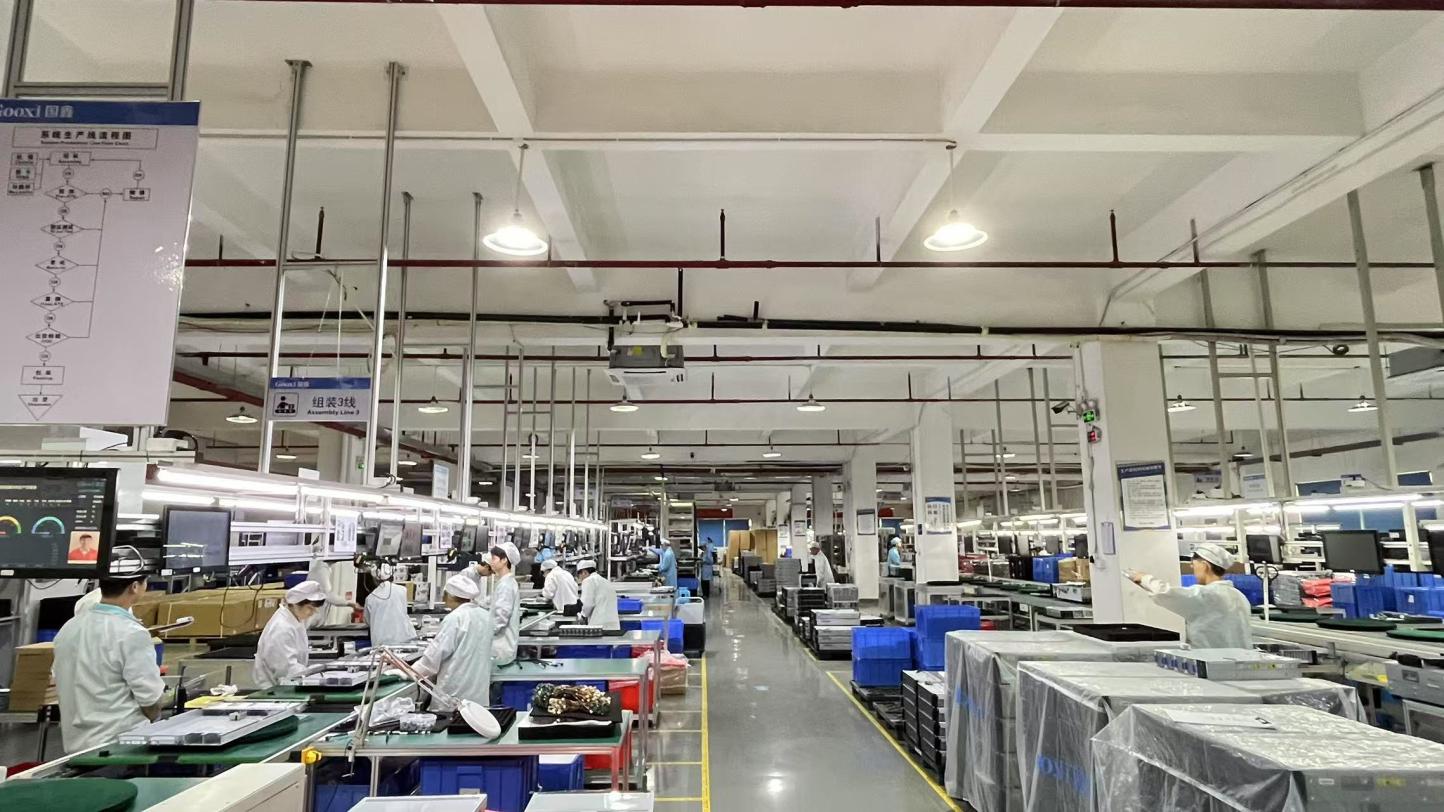
We design, assemble, and optimize hardware nodes to function dynamically in large clusters. Operating systems are pre-installed and tuned at the BIOS level to prioritize UPI speeds and thread-to-core layouts, minimizing inter-node latency bottlenecks during training.
Integrating custom direct-to-chip (D2C) cold plate systems and manifolds. Our customized BMC firmware monitors precise flow rates, manifold inlet/outlet temperatures, and controls dual-loop variable speed pumps to guarantee safe thermal performance under heavy AI loads.
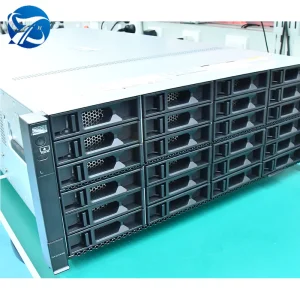
High-density storage networks demand robust controllers. We deploy enterprise RAID controllers (like XP270-M2 and XC170-M-8i) loaded with verified, secure array microcode to protect cache data, implement fast RAID rebuild algorithms, and optimize SAS/SATA performance.
Different markets possess unique operating demands. In North America and Europe, our enterprise clients emphasize strict regulatory compliance, PFR features, and OpenBMC standardization. For these requirements, TensorNova delivers servers with secure boot keys, TPM 2.0 modules, and standardized Redfish management configurations.
In fast-growing digital economies across Southeast Asia and the Middle East, the primary focus centers around extreme thermal efficiency and density. We provide customized firmware profiles that adapt cooling fan curves to higher ambient temperatures, preventing CPU and GPU thermal throttling while optimizing server room energy usage.
TensorNova coordinates with overseas system integrators, data center operators, and cloud providers to ensure seamless hardware installation. With an established logistics network and support partners, we facilitate fast hardware delivery and provide complete firmware upgrade documentation, custom scripts, and remote console tools to minimize setup time.
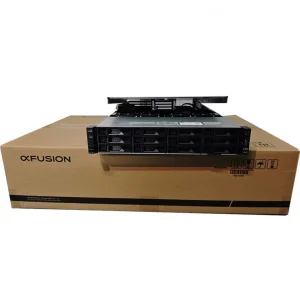
Whether upgrading BIOS configurations on a batch of 2U rack servers or flashing VBIOS settings on thousands of high-speed GPU training accelerators, our engineering team provides reliable technical assistance to maintain constant cluster availability.