TensorNova
TensorNova
TensorNova
High-reliability computing units integrated with diagnostic telemetry interfaces, optical modules, and core layer networking components.
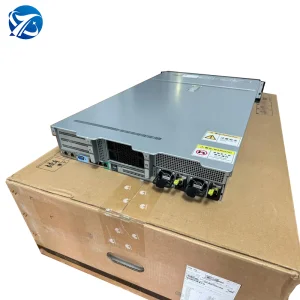
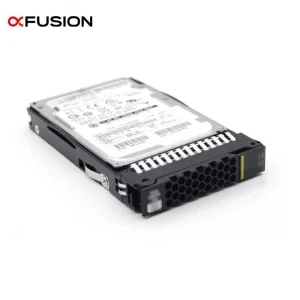
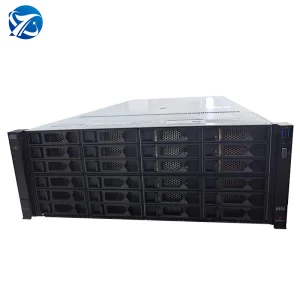
Analyzing the transition toward hardware-assisted telemetries, real-time diagnostic interfaces, and AI workload modeling.
Modern data center fabrics demand sub-millisecond network diagnostics. Standard ping/traceroute functions are being replaced by In-band Operations, Administration, and Maintenance (IOAM). Diagnostic telemetry is embedded directly inside packet headers, allowing real-time latency profiling and path tracking directly at the silicon level without impacting workload traffic.
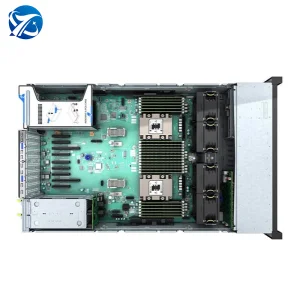
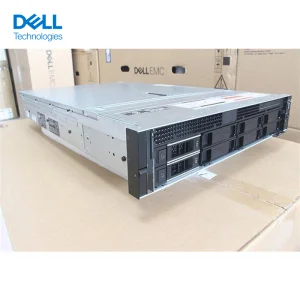
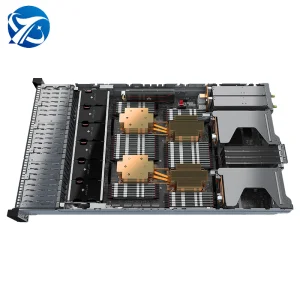
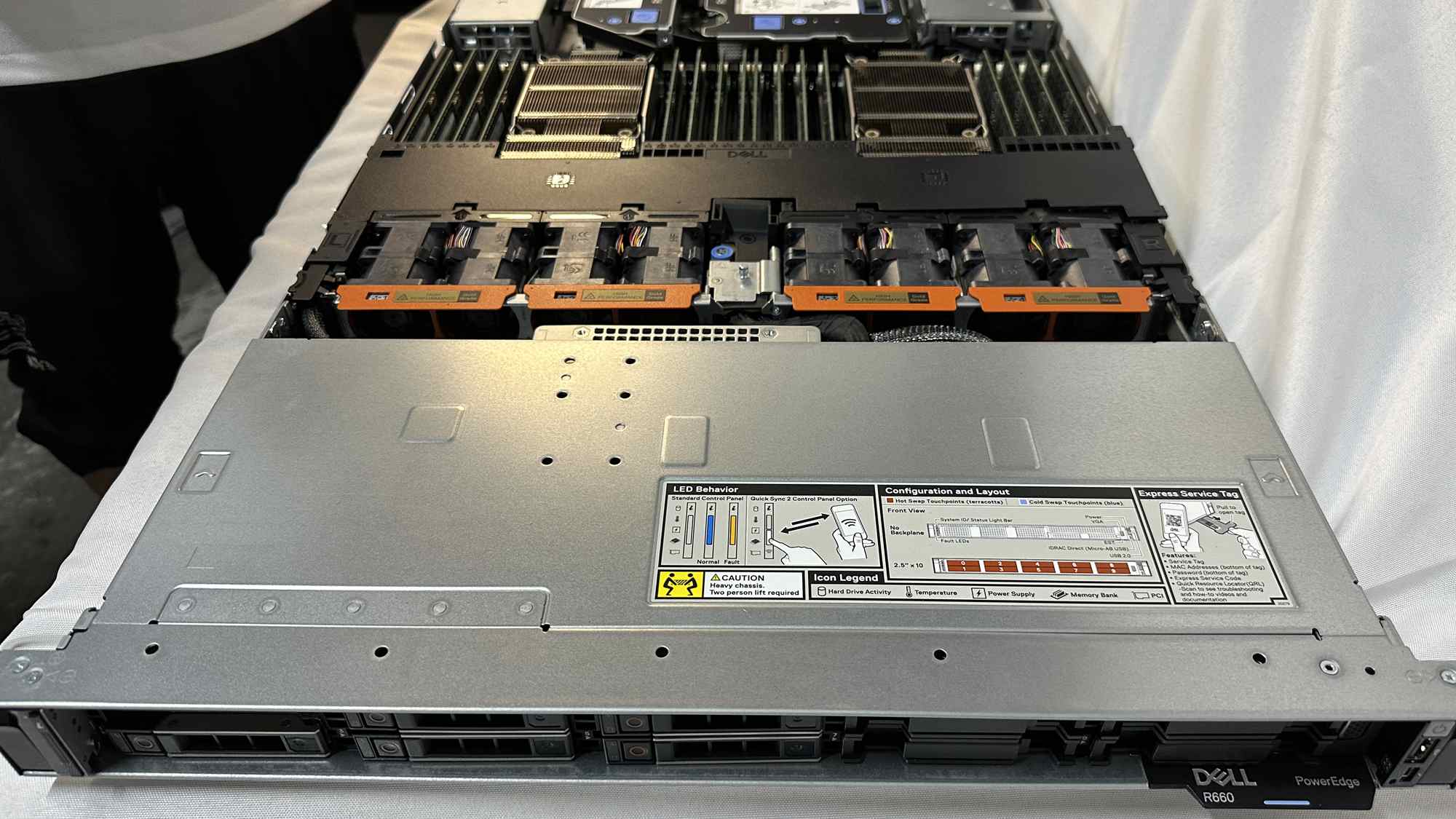
With massive server configurations like the xFusion FusionServer and GPU-heavy platforms running complex AI operations, standard hardware diagnostic logs are too massive to audit manually. AI-based anomaly detection algorithms leverage BMC (Baseboard Management Controller) sensor telemetry to flag hardware health degradation before component failure occurs.
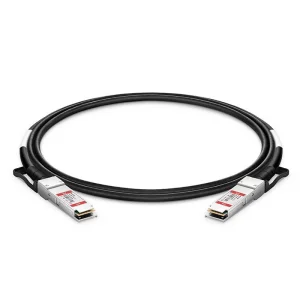
High-speed interconnects (such as 10G/40G QSFP+ and DAC loops) require continuous Bit Error Rate (BER) and signal integrity diagnostics. Physical-layer validation prevents silent data corruption within AI GPU server grids, ensuring robust throughput metrics for deep learning workflows.
How modern enterprise demands interface with China's resilient supply chain ecosystem and precision manufacturing practices.
Global procurement teams in North America, Europe, and Asia look for multi-tenant optimization, thermal diagnostic compliance, and reliable OEM/ODM server lines. Ensuring compatibility across diverse network environments requires components verified under strict hardware diagnostic environments before shipment.
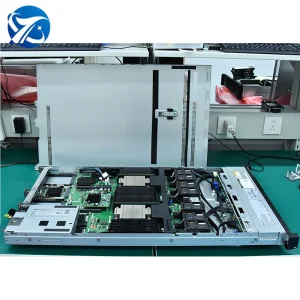
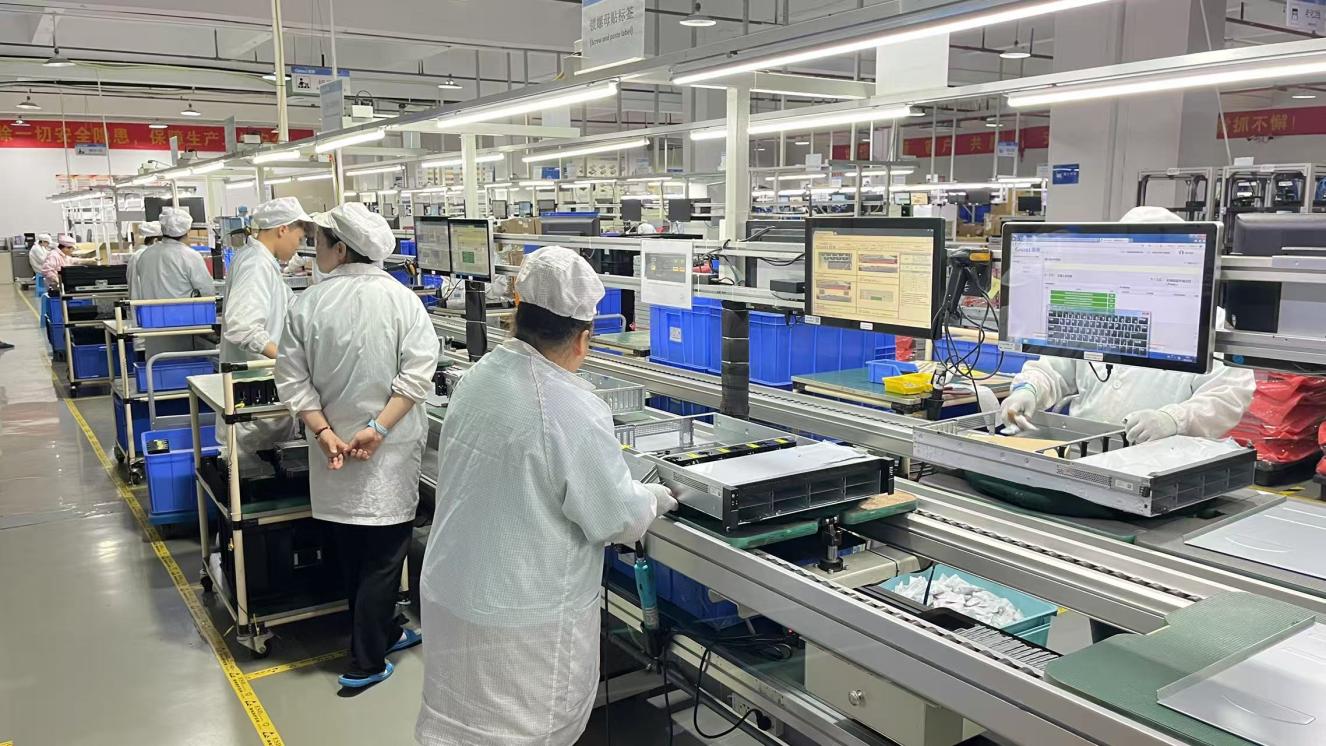
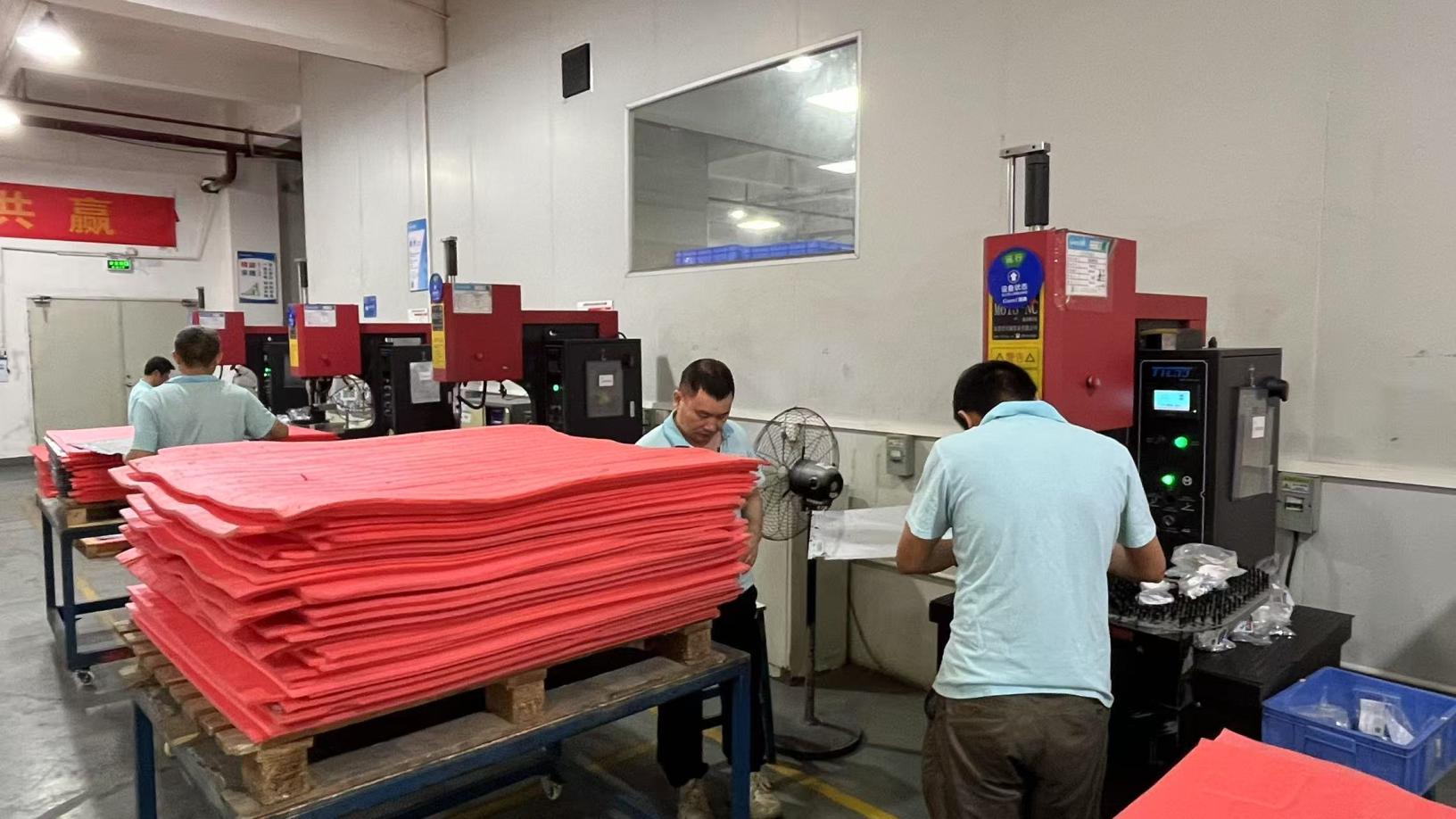
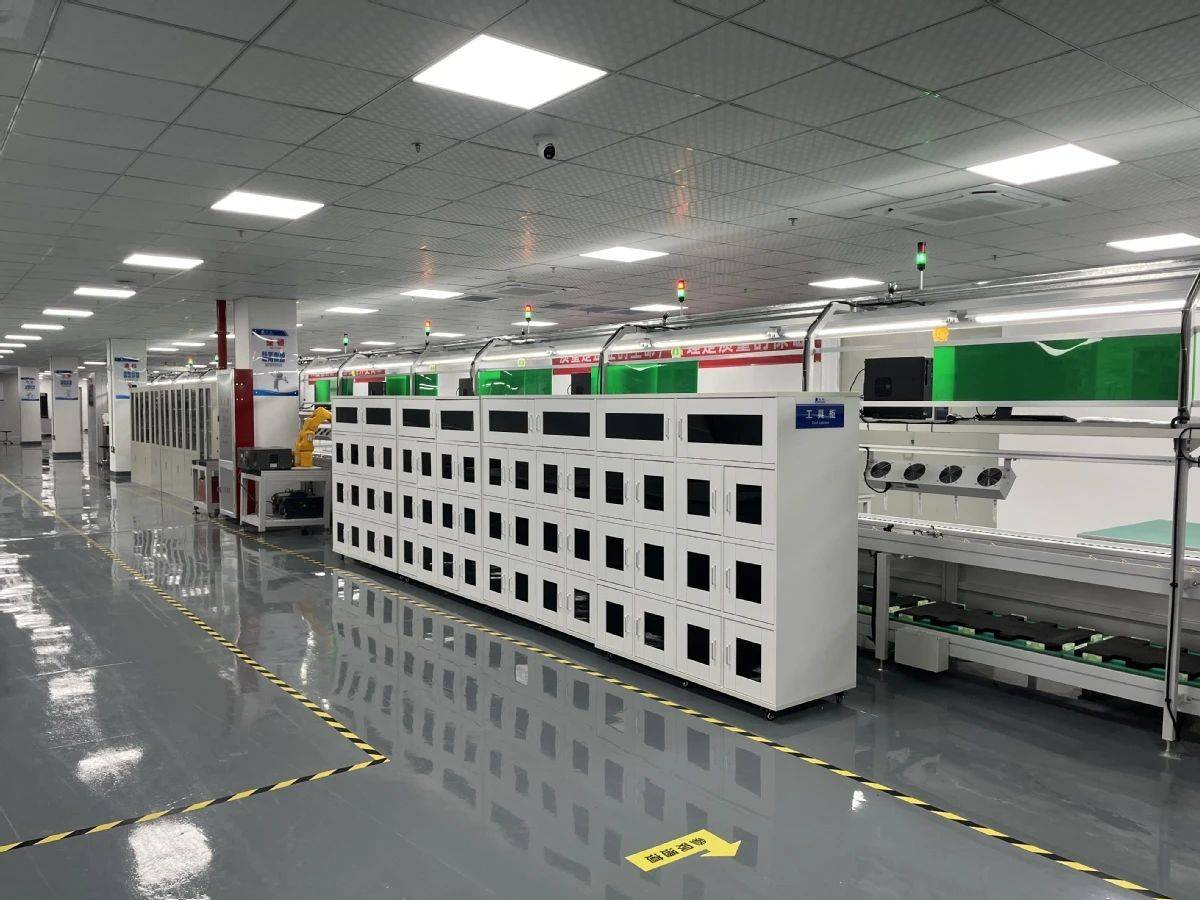
The manufacturing capabilities in Chinese centers, like those utilized by TensorNova, emphasize automated QA procedures, high-precision surface mount technology (SMT), and modular system testing. This ensures hardware stability and lowers Bit Error Rates (BER) across all custom chassis integrations.
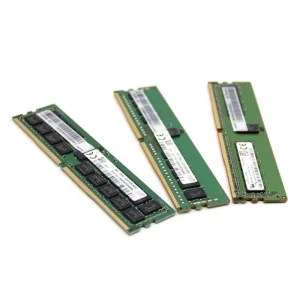
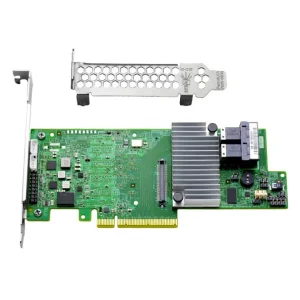
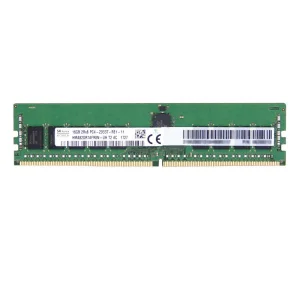
With over 1,200 verified parts suppliers within local manufacturing clusters, the procurement cycle is protected against global logistics volatility. Shortages in vital modules—such as RAID controllers or high-density server RAM—are mitigated through flexible sourcing pathways.
TensorNova is a professional, high-performance AI GPU server manufacturer and infrastructure solution provider based in China. The company specializes in AI computing hardware, custom-configured GPU clusters, and highly scalable data center components designed to support global enterprise requirements.
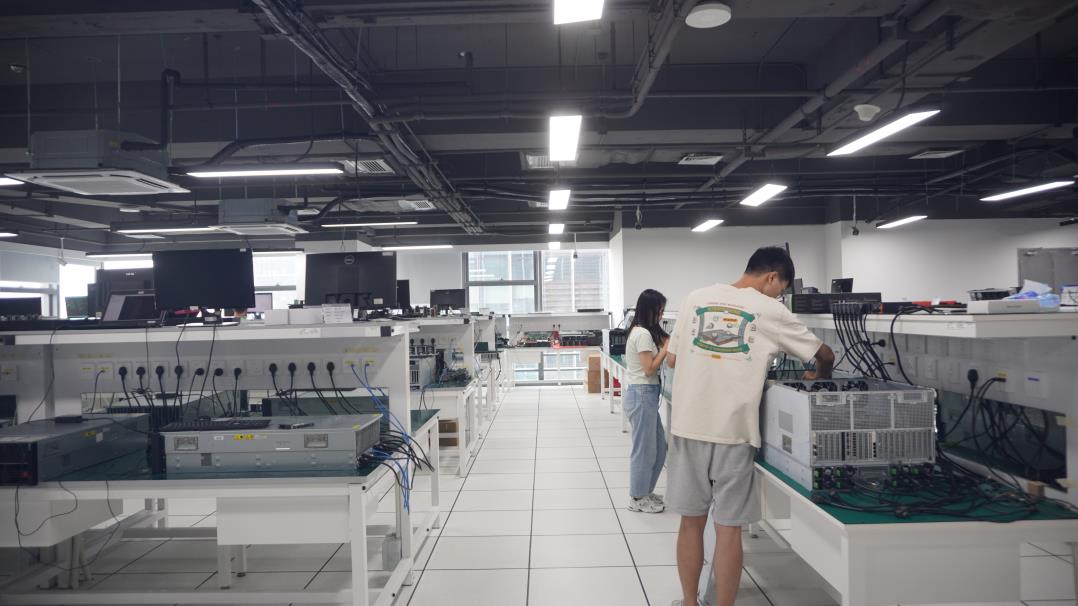
Established in 2016, TensorNova leverages more than 12 years of industry experience in high-density computing architecture and 6 years of global export activities. Operations are run from a specialized server integration and validation facility measuring approximately 320㎡.
To guarantee performance and dependability, TensorNova relies on an ISO9001-based quality management program. Each integrated node undergoes automated hardware stress testing, burn-in validation, and AI workload simulations. The quality control process is managed by a team of 45 specialized QC technicians.



Optimizing deployment architecture and network monitoring setups for typical computing workloads.
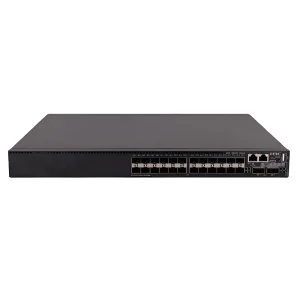
Deploying AI GPU servers requires robust, high-bandwidth connections. Under high training workloads, sub-optimal connections can increase network latency. Utilizing direct-attach cabling and diagnostic-capable switches maintains system metrics and minimizes node latency.
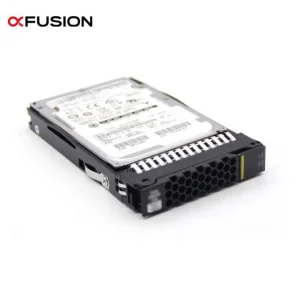
Modern hybrid environments depend on real-time management of server memory and cache components. Standard diagnostic practices leverage dedicated storage buses and custom controller configurations, enabling swift error tracking to minimize planned maintenance windows.
At remote edge installations, on-site diagnostics can be challenging. Integrated server platforms utilize automated IPMI protocols alongside built-in physical telemetry to support remote diagnostics and virtual system recovery options.
Expert answers addressing hardware management, signal validation, and high-performance server diagnostics.
High-reliability components, low-latency transmission interfaces, and system-level expansion options.