TensorNova
TensorNova
TensorNova
Explore our precision-engineered modular computing equipment designed to maximize rack density and computational throughput.
Evaluating the evolution of modular compute topology and its critical impact on PUE, scalability, and lifecycle management in enterprise data centers.
In the modern hyperscale era, traditional monolithic rack systems are rapidly hitting limits in physical space, thermal dissipation, and electrical deployment constraints. The solution is Modular Server Systems—a paradigm shift that decouples compute, storage, power, and cooling blocks. By segmenting the server chassis into discrete sub-assemblies (sleds or blades), enterprises can scale compute density independently from their physical storage arrays and networking fabric. This modularity minimizes the total cost of ownership (TCO) and mitigates capital expenditure (CapEx) when upgrading component generations.
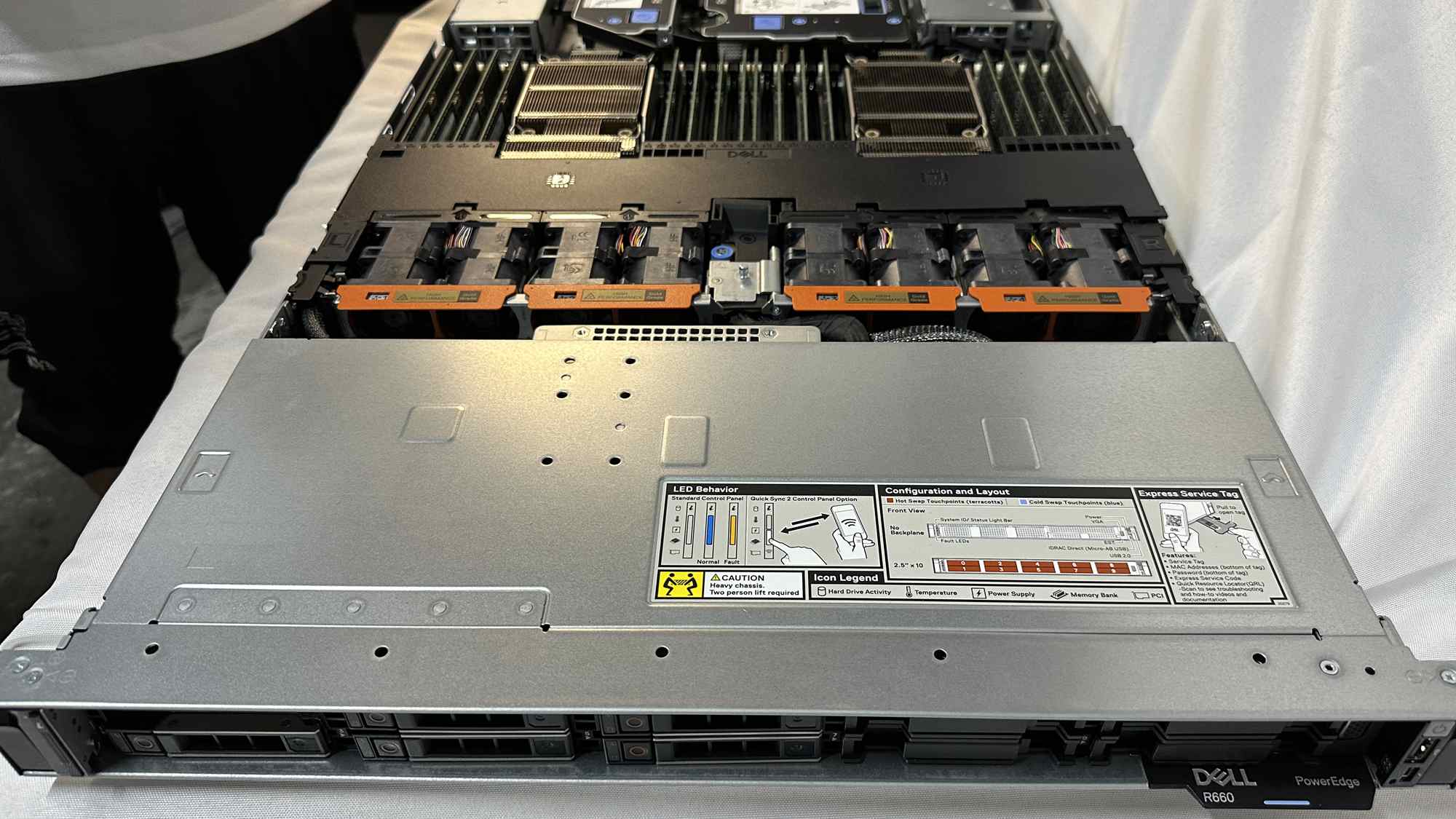
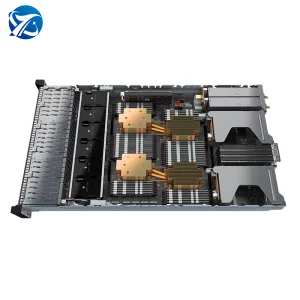
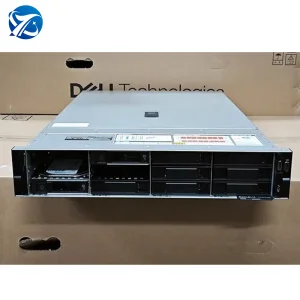
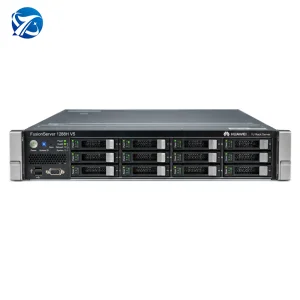
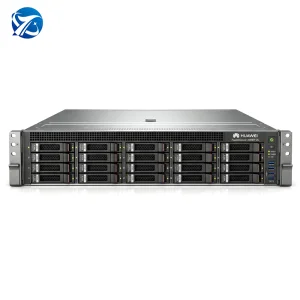
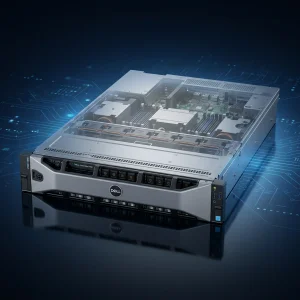
At the heart of the modular framework is the ability to support multi-node configurations within standard EIA-310 standard rack chassis (typically 1U, 2U, or 4U high-density footprints). For instance, a 2U multi-node chassis can host up to four hot-swappable computing sleds, each operating its own dual-socket processors, high-performance DDR5 or LPDDR5 ECC memory pools, and dedicated boot drives. This architectural design yields a significant spatial footprint reduction compared to deployment of individual 1U servers, maximizing computing power per square foot of data center floor space.
Integrating multiple high-performance CPUs and GPUs into modular architectures requires advanced interconnect topologies. Our modular systems implement low-loss PCB substrates paired with high-density blind-mate connectors that connect directly to a passive chassis midplane. This approach eliminates internal clutter, improves cooling airflow, and supports PCI Express Gen 5.0 (and upcoming Gen 6.0) alongside CXL (Compute Express Link) protocols. CXL enables coherent memory sharing between CPUs and accelerator blocks, reducing latency in memory-constrained workloads like real-time LLM inference, high-frequency database routing, and large-scale AI vector database lookups.
How modular systems address global PUE targets, logistics, supply chain volatility, and data sovereignty compliance constraints.
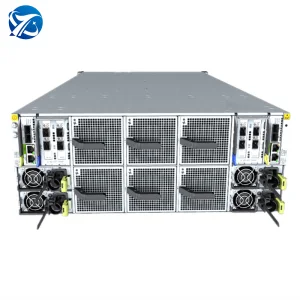
Global data center standards dictate a drastic decrease in Power Usage Effectiveness (PUE) values. By consolidating high-efficiency hot-swappable cooling fans and sharing 80-Plus Platinum or Titanium power modules across multiple server units, modular systems reduce power conversion losses and optimize airflow, lowering thermal output.
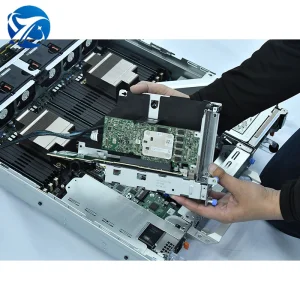
With a network of over 1,200 suppliers and component partners, TensorNova builds resilient delivery pathways. Decoupled inventory management ensures compute components, such as high-density riser cards and custom cooling blocks, are pre-stocked to mitigate long semiconductor lead times.
Serving regions like North America, Europe, Southeast Asia, and the Middle East requires strict compliance structures. TensorNova manufactures units in accordance with strict international standards, ensuring equipment is ready for deployment in highly regulated cloud computing and high-density environments.
Deep production capabilities, extensive R&D infrastructure, and a robust ISO9001 quality framework built over 12 years of industry experience.
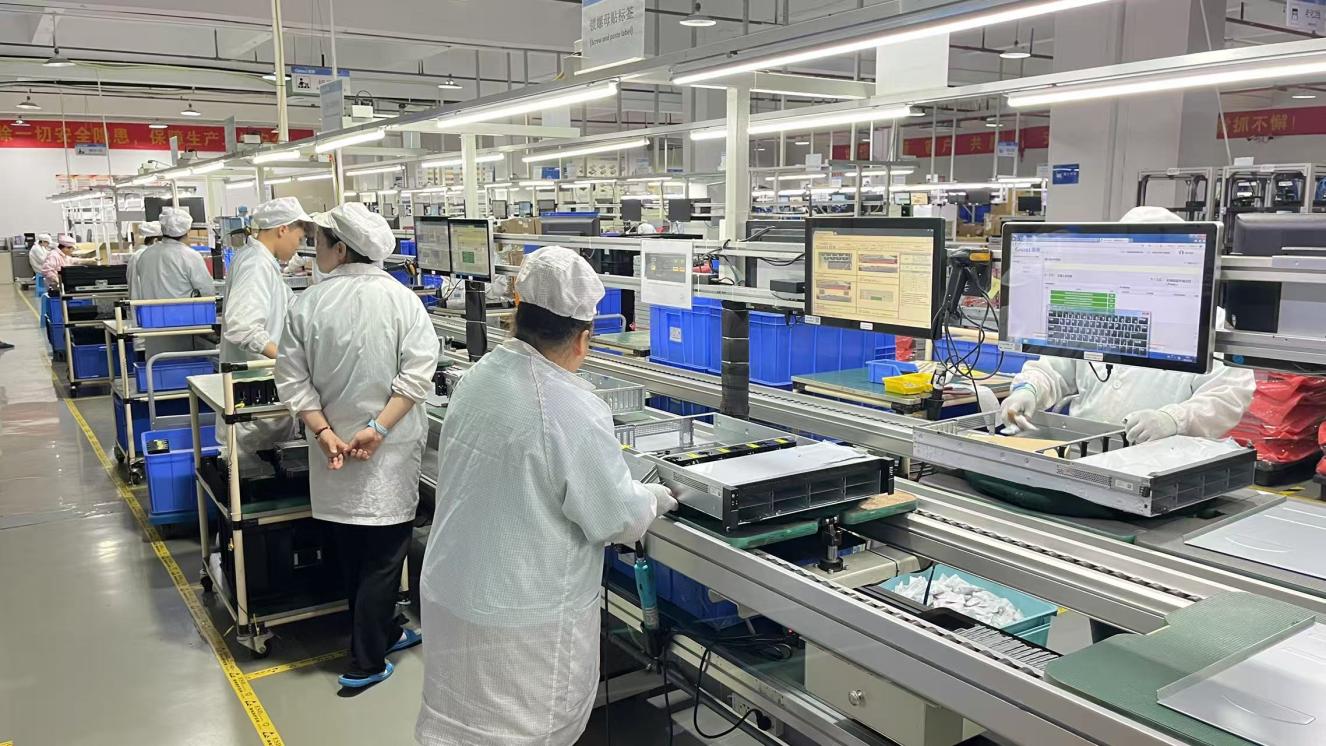
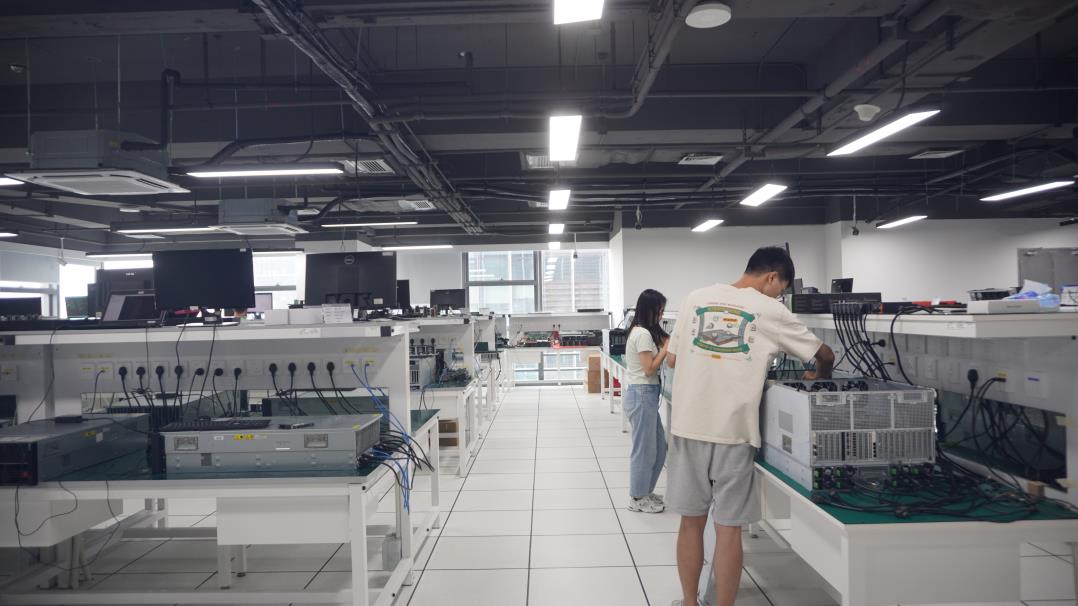
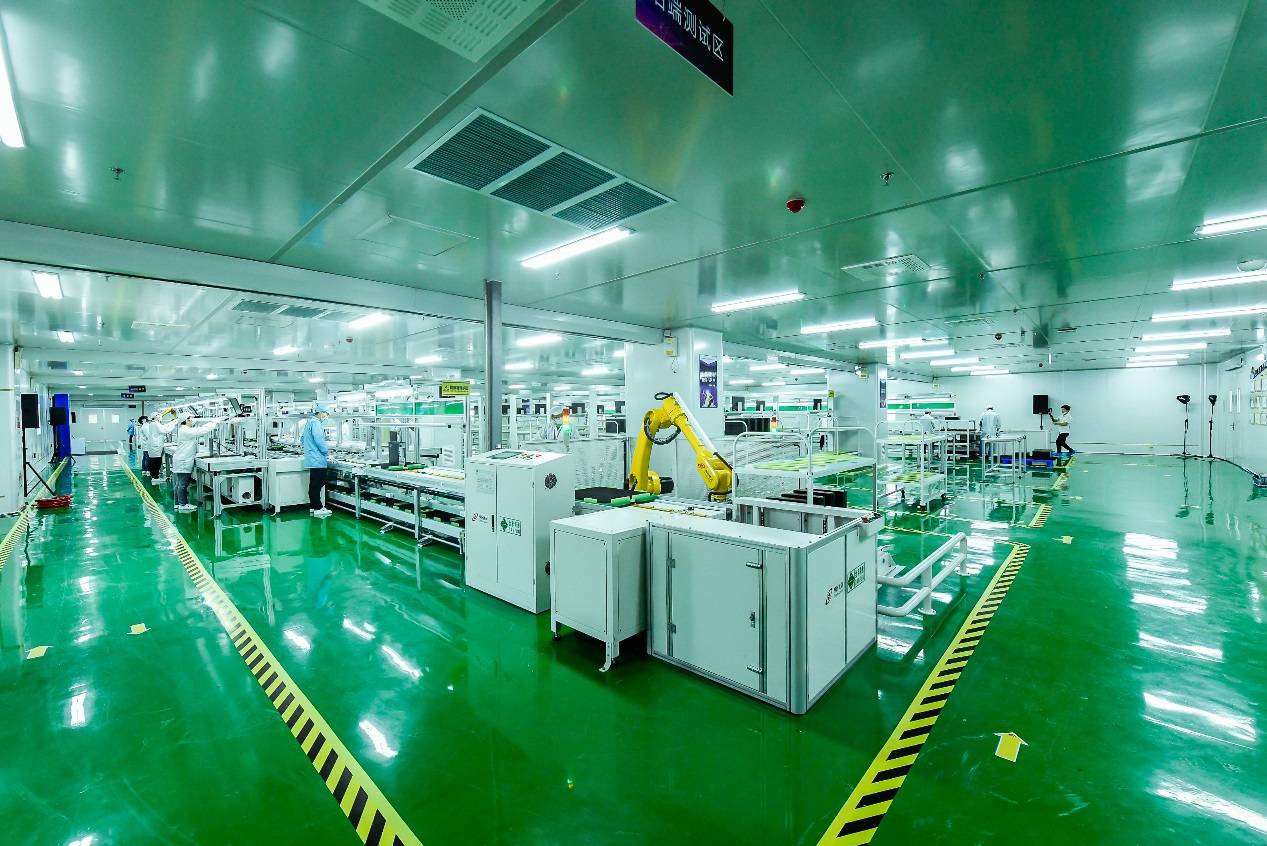
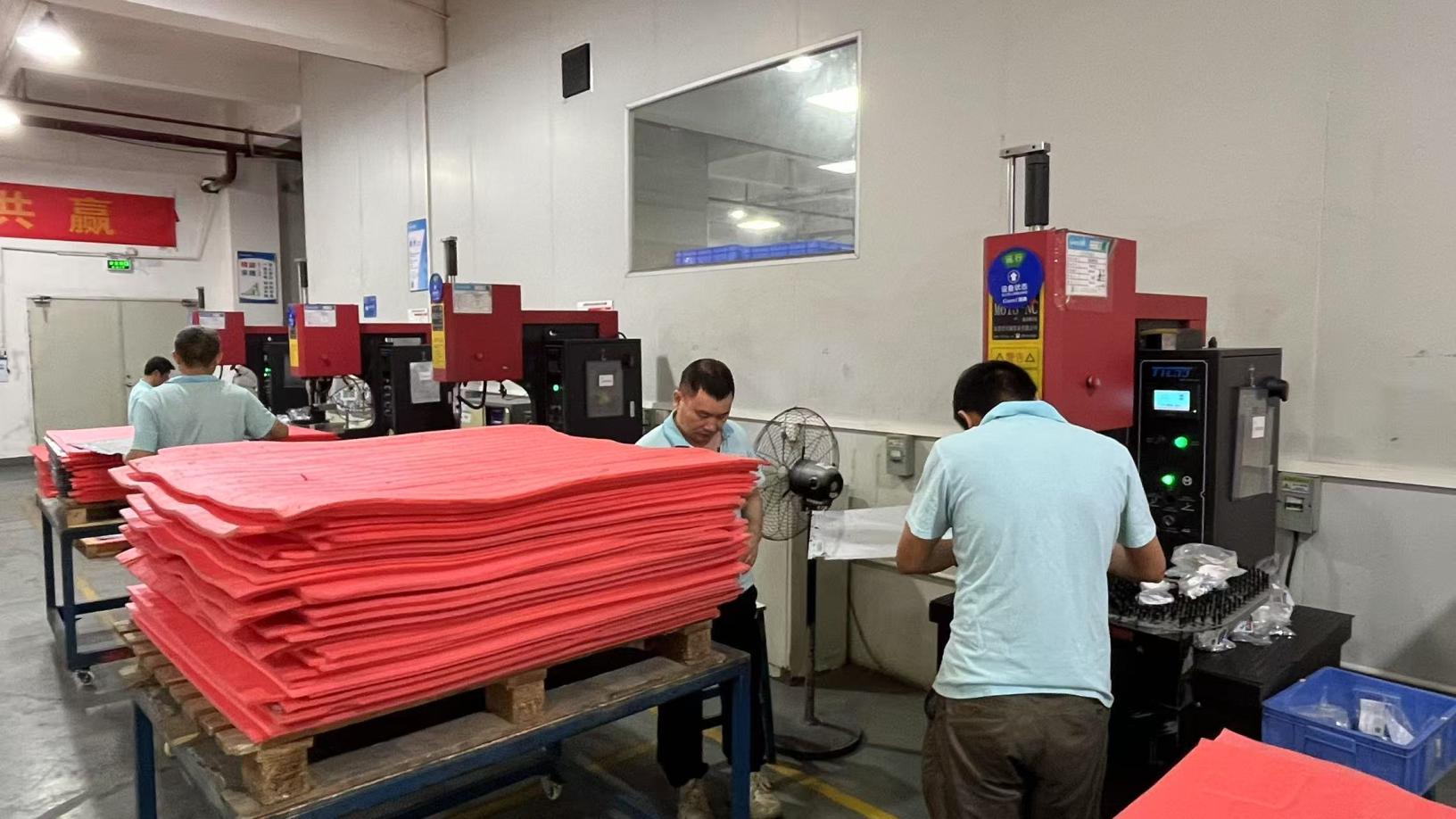
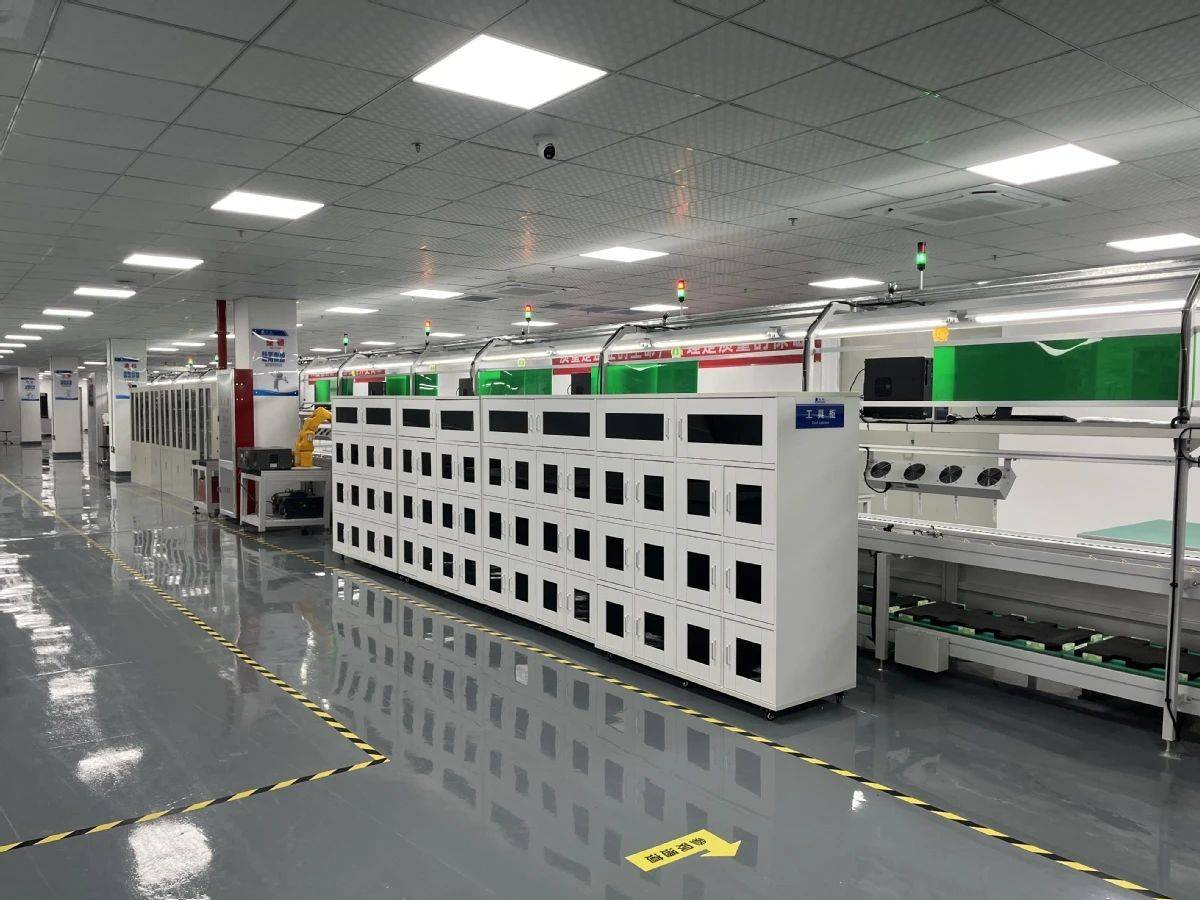
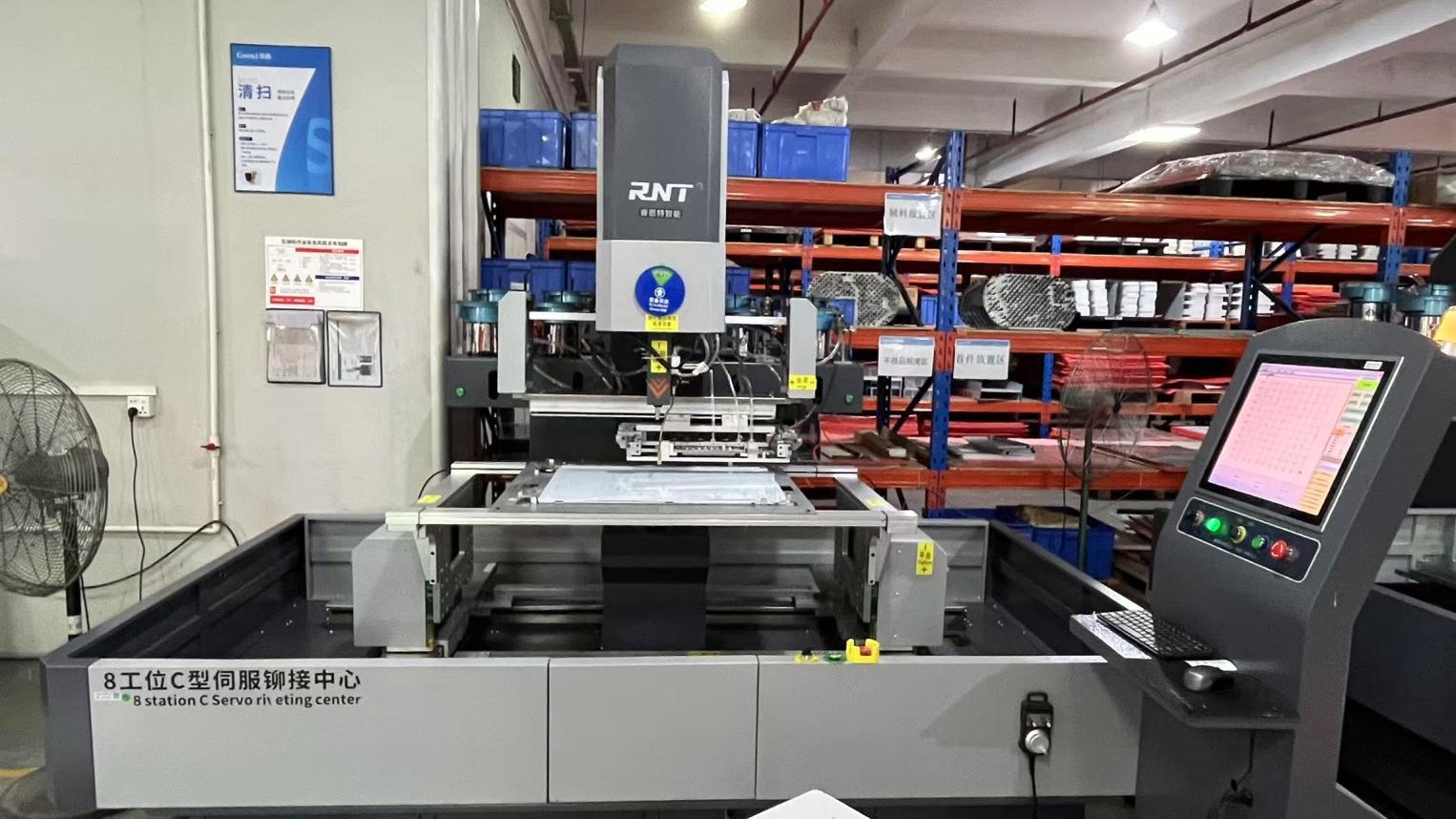
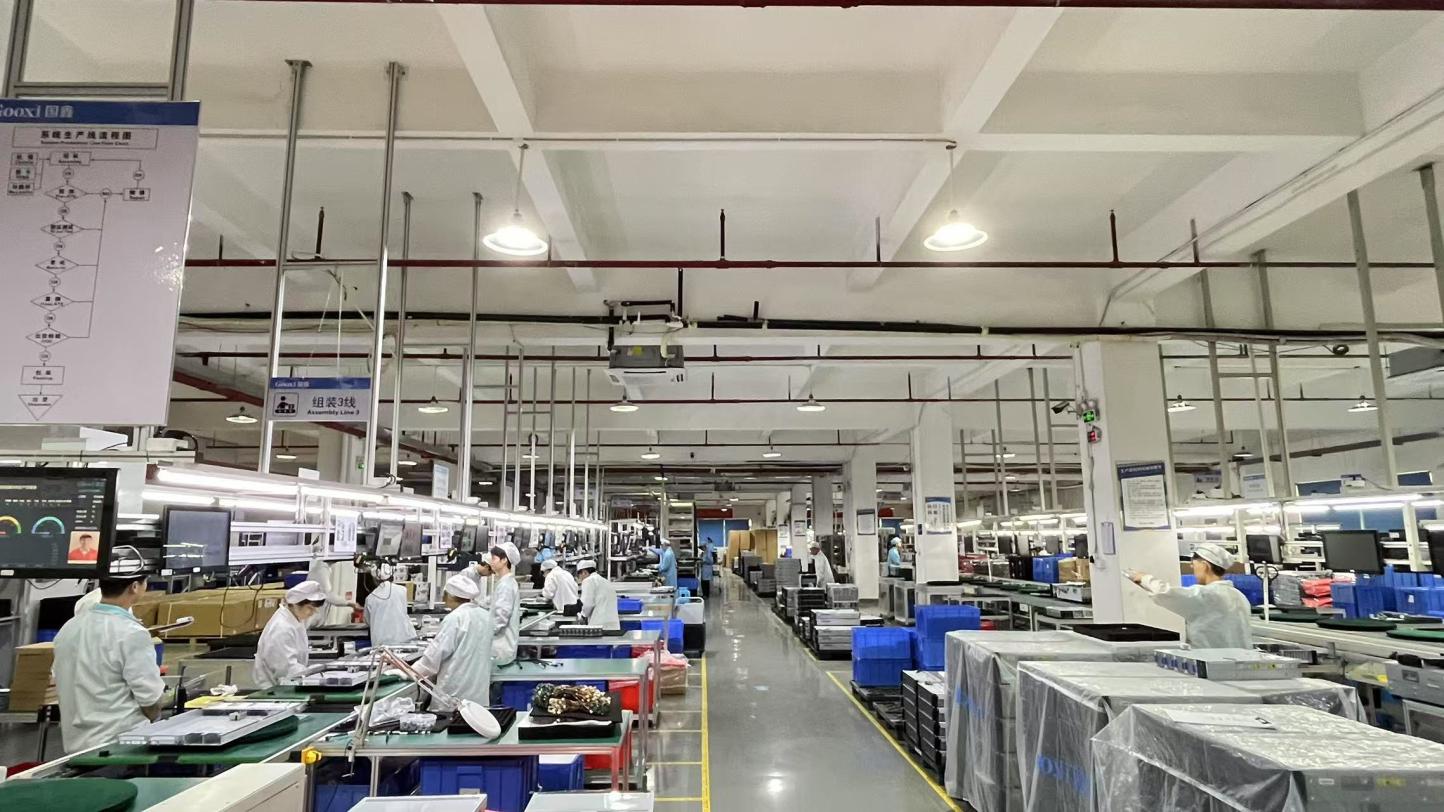
Based in China, TensorNova operates a modern assembly facility covering approximately 320㎡ dedicated to advanced systems assembly, custom motherboard testing, and final quality verification. Supported by 180 R&D engineers and 45 specialized Quality Control inspectors, we maintain quality standards across product families. Our quality process involves strict ISO9001 compliance, utilizing hardware burn-in protocols, simulated high-density workloads, and thermal-stress chamber testing.
This commitment to high quality allows TensorNova to support major data center operators and high-compute clients across the United States, Germany, Singapore, and the United Arab Emirates. Over the past year, our team released 320+ new configurations, showcasing our flexibility in accommodating specialized architectural requests.
Deploying modular configurations to solve performance bottlenecks across different industries.
By integrating dedicated GPU sleds (supporting PCIe 5.0 expansion platforms) with high-density system nodes, research institutions can deploy modular clusters. This configuration simplifies servicing and hardware upgrades as accelerator demands evolve.
Designed for ERP, SAP, and core corporate databases, these modular nodes combine dual-socket Intel Xeon processors, large-capacity DDR5 RAM pools, and hot-swappable enterprise NVMe/SATA storage. This ensures reliable data availability and fast transaction processing times.
For manufacturing hubs, distributed networks, and telecommunications installations, modular systems offer a space-saving alternative. They can pack significant compute and storage capabilities into shorter-depth cabinets without sacrificing serviceability.
Our future engineering plans for modular hardware development, focusing on efficiency and system processing speeds.
As compute platforms move toward multi-gigahertz architectures and next-generation memory fabrics, TensorNova's R&D team remains focused on emerging technology standards. Our engineering roadmap prioritizes the deployment of direct-to-chip liquid cooling manifolds within 1U and 2U compute nodes. This integration is designed to handle high TDP processors (exceeding 350W per socket) while helping data centers maintain sustainable PUE metrics.
Additionally, we are actively developing modular systems that support CXL 3.0 standards. This allows for pooled memory configurations, enabling compute sleds to dynamically borrow RAM capacity from dedicated memory expansion nodes over high-bandwidth optical interconnect links. This architecture minimizes memory underutilization, optimizing computing power across large-scale physical server arrays.
Answers to common configuration, procurement, and deployment questions.
Review our scalable enterprise rackmount nodes and memory components engineered to handle complex processing workloads.
Take a visual tour through TensorNova's assembly floor, design workspaces, testing laboratories, and component storage facilities.