TensorNova
TensorNova
TensorNova
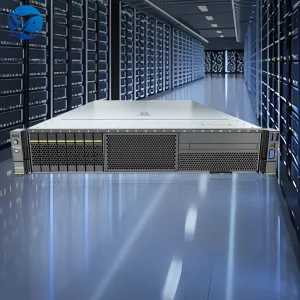
Premium server infrastructure platforms designed for high-availability load balancing, network acceleration, and parallel AI workloads.
In the age of massive parallel processing, deep learning applications, and high-frequency cloud queries, load balancing has evolved from simple OSI Model Layer 4 routing into complex, multi-tiered Application Delivery Control (ADC) ecosystems. Hardware load balancers act as traffic traffic controllers, directing requests to optimized backend nodes, preventing compute bottlenecks, and maintaining high availability across enterprise server farms.
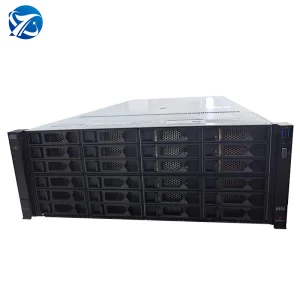
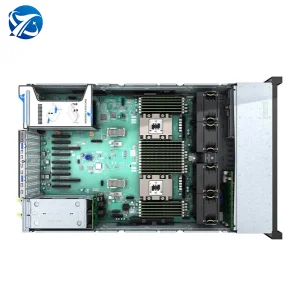
As a leading exporter based in China's hardware manufacturing hubs, TensorNova bridges the gap between hardware power and intelligent routing algorithms. Modern load balancer deployment is no longer separate from high-density server configurations; rather, network performance depends heavily on the underlying silicon execution speeds, PCI Express bus width, and processing pipelines of the hardware cluster. By integrating advanced motherboard-level tuning with scalable data center hardware, we supply global enterprises with the backbone needed to deploy next-generation L4-L7 application load balancers, SSL offloading appliances, and GPU-centric cluster directors.
Optimize network traffic using TCP/UDP session variables or dynamic HTTP/HTTPS application-layer routing parameters to maximize server resource allocation.
Free backend CPU resources by handling compute-intensive cryptographic decryption directly at the cluster gateway with specialized rack infrastructure.
Efficiently route heavy AI training, validation, and inference workloads across cluster arrays, ensuring uniform hardware load distribution.
A proven track record in high-performance computing, hardware production excellence, and global data center equipment distribution.
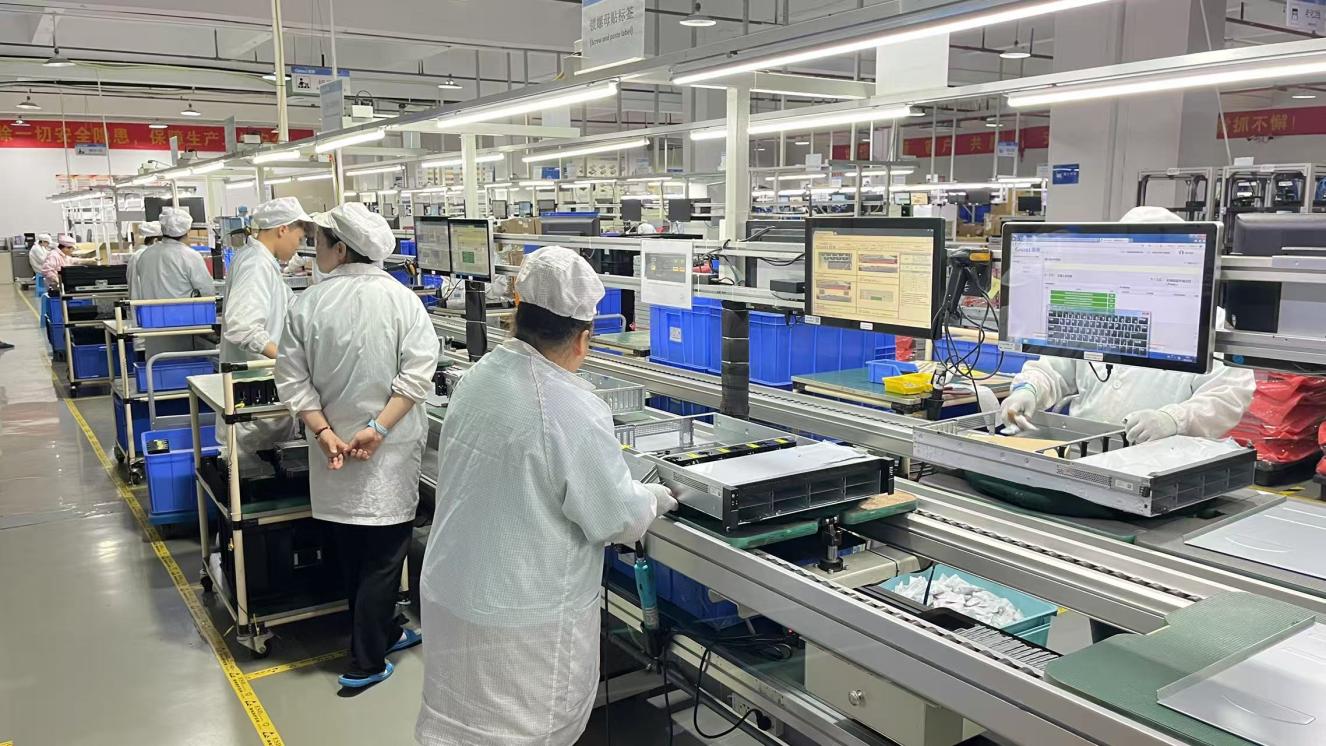
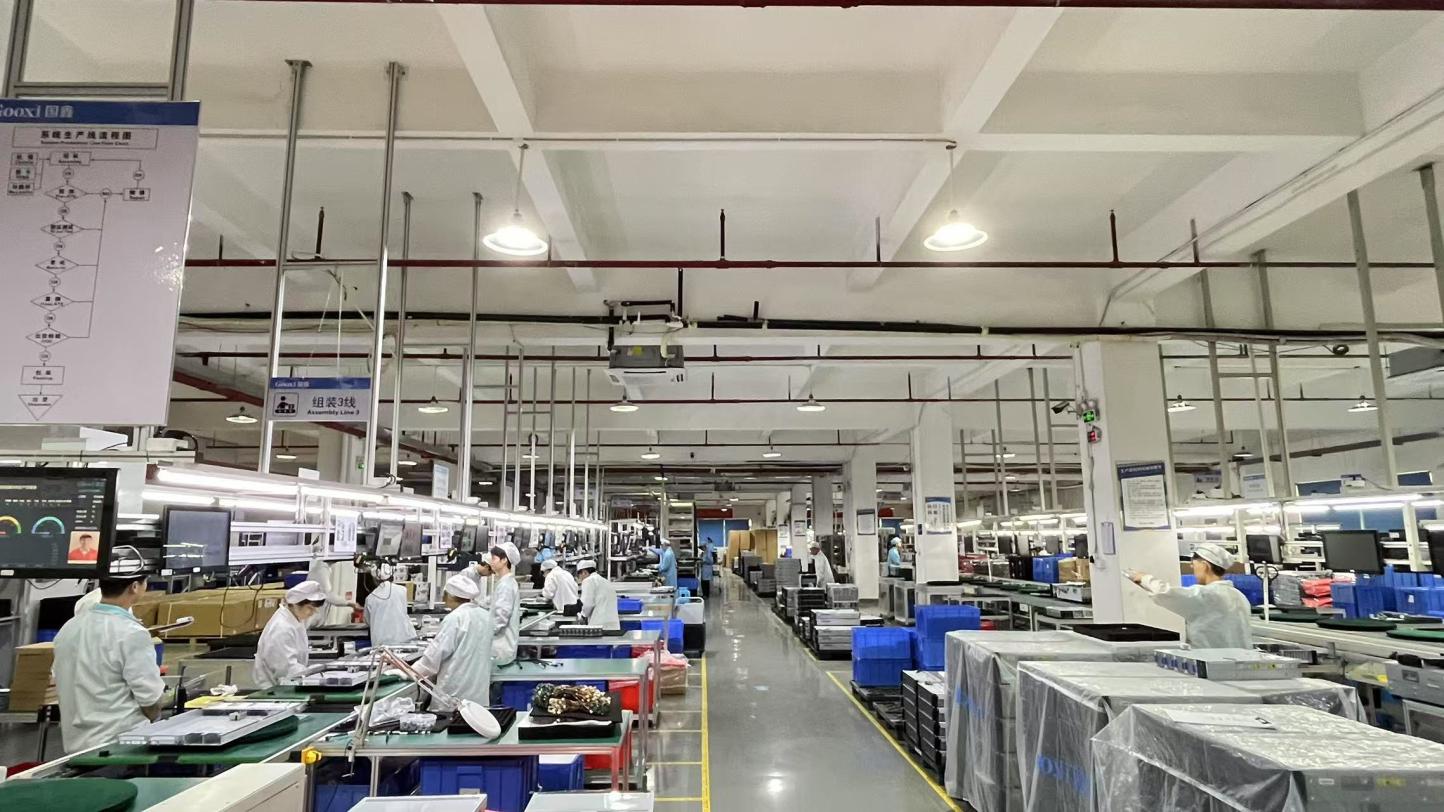
Operating from our modern assembly and systems integration facility in China, TensorNova leverages the world’s most robust electronics supply chain. Our operations run in strict compliance with ISO9001-based quality management systems. Hardware quality control is overseen by 45 dedicated quality control professionals, ensuring that every load balancer chassis, storage array, and GPU compute host meets rigorous performance standards before dispatch.
To guarantee complete hardware stability at scale, we use a multi-tiered validation process. Every unit undergoes automated hardware stress testing, thermal performance validation, burn-in testing, and real-world AI workload simulation. This thorough validation minimizes hardware-level packet loss and system faults in high-throughput enterprise network environments.
We understand that standard hardware configurations rarely match the unique requirements of bespoke cloud architectures. TensorNova provides end-to-end customization services, including:
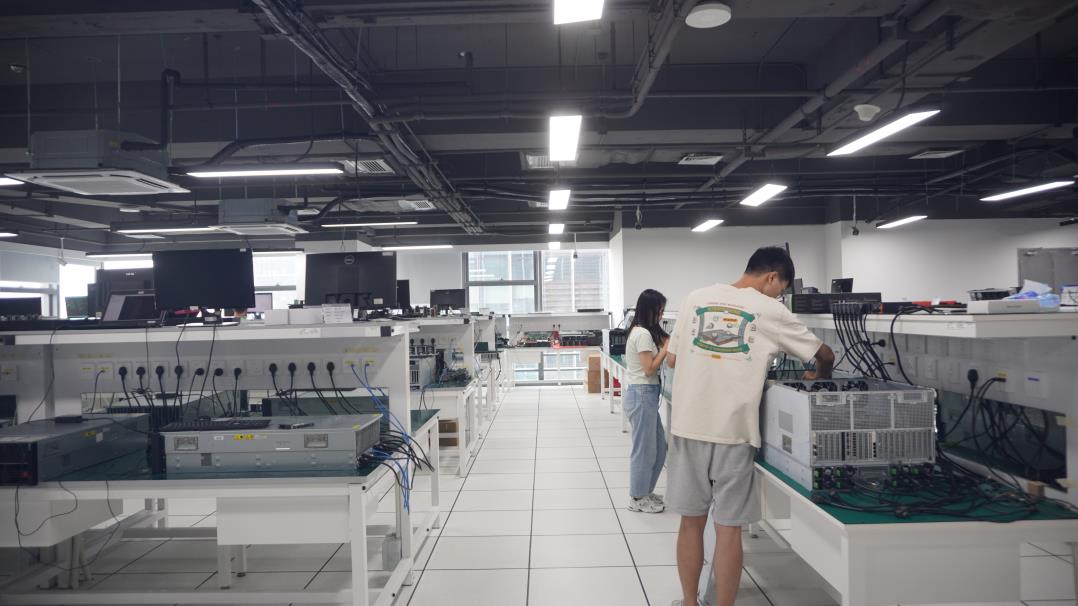

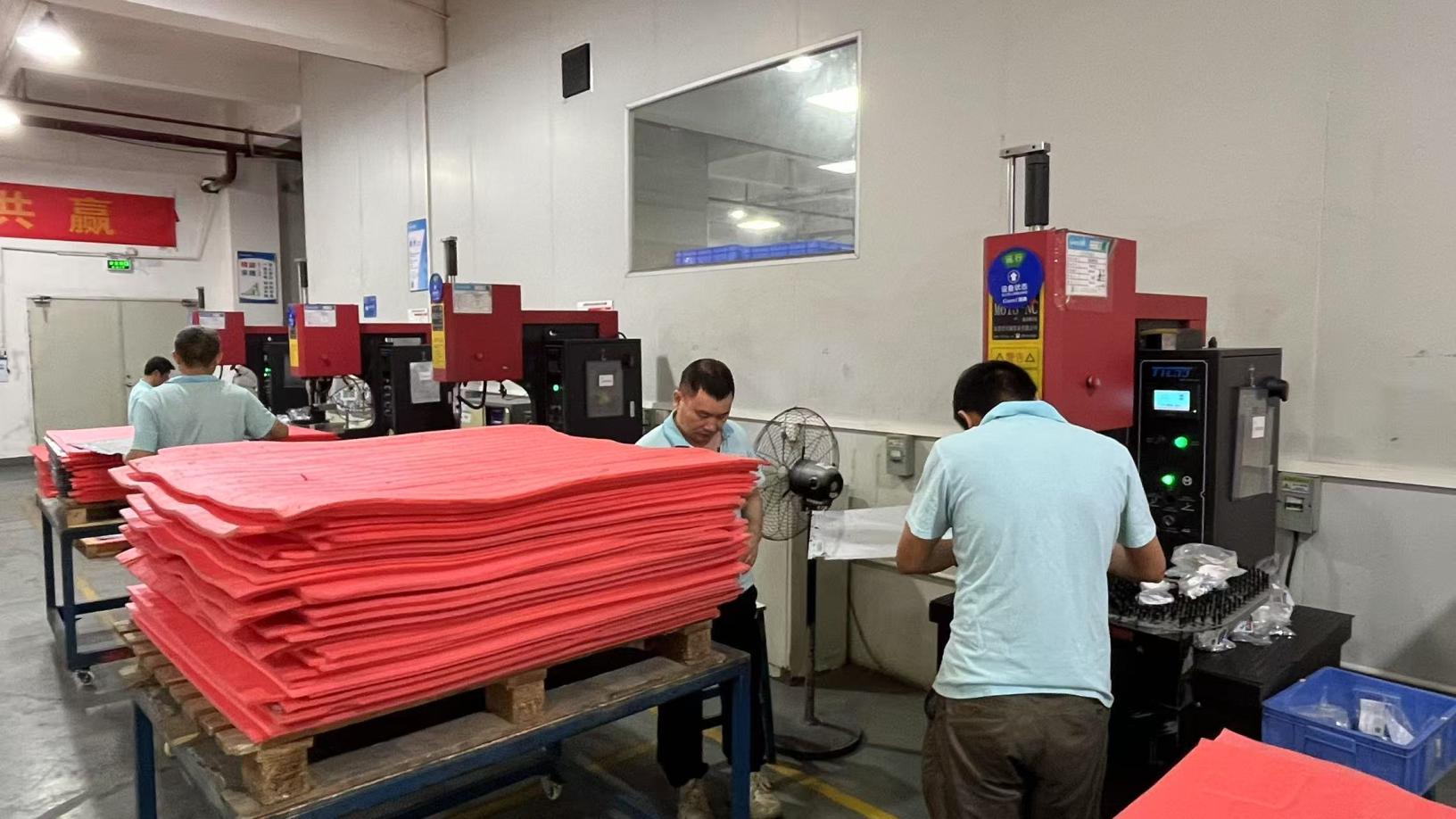
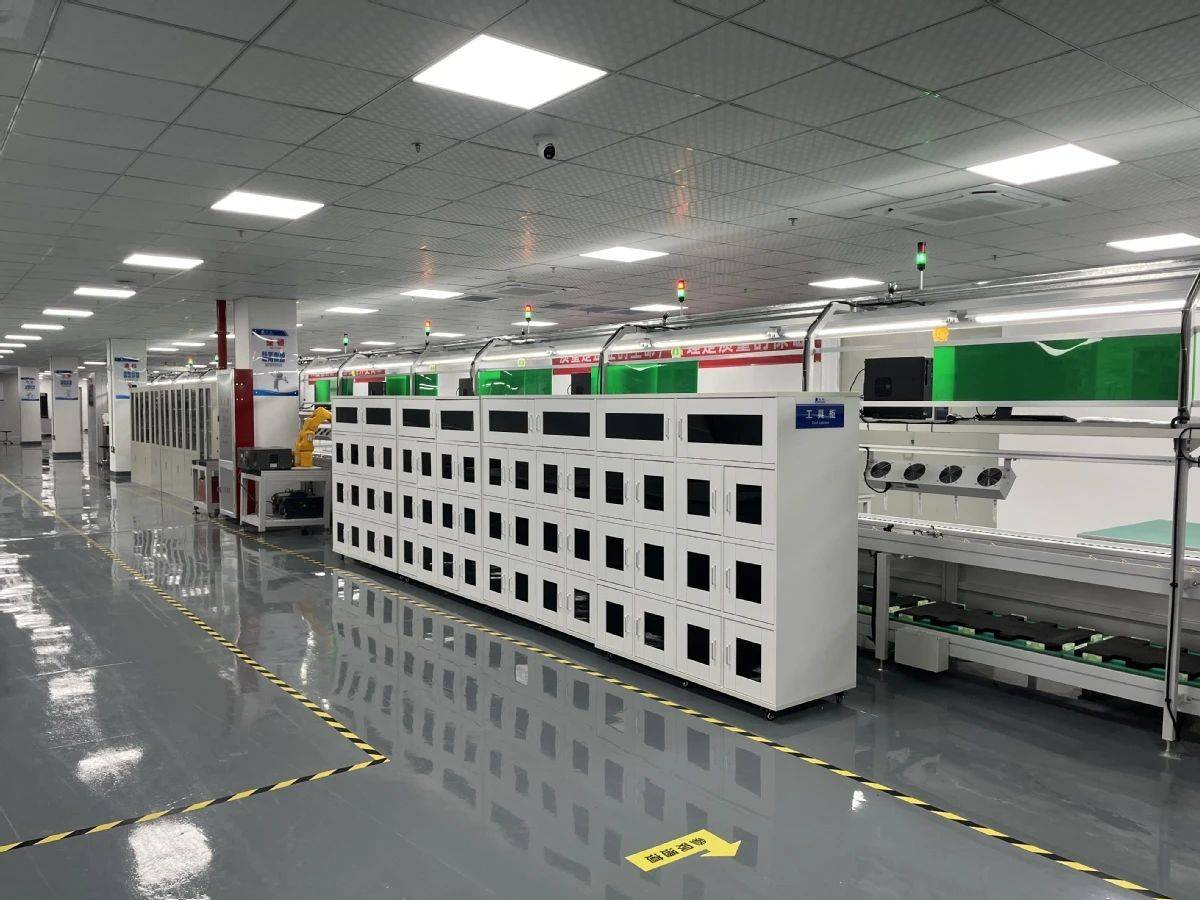
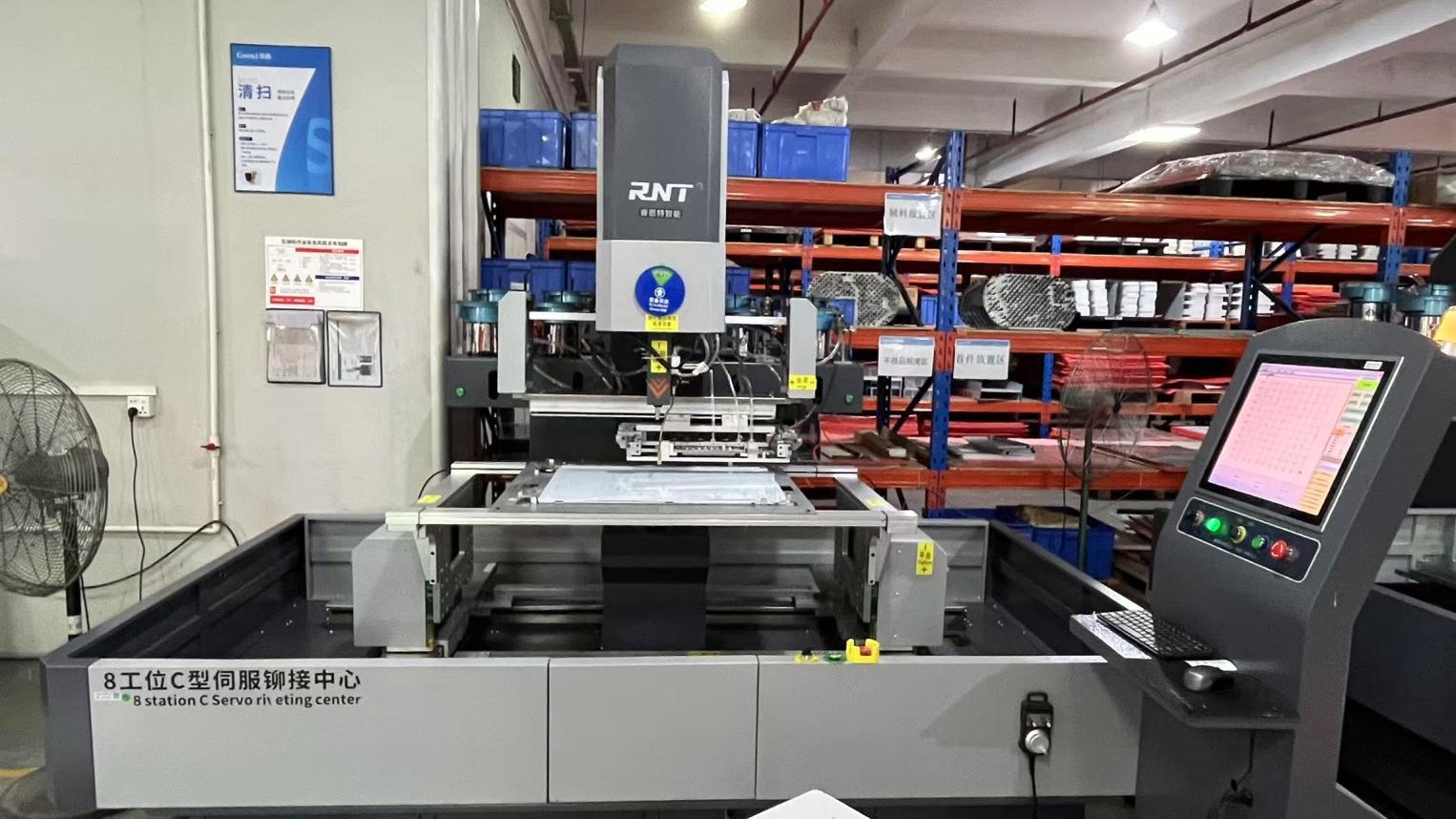
Enterprise hardware sourcing is a global process. With 6 years of dedicated export experience and a deep 12-year background in AI computing and server manufacturing, TensorNova delivers equipment to key markets across North America, Europe, Southeast Asia, and the Middle East, with primary support for the United States, Germany, Singapore, and the United Arab Emirates.
Enterprise deployments must adhere to regional safety, electromagnetic compatibility, and hazardous material regulations. Our supply chain conforms to standard international requirements, including CE, FCC, and RoHS certifications. Crucially, our hardware architecture features low-level firmware compatibility that supports major global operating systems and virtualization hypervisors (such as VMware ESXi, Proxmox VE, Red Hat Enterprise Linux, and Microsoft Hyper-V), making integration into existing load-balanced setups straightforward.
The enterprise network infrastructure market is currently shifting toward three major paradigms:
How global enterprises deploy TensorNova-manufactured high-performance systems to handle mission-critical networking and load balancing.
Deploying redundant hardware nodes as reverse proxies to distribute incoming traffic. This setup handles heavy connection rates during peak sales events while managing SSL termination dynamically.
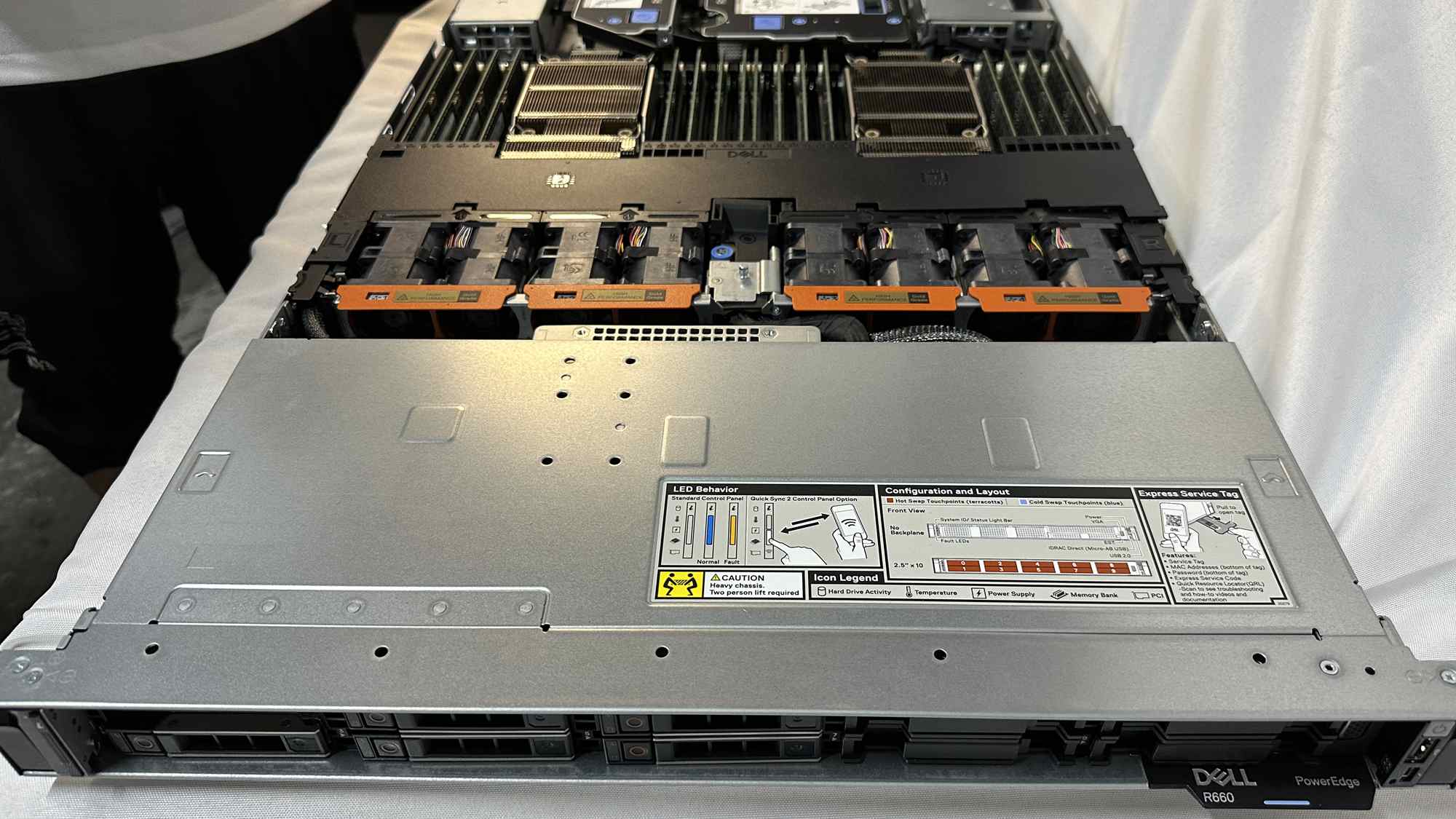
Running edge-level application delivery controllers (ADCs) on robust, compact 1U systems to cache files and route local requests with minimal latency.
Balancing computational queries across clustered GPU servers running DeepSeek, LLaMA, or other transformer-based models to ensure high throughput and prevent GPU idle states.
Detailed answers from our R&D engineering team regarding server deployment, clustering configuration, and load balancing hardware.
Hardware-based load balancing depends on network throughput and processing speed. Modern virtualized load balancers require fast processors (such as Intel Xeon Silver/Gold or AMD EPYC families) to run SSL handshake decryption and process packet headers at Layer 7. High-bandwidth network interfaces (such as dual 10GbE or 25GbE SFP28 ports) prevent network bottlenecks under high traffic loads.
Every server and network appliance undergoes a strict validation process. This includes automated hardware stress testing, thermal performance validation under load, burn-in testing, and simulated AI/network workloads. We employ a team of 45 quality control specialists operating within an ISO9001 quality framework to ensure system stability.
Yes. We offer extensive customization options, including specific motherboard-level configurations, network interface card selections (NICs with SR-IOV support), customized chassis designs, and BIOS modifications. These customizations optimize hardware compatibility with open-source and proprietary software load balancing systems like HAProxy, NGINX Plus, and F5 BIG-IP VE.
High-density setups create significant heat loads that can degrade CPU and GPU performance. Liquid cooling removes heat more efficiently than air cooling, reducing power consumption from system fans. This allows servers to operate stably in high-density rack configurations without thermal throttling.
Explore our complete catalog of rack-optimized compute hardware, storage platforms, and networking components built for international enterprises.