TensorNova
TensorNova
TensorNova
As AI workloads increase exponentially, traditional thermal management systems face unprecedented limits. Deep learning, multi-billion parameter AI model training, and microsecond-latency processing are redrawing the energy profiles of today’s advanced data centers.
The global data center ecosystem is undergoing a dramatic shift in thermal dynamics. In the past, data centers designed for standard enterprise compute clusters operated with rack densities ranging from 5 kW to 10 kW. However, the rise of modern hardware architectures—specifically high-density GPU accelerators, specialized Tensor Processing Units (TPUs), and multi-core server platforms—has driven rack power requirements to 30 kW, 50 kW, and even upwards of 100 kW per rack in hyperscale AI environments.
At these elevated power densities, air cooling systems become thermodynamically insufficient. The heat flux generated by high-performance silicon chips exceeds the cooling capacity of forced convection air cooling, leading to localized thermal throttling, accelerated hardware degradation, and inefficient energy usage. Consequently, the industry is witnessing an urgent, large-scale transition to liquid cooling systems, direct-to-chip micro-channel cooling, and total liquid immersion technologies.
Hyperscale AI deployments demand 40kW+ per rack. Conventional air-circulated cooling cannot dissipate this thermal load, requiring liquid alternatives to prevent hardware failure.
Strict local and global compliance frameworks require data centers to operate with Power Usage Effectiveness (PUE) ratios below 1.25, forcing operators to adopt highly efficient heat-exchange mechanisms.
Next-generation dry cooling loops and closed-circuit evaporative systems are critical for reducing Water Usage Effectiveness (WUE) metrics in arid regions.
Established in 2016, TensorNova has built a reputation as a leading manufacturer of high-performance AI GPU servers, customized hardware platforms, and scalable data center thermal solutions.
As a global enterprise infrastructure provider, TensorNova combines advanced server design with modern thermal integration. Backed by 12 years of industry experience in AI computing and hardware integration, we design, build, and optimize hardware systems for the global market. Our products are engineered to run reliably under heavy enterprise workloads.
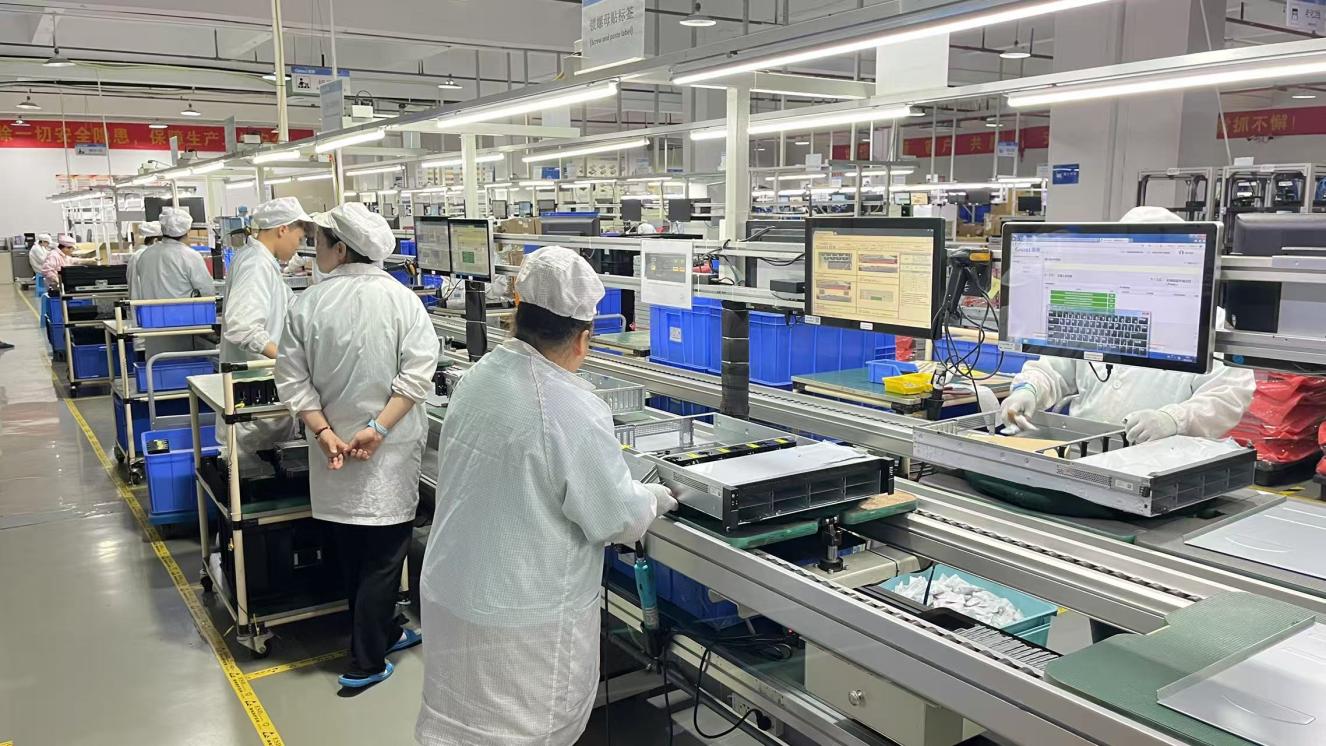
To ensure high performance and reliability, TensorNova operates a modern facility covering 320m² in China. This space is highly optimized for server staging, system configuration, hardware stress testing, and custom liquid cooling assembly. Our international operations serve key global markets including the United States, Germany, Singapore, and the United Arab Emirates, generating an annual export revenue of approximately $8.5 million.
Modern data centers require custom cooling strategies depending on workload density, facility layout, and regional ambient temperatures. Below is the technical roadmap for contemporary cooling methodologies.
Utilizes hot/cold aisle containment, smart variable-speed fans, and in-row precision air conditioners (CRAC/CRAH). While highly optimized and familiar, this technology becomes cost-prohibitive and physically constrained beyond 20 kW per rack due to the high volume of airflow required.
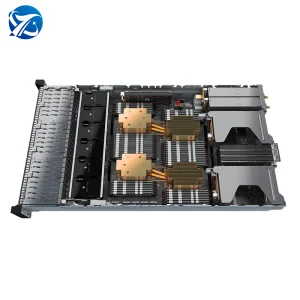
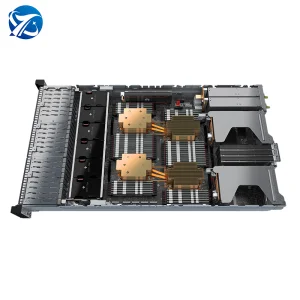
Circulates liquid coolant directly through micro-channel cold plates mounted on high-heat components (CPUs/GPUs). This method captures up to 80% of heat directly at the source, allowing the remaining heat to be managed by low-flow air circulation. It is currently the industry standard for high-density AI clusters.
Submerges the entire server chassis in a specially engineered, non-conductive dielectric fluid. Heat transfers directly from the hardware components to the fluid, eliminating the need for heatsinks, interfaces, or fans. This design enables high thermal efficiency and supports PUE ratios below 1.05.
Ensuring reliability in mission-critical applications requires strict quality control systems and tailored configuration options.
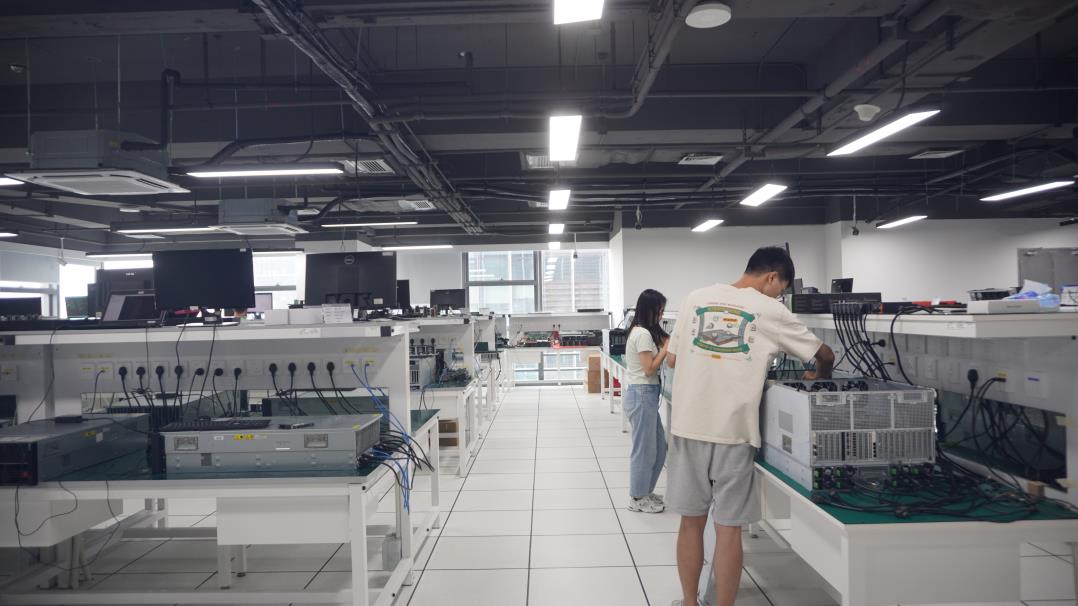
Under our ISO9001-certified management system, TensorNova employs a dedicated quality control team of approximately 45 QA professionals. Every server, chassis, and custom integration undergoes a rigorous multi-phase validation process prior to shipment. This protocol includes automated hardware stress testing, thermal performance validation, electrical safety reviews, burn-in testing, and real-world AI workload simulation testing.
Our engineering team of over 180 R&D professionals provides extensive customization options, including:
Tailored physical layouts to fit specific rack designs, ensuring optimized spacing for fluid connections and cable management.
Custom loops combining direct-to-chip cold plates with localized high-efficiency fan arrays to handle varied chip architectures.
Custom BIOS and firmware adjustments designed to optimize performance profiles based on the thermal dynamics of your datacenter environment.
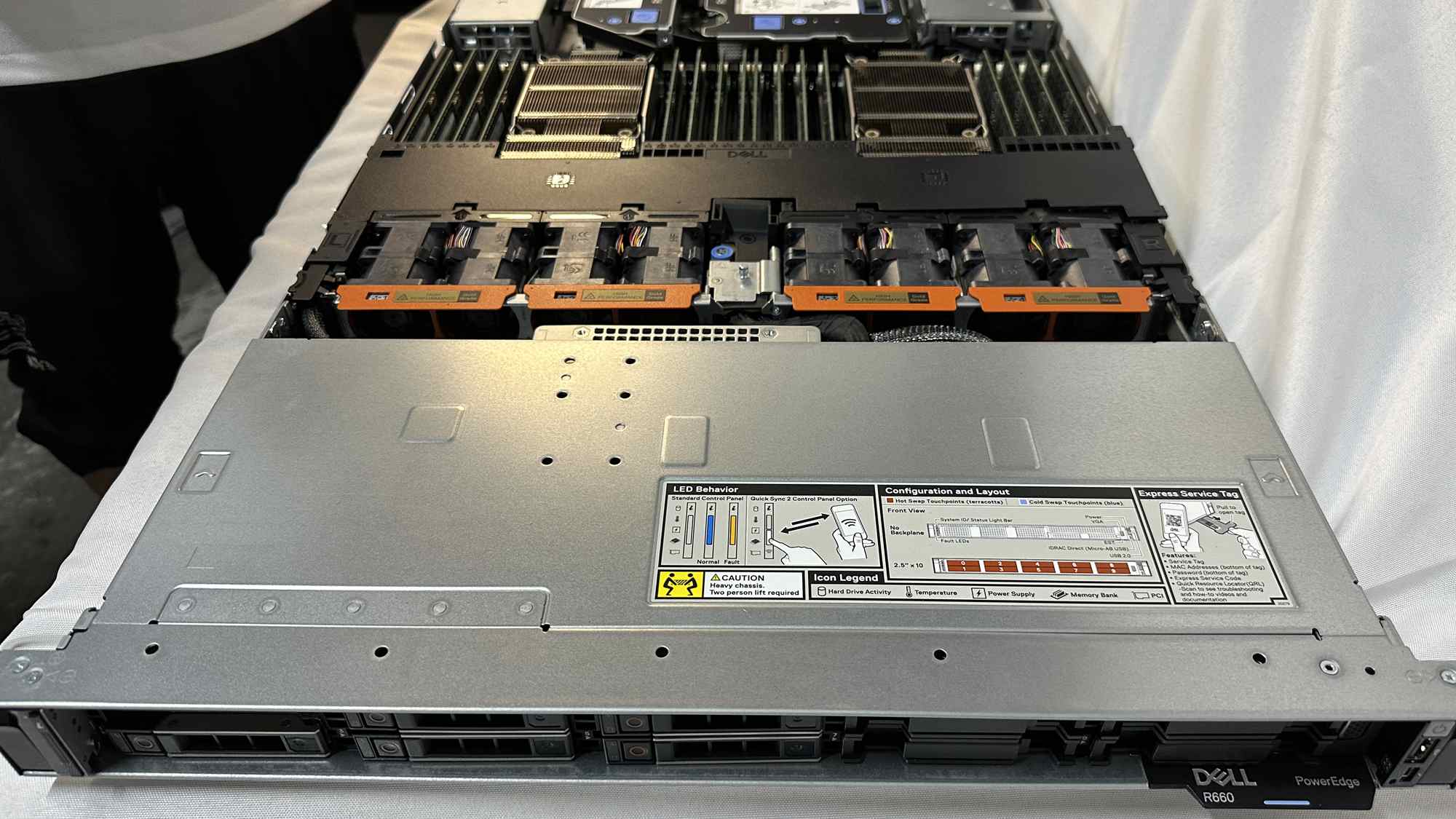
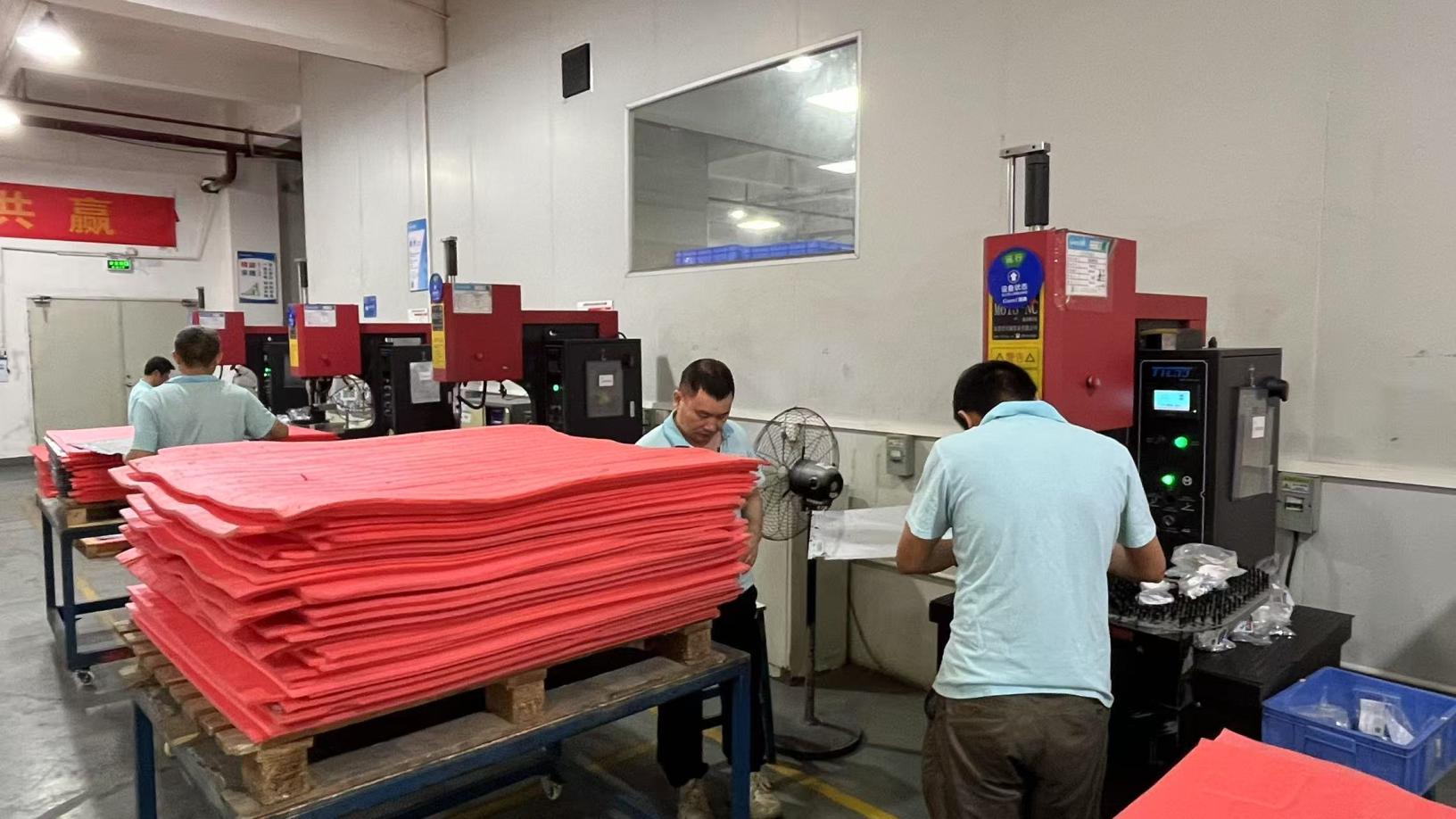
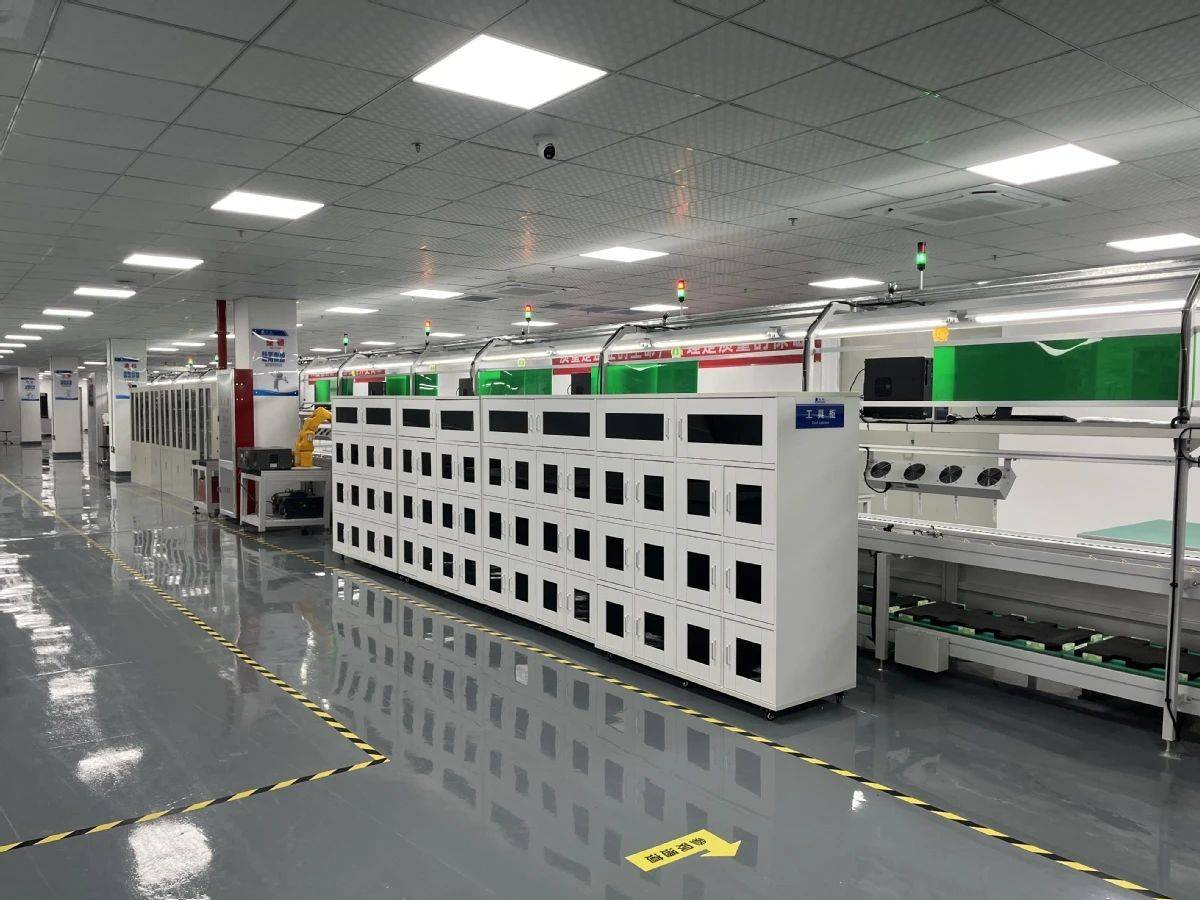
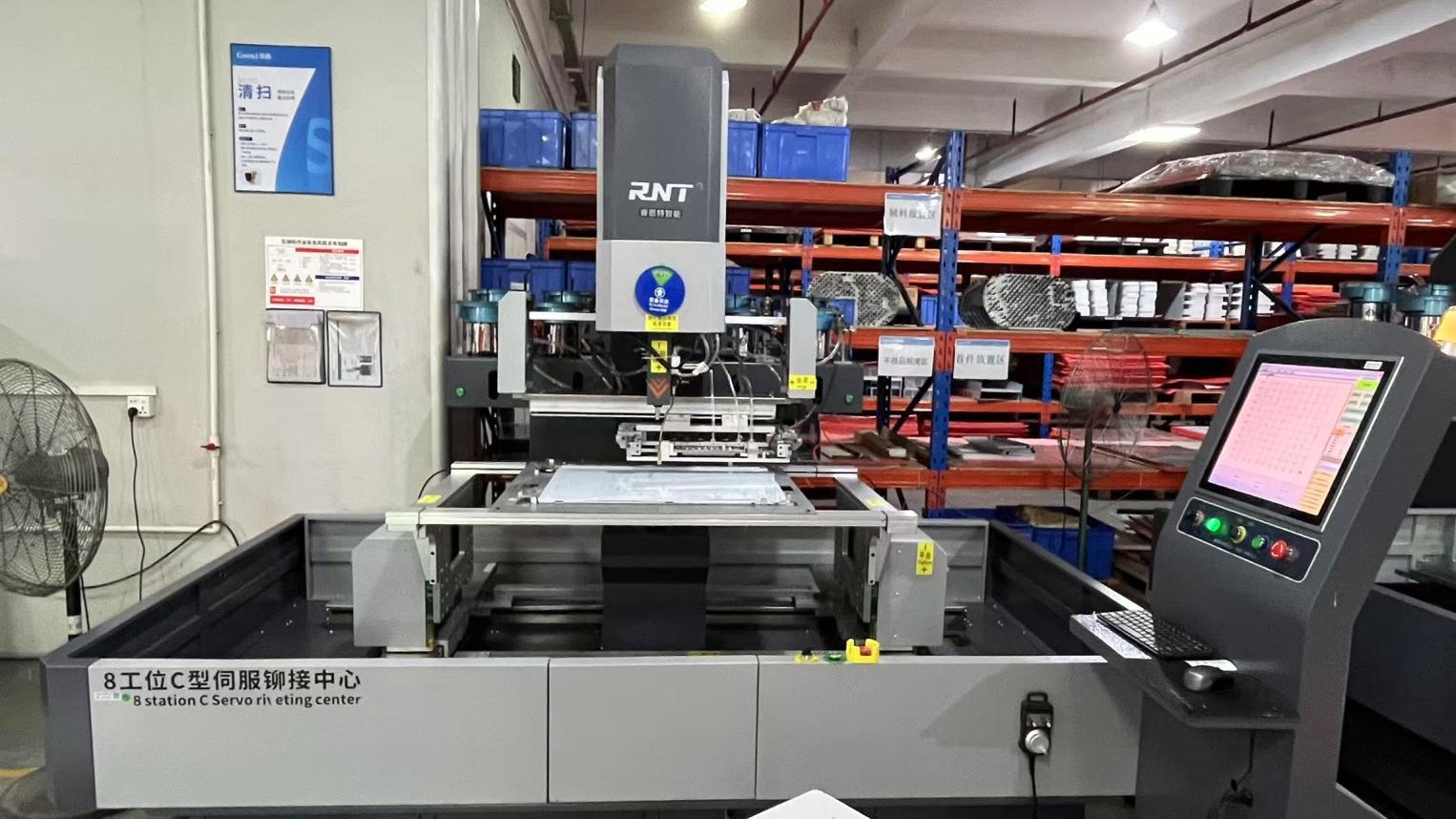
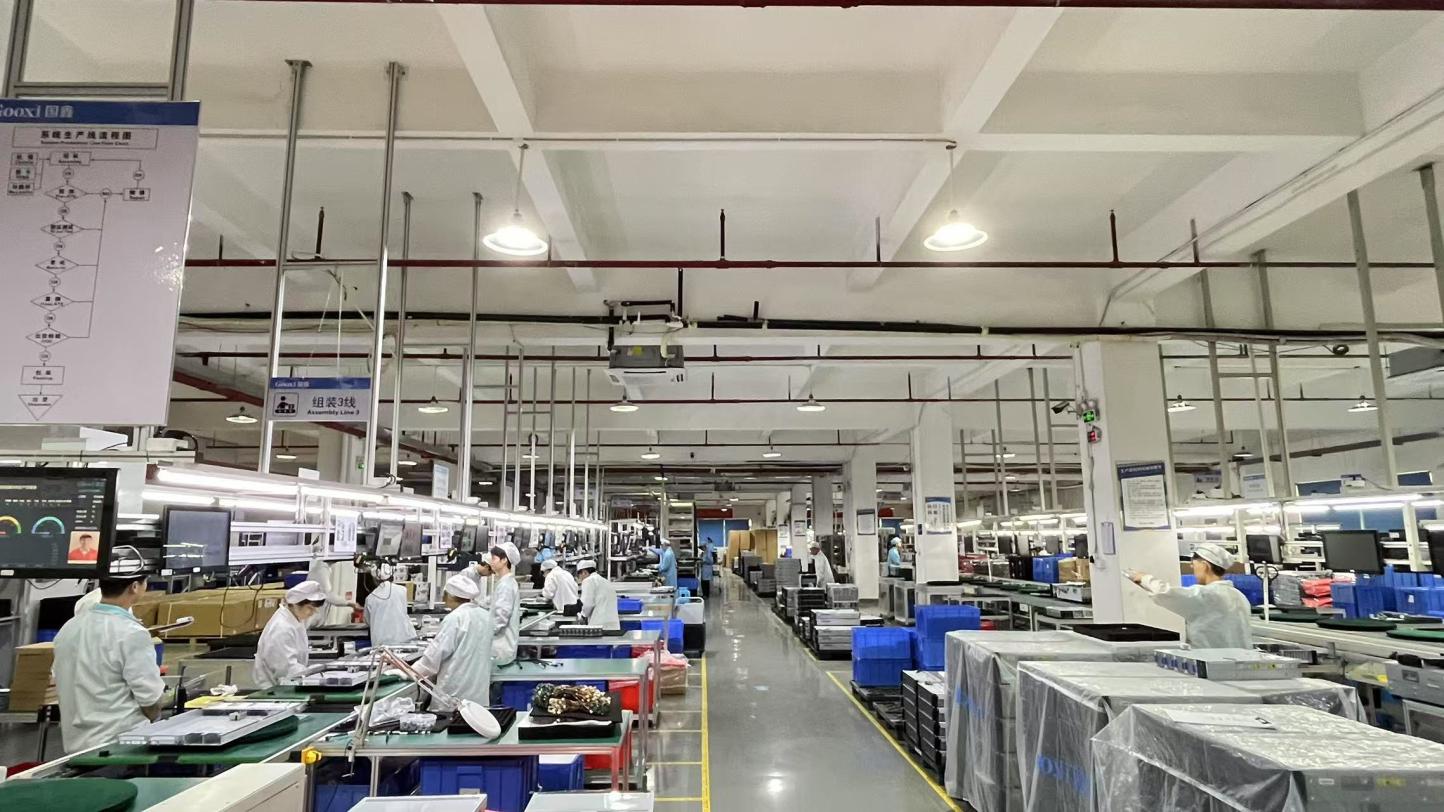
An inside look at our advanced assembly, testing facilities, and warehouse systems.

Clear, practical answers about integrating high-density cooling systems into modern computing environments.