TensorNova
TensorNova
TensorNova
Explore our high-performance hardware configurations engineered to drive advanced server virtualization, cloud orchestration matrices, and complex high-density GPU computing.
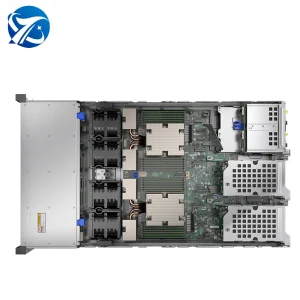
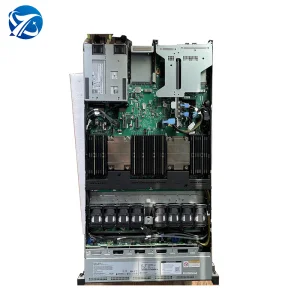
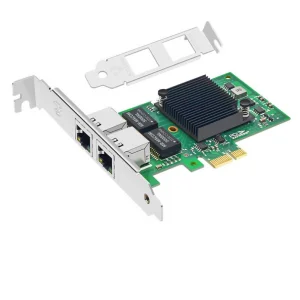
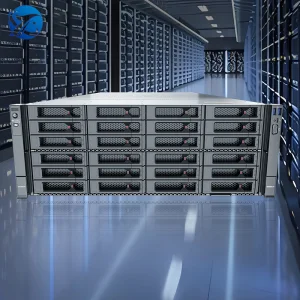
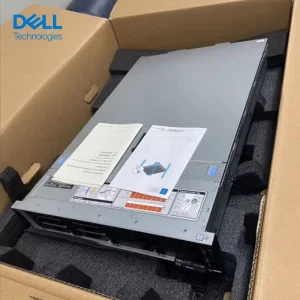
In the era of hyper-scale computing, cloud-based resource allocation has transitioned from simple software-driven hypervision to physical compute fabric orchestration. Modern workloads—ranging from massive Large Language Model (LLM) training to distributed database queries and real-time inference matrices—require microsecond latency, scalable memory topologies, and hardware-integrated virtualization. Organizations globally are facing substantial pressure to transition from traditional rigid compute clusters to dynamically partitioned, multi-tenant cloud ecosystems.
Dynamic workload variance requires hardware that supports multi-GPU clustering and high-speed PCIe topologies. Our infrastructure designs minimize physical footprint while maximizing compute density per rack unit.
By decoupling compute nodes from monolithic arrays, enterprise IT managers can orchestrate granular bare-metal instances, reducing idle capacity and slashing annual capital expenditures.
Hardware-level secure boot, cryptographic storage trust anchors, and ISO-certified manufacturing chains safeguard sensitive enterprise workloads against low-level vectors.
As dynamic resource partitioning relies heavily on hardware-level optimization, the selection of computing nodes is critical. Sourcing from verified Chinese manufacturers provides global buyers with advanced structural integration, high-density cooling topologies, and modular configurations that standard distributors cannot supply. China-based facilities combine component supply chains (from processors to custom PCB layouts) to build highly specialized computing platforms customized for next-generation virtual environments.
Effective resource allocation in modern AI workloads relies on high-speed hardware communication interfaces. At TensorNova, our hardware ecosystem is built on high-speed pathways engineered to handle complex data transfers without bottlenecking. By leveraging PCIe Gen 5.0 and Gen 6.0, we provide double the throughput of previous generations, facilitating rapid memory sharing between GPUs and high-capacity storage drives.
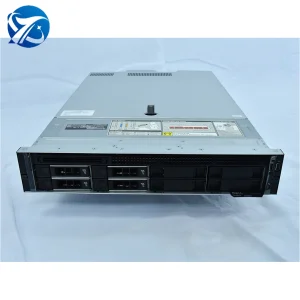
Our xFusion G5500 V7 and associated cluster series are optimized for deep learning models such as DeepSeek R1 and LLaMA-3. Through unified memory architectures and NVLink compatibility, we enable rapid inter-node communication, allowing developers to split parameters across multiple physical systems without latency penalties.
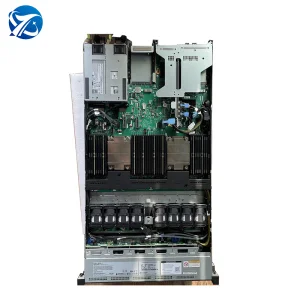
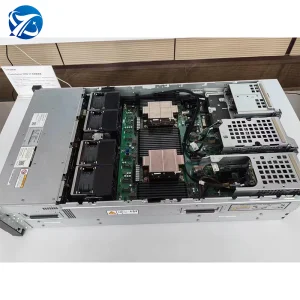
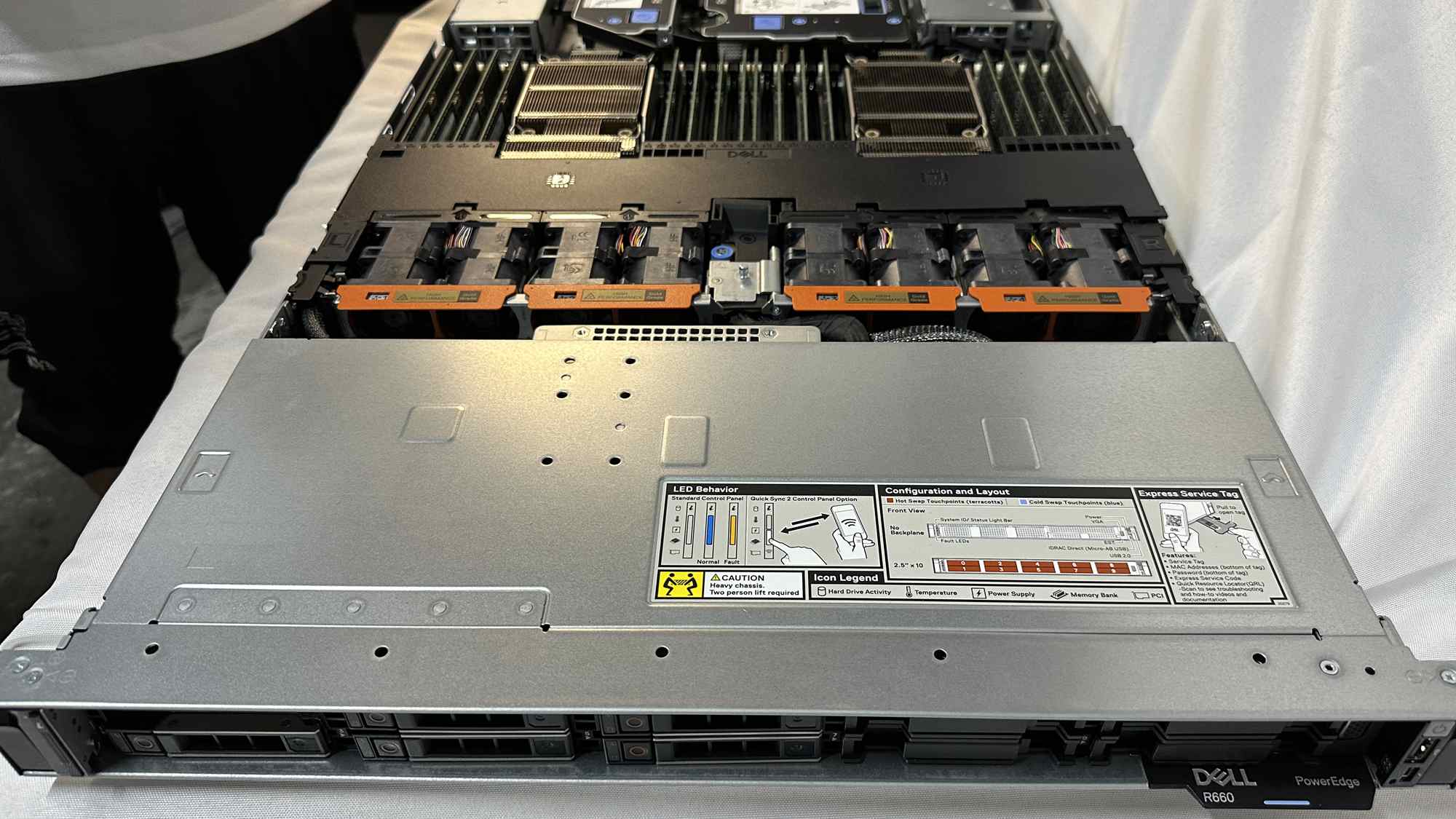
Thermal management dictates real-world server performance. To prevent throttling during high-throughput workloads, our custom server chassis incorporate liquid-to-air cooling options, specialized heatsink geometries, and smart-sensor fan controllers to maintain stable component temperatures even during 100% compute cycles.
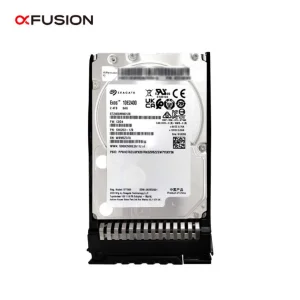
Integrating PCIe Gen 4.0/5.0 NVMe, SAS, and SATA drives via high-bandwidth RAID cards (such as the 9560-8I 8-port controller) allows IT architects to establish hierarchical tiers, separating fast-access cache storage from archival assets to balance speed and budget.
Established in 2016, TensorNova has grown into a leading AI GPU server manufacturer and infrastructure solution provider based in China. Specializing in high-density computing, scalable GPU clusters, and reliable data center hardware, we serve demanding enterprise environments around the world.
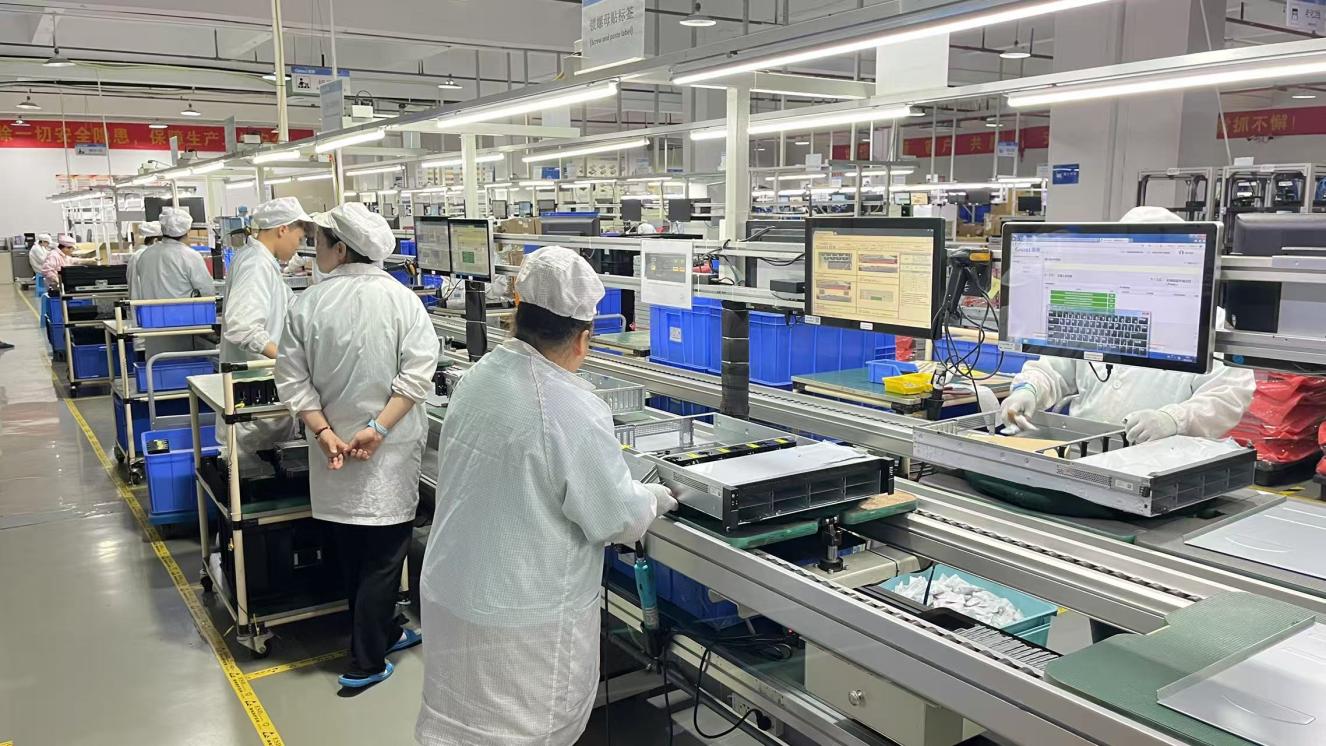
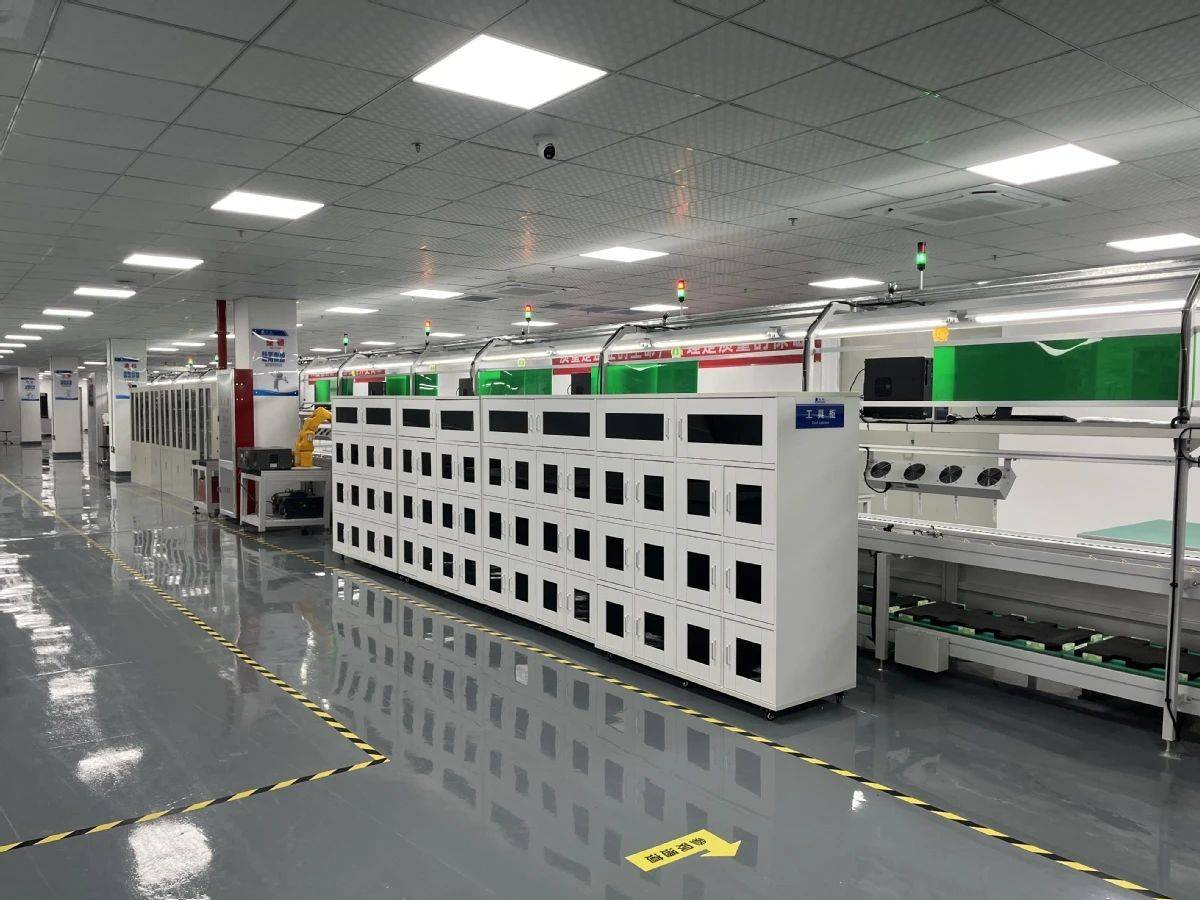
Operating from a specialized engineering facility of 320㎡ dedicated to advanced hardware assembly, validation, and integration, our teams maintain strict quality control standards. Supported by a robust network of over 1,200 global suppliers and component partners, we secure high-grade silicon, high-frequency PCBs, and durable power units, ensuring reliable supply chains and consistent production turnaround times for international buyers.
With 12 years of industry experience and 6 years of global export experience, we maintain a strong international presence across North America, Europe, Southeast Asia, and the Middle East, with major customer clusters in the United States, Germany, Singapore, and the United Arab Emirates.
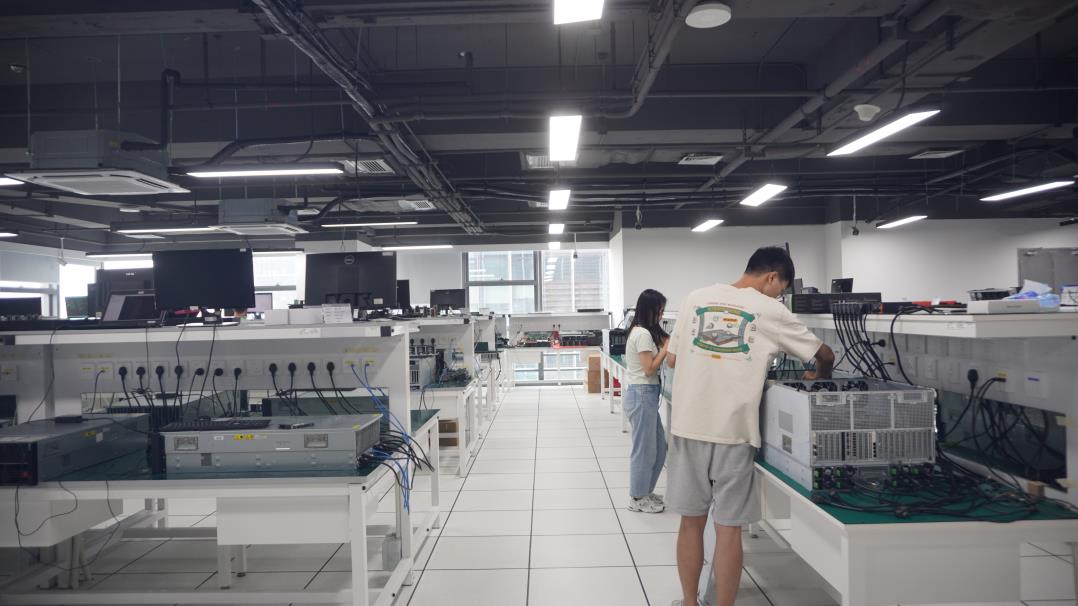
Our hardware solutions undergo a series of testing procedures before shipment to ensure they meet performance and reliability benchmarks.
Each computing node undergoes high-stress testing of CPU, GPU, memory, and data buses at maximum power loads to eliminate potential early-stage system failures.
Systems are monitored in specialized thermal chambers to verify component heat dissipation under different environment variations and prevent thermal throttling.
We run AI workload simulations, including deep learning training runs, database queries, and neural network routing, to confirm software-hardware compatibility.
As workloads shift toward distributed architectures, the demand for modular and adaptive hardware configurations is rising. TensorNova's engineering team is developing designs centered on Compute Express Link (CXL) technologies, which enable unified memory sharing across diverse processors, accelerators, and storage pools.
Our development roadmap focuses on optimizing deep learning environments by refining CPU-to-GPU interconnect topologies and introducing eco-conscious cooling solutions:
Enabling dynamic memory expansion and resource pooling across standard rack cabinets to reduce resource allocation latency.
Integrating direct-to-chip liquid cooling systems to support high-density configurations up to 100 kW per rack without cooling towers.
Developing on-board microcontrollers that dynamically adjust voltage, clock speed, and fan rates based on incoming workload profiles.
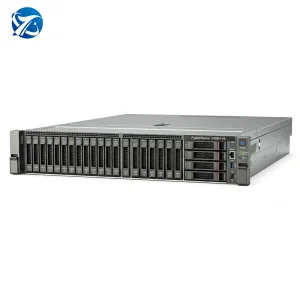
Explore additional rack nodes, fast memory subsystems, and high-capacity flash arrays designed to support your enterprise cloud and AI infrastructure.
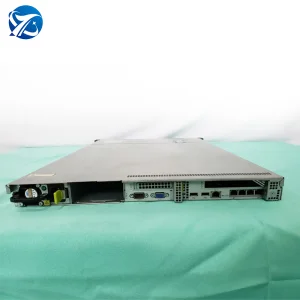
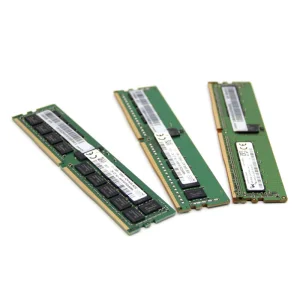
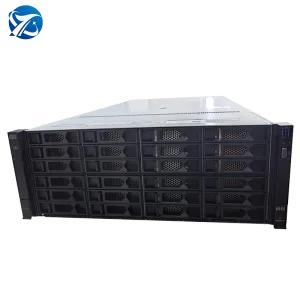
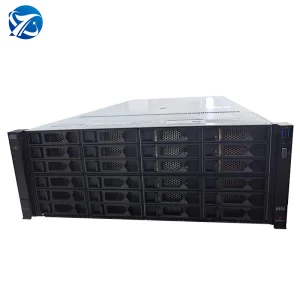
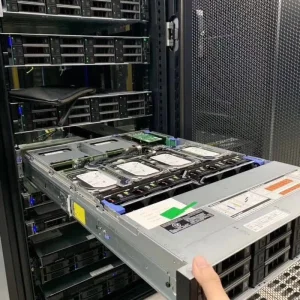
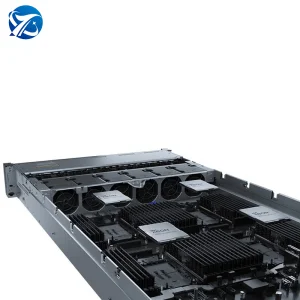
Importing high-density server configurations involves coordinating custom hardware variations, meeting regulatory standards, and managing global logistics. TensorNova coordinates with custom brokers, freight operators, and standards bodies to deliver certified servers directly to enterprise data centers.
We support varied server configurations, including custom GPU layouts, storage controllers (SAS/SATA/NVMe), dynamic DRAM capacities, and direct liquid-cooling configurations to align with specific network layouts.
Each unit is verified for export, carrying relevant CE, FCC, RoHS, and electrical certifications required for integration into corporate infrastructure within North America, Europe, and the Middle East.
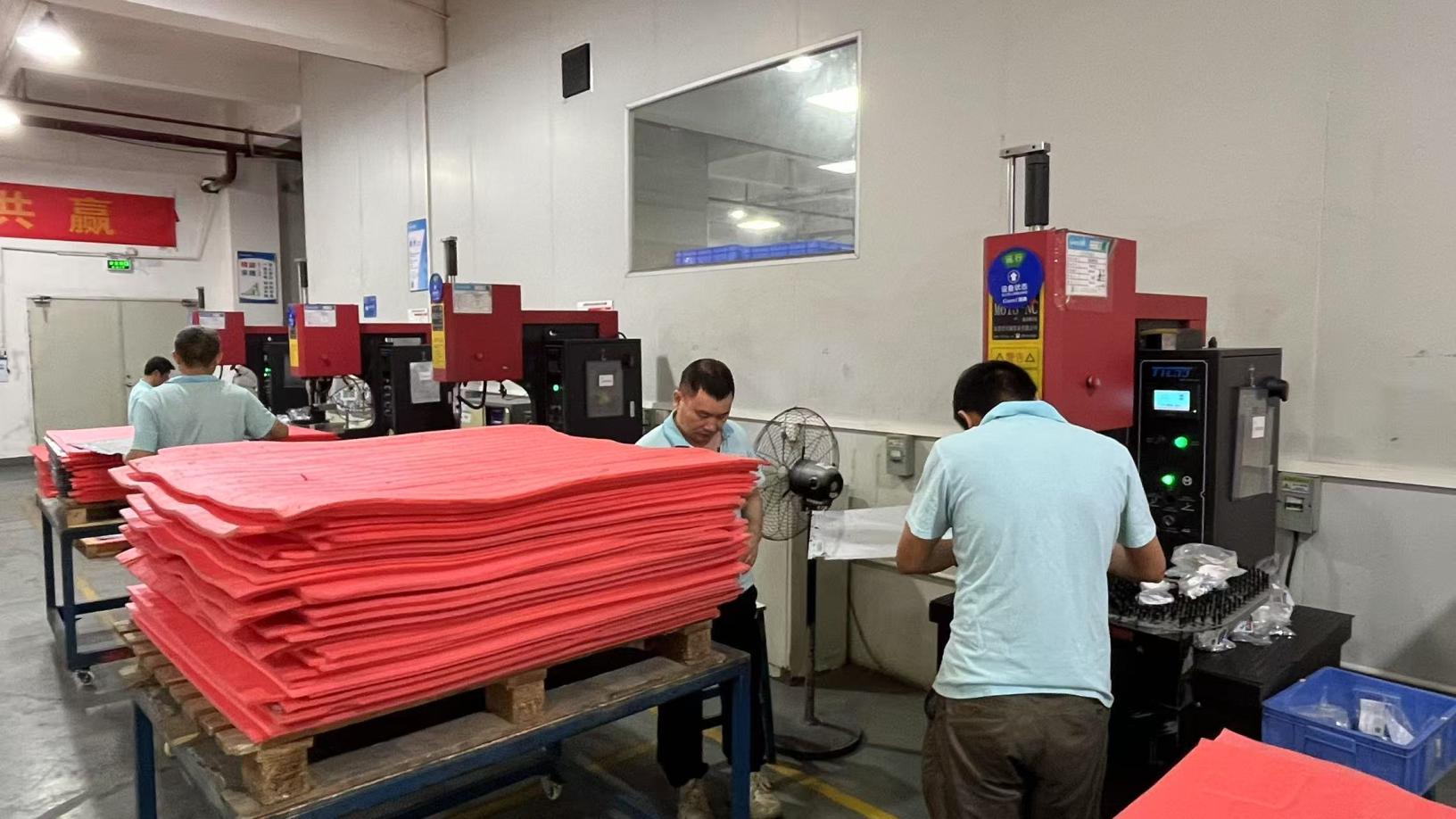
Leveraging our supply network, we organize secure ocean and air freight channels with protective packaging, shock-absorption monitoring, and transit insurance options to ensure safe delivery.
Take a look inside our processing centers, cleanrooms, and testing facilities in China where our servers are assembled, configured, and certified.



Partner with an experienced hardware provider to build a stable foundation for your data processing, AI model training, and custom cluster configurations.
Request Custom Quote