TensorNova
TensorNova
TensorNova
Explore our premium select of high-performance server architectures optimized for virtualization, AI deep learning, and mission-critical workloads.
The landscape of datacenter infrastructure is experiencing an unprecedented structural transition. In the era of LLMs (Large Language Models) such as DeepSeek-R1 (671B parameters), traditional computational matrices no longer suffice. Today, "Server Optimization Tools" refer not just to software micro-tuning layers, but to the seamless co-design of physical silicon, memory pathways, and hardware orchestration firmware.
Modern server optimization focuses on minimizing thermal bottlenecks, mitigating latency in GPU-to-GPU inter-connects (such as NVLink and PCIe Gen5 topologies), and optimizing memory footprints. With high-density hardware running DDR5 architectures, hardware integration factors—such as motherboard-level BIOS customization, thermal dissipation parameters, and advanced RAID controllers—directly determine the compute yield per watt.
Integrating next-gen GPUs with multi-core x86 architectures requires sub-millisecond hypervisor mapping and container-ready execution paths to utilize raw FLOPs efficiently.
With CPU thermal design power (TDP) exceeding 350W and high-end AI servers exceeding kilowatts per unit, customized liquid cooling loops and dynamic fan profiles are crucial to prevent thermal throttling.
Deploying dedicated boot controllers (like SAS3808-based cards) isolates OS-level processes from intensive database read/write vectors, ensuring maximum bandwidth allocation for primary applications.
Procuring high-density rack computing units requires careful evaluation of manufacturing capability, supply chain redundancy, and quality verification frameworks. Enterprise IT buyers, hyperscalers, and researchers require customized integration routes that align with specific software layers.
| Procurement Indicator | Enterprise Datacenter Requirements | AI Startup / Compute Provider Requirements | Hardware Optimization Solutions |
|---|---|---|---|
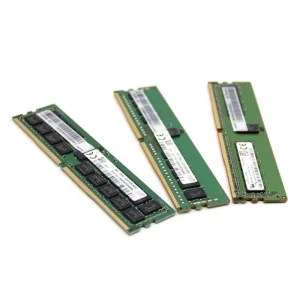
| Memory Topologies | Maximum capacity & ECC stability (e.g., DDR4 RDIMM 2933/3200MHz) | Ultra-wide bandwidth (DDR5 4800+ MHz, HBM3 channels) | Dual-rank registration, motherboard-level channel signal balancing |
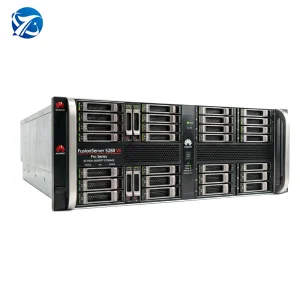
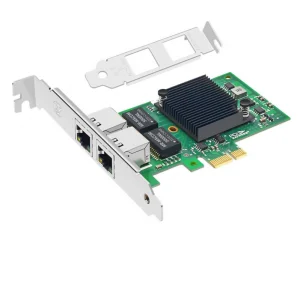
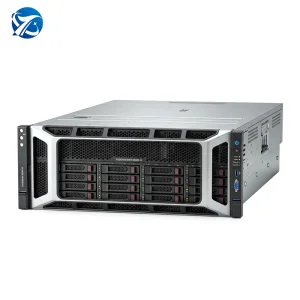
| Storage Latency | Massive storage nodes (e.g., 4U 5288 V6) with hot-swap SATA/SAS backplanes | Ultra-fast local scratchpads (PCIe Gen5 NVMe, 8x NVMe arrays) | Edge-band management controller, discrete PCIe switches, RAID boot cards |
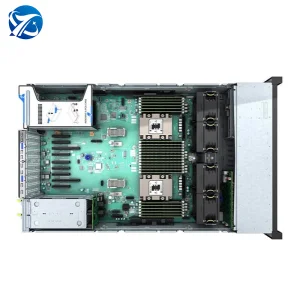
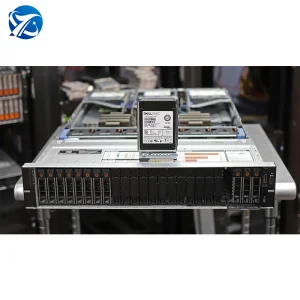
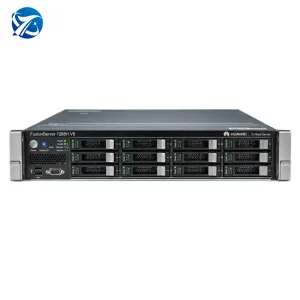
| Compute Density | 1U/2U optimized systems (e.g., Dell R450, xFusion 2288H V7) | 4-socket multi-node configurations, high-density GPU chassis (4U/8U) | Short-depth chassis architecture, dynamic power sharing, custom power distribution units |
| Virtualization Density | Hyperconverged Infrastructure (HCI) with dense compute node mapping | Docker/Kubernetes orchestration, native container pass-through layers | Pre-configured VMware ESXi / Proxmox kernels, dedicated PCIe virtualization tools |
TensorNova is a professional, high-performance AI GPU server manufacturer and infrastructure solution provider based in China. We specialize in AI computing, GPU clusters, and scalable datacenter hardware solutions for global enterprises. Established in 2016, TensorNova has grown into a trusted supplier in the AI hardware industry, focusing on system-level hardware performance and customization.
Operating from a dedicated assembly facility, TensorNova executes advanced server system integration and validation processes. Quality assurance is implemented through rigorous ISO9001-based quality management systems, featuring automated hardware stress testing, thermal performance validation, burn-in chambers, and realistic AI workload simulation runs. A dedicated group of 45 quality control professionals manages this testing structure to ensure high hardware reliability.
With a strong global trade presence, TensorNova serves clients in North America, Europe, Southeast Asia, and the Middle East, with primary markets in the United States, Germany, Singapore, and the United Arab Emirates. Our supply chain features relationships with over 1,200 global suppliers and component partners, supporting reliable production schedules and fast logistics capabilities.
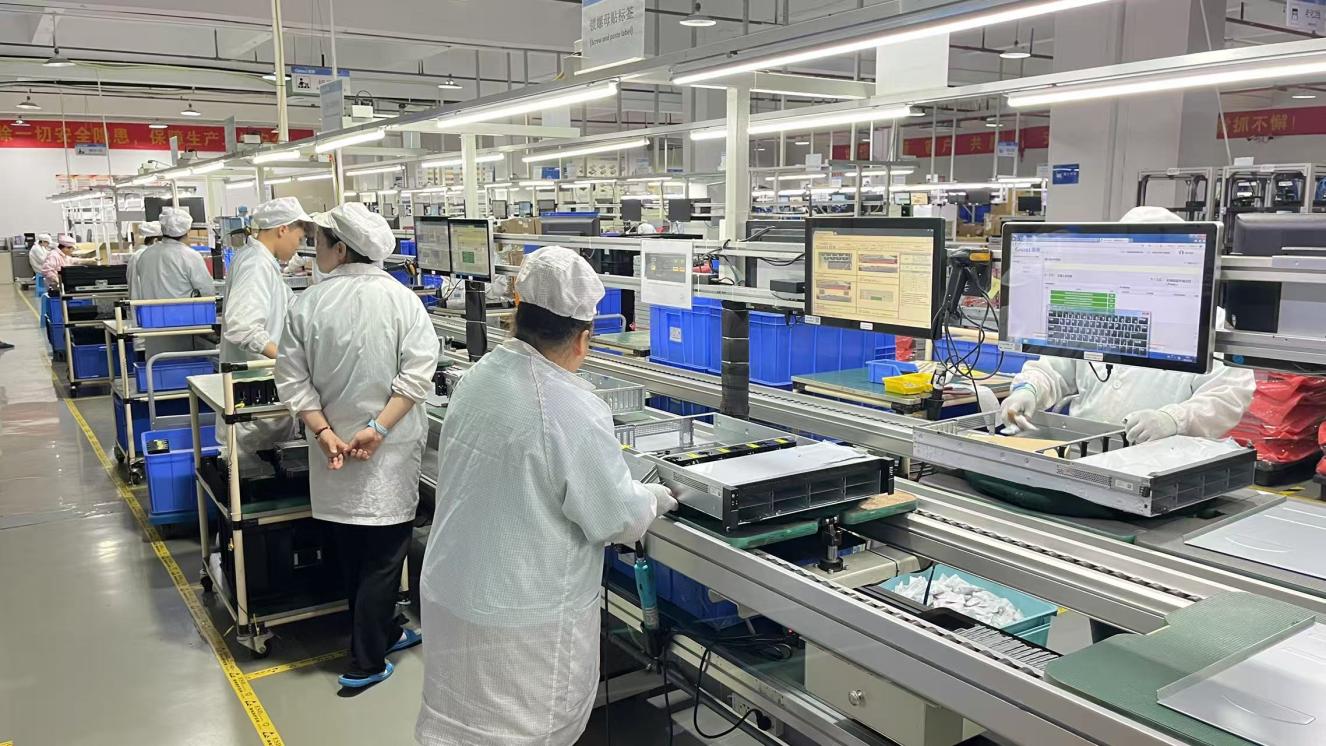
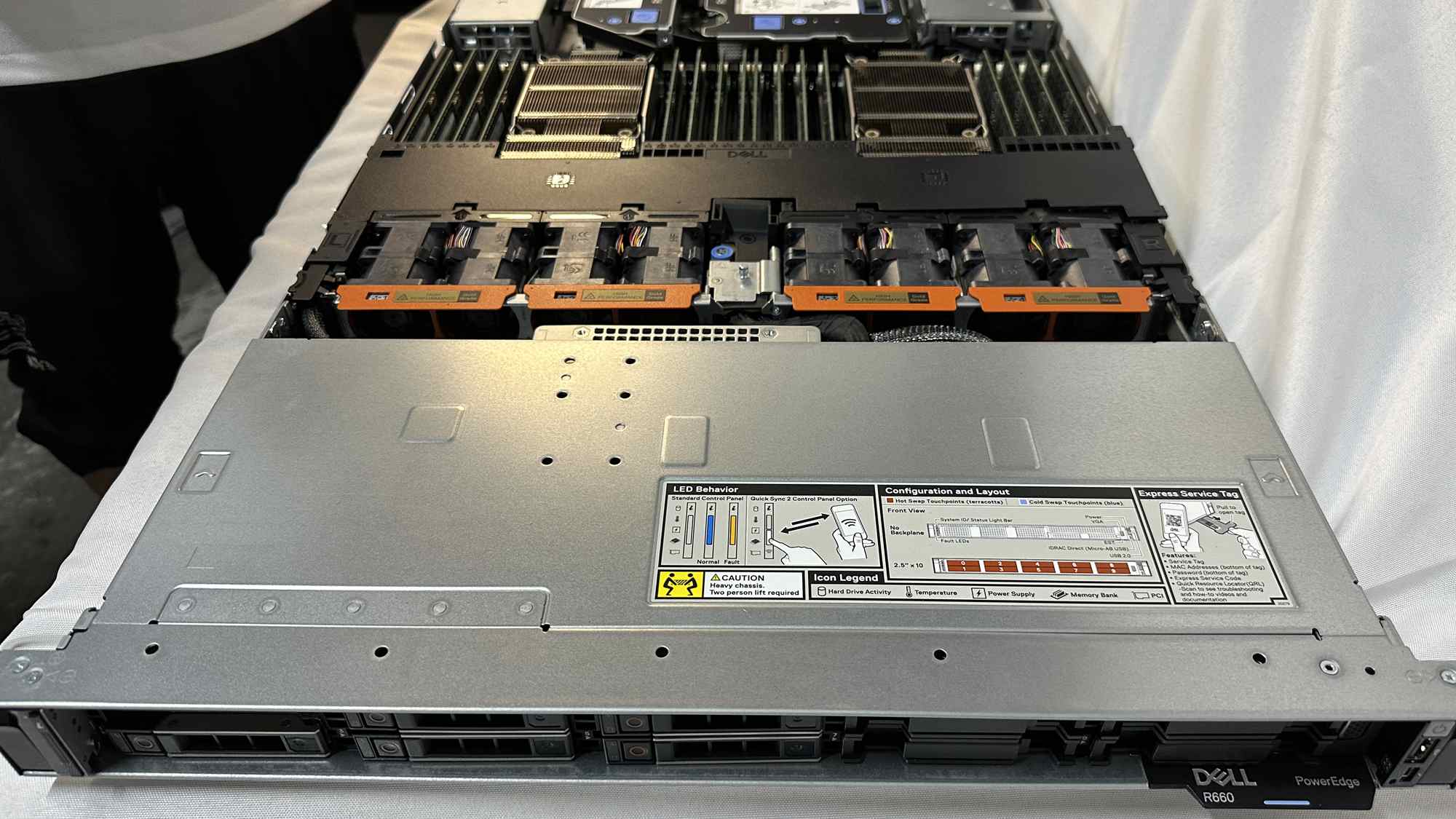
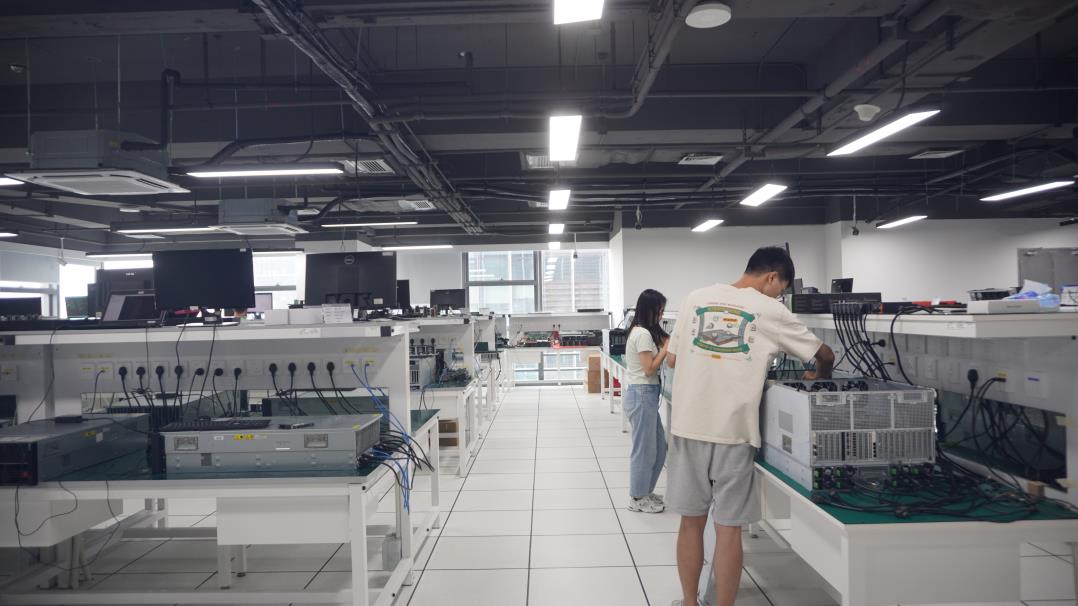
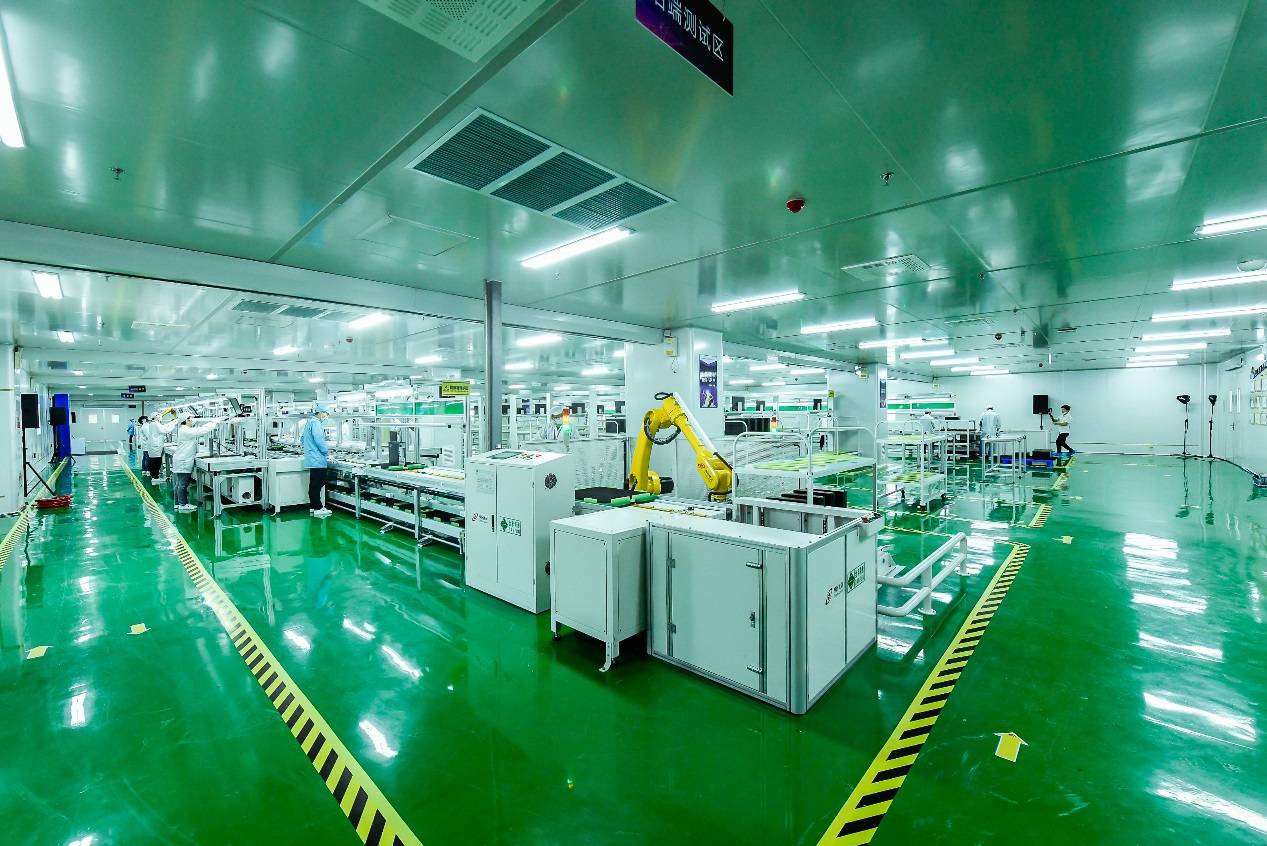
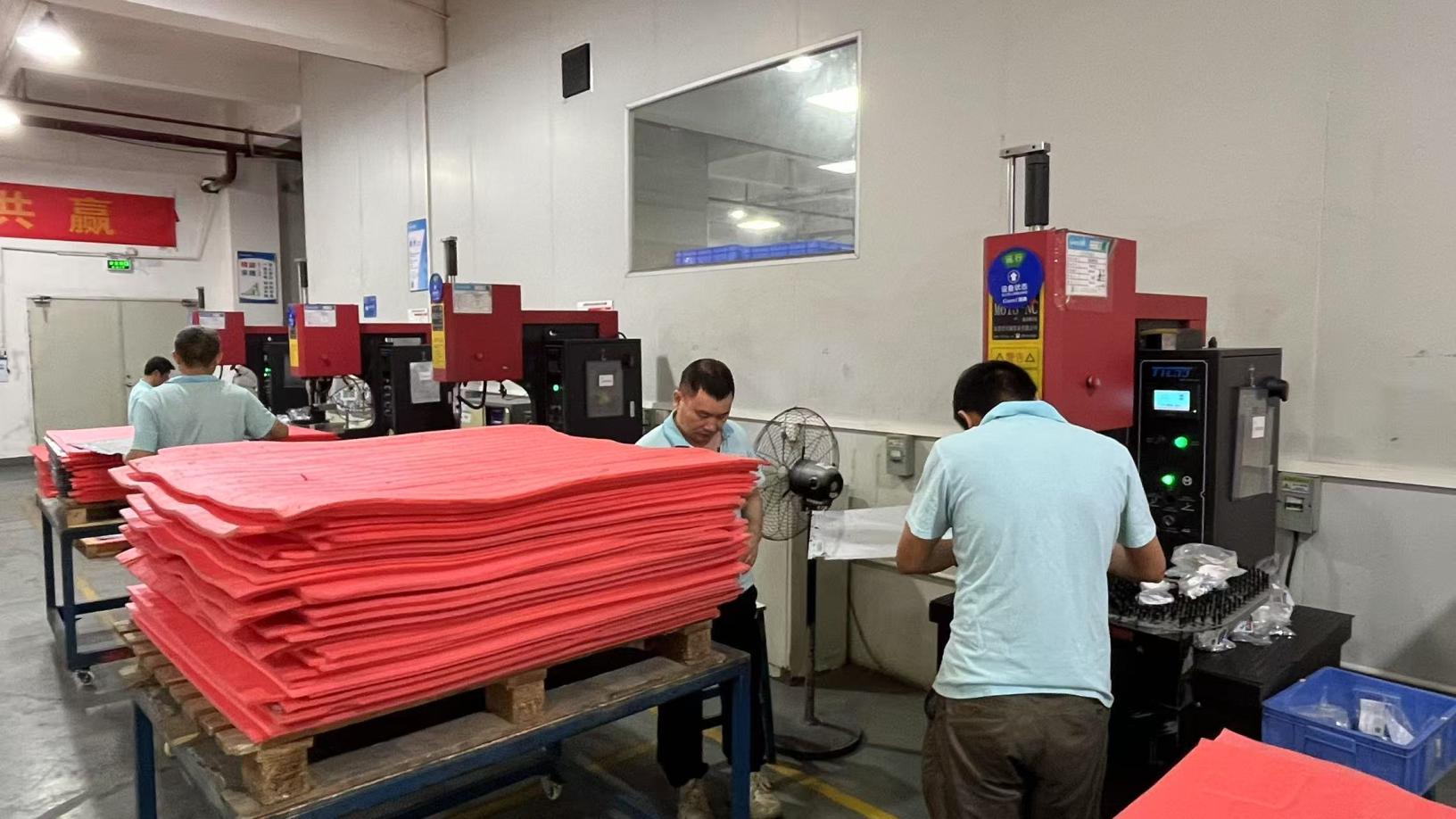
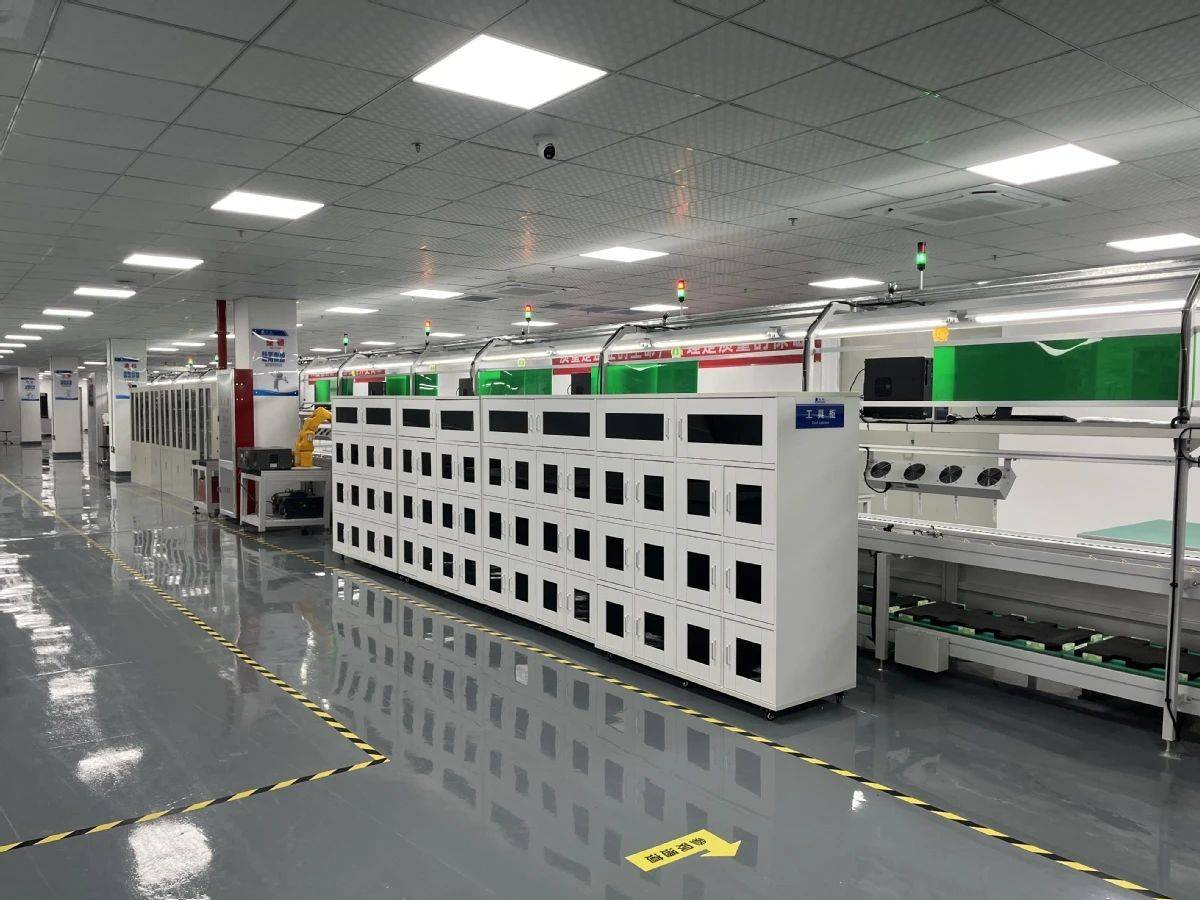
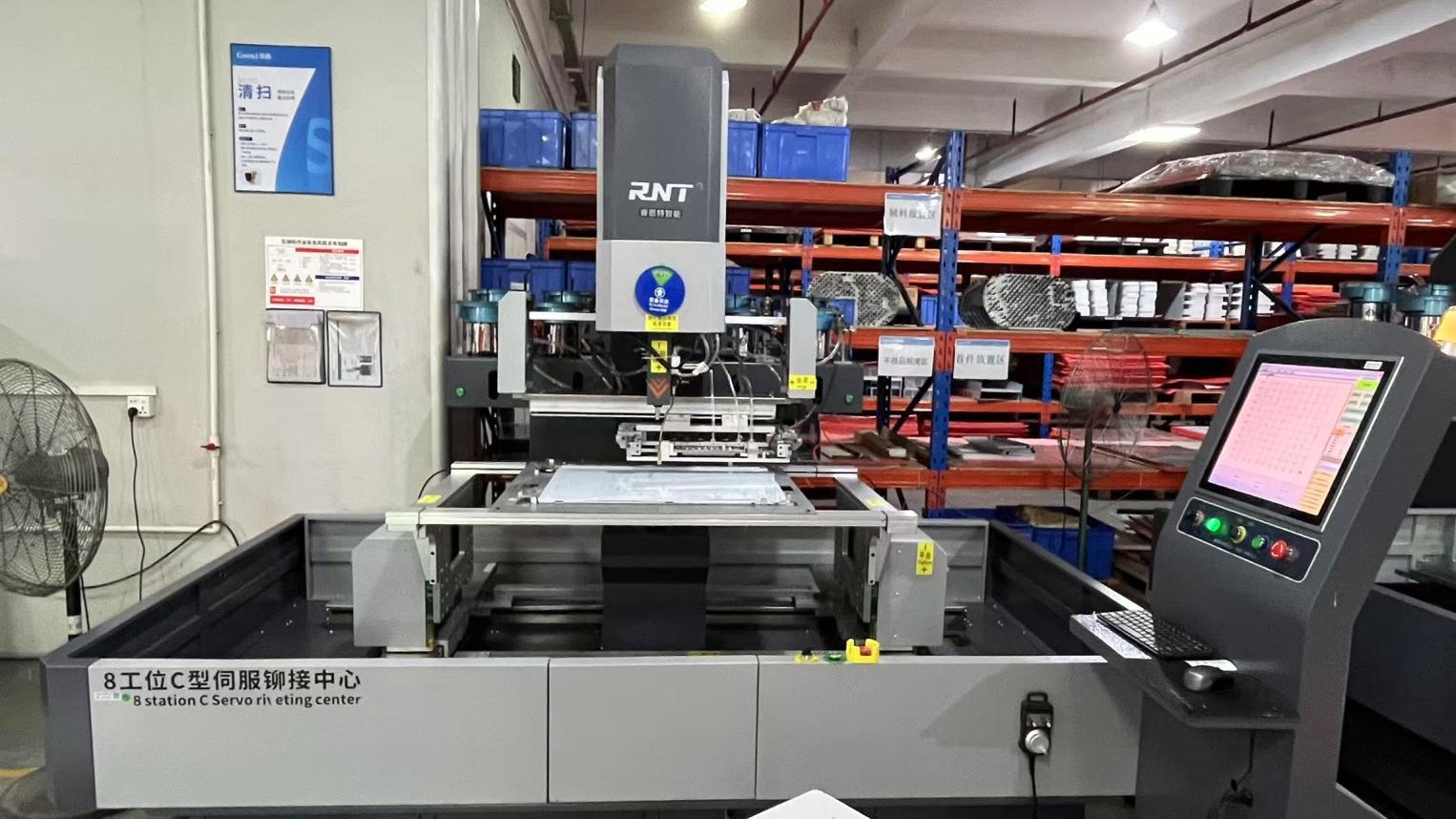
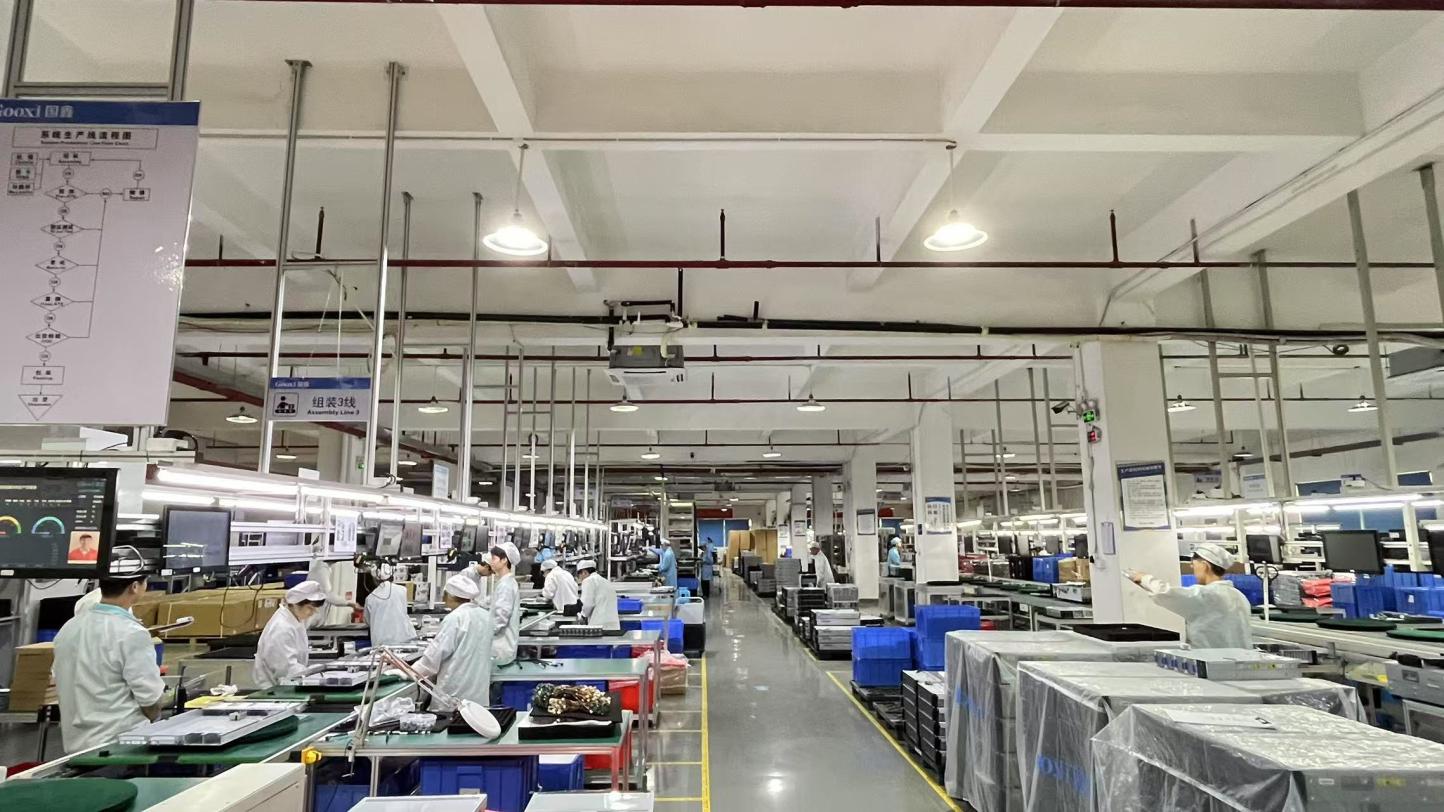
Off-the-shelf server hardware often runs into optimization bottlenecks under intensive database or model-training execution runs. TensorNova provides system-level customization designed to optimize performance at the hardware layer.
We design PCIe switch networks to optimize GPU-to-GPU peer-to-peer data pathways. By matching motherboard layouts to specific workload profiles, we reduce data latency across CPU-to-GPU channels.
Our thermal designs help maintain optimal temperatures, preventing throttling and ensuring consistent system performance under heavy computational loads.
Deploying deep learning clusters (such as containers running LLM inference) requires careful configuration of BIOS and storage controller settings. When utilizing systems like the xFusion 5885H V7 or the Dell PowerEdge R7625, adjusting sub-system variables can yield significant performance improvements:
As computational workloads evolve, datacenter technology is moving toward high-density configurations, improved thermal management, and hyperconverged resource distribution.
Compute Express Link (CXL) protocol integration allows host processors to access shared pools of DDR5 memory. This approach helps lower the cost of deploying large in-memory databases like SAP HANA.
We are moving from 12V DC power backplanes to 48V DC power topologies. This transition reduces transmission line loss within server chassis and supports the power demands of modern accelerators.
Integrating physical Root of Trust (RoT) on server motherboards provides secure boot validation at the hardware layer, helping to protect system firmware from unauthorized modifications.
Technical guidance and FAQ support for procurement officers, system architects, and datacenter managers.
Intel Xeon systems, like the FusionServer 2488H V5, provide high core-performance and feature specialized AVX-512 and AMX instruction sets, which are beneficial for deep learning inference. AMD EPYC platforms, such as the PowerEdge R7625, offer high core counts per socket, support for 128 PCIe Gen5 lanes, and large L3 cache structures, making them well-suited for hyperconverged virtualization and high-density storage environments.
The XP270-M2 features a dedicated SAS3808 controller that manages physical OS boot drives independently from the host CPU. By utilizing discrete RAID 0/1 mirroring at the hardware controller level, the operating system remains isolated from primary PCIe data storage buses. This configuration prevents write-amplification delays on main arrays from impacting operating system stability.
For air-cooled environments, we offer custom chassis with dynamic, high-RPM pulse-width modulation (PWM) fans and optimized airflow shrouds. For high-density computing configurations exceeding 350W TDP per socket, we provide direct-to-chip (D2C) liquid cooling manifolds. These systems utilize water-glycol mixtures to manage thermals and reduce fan power consumption.
Every integrated system goes through a multi-step validation process before shipment. This includes dynamic thermal cycle testing in a burn-in chamber, automated loop tests on memory channels, hardware stress testing under full synthetic workloads, and port diagnostic checks on interface connections. All procedures are managed under an ISO9001-certified framework.
Yes. We offer customized UEFI/BIOS configurations, including pre-set NUMA node grouping, SR-IOV activation, PCIe link-speed locking, and IPMI/BMC network settings. This ensures the hardware integrates directly with orchestrators like Kubernetes or OpenStack upon installation.
Browse our selection of enterprise memory options, storage expansion cards, and specialized compute nodes designed for datacenter expansion.