TensorNova
TensorNova
TensorNova
Deploying high-performance server architectures is critical to executing redundant backup algorithms and maintaining modern recovery strategies. Explore our premium selection of computing nodes optimized for enterprise-grade remote backup applications.
In the era of hyper-scale data generation, cloud-native deployments, and distributed hybrid workforces, traditional local backup topologies are no longer sufficient. Enterprise operations require highly resilient, secure, and automated remote backup solutions to mitigate the risk of zero-day ransomware attacks, operational hardware failure, and systemic disaster events. Modern backup frameworks are transitioning away from simple point-in-time snapshots towards intelligent, deduplicated, and air-gapped network systems that prioritize low recovery time objectives (RTO) and recovery point objectives (RPO).
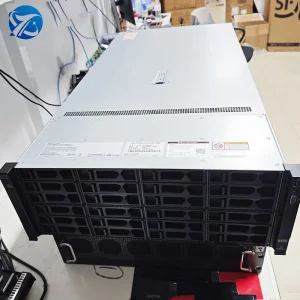
As a premier global supplier and exporter of AI computing architecture and high-performance server structures, TensorNova bridges the gap between hardware execution and software orchestration. High-performance backups demand powerful storage-optimized platforms—specifically 2U and 4U systems equipped with high-density NVMe drive bays, multi-core Intel Xeon processors, and intelligent network interface cards (NICs) supporting RoCE (RDMA over Converged Ethernet) to handle high-bandwidth transfer pipelines without CPU overhead.
Integrating WORM (Write Once, Read Many) technology at the physical hardware block level to prevent malicious actors from altering or encrypting historic backups during ransomware campaigns.
Leveraging custom FPGA-accelerated or multi-core CPU architectures to calculate inline cryptographic hashes, reducing remote storage footprint by up to 90%.
Orchestrating asynchronous multisite replication topologies across edge, core, and cloud environments, ensuring compliance with standard 3-2-1 backup strategies.
Procurement divisions within global data centers, financial corporations, and defense contractors face unique constraints when selecting suppliers for high-capacity backup infrastructure. The primary focus is no longer just on storage capacity per dollar; it is focused on total cost of ownership (TCO) optimization, structural supply chain resilience, and hardware customization options.
| Procurement Requirement | Technical Specification Target | Operational Value Delivered |
|---|---|---|
| Strict Compliance Standards | GDPR, HIPAA, SOC 2, NIS 2 alignment | Protects company liability, prevents high regulatory fines. |
| Hardware Customization | Liquid cooling, custom SAS/NVMe backplane configurations | Optimizes rack power utilization efficiency (PUE) in extreme environments. |
| High Throughput Operations | 100GbE / 200GbE network interfaces, PCIe Gen 5 buses | Minimizes backup windows, preventing application latency during syncs. |
| Zero Trust Supply Chain | Strict origin documentation, component-level QA tracking | Ensures no malicious firmware modification during hardware fabrication. |
By collaborating with global hardware suppliers like TensorNova, procurement managers bypass long integration times. Through our robust distribution network and deep alignment with component vendors, we deliver customized, fully validated network storage configurations directly to international markets, ensuring rapid deployment and hardware interoperability.
As the digital backbone for machine learning and secure storage infrastructures globally, TensorNova operates as a leading high-performance AI GPU server manufacturer and infrastructure solution provider. Our mission is to facilitate scalable, resilient, and highly secure computing architectures for organizations managing high-capacity workloads.
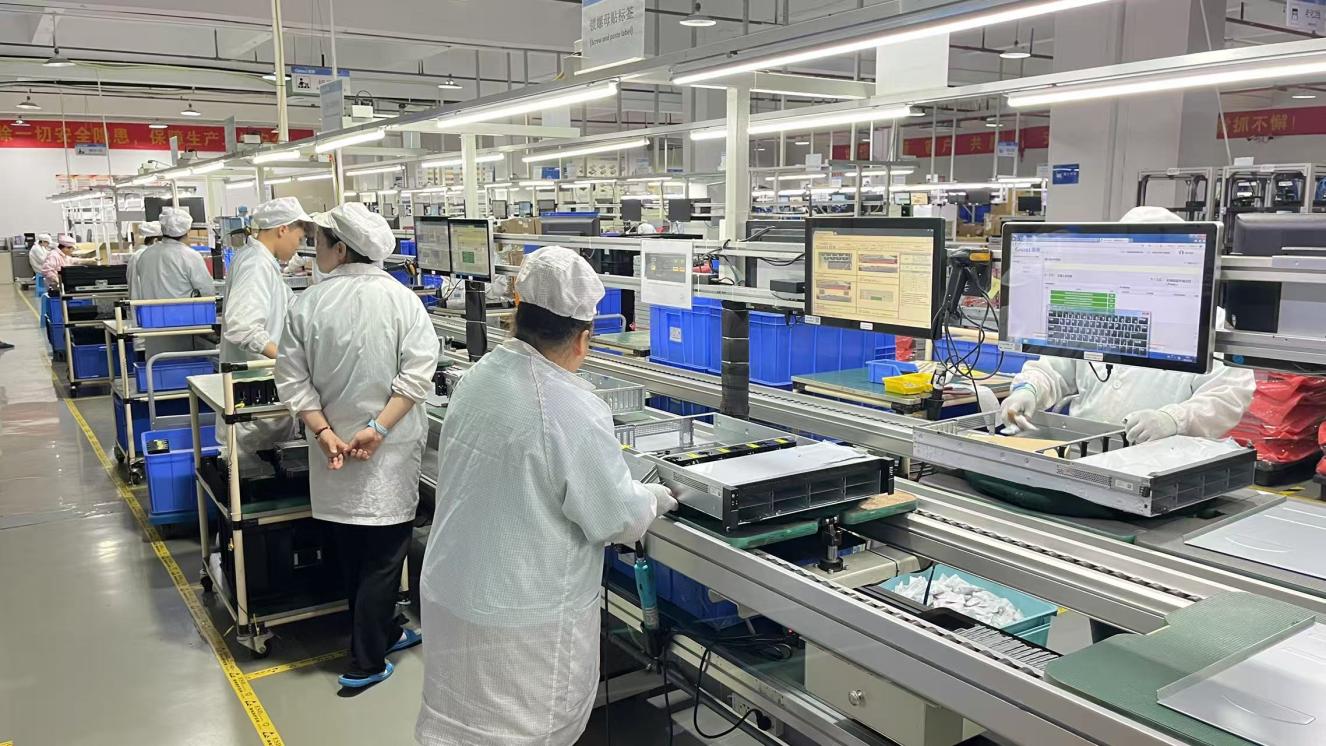
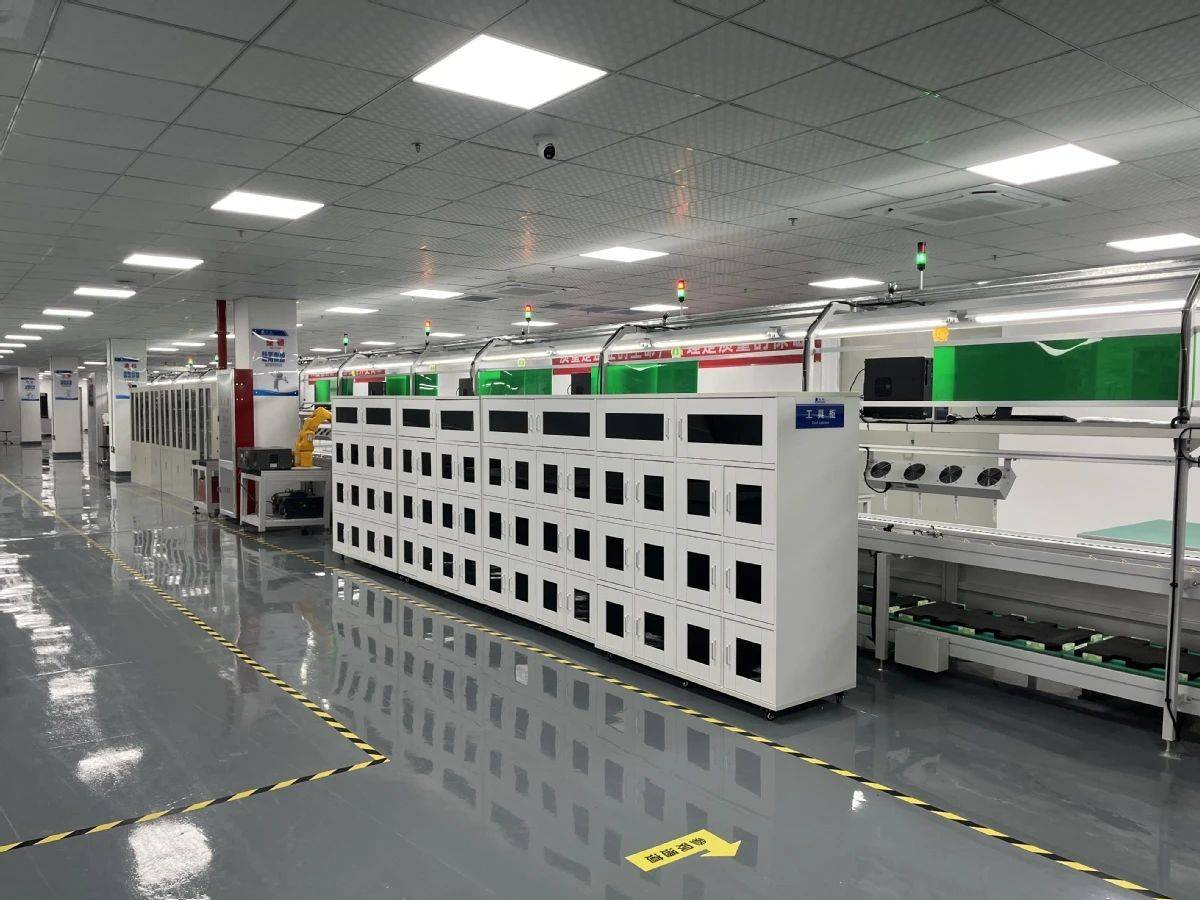
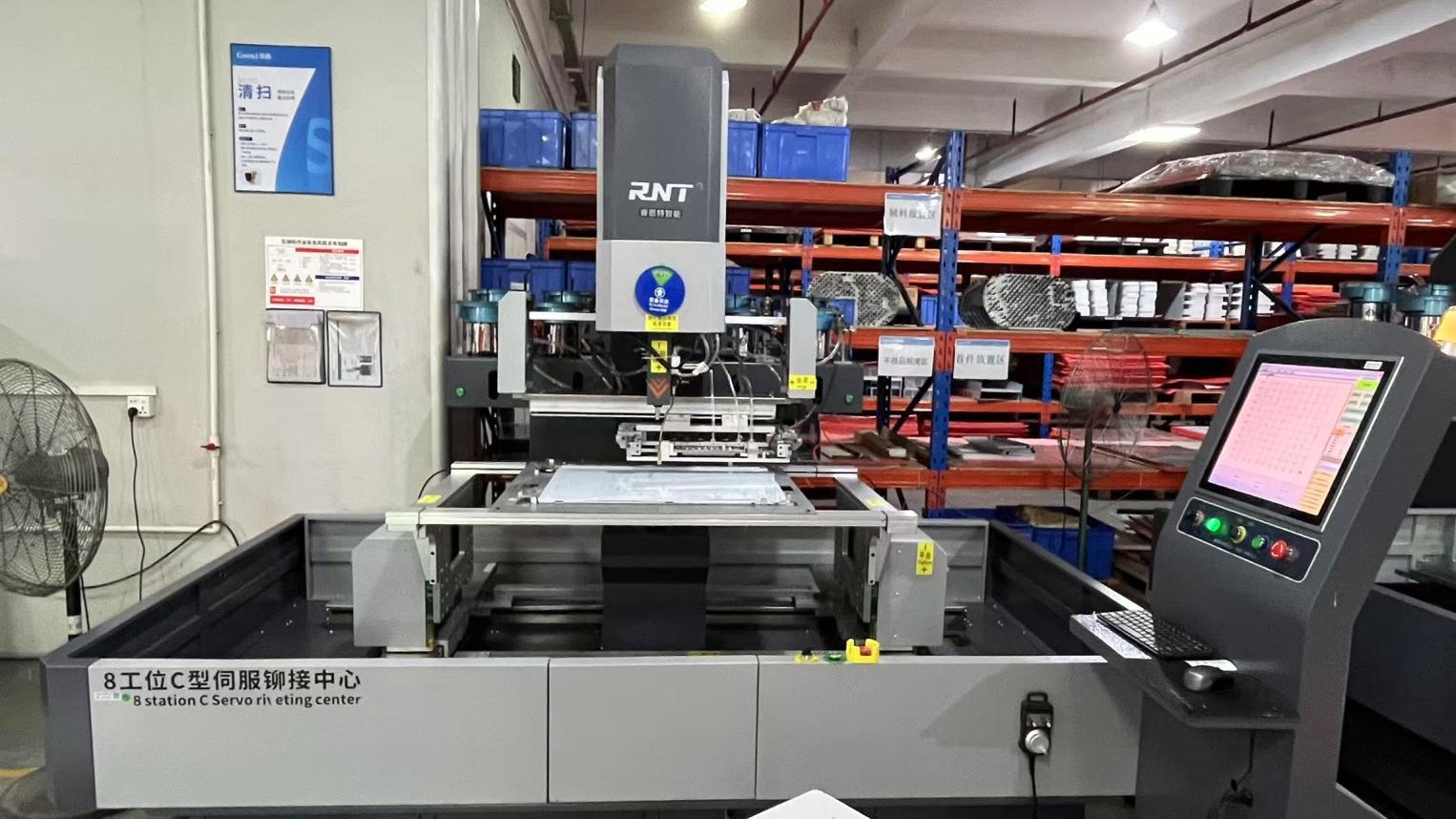
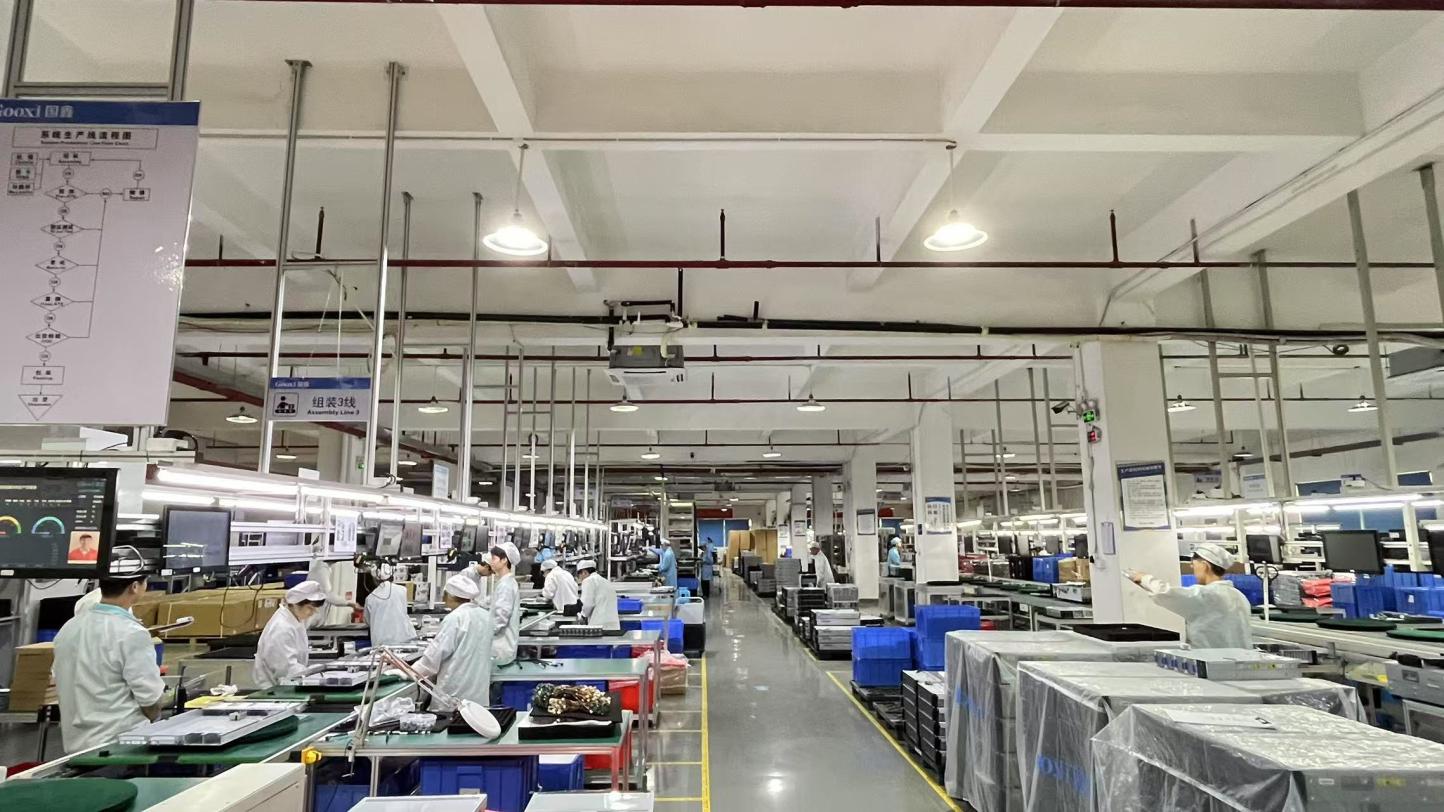
Headquartered in China, TensorNova leverages its modern production facilities covering approximately 320㎡ to execute advanced server assembly, precision testing, and system integration. With over 12 years of industry experience in AI computing and server manufacturing, and 6 years of export operations, we serve primary markets across North America, Europe, Southeast Asia, and the Middle East, with localized customer bases in the United States, Germany, Singapore, and the United Arab Emirates.
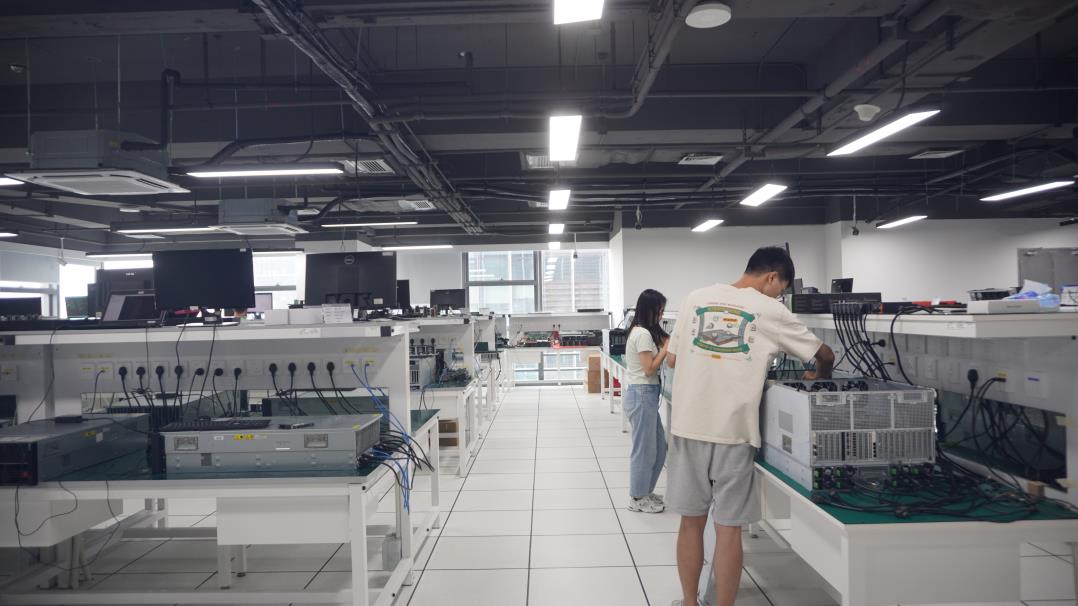
Implementing rigorous ISO9001-based quality management systems. All configurations undergo automated hardware stress testing, thermal performance validation, burn-in protocols, and intense simulation of targeted backup and AI workloads under the surveillance of 45 specialized QC personnel.
Custom options include GPU and Storage configurations, personalized chassis design, advanced cooling options (high-airflow air cooling or direct-to-chip liquid cooling structures), motherboard-level bios tuning, and optimization for distinct enterprise storage protocols.
Our engineering division launched over 320 new products within the last 12 months, delivering next-generation AI GPU computing servers, edge processing nodes, and high-density GPU cluster systems suited for modern backup automation.
To architect a backup system that ensures maximum uptime, organizations must design their hardware stack to support modern data-protection protocols. TensorNova designs hardware platforms specifically tailored to execute these modern storage configurations.
Modern storage architectures dynamically classify data based on access frequency. Hot tiers require NVMe SSD arrays with direct PCIe Gen 5 connections to handle transaction logs and system state files. Warm tiers utilize high-performance SAS HDD storage arrays for regular differential backup copies, while Cold tiers use high-density storage nodes designed for energy efficiency, utilizing spin-down drive technologies to house historical archive files.
Our storage nodes are engineered to run popular SDS solutions (e.g., Ceph, MinIO, TrueNAS Enterprise, Veeam Hardened Repository). By decoupling software control from proprietary hardware restrictions, companies achieve multi-petabyte scalability without lock-in, enabling seamless integration of remote replication nodes.
Enterprise remote backup is highly bottlenecked by the network interface layer. By utilizing advanced network configurations supporting 25GbE, 100GbE, or 200GbE interconnects with hardware offload features, our systems can receive and write incoming replication streams without degrading local CPU performance.
Remote backup is not a one-size-fits-all product. Different sectors demand highly customized hardware topologies to solve regulatory requirements and manage physical space constraints.
Requires strict HIPAA-compliant storage configurations with automated end-to-end data encryption. Backup repositories utilize immutable storage setups to protect long-term electronic health records (EHR) and digital medical imaging databases from accidental erasure.
High-frequency trading environments require synchronous replication over short distances with zero data loss thresholds (RPO = 0). Backup targets require ultra-low latency configurations, typically using RAID-10 NVMe server configurations optimized for high IOPS workloads.
Factory-floor operations utilize ruggedized edge-backup nodes. In these scenarios, compact 1U or short-depth 2U server configurations are deployed to local sites, aggregating IoT telemetry data before asynchronously syncing data to centralized servers during off-peak hours.
Exporting physical computing hardware globally requires strict adherence to international standardizations and compliance frameworks. Our global logistics system ensures that servers crossing borders meet local electrical safety, electromagnetic compatibility, and import policies.
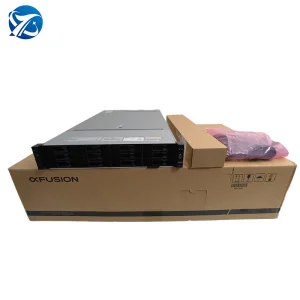
TensorNova's logistics and compliance team manages custom clearances, CE/FCC certifications, and secure logistics paths. Our strategic distribution partners in Europe and North America guarantee that backup servers arrive pre-configured with correct rail kits, power cords suited for target data center standards, and bios configurations targeted for deployment locations. This zero-touch delivery framework allows data center engineers to simply rack, wire, and power up the systems.
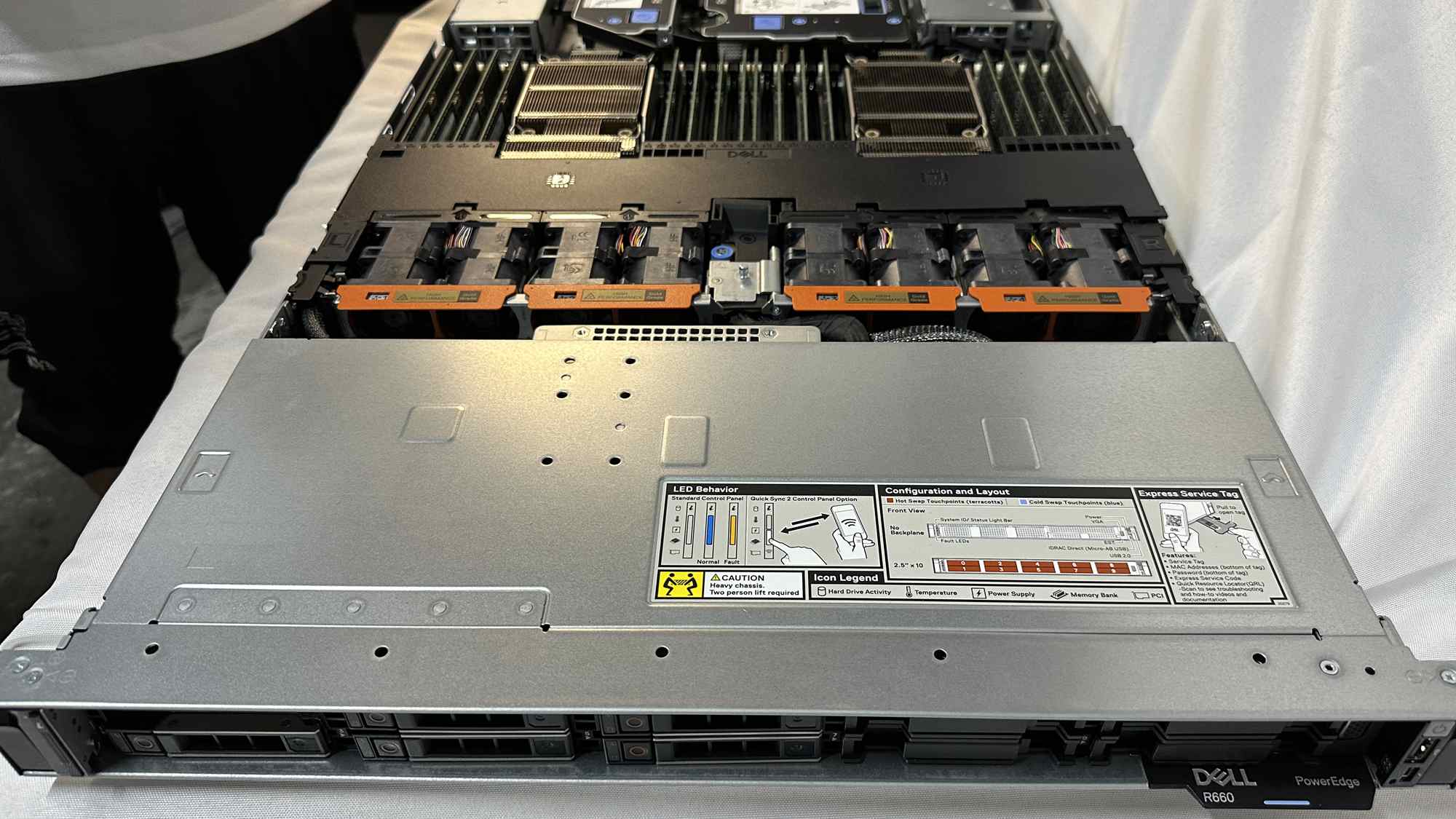
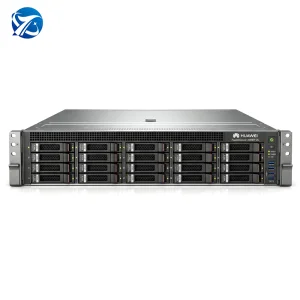
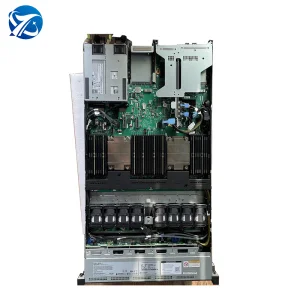
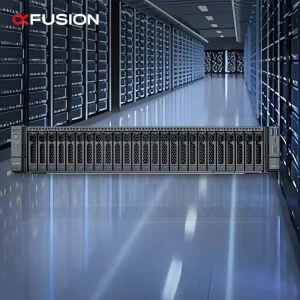
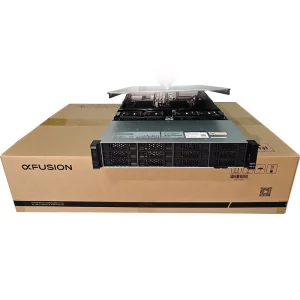
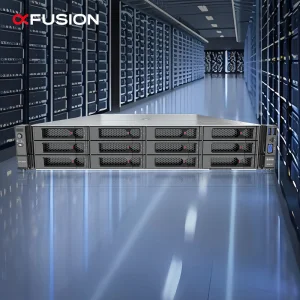
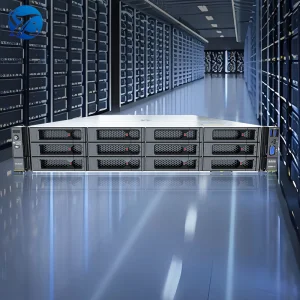
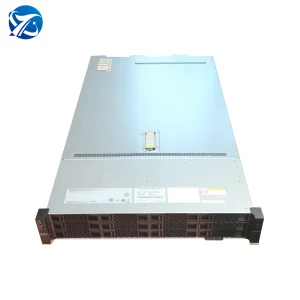
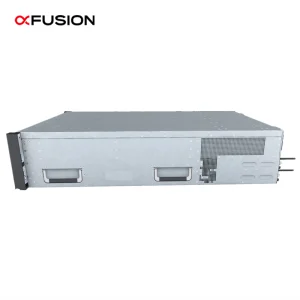
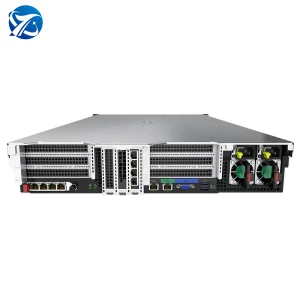
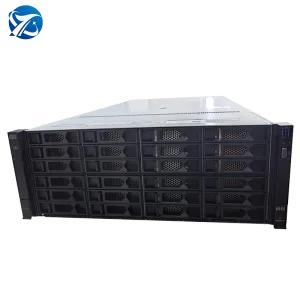
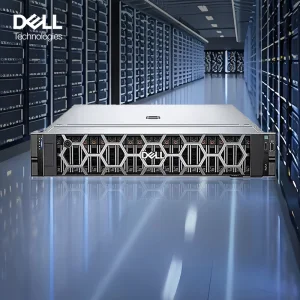
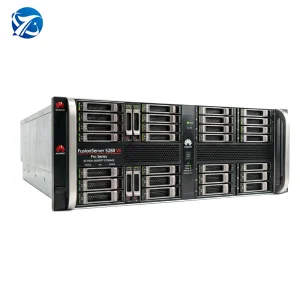
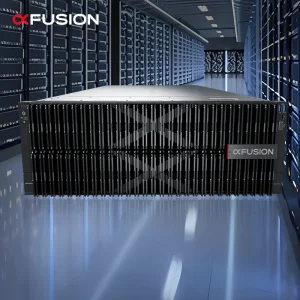
For robust secondary site mirroring, database replication, and enterprise NAS deployments, evaluate our highly scalable, certified network nodes:
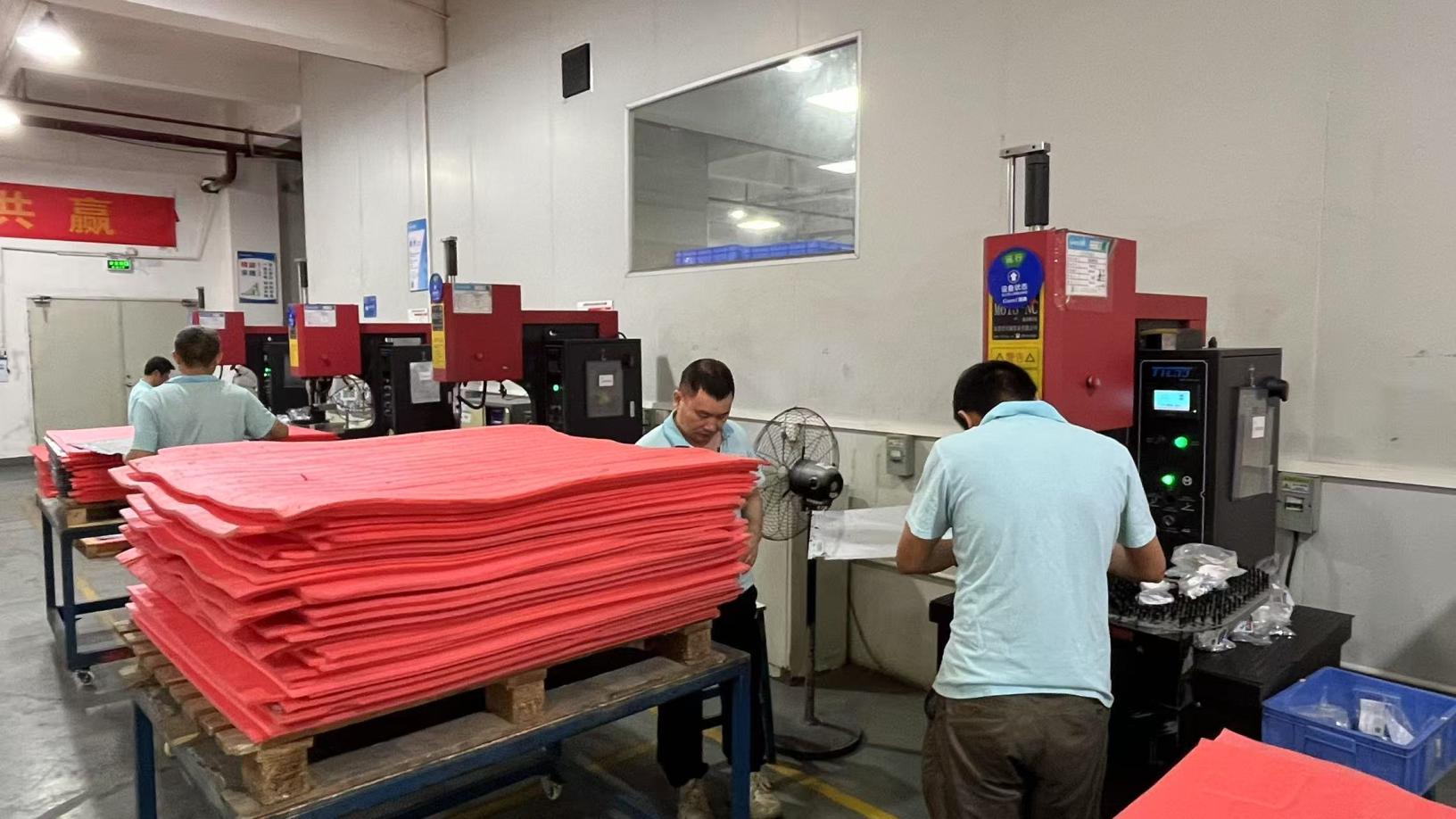
Take a tour inside TensorNova's high-tech manufacturing, assembly lines, and server diagnostics labs, where our teams ensure peak hardware resilience for global exports.