TensorNova
TensorNova
TensorNova
In the contemporary digital landscape, data has transformed from a structural asset to the structural backbone of global enterprise operations. As artificial intelligence (AI), machine learning (ML), and high-density deep learning models proliferate, the hardware architecture housing this data faces unprecedented workloads. Traditional backup systems are no longer sufficient to safeguard against modern storage failure modes. Today's hardware-based data recovery solutions require micro-level integration, robust hardware diagnostics, and highly resilient storage systems that actively prevent data corruption before it occurs.
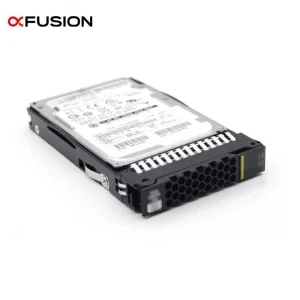
Modern enterprise servers rely on high-capacity SAS HDDs and ECC (Error-Correcting Code) memory modules to minimize bit rot and physical block failure. Utilizing advanced SAS arrays ensures automated data parity reconstruction across multiple drives.
Integrated array controllers like the SAS/SATA RAID Card (SAS3908) provide dedicated cache memory and automated disk rebuilding protocols, keeping operational uptime intact even during multi-disk failure states.
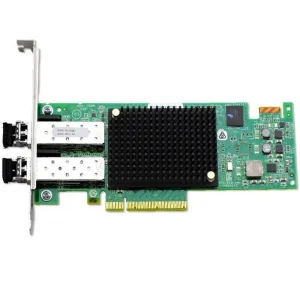
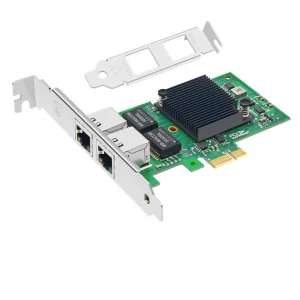
Host Bus Adapter (HBA) cards act as critical bridges between storage arrays and server processors, enabling raw data transfer rates up to 32Gb/s. This helps facilitate ultra-fast data block verification and disaster recovery operations.
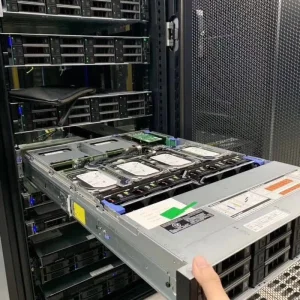
Global procurers, from cloud providers to research institutes, seek hardware configurations that minimize the Mean Time to Recover (MTTR). Modern storage architecture demands server configurations equipped with high-density GPU nodes and flexible NAS (Network-Attached Storage) frameworks. When server nodes crash under high workloads, the speed of hardware-level data restoration depends entirely on the design of the backplane, the caching capacity of the RAID cards, and the raw throughput of the host components.
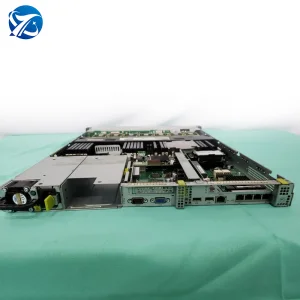
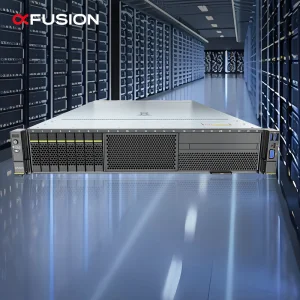
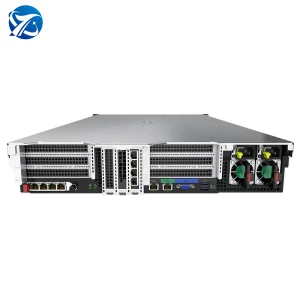
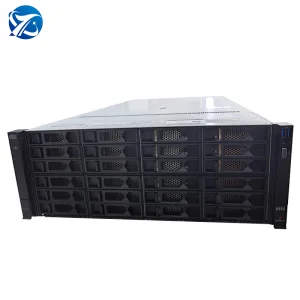
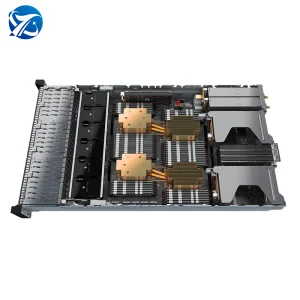
Our solutions target these specific integration requirements. Whether deploying custom 2U Rack Servers or utilizing multi-socket deep learning setups, our components are certified to interface natively, eliminating bandwidth bottlenecks and optimizing recovery procedures during high-load operations.
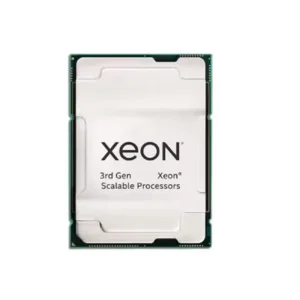
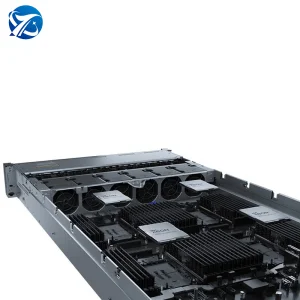
By leveraging high-speed Xeon processors and multi-socket setups, server data reconstruction times are accelerated, reducing expensive system downtime.
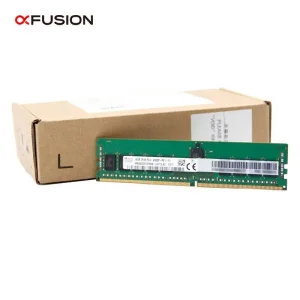
Implementing ECC server RAM mitigates single-bit errors in memory before they lead to severe operating system crashes or write corruptions.
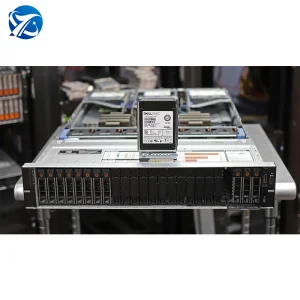
Utilizing hot-swappable enterprise bays allows failed drives to be replaced seamlessly while the system rebuilds RAID arrays in real-time.
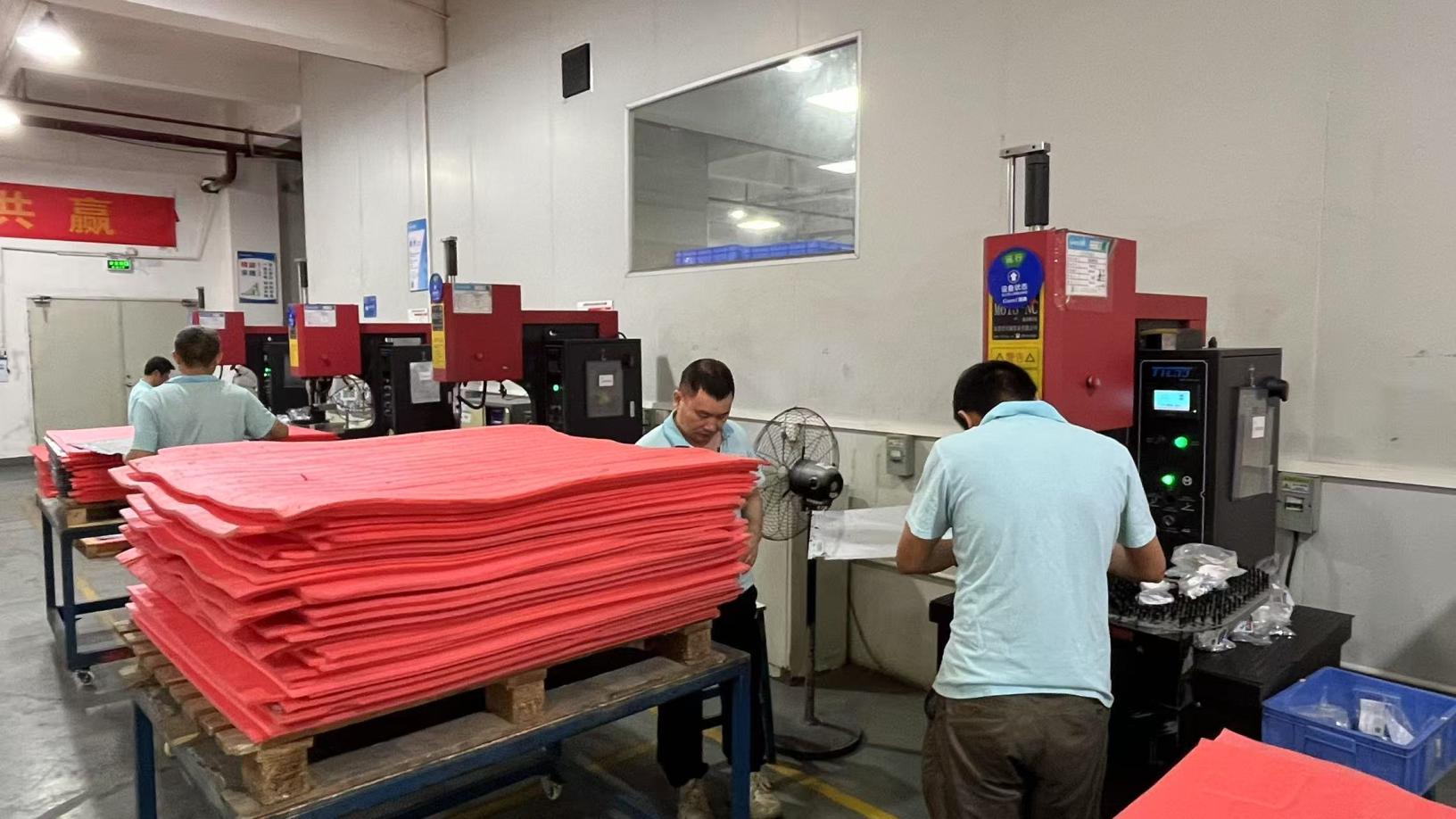
TensorNova is a professional high-performance AI GPU server manufacturer and infrastructure solution provider based in China. Since our establishment in 2016, we have specialized in AI computing, GPU clusters, and scalable data center hardware solutions for global enterprises. Supported by 12 years of industry experience and 6 years of international trade, our manufacturing pipelines are designed to handle complex server assembly and rigorous quality inspections.
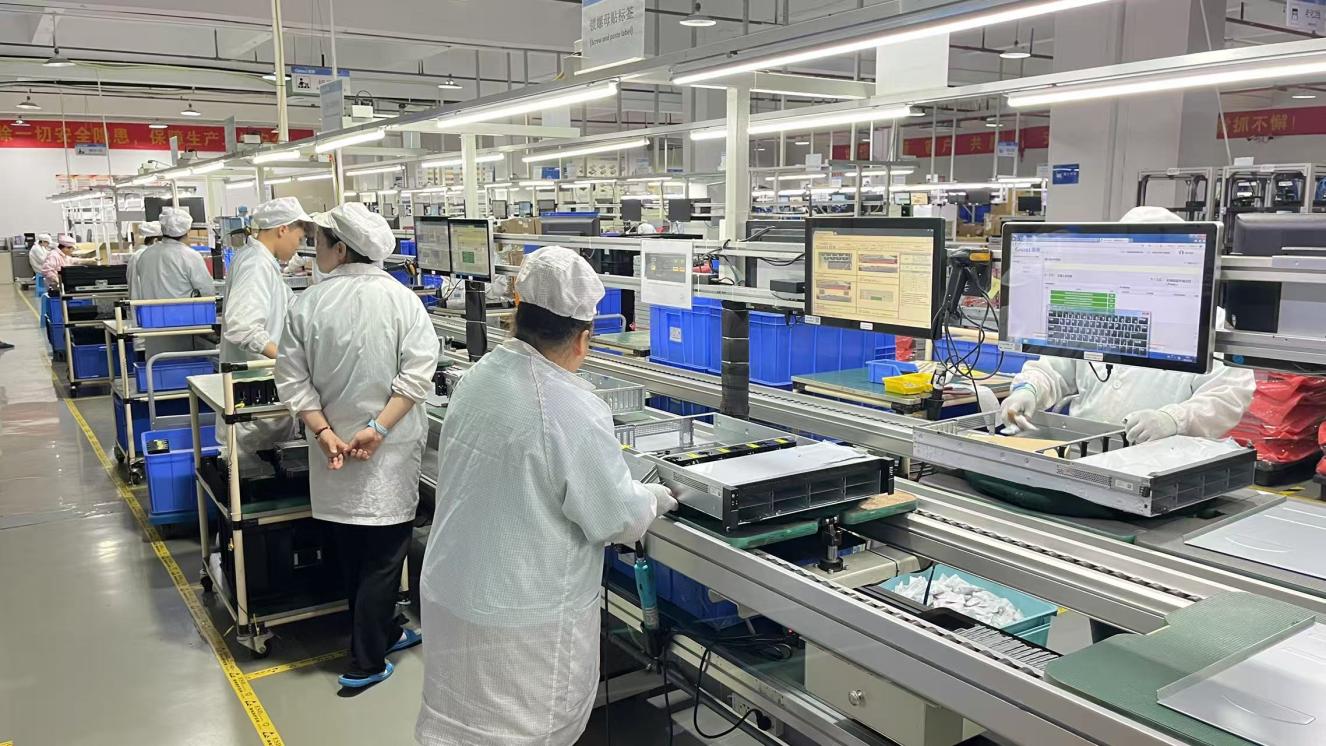
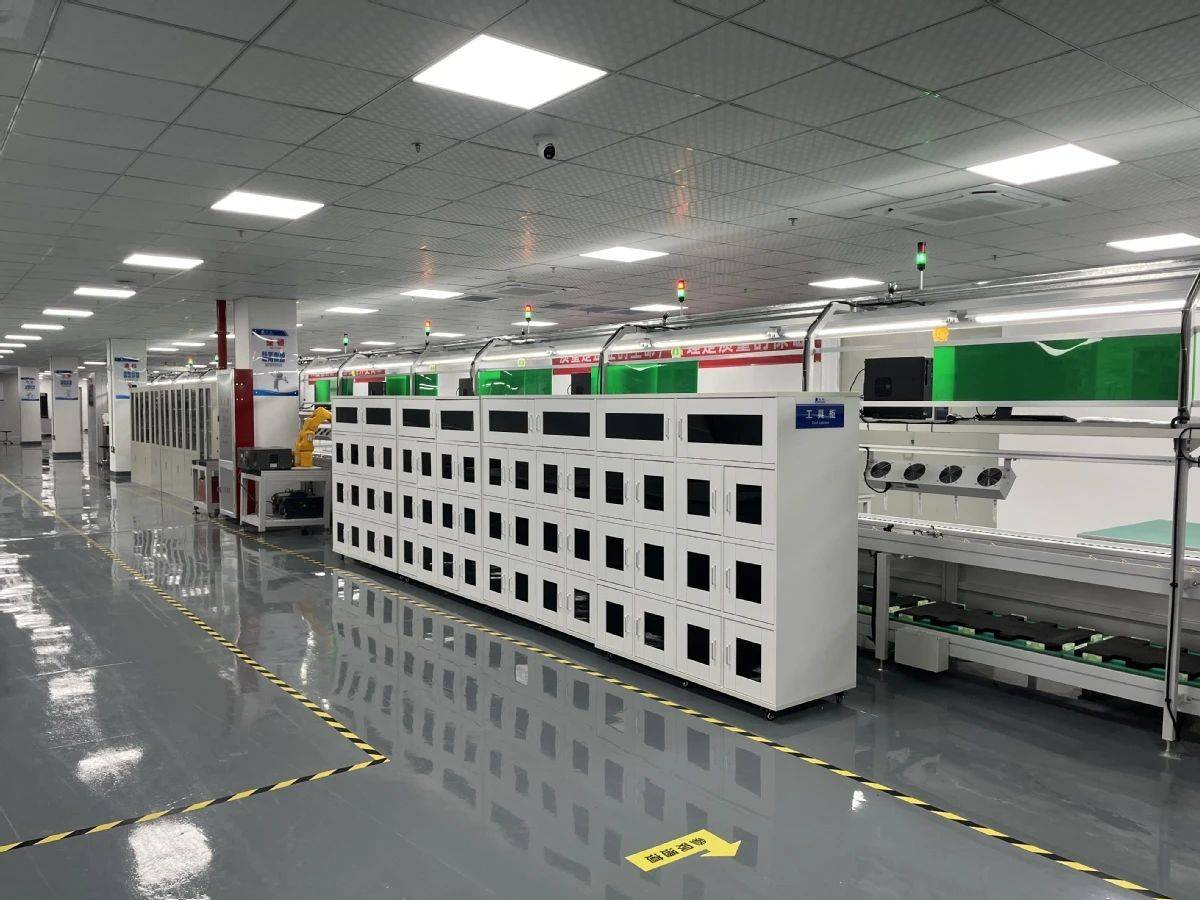
TensorNova operates a modern production facility covering approximately 320㎡, optimized for state-of-the-art server assembly, storage component testing, and system integration. Our R&D team works closely with leading cloud centers to develop tailormade data safety and disaster recovery solutions, optimizing GPU clusters and storage networks for high stress levels.
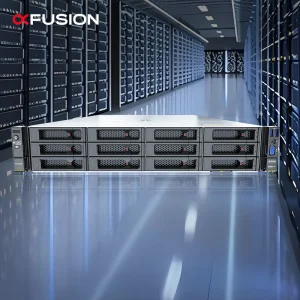
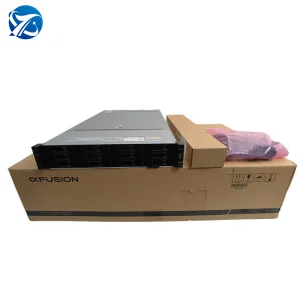
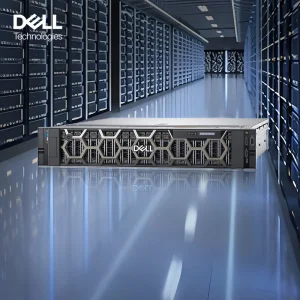
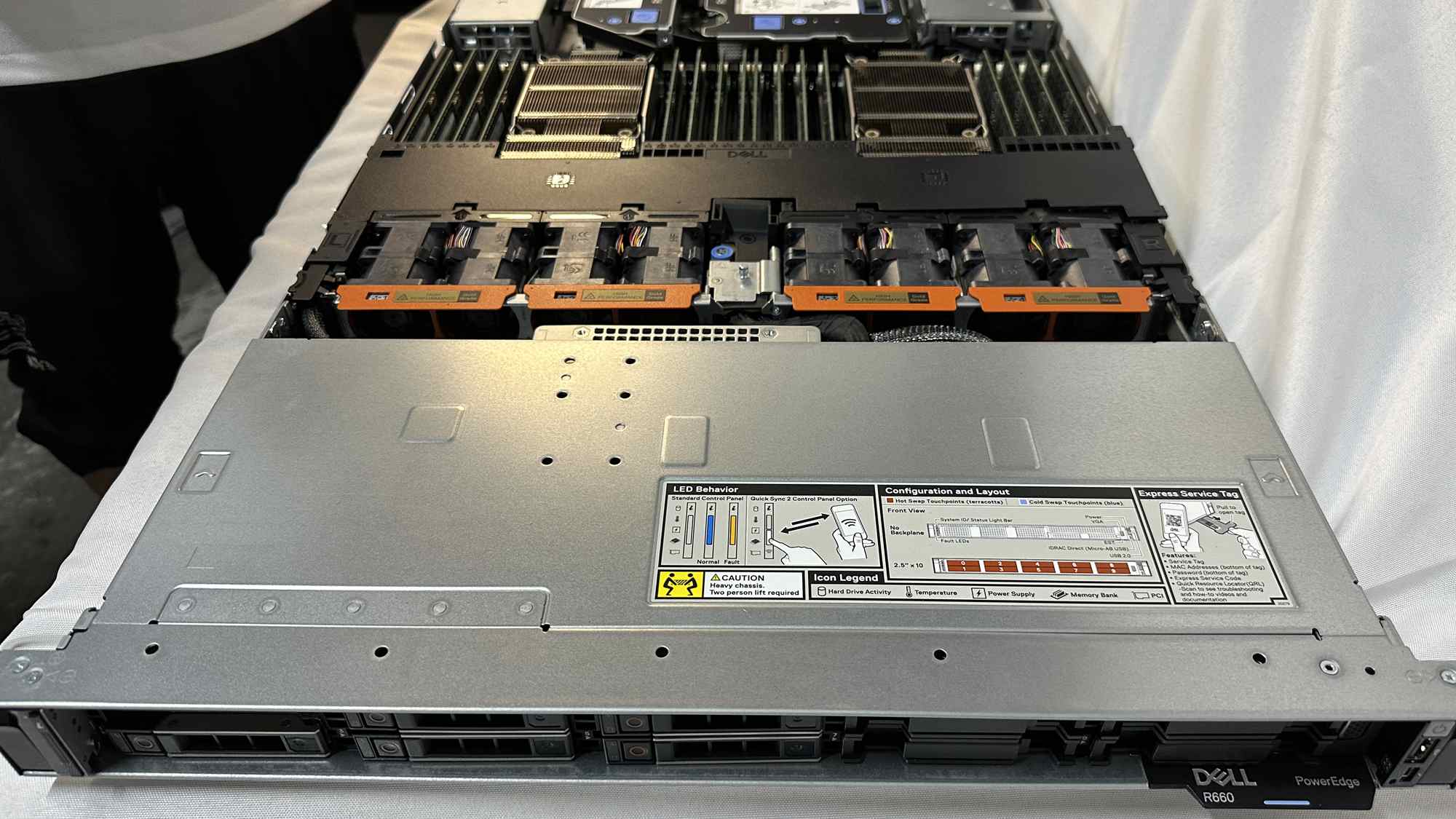
We ensure component compatibility across major architectures, including Dell PowerEdge systems and custom xFusion configurations. Over the past year, we have introduced more than 320 new products, ranging from GPU nodes to specialized hardware arrays designed to withstand critical storage failures.
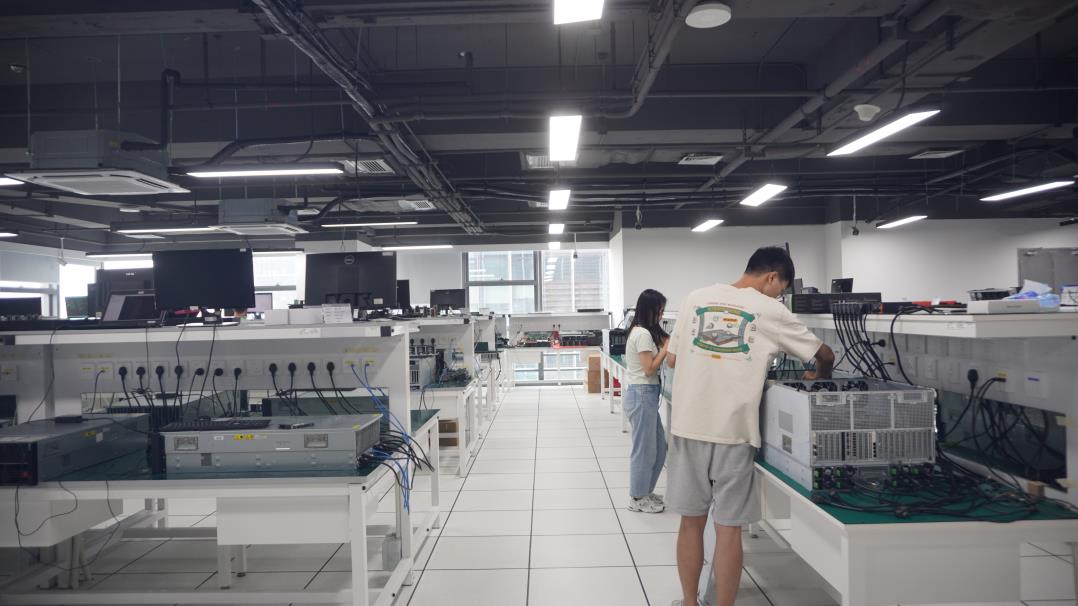
Quality assurance is strictly implemented through ISO9001-based quality management systems. Our facility employs 45 dedicated quality control personnel who oversee the entire production lifecycle. Prior to shipment, every unit undergoes rigorous testing processes:



Using array controllers equipped with dedicated high-speed caches (like 4GB cache modules) protects outstanding write commands. If a sudden power outage or system interruption occurs, cached data is preserved, preventing structural file system loss.
By deploying 32Gb/s Host Bus Adapters (HBAs), enterprises can route raw storage data directly to off-site disaster recovery databases. This removes the processing load from system CPUs, ensuring recovery pipelines operate without performance bottlenecks.
Error-correcting code (ECC) RAM acts as a first line of defense. By automatically catching and fixing single-bit data errors in real-time, ECC prevents data corruption before it is committed to non-volatile SAS or NVMe storage arrays.
As global storage requirements shift towards enterprise-scale AI arrays, TensorNova's engineering team is developing the next generation of recovery-ready architectures:
Understanding regional compliance rules is essential for exporting server-grade storage components. TensorNova provides customized logistics and trade compliance services, assisting customers with regulatory clearances across the United States, Germany, Singapore, and the United Arab Emirates.
All imported server equipment, storage arrays, and HBA modules undergo extensive pre-shipment tests, ensuring they align with regional certification standards. This process helps minimize customs delays, enabling fast integration into existing infrastructure arrays.
TensorNova offers extensive customization options to meet specific data center configurations: