TensorNova
TensorNova
TensorNova
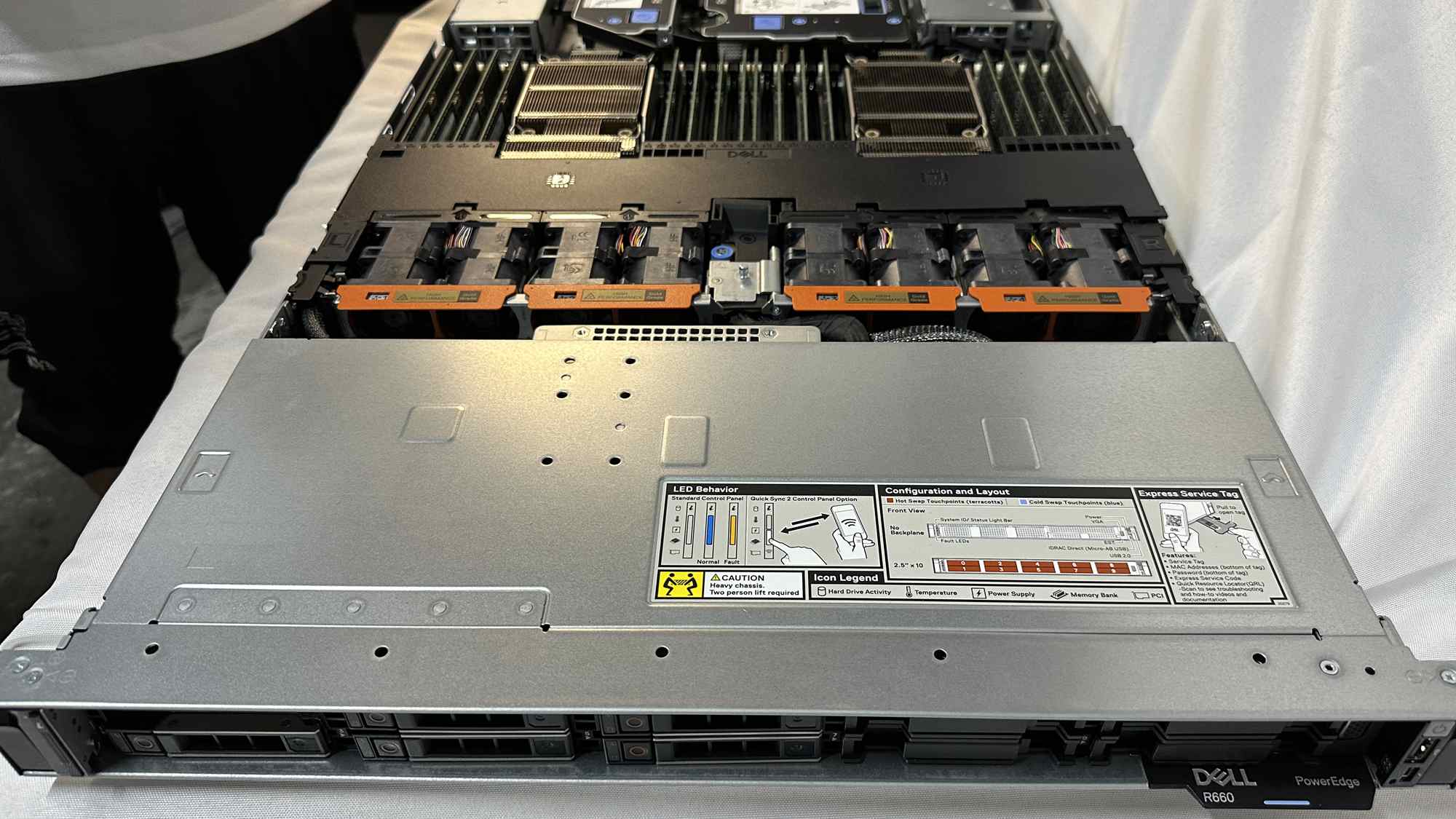
Enterprise-grade server platforms engineered for secure database cryptographic offloading, secure virtualized environments, and accelerated encryption key management.
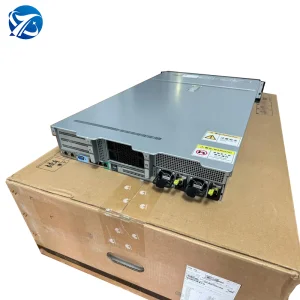
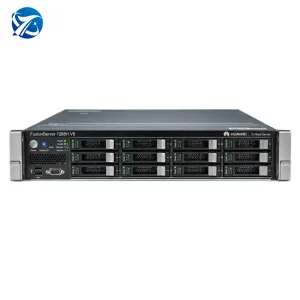
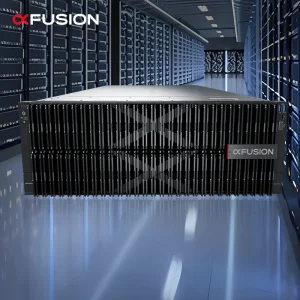
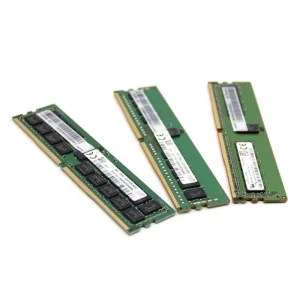
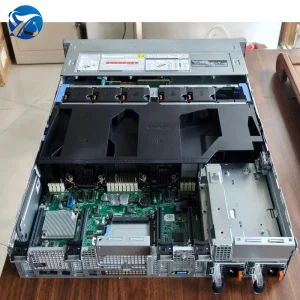
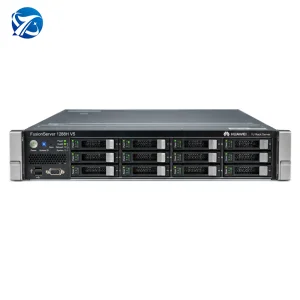
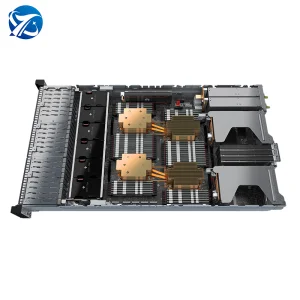
Understanding how hardware-accelerated algorithms, trust execution zones, and cryptographic server architectures mitigate multi-vector enterprise security threats.
Modern cloud environments and on-premise high-density clusters require security structures that transcend standard legacy firewalls. Software-based encryption algorithms place significant computational overhead on system CPUs, resulting in critical throughput degradation. The industry's strategic shift toward Hardware Security Modules (HSMs), Trusted Platform Modules (TPM 2.0), and silicon-level secure zones has altered the infrastructure landscape.
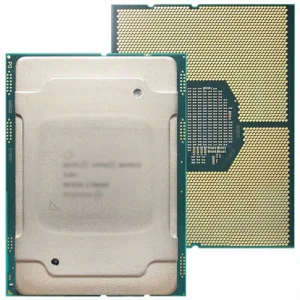
By leveraging dedicated crypto-coprocessors and hardware instructions embedded inside CPUs (such as Intel® Xeon® Scalable processors and AMD EPYC™ processors), systems can run real-time encryption of data-at-rest and data-in-transit without sacrificing transactional latency. This architecture forms the backbone of compliance requirements globally, including GDPR, HIPAA, and PCI-DSS.
In secure multi-tenant data centers, data-in-use remains one of the most vulnerable threat vectors. Confidential Computing addresses this by utilizing hardware-based Trusted Execution Environments (TEEs) to isolate data inside CPU enclaves during computation. Secure virtualization solutions, such as those implemented in high-density rack servers, allow cloud providers to guarantee absolute data privacy from host administrators and physical hardware manipulation.
| Security Feature | Implementation Level | Primary Objective | Target Applications |
|---|---|---|---|
| Intel SGX (Software Guard Extensions) | Silicon / CPU Enclave | Protects data-in-use via memory isolation | SaaS Databases, Private Key Custody |
| AMD SEV-SNP | Hypervisor / VM Isolation | Hardware-encrypts virtual machine memory | Multi-tenant Cloud, VPS Hosting |
| TPM 2.0 Integration | Motherboard / Hardware Root | Platform integrity, secure boot validation | Enterprise Workstations, Edge Nodes |
| PCIe Crypto Cards (HSMs) | Dedicated Add-in Card | High-throughput crypto key signing | Banking, Payment Gateways, CA Authorities |
How China's optimized electronic supply chains and manufacturing facilities drive cost efficiency, structural customization, and robust cryptographic system delivery.
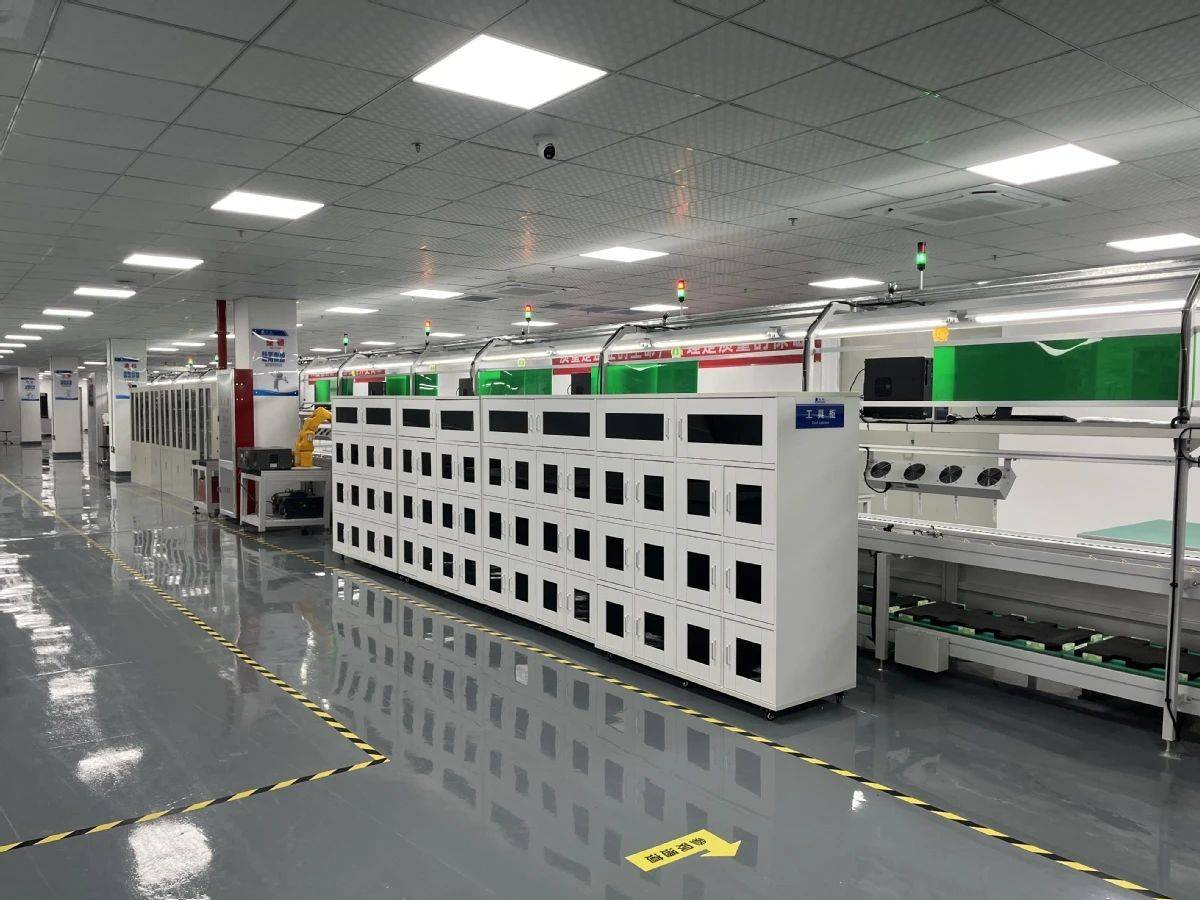
By operating in key technology manufacturing zones in China, companies leverage immediate access to raw components, advanced PCB fabrication, specialized chassis tooling, and global chipset distribution networks, minimizing manufacturing lead times.
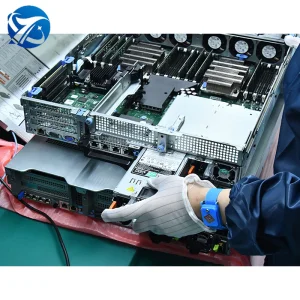
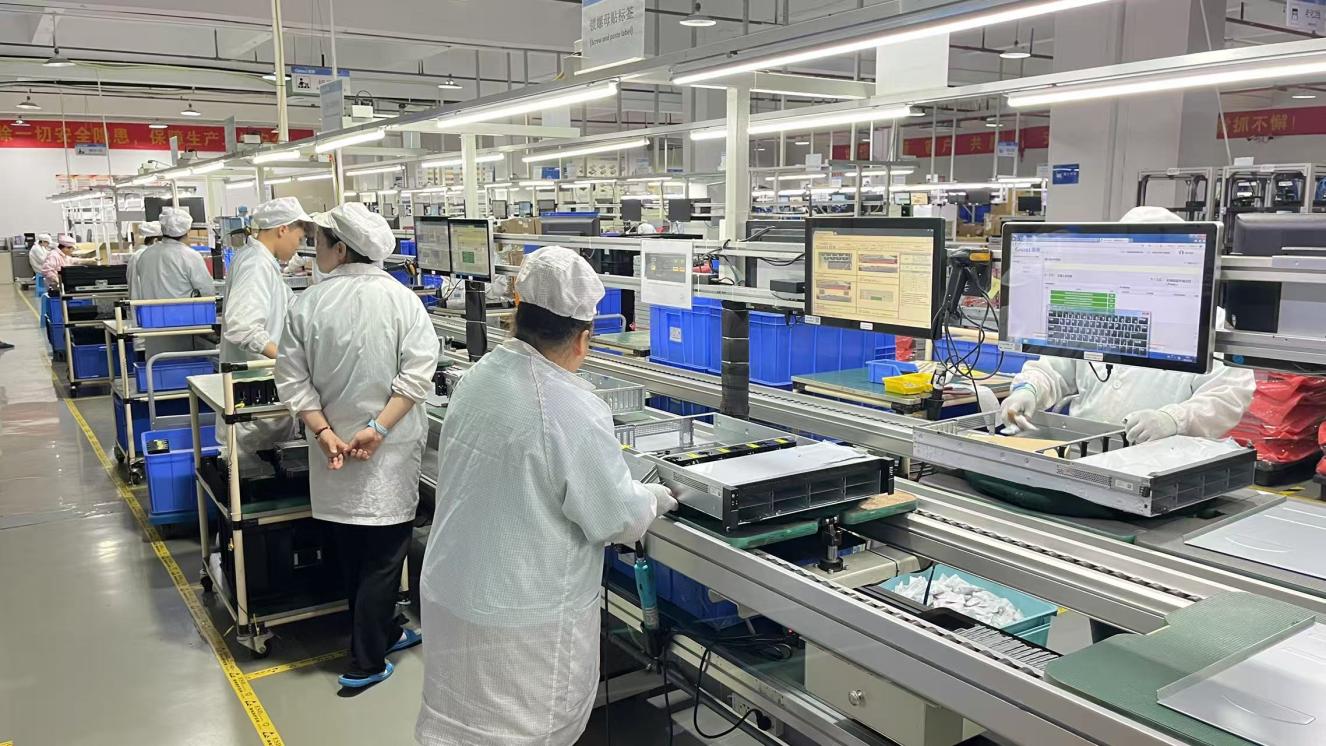
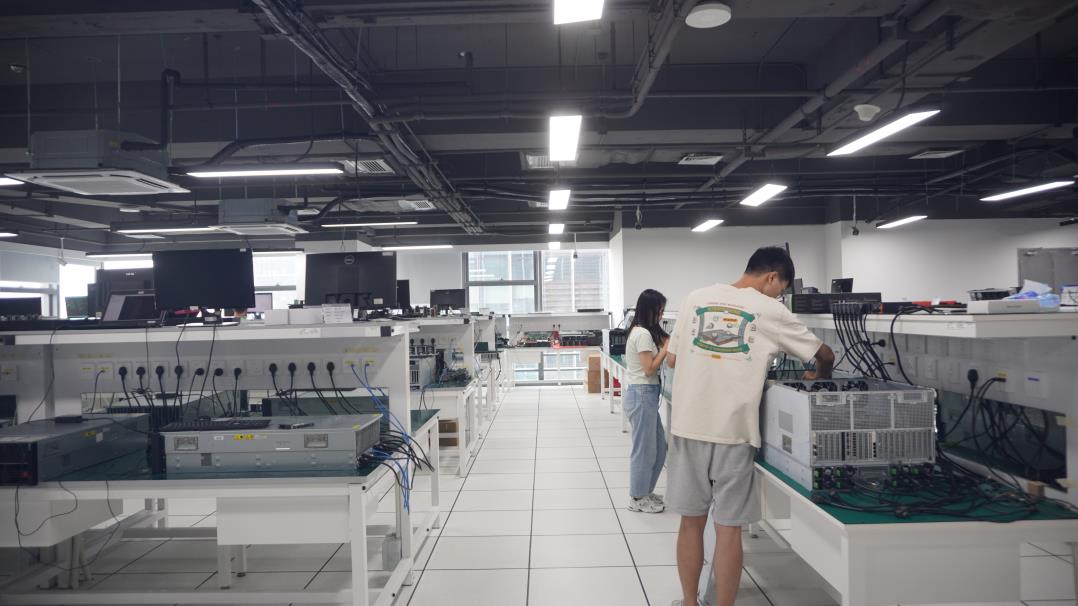
Production facilities apply automated hardware stress testing, thermal chamber validation, and burn-in simulations. QC protocols test system stability under high cryptographic loads to verify component reliability before export.
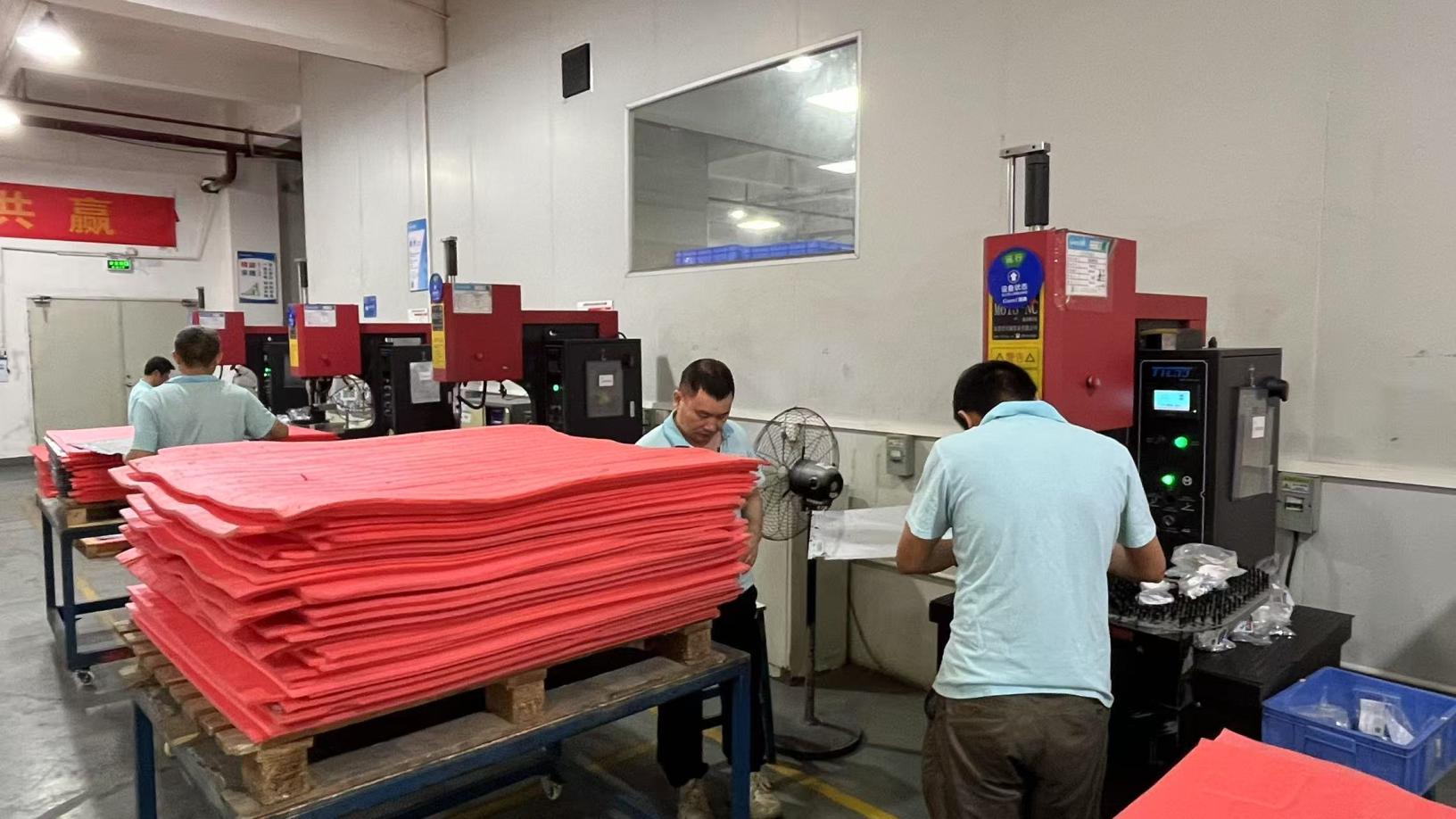
From custom metal chassis fabrication and direct liquid-cooling integrations to specialized motherboard-level BIOS customization, Chinese manufacturers specialize in adapting hardware architectures to strict client specifications.
The convergence of structural engineering expertise, standardized quality control systems (such as ISO9001), and highly optimized component ecosystems allows Chinese exporters to deliver global enterprise hardware. These platforms feature cryptographic performance capabilities at a significantly lower Total Cost of Ownership (TCO) compared to traditional localized assemblers.
Deploying specialized high-density secure processing hardware across critical industries to secure transaction processing and scale artificial intelligence pipelines.
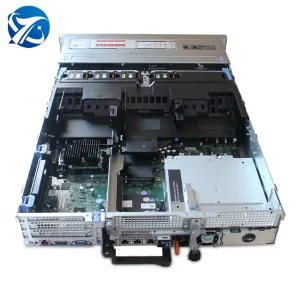
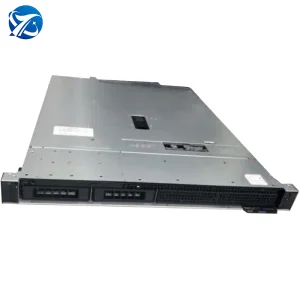
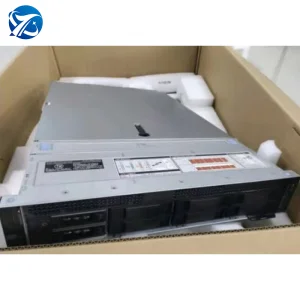
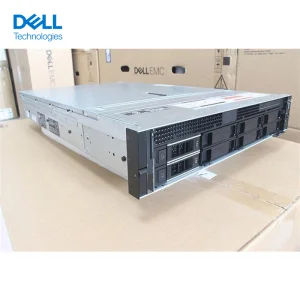
Financial infrastructure requires high transactional throughput combined with zero latency key access. By deploying 1U/2U rack server systems configured with cryptographic accelerators, banks and financial institutions execute real-time transaction signing and ledger encryption, preventing data exposure at the hardware level.
With regulations demanding patient data safety, healthcare cloud providers utilize dedicated computing nodes to process genomic sequencing and patient histories. Secure enclaves isolate unencrypted database queries in system memory, preventing leak vulnerabilities during operations.
As enterprises train models on proprietary data, preventing IP theft is essential. Hardware solutions leverage cryptographic memory isolation to protect model weights, training sets, and weights from direct capture, securing pipeline workloads.
Deploying remote infrastructure increases physical security risks. Edge servers utilize TPM-backed security architectures, validating system integrity at boot and auto-generating storage keys linked to onboard cryptographic hardware.
A professional high-performance AI GPU server manufacturer and infrastructure solution provider based in China, specializing in AI computing, GPU clusters, and scalable data center hardware.
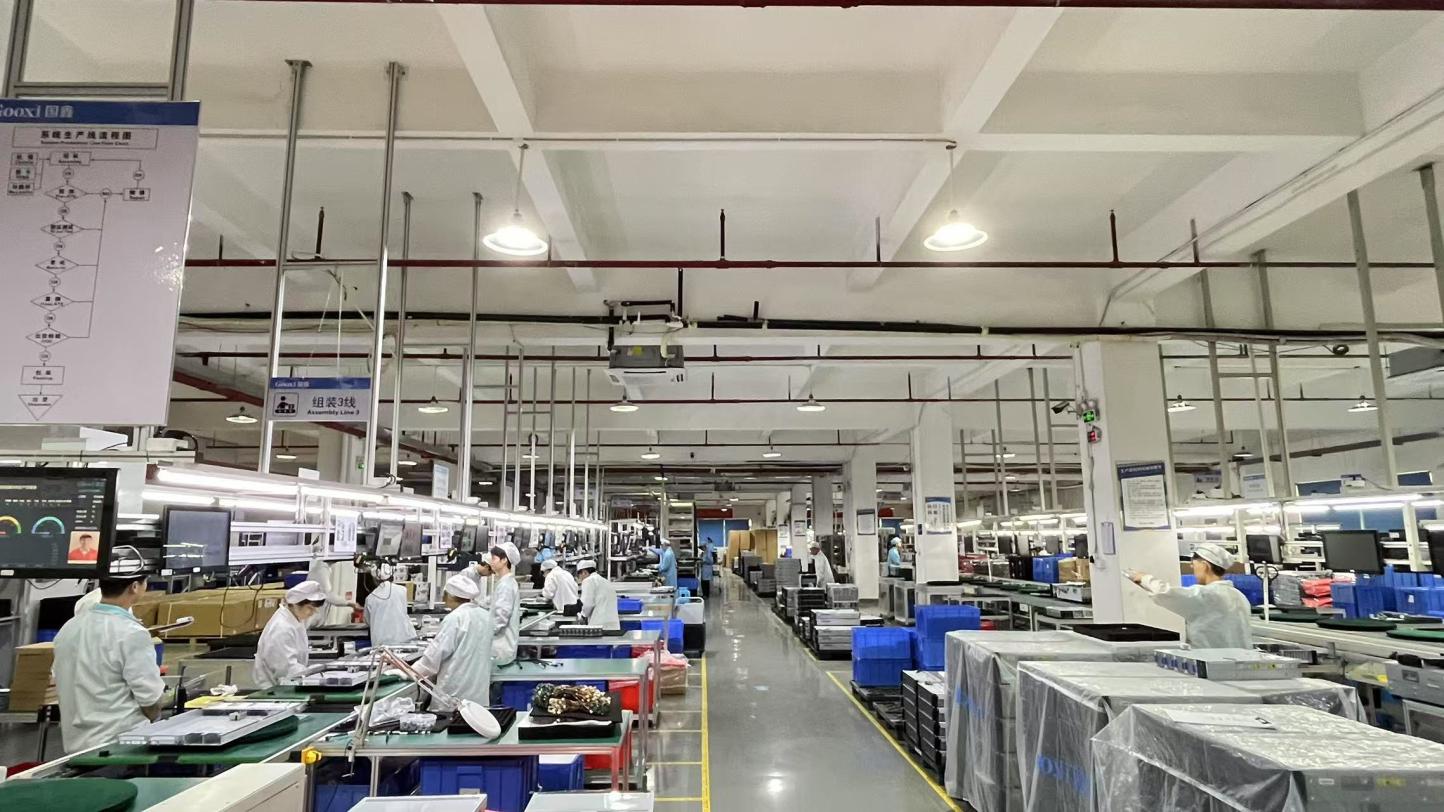
Established in 2016, TensorNova has developed into a trusted supplier in the AI hardware industry with a strong focus on innovation, performance, and customized computing systems. The company operates a modern production facility covering approximately 320㎡, equipped for advanced server assembly, testing, and system integration.
Quality assurance is strictly implemented through ISO9001-based quality management systems, with product inspection conducted using automated hardware stress testing, thermal performance validation, burn-in testing, and AI workload simulation testing. The company employs around 45 quality control personnel dedicated to ensuring product reliability and stability.
TensorNova offers extensive customization options, including GPU configuration customization, chassis design, cooling system optimization (air or liquid cooling), motherboard-level tuning, and AI workload-specific optimization solutions.
TensorNova records an annual export revenue of approximately $8.5 million, with 6 years of export experience and over 12 years of industry experience in AI computing and server manufacturing. With a strong international trade background, TensorNova serves clients across North America, Europe, Southeast Asia, and the Middle East, with primary markets in the United States, Germany, Singapore, and the United Arab Emirates.
TensorNova has established a robust supply chain ecosystem with more than 1,200 global suppliers and strategic component partners, enabling stable production and fast delivery capabilities. The company primarily serves AI research institutions, cloud computing providers, data centers, enterprise IT departments, and AI startups. Its R&D capabilities are supported by a team of approximately 180 R&D engineers, focusing on GPU server architecture, AI optimization, and high-density computing systems.


Crucial industry insights addressing platform hardware encryption, validation criteria, and system compliance standards.
Hardware-accelerated encryption offloads CPU cycles to specialized instruction sets (like Intel AES-NI) or dedicated crypto-processors. This eliminates the processing overhead typically caused by software execution, resulting in near-zero latency degradation. This setup enables real-time, line-rate encryption of large databases and high-speed network traffic, protecting system performance.
Confidential Computing leverages hardware-based Trusted Execution Environments (TEEs), such as AMD SEV-SNP or Intel SGX. These technologies isolate code and data inside encrypted CPU enclaves. Even if a malicious actor gains root administrative access to the hypervisor or host OS, the memory content of the secure enclave remains encrypted and inaccessible, mitigating data-in-use vulnerabilities.
Procurement teams should verify compliance standards like FIPS 140-2 or FIPS 140-3 Levels 1 through 4. These establish strict validation criteria for cryptographic modules, covering physical security, key management, and side-channel attack resistance. Additionally, systems should offer TPM 2.0 integration for platform integrity, and secure boot capabilities.
Yes, modern high-density custom servers support advanced liquid-cooling manifolds. Because cryptographic processing and deep learning workloads generate substantial thermal output, liquid cooling maintains low junction temperatures, ensuring system stability, avoiding thermal throttling, and reducing overall data center power consumption.
TensorNova maintains an ISO9001-based quality management system. Prior to global export, each server undergoes hardware stress testing, thermal chamber performance validation, and automated burn-in cycles. AI workload simulations are also performed by a dedicated QC team of 45 specialists to ensure out-of-the-box system stability.
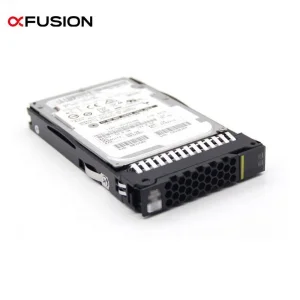
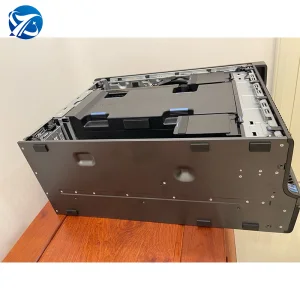
Explore our additional inventory of rack servers, enterprise-grade storage drives, and high-performance system memory components configured for secure cryptographic workloads.