TensorNova
TensorNova
TensorNova
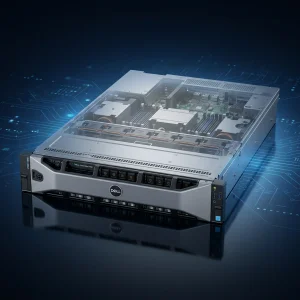
Explore our leading collection of high-performance servers, workstations, and high-speed data controllers designed specifically to manage heavy data computation workloads for cloud analytics deployment.
In modern analytics processing, the transition from traditional SaaS solutions to hybrid compute environments has created an unprecedented demand for customized hardware infrastructure. The cloud analytics platform market is no longer solely about software licensing; it relies heavily on the capabilities of underlying server clusters, robust data channels, and scalable processing architectures. High-throughput data ingestion, real-time machine learning inference, and complex relational queries require physical layers that support ultra-low latency execution.
For enterprise decision-makers, choosing the right manufacturer and exporter for cloud analytics server architectures is a strategic imperative. This white paper serves as a guide to evaluating manufacturers who combine computational capability, strict adherence to quality regulations, and global logistical support to power the next generation of cloud-based data storage and processing platforms.
Cloud service providers (CSPs), enterprise IT departments, and technology startups are redefining their hardware procurement criteria. Organizations are focusing on highly custom server configurations that can process massive parallel data streams. The following areas represent the core priorities for enterprise infrastructure buyers today:
Procurement teams require high compute density (such as 1U and 2U multi-socket servers) to maximize computing capacity per rack unit in data centers. Having the capability to scale from independent CPU setups to multi-GPU clusters is essential for hosting complex analytic environments.
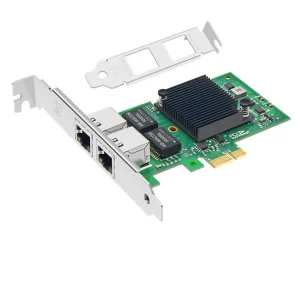
Real-time analytics platforms rely on fast storage interfaces like PCIe Gen4 and Gen5, along with reliable SAS RAID controller cards. High data throughput rates minimize processing bottlenecks, allowing business intelligence tools to retrieve massive datasets with minimal delay.
Operating costs in hyper-scale datacenters are heavily driven by cooling. Procurement departments prioritize server architectures that optimize airflow and offer flexible liquid cooling integration options, allowing systems to deliver sustained performance under heavy utilization.
When selecting a manufacturing partner to build and ship computational nodes for cloud analytics, buyers must assess more than just pricing. A qualified partner should offer end-to-end services, from structural hardware design to international compliance and custom tuning.
A reliable manufacturer must offer hardware engineering expertise to support custom CPU/GPU ratios, memory expansion layouts, and specialized storage arrays. This ensures the physical architecture aligns with the specific processing demands of the client's analytics applications.
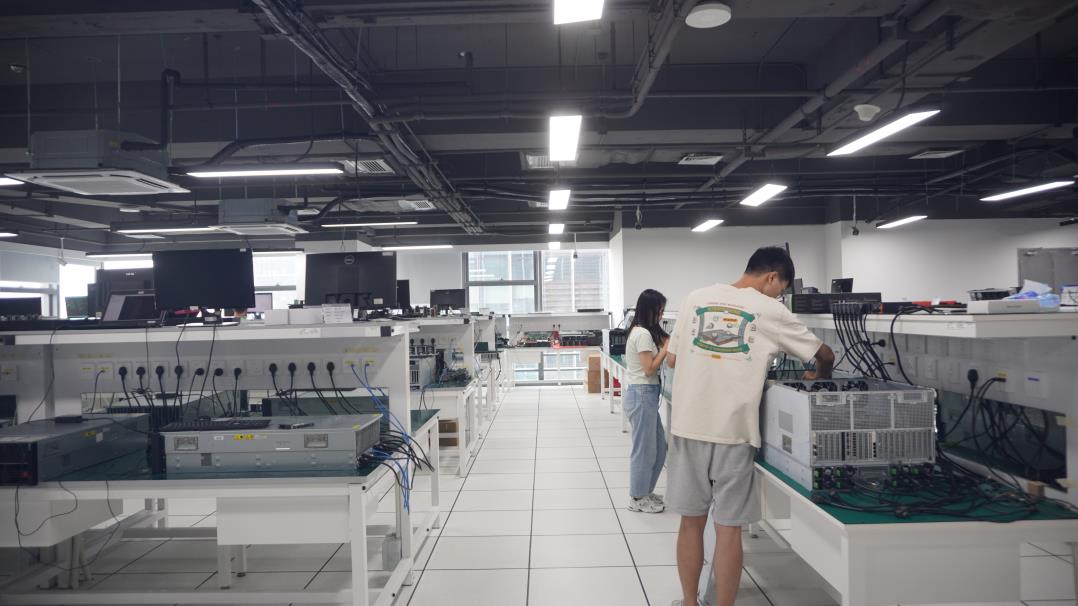
Continuous testing is vital. Industry leaders run stress tests under high thermal conditions, along with hardware-level simulations of AI and heavy database queries, to ensure the equipment operates reliably in production environments.
TensorNova is a professional high-performance AI GPU server manufacturer and infrastructure solution provider based in China. The company specializes in AI computing, GPU clusters, and scalable data center hardware solutions for global enterprises. Established in 2016, TensorNova has developed into a trusted supplier in the AI hardware industry with a strong focus on innovation, performance, and customized computing systems.
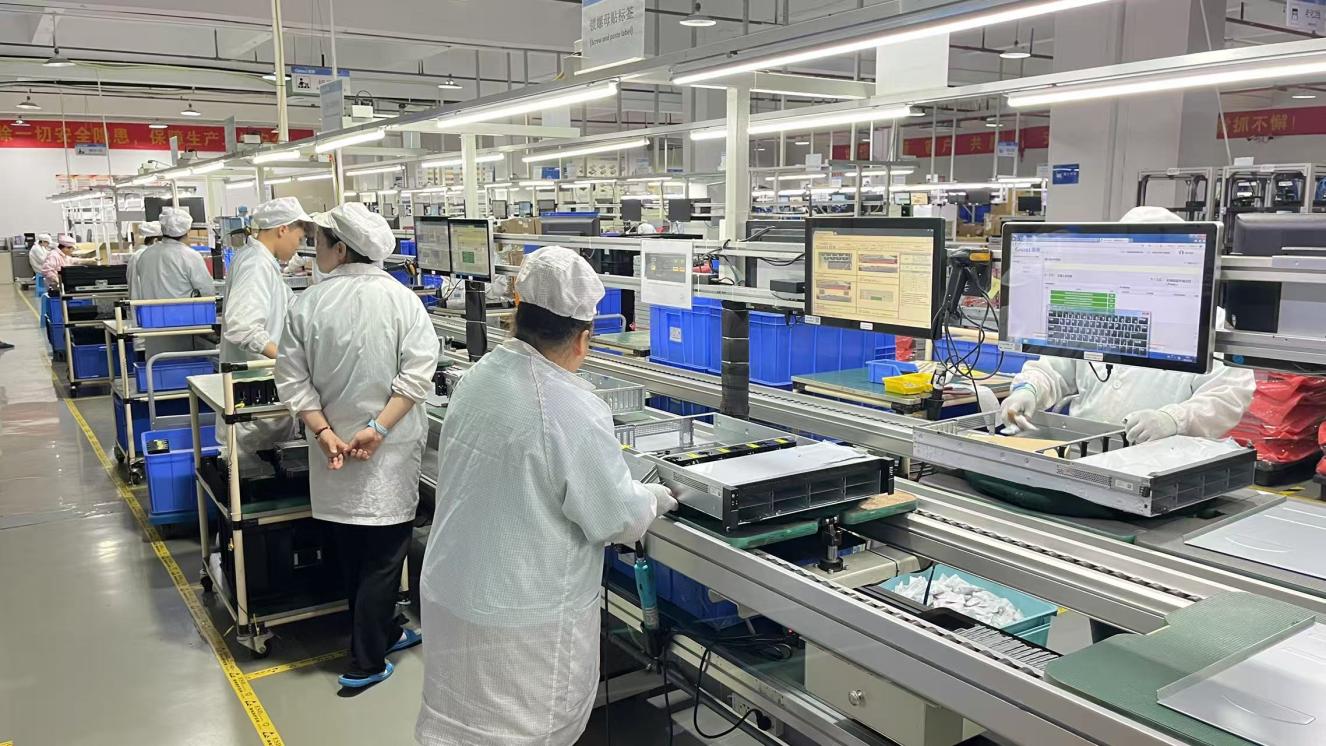
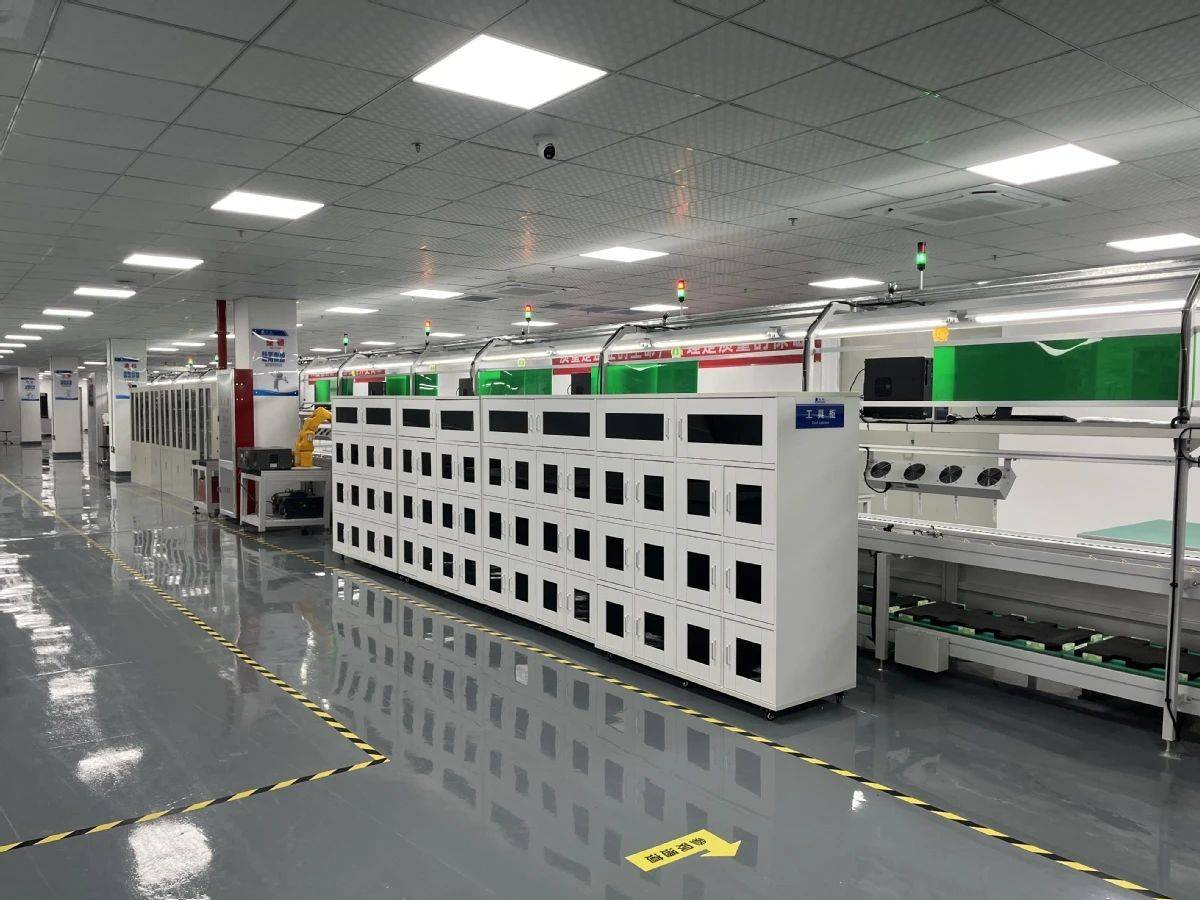
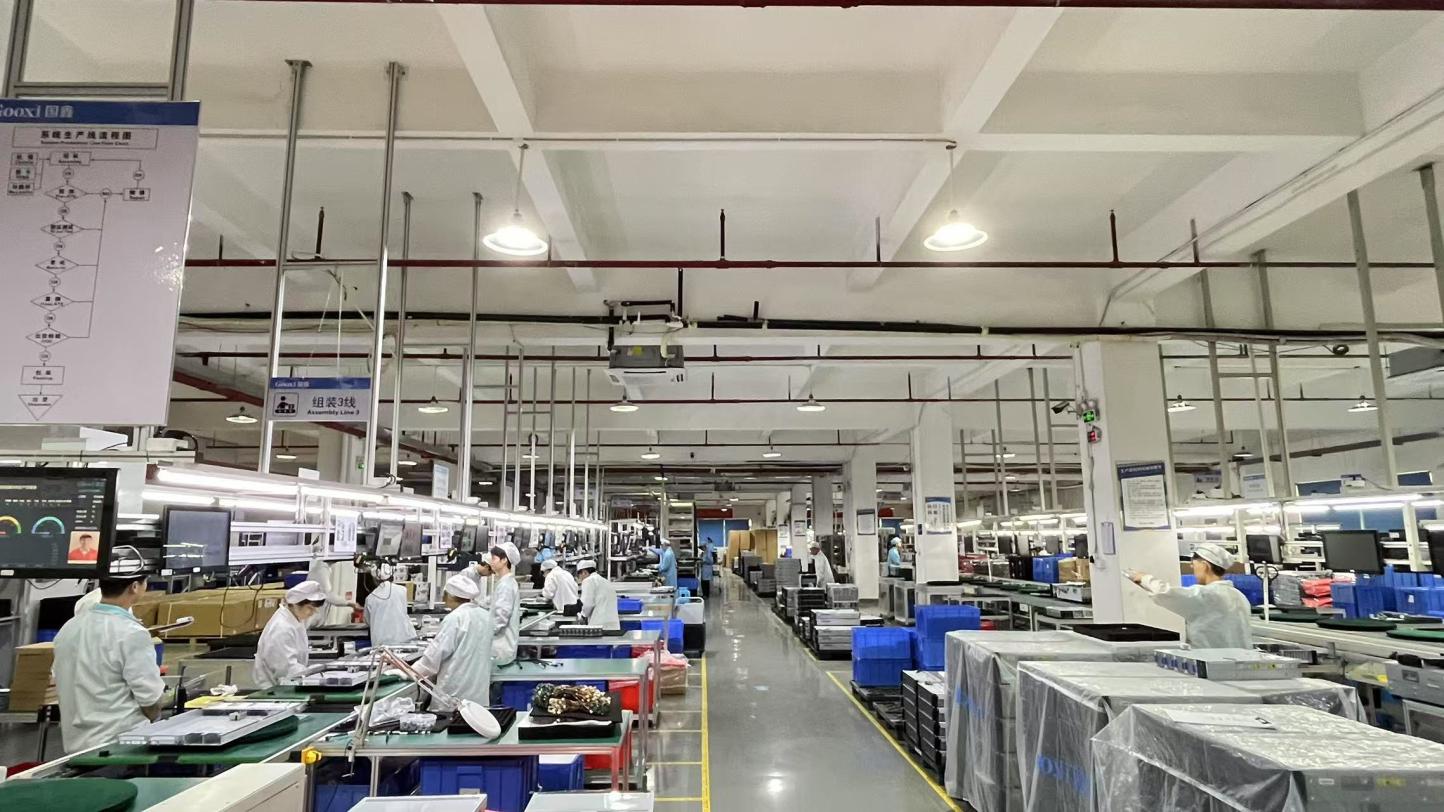
Operating a modern production facility covering approximately 320㎡, TensorNova is fully equipped for advanced server assembly, testing, and system integration. With 6 years of direct export experience, the company manages product shipments to North America, Europe, Southeast Asia, and the Middle East—with key markets in the United States, Germany, Singapore, and the United Arab Emirates.
Quality control is central to TensorNova's operations. The manufacturing process follows ISO9001-based quality management systems. Every hardware platform undergoes automated stress testing, thermal validation, burn-in diagnostics, and simulated AI workloads before export. This process is monitored by a team of 45 quality control specialists.
With a design team of roughly 180 R&D engineers, TensorNova focuses on developing GPU server architectures, optimizing system performance, and building high-density computing platforms. Over the past year, the company launched more than 320 new products, including next-generation AI GPU servers, edge compute nodes, and high-density GPU clusters.
TensorNova offers extensive customization options, including:
Hardware platforms designed for cloud analytics serve different industries, each with unique performance, security, and processing requirements. Here is how customized compute nodes are applied across key sectors:
Quantitative financial models process millions of data updates per second. High-performance computing nodes, configured with hardware RAID and dual-socket processors, enable risk teams to compute exposure and execute trades with minimal latency.
Industrial plants use thousands of edge sensors to monitor operations. Rugged 1U and 2U rack servers act as local aggregation points, processing data streams locally to enable predictive maintenance and minimize production downtime.
Modern AI workloads, including model training and deep learning inference, require significant GPU acceleration. Specialized GPU rack servers provide the parallel processing power needed to train massive neural networks efficiently.
As data architectures shift toward edge-to-cloud models, server hardware must adapt. The roadmap for next-generation analytics infrastructure centers on several key technological developments:
Modern analytics processing is shifting toward hybrid computing models, where data is prepared at the edge and processed in core cloud environments. This model requires edge-optimized compute nodes that can run continuously in challenging physical conditions.
At the same time, processing large AI datasets requires high-density storage configurations. Modern systems combine flash storage (NVMe SSDs) and large-capacity SATA drives to balance access speeds and storage capacity, keeping data transfer pipelines fully utilized.
Exporting high-performance server hardware to international markets requires strict adherence to regulatory standards. Shipments of processing equipment must comply with various regional certifications, including FCC, CE, RoHS, and CCC, to ensure safety and system reliability.
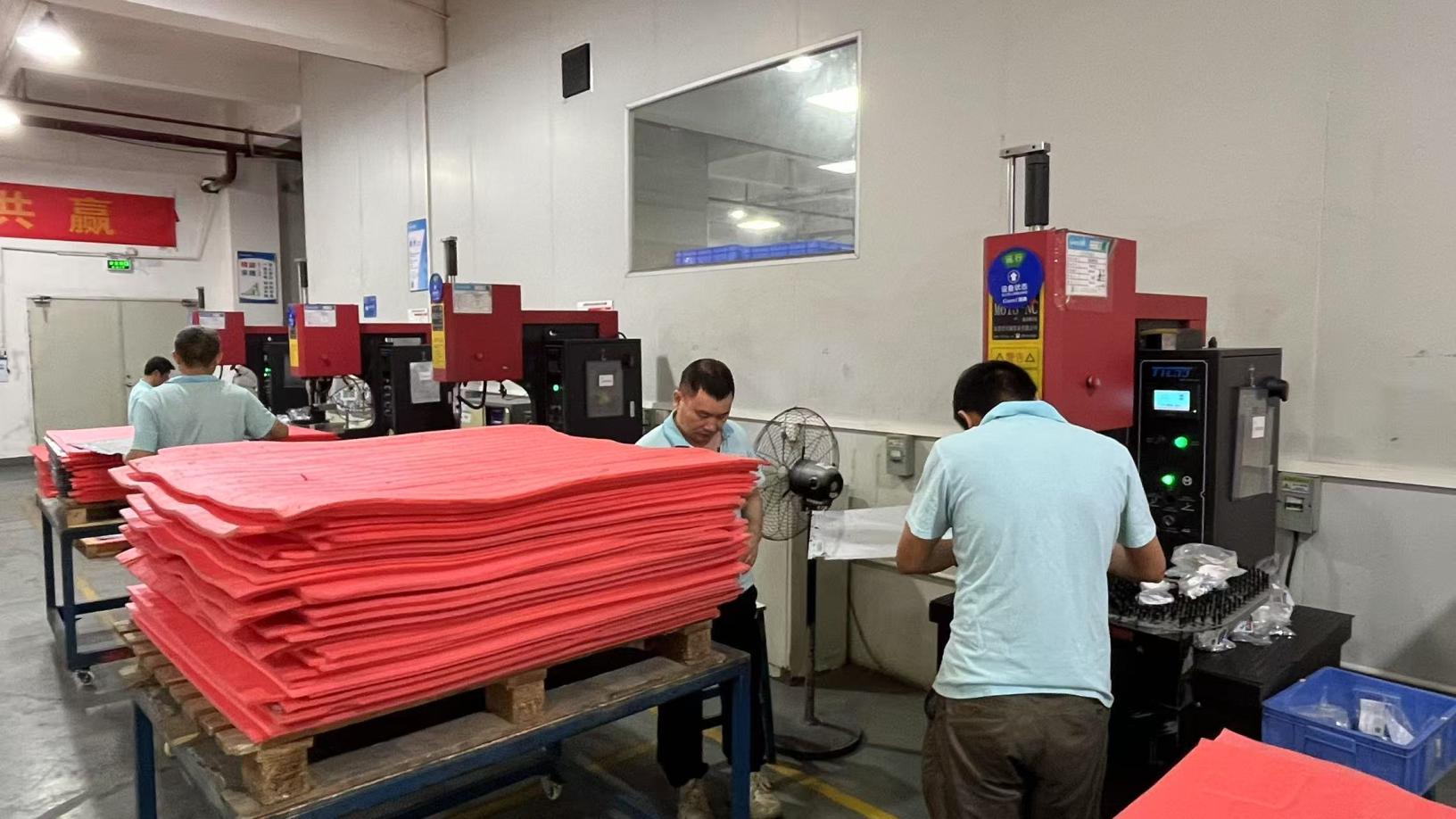
TensorNova coordinates with a network of over 1,200 suppliers to maintain component availability and avoid manufacturing delays. Our export teams coordinate customs documentation, secure packaging, and shipping transit to ensure equipment arrives safely at destination data centers in North America, Europe, Asia, and the Middle East.
Additionally, our teams offer customized configuration services, helping clients pre-install server operating systems, configure RAID arrays, and adjust firmware settings prior to shipping to simplify deployment.
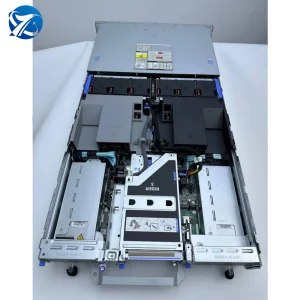
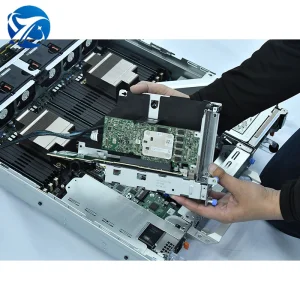
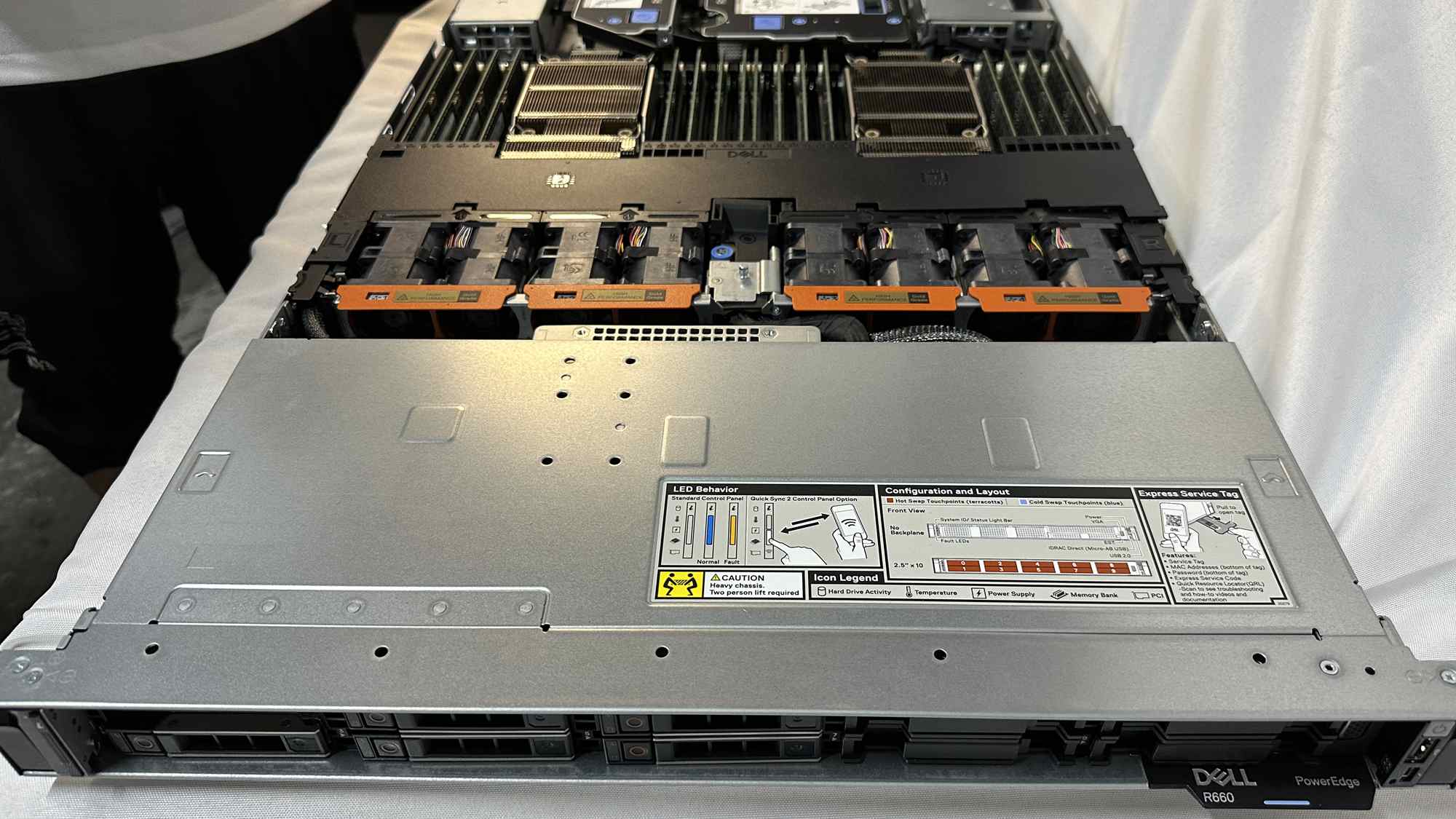
Our assembly facility is designed for precision server integration, validation, and testing. Below are views of our assembly areas, testing setups, and shipping logistics.


Review answers to common questions regarding hardware custom configurations, quality testing, and international shipping logistics.
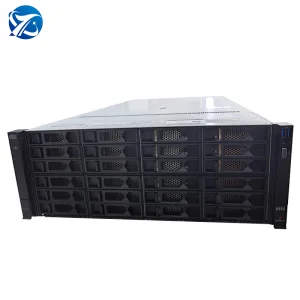
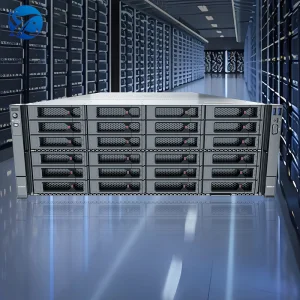
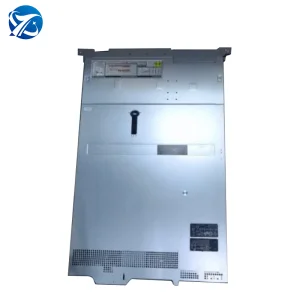
Explore our selection of GPU server enclosures, network storage systems, and enterprise storage accessories designed for demanding data center workloads.