TensorNova
TensorNova
TensorNova
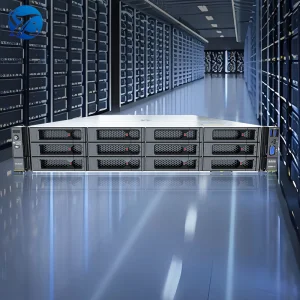
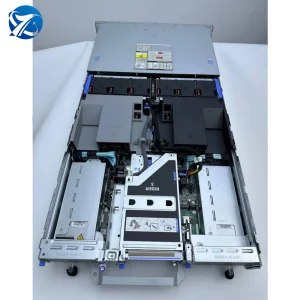
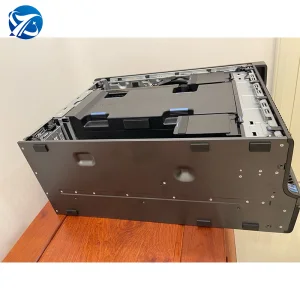
Advanced server systems, computing clusters, and high-speed enterprise modules designed for flexible Software-Defined Networking environments.
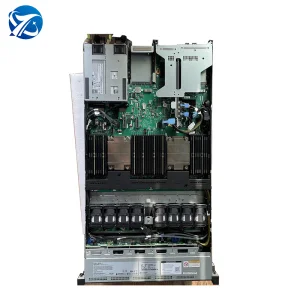
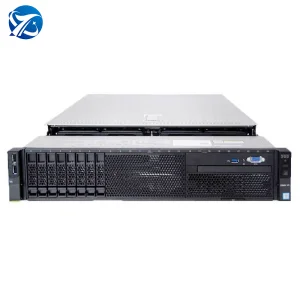
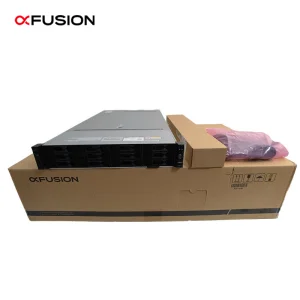
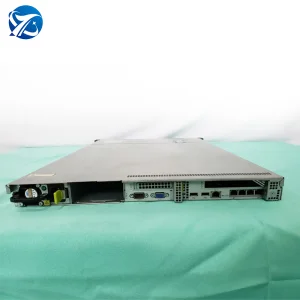
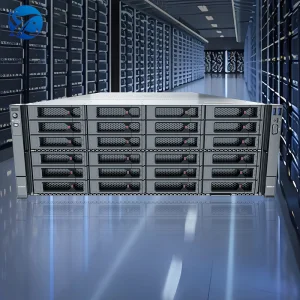
Software-Defined Networking (SDN) represents a fundamental architectural change in how global network systems are designed, deployed, and managed. By separating the forwarding plane (data plane) from the control plane, SDN transforms rigid, proprietary, hardware-dependent networks into highly dynamic, programmable, and scalable environments. Historically, organizations were locked into proprietary routing and switching hardware, leading to high capital expenditures and complex operational workflows.
In modern hyperscale data centers, telecommunication clouds, and enterprise IT deployments, the demand for agility has accelerated the deployment of customized bare-metal networking devices. Today’s industrial network requirements are driven by artificial intelligence clusters, deep-learning models, and massive data flow routing. Proprietary systems struggle to cope with the dynamic traffic changes generated by multi-node GPU training architectures. This shift has placed high-performance, open-standard SDN systems at the center of critical enterprise infrastructure strategy.
"The virtualization of networking enables dynamic bandwidth allocation and automated orchestration, reducing provisioning cycles from weeks to milliseconds. For OEM/ODM providers, this means the focus has shifted from standard closed-source switches to highly optimized, bare-metal programmable platforms."
| Networking Parameter | Legacy Networking Architecture | Modern SDN Architecture |
|---|---|---|
| Control Plane | Distributed on each hardware device | Centrally managed via software API |
| Hardware Requirements | Proprietary, vendor-locked switches | Standard white-box / bare-metal hardware |
| Provisioning Time | Manual CLI configuration (Days/Weeks) | Automated APIs & scripts (Seconds) |
| Telemetry & Visiblity | Reactive sniffer tools, SNMP polls | Real-time streaming telemetry & analytics |
| Deep Learning Ready | Low adaptability for dynamically high-burst paths | RDMA, RoCE v2 congestion control support |
Industry Experience
R&D Engineers
Annual Export Revenue
Global Suppliers
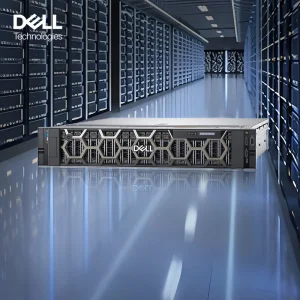
TensorNova is a high-performance AI GPU server manufacturer and infrastructure solutions provider, specializing in flexible computing clusters, custom cooling options, and specialized SDN hardware customization.
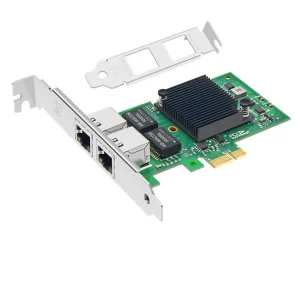
Full support for board-level optimization, custom firmware, BIOS modification, and hardware integration to enable direct control over networking pipelines, PCI Express link negotiation, and multi-Gigabit copper or fiber transceivers.
Engineered for high thermal design power (TDP) operations. We customize air-duct routing, high-RPM counter-rotating hot-swappable cooling fans, and advanced direct-to-chip liquid cooling manifolds, ideal for 4U AI servers and high-port-density SDN switches.
With strategic relationships containing over 1,200 component partners and direct access to major silicon fabricators, TensorNova secures long-term component availability, stable BOM control, and resilient manufacturing cycles.
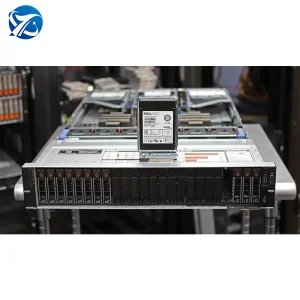
R&D and Customization Spectrum: Over the past year, TensorNova successfully launched over 320+ new products. Supported by our expert R&D team of 180 engineers, our production covers every level of server customization, system validation, and integration of NVMe Gen 4/5 storage, GPU cards, and PCIe networking adapters.
To ensure high availability in production data centers and industrial sites, TensorNova runs an intensive testing program based on the ISO9001 quality management framework. Network nodes and server nodes face stress metrics designed to simulate the heavy computational traffic patterns of AI clusters and large-scale cloud operations.
Our dedicated quality assurance team, consisting of 45 specialized QC technicians, oversees automated hardware stress testing, high-temperature environmental validation, continuous system burn-in testing, and real-world high-throughput AI workload simulations. By identifying component anomalies before shipping, we ensure that every custom device delivers high reliability and long-term stability.
Explore our advanced server assembly lines, modern hardware integration cells, and specialized testing environments covering a total workspace of 320 square meters.
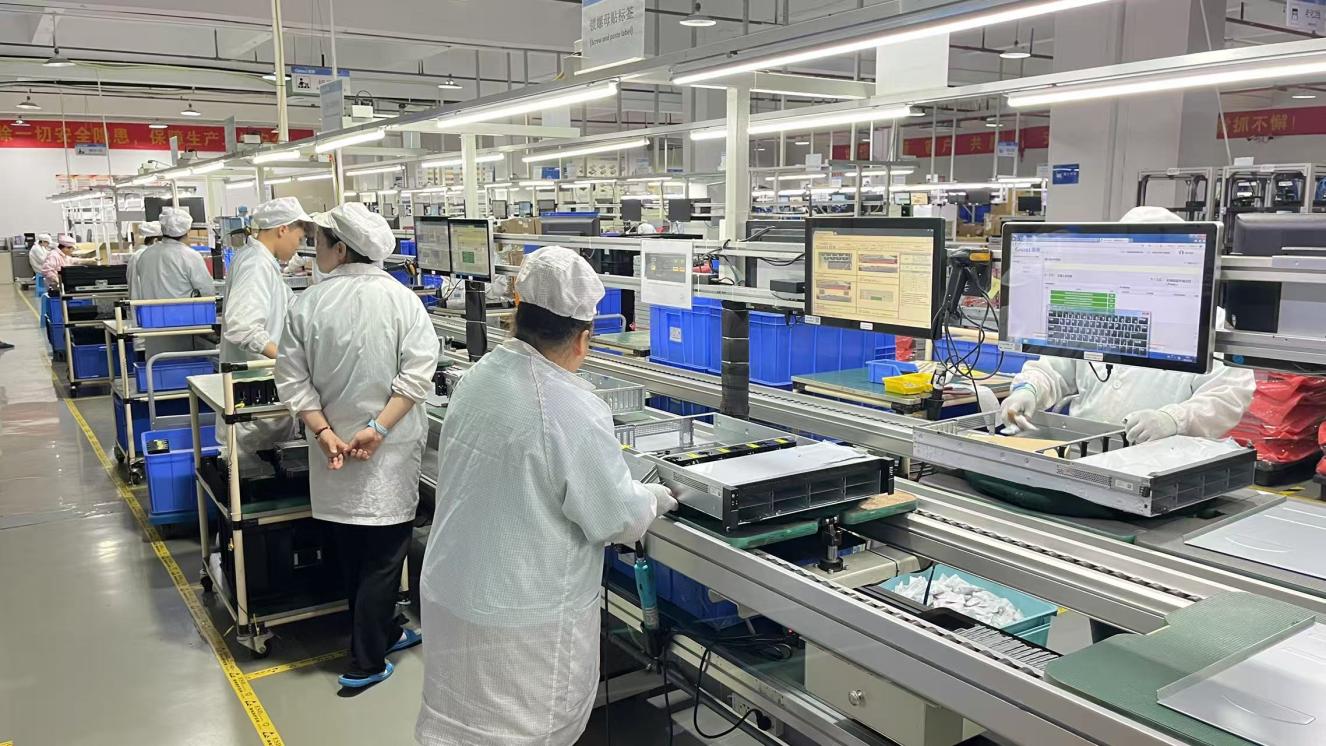
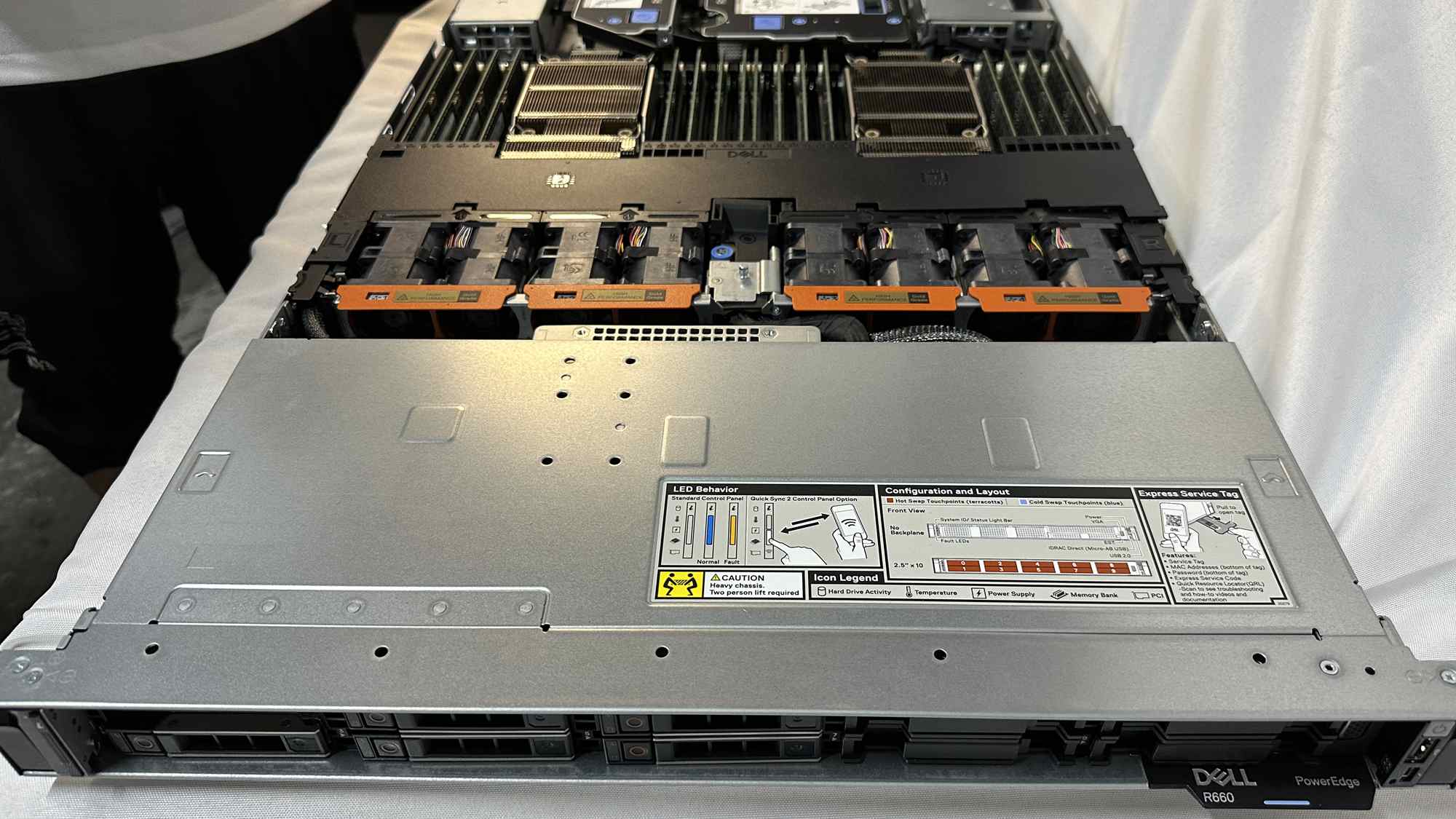
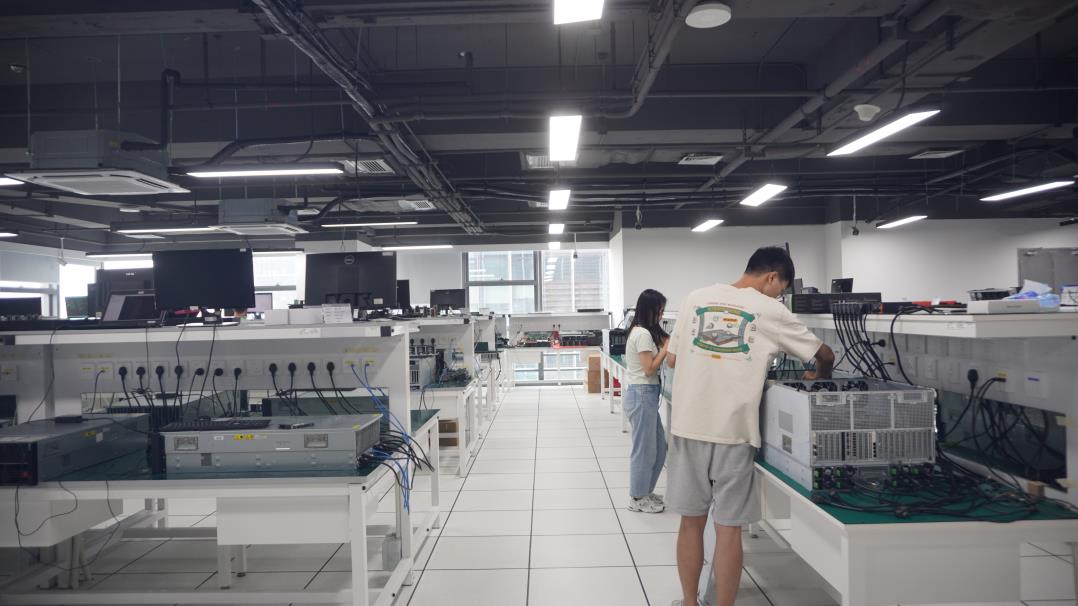

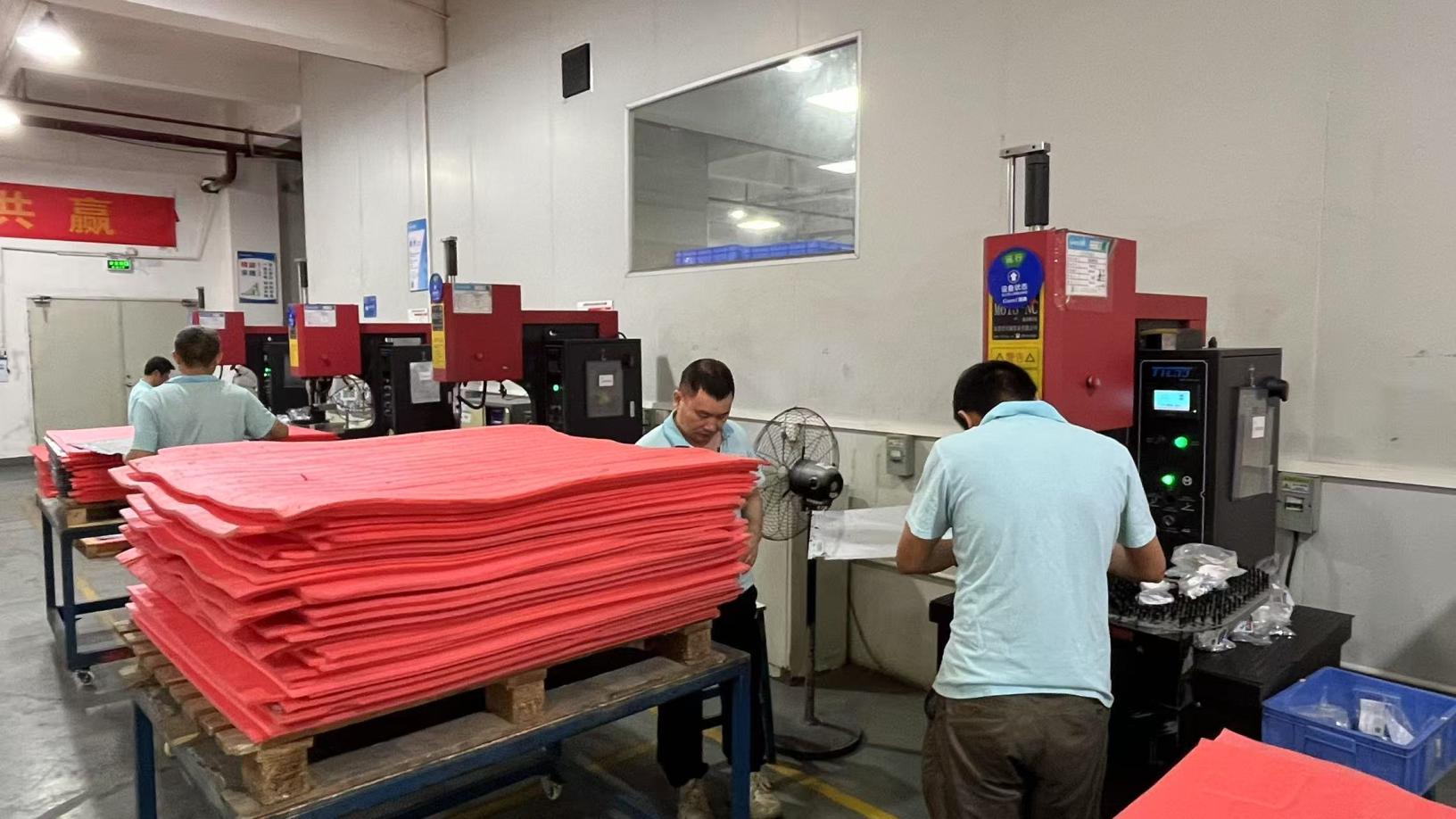
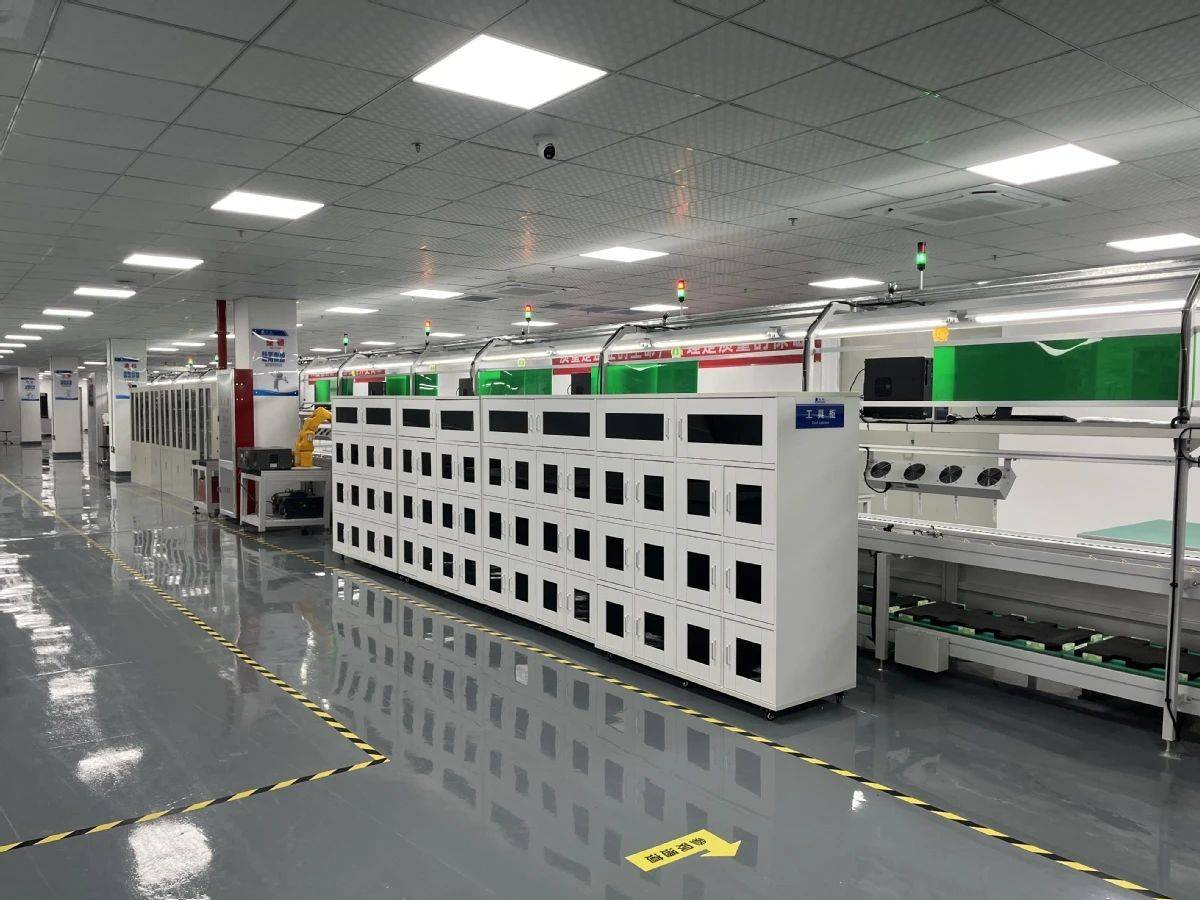
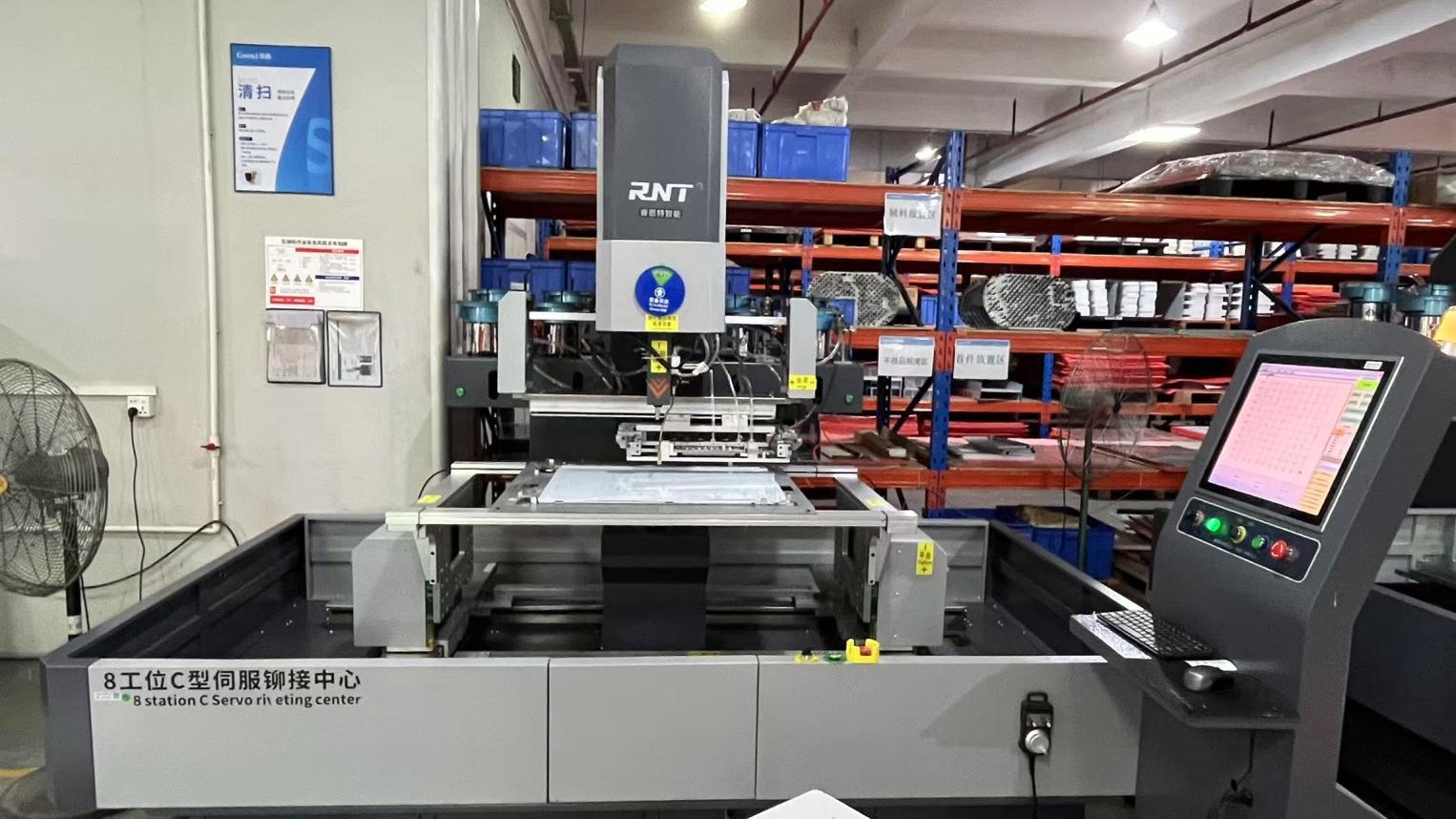

Understanding how our geographical and ecosystem location drives performance, lower manufacturing cycles, and competitive pricing for international clients.
Based in the manufacturing core of Shenzhen, China, our team operates within walking distance of chip suppliers, PCB fab facilities, mechanical tooling developers, and packaging partners. This local ecosystem reduces component sourcing times from weeks to hours.
Our agile production processes allow us to fast-track prototype systems. Custom metal configurations, motherboard modifications, and customized cable routing can be designed, built, and verified in just 10 to 15 business days, compared to months in other regions.
With 6 years of export history and regular deliveries into North America, Germany, Singapore, and the United Arab Emirates, we manage local regulatory compliance (CE, FCC, RoHS) and international trade logistics efficiently.
SDN hardware solutions built by TensorNova are tailored for the unique data flows and orchestration needs of different modern tech sectors.
AI workloads require low latency and high bandwidth. When training models (like DeepSeek or Llama frameworks), massive amounts of data move across multiple nodes. Our custom systems support advanced PCIe Gen 4/5 routing and SmartNIC cards. This allows networks to handle large bursts of traffic without dropping packets or increasing latency.
For cloud providers, managing virtual network segments is a key priority. By deploying open-networking whitebox switches running customized operating systems (like SONiC), operations teams can use automated scripts to scale VLANs, manage IP routing tables, and update firewall rules on the fly, avoiding manual console configuration.
Network edge environments often face limited physical space and tough thermal conditions. TensorNova provides short-depth rackmount servers optimized for telecommunications and edge computing. These units support local caching, virtualization layers, and SD-WAN routing directly from the remote facility.
The networking industry is moving away from traditional processors toward specialized SmartNICs (Smart Network Interface Cards) and DPUs (Data Processing Units). These cards offload virtual switching, security, and storage tasks from the host CPU, freeing up more processing power for actual applications.
Additionally, optical networks are advancing rapidly, with 400G and 800G optical interfaces becoming the standard for major datacenters. By integrating high-bandwidth NVMe storage arrays directly with high-performance network controllers, systems can transfer data with minimal latency. This makes it possible to run real-time analytics on massive databases without hitting typical input/output bottlenecks.
At TensorNova, we adapt our designs to keep pace with these shifts. We build server motherboards with PCIe Gen 5 readiness, design custom power distribution systems to handle modern high-wattage components, and verify physical tolerance levels to support the next generation of high-speed networking adapters.
We follow key international standards to ensure our custom hardware remains compatible with global IT ecosystems:
A detailed checklist designed to help IT directors, datacenter architects, and procurement managers select the right hardware OEM/ODM partner.
Make sure your OEM supplier guarantees long lifecycle components. Changes to network interface chips or controller firmware can cause unexpected software bugs. A locked BOM ensures consistent performance across your entire deployment.
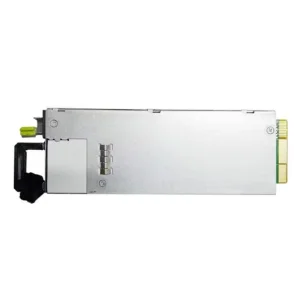
Modern servers require high-power components. Look for power systems with Platinum or Titanium efficiency ratings (such as 900W, 1500W, or 2000W redundant PSUs). Certified power supplies reduce operational costs and prevent server downtime.
Your hardware partner must verify equipment safety and electromagnetic compatibility. Always ask for documentation verifying compliance with CE, FCC, RoHS, and UL standards to avoid customs delays and compliance issues.
Answers to technical and operational questions regarding TensorNova's SDN and GPU server OEM/ODM services.
Our hardware is built using open-standards architectures. It supports standard Linux distributions (Red Hat, Ubuntu, CentOS), virtualization hypervisors (VMware ESXi, Proxmox VE), and open-source network controllers. For specialized deployments, we collaborate with clients to test custom kernel drivers during our R&D phase.
We design systems to support both air and liquid cooling. For air-cooled racks, we use high-RPM counter-rotating fans and custom baffles to direct airflow. For dense computational setups, we configure direct-to-chip liquid cooling loops that transfer heat away from components efficiently, keeping operating temperatures within safe limits.
Initial prototype designs are generally completed and verified within 10 to 15 business days. Once the prototype is approved, production and quality testing take between 3 and 5 weeks, depending on component availability and customization complexity.
We source parts from vetted suppliers and test components thoroughly under the ISO9001 quality framework. Our QA team runs stress tests, thermal cycles, and software simulations on finished systems to ensure all devices perform reliably under heavy workload conditions.
Yes, our server systems support high-efficiency AC and DC power supplies (ranging from 900W to 2000W). These units support auto-ranging voltages from 100V to 240V AC, and we offer 240V/380V HVDC options for specialized green datacenter deployments.
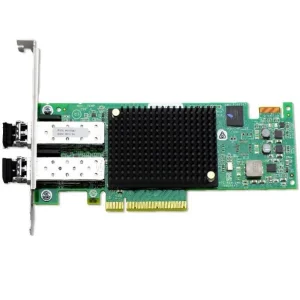
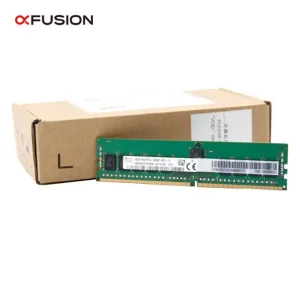
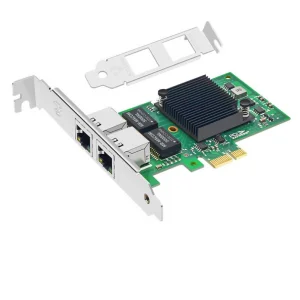
High-speed interface controllers, host bus adapters, and expansion memory modules to complete your networking and storage setups.