TensorNova
TensorNova
TensorNova
High-reliability compute engines, custom GPU servers, and data center components certified for enterprise workloads.
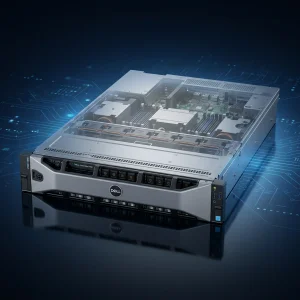
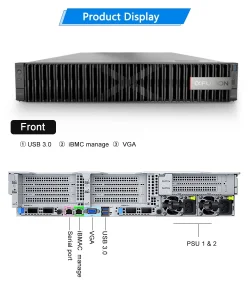
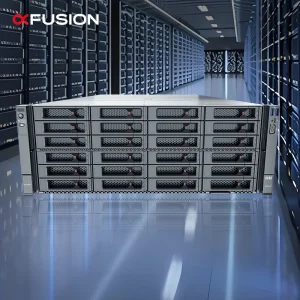
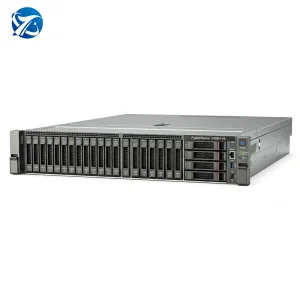
As AI computation workloads scale exponentially, memory performance, bandwidth capacity, and processing latency dictate the threshold of hardware system performance.
The global enterprise data center ecosystem is undergoing a dramatic architecture paradigm shift. Traditional server architectures optimized for scalar workloads are being rapidly replaced by high-density heterogeneous systems designed for AI training, massive LLMs, and real-time analytical databases. In this new era, processing capability is rarely limited by the raw GPU or CPU clock speed; instead, the bottleneck has shifted to the memory subsystem—specifically, data throughput, memory latency, and thermal dissipation thresholds.
DDR5 memory technology has introduced structural advancements over DDR4 to address these exact constraints. With operating speeds starting at 4800 MT/s and reaching up to 6400 MT/s and beyond, DDR5 offers double the bandwidth of its predecessor. Structurally, DDR5 features a dual 32-bit subchannel architecture, which optimizes command protocols and doubles the burst length from BL8 to BL16. More importantly, it relocates power management from the server motherboard to the memory module itself via an integrated Power Management IC (PMIC). This improves power distribution efficiency, decreases signal noise, and allows for tighter control of voltage scaling, down to a nominal 1.1V.
For custom ODM/OEM solutions, understanding these technological innovations is paramount. Enterprise-grade memories must deploy Advanced On-Die Error-Correcting Code (ECC) mechanisms to catch single-bit flips inside the SDRAM chips before they can cascade into multi-bit errors, protecting critical calculations in memory-intensive databases. Furthermore, the commercial deployment of Compute Express Link (CXL) is redefining the physical limits of hardware expansion, allowing servers to pool and share high-capacity memory structures dynamically over PCIe Gen5 and Gen6 physical layers.
TensorNova, as a prominent server manufacturer, recognizes that building top-tier infrastructure requires seamless synchronization between memory subsystems, GPU cores, and storage architectures. By integrating premium enterprise-grade DDR5 RDIMMs and custom LRDIMMs within our compute platforms, we ensure that modern workloads—from deep learning model training to complex predictive modeling—run without memory-related latency penalties.
Leveraging robust research capabilities and state-of-the-art testing systems to deliver enterprise infrastructure globally.
Established in 2016, TensorNova has developed into a trusted supplier in the AI hardware and enterprise infrastructure industry. Over 12 years of industry-wide experience in AI computing, coupled with 6 years of direct global export experience, gives us a profound understanding of international hardware standards, regulatory requirements, and technical compatibility. We operate a modern manufacturing facility covering approximately 320㎡ that is specifically configured for high-precision server assembly, systematic component integration, and advanced memory validation.
Our quality assurance protocol is based strictly on ISO9001-based quality management systems. Every hardware asset we produce undergoes a strict sequence of product inspections, including automated hardware stress testing, thermal performance validation, burn-in testing, and AI workload simulation testing. To maintain this level of execution, we employ a dedicated quality control team of approximately 45 specialized technicians who monitor every production step, ensuring that failures are caught at the component level before shipping.
A key structural advantage for TensorNova is our comprehensive ecosystem of supply partners. We have established a robust logistics network containing more than 1,200 global suppliers and strategic component partners. This level of supply integration enables us to source original DRAM chips, advanced PMICs, and complex multi-layered PCBs even during high-market-demand cycles. It guarantees stable production timelines and fast, dependable delivery schedules to our international clients.
TensorNova’s primary markets include the United States, Germany, Singapore, and the United Arab Emirates, while we continue to scale up services for clients throughout North America, Europe, Southeast Asia, and the Middle East. With our team of approximately 180 R&D engineers, we continue to innovate rapidly, having successfully launched 320+ new products in the past year, ranging from next-generation AI GPU servers to high-density server memory integration solutions.
Unlocking unparalleled development speed, raw material access, and economic scaling through our industrial presence in China.
Operating out of the primary global electronics hub allows TensorNova to transition memory configurations and custom board designs from concepts into functional prototypes within days. Proximity to advanced PCB manufacturers and specialized SMT assembly lines minimizes delay and speeds up development.
Having a vast ecosystem of certified suppliers nearby ensures that we can source and secure active and passive components, high-density DRAM dies, and thermal-dissipation heatsinks. This level of access reduces material transport times and insulates our manufacturing schedules from volatile international shipping delays.
Our facility features modern testing equipment, including thermal chambers, automated electrical signal analyzers, and hardware validation software. By keeping testing processes under one roof, we optimize production costs while ensuring our products exceed international quality expectations.
Different server environments require tailored memory sub-systems to maintain optimal compute velocities and prevent operational bottlenecks.
AI model training demands high memory density and bandwidth to store and update parameters in real-time. For these environments, we supply high-capacity DDR5 RDIMMs with advanced error mitigation to support multi-GPU clustering and avoid training interruptions.
Cloud hosting requires high-density hardware allocation. High-capacity, low-latency registered memory modules allow cloud environments to host more virtual machines per node, lowering operational expenses and increasing hardware margins.
Financial trading platforms rely on speed. Even microsecond delays can affect transaction outcomes. Our custom low-latency server memory modules are tuned for quick response times, ensuring swift execution of automated trading scripts.
Processing large datasets, like SAP HANA, requires storing entire tables in memory. Our custom-labeled OEM server memories undergo strict thermal validation to handle continuous, intensive read-write operations under load.
Providing hardware engineering services to modify, tune, and brand server components according to target technical profiles.
We work with our OEM clients to program custom Serial Presence Detect (SPD) settings on memory modules. This ensures fast boot-up training cycles, low latency, and stable timing profiles across platforms like Intel Xeon, AMD EPYC, and custom ARM server motherboards.
For high-density configurations, heat management is essential. TensorNova offers custom-engineered aluminum and copper heatsinks designed to fit within space-restricted 1U and 2U rack server formats. These systems prevent thermal throttling and ensure stable operating temperatures.
Every memory shipment is tested using simulation profiles designed to match our client's workloads. We configure virtual environments running intensive databases, virtualization hypervisors, or deep learning programs to ensure the memory stays stable under real-world conditions.
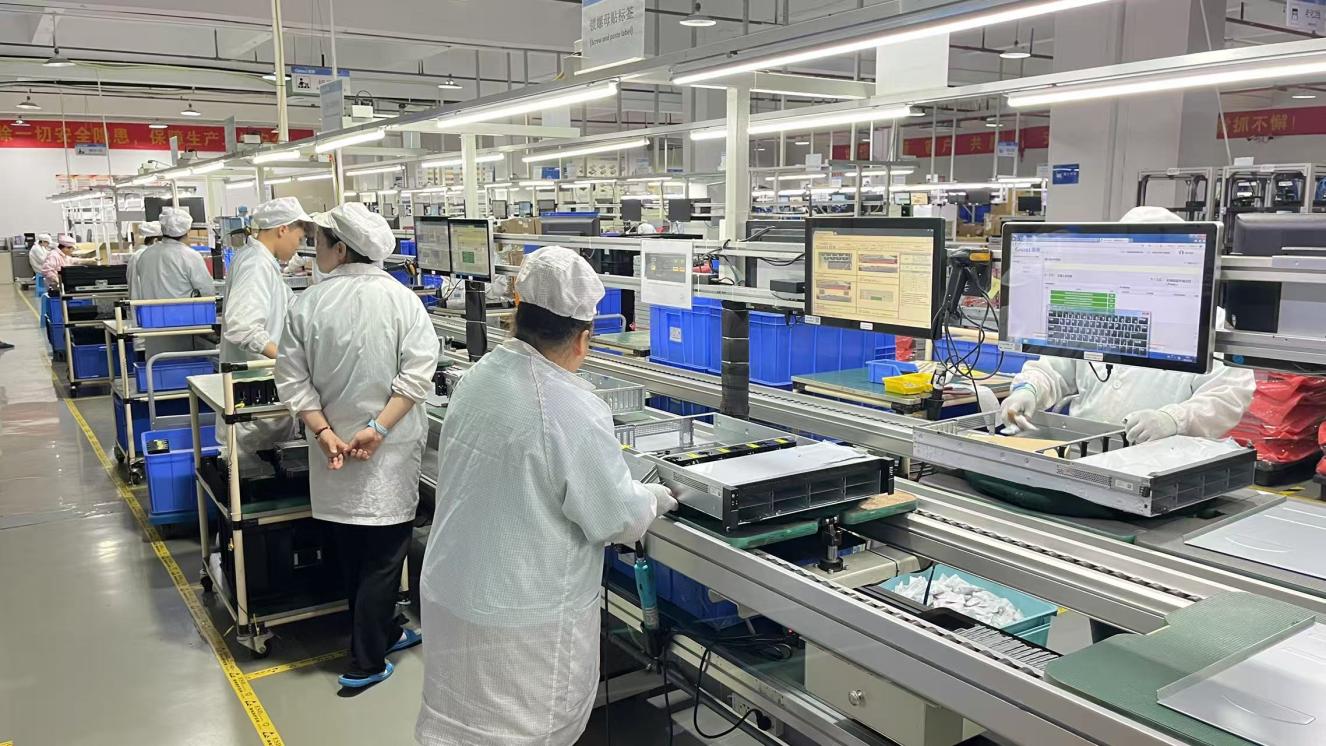
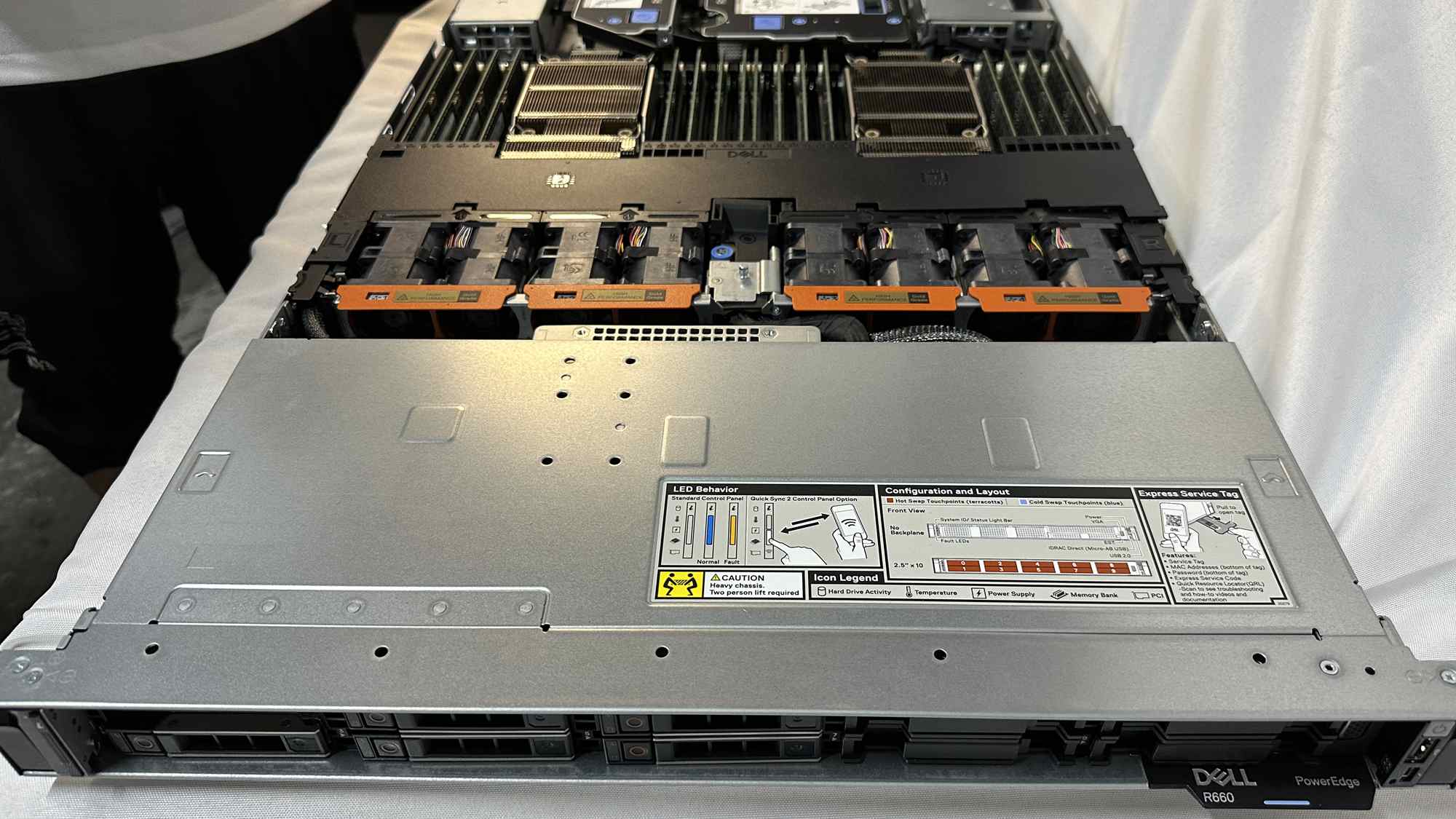
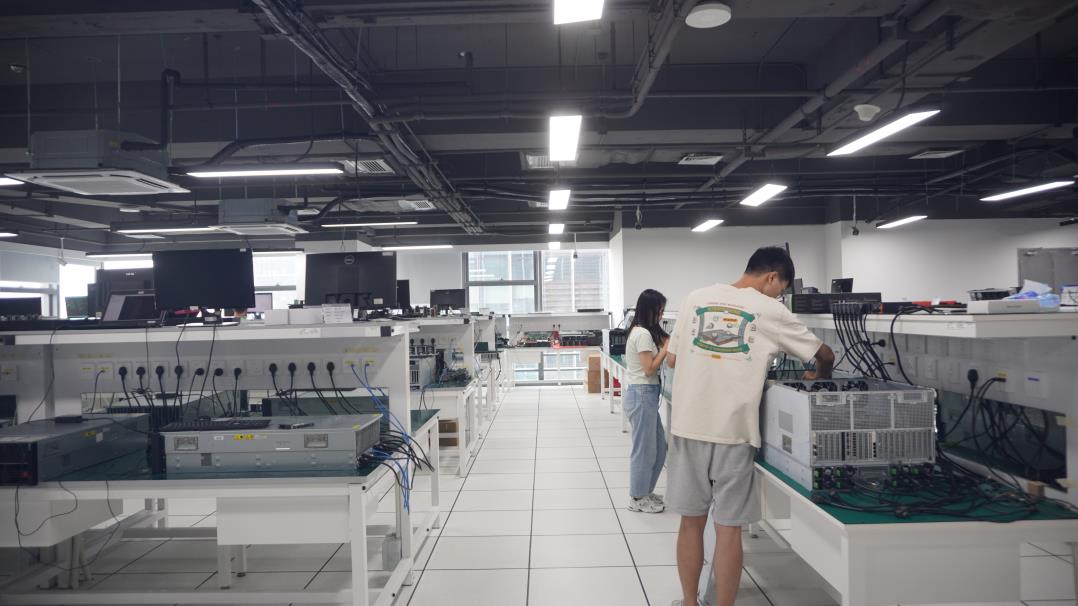
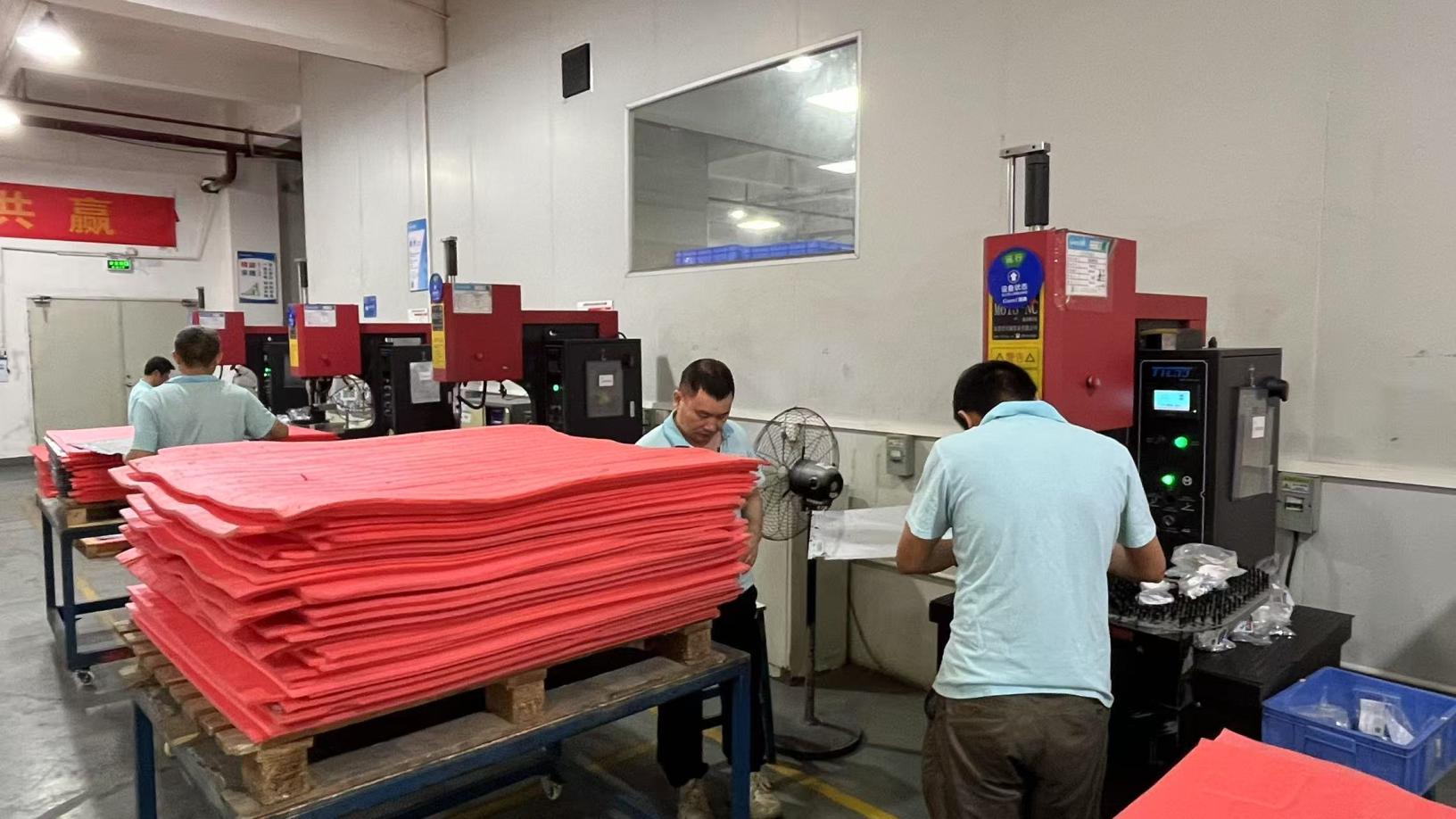
A look inside our ISO9001-compliant production environment, testing processes, and system integration lines.

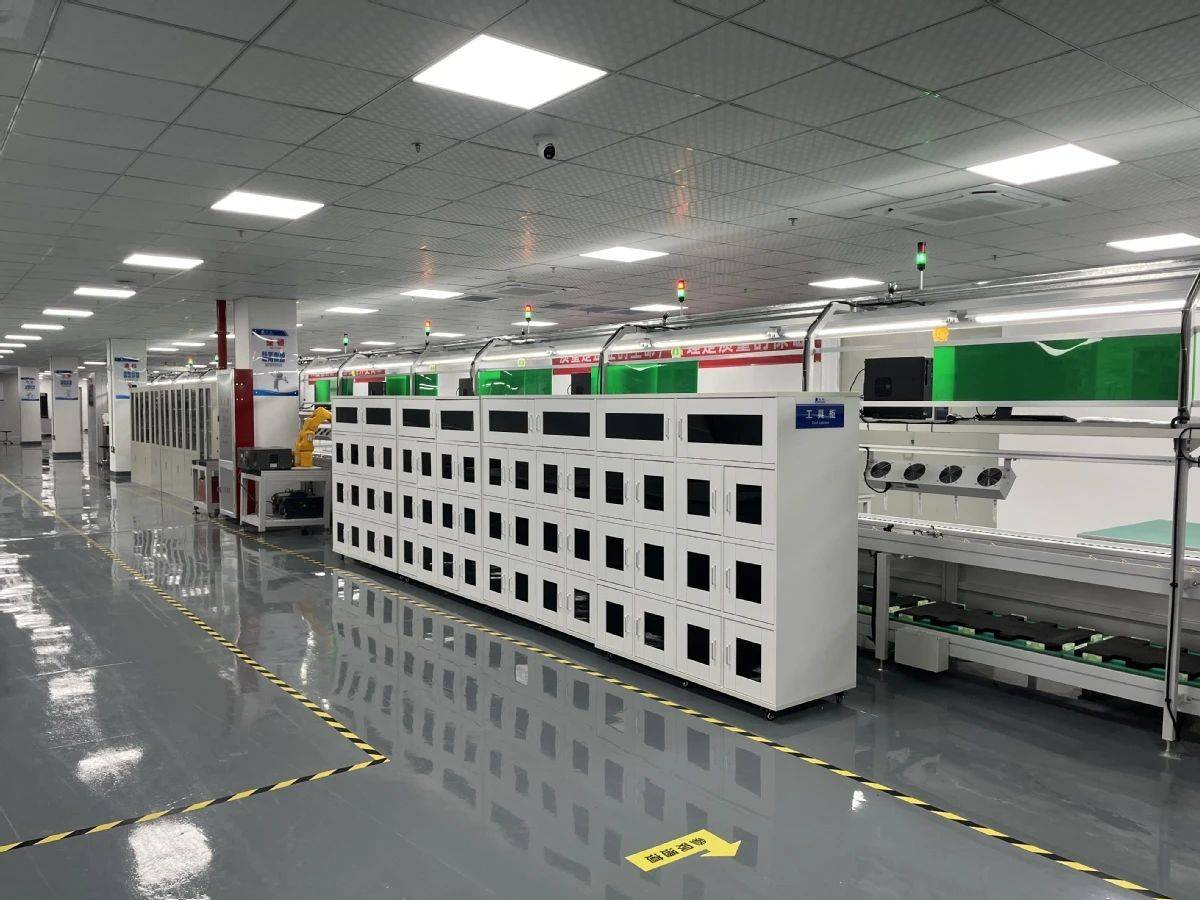

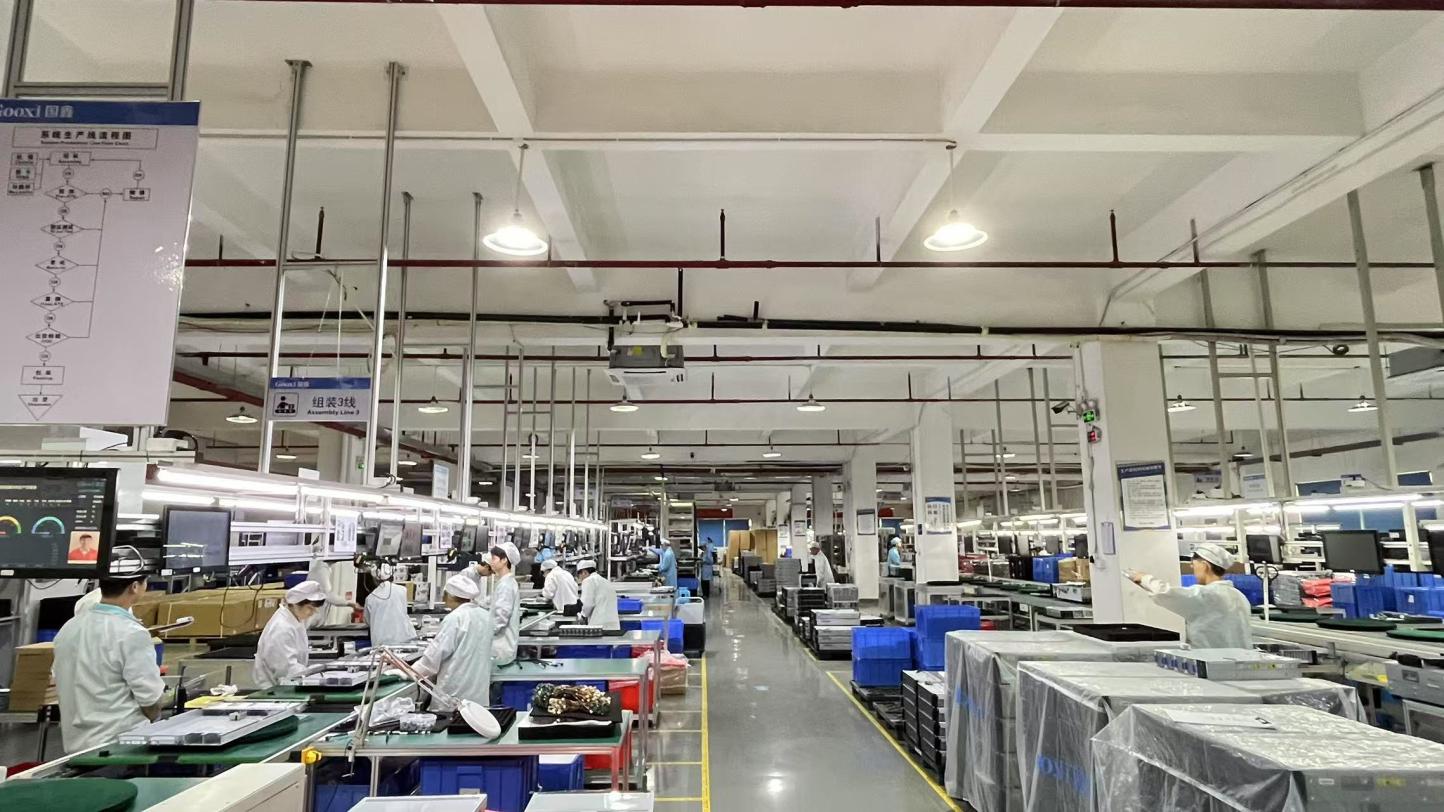
Tracking upcoming technology developments helps us ensure our products are ready for next-generation computing architectures.
Compute Express Link (CXL) allows memory to be treated as a shared, dynamic pool rather than static allocation per CPU socket. This helps reduce memory underutilization, lowering operational costs for virtualized systems.
Multi-Buffered Registered Dual In-line Memory Modules (MR-DIMMs) combine two physical DDR5 memory ranks into a single logical rank. This configuration doubles the bandwidth delivered to the processor without requiring new motherboard trace designs.
As security requirements grow, next-generation memories will support hardware-based inline memory encryption (IME) with minimal processing latency, protecting active data from local and physical security vulnerabilities.
Frequently asked questions regarding OEM manufacturing, compatibility testing, logistics, and quality assurance processes.
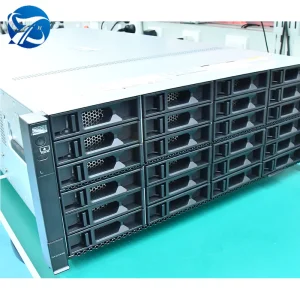
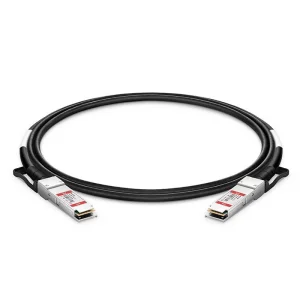
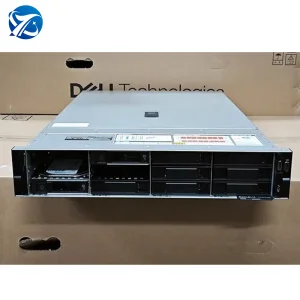
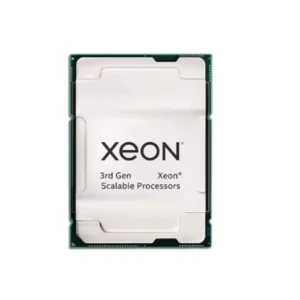
Explore our range of rack servers, data center network cables, and high-performance system configurations.