TensorNova
TensorNova
TensorNova
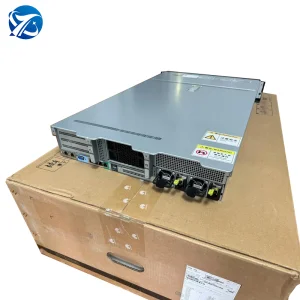
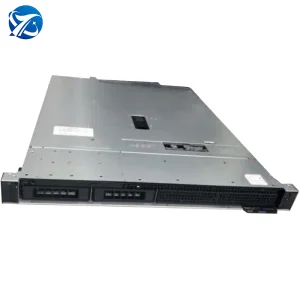
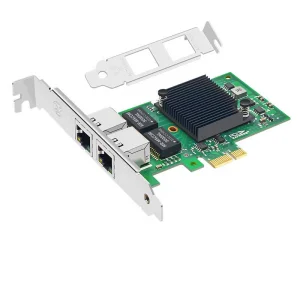
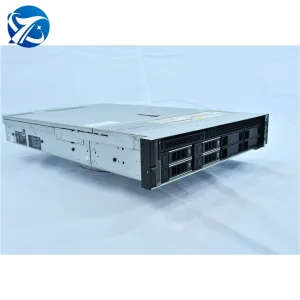
Explore our premium product portfolio designed for high IOPS, deep-learning capabilities, and flexible hardware integration configurations.
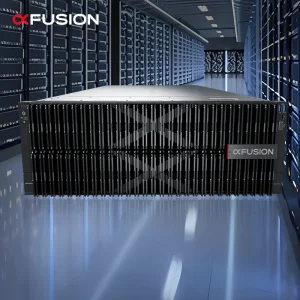
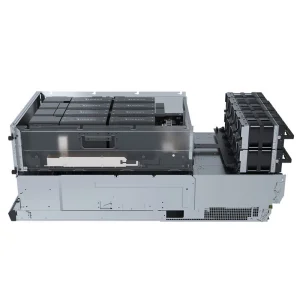
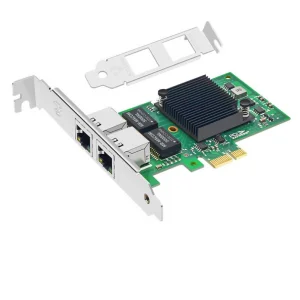

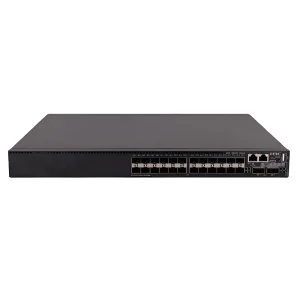
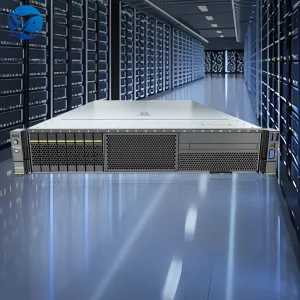
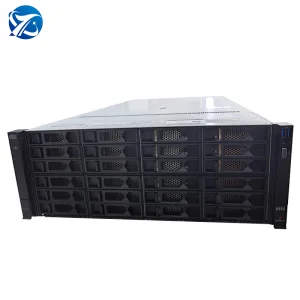
Enterprise infrastructure solutions optimized for deep learning models, reliable storage architecture, and massive global exports.
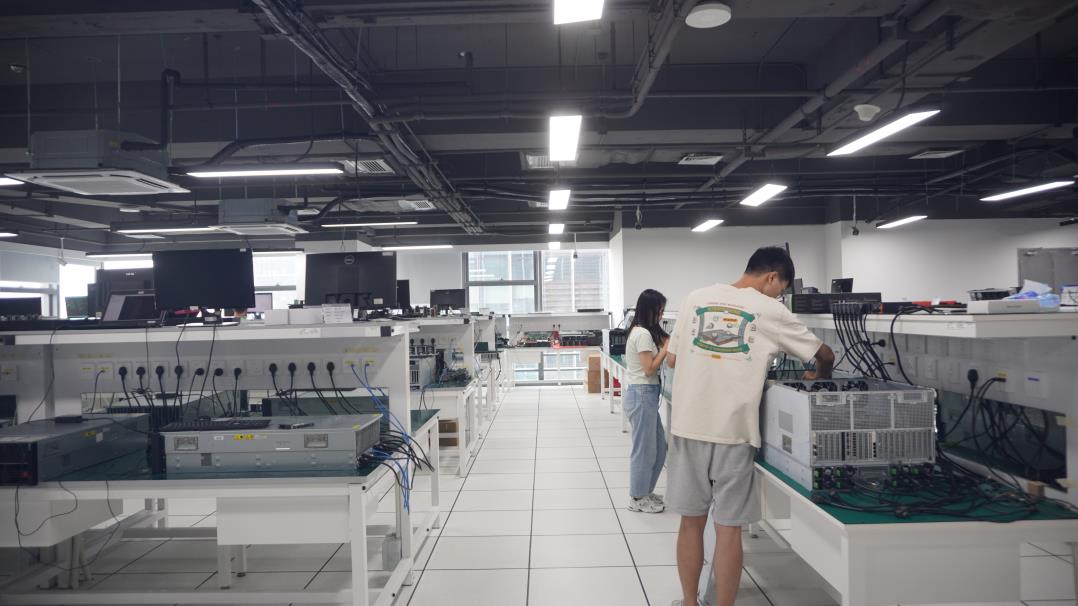
Implementing ISO9001 quality management systems. Our 45 dedicated QC personnel run automated stress tests, thermal validations, and AI simulation testing on all units.
A mature parts ecosystem ensures access to RAID controllers, multi-socket Intel/AMD motherboards, and NVMe pools without supply-chain bottlenecks.
Extensive options including GPU topology customization, chassis engineering, fluid loops/air-cooling optimization, and system-level tuning.
Modern enterprises encounter an unprecedented surge in unstructured data processing, driven primarily by deep learning models, edge networks, and multi-tenant virtualization. Hardware architectures must scale fluidly while enforcing uncompromising isolation layers. As a professional high-performance AI GPU server manufacturer and infrastructure solution provider based in China, TensorNova designs hardware frameworks that tackle the primary constraints of high-density infrastructure: input/output bottlenecks, cryptographic computational tax, and thermal dissipation failures.
Securing modern data centers requires moving beyond software patches to structural hardware layers. Hardware-Rooted Trust (RoT), hardware-enforced cryptographic boundaries, and Self-Encrypting Drives (SED) form the bedrock of this defense model. By selecting premium enterprise elements—including PCIe Gen 4.0/5.0 tri-mode RAID adapters, multi-core system controllers, and high-speed switches—our global buyers bypass common integration failure points.
"Advanced secure storage bridges the gap between massive computing throughput and strict data isolation. Standard components fail to sustain high workloads under intensive read/write scenarios. Our custom design focuses on physical integrity, high MTBF, and scalable RAID topologies."
Deploying hardware in varying geographies requires a deep alignment with local regulatory environments. TensorNova engineers secure storage systems configured for strict global compliance certifications:
Global buyers require predictable parts supply and regional technical support. TensorNova mitigates operational risks by maintaining a broad component database, allowing field-replaceability of power modules, drive caddies, and server nodes. Whether delivering to the United States, Germany, Singapore, or the United Arab Emirates, our technical teams provide precise localization parameters to streamline site deployment.
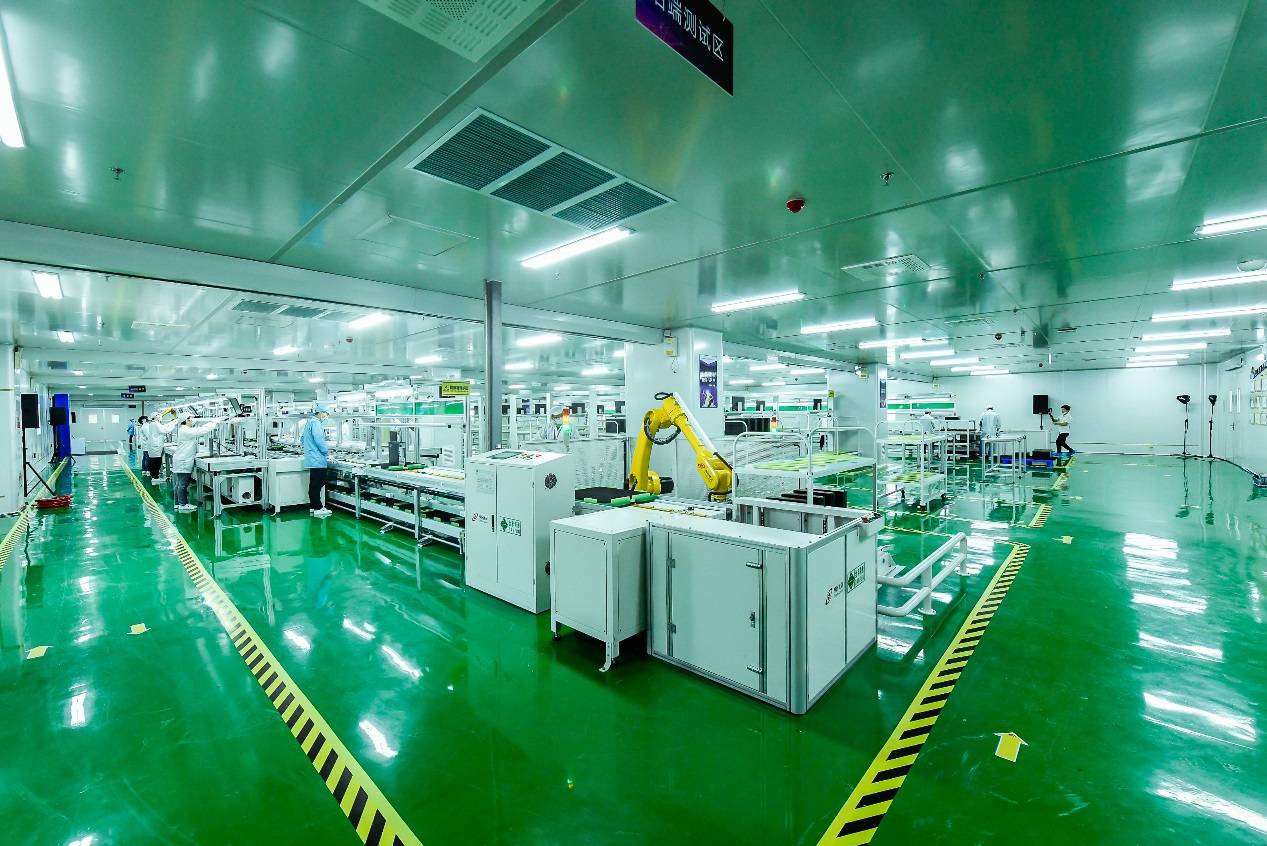
Operating from Shenzhen, the global epicentre of high-speed hardware engineering, enables TensorNova to orchestrate rapid prototyping cycles. The company utilizes a modern production facility covering 320㎡ dedicated to advanced server integration and rigorous validation.
By connecting directly with over 1,200 raw material and component suppliers, we secure immediate access to essential microchips, power boards, and mechanical components. This proximity allows us to design, prototype, and manufacture over 320 new products in a single annual cycle. Rather than relying on standard distributions, we interface directly with silicon fabricators to customize motherboard bios, firmware parameters, and electrical power phases.
| Operational Dimension | Standard Market Benchmarks | TensorNova Engineering Standard |
|---|---|---|
| R&D Personnel Scale | Small-scale local labs (<50 engineers) | 180+ R&D engineers specializing in GPU/Storage architecture |
| Quality Assurance Staffing | Occasional third-party auditing | 45 internal QC personnel executing ISO9001 guidelines |
| Testing & Burn-in Protocols | Quick power-on and POST checks | Automated stress testing, thermal chamber validation, AI workload simulation |
| Supply Chain Integration | Tier-2 and Tier-3 distributor queues | Direct partnership with 1,200+ global component manufacturers |
| Customization Latency | 6 to 12 months for custom backplanes | Rapid design modification of cooling, PCIe layout, and chassis density |
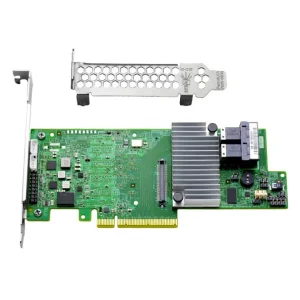
To achieve structural data reliability, hardware configuration must prevent data corruption during power interruptions. High-end array controllers like the LSI 9560-16i or 9560-8i protect data in transit using non-volatile flash-backed cache modules. By combining high transfer bandwidths (up to 12Gb/s per SAS lane and PCIe Gen 4 NVMe lanes) with automated parity calculations, these systems offload host compute loads, leaving CPU cores dedicated to applications.
Thermal management plays a crucial role in preventing drive degradation. Storage arrays containing multiple solid-state NVMe drives experience localized heat spikes during high write processes. Our custom chassis use tailored air shrouds, redundant hot-swap fan modules with PWM logic, and optional direct-to-chip liquid loops. These structural integrations avoid thermal throttling and keep operating temperatures under 40°C even under massive write sequences.
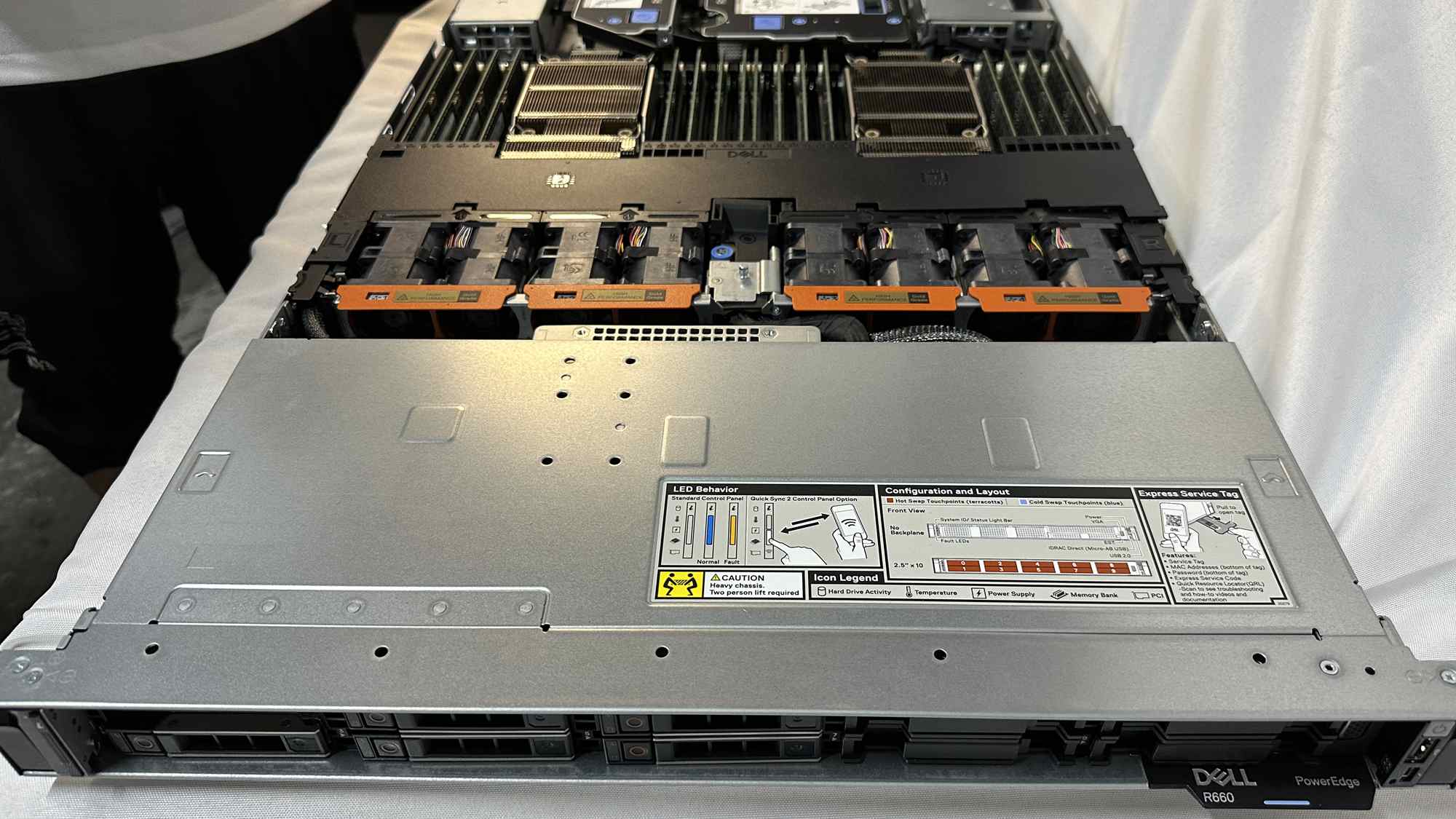
Custom OEM/ODM configurations engineered specifically to handle high-density enterprise database architectures.
Optimized cache storage layers designed to feed high-bandwidth datasets to GPU grids. Suitable for open-weights model platforms like DeepSeek, utilizing ultra-low latency NVMe arrays.
Designed with secure partition schemes and multi-socket server nodes. Enables secure physical virtualization, isolation, and fast transfer speeds for high-volume transactions.
Engineered for secure financial, public administration, and medical archives. Uses immutable firmware parameters, WORM (Write Once Read Many) setups, and automated backup matrices.
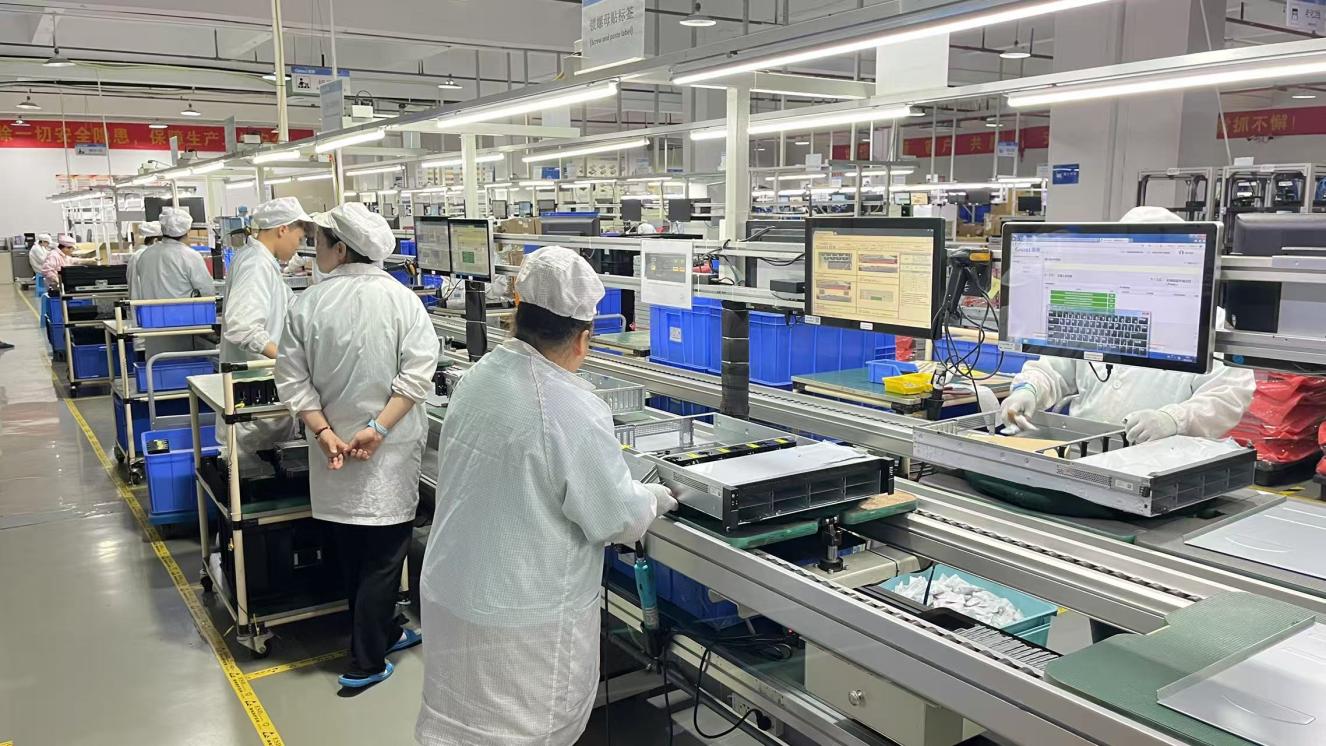
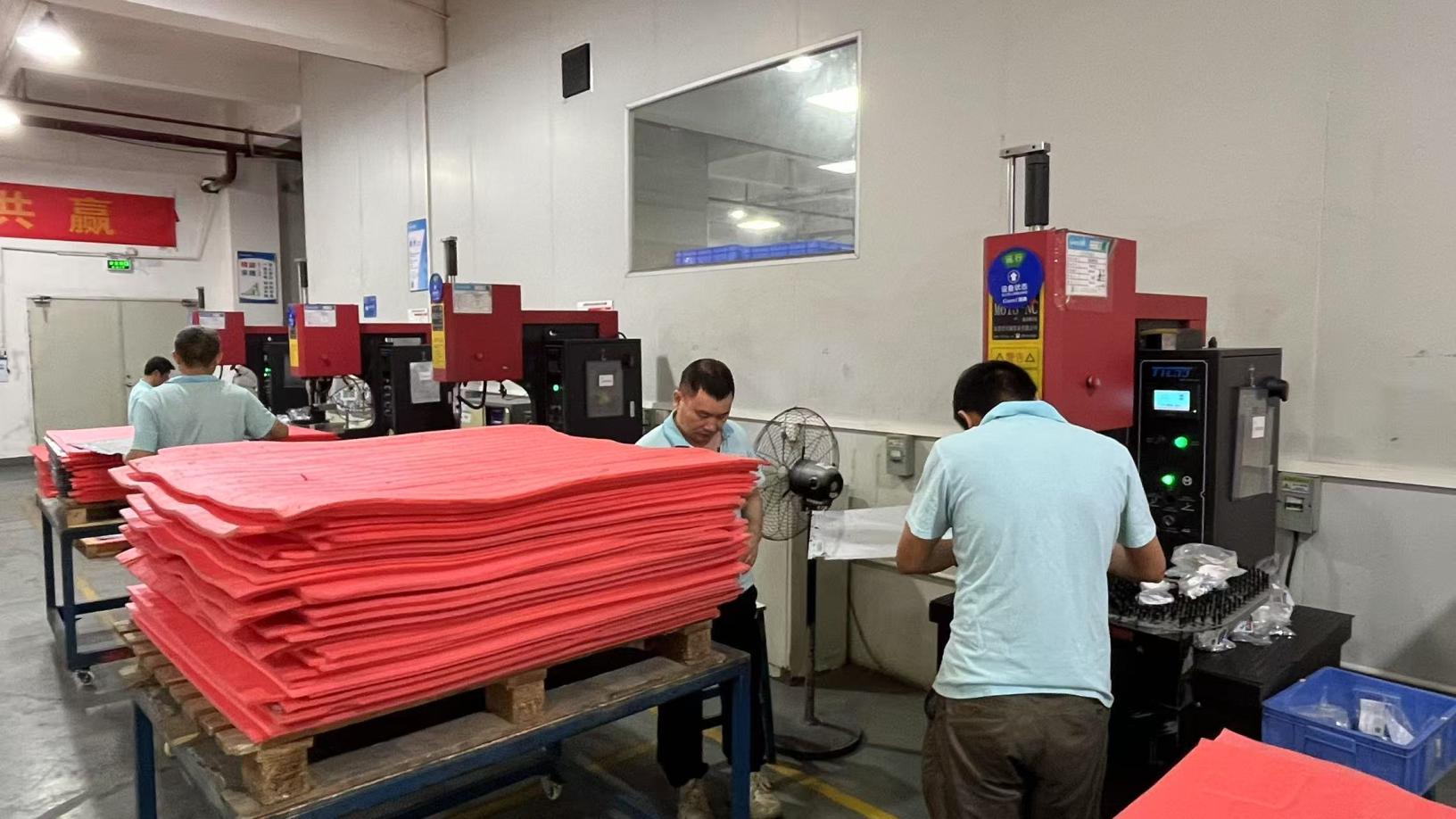
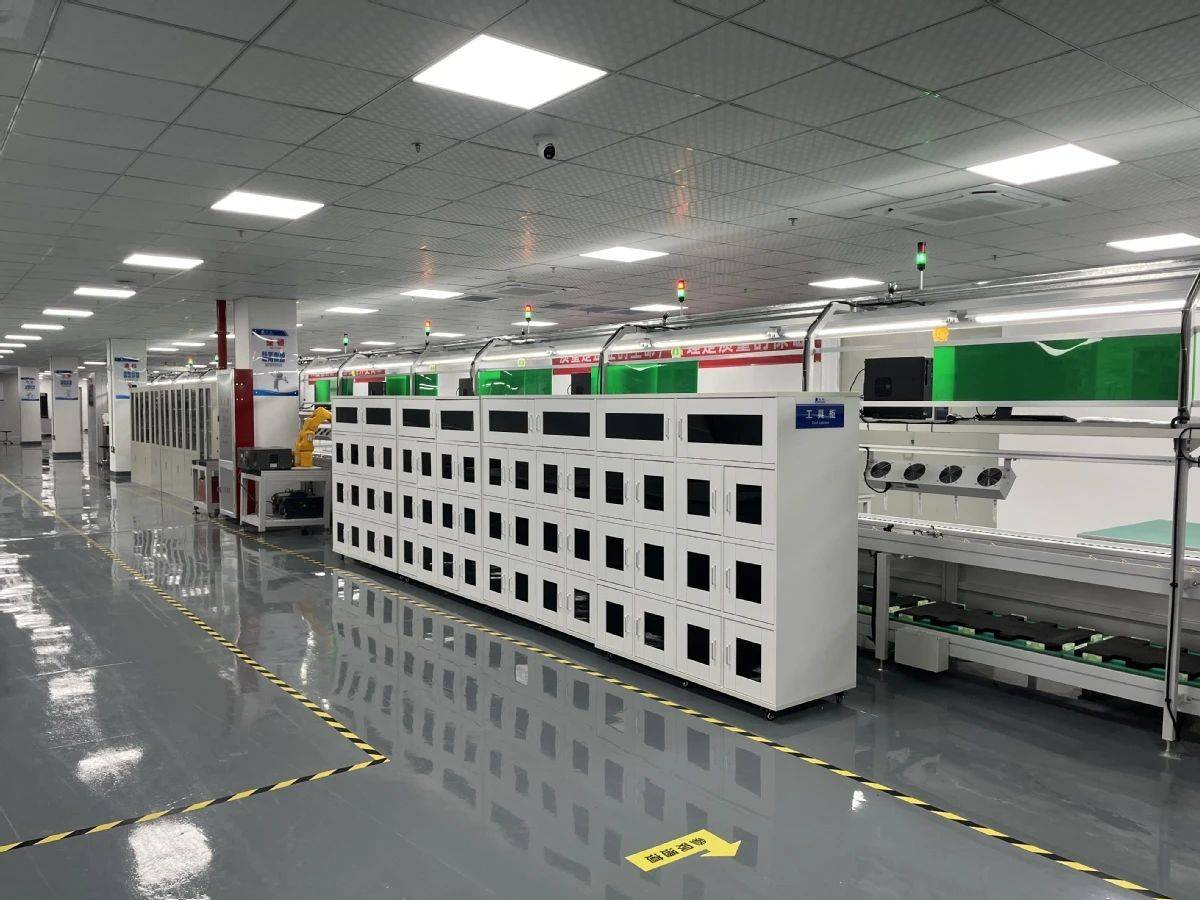
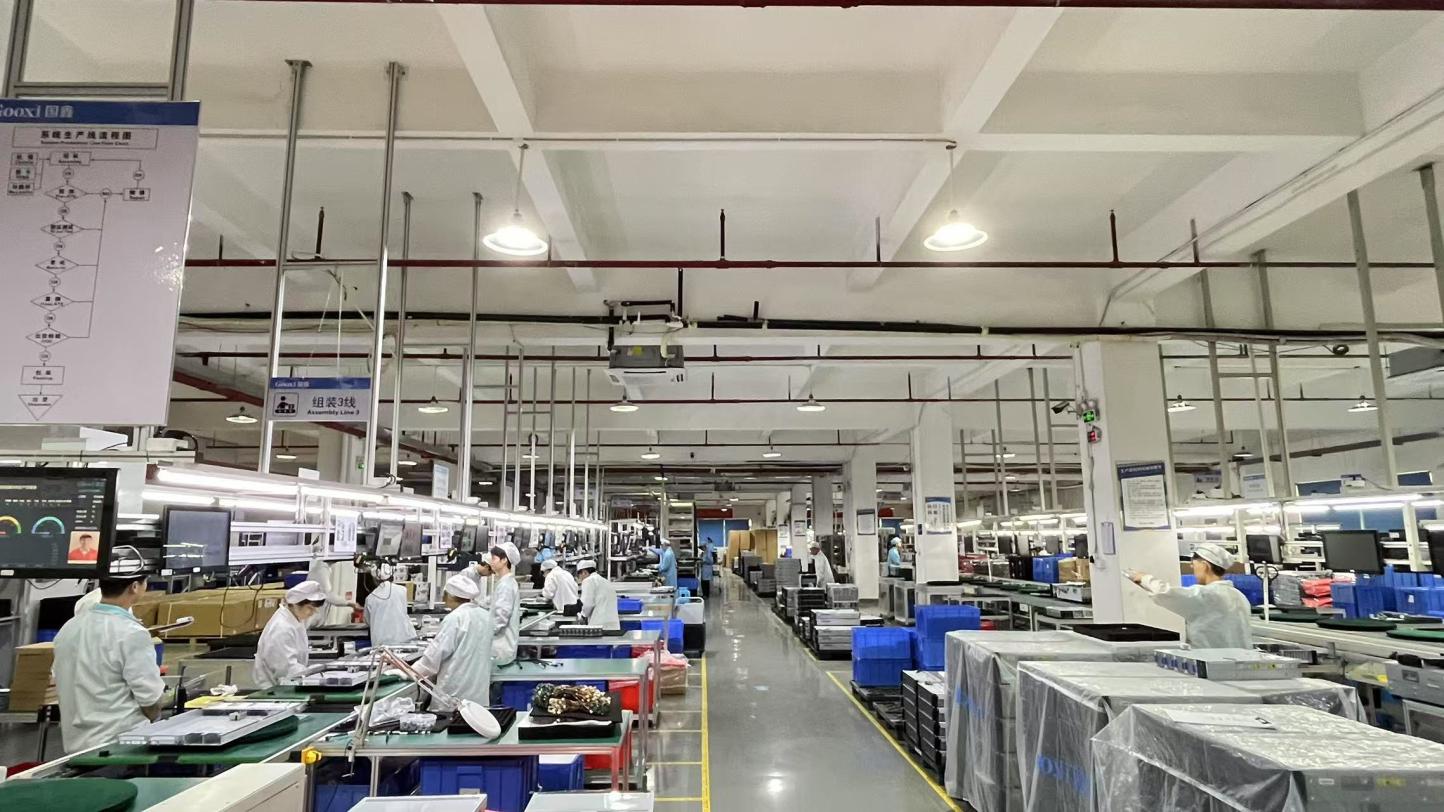
Inside our production facilities, where specialized teams perform system integrations, thermal stress validations, and visual audits.

As storage technologies evolve, legacy paradigms are giving way to more integrated, secure systems. Several key trends are shaping the future of data centers:
TensorNova remains committed to integrating these hardware developments into our OEM/ODM architectures. By incorporating early-phase design adjustments, our partners deploy computing networks optimized for future requirements.
Common technical inquiries from systems engineers, IT directors, and global procurement departments.
Robust nodes, array adapters, and servers optimized for continuous operation in enterprise data centers.