TensorNova
TensorNova
TensorNova
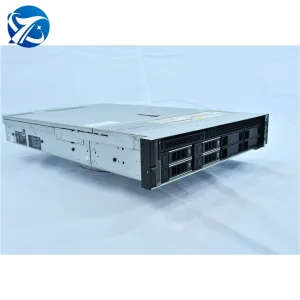
Direct-from-factory server products integrated with high-speed DRAM and scaling capacity for global data centers.
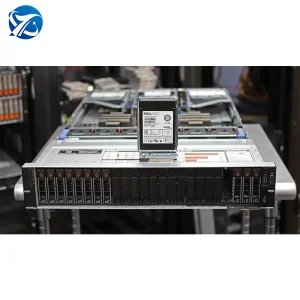
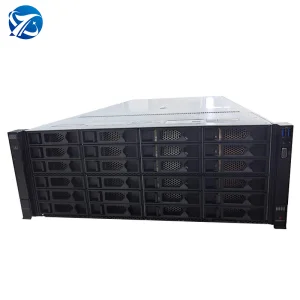
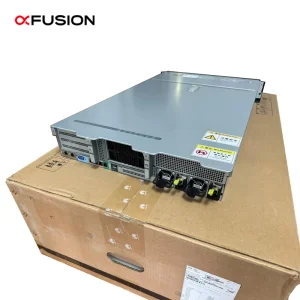
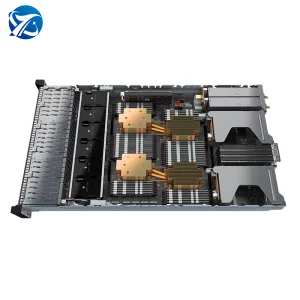
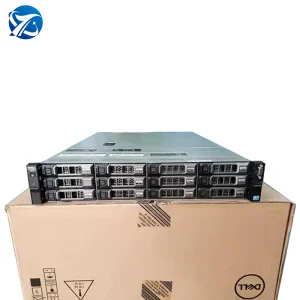
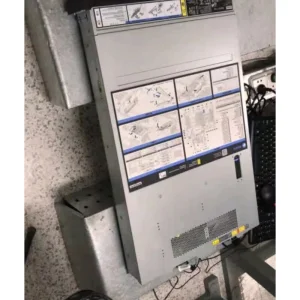
Established in 2016, TensorNova has built a robust ecosystem for server integration and custom memory distribution. We power critical AI pipelines, deep learning modules, and hyperscale databases globally.
The global demand for high-performance memory (RAM) is scaling exponentially due to memory-intensive AI workloads, DeepSeek architecture deployments, and distributed cloud centers. Producing standard and custom RAM modules in China’s premier hardware manufacturing corridor provides significant structural advantages for enterprise procurement officers:
By utilizing TensorNova's localized ecosystem comprising over 1,200 suppliers and partners, procurement managers bypass long delays. Memory modules (DRAM) are integrated directly onto host motherboards during bare-metal server assembly stages, eliminating multi-stage logistics overhead and guaranteeing 100% component compatibility before shipping.
To optimize computing density, hardware designers must align their procurement with structural industry trends. Below are the key technological advancements shaping memory development through 2026:
Unlike DDR4, which relies on power management on the motherboard, DDR5 places Power Management ICs (PMIC) directly on the DIMM. This configuration reduces voltage drop, decreases noise, and allows granular control of power profiles, facilitating high-density overclocking and stability in AI clusters.
CXL memory pooling allows servers to share dynamic DRAM reserves over high-speed PCIe Gen5/Gen6 links. This minimizes CPU-to-memory latency and allows cloud servers to scale RAM capabilities independently of the physical DIMM slots populated on the motherboard.
DDR5 introduces On-Die ECC to correct single-bit errors inside the DRAM silicon die before sending data to the processor. For enterprise applications, combining On-Die ECC with Sideband ECC (RDIMM) delivers double-fault tolerance necessary for data-critical enterprise servers.
High-capacity RAM modules integrated into modern enterprise servers serve distinct, high-performance execution environments. Standardizing memory components across these deployments ensures horizontal scalability.
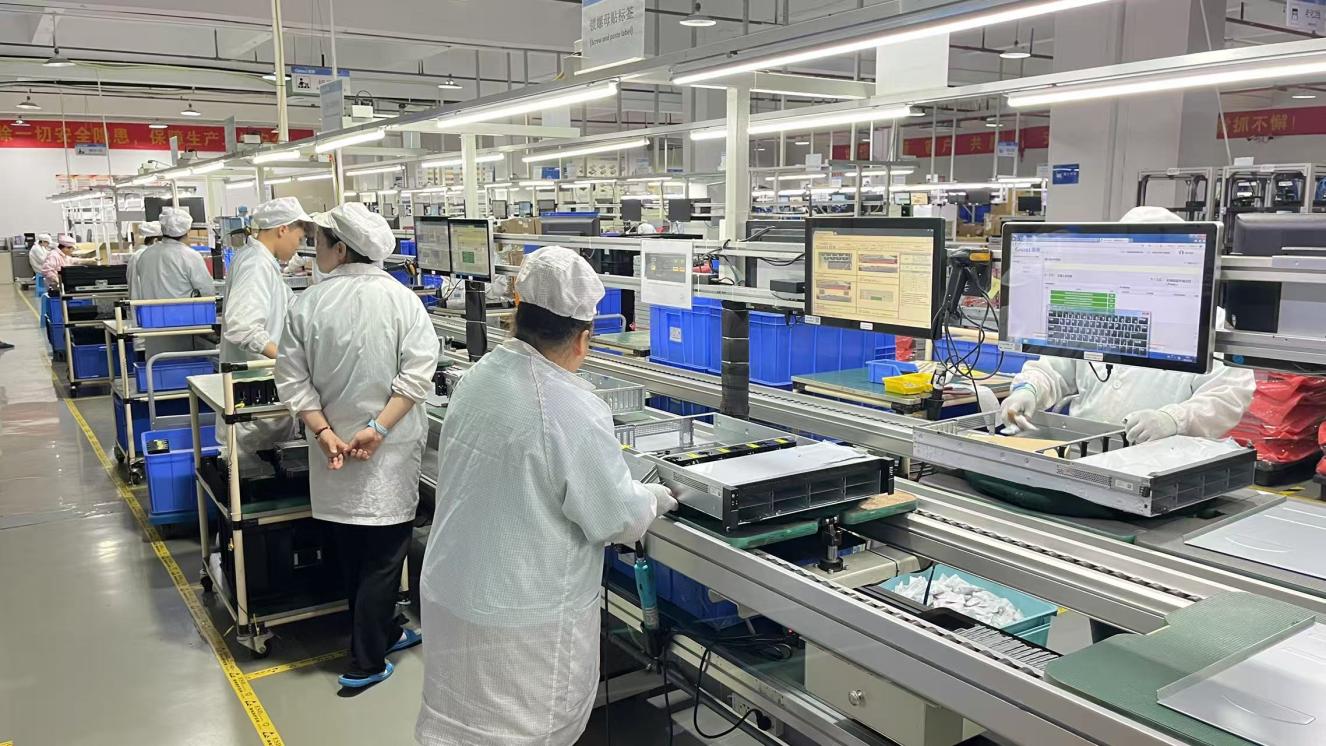
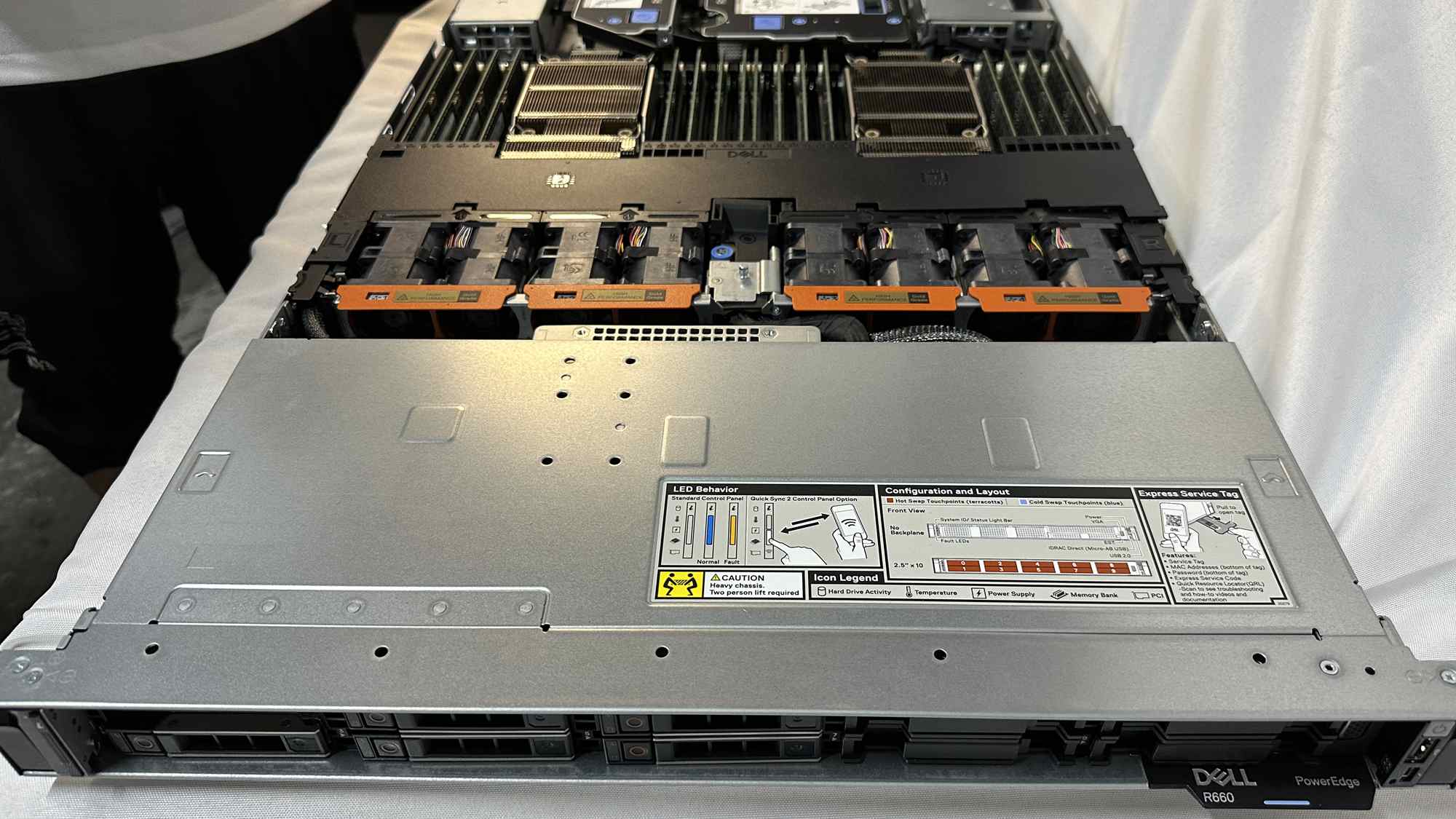
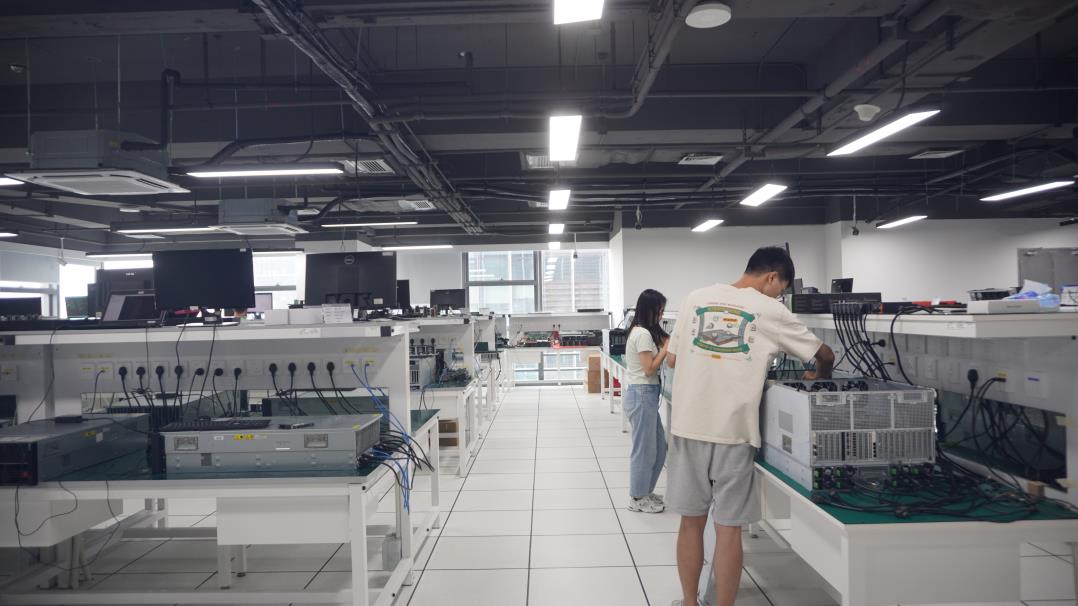
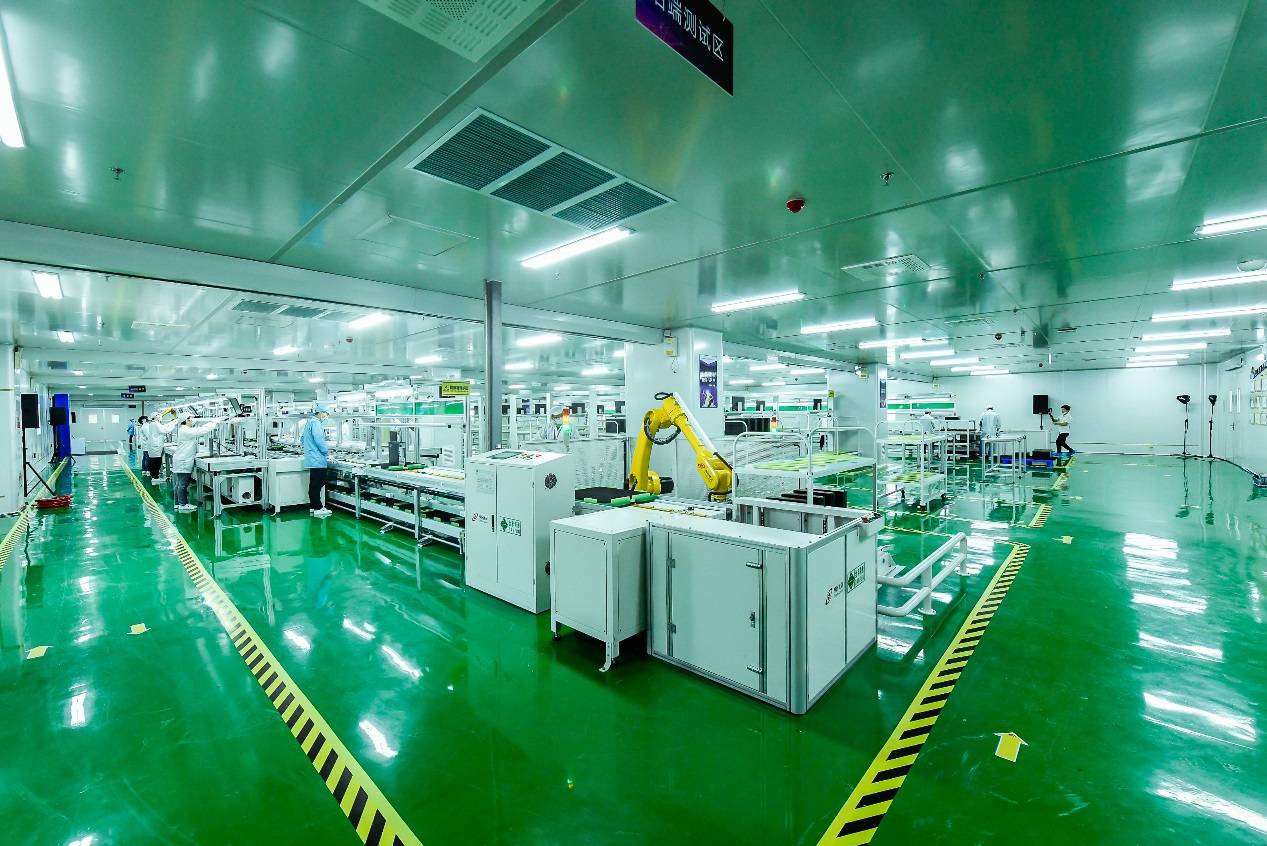
For training large language models (LLMs) and running extensive inference pipelines (such as DeepSeek R1 architectures), system memory dictates overall throughput. High-capacity RDIMMs feed active data matrices directly to GPU video memory caches, preventing systemic data starvation bottlenecks during parallelized compute operations.
Cloud service providers require heavy concentrations of memory channels to host multiple virtual machine (VM) nodes per server blade. Utilizing low-voltage enterprise RAM optimizes performance-per-watt metrics, which directly impacts the Total Cost of Ownership (TCO) in hyperscale facilities.
Financial clusters leverage custom-tuned memory profiles to decrease CAS Latency. Minimizing nanosecond-level processing lag through high-speed DRAM overclocking ensures transactional execution accuracy and real-time ledger updates.
Quality assurance is the core pillar of enterprise component manufacturing. TensorNova maintains a rigid verification matrix to secure absolute stability for exported server units and custom memory configurations.
Each production batch undergoes multi-phase stress tests managed by our 45 specialized quality control personnel. This guarantees that modules delivered under OEM/ODM agreements comply with strict JEDEC standards and function continuously in mission-critical operations:
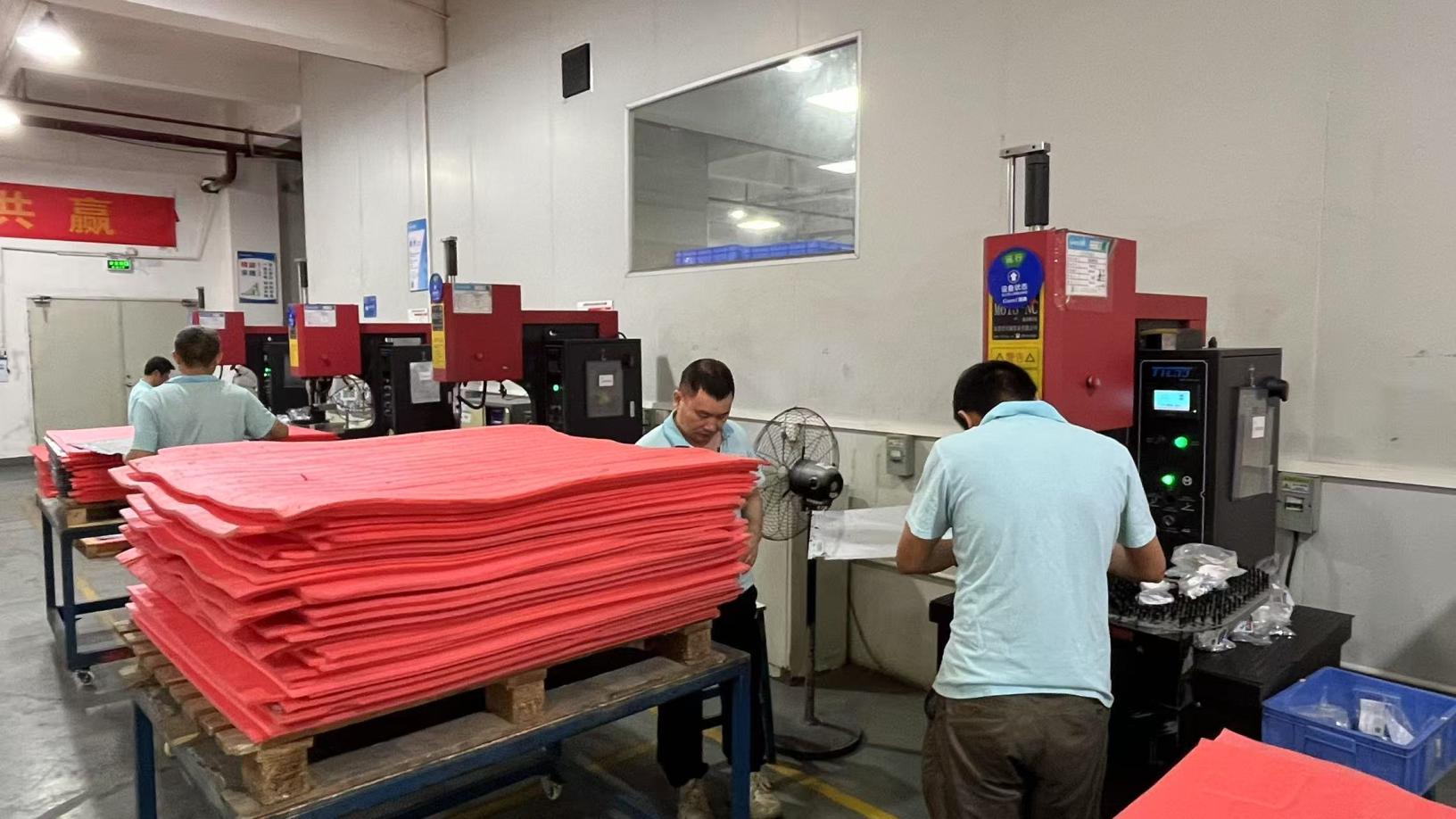
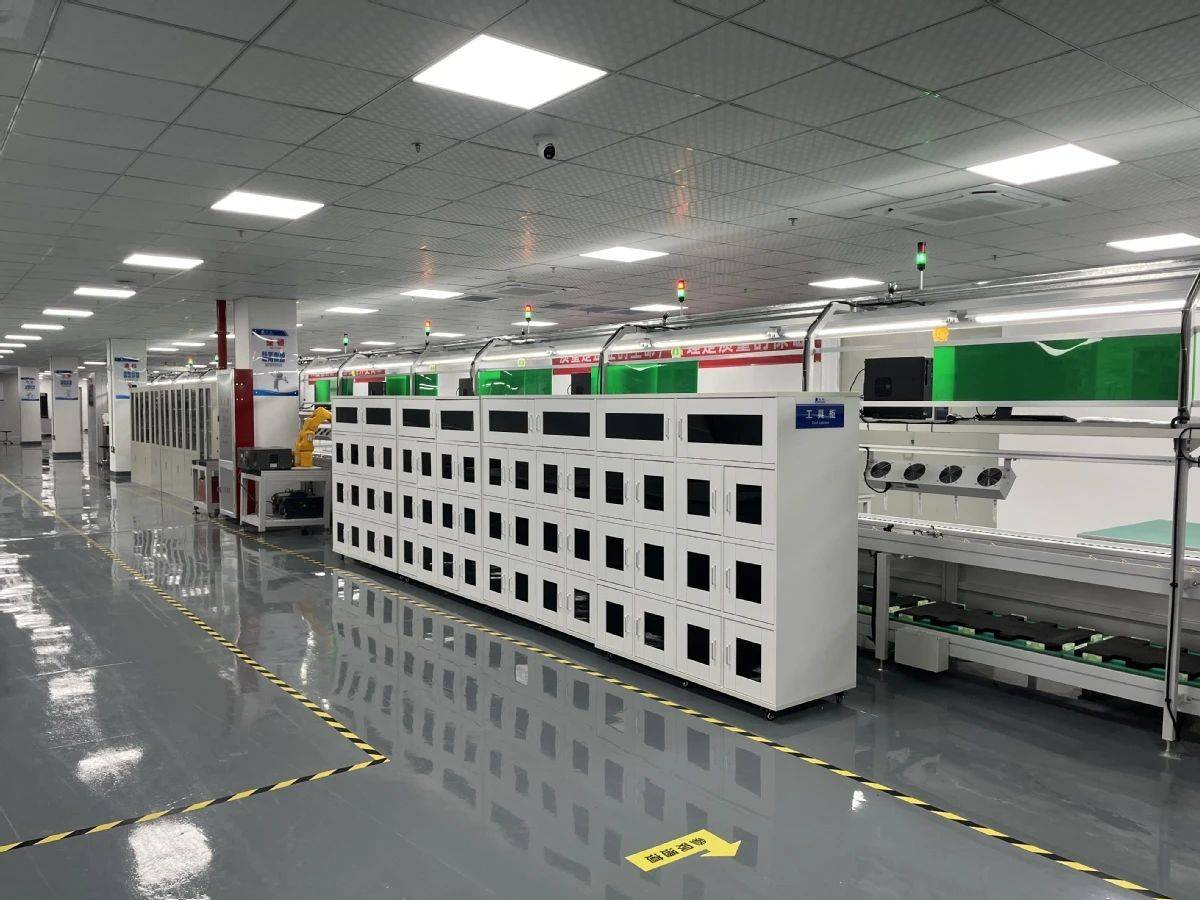
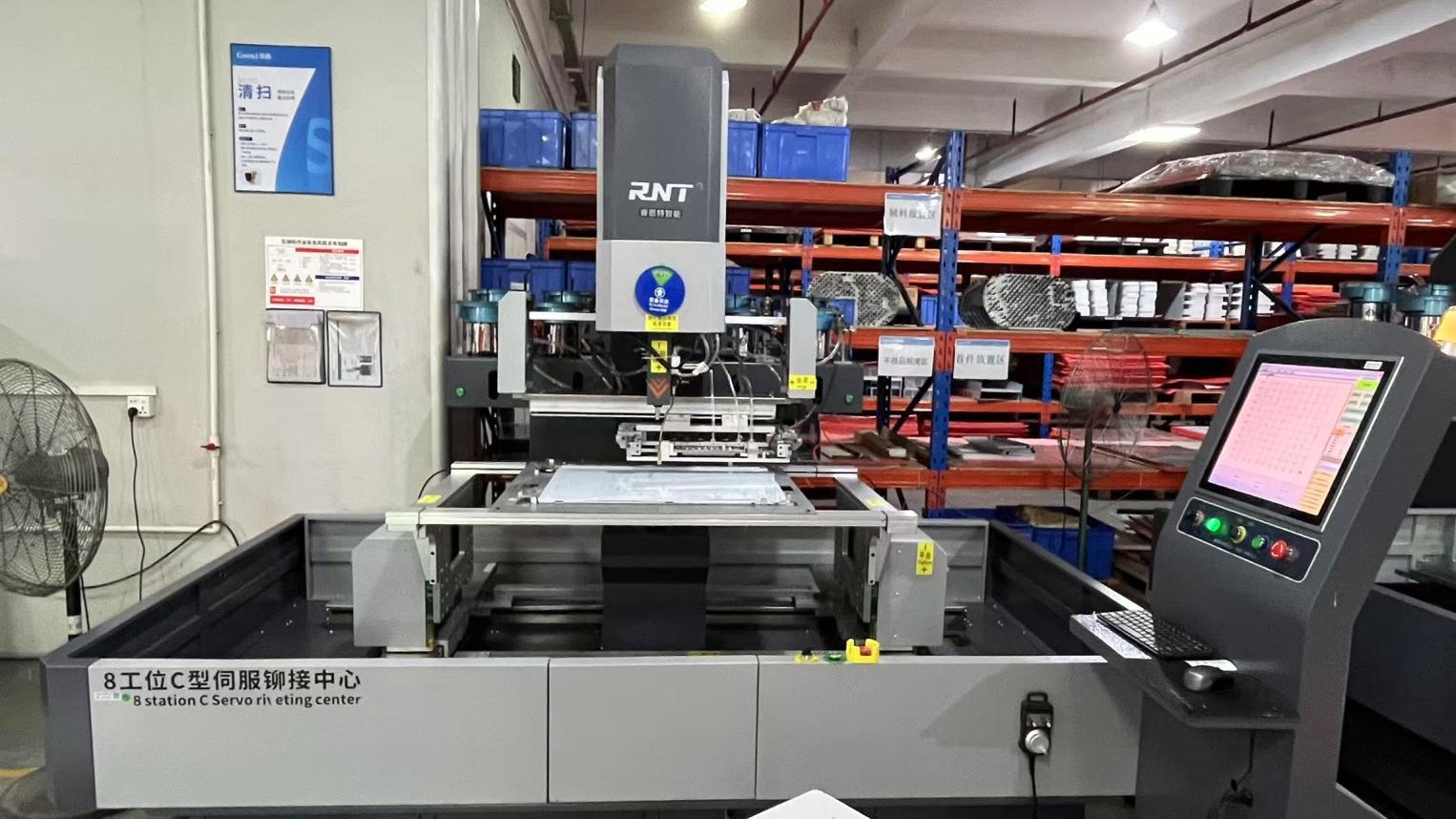
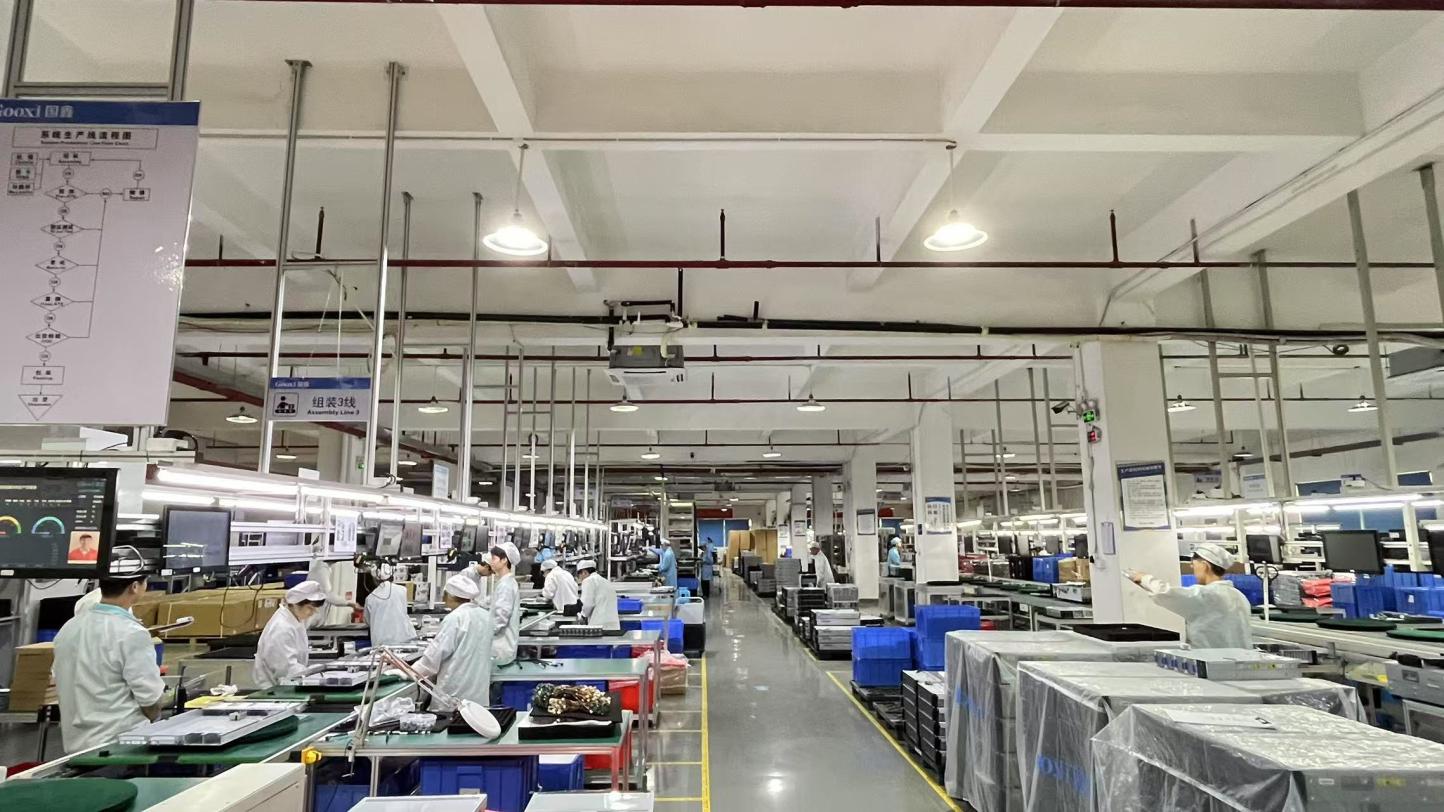
Select components and high-capacity network hardware designed to build and scale your datacenter capabilities.
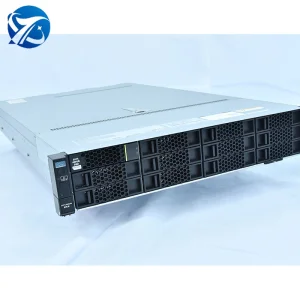
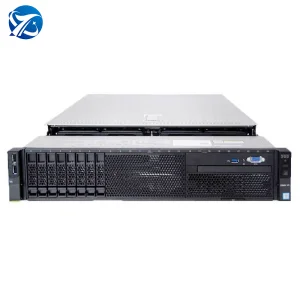
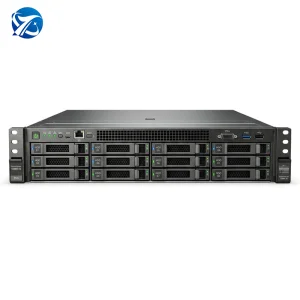
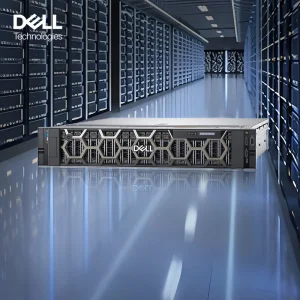
Strategic purchasing of computer components and hardware configurations requires a balance between customization capabilities, unit prices, and strict compliance structures. TensorNova coordinates dynamic resources to address these complex global trade needs.
We provide full hardware customization support, enabling clients to align their infrastructure with precise compute demands. This includes custom memory profiles, dynamic chassis construction, and workload adjustments:
TensorNova facilitates international trade transactions through our established logistics networks. Serving clients in the United States, Germany, Singapore, and the United Arab Emirates, we ensure compliance with international environmental standards, import laws, and shipping protocols.
Deep dive technical answers to assist enterprise procurement managers and hardware design engineers.
We source original wafers and packaged DRAM dies directly from global industry leaders, including Samsung, SK Hynix, and Micron. Every component batch is tracked via batch-code matching, guaranteeing that OEM shipments contain uniform memory chips, preventing performance degradation caused by mixing silicon grades.
MOQ terms depend on the level of customization. For standard DDR4 and DDR5 enterprise modules with customized SPD profiles, our typical MOQ starts at 100 units. Turnaround times average 2 to 3 weeks, depending on component availability and the validation matrix required.
We test our modules on dedicated physical server configurations using the latest Intel Xeon Scalable and AMD EPYC platforms. Our automated stress testing procedures execute continuous workloads, memory-test runs, and power cycle cycles to verify there are no signal reflections, errors, or hardware faults under full memory load conditions.
Yes. As part of our OEM/ODM capabilities, our engineers program the Serial Presence Detect (SPD) EEPROM to specify customized CAS Latency, active timings, voltage control parameters, and manufacturer information. This configuration enables seamless automatic overclocking (XMP/EXPO) or strict JEDEC compliance right out of the box.
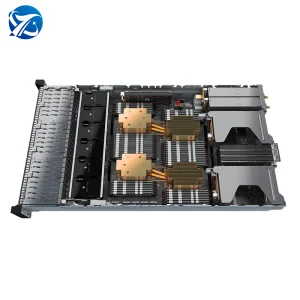
Yes. We design and integrate custom liquid-cooling blocks for our high-density GPU computing platforms. This technology effectively handles high TDP requirements, reducing dependence on standard server fans and ensuring stable operating temperatures for processors and dense RAM channels.
We offer a standard 3-year warranty on all enterprise-grade components, including server systems and RAM modules. In the event of a validation failure, we analyze the issue through our remote support team. If hardware issues are confirmed, we dispatch replacement modules or parts in expedited shipments to minimize client downtime.
Our facility is ISO9001 certified. We execute quality checks at multiple stages: Incoming Quality Control (IQC) for components, In-Process Quality Control (IPQC) during SMT assembly, and Outgoing Quality Control (OQC) comprising hardware stress testing, thermal cycling, and full system integration audits.
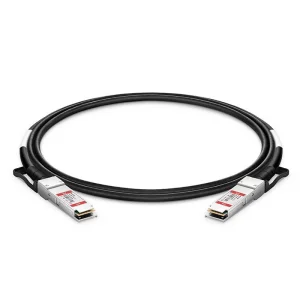
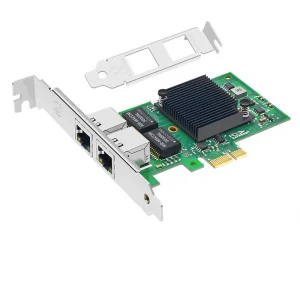
Yes. Our high-speed components, such as QSFP+ optical modules, direct-attach copper cables (DAC), and server NICs, conform strictly to IEEE standards, MSA multi-source agreements, and SFF compliance specifications, ensuring plug-and-play interoperability within modern data center environments.