TensorNova
TensorNova
TensorNova
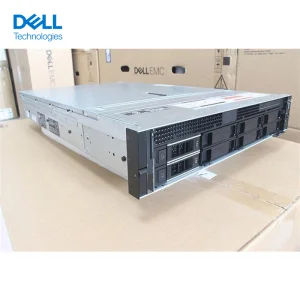
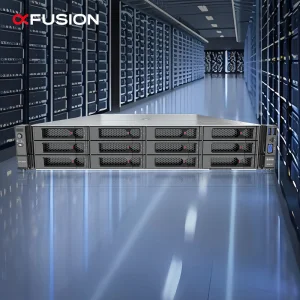
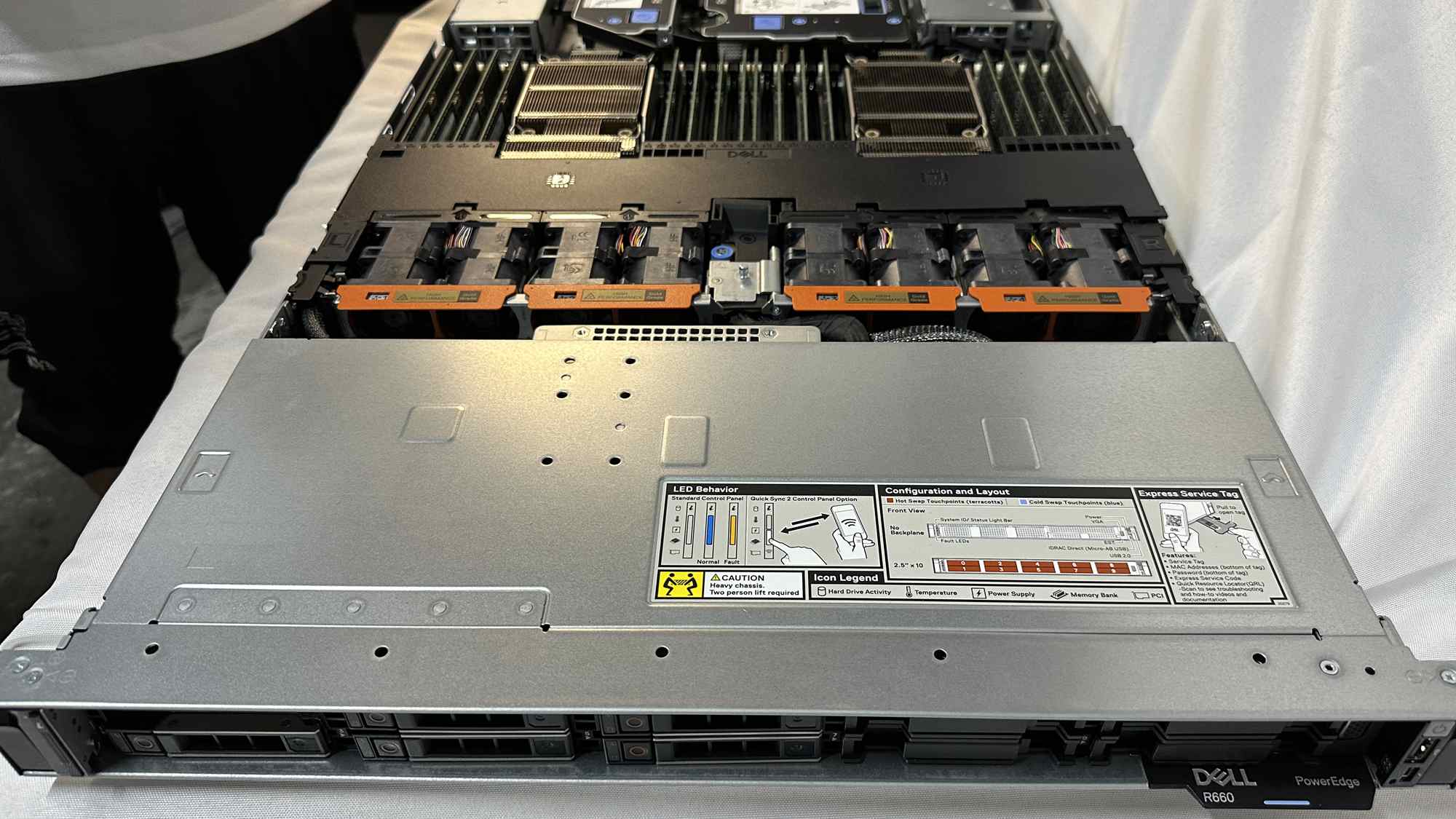
High-throughput servers, SSD configurations, and compute modules built to handle modern VPS environments and heavy enterprise workloads.
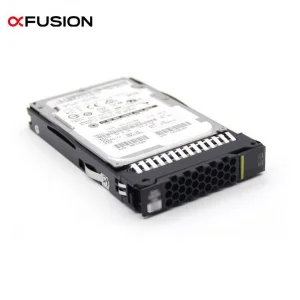
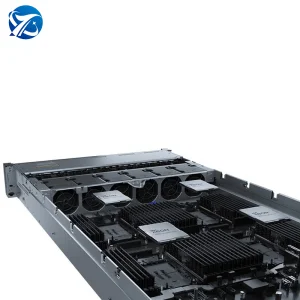
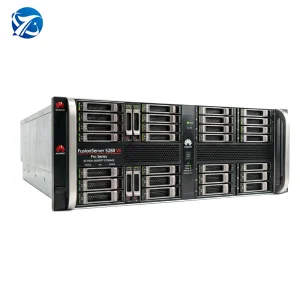

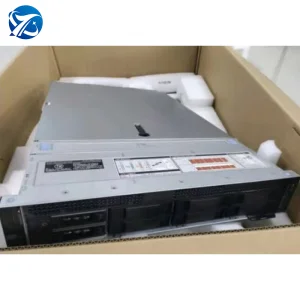
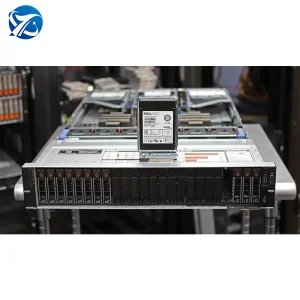
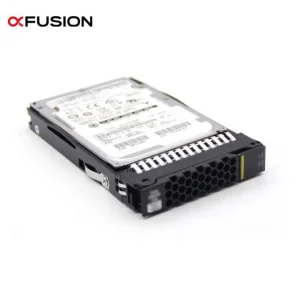
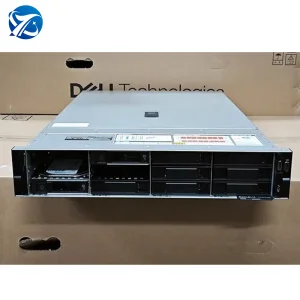
The global demand for cloud hosting has evolved past standardized configurations. Traditional Virtual Private Server (VPS) architectures face critical limitations due to rigid hardware constraints, changing virtualization protocols, and the rise of hyper-complex AI models (such as DeepSeek). Virtualization providers are actively seeking tailored OEM (Original Equipment Manufacturer) hardware solutions that optimize input/output operations per second (IOPS), expand thermal control, and maximize computational density per rack unit (U).
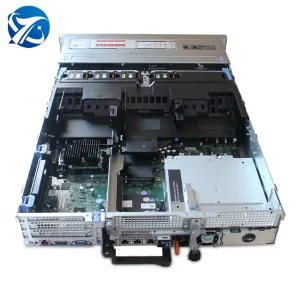
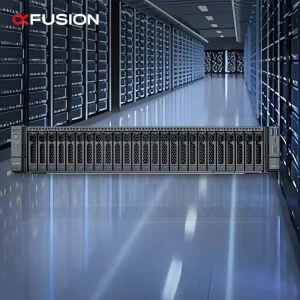
As a premier Custom OEM Virtual Private Server hardware exporter, TensorNova specializes in designing and manufacturing high-density servers specifically built for virtualization hypervisors (KVM, VMware ESXi, Proxmox, Hyper-V). By offering fine-grained customizations at the hardware, BIOS, and chassis levels, we enable global VPS providers to construct tailored cloud infrastructures that reduce total cost of ownership (TCO) while delivering predictable, high-performance environments for end-users.
"The future of VPS hosting lies in virtualization-aware hardware. Standard servers suffer from performance bottlenecks when handling multiple dense VM allocations, whereas custom OEM nodes are specifically engineered for containerization and virtual environment isolation."
Founded in China, TensorNova has evolved from a local server assembler to a trusted global manufacturer, specializing in high-performance AI GPU systems, storage arrays, and virtualization infrastructure.
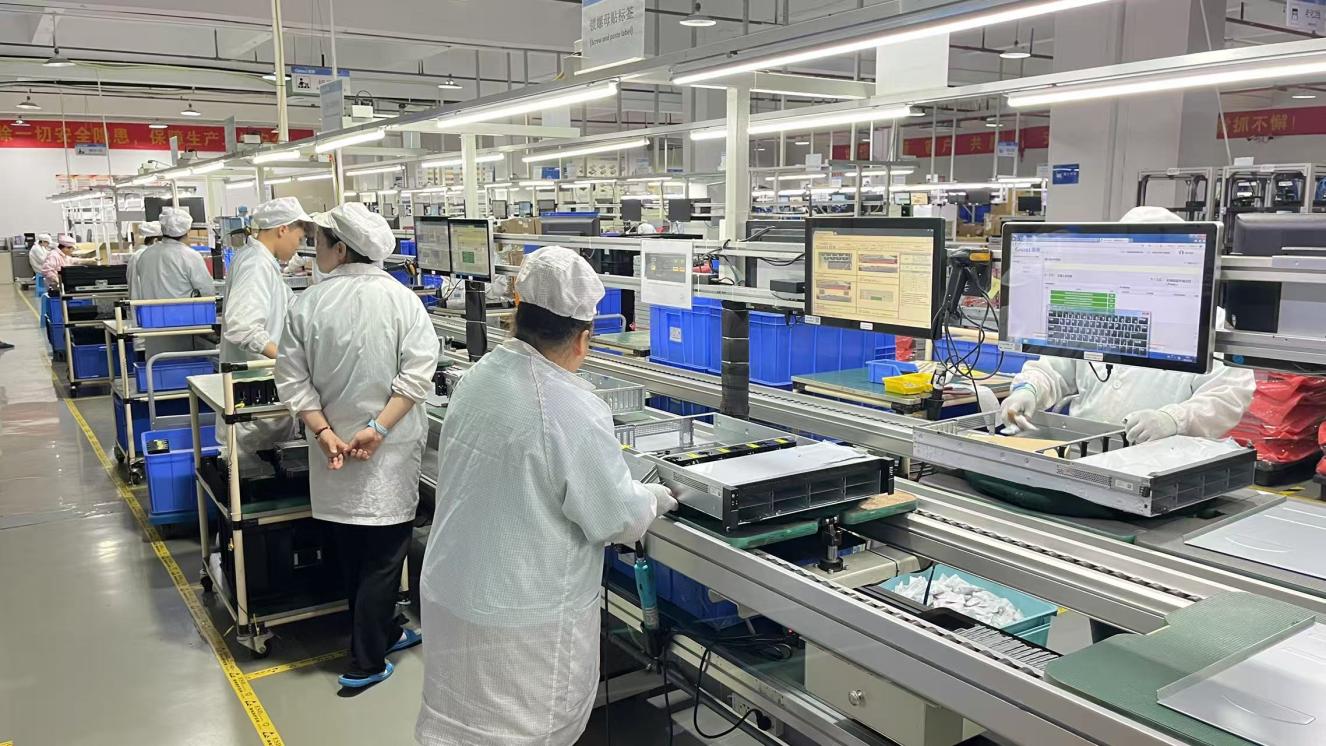
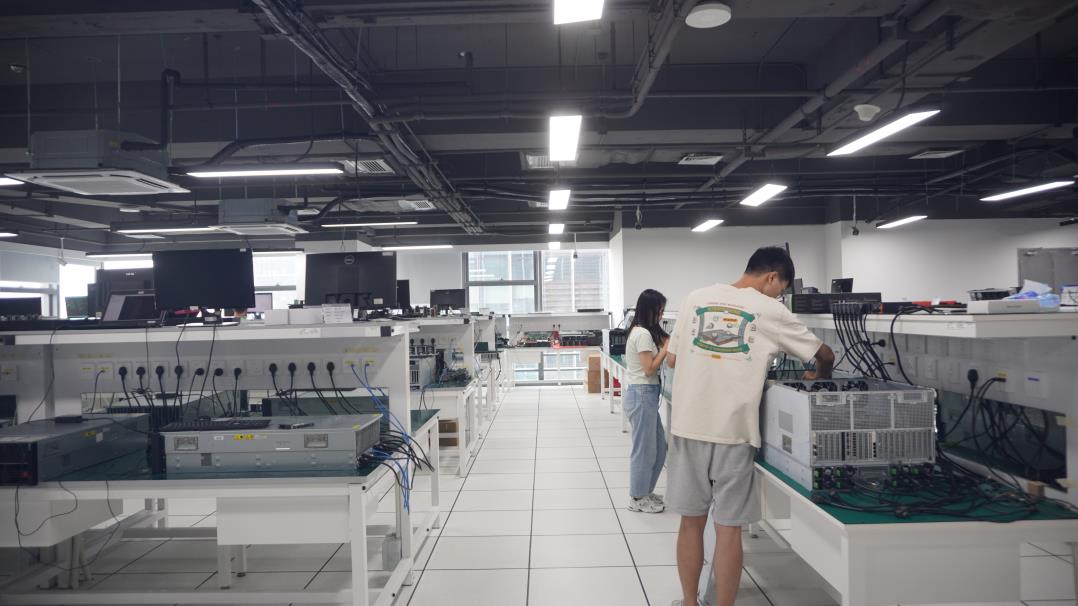
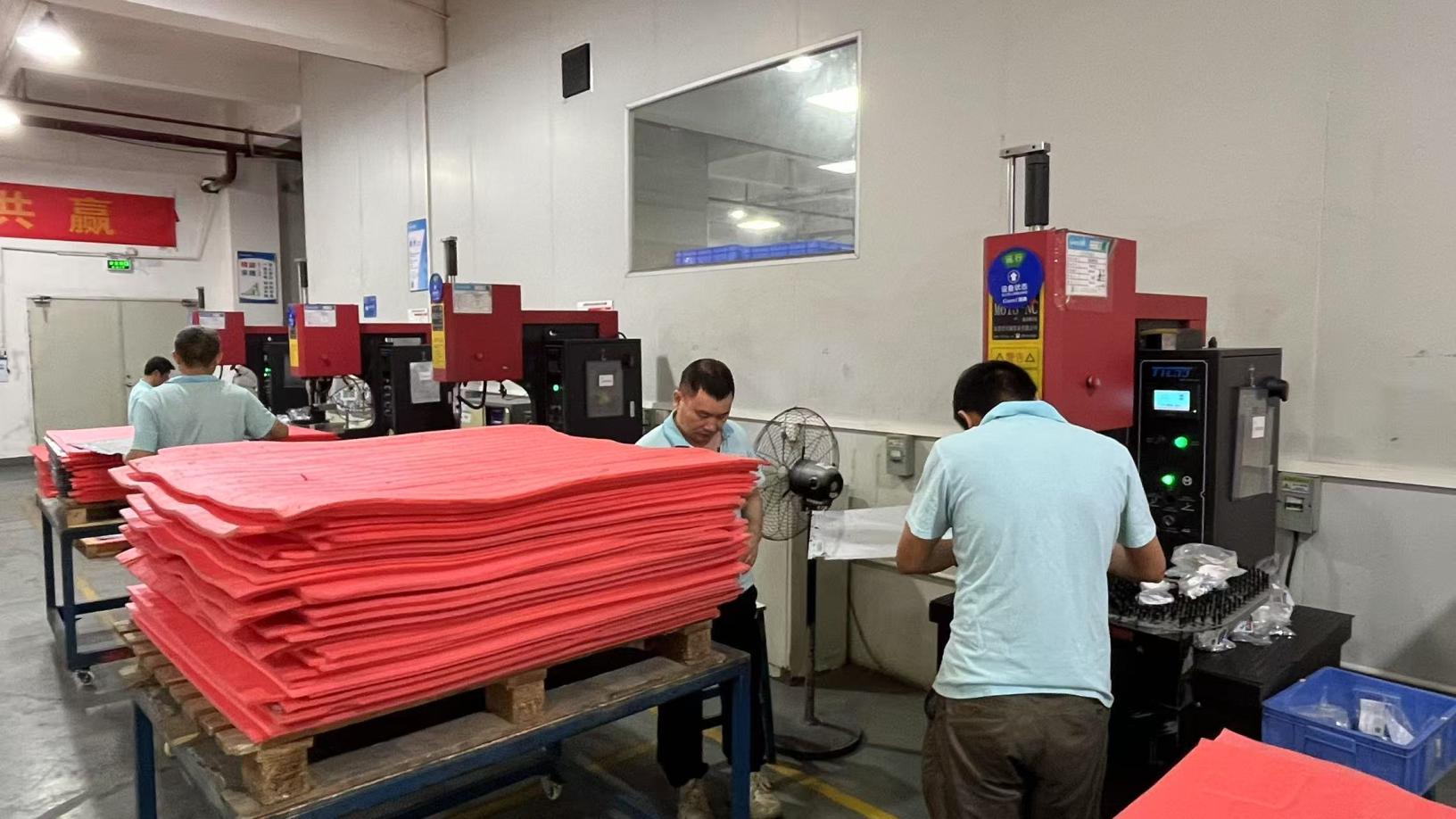
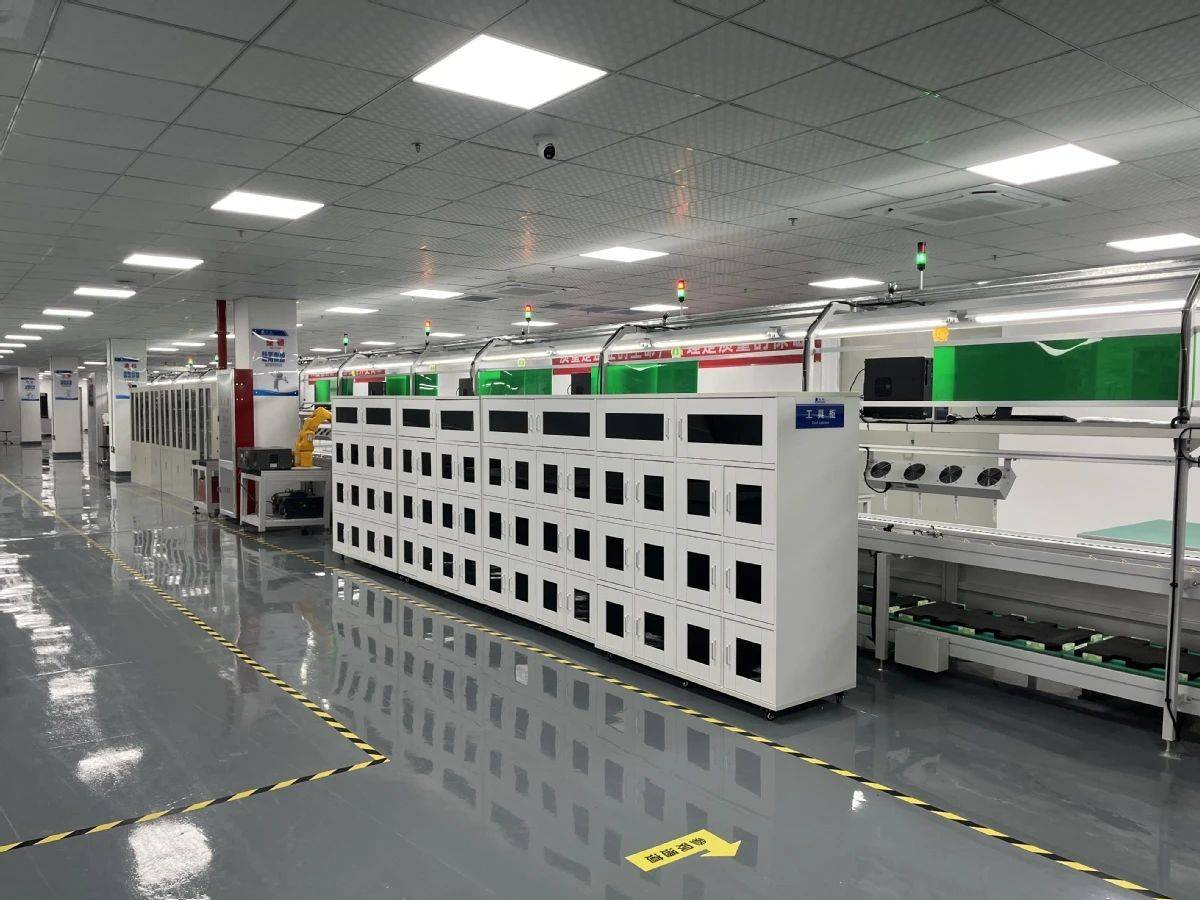
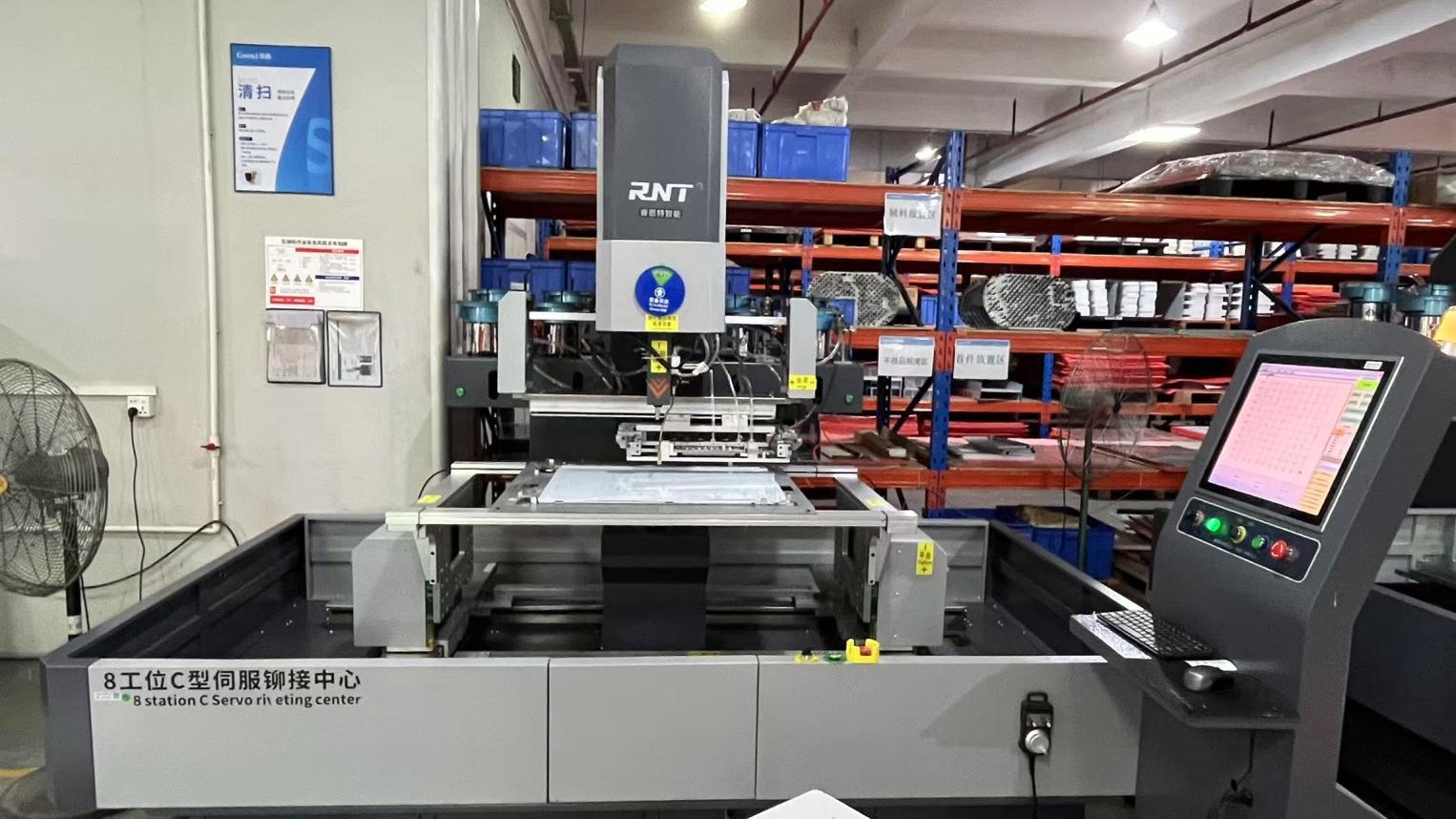
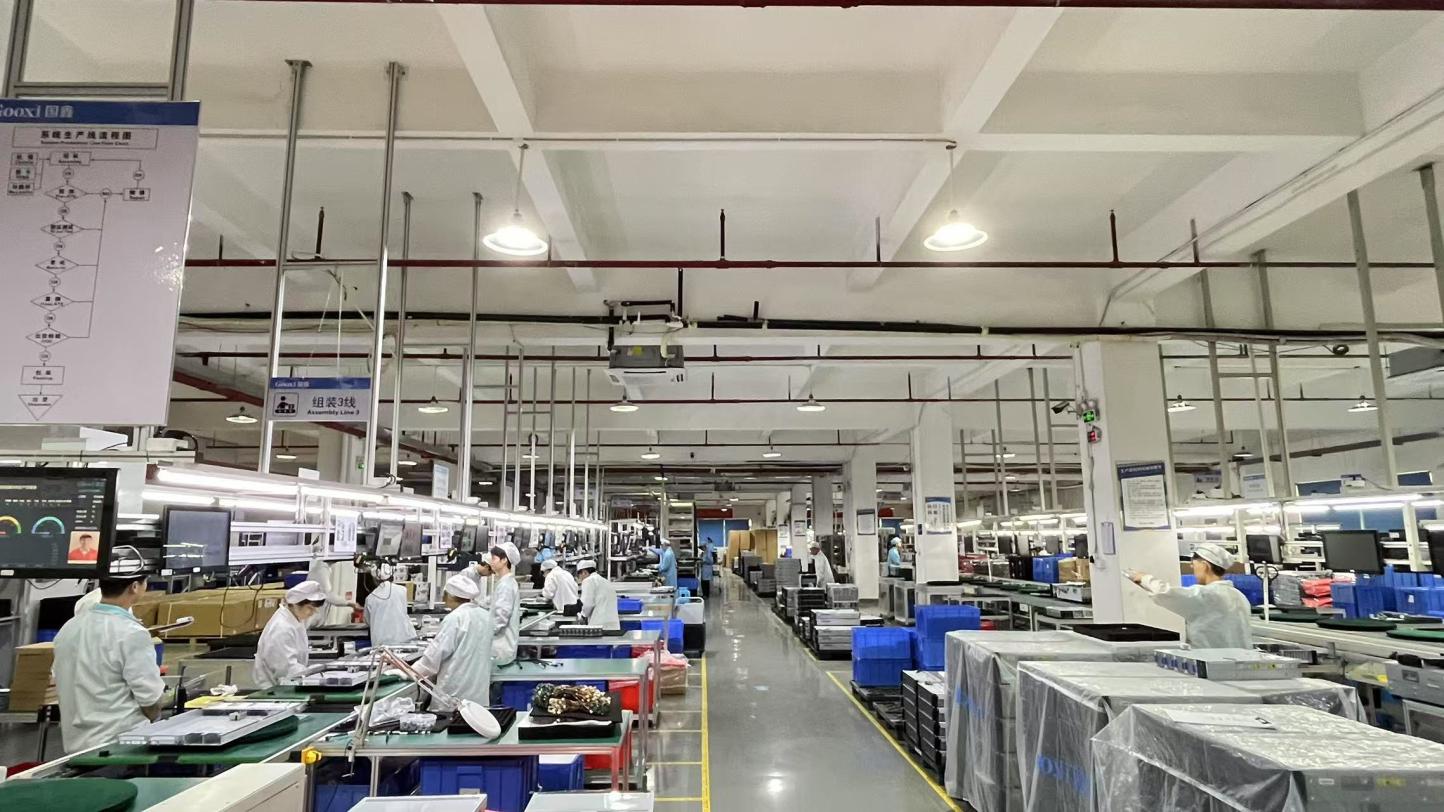
TensorNova operates a specialized production facility spanning approximately 320㎡, optimized for hardware assembly, testing, and component staging. To maintain strict hardware reliability under virtualization workloads, we operate under a comprehensive ISO9001-based quality management system.
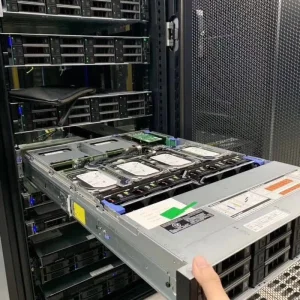
Every custom server node undergoes rigorous stress testing before export, overseen by our dedicated team of 45 quality control personnel. This process includes automated hardware stress tests, thermal load simulations, high-temperature burn-in trials, and virtual machine virtualization environment stress testing. With 12 years of industry experience and 6 years of export operations, we ship reliable enterprise compute systems to critical markets across North America, Europe, Southeast Asia, and the Middle East, with primary hubs in the United States, Germany, Singapore, and the United Arab Emirates.
Our product lifecycle management is highly agile; in the past year alone, we successfully designed, tested, and shipped over 320+ new products. This range includes dense GPU compute arrays, edge virtualization boxes, and ultra-dense storage host nodes.
Modern virtualization environments have shifted away from over-provisioning toward precise hardware alignment. To remain profitable, VPS hosting providers require high physical-to-virtual consolidation ratios. The CPU core count, memory bus speed, and storage latency directly dictate how many virtual containers a physical server can host without experiencing "noisy neighbor" resource degradation.
With the release of Intel Xeon Scalable Processors (Sapphire Rapids/Emerald Rapids) and AMD EPYC architectures, PCIe Gen 5 has become the standard interface for modern datacenters. It offers double the bandwidth of PCIe Gen 4, enabling lightning-fast NVMe storage interfaces and high-speed network expansion cards. For VPS environments, DDR5 memory with ECC (Error-Correcting Code) operating at 4800MHz to 6400MHz ensures fast data retrieval, reducing host latency and preventing memory faults that could compromise host integrity.
The rise of Large Language Models (LLMs) like DeepSeek, LLaMA, and stable diffusion models has created a high-demand market for GPU-enabled VPS hosting. Instead of renting full GPU bare-metal servers, developers prefer GPU-based virtual machines for testing and running workloads. OEM manufacturers must design servers that balance multiple double-width GPUs with standard CPU modules, ensuring clean power delivery and robust heat dissipation.
"Integrating AI accelerators within a virtualized platform requires hardware-enforced virtual GPU (vGPU) capabilities. Custom OEM configurations ensure that GPU resources are cleanly sliced and distributed across VMs without processing overhead."
Enterprise buyers, datacenters, and web hosting providers face complex integration requirements. Off-the-shelf standard servers often contain unnecessary components that increase acquisition costs, or they lack the customized PCIe configurations required for specialized network and storage topologies. TensorNova solves this mismatch through comprehensive OEM services.
Building custom hardware is only half the battle; delivering it to international datacenters requires deep regulatory and logistical expertise. TensorNova maintains compliance with key international standards, including CE, FCC, RoHS, and local certifications required for entry into North America, the European Union, and the GCC countries. Our close partnerships with top-tier carriers guarantee secure air and sea freight delivery, complete with customs clearance management to ensure your hardware arrives on time and ready for installation.
A timeline of our ongoing developments in virtualization hardware optimization, liquid cooling integration, and next-generation CPU platform support.
Integration of high-speed PCIe Gen 5 interconnects optimized for large-scale VM deployments utilizing local AI models.
Direct-to-chip liquid cooling options on all 2U and 4U configurations to meet rising PUE limits in global datacenters.
Adopting CXL (Compute Express Link) 3.0 technology to pool memory resources dynamically across server clusters.
Take a look inside our high-tech assembly lines, burn-in testing zones, and quality assurance processes.

Find technical insights regarding custom OEM virtualization hardware configurations, order processes, and export shipping standards.
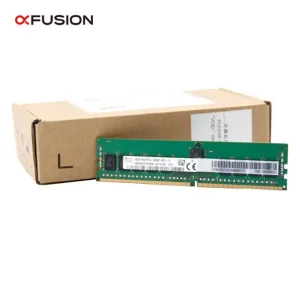
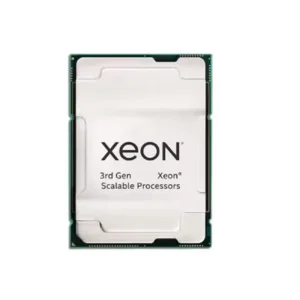
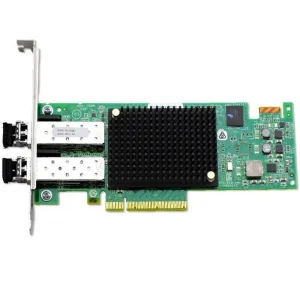
Complete your virtualization setups with enterprise DDR5 memory, Xeon processors, HBA network cards, and expansion arrays.