TensorNova
TensorNova
TensorNova
High-Density AI Computing Infrastructure, Scalable Liquid-Cooled Server Topologies, and Precision OEM Engineering for Deep Learning Clusters & LLM Inference.
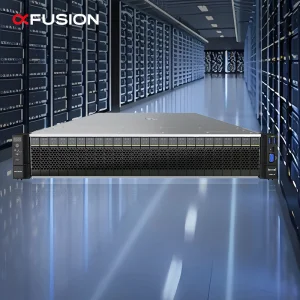
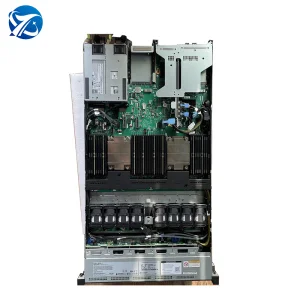
Explore our foundational range of customizable rackmount systems, multi-socket workstations, and high-performance server architectures configured to accelerate next-generation enterprise workloads.
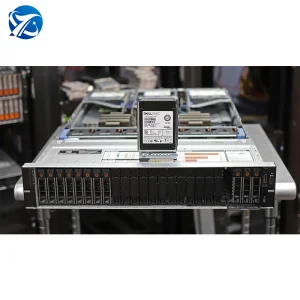
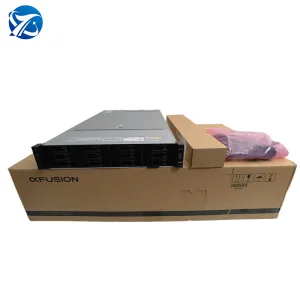
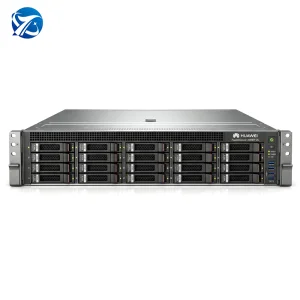
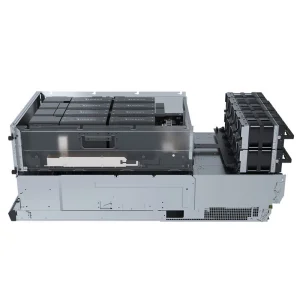
Modern workloads like generative AI models, LLM pre-training, complex mathematical modeling, and real-time inference demands have outpaced the physical and structural configurations of standard server hardware. Off-the-shelf configurations lack the targeted power distribution architectures, cooling efficiencies, and PCIe topology optimization needed to eliminate system bottlenecks.
Custom OEM/ODM GPU Accelerator manufacturing bridges this gap by offering bespoke physical layouts, tuned motherboard firmware, and high-integrity power rails capable of feeding multi-thousand-watt computing clusters. By tailoring server chassis design, liquid loops, and network fabric alignment to specific workloads, enterprises maximize computing density per rack unit, bringing immediate operational efficiency gains (PUE) to their data centers.

From initial topological drafting to automated hardware stress validation, TensorNova operates a highly specialized infrastructure network that delivers high-performance compute directly to cloud architects and data centers worldwide.
TensorNova’s central engineering, assembly, and micro-validation operations are conducted within our specialized 320㎡ facilities. Here, precision components, custom-machined chassis, and specialized cooling manifolds are prototyped, measured, and configured under strict quality control.
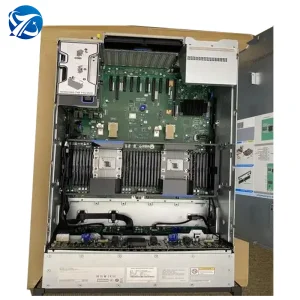
We supply modular and unified customization pathways. From designing custom sheet-metal rack enclosures and optimized direct-to-chip (D2C) liquid cooling blocks, to motherboard firmware adjusting (such as tailoring UEFI parameters for PCIe slot distribution), we deliver hardware matched exactly to code requirements.
With 6 years of direct export experience and an annual export volume reaching $8.5 million, TensorNova supports Tier-1 cloud service providers and research laboratories across the US, Germany, Singapore, UAE, and throughout North America, Europe, Southeast Asia, and the Middle East.
Developing enterprise hardware demands access to a broad and responsive industrial network. TensorNova leverages its location in China’s technology clusters to accelerate prototyping and lower production friction. With direct access to high-precision PCB fabrication houses, specialized thermal testing laboratories, and custom metal forging facilities, we significantly shorten R&D cycles.
Our ecosystem includes more than 1,200 verified raw material and component suppliers, along with strategic silicon partners. This deep integration allows us to secure reliable lead times and control component variations. We maintain high build consistency, offering high quality at an optimized cost-to-performance ratio.
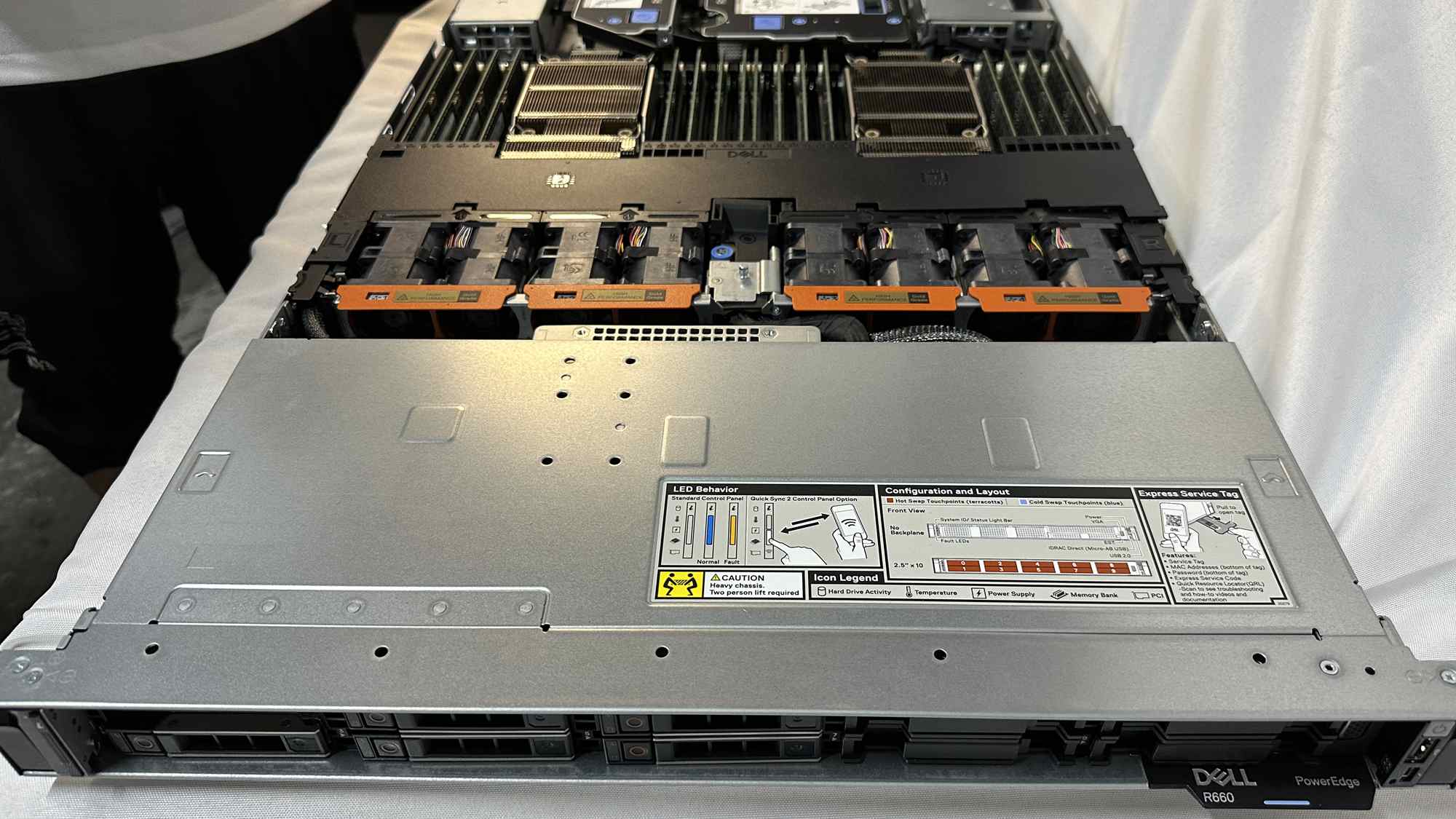
Exporting high-density server hardware requires deep compliance integration, robust international standards validation, and strict supply-chain security measures.
TensorNova regularly audits its distribution pipelines and component sourcing networks to verify compliance with international customs regulations. We offer detailed trace documentation to facilitate customs clearances in key global markets, including North America, Europe, and the APAC region.
Our custom hardware configurations are built to pass standard regional compliance reviews, including CE, FCC, RoHS, and UL certification where applicable. Every server node is engineered to satisfy environmental and electric-safety rules required by modern multi-tenant colocation centers.
We prioritize supply chain security. This includes hardware-level validation, secure firmware flashing, and verification of trusted platform modules (TPM). Our security-oriented approach protects platforms from physical vulnerabilities before they are integrated into customer networks.
Quality assurance is verified by 45 dedicated quality control professionals who oversee our ISO9001-based quality management systems. Our hardware validation protocols include:
The rapid rise of AI workloads is changing how hardware architectures are built. We design our platforms with tomorrow's data center standards in mind.
Traditional air cooling is reaching its physical limits as GPU thermal design power (TDP) moves past 700W. Modern deployments are shifting toward direct-to-chip liquid loops and CDU systems. We design our server manifolds to handle fluid heat exchange, keeping hardware running at optimal temperatures.
Deep learning models require rapid data movement between host CPUs, memory pools, and accelerator cards. Supporting PCIe Gen 5 and Gen 6 interfaces, alongside Compute Express Link (CXL) topologies, provides low latency and high bandwidth for large-scale training clusters.
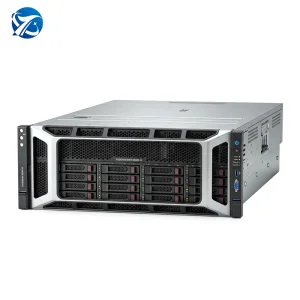
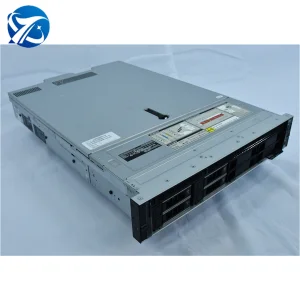
Data centers want to maximize compute density per square foot. Implementing space-optimized 2U/4U multi-GPU architectures allows hosting providers to deploy massive virtualized resources. This design provides high throughput without requiring excessive rack space.
From university research laboratories to public cloud clusters, customized GPU systems are optimized to power specialized compute applications.
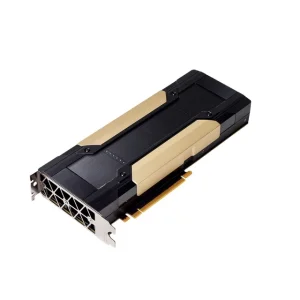
Configured with high-speed inter-GPU NVLink bridges or PCIe fabric, these systems accelerate LLM development. They allow research teams to run models like DeepSeek, Llama, and custom transformer architectures without memory division bottlenecks.
These servers are designed for remote deployment and operate reliably in warm edge conditions. They process dozens of 4K video feeds in real time, analyzing spatial patterns for municipal traffic systems and safety infrastructure.
For cloud providers offering AI-as-a-service, our hardware supports partitioning into distinct virtual instances (MIG). This enables cost-effective delivery of computing power to multiple API clients simultaneously.
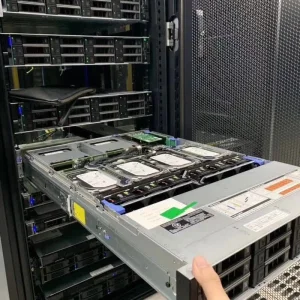
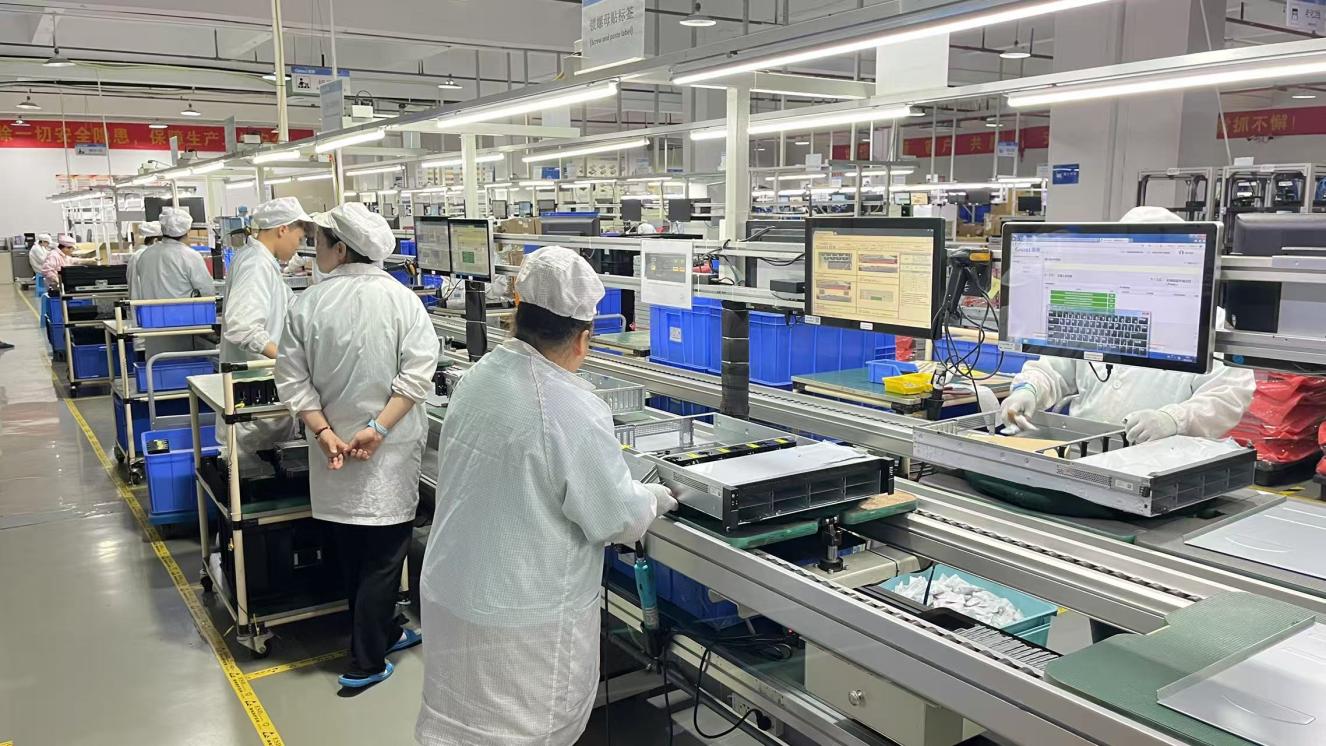
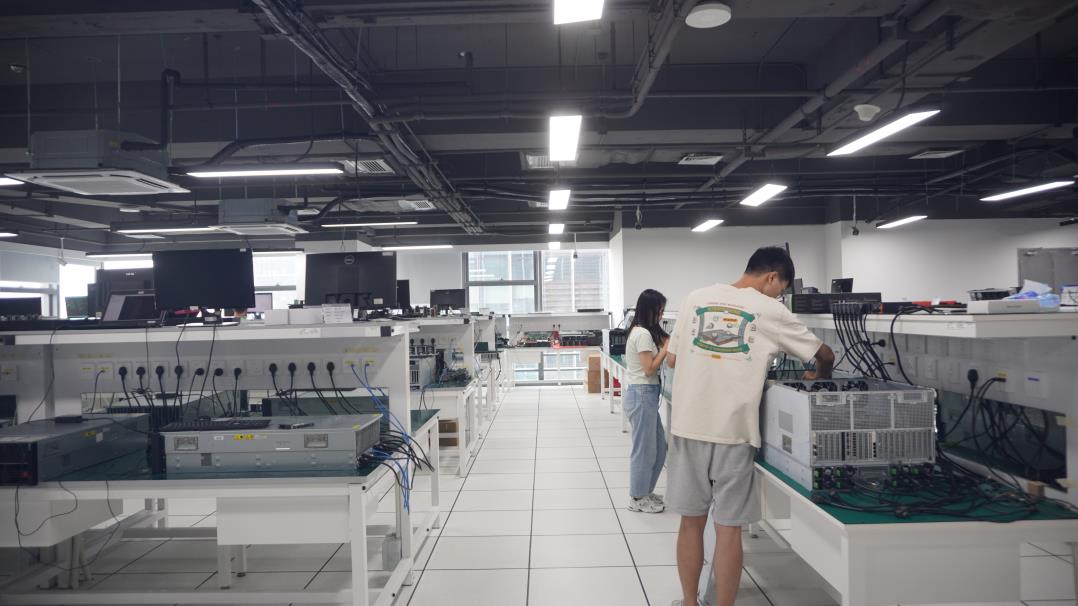
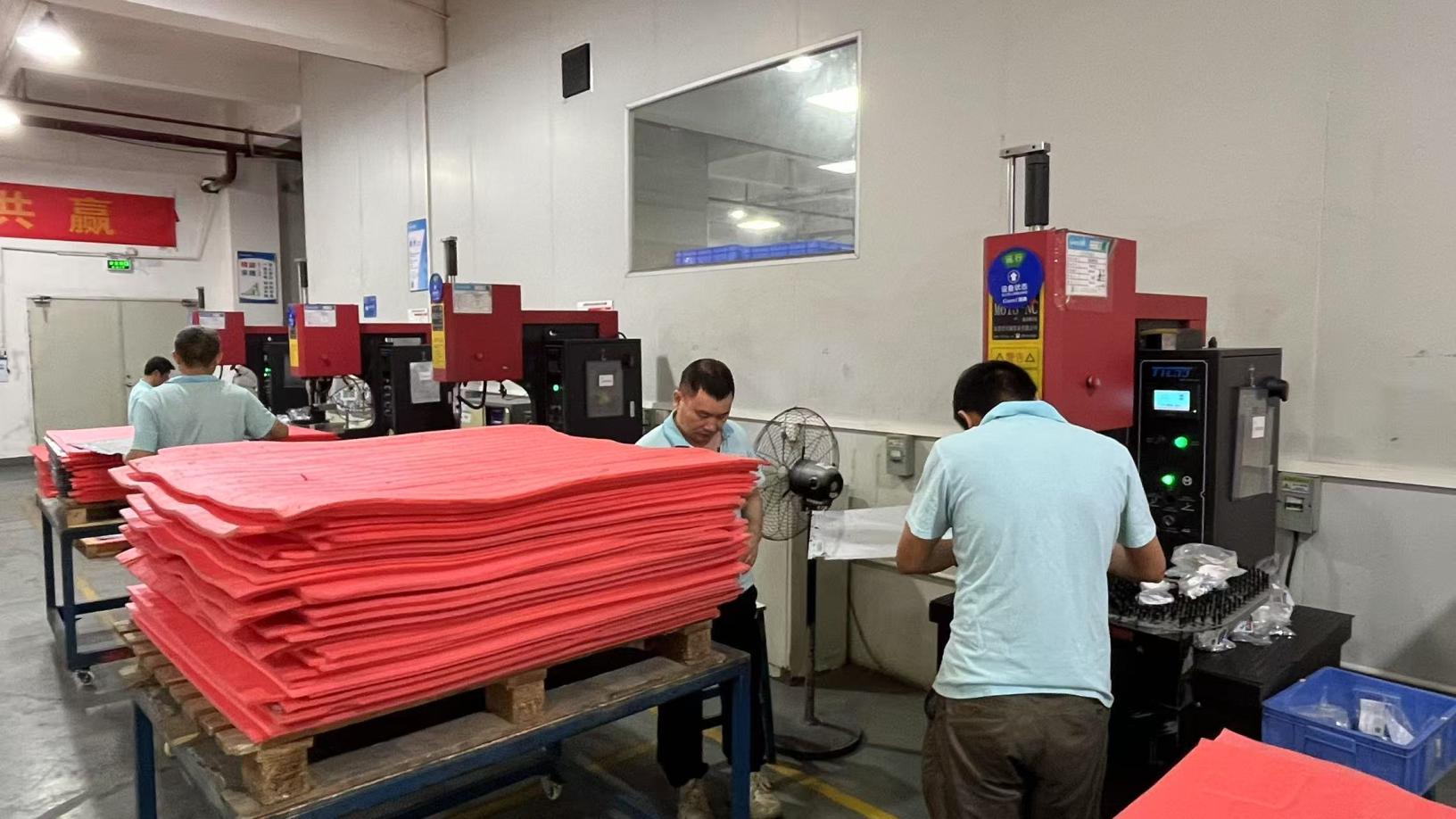
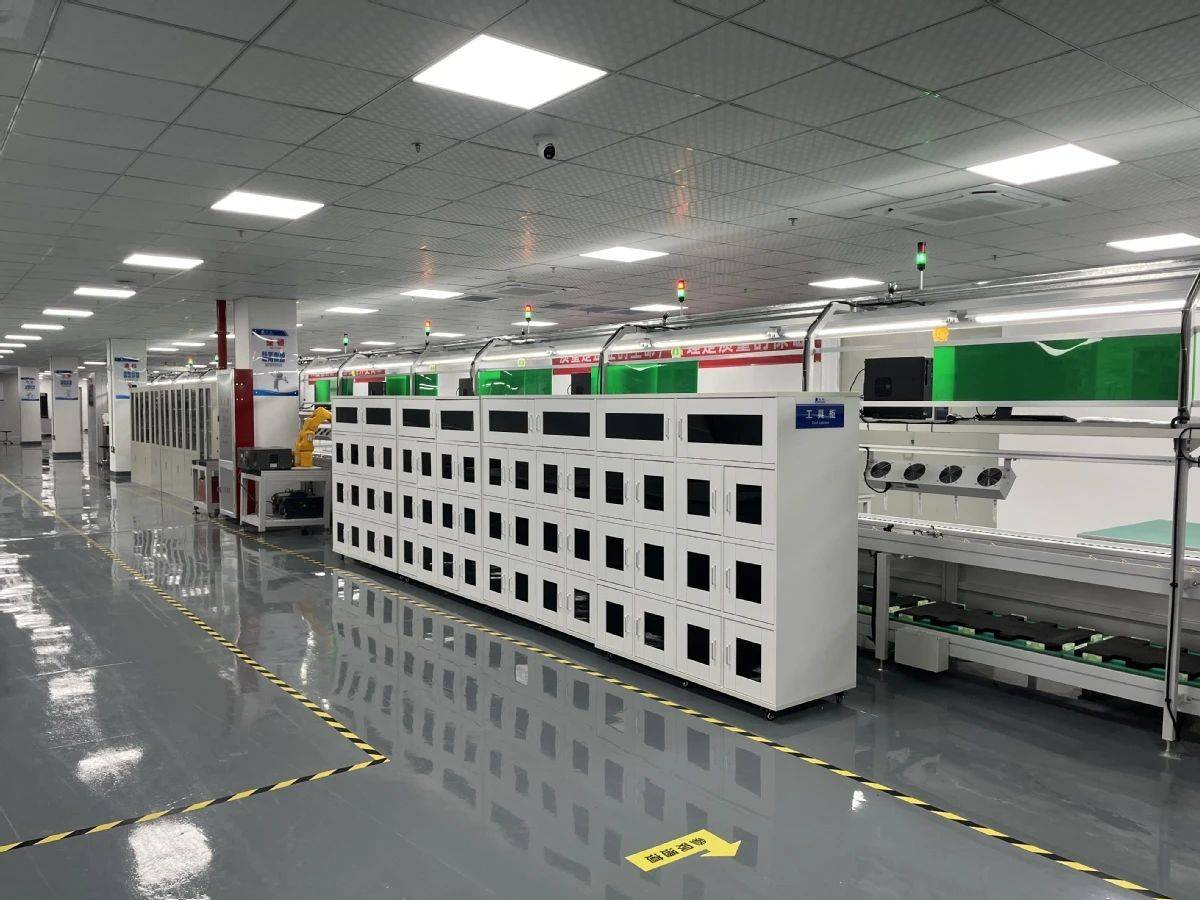
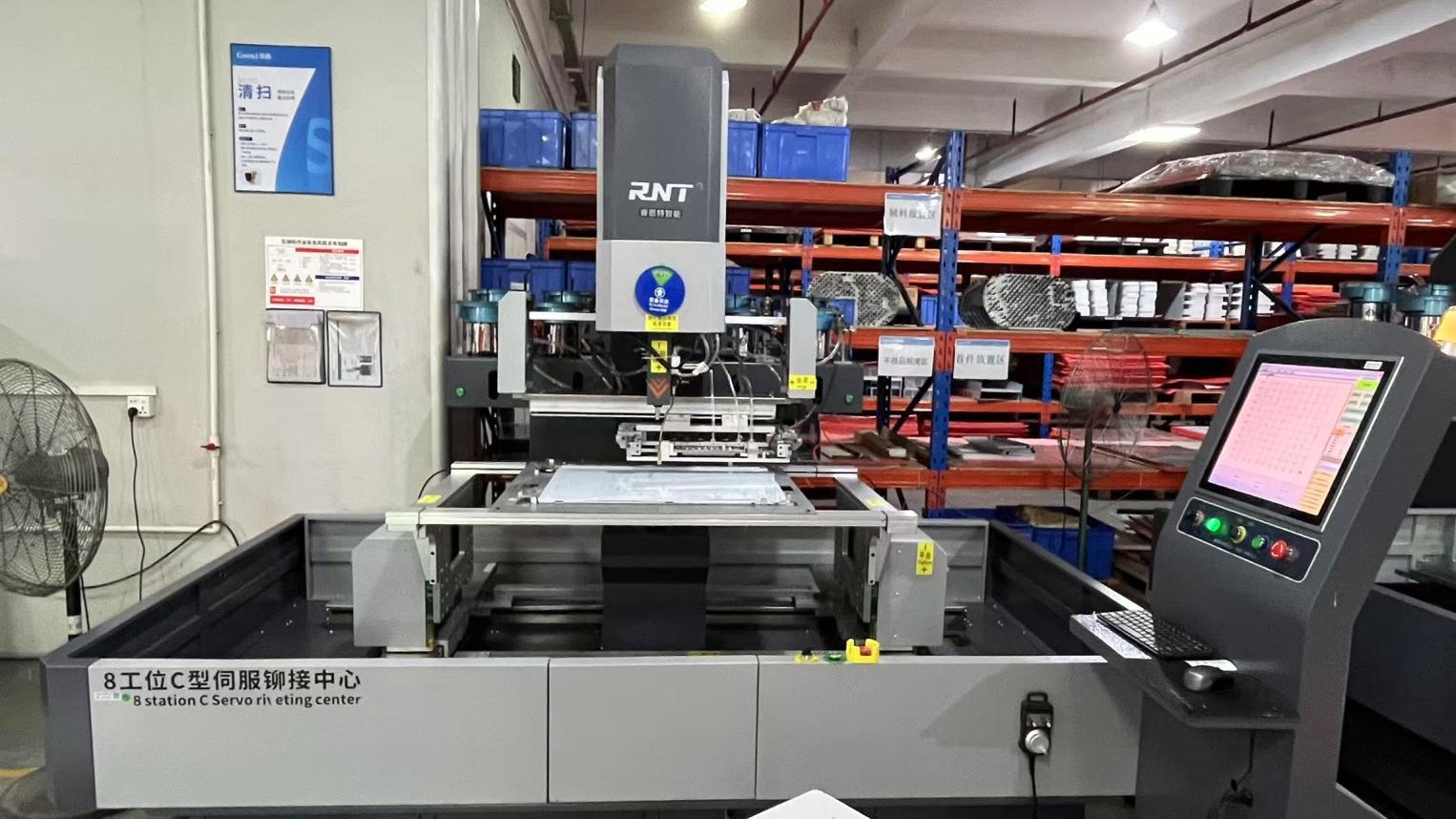
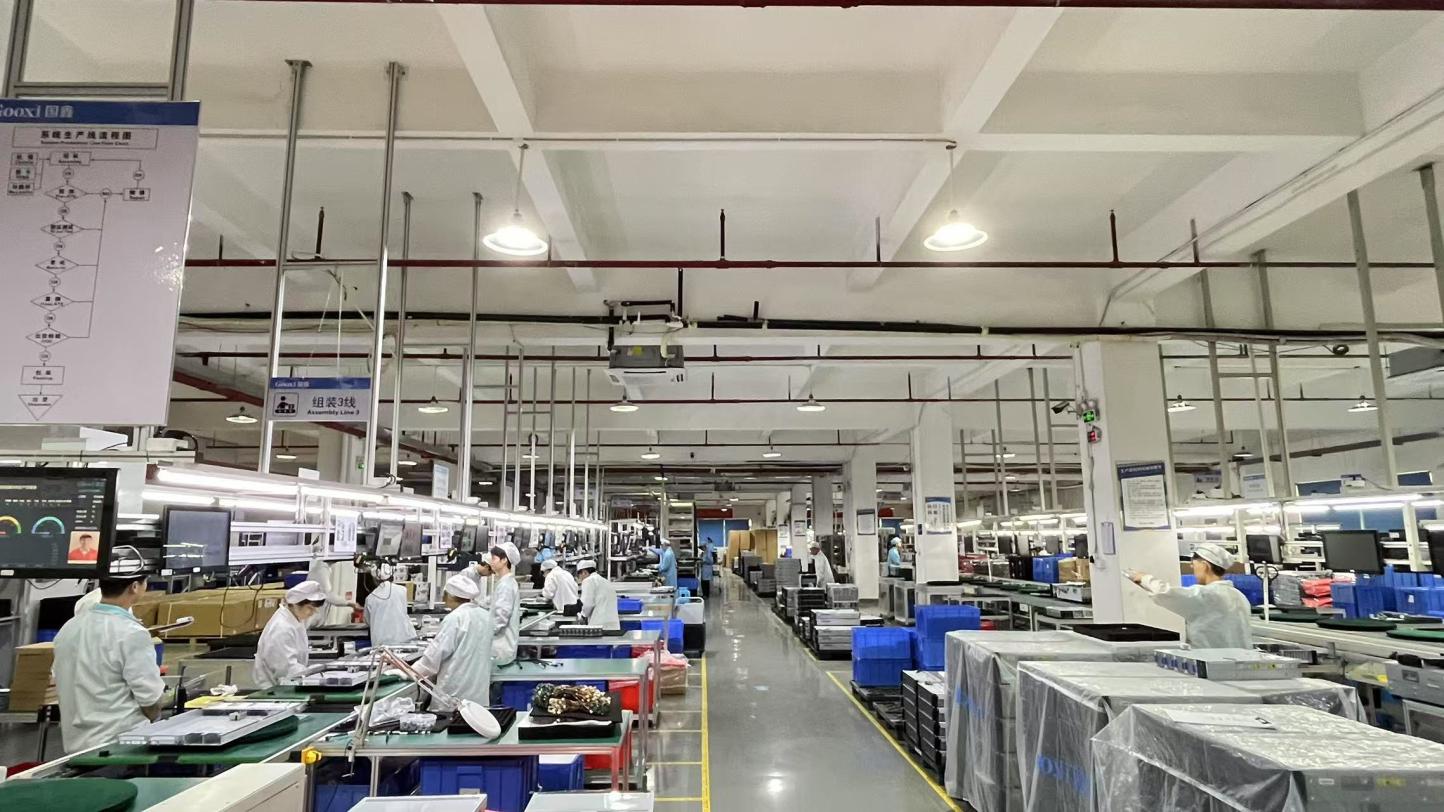
A visual look inside our facility operations, high-performance assembly floors, thermal validation stations, and logistics management areas.
Common questions from enterprise buyers, systems integrators, and datacenter operations leads.
We provide customizations including GPU slot spacing, PCIe Gen 5 routing, power distribution systems, sheet metal chassis styling, direct-to-chip liquid cooling loops, and tailored UEFI/BIOS settings designed for workload stability.
Our 320㎡ facility serves as our core engineering hub for design, prototyping, initial motherboard tuning, and quality control validation. Volume manufacturing and sheet metal production are scaled through our manufacturing partner factories, backed by our supply chain of over 1,200 partners.
Our team of 45 QA technicians performs multi-step inspections under ISO9001 standards, including automated hardware stress tests, heat-map checking under thermal load, extended power-on testing, and AI cluster simulation runs.
Yes. All liquid-cooled configurations undergo high-pressure gas leak testing and continuous fluid cycle testing. We integrate drip sensors and support standard dripless quick-disconnect couplings to ensure safety in your datacenter.
Standard customized modifications usually ship within 4 to 6 weeks. More complex physical chassis work or custom motherboard development generally ranges from 8 to 12 weeks, depending on component availability.
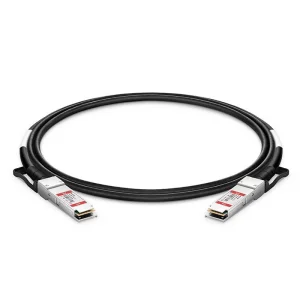
Explore our deep catalogue of computing platforms, storage systems, and interconnect configurations engineered to manage critical enterprise data loads.