TensorNova
TensorNova
TensorNova
Deploy high-concurrency host configurations, featuring industry-leading performance density, deep GPU slicing compliance, and redundant power configurations.
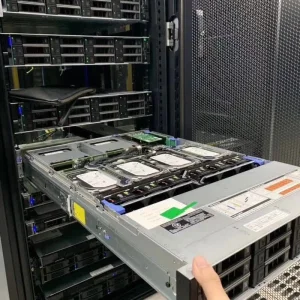
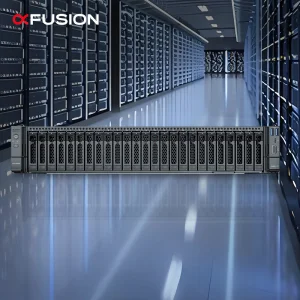
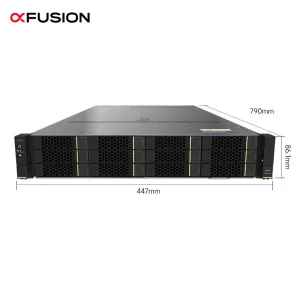
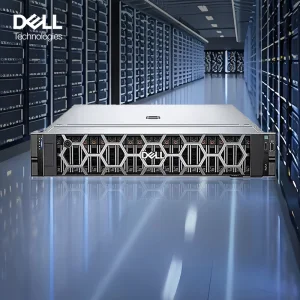
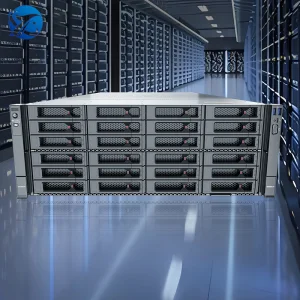
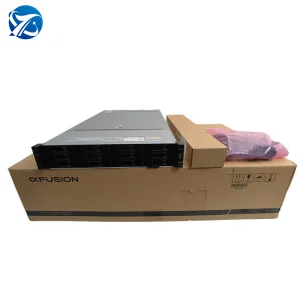
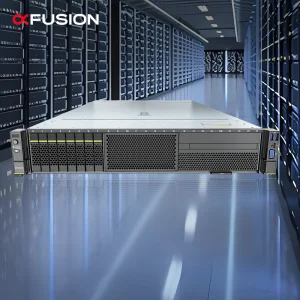
Virtual Desktop Infrastructure (VDI) has evolved from simple remote terminal protocols into a critical infrastructure pillar for global enterprises. Driven by hybrid work models, strict data protection frameworks (such as GDPR, HIPAA, and PCI-DSS), and high-density compute demands, modern VDI deployments require robust, specialized physical hosting components. Organizations no longer look at VDI as merely virtual machines; it is now evaluated as a strategic consolidation of compute density, low-latency IOPS, and dynamic workspace scaling.
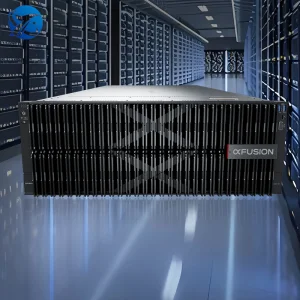
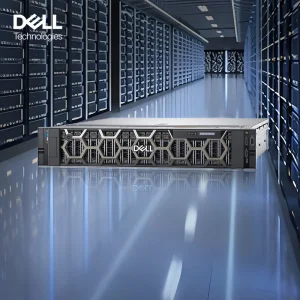
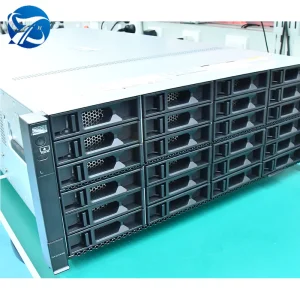
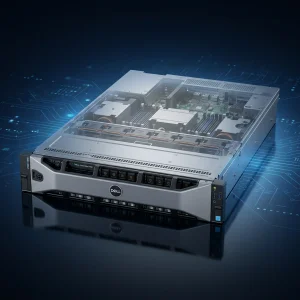
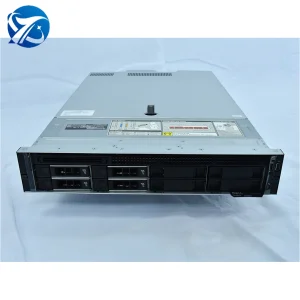
In highly regulated industries such as banking, finance, healthcare, and engineering, the virtualization of end-user tasks requires absolute reliability. A failure in the server room means complete operational disruption for thousands of employees globally. Buyers in North America, Europe, Singapore, and the Middle East are shifting toward hardware platforms that offer maximum core counts, expansive PCIe bandwidth, and advanced thermal management to run hypervisors such as VMware ESXi, Citrix Hypervisor, and Proxmox VE. For instance, deploying high-core-count setups with platforms like the Dell PowerEdge R760 or xFusion FusionServer 2488H V7 guarantees that each virtual environment receives dedicated logical processors and predictable memory spaces, eliminating "noisy neighbor" compute bottlenecks.
Information Gain Insight: The most significant bottleneck in large-scale enterprise VDI deployments is no longer just CPU power, but the combined storage throughput (IOPS) required to handle "Boot Storms" (when thousands of employees log in concurrently) and local profile caching. Optimizing storage with enterprise-grade RAID controllers like the LSI 9560-16I combined with NVMe drives is critical to prevent storage queue starvation.
Additionally, VDI is no longer limited to office productivity applications. The rise of vGPU (virtual GPU) technologies has expanded VDI to cover 3D CAD modeling, scientific visualizations, and remote AI model testing. Enterprise buyers look for VDI host servers equipped with multi-GPU slots (such as the xFusion G5500 V7) to slice physical GPUs into multiple virtual profiles, bringing workstation-class performance to low-power client terminals or thin client computers globally.
High-performance hardware blueprints designed to meet specific industry virtualization compliance and performance profiles.
Deploy secure virtual desktops with dynamic memory partitioning. Zero local data footprint protects financial client records, complying with global security certifications. Accelerated by dual-socket processors and high-speed core densities to run database queries securely.
Instant roaming profiles for doctors across multiple hospital terminals. Delivers zero-latency loading of MRI and CT diagnostic imaging using GPU virtualization profiles, guaranteeing reliable application stability in high-stress medical environments.
Empowers remote developers, architects, and product designers with high-performance virtual workstations. Equipped with xFusion multi-GPU AI servers, allowing heavy CAD, rendering, and simulation workflows to execute seamlessly from any location.
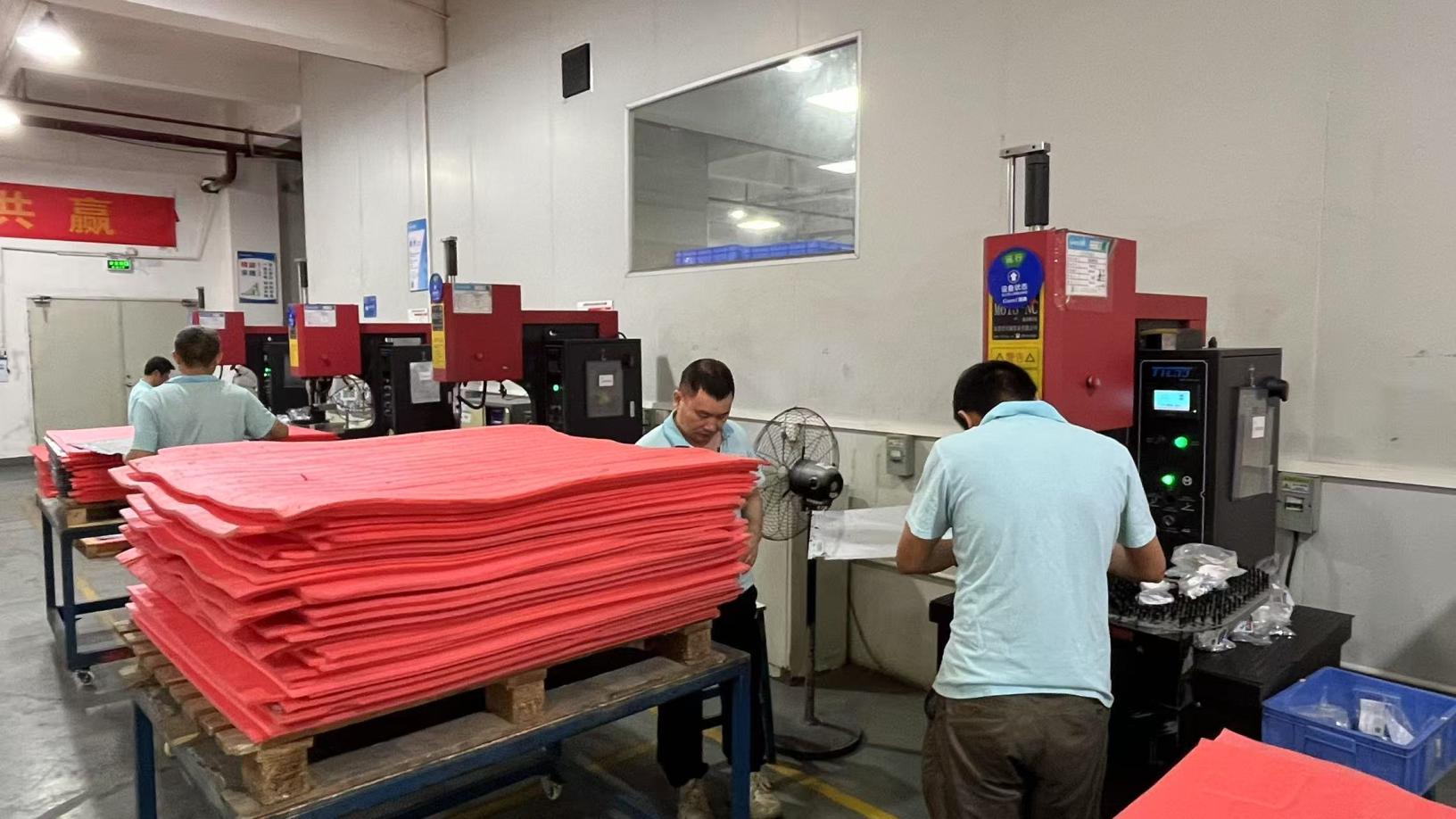
Empowering global enterprise infrastructures with custom server configurations, validated supply chains, and strict quality assurance protocols.
TensorNova stands at the forefront of high-performance server engineering, specializing in AI computing, high-density GPU clusters, and reliable data center hardware deployment. Backed by 12+ years of industry experience and 6 years of international trade operations, TensorNova has built a robust reputation as a reliable enterprise partner across North America, Europe, Southeast Asia, and the Middle East, with core shipping hubs serving the United States, Germany, Singapore, and the United Arab Emirates.
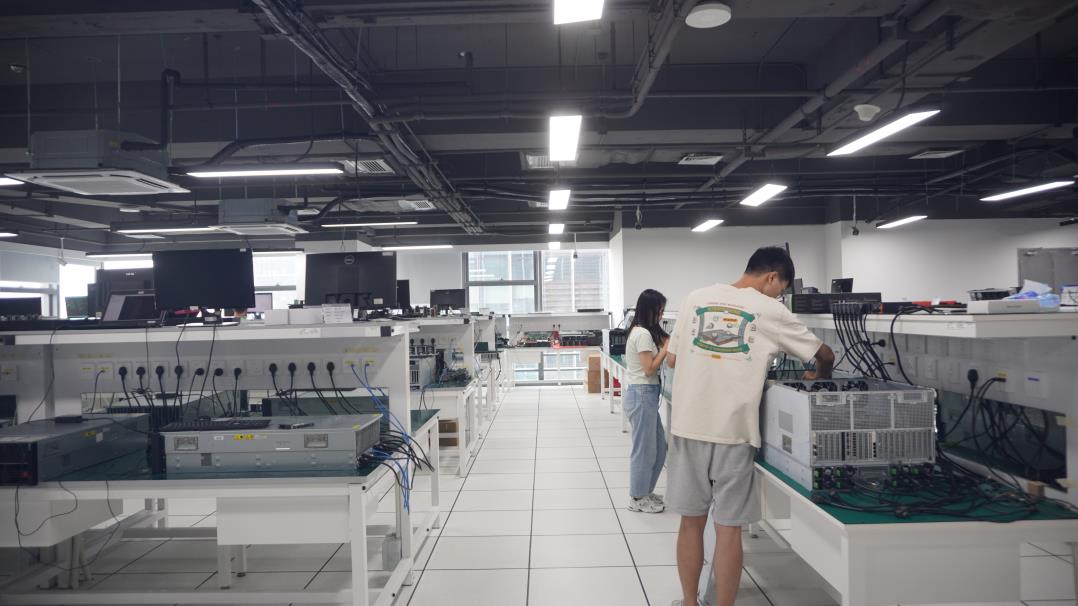
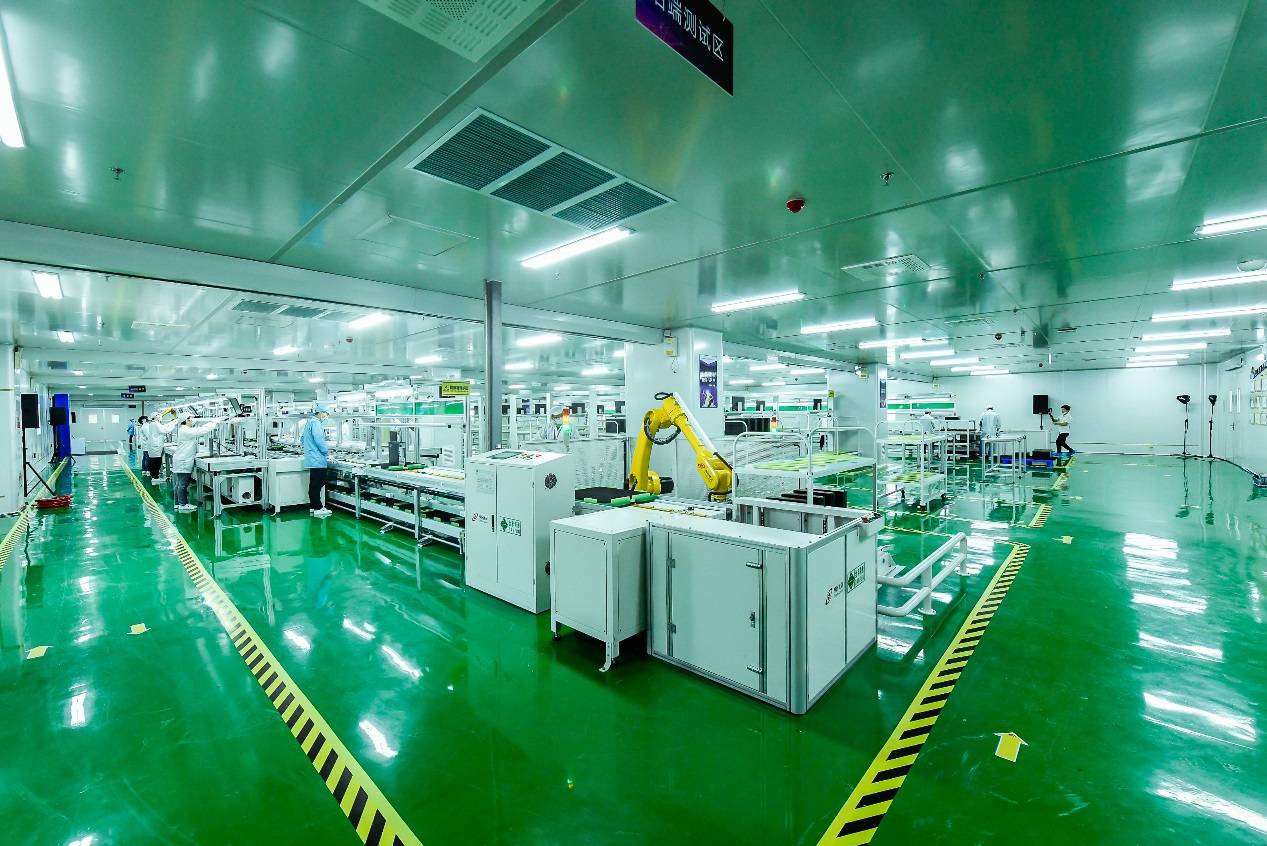
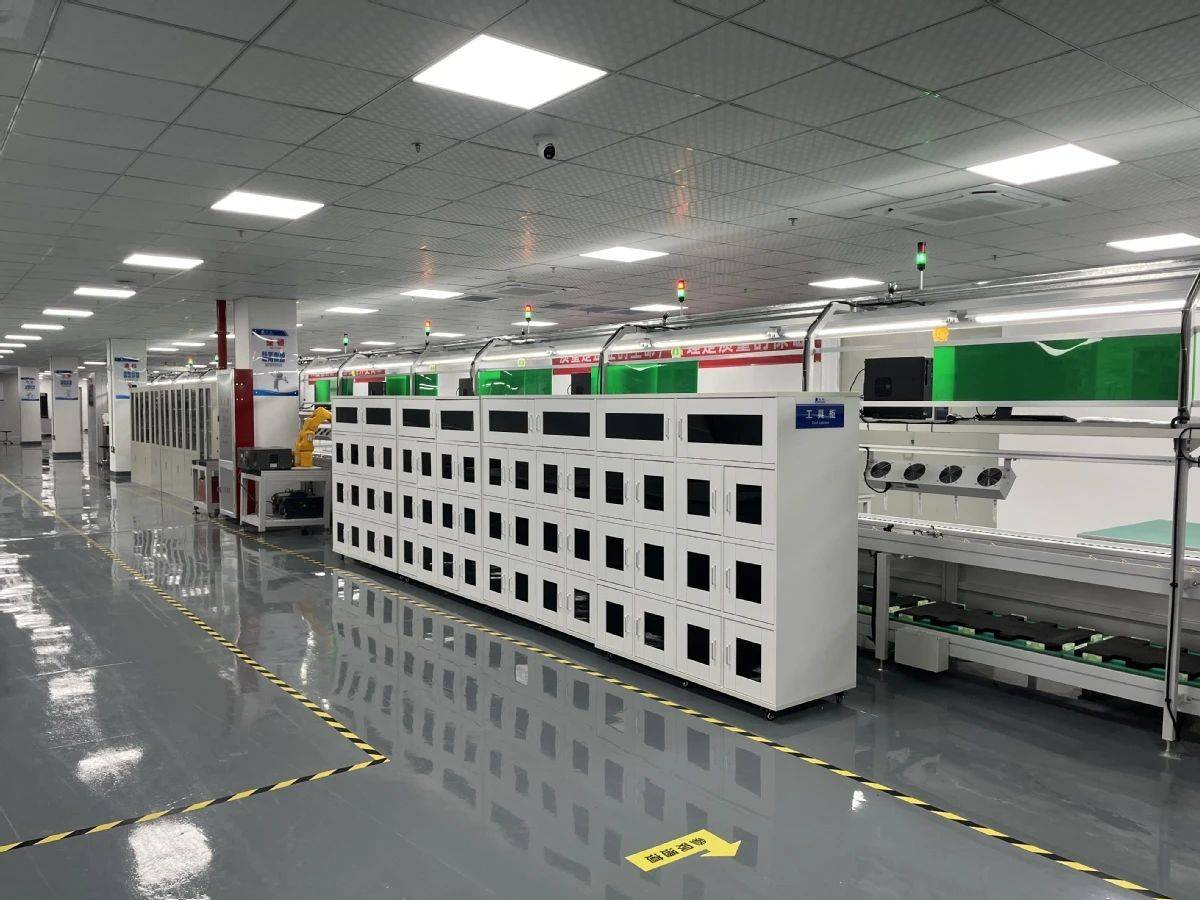
Operating out of a modern precision integration laboratory facility of 320m², our capabilities focus on custom configuration, system tuning, and stress testing. Unlike consumer-grade assembly houses, TensorNova integrates customized motherboard-level tuning, high-efficiency cooling layouts (air or hybrid liquid cooling loops), and dynamic GPU optimizations tailored to specific enterprise virtualization environments. Our quality assurance process is strictly ISO9001-compliant, executed by a dedicated team of 45 quality control specialists.
Our Multi-Stage Testing Protocol Includes: Automated hardware stress testing, thermal profile validation under peak workloads, system burn-in testing, and virtualization simulator testing replicating high-density active sessions. Every server leaving our line is certified deployment-ready for data center operations.
With an active pipeline of 320+ new products launched over the past year—spanning next-generation AI GPU servers, compact edge computing nodes, and scalable storage arrays—TensorNova bridges the gap between hardware customization and swift, reliable global delivery.
Strategic architecture shifts from legacy virtual desktops to intelligent, secure, and energy-efficient workspace nodes.
Integrating micro-segmentation of user data directly at the virtual NIC level, preventing threat lateral movement.
Allocation of multi-instance GPU partitions to allow real-time AI modeling (DeepSeek) on standard remote workspaces.
Transitioning dense virtualization clusters to hybrid liquid loops, decreasing server room PUE metrics below 1.25.
Distributing thin hypervisor nodes closer to regional offices, optimizing latency and video transmission speed.
Procuring server hardware internationally demands strict adherence to dynamic global standards and local logistical procedures. TensorNova ensures complete hardware compatibility and regulatory alignment for overseas markets. Our systems are manufactured to conform to regulatory certifications including CE, FCC, RoHS, and CCC, ensuring that global IT directors face zero friction during import customs or site installations.
Furthermore, VDI systems are the primary gateway to corporate networks. Therefore, hardware-level security measures are paramount. Our servers support security features such as Trusted Platform Module (TPM 2.0), secure boot configurations, and hardware-encrypted RAID arrays. We cooperate with global logistics partners to manage risk-managed transit lanes, offering secure export documentation, cargo tracking, and localized customs clearance support for key trade regions in Europe, North America, and the GCC countries.



Resolving architectural, deployment, and performance questions regarding custom hardware optimization.
Boot storms occur when hundreds of employees authenticate at the exact same moment, generating massive read IOPS. We prevent this storage bottleneck by integrating PCIe Gen 4/Gen 5 NVMe enterprise SSDs driven by high-caching RAID controllers like the LSI 9560-16I (8GB Cache). Additionally, we write specialized bios profiles that enable efficient storage queuing, balancing the IOPS demand across the network without dropping packets.
xFusion FusionServers (such as the FusionServer 2488H V7 or 2288H V6) feature high thermal efficiency, dynamic memory monitoring (FDM technology), and robust expansion architectures. They are designed to operate continuously under 100% compute loads, lowering enterprise hardware failure rates and ensuring system uptime for remote workers.
For workloads targeting DeepSeek R1 optimization or similar deep learning architectures, we employ ultra-high-density GPU platforms like the xFusion G5500 V7. We configure these with optimized high-speed interconnects (PCIe lanes or proprietary GPU fabric links), high DDR5 memory density (64GB minimum per node), and liquid-cooling blocks to manage sustained high-wattage computing cycles.
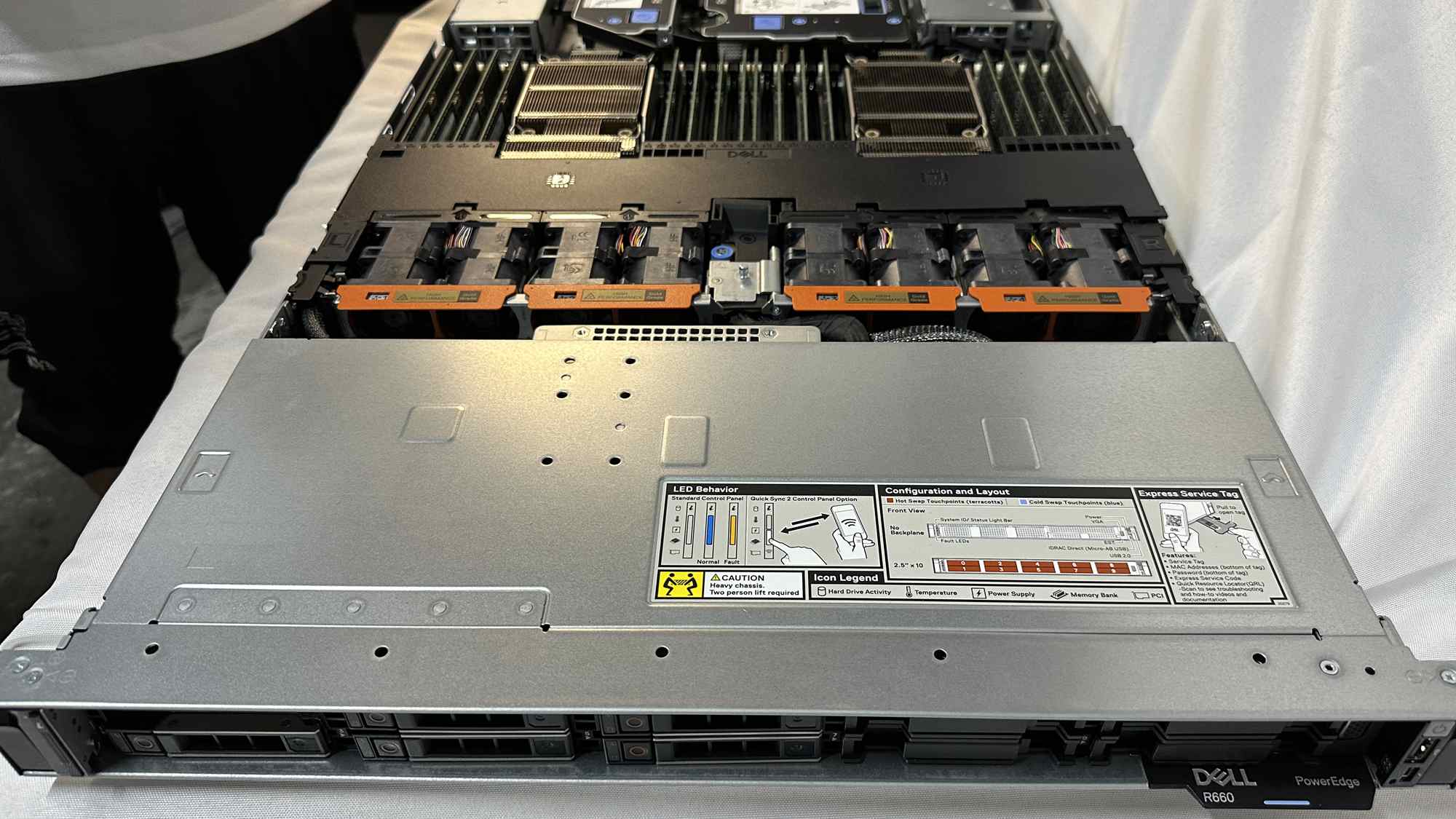
We provide advanced custom-engineered air cooling paths with redundant fan modules (hot-swappable counters) and customized liquid cooling manifold connections. This allows heat to be pulled directly from the CPU and GPU modules, lowering standard energy consumption (PUE) and ensuring the components operate well below critical throttling temperatures.
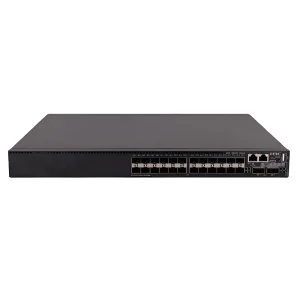
VDI creates massive network traffic because visual data streams are continuously pushed to client terminals. A Layer-3 10G/40G core network switch manages data packet routing directly inside the server cabinet, minimizing traffic hops to the main data center routers and ensuring screen rendering responses are delivered with minimal lag.
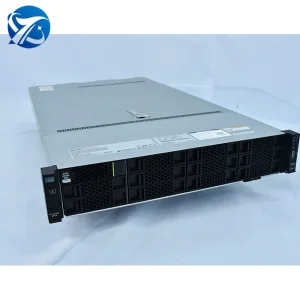
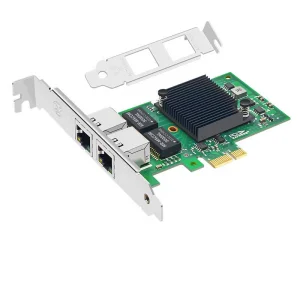
High-reliability server processors, core switch units, RAID controller expansions, and scalable virtualization hosts.