TensorNova
TensorNova
TensorNova
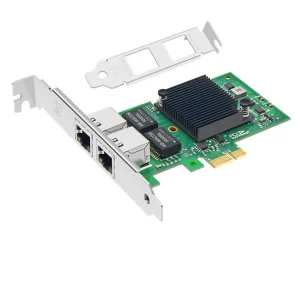
In the rapidly evolving landscape of global data centers, Server Expansion Cards (including NICs, HBAs, and RAID Controllers) have transitioned from being "peripherals" to becoming the critical backbone of high-performance computing (HPC) and AI training environments. As enterprises pivot towards LLM (Large Language Models) like DeepSeek and GPT-style architectures, the bottleneck is no longer just CPU power, but the I/O throughput and data latency managed by these specialized cards.
The global server expansion card market is projected to reach $12.4 billion by 2027. China has emerged as the primary manufacturing hub, producing over 65% of the world's standard PCIe-based components. This dominance is driven by integrated supply chains in Shenzhen and Suzhou, where high-speed PCB fabrication and automated SMT (Surface Mount Technology) lines allow for rapid iteration of PCIe 4.0 and 5.0 technologies.
We are witnessing a shift toward SmartNICs (DPUs) and NVMe-over-Fabrics (NVMe-oF). Traditional RAID controllers are evolving into AI-driven storage management units that can handle massive IOPS for real-time data processing. Furthermore, the integration of liquid-cooling-ready form factors for expansion cards is becoming a standard in high-density rack environments.
The current technical roadmap focuses on CXL (Compute Express Link) 2.0/3.0 integration. This allows for memory pooling and coherent interconnects between CPUs, GPUs, and expansion cards, effectively breaking the memory wall. Manufacturers are now prioritizing signal integrity for 32GT/s and 64GT/s speeds required by modern AI workloads.
TensorNova is a professional high-performance AI GPU server manufacturer and infrastructure solution provider based in China, specializing in AI computing, GPU clusters, and scalable data center hardware solutions for global enterprises.
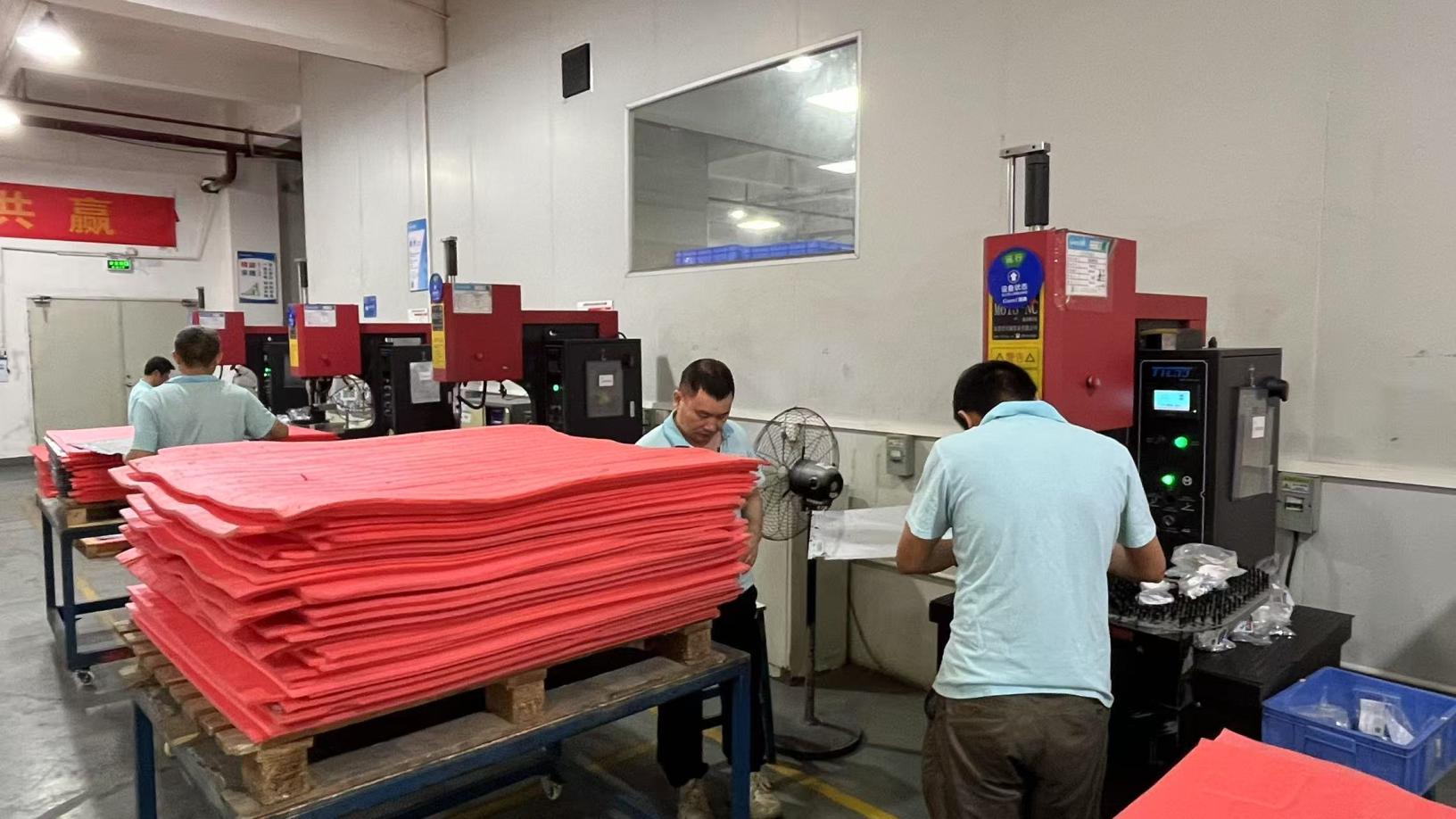
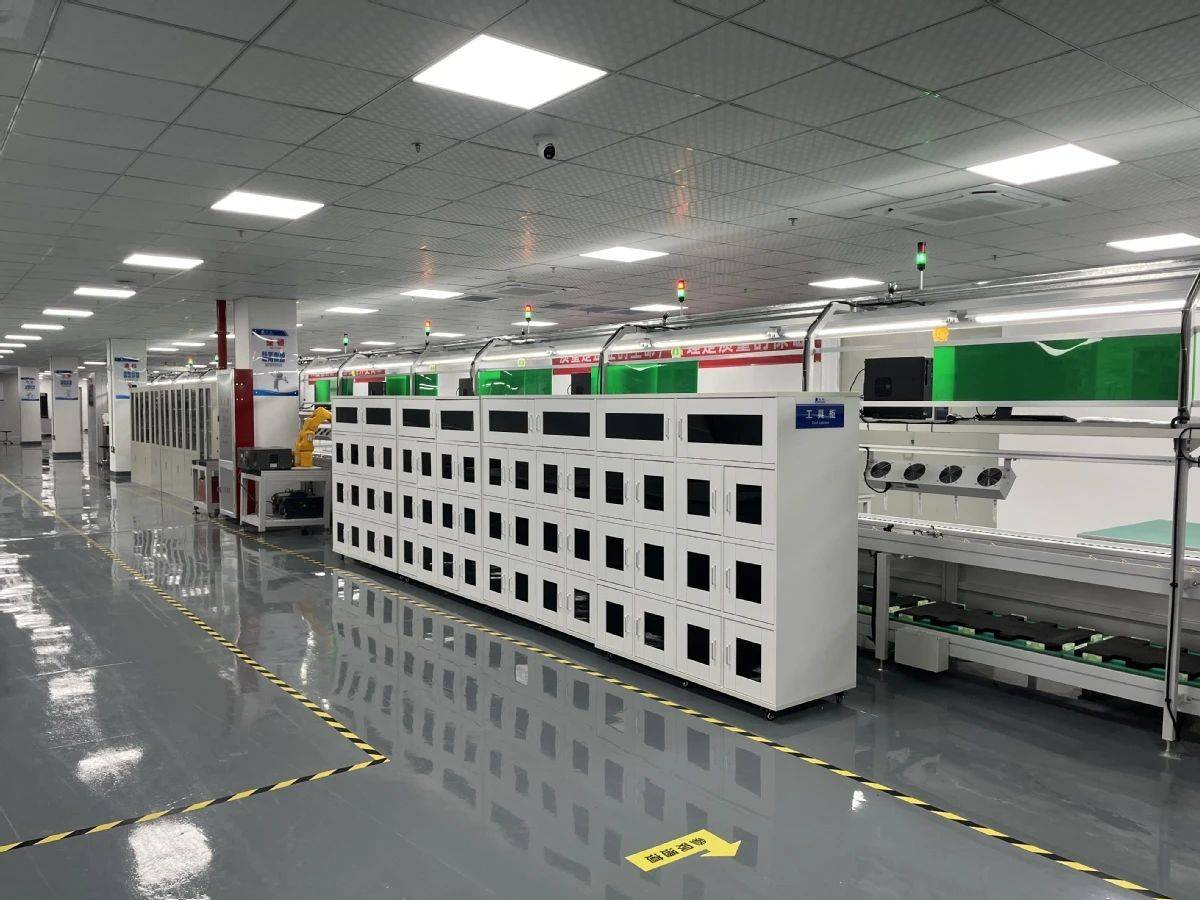
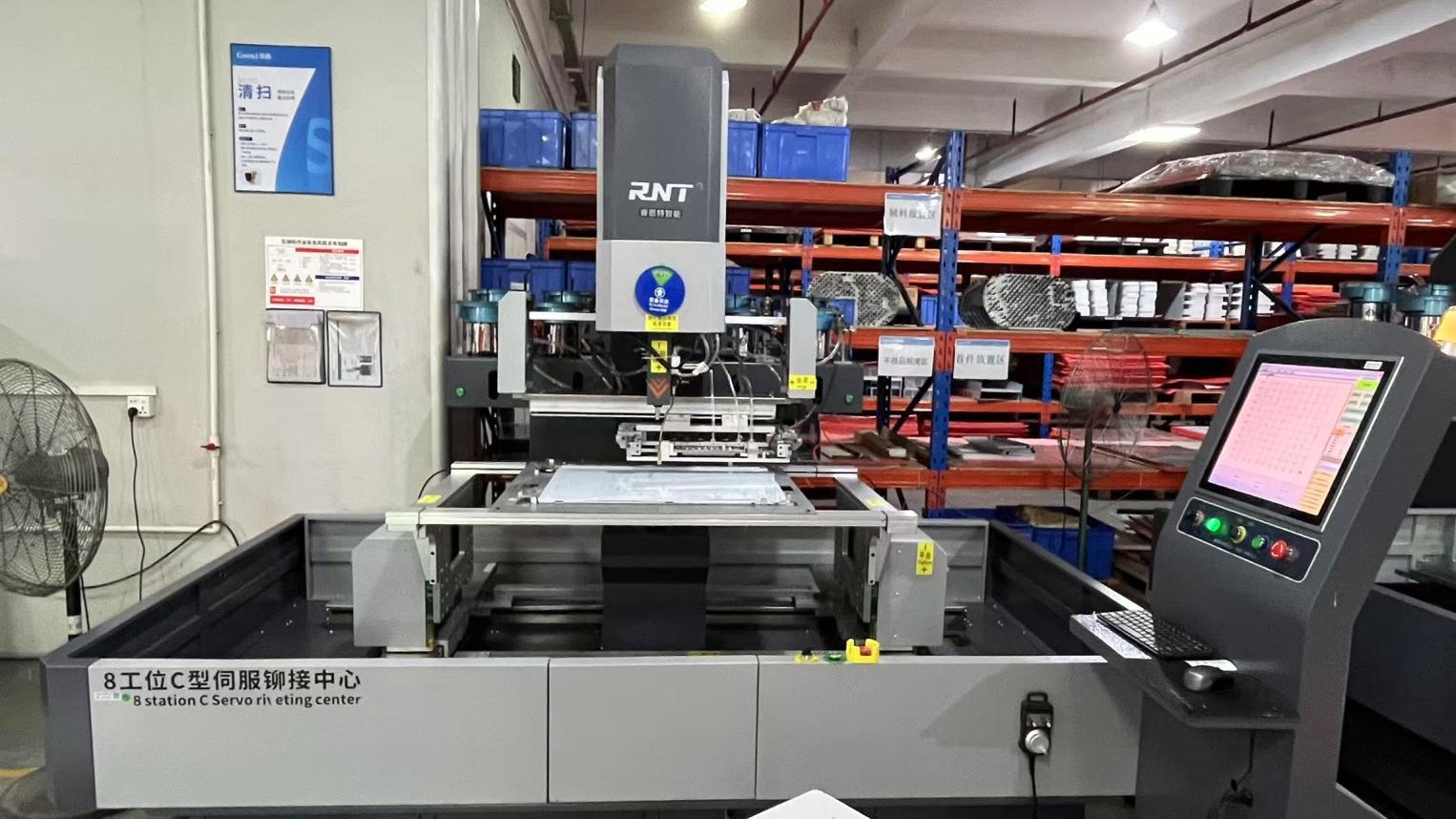
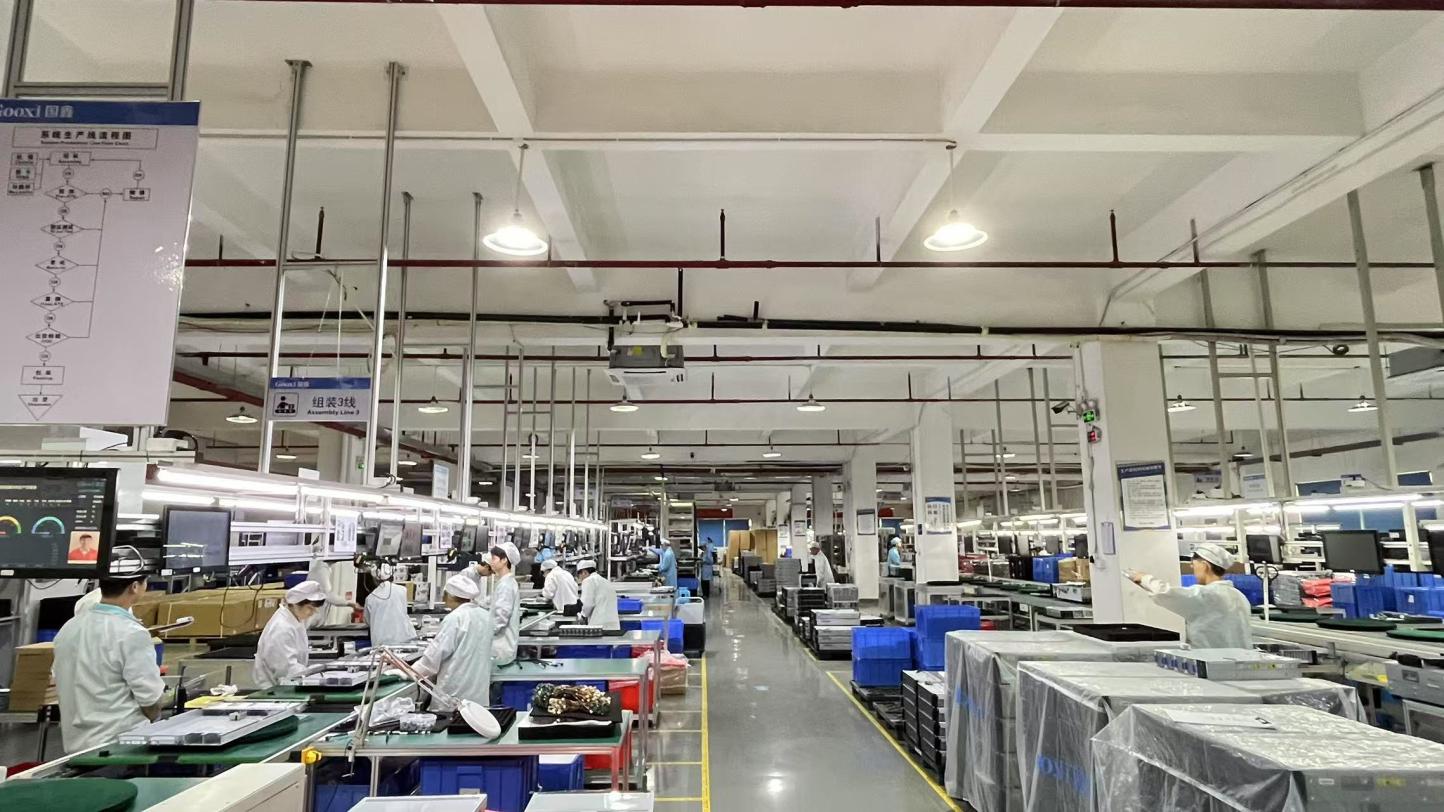
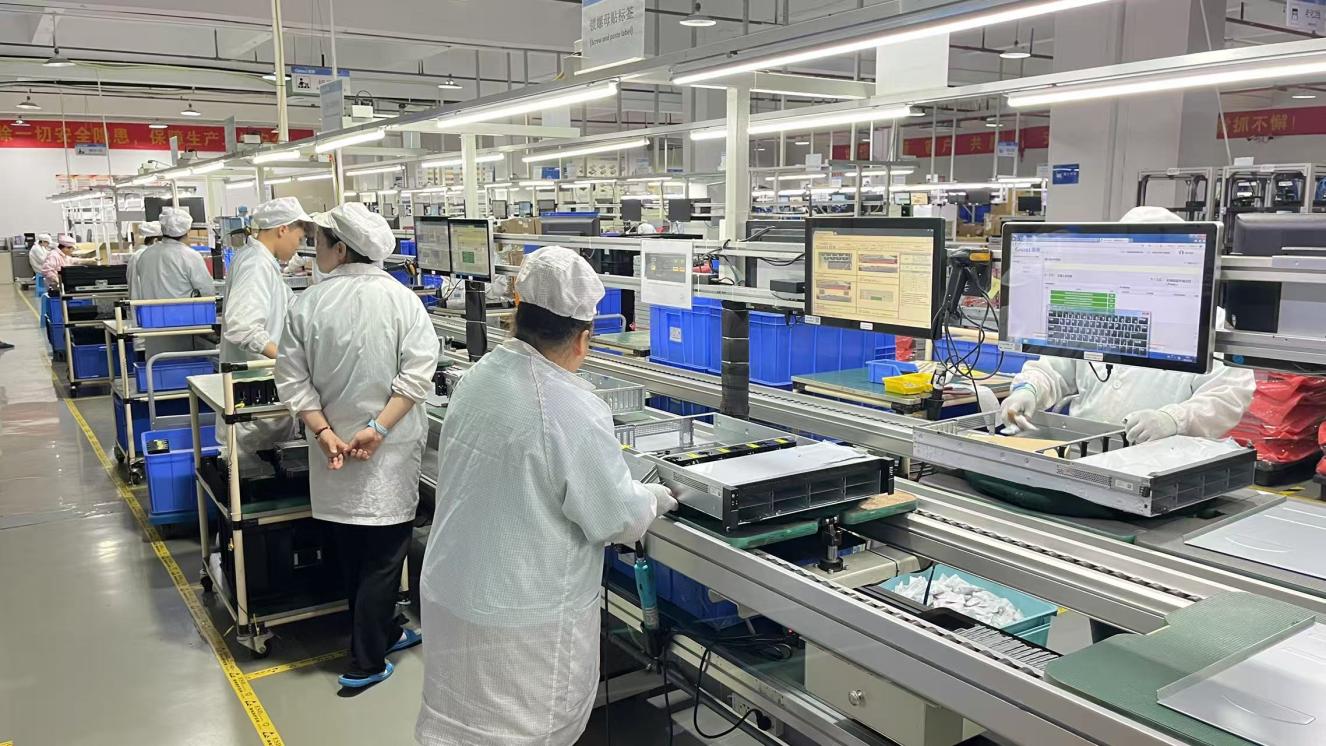
Established in 2016, TensorNova has developed into a trusted supplier in the AI hardware industry with a strong focus on innovation, performance, and customized computing systems. The company operates a modern production facility covering approximately 320㎡, equipped for advanced server assembly, testing, and system integration.
Quality assurance is strictly implemented through ISO9001-based quality management systems. Product inspection is conducted using automated hardware stress testing, thermal performance validation, burn-in testing, and AI workload simulation testing. The company employs around 45 quality control personnel dedicated to ensuring product reliability and stability.
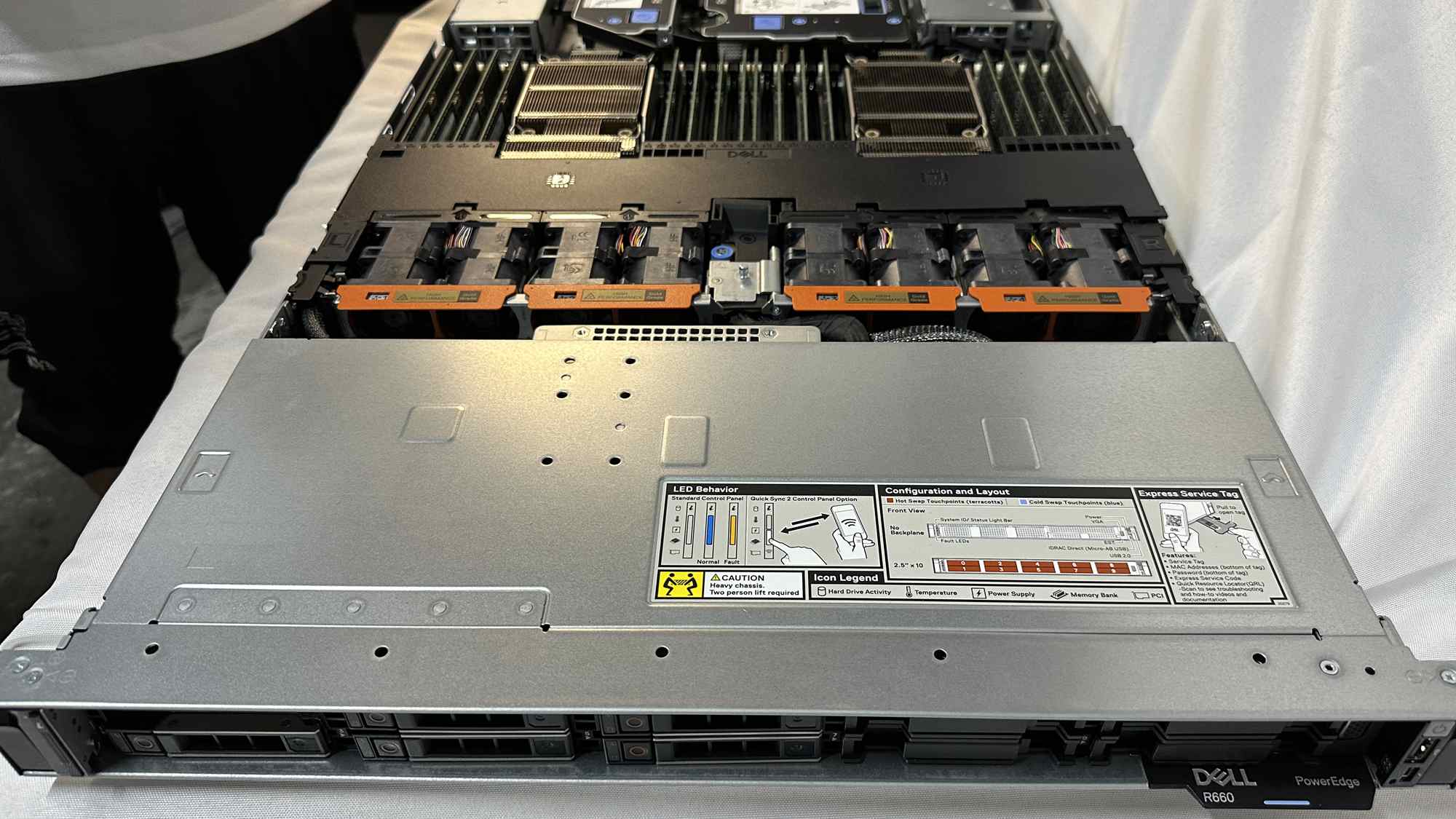
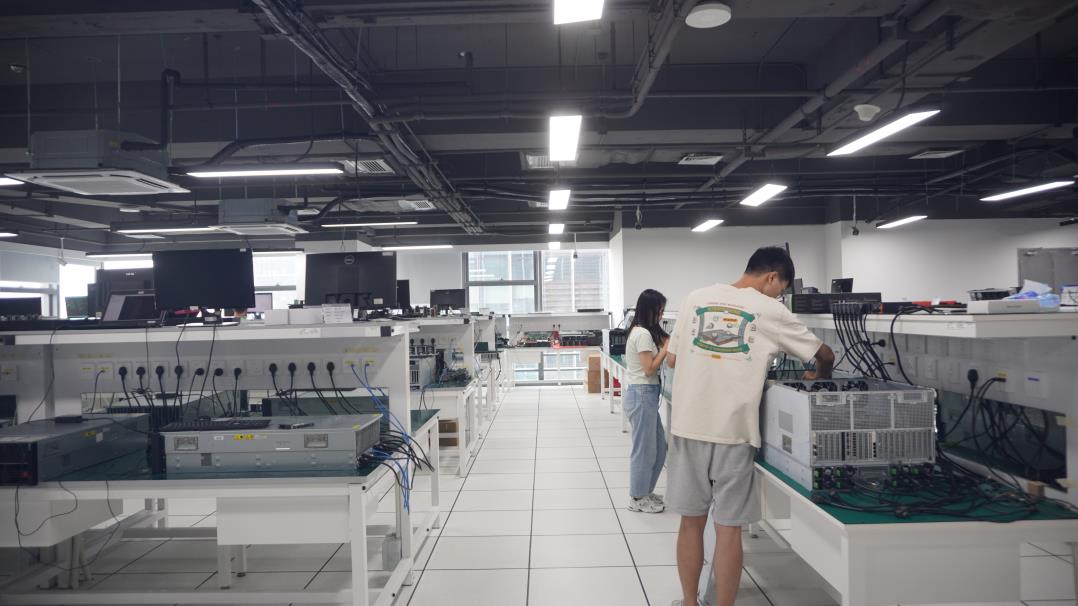
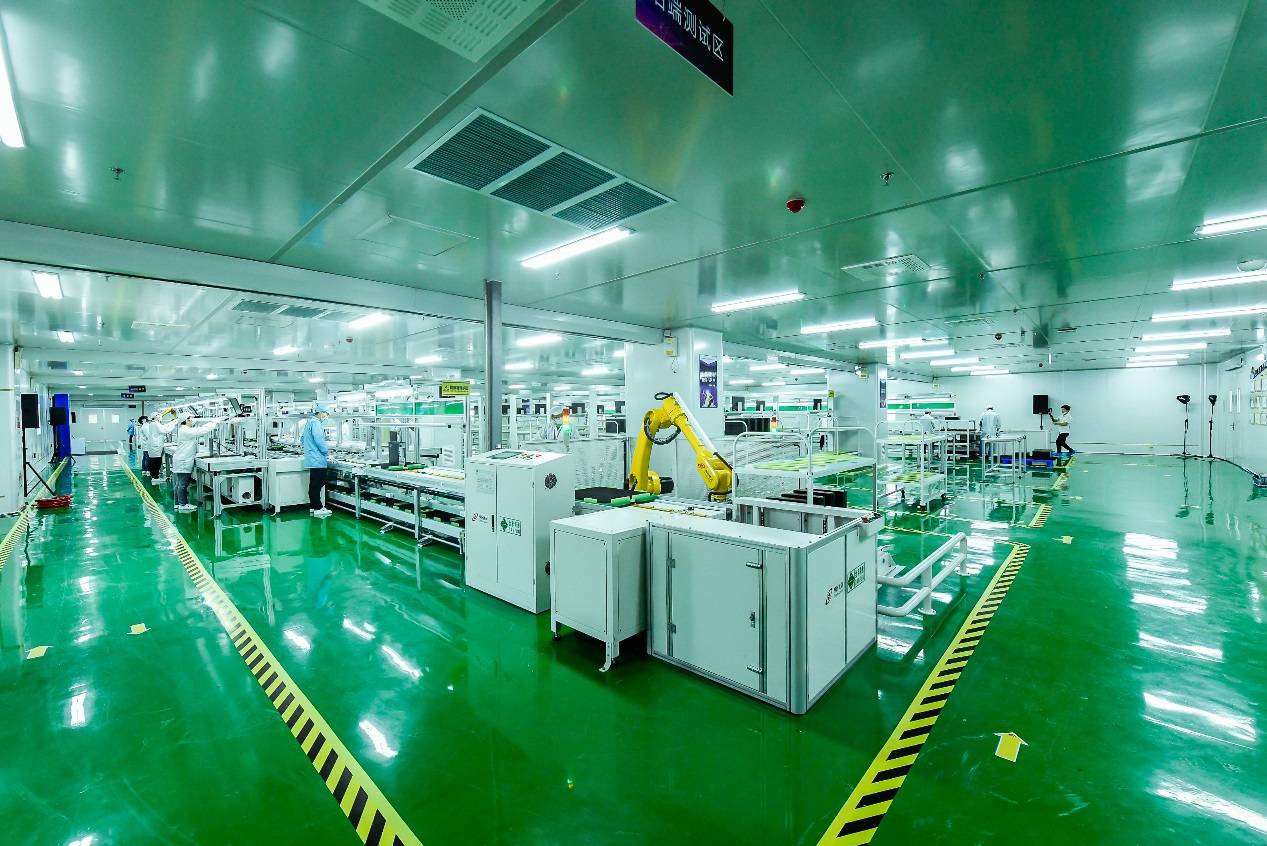
Our server expansion cards and AI systems are engineered for diverse global application scenarios, ensuring localized optimization for different industrial needs.
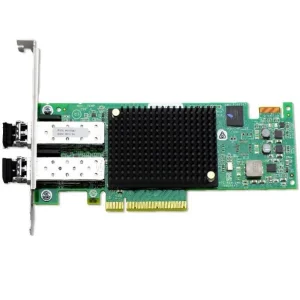
For CSPs in Singapore and the United States, we provide high-density Fibre Channel HBAs (like the Emulex LPe35002) to manage multi-tenant storage traffic with zero packet loss and sub-microsecond latency.
In Germany and Europe, our GPU expansion nodes enable rapid DNA sequencing and molecular modeling, utilizing customized RAID arrays for high-speed scratch space data handling.
In the Middle East and UAE, our ultra-low-latency Network Interface Cards support financial institutions in executing trades within nanoseconds, featuring hardware-level timestamping.
TensorNova's short-depth server solutions are deployed in smart factories for real-time defect detection using AI at the edge, where thermal stability in non-standard environments is crucial.
As we look toward 2030, the line between the server motherboard and expansion cards will blur. Disaggregated Architecture will allow data centers to upgrade their I/O and AI capabilities independently of their CPU cycles. TensorNova is already prototyping PCIe 6.0 cards that utilize PAM4 signaling to double the bandwidth of the current generation.
We are also investing heavily in Silicon Photonics expansion cards, which will replace copper traces with light-based communication, virtually eliminating heat generation from data transmission and allowing for data centers that are 40% more energy-efficient.