TensorNova
TensorNova
TensorNova
As organizations navigate the complexities of digital transformation, modern datacenter architecture is shifting away from monolithic system designs toward disaggregated, high-performance infrastructures. The dramatic growth of unstructured data, coupled with compute-heavy applications like DeepSeek AI models, real-time analytics, and high-frequency cloud transactions, has made data storage the defining benchmark for hardware efficiency. Enterprise requirements have evolved from mere capacity metrics to ultra-low-latency throughput, security, and high reliability.
Traditional SATA storage topologies are increasingly giving way to PCIe Gen 5.0 NVMe ecosystems. Modern workflows require storage solutions that can sustain heavy sequential reads for model training, alongside random read/write profiles to run mission-critical containerized environments. Choosing the right hardware partner is essential to achieving an optimal Total Cost of Ownership (TCO) while securing a future-ready infrastructure path.
TensorNova is a professional high-performance AI GPU server manufacturer and infrastructure solution provider based in China, specializing in AI computing, GPU clusters, and scalable data center hardware solutions for global enterprises.
Established in 2016, TensorNova has developed into a trusted supplier in the AI hardware industry with a strong focus on innovation, performance, and customized computing systems. With a robust international trade background, we serve clients across North America, Europe, Southeast Asia, and the Middle East, with primary markets in the United States, Germany, Singapore, and the United Arab Emirates.
Our manufacturing capabilities are backed by an extensive supply chain network of over 1,200 global suppliers and strategic component partners. This enables us to maintain production stability and provide rapid deployment for key enterprise clients.
The global enterprise storage solutions landscape is undergoing rapid transformation, driven by massive data generation and complex computing requirements. Standard mechanical hard drives are transitioning to archival roles, while solid-state media has become the standard for primary, active data tiers. Enterprises are increasingly looking for scalable architectures that offer deep hardware integration, robust cybersecurity measures, and high energy efficiency.
Training large-scale artificial intelligence models requires high-throughput data processing to feed GPU clusters efficiently. Storage architectures must deliver millions of sustained IOPS to prevent hardware downtime during training phases. Technologies like GPUDirect Storage (GDS) bypass CPU bottlenecks to establish direct paths between NVMe drives and GPU memory.
Modern datacenters are moving away from proprietary hardware SAN systems in favor of flexible Software-Defined Storage solutions. Standard x86 storage nodes, equipped with high-density NVMe or SATA SSD matrices, allow organizations to scale out storage pools cost-effectively using common frameworks like Ceph or vSAN.
Modern operations rely on hybrid architectures that connect on-premises hardware with public cloud infrastructure. This model requires edge-node storage units and hybrid servers to handle local ingestion, data scrubbing, and low-latency preprocessing before syncing with centralized repositories.
China's server and high-performance storage manufacturing sector delivers key cost and logistics advantages through highly integrated industrial clusters. These hubs bring together component suppliers, raw materials, engineering talent, and shipping infrastructure in close proximity, reducing manufacturing lead times.
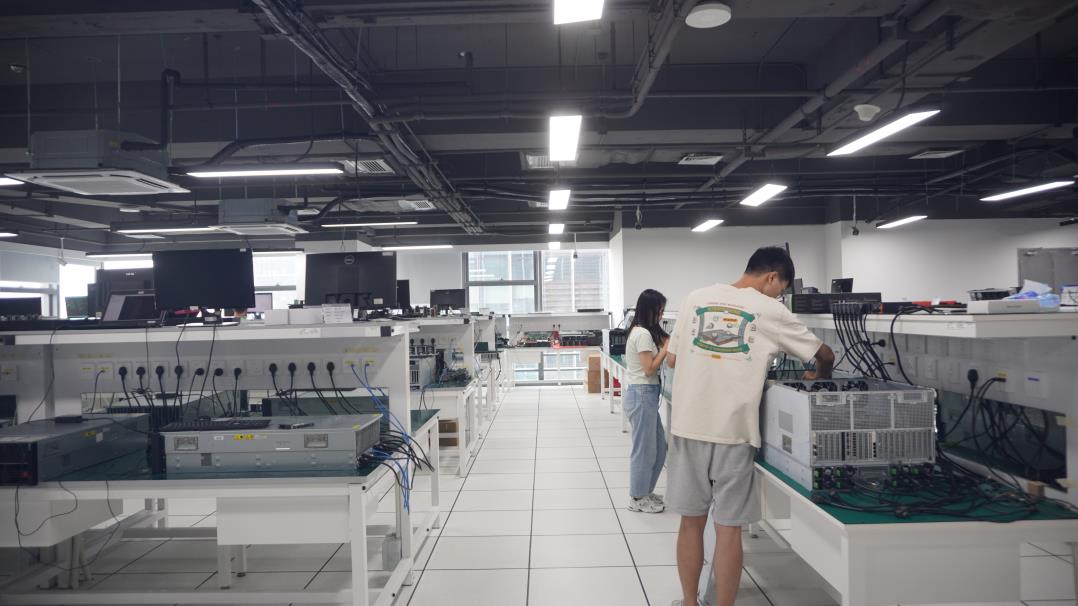
Our quality assurance processes align with ISO9001-based quality management systems. Every server and storage subsystem undergoes rigorous testing to verify operational stability under peak workloads:
| Testing Stage | Methodology |
|---|---|
| Hardware Stress Test | High-voltage and heavy bus load simulation to check component integrity. |
| Thermal Validation | Chamber validation up to 45°C to check cooling flow and performance consistency. |
| AI Workload Test | FIO and system-level tests simulating DeepSeek and real-world LLM workloads. |
| Burn-In Cycle | Minimum 72-hour continuous operation cycle managed by 45 dedicated QC technicians. |
Modern enterprise hardware must be optimized for its specific deployment environment. Our hardware designs target several key operational areas:
Large-scale training clusters require rapid model checkpointing. High-density storage arrays using NVMe SSDs minimize write-times during checkpoint runs, protecting expensive compute time from system-level delays.
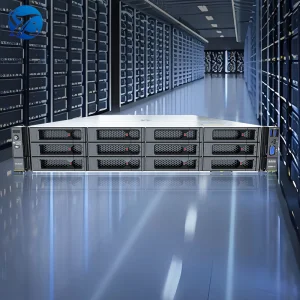
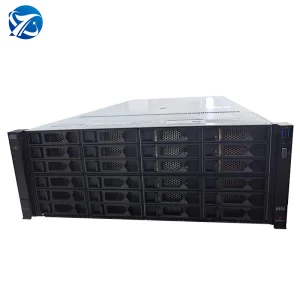
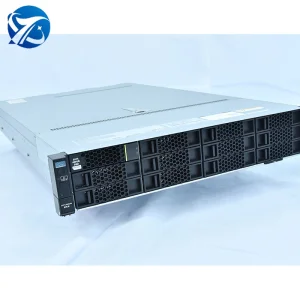
For cloud service providers, maximizing drive density per rack unit reduces datacenter footprint. Our storage configurations support high-density layouts, optimizing power, cooling, and space utility.
Modern content networks and corporate file systems depend on multi-user access protocols. We construct low-latency NAS and storage units configured for reliable hybrid caching and data availability.
Several major technical developments are changing how modern computing nodes scale, manage heat, and handle massive write cycles:
CXL interface protocols allow systems to pool dynamic memory and high-speed storage. This design enables compute nodes to access shareable memory banks with minimal latency, improving hardware resource efficiency.
Enterprise and Datacenter Standard Form Factors (EDSFF) are replacing traditional 2.5-inch drives. These newer form factors offer better thermal designs, higher capacity density, and improved signal integrity for PCIe Gen 5 and Gen 6 interfaces.
Quad-Level Cell (QLC) SSD technologies provide high-density flash arrays at a lower cost per terabyte. This makes them ideal for read-intensive AI training sets and high-performance backups.
High-density computing arrays generate significant heat. Implementing liquid cooling systems directly to the chassis helps manage temperatures, lowering cooling costs and reducing thermal stress on components.
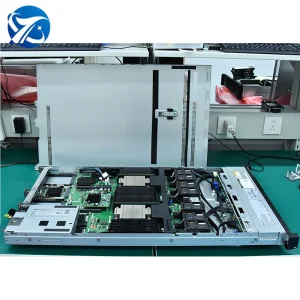
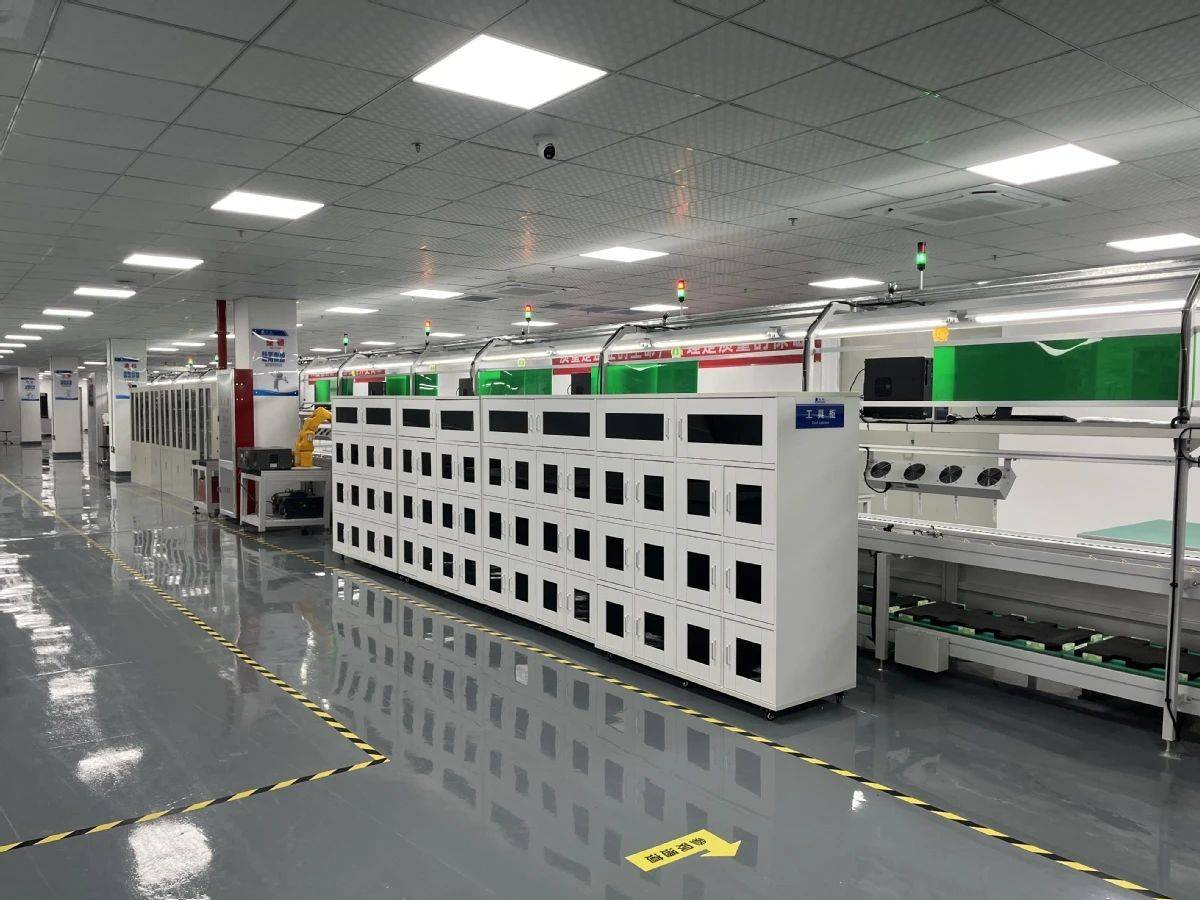
Our assembly facility is equipped for server integration, system testing, and quality control. With 45 dedicated quality control professionals and 180 R&D engineers, we maintain stable production and rigorous quality standards across all output batches.
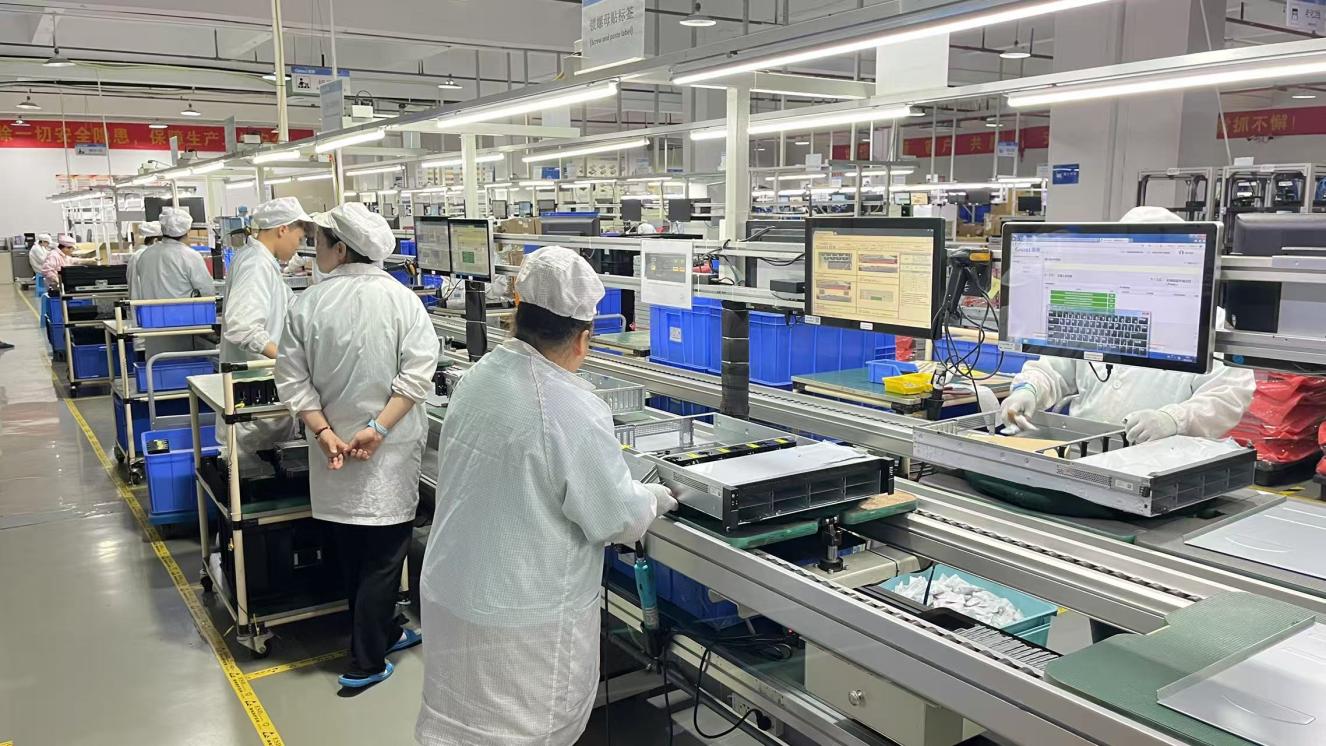
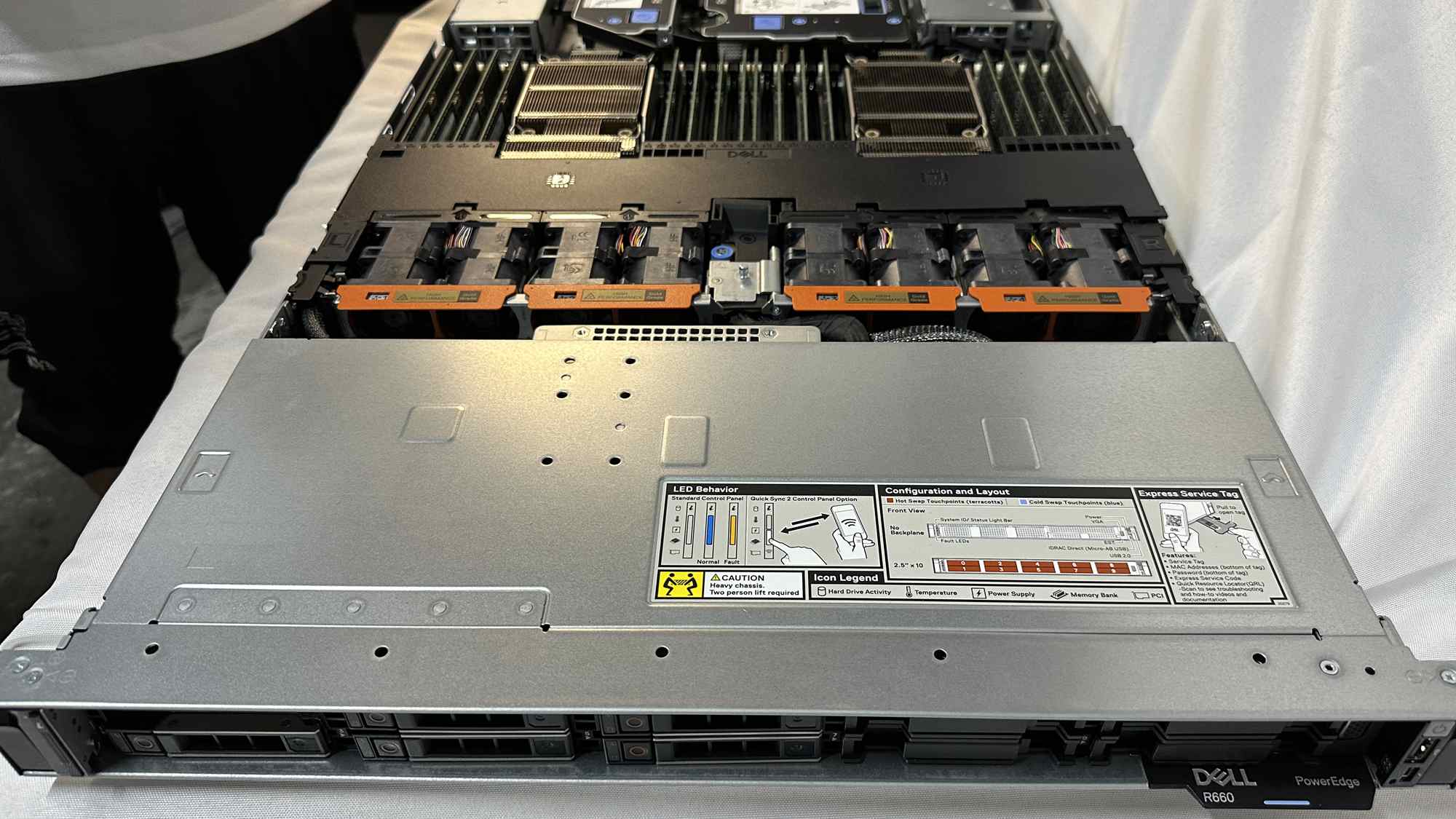

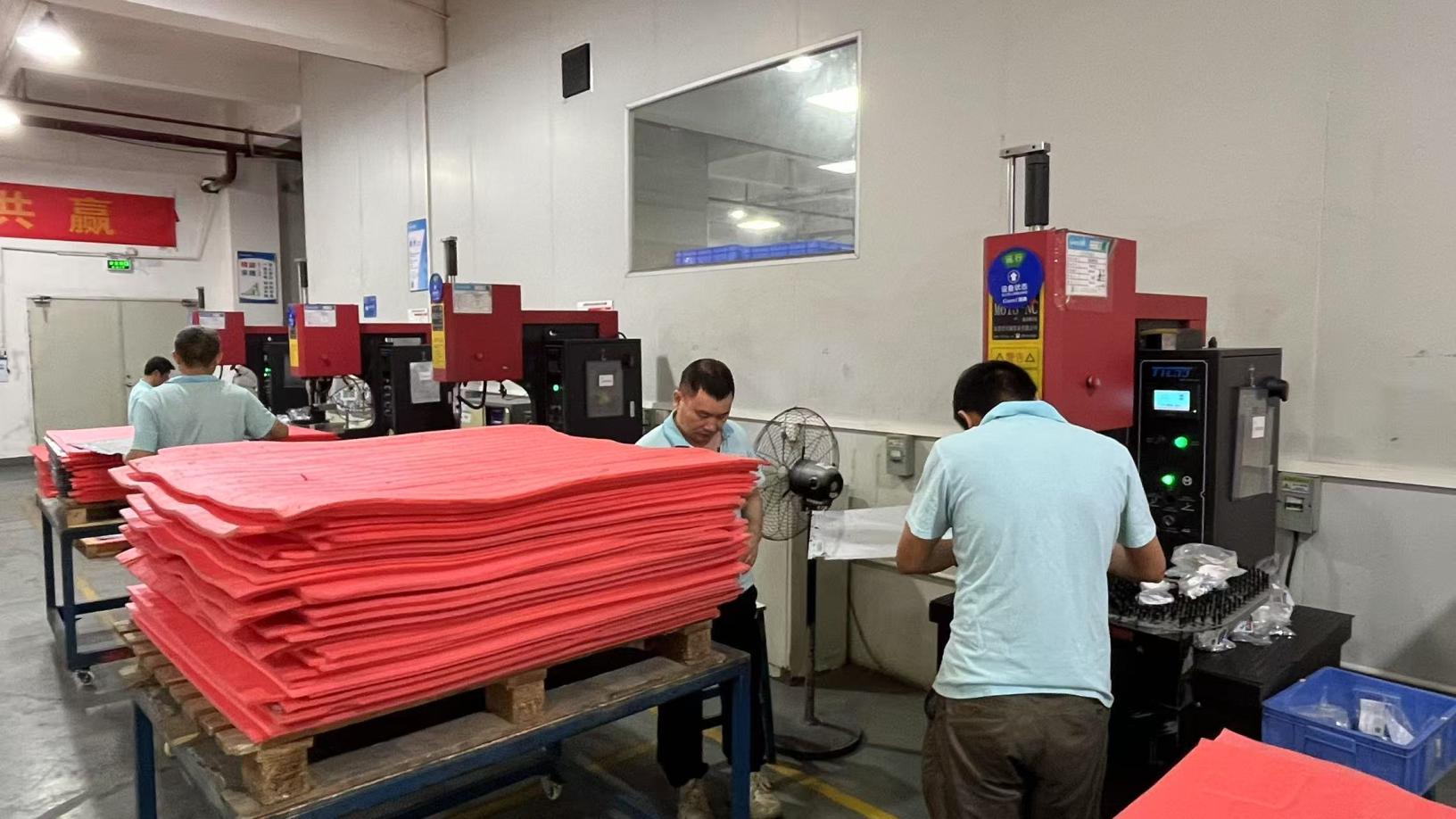


Sourcing enterprise computing and storage hardware globally requires balancing upfront costs with long-term reliability, support, and integration flexibilities. We offer comprehensive customization options to meet specific datacenter requirements.
Our OEM/ODM services cover key hardware modifications to align with your platform requirements:
We work with enterprise platforms to ensure firmware compatibility and performance out of the box:
During large-scale AI training runs, storage speed directly impacts the time needed to write model checkpoint files and load datasets. High-performance PCIe Gen 5 NVMe arrays minimize write latency, keeping GPU processors utilized and reducing overall training costs.
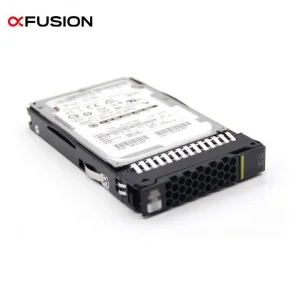
Enterprise-grade hybrid drives, such as the PM897 Series, feature balanced read/write performance and higher write endurance (DWPD) compared to standard consumer SSDs. This makes them ideal for mixed enterprise workloads, transactional databases, and fast cache arrays.
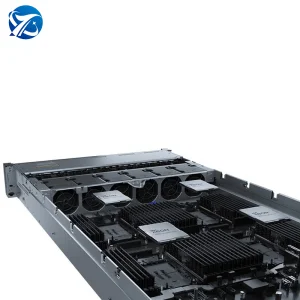
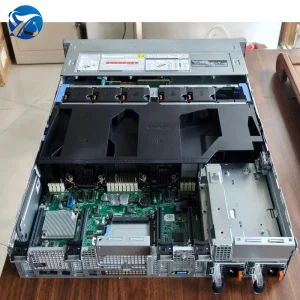
We use advanced thermal testing chambers to simulate heavy workloads up to 45°C. Based on the configuration, we customize structural fan arrays, heat sinks, and air duct paths—with support for liquid cooling loops in high-density processing racks—to prevent thermal performance drops.
We offer custom component integration, modified chassis designs, custom BMC and BIOS firmware configurations, and thermal tuning to match specific system platforms and operational standards.
Each integrated hardware system undergoes a minimum 72-hour burn-in phase, automated hardware diagnostics under voltage stress, and performance verification using simulated real-world application profiles.