TensorNova
TensorNova
TensorNova
High-performance computational engines, high-speed interconnect fabric, and low-latency storage adapters optimized for hypervisor clusters
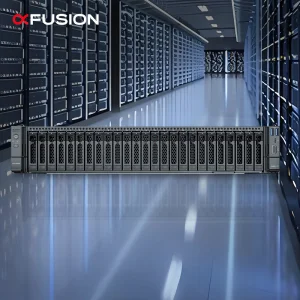
The global server landscape is undergoing a monumental paradigm shift. As corporate workloads transition from traditional enterprise resource planning (ERP) systems to high-concurrency database clusters, complex microservices, and large-scale AI validation pipelines, the demands placed on server virtualization platforms have intensified. Virtualization is no longer just about slicing physical cores into multiple virtual machines (VMs). Modern enterprise operations demand hypervisor frameworks capable of real-time GPU partitioning (vGPU), low-latency storage pooling, and software-defined networking (SDN) backplanes that operate with bare-metal efficiency.
In this dynamic technical environment, Chinese hardware manufacturers and infrastructure integrators have emerged as pivotal global players. Combining advanced manufacturing pipelines, component-level research and development, and unmatched hardware validation facilities, Chinese exporters are delivering highly optimized server solutions configured to support the world’s leading virtualization environments, including VMware ESXi, Microsoft Hyper-V, KVM-based open-source platforms, Proxmox VE, and enterprise-grade hyperconverged infrastructures (HCI).
Kernel-level hypervisor tuning combined with PCIe Gen 5 interconnects allows virtual machines to achieve up to 99.2% of native bare-metal hardware compute throughput.
Native hardware optimization for high-density compute nodes hosting containerized and virtualized AI models such as DeepSeek, LLaMA, and stable diffusion systems.
Support for real-time virtual machine live migration, distributed resource scheduling, and redundant optical fabrics to eliminate single points of failure.
Deploying advanced virtualization configurations across diverse global regulatory and functional landscapes
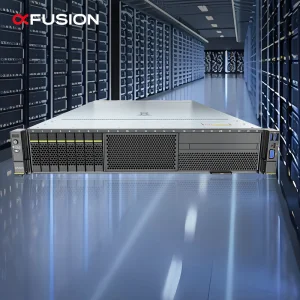
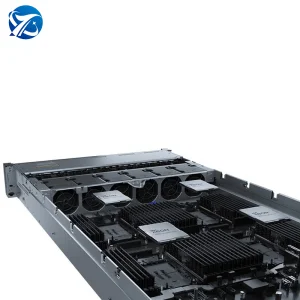
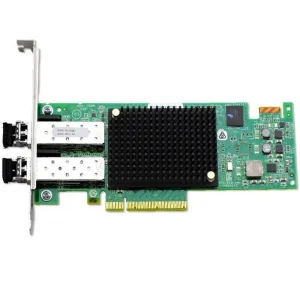
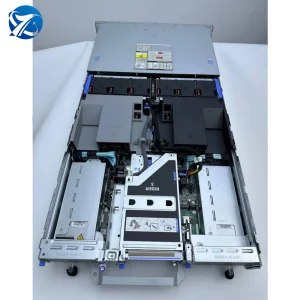
Financial institutions require deterministic transaction latency and rigorous high-availability (HA). By combining high-density, multi-socket servers (such as the 4-socket xFusion 2488H V7) with active-active virtualization layers, banks deploy virtualized relational database instances that guarantee zero-loss failover. Integrating enterprise 32Gb/s Emulex Fibre Channel HBA cards ensures non-blocking pathing to all-flash SAN storage matrices.
Modern machine learning platforms demand dynamic slicing of heavy GPU accelerators. With solutions optimized for deep learning, such as the xFusion G5500 V7, engineers configure hypervisors to split hardware accelerators into multiple virtual GPUs (vGPUs) or use Multi-Instance GPU (MIG) topologies. This enables parallel execution of AI workloads, including DeepSeek LLM inference, training pipelines, and data preprocessing, within individual sandboxed virtual machines.
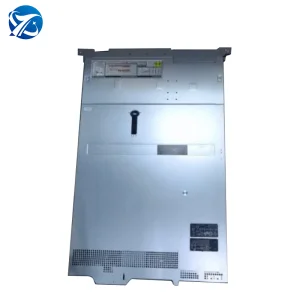
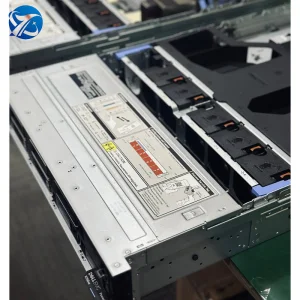
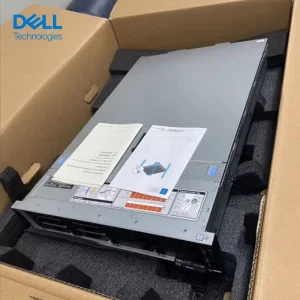
In manufacturing plants and large-scale distribution centers, edge-node virtualization provides local compute services with minimal latency. Under this configuration, compact 1U systems like the Dell PowerEdge R350 are deployed on site. Running localized KVM or Proxmox nodes, these systems manage industrial IoT data processing, telemetry, and machine vision systems, maintaining operation even during regional network disconnections.
The virtualization market is entering a phase of convergence. Over the next five years, the boundaries between traditional Virtual Machines (VMs) and Containerized architectures will continue to blur. Project technologies like KubeVirt are leading this change, allowing legacy virtualized software systems to run side-by-side with modern microservice containers within unified Kubernetes clusters. This unified orchestration reduces management overhead and optimizes physical hardware usage across the entire enterprise cluster.
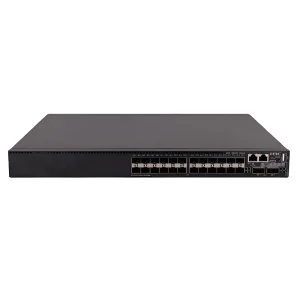
Concurrently, hardware offloading via Data Processing Units (DPUs) and Infrastructure Processing Units (IPUs) is restructuring hypervisor kernels. By offloading virtualization overhead—such as network virtualization (SDN), storage overlay processing (NVMe-oF), and cryptographic security layers—from the host CPU to specialized smart NICs, host processor cores are freed to run application workloads. High-bandwidth optical cores, such as the H3C S6520X-30QC-EI switch array, form the networking backbone of these environments, ensuring that inter-node live migrations and distributed storage access occur over clean, non-congested routes.
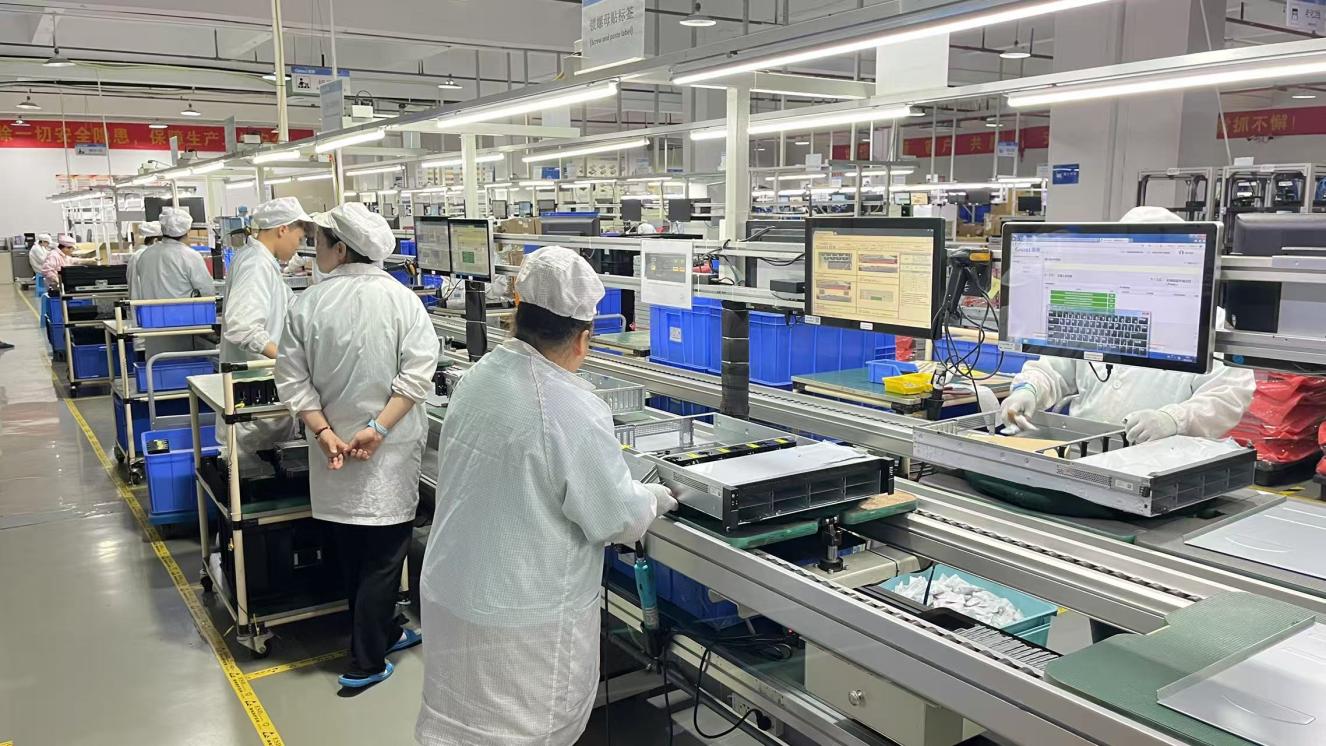
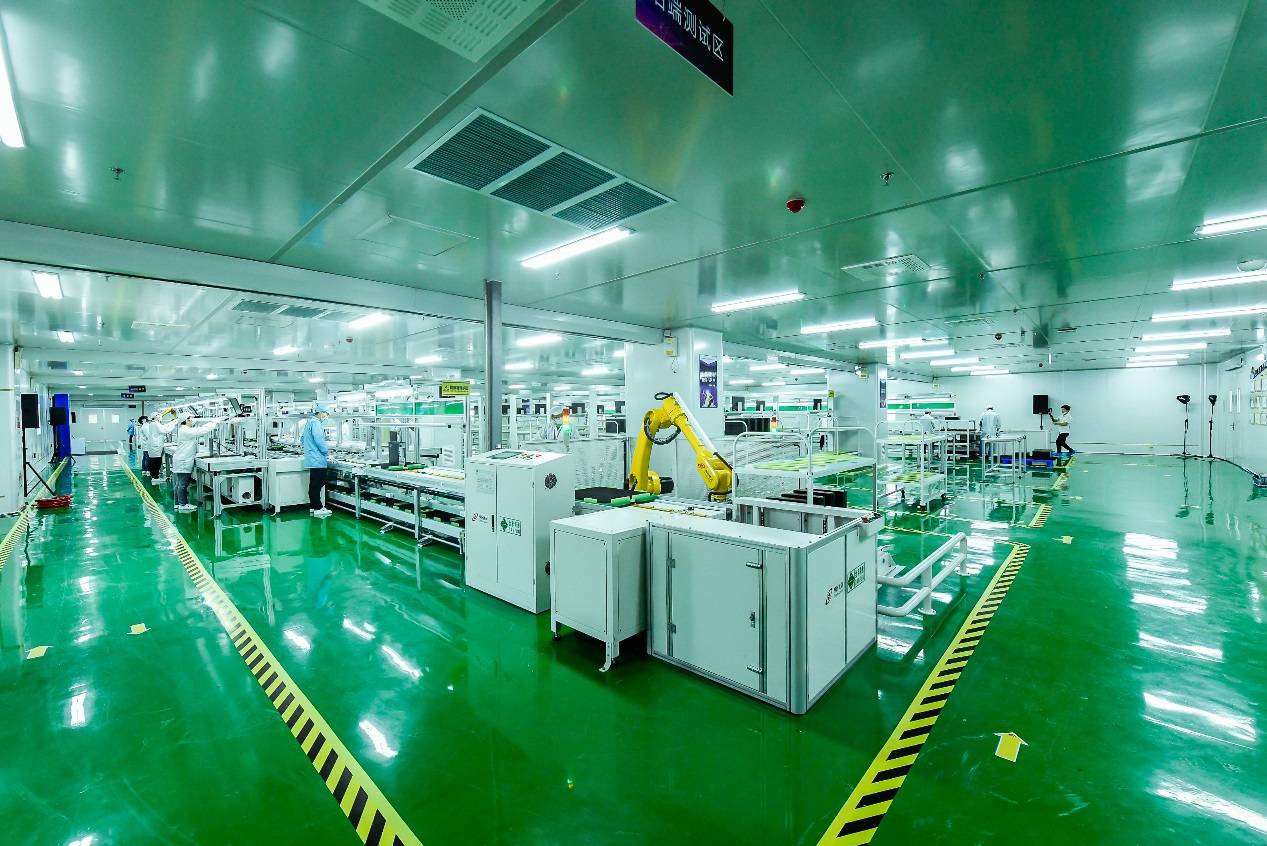
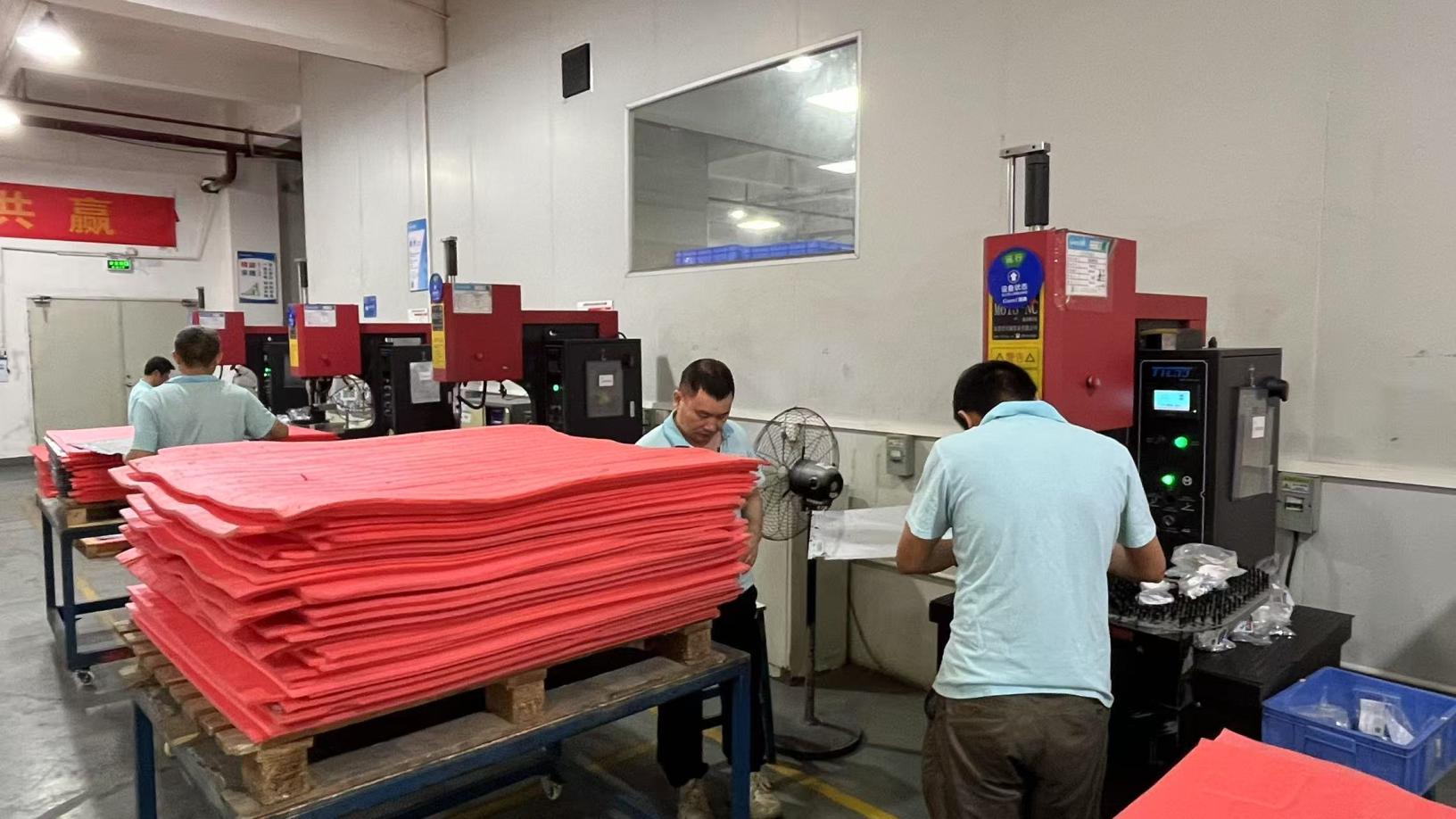
TensorNova’s manufacturing ecosystem relies on a robust network of over 1,200 verified tier-1 and tier-2 hardware component providers. This extensive network ensures access to memory chips, multi-layer PCBs, high-efficiency power supply units (PSUs), and specialized chassis designs. Our manufacturing processes are managed under strict ISO9001-based quality control frameworks, supported by an advanced validation and testing facility. This operational setup enables us to maintain short production times, configure custom hardware platforms, and manage supply chain disruptions.
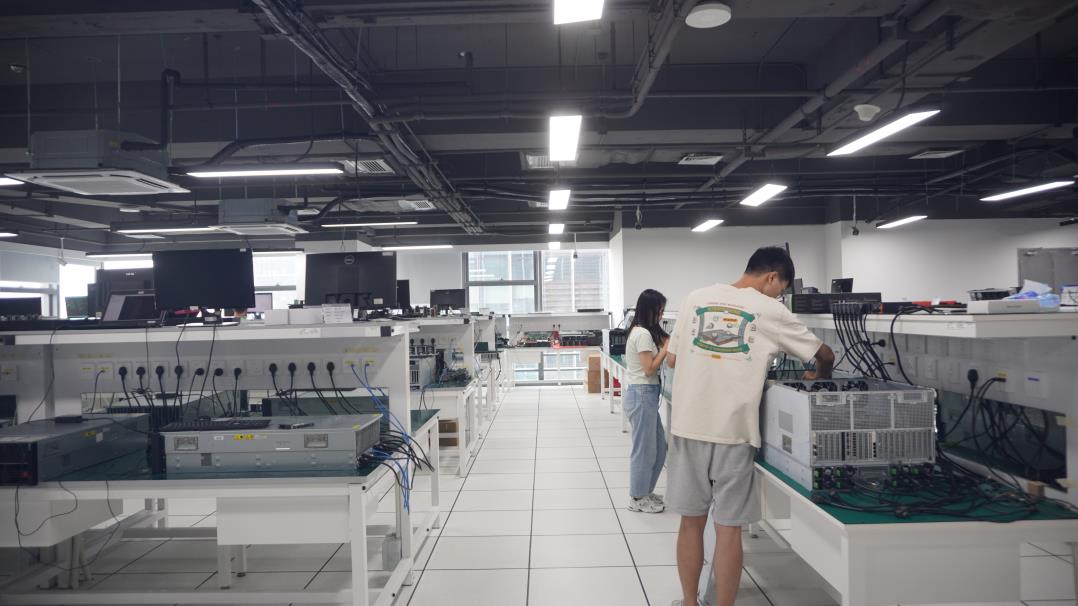
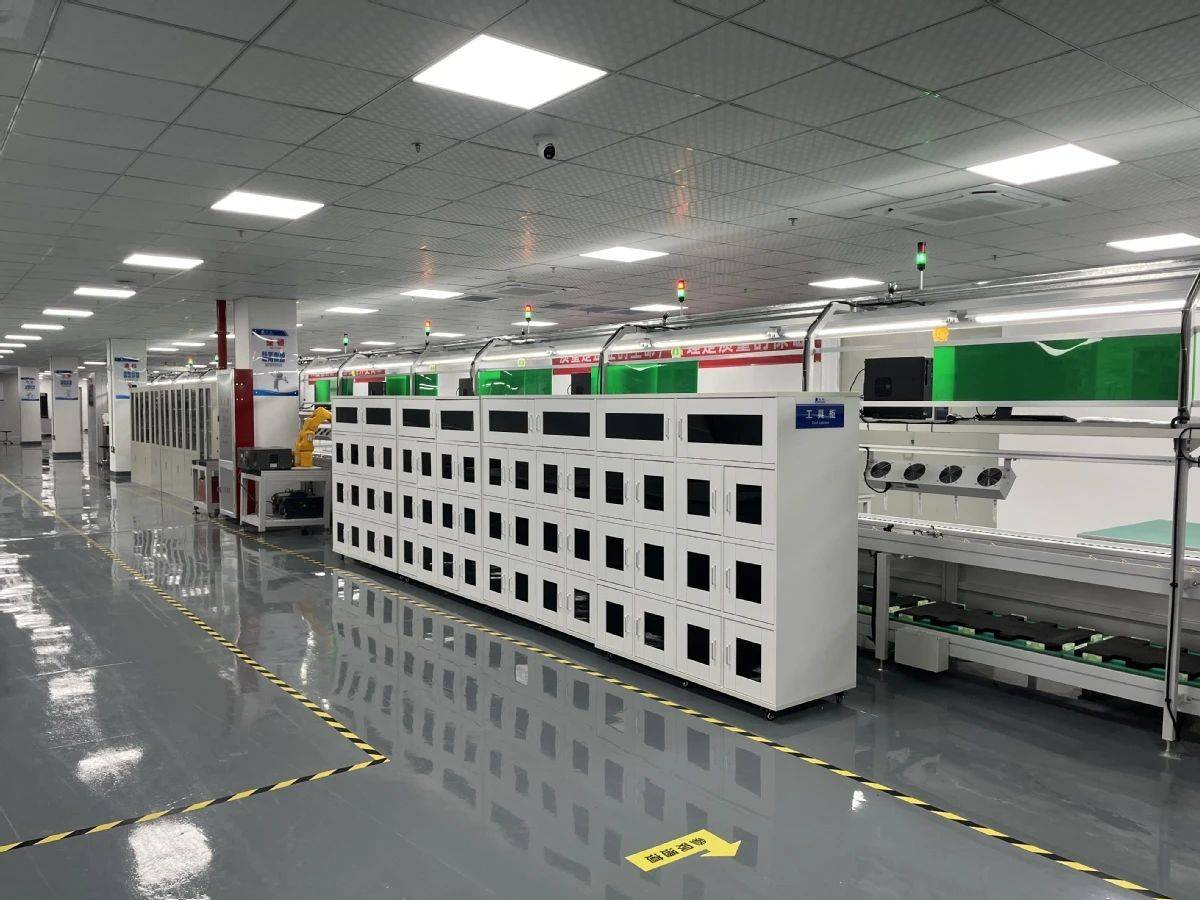
Our quality control program employs 45 quality control professionals. Every system manufactured undergoes a series of automated stress tests, including hardware thermal testing in environmental chambers, long-duration burn-in testing under load, and high-concurrency AI workload simulations. This testing protocol ensures that every node shipped to global markets is ready for continuous production environments.
From custom chassis designs and specialized air/liquid cooling solutions to customized motherboard tuning, we adapt platforms to meet specific data center requirements.
Every node undergoes automated thermal validation, high-load burn-in, and compute simulations to verify structural and electronic integrity.
Exporting to markets in North America, Europe, Southeast Asia, and the Middle East, our logistics network handles regional compliance and delivery procedures.
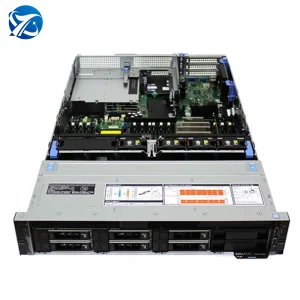
As enterprises globally look to diversify their virtualization stack away from proprietary license fee models, there is growing interest in open-source hypervisors (KVM, Proxmox, Xen) and regional hyperconverged solutions (Sangfor HCI, SmartX Elf, Nutanix). These platforms require flexible hardware that can adapt to changing hypervisor architectures without vendor lock-in. Our portfolio of open-architecture servers (including the Dell PowerEdge series and xFusion family) provides the necessary driver support and hardware-level compatibility to run diverse operating systems and hypervisors.
Furthermore, the growth of hybrid cloud structures means that local hypervisors must connect with public cloud architectures (AWS, Microsoft Azure, Google Cloud). This hybrid setup requires low latency and high bandwidth. Our hardware configurations support advanced features like SR-IOV (Single Root I/O Virtualization) and DirectPath I/O, allowing virtual machines to communicate directly with physical network interfaces and GPU resources, minimizing latency overhead.
Deploying server hardware globally requires compliance with safety, environmental, and data privacy regulations. Our server hardware platforms carry international certifications, including CE, FCC, RoHS, and UL, ensuring they meet the import and operational requirements of major markets. In addition, our manufacturing facilities operate under strict security policies to protect the integrity of the BIOS and IPMI/iDRAC/iBMC firmware from supply-chain vulnerabilities.
For post-installation support, TensorNova provides a multi-tier technical service. Our engineering department (consisting of 180 systems and design engineers) provides remote diagnostics, firmware customization, and configuration support. We also partner with local service providers in North America, Europe, and the Middle East to offer rapid replacement parts and on-site hardware assistance, helping to keep client data centers running smoothly.
Answers to common technical questions about hypervisors, hardware compatibility, and deployment
For virtualization environments, we configure the BIOS to enable Intel VT-x or AMD-V virtualization technologies, SR-IOV, and Access Control Services (ACS) for direct PCIe device assignment. We also configure power management settings to "Maximum Performance" to prevent processor frequency scaling latency from impacting virtual machine responsiveness.
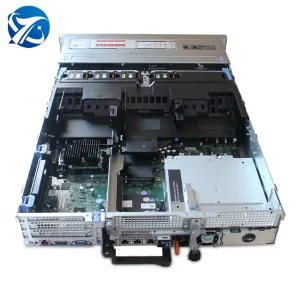
4-socket servers provide high compute density by supporting up to four Intel Xeon processors in a single 2U chassis. This allows for high-capacity memory configurations (up to 64 DIMM slots) and high core counts, reducing the network footprint, cabling complexity, and hypervisor licensing costs compared to multiple 2-socket nodes.
The Emulex LPE35000 offers 32Gb/s connectivity per port, providing the high bandwidth and low latency required for storage area networks (SANs). This performance is important for virtualization tasks like virtual machine live migrations (e.g., vMotion), high-speed backup processes, and high-IOPS virtualized database applications.
Yes. By using virtual GPU (vGPU) software, a physical GPU can be partitioned into multiple virtual GPU profiles. This allows a single accelerator to support either heavy computational workloads like AI inference and training, or graphical tasks like virtual desktop infrastructure (VDI) and CAD rendering, depending on the allocated profiles.
Our quality control process includes a 24-hour hardware burn-in test at 40°C, memory diagnostic testing using automated tools, network interface loopback tests, and virtualization compatibility checks (such as loading VMware ESXi and running stress tests across all allocated cores and memory channels).
Inside our quality inspection, customization, and engineering integration facility
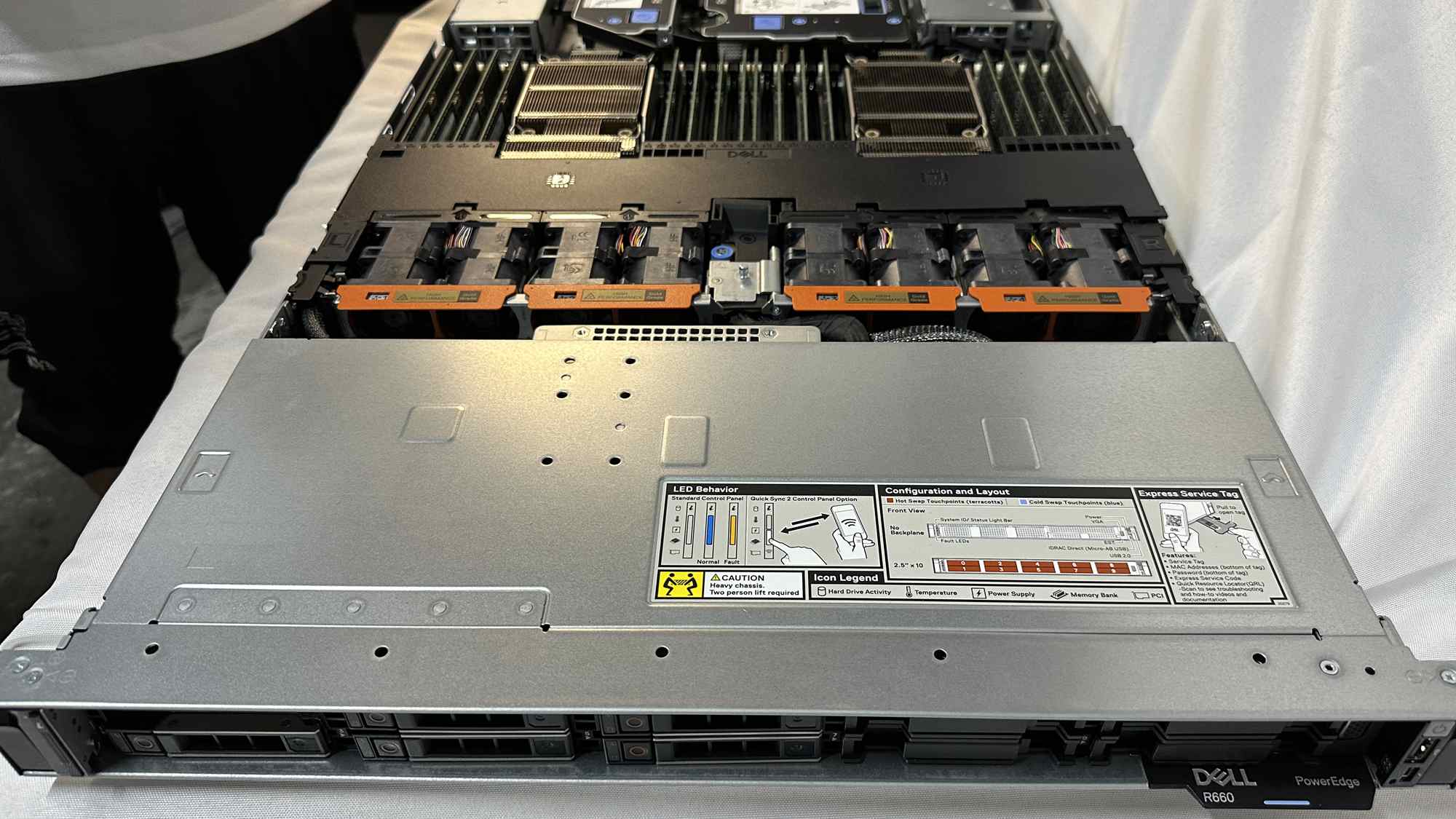


Rack-optimized platforms, multi-socket AI servers, and storage solutions for high-performance virtualization