TensorNova
TensorNova
TensorNova
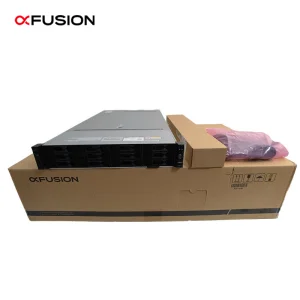
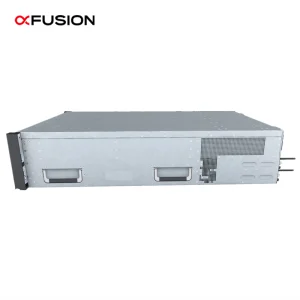
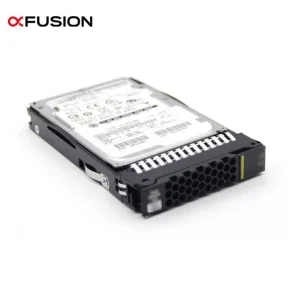
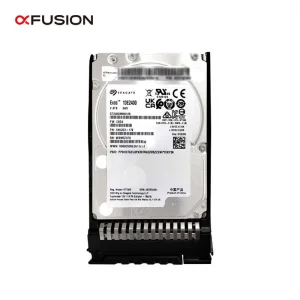
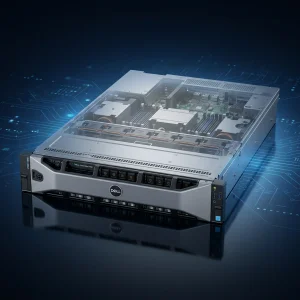
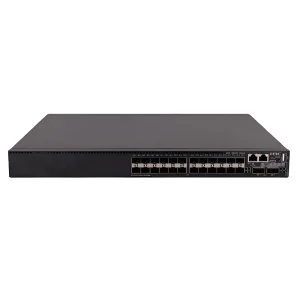
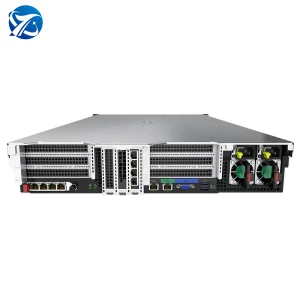
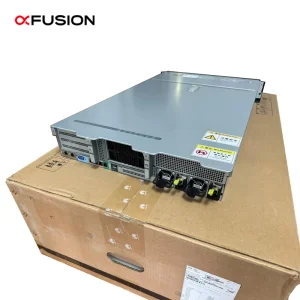
Explore our elite range of computing nodes, enterprise storage expansion drives, and server processors engineered for exascale datacenter integration.
Overcoming the Thermal Wall in Exascale AI Infrastructure
As deep learning algorithms, artificial intelligence models (such as DeepSeek, GPT-4, and dense transformer architectures), and complex scientific simulations scale, high-density AI server design has experienced a massive shift. High-wattage computing platforms utilizing high-performance CPU architectures and advanced GPU accelerators have pushed standard thermal management designs to their breaking point.
Modern server nodes routinely exceed 700W to 1200W of heat dissipation per accelerator. Combined with high rack densities (up to 100kW per cabinet), legacy air cooling cannot keep pace. High junction temperatures lead to silicon degradation, thermal throttling, and massive energy waste. Managing thermal loads at scale requires a calculated approach that combines material science, fluid dynamics, and precise engineering.
At TensorNova, we bridge this gap. We engineer systems with integrated thermal paths, ranging from custom multi-phase vapor chambers to high-efficiency liquid cold plates and direct-to-chip systems. This helps ensure that modern high-density hardware runs safely and efficiently under heavy workloads.
TensorNova is a professional high-performance AI GPU server manufacturer and infrastructure solution provider based in China. We specialize in AI computing, GPU clusters, and scalable data center hardware solutions for global enterprises.
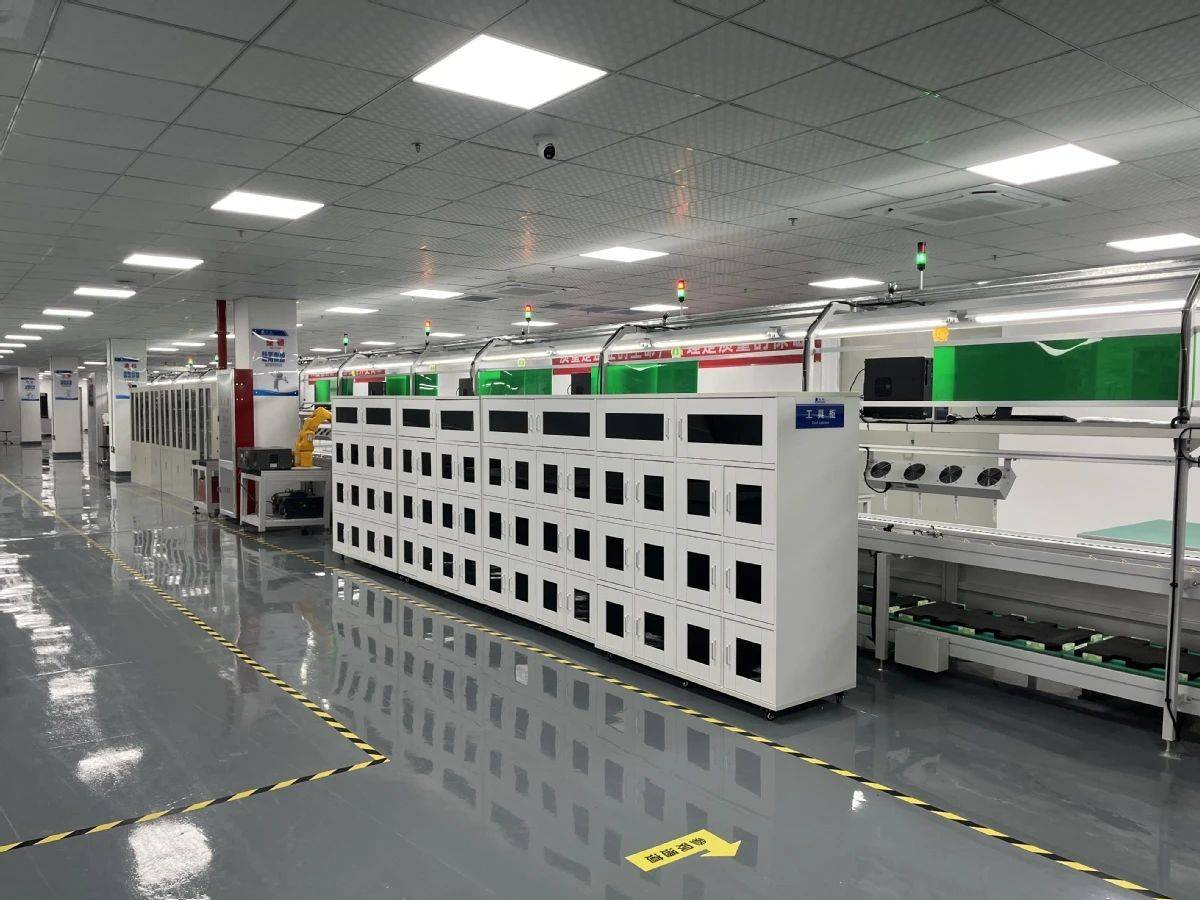
Established in 2016, TensorNova has developed into a trusted supplier in the AI hardware industry with a strong focus on innovation, performance, and customized computing systems. The company operates a modern production facility covering approximately 320㎡, optimized for precision server assembly, system integration, thermal calibration, and testing.
With 6 years of export experience and over 12 years of industry experience in server computing, we record an annual export revenue of approximately $8.5 million. Quality assurance is strictly implemented through ISO9001-based quality management systems, leveraging automated hardware stress testing, thermal performance validation, and AI workload simulations. Backed by 180 R&D engineers and a dedicated team of 45 quality control personnel, we manage a supply chain of over 1,200 suppliers to serve global markets.
Understanding the shift from air-cooled systems to liquid loop configurations and zero-emission thermal designs.
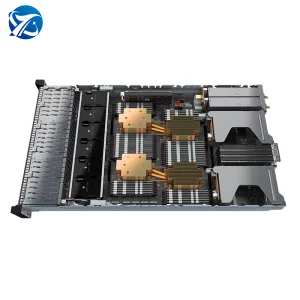
Standard high-density servers utilize 3D vapor chambers, micro-groove heat pipes, and high-RPM counter-rotating fans. While effective up to 350W per processor, these components require significant fan power, which increases acoustic noise and energy consumption in the datacenter.
D2C technology circulates non-conductive fluids or treated water through microchannel copper cold plates mounted directly on the CPU/GPU die. By bypassing ambient air resistance, liquid cold plates can handle chip wattages beyond 1000W, helping reduce system PUE toward 1.15.
By submerging the entire motherboard in specialized dielectric fluids, thermal energy is transferred directly to the liquid without needing fans or complex heatsinks. This system simplifies the infrastructure and allows for extremely high rack densities in green datacenters.
Tailoring thermal management configurations to meet the specific workload demands of different industrial applications.
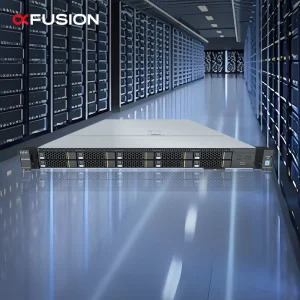
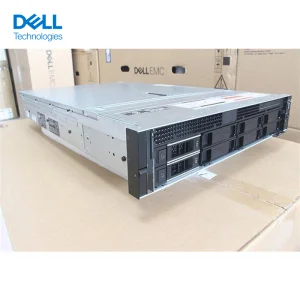
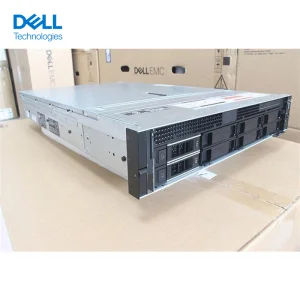
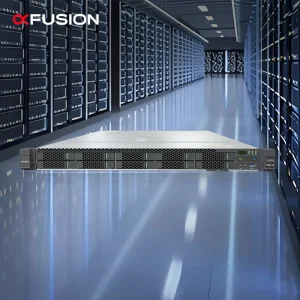
For cloud providers deploying thousands of GPUs, we deliver integrated RackCDUs (Coolant Distribution Units) alongside redundant manifold connections. This allows for stable thermal management across high-density server lineups from major platforms like xFusion and Dell.
For private AI computing hubs running large language models, we offer custom dual-loop hybrid setups. These systems combine high-efficiency air heatsinks with direct liquid cold plates to maximize uptime and prevent performance drops during prolonged model training.
For remote field nodes and telecom installations exposed to harsh environments, we supply sealed chassis featuring heat pipes and IP-rated dustproof heat exchangers. These designs ensure reliable operation without relying on clean-room air filtration.
Inside TensorNova's highly optimized, precision manufacturing ecosystem based in the Pearl River Delta industrial corridor.
Operating within major technology manufacturing hubs allows TensorNova to leverage a deep supply network of over 1,200 component partners. This positioning enables fast sourcing of raw copper, high-performance pumps, microchannel cold plates, and high-performance server boards, keeping production lines agile.
Our manufacturing facility handles every step of production under a strict quality management system:
With 180 R&D engineers, we can quickly adapt designs for custom chassis, GPU layouts, and power requirements, helping clients transition from prototyping to mass production efficiently.
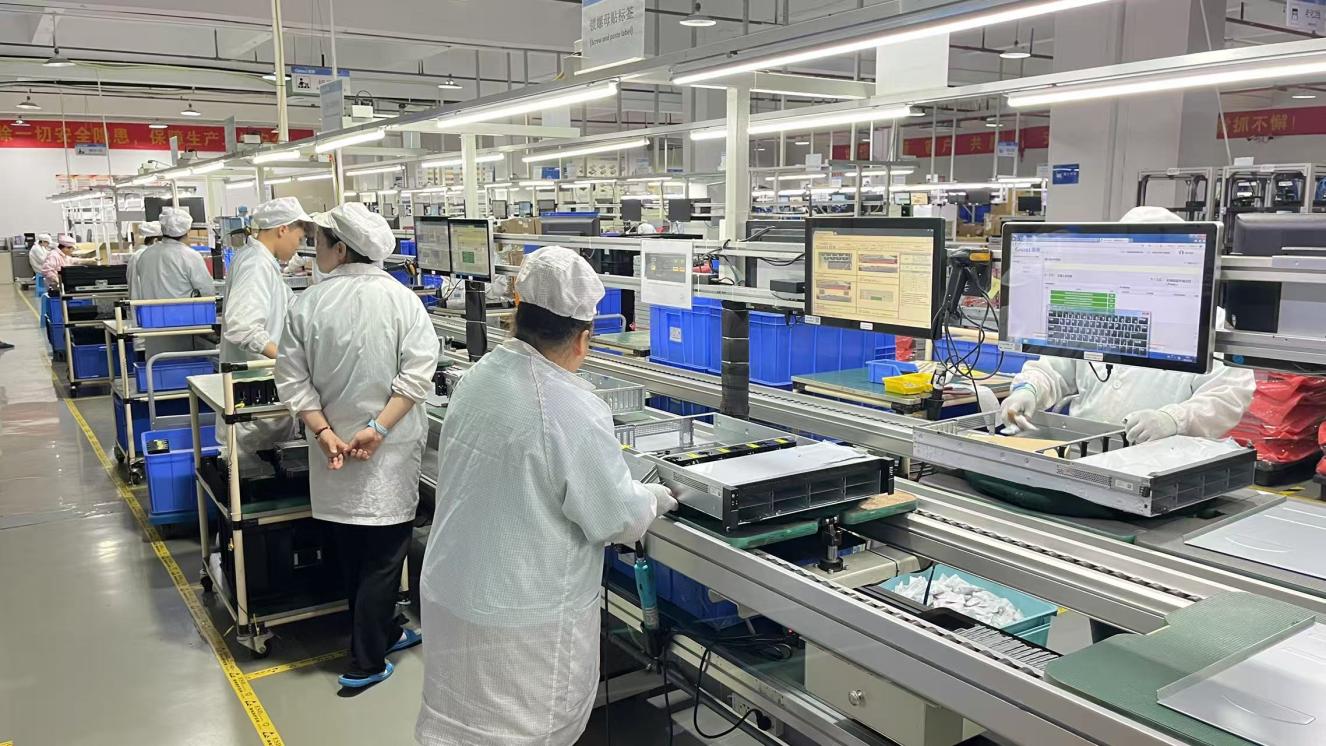
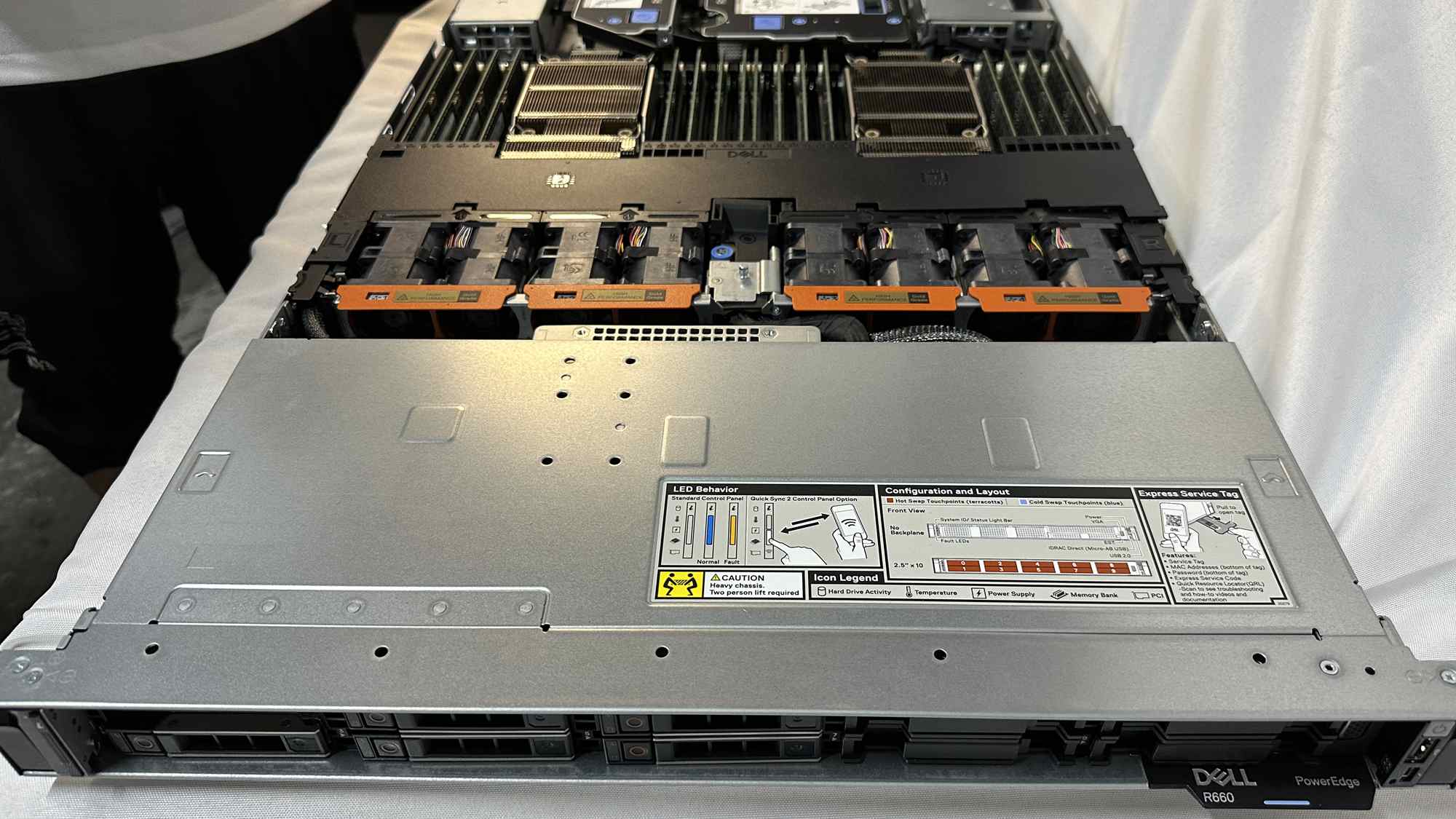
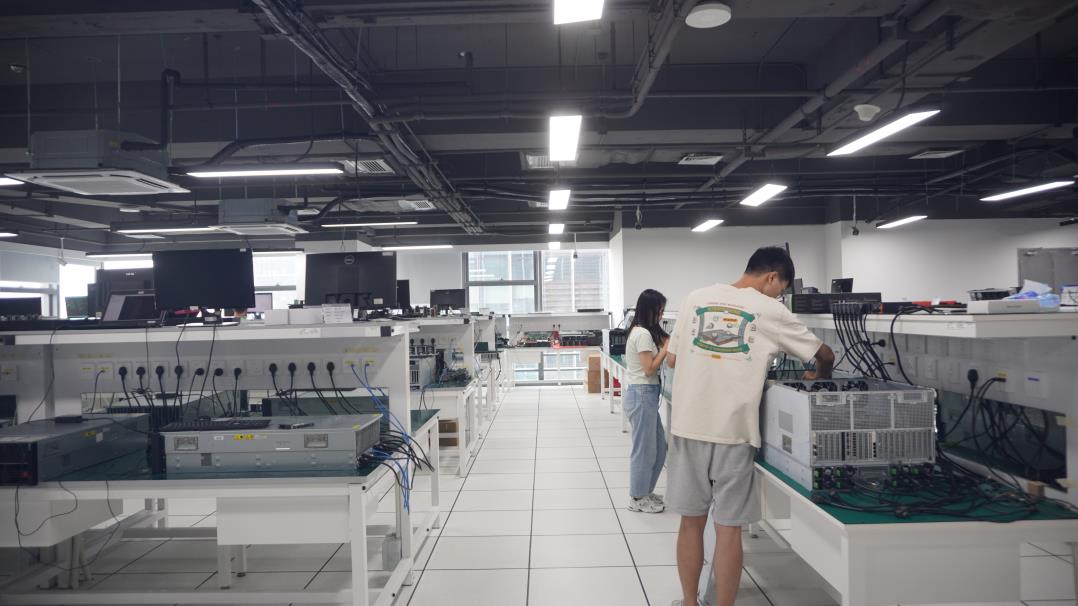

Meeting international standards and ensuring smooth operations across North America, Europe, and Asia-Pacific.
Our systems are built to meet global safety and environmental requirements, including ISO9001, CE, FCC, UL, and RoHS standards. Our liquid cooling loops utilize corrosion inhibitors and biocide coatings, ensuring compatibility with standard datacenter safety regulations.
Serving key hubs in the US, Germany, Singapore, and the UAE, TensorNova provides reliable shipping logistics and documentation. We support our customers with comprehensive technical manuals, installation guidelines, and spare parts support to keep your systems running smoothly.
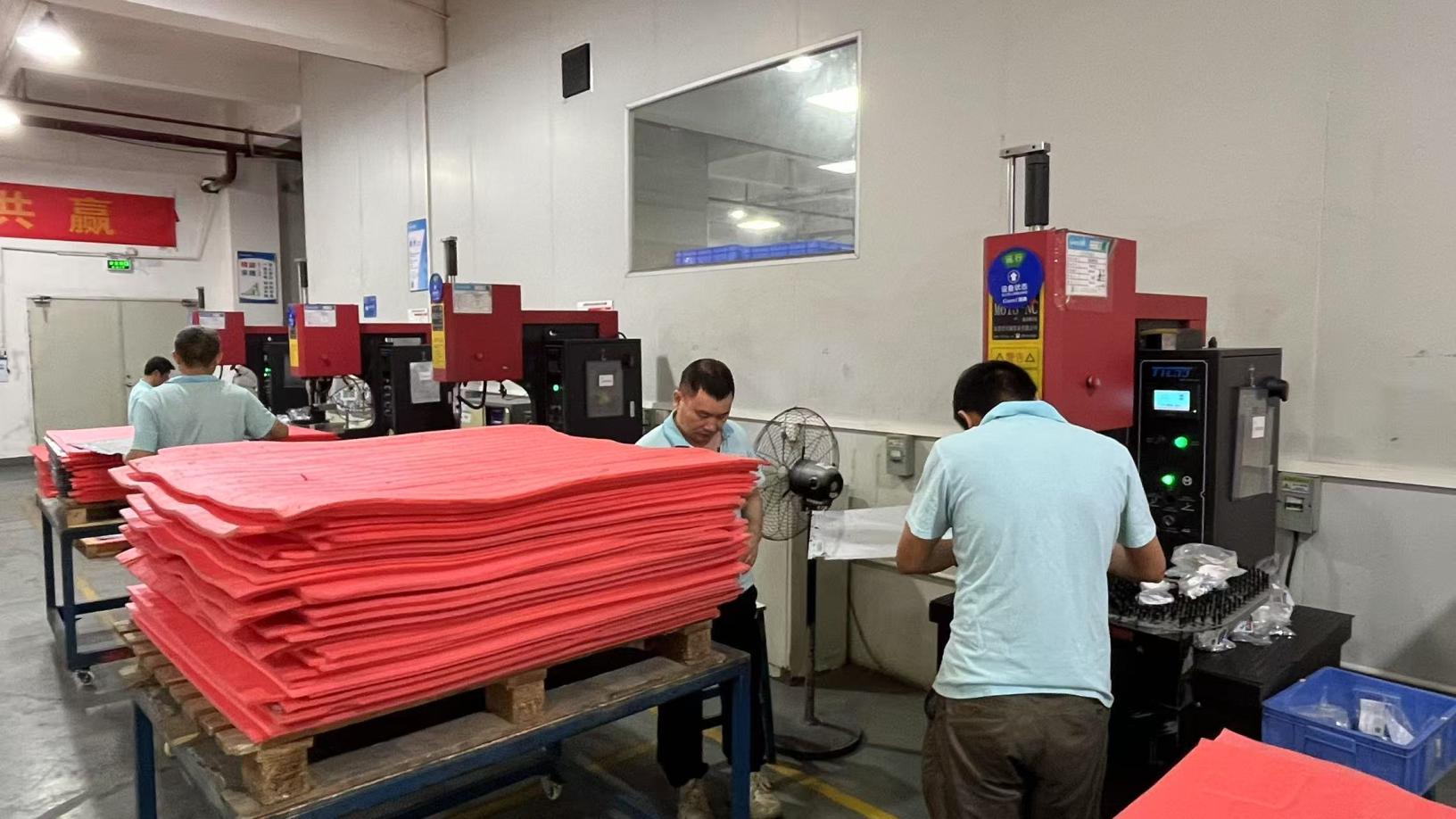


Key technical parameters to consider when designing or sourcing cooling infrastructure for high-performance servers.
Ensure the cooling solution matches or exceeds your chip's thermal requirements. For example, modern AI accelerators often need at least 700W to 1200W of heat dissipation capacity per slot.
Make sure fluid circulation maintains optimal flow speed across microchannels while keeping pump energy consumption low within the overall rack footprint.
Verify that the cold plate, manifold, and connection materials are fully compatible. Mixing metals like copper and aluminum in the same loop should be avoided to prevent galvanic corrosion.
Look for integrated sensors that track flow, temperature, and moisture levels, allowing the system to detect anomalies early and help prevent leaks.
Get detailed technical answers regarding system deployment, custom configurations, and export services.
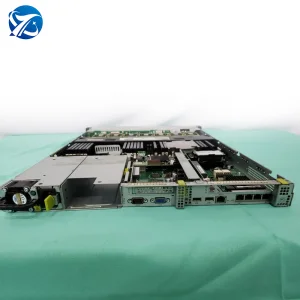
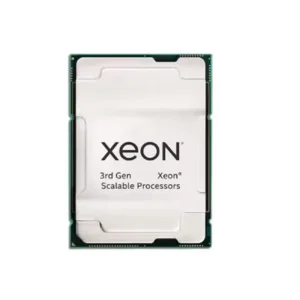
Browse our selection of multi-socket rack nodes, high-density AI servers, PCIe solid-state storage, and advanced networking infrastructure.