TensorNova
TensorNova
TensorNova
High-density computing components engineered for next-generation data centers, enterprise workloads, and AI model acceleration.
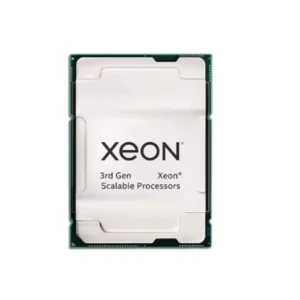
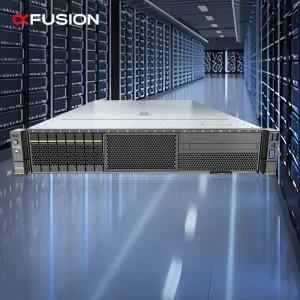
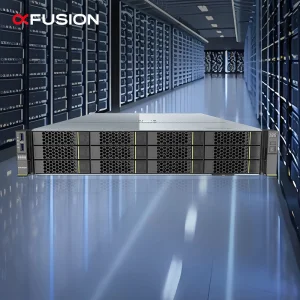
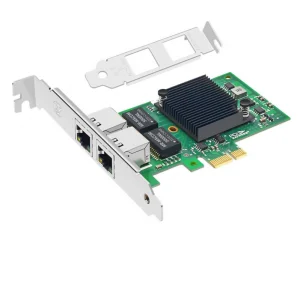
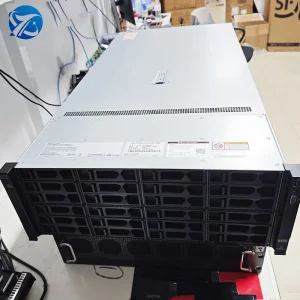
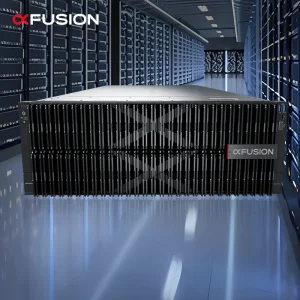
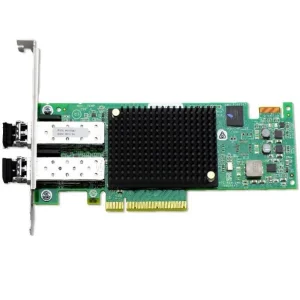
In the era of hyper-scale AI acceleration, Large Language Model (LLM) fine-tuning, and robust multi-tenant cloud deployments, physical infrastructure constitutes the ultimate bottleneck. TensorNova bridging this structural gap through advanced industrial integration, design optimization, and a resilient hardware ecosystem.
Complete GPU configuration customization, physical chassis mechanical restructuring, thermal mitigation engineering (direct-to-chip liquid blocks or optimized dual-row air-cooling), and motherboard-level BIOS/BMC firmware optimization.
ISO9001-certified integration processes combined with rigorous multi-stage testing: automated hardware stress testing, system thermal profile validation, deep memory burn-in tests, and AI workload virtualization simulations.
Maintaining close relationships with primary silicon fabrication and hardware component suppliers. Empowering TensorNova to bypass standard supply chain blockages and secure top-tier CPUs, high-speed interfaces, and NVMe drives.
Modern computational architecture relies heavily on tight physical system integration. Sourcing components and systems directly from China's industrial clusters yields distinct logistical, development, and scaling advantages.
The concentration of precision sheet metal tooling, high-density multi-layered PCB fabrication, custom high-efficiency power supply unit manufacturing, and high-frequency connector casting in localized clusters ensures rapid turnarounds from initial layout draft to functional test prototypes.
Unlike rigid volume-based western manufacturing loops, our Shenzhen-anchored engineering ecosystem adapts swiftly to iterative layout changes. R&D teams optimize 2U and 4U systems, such as implementing M.2 standard cards or upgrading server cooling systems, with minimal delay.
Operating a specialized facility in China enables us to execute localized verification protocols before cross-border shipping. Over 45 dedicated QC technicians supervise hardware stress tests, signal integrity analysis, and automated component-level burn-ins, eliminating post-shipment component failures.
The hardware paradigms supporting data centers are undergoing a massive evolution. Driven by local and distributed Large Language Model (LLM) platforms like DeepSeek, AI clusters require specialized hardware architectures to handle complex operations.
Standard servers struggle with model training. Systems like the 8U GPU Rack Server are built specifically for these workloads, using high-speed PCIe topologies to balance power delivery and interconnect bandwidth.
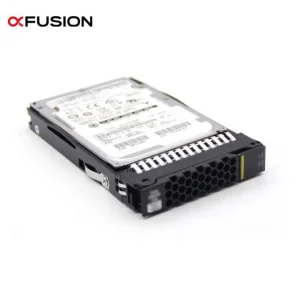
Traditional hard drives create system bottlenecks. Read-intensive SSDs, like the S4520 enterprise SATA range, deliver the sustained IOPS and write-endurance needed for real-time model loading and dataset parsing.
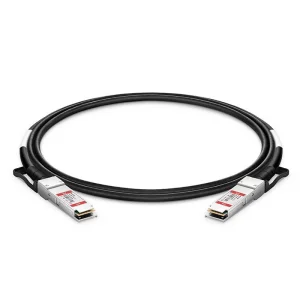
Low-latency networking is essential. Dual-port 32GB FC HBA cards and high-speed QSFP+ direct-attach copper cables (DAC) keep latency low across distributed storage nodes and computing nodes.
As TDPs push past 350W per socket, specialized thermal management is key. Custom heat sinks and heat-pipe arrays protect processor configurations from thermal throttling during peak workloads.
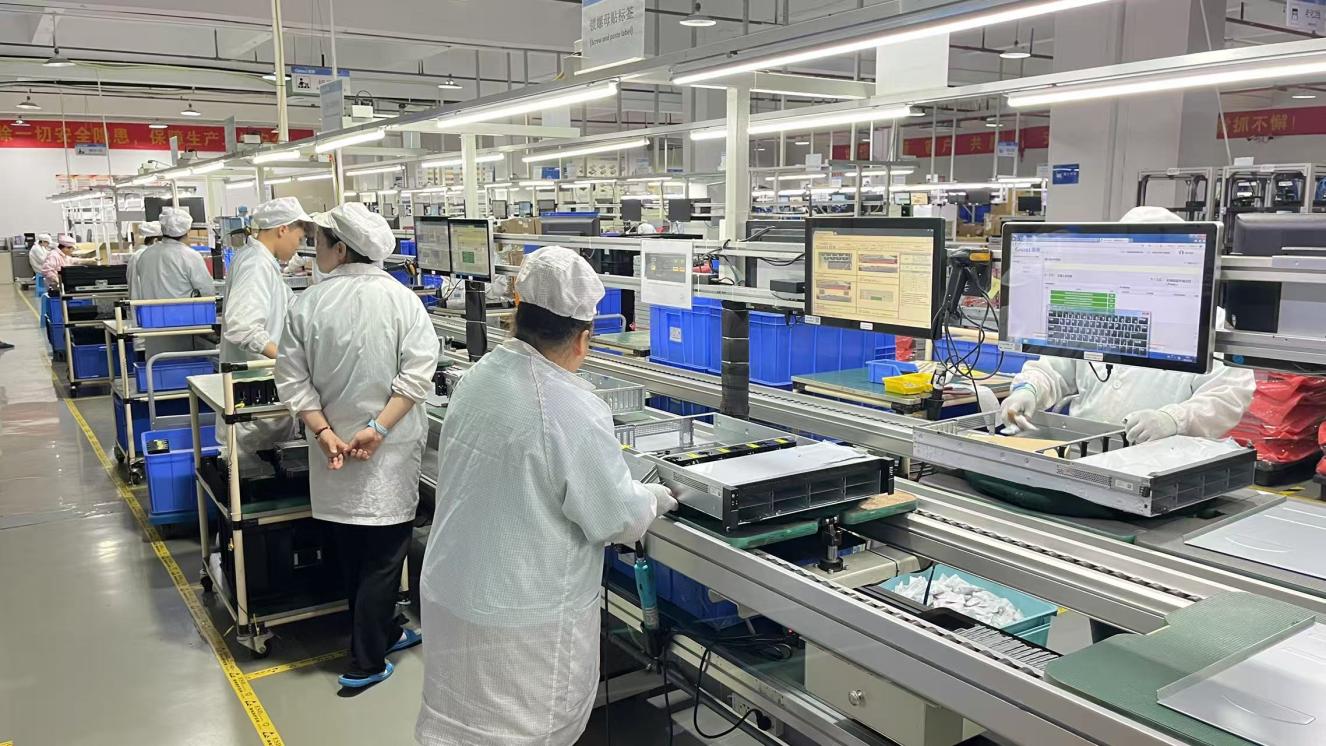
TensorNova is a professional high-performance AI GPU server manufacturer and infrastructure solution provider based in China. We specialize in AI computing, GPU clusters, and scalable data center hardware solutions for global enterprises. Established in 2016, TensorNova has developed into a trusted supplier in the AI hardware industry with a strong focus on innovation, performance, and customized computing systems.
The company operates a modern production facility covering approximately 320㎡, equipped for advanced server assembly, testing, and system integration. With 12 years of industry experience in AI computing and server manufacturing, and 6 years of dedicated export experience, we manage an annual export revenue of approximately $8.5 million.
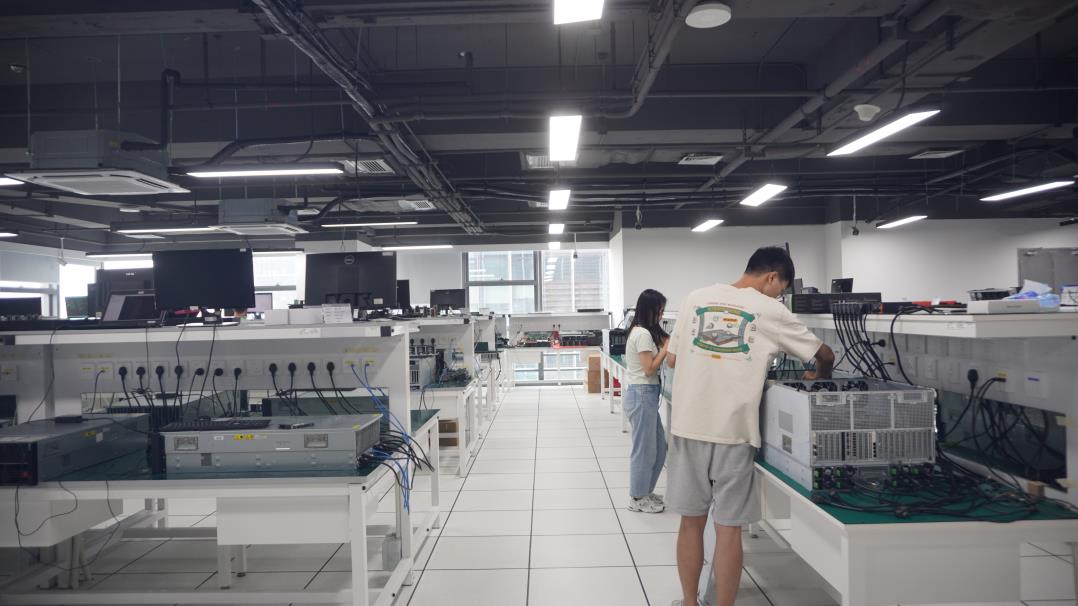
Quality assurance is strictly implemented through ISO9001-based quality management systems. Product inspection is conducted using automated hardware stress testing, thermal performance validation, burn-in testing, and AI workload simulation testing. The company employs around 45 quality control personnel dedicated to ensuring product reliability and stability.
Serving clients across North America, Europe, Southeast Asia, and the Middle East (with primary markets in the United States, Germany, Singapore, and the United Arab Emirates), TensorNova has established a robust supply chain ecosystem with more than 1,200 global suppliers and strategic component partners. This network enables stable production and fast delivery capabilities for AI research institutions, cloud computing providers, data centers, enterprise IT departments, and AI startups.
Our R&D capabilities are supported by a team of approximately 180 R&D engineers, focusing on GPU server architecture, AI optimization, and high-density computing systems. We offer extensive customization options, including GPU configuration customization, chassis design, cooling system optimization (air or liquid cooling), motherboard-level tuning, and AI workload-specific optimization solutions. In the past year alone, the company successfully launched 320+ new products.
TensorNova's customized systems and server components are built to meet the needs of diverse operational environments:
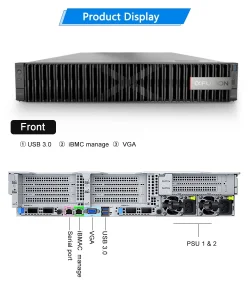
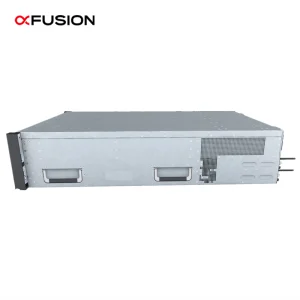
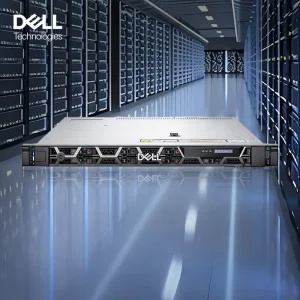
Deploying AI workloads inside local enterprise networks requires hardware that works seamlessly with legacy networks. Our custom configurations allow systems like the Dell R750 or xFusion architectures to integrate directly with internal database systems, accelerating AI processing while keeping data secure on-premise.
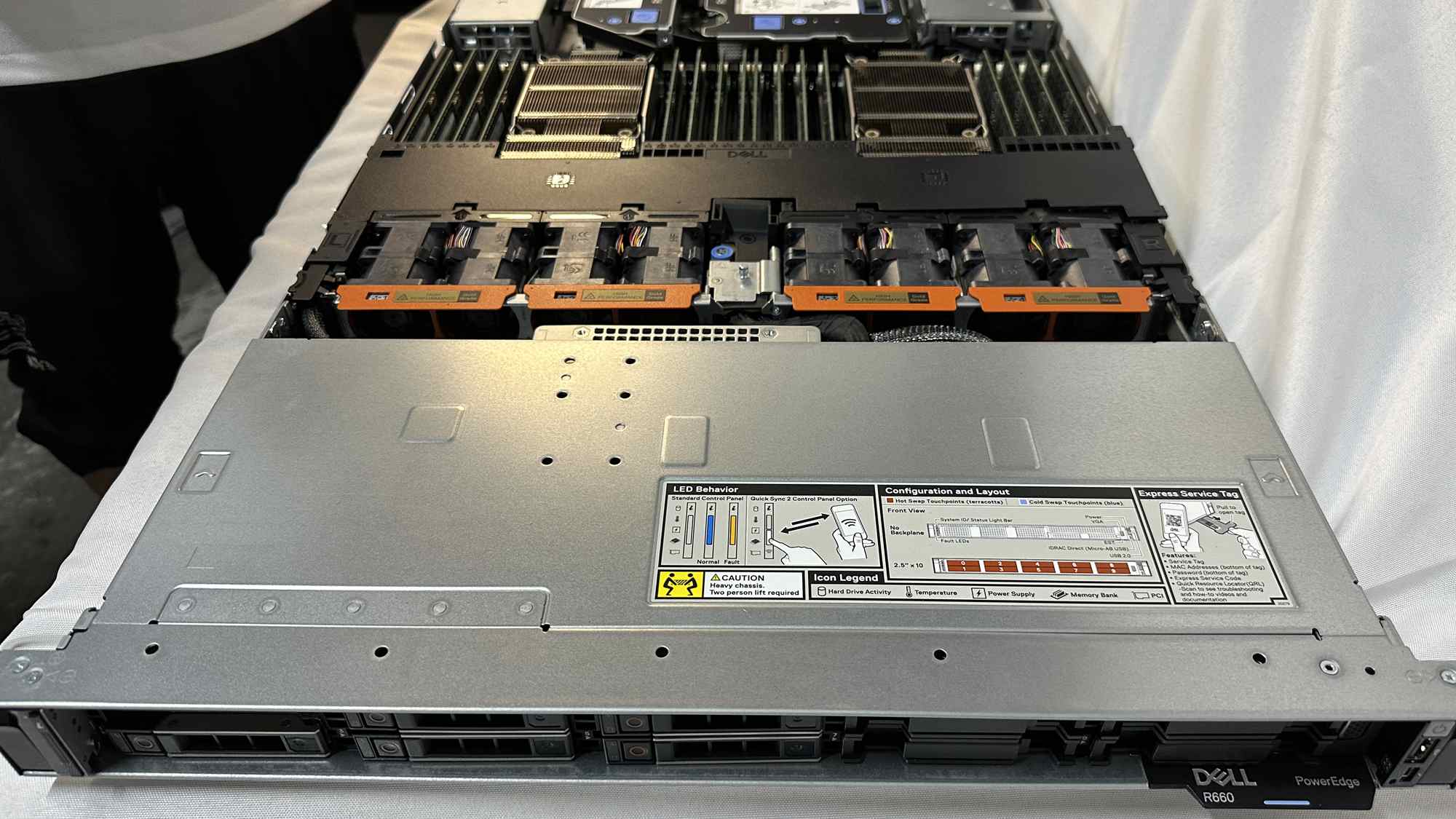
Edge installations need to balance power limits, thermal management, and space constraints. Using compact 1U systems like the PowerEdge R660 and specialized boot cards with hardware RAID support, edge nodes can run locally without needing constant cloud connectivity.
Large-scale hosting operations depend on high storage density and low energy consumption. Utilizing multi-socket rack systems equipped with enterprise-grade SATA SSDs ensures stable, high-throughput storage for virtualized environments.
Managing international hardware sourcing requires careful balance between cost, performance, and long-term reliability.
Custom storage networks and interface adapters must run stable, compatible firmware. TensorNova tests adapter and controller cards against a broad range of enterprise motherboards to prevent configuration issues.
Power requirements must match data center facilities. We help sourcing teams select appropriate power supply ratings (like 1500W redundant units) and heat sinks to match their specific operating environments.
Every product goes through comprehensive hardware verification, including heat-chamber tests and burn-in runs, ensuring systems perform reliably from day one.
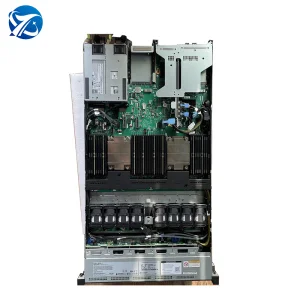
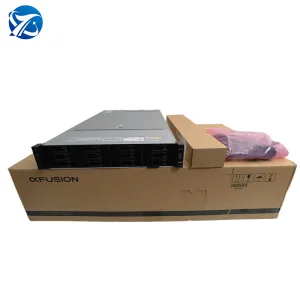
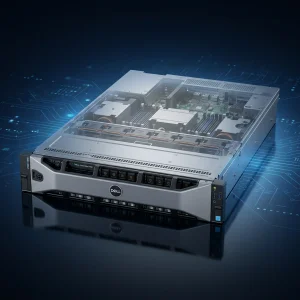
Explore our selection of barebone systems, high-density server configurations, network cards, and enterprise memory components.
Explore detailed answers to common questions about server components, testing protocols, compatibility, and international sourcing.
We perform extensive cross-platform testing for all memory modules, SSD arrays, storage controller cards, and networking adapters. Components are tested using standard configurations from leading platforms like Dell PowerEdge and xFusion. This validation includes raw signal testing, checking device identification settings, and running continuous read-write tests under heavy compute loads.
Our quality control workflow includes multi-stage verification: First, components undergo validation testing to check electrical and signaling performance. Next, assembled systems are run through software-driven stress tests for 24 to 72 hours, monitoring thermal limits under heavy loads. Finally, we execute AI workload simulations to confirm stability before packaging and shipping.
High-TDP processor installations require precise thermal management. We design custom heat sinks with high-conductivity copper bases and multi-channel heat-pipe layouts. These are coupled with balanced air-duct layouts and software-controlled fans to optimize airflow, preventing thermal throttling during sustained workloads.
Yes, we provide engineering services to tailor physical dimensions, mounting hardware, and cable management features. Our options cover deep-rack dimensions, custom front panels, direct-touch liquid cooling lines, and tailored PCIe riser card placements, allowing the systems to fit your data center's power and cooling architecture.
Shipping schedules vary depending on the level of customization and part availability. Standard configurations using in-stock parts are typically assembled, tested, and dispatched within 2 to 3 weeks. Custom designs requiring modified chassis parts or specialized configurations generally require 4 to 6 weeks for complete validation before leaving our facility.
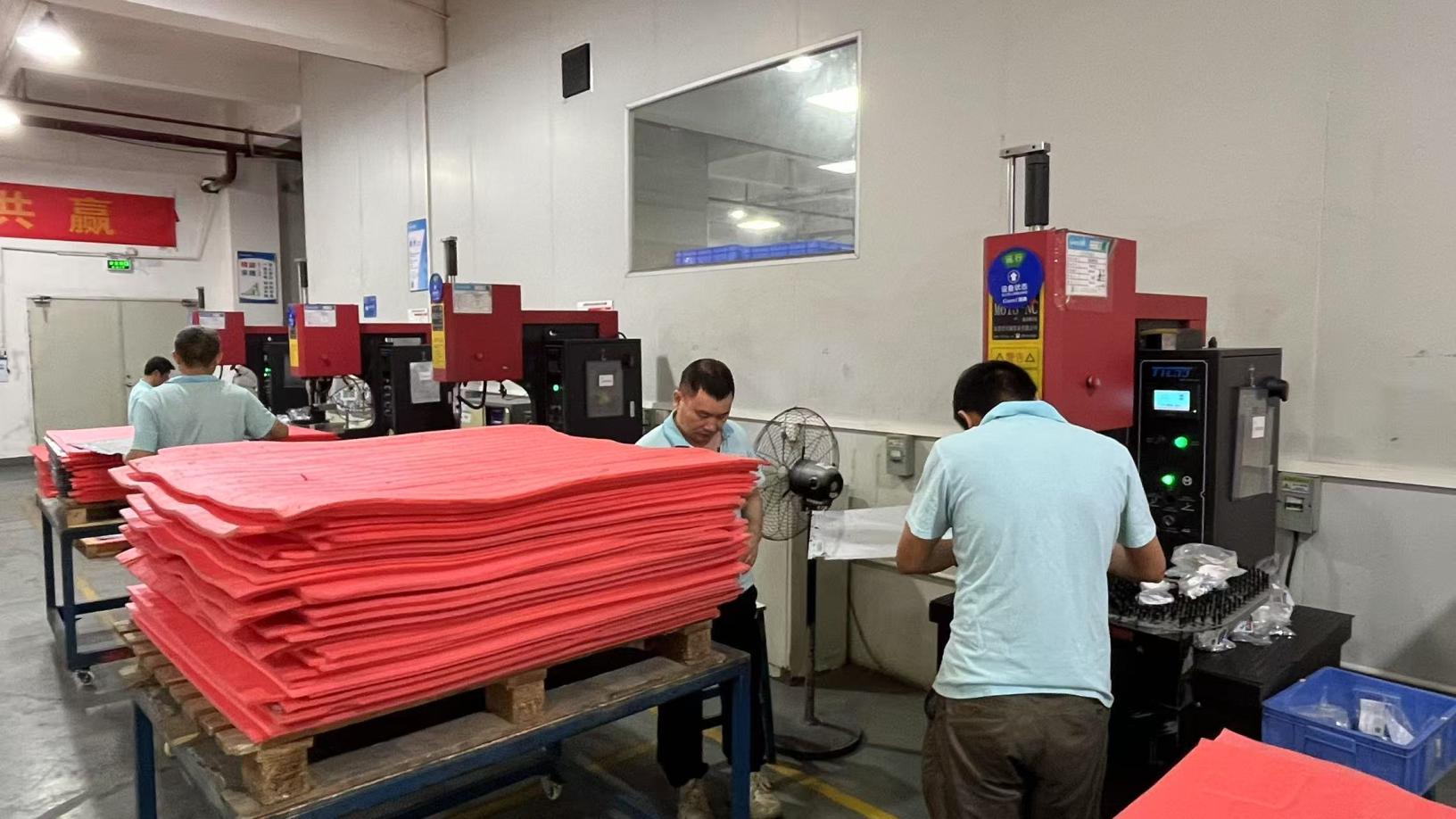
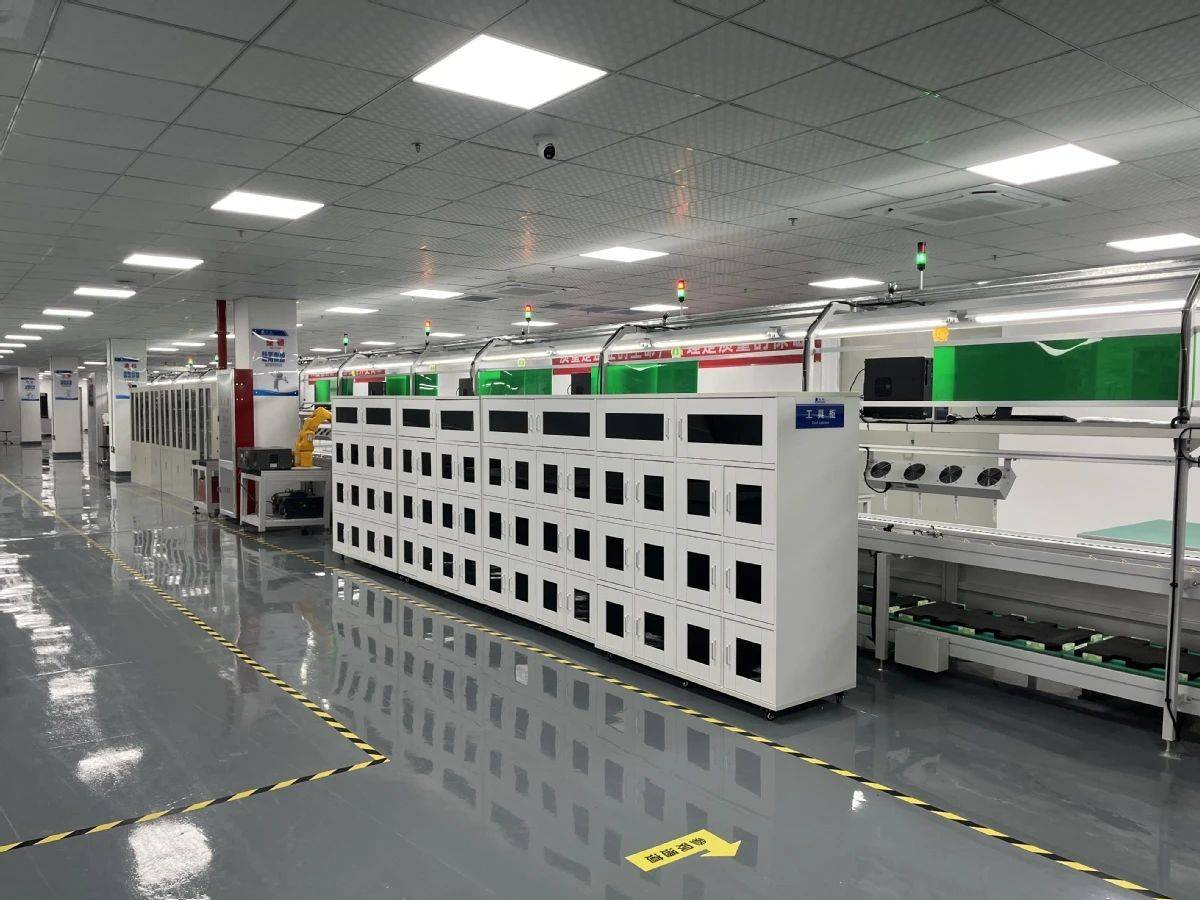
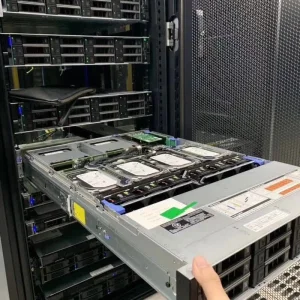
Inside our advanced system integration, quality testing, and server component packaging lines in China.