TensorNova
TensorNova
TensorNova

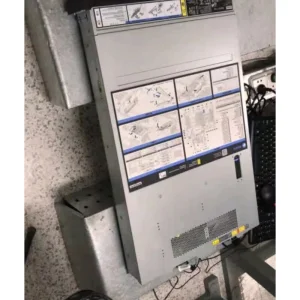
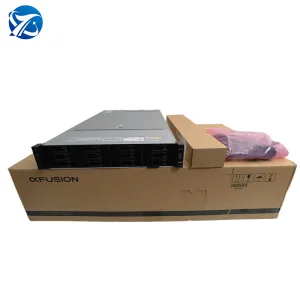
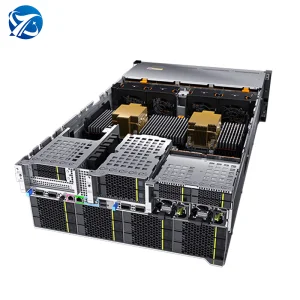
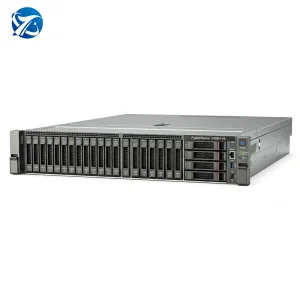


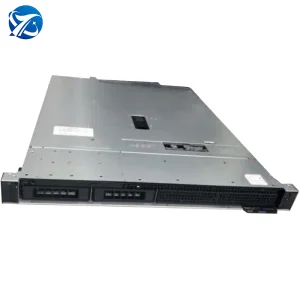
A look into TensorNova's high-density computational capacities, dedicated manufacturing metrics, and quality assurances.
TensorNova stands as an industry-leading, professional high-performance AI GPU server manufacturer and data infrastructure solutions provider based in China. We specialize in engineering ultra-resilient AI computing setups, high-density GPU clusters, and modular, scalable datacenter physical hardware systems optimized for modern global workloads.
Established in 2016, the company has integrated over 12 years of industry computing experience with 6 years of specialized international export credentials. Driven by architectural design and motherboard-level custom optimization, TensorNova assists enterprise platforms in eliminating bandwidth choke points, managing thermal envelopes, and reducing latency over wide-area and local networks.
From custom GPU configurations to high-throughput hybrid enterprise SSD structures, our designs meet strict global operational parameters. By integrating strategic ecosystem relationships, we secure consistent hardware components to insulate projects against supply-chain disruption.
Addressing bandwidth bottlenecks, computational latency, and massive data pipelines across modern infrastructure ecosystems.
Utilizing PCIe Gen 5.0 and Gen 6.0 interface pathways combined with SAS 12Gb/s connectivity to support real-time data streaming across storage networks without I/O throttling.
Integrating deep learning and neural network training parameters inside Multi-Socket GPU environments, offering balanced GPU-to-GPU peer memory access.
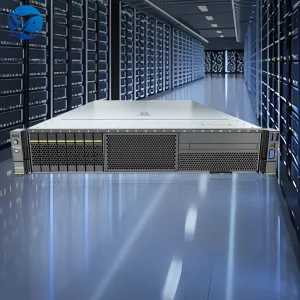
Deploying compact 1U and 2U nodes designed for minimal thermal envelopes at the Edge, ensuring high-speed local data pre-processing and secure replication.
In the modern data-driven landscape, industrial and commercial applications require more than raw storage; they require sustained, low-latency transmission paths. High-density server environments suffer from transmission degradation due to excessive heat, dynamic impedance variance, and lack of alignment between storage interfaces. By engineering systems that align Intel Xeon Scalable processors and high-performance NVMe storage pools, TensorNova removes critical processing bottlenecks.
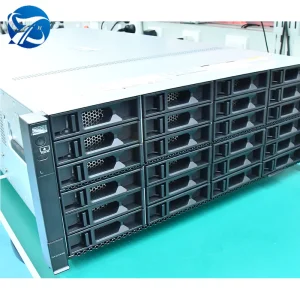
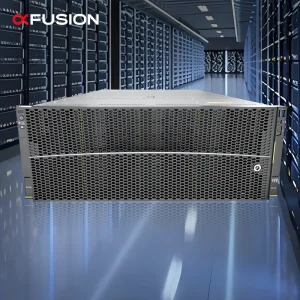
Whether deploying 4U multinode rack servers for distributed SAP HANA databases or setting up decentralized video surveillance storage nodes utilizing high-capacity 12Gb/s SAS architectures, physical components must undergo strict validation tests. We focus heavily on motherboard-level tuning, thermal stress assessments, and automated data integrity testing to ensure stable uptime across critical setups.
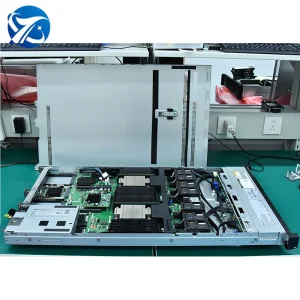
Visual tour of our production facility in China, structured to ISO9001 guidelines with strict hardware stress validation protocols.
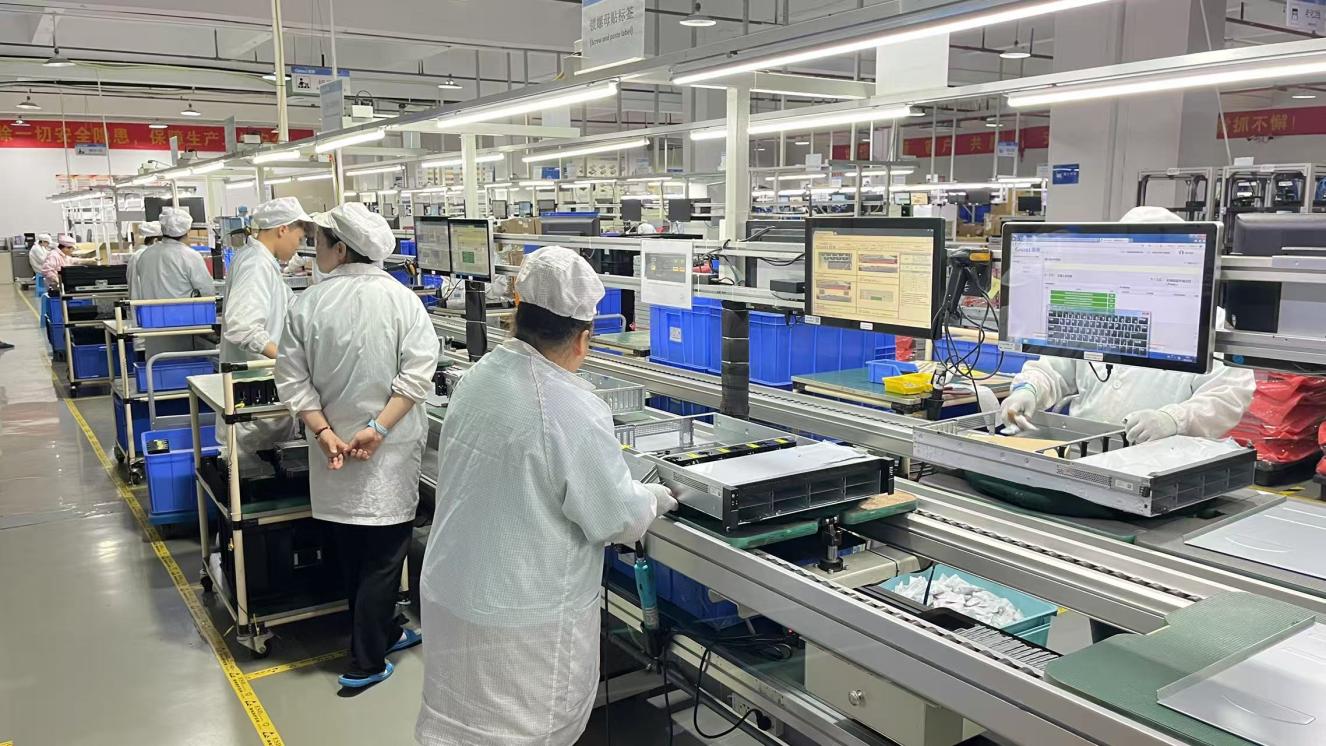
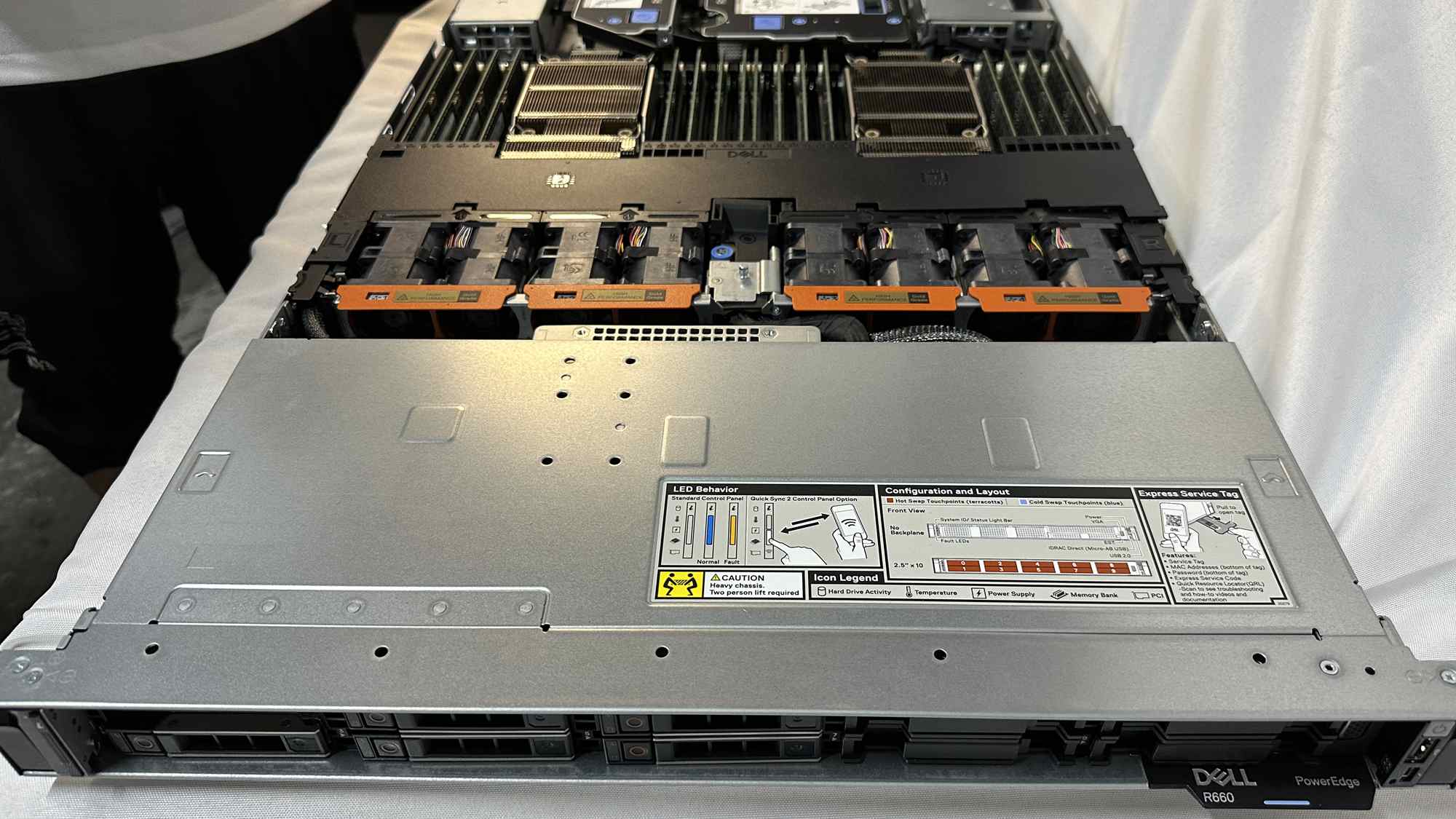
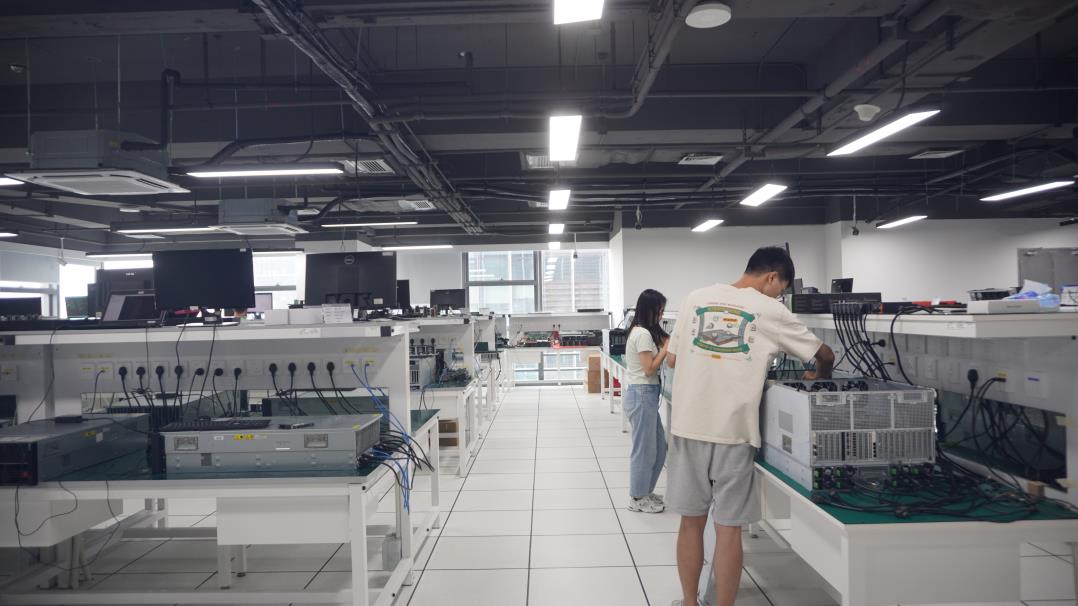
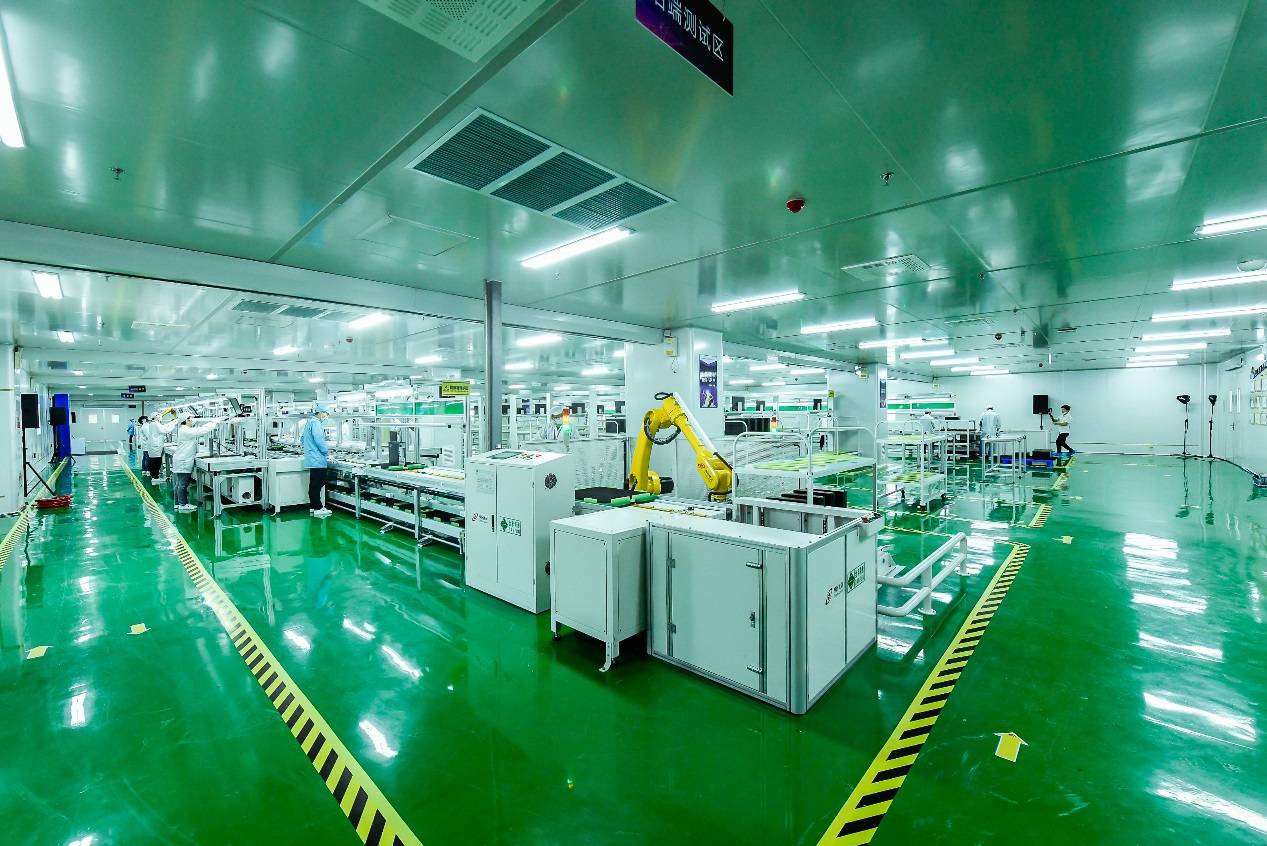
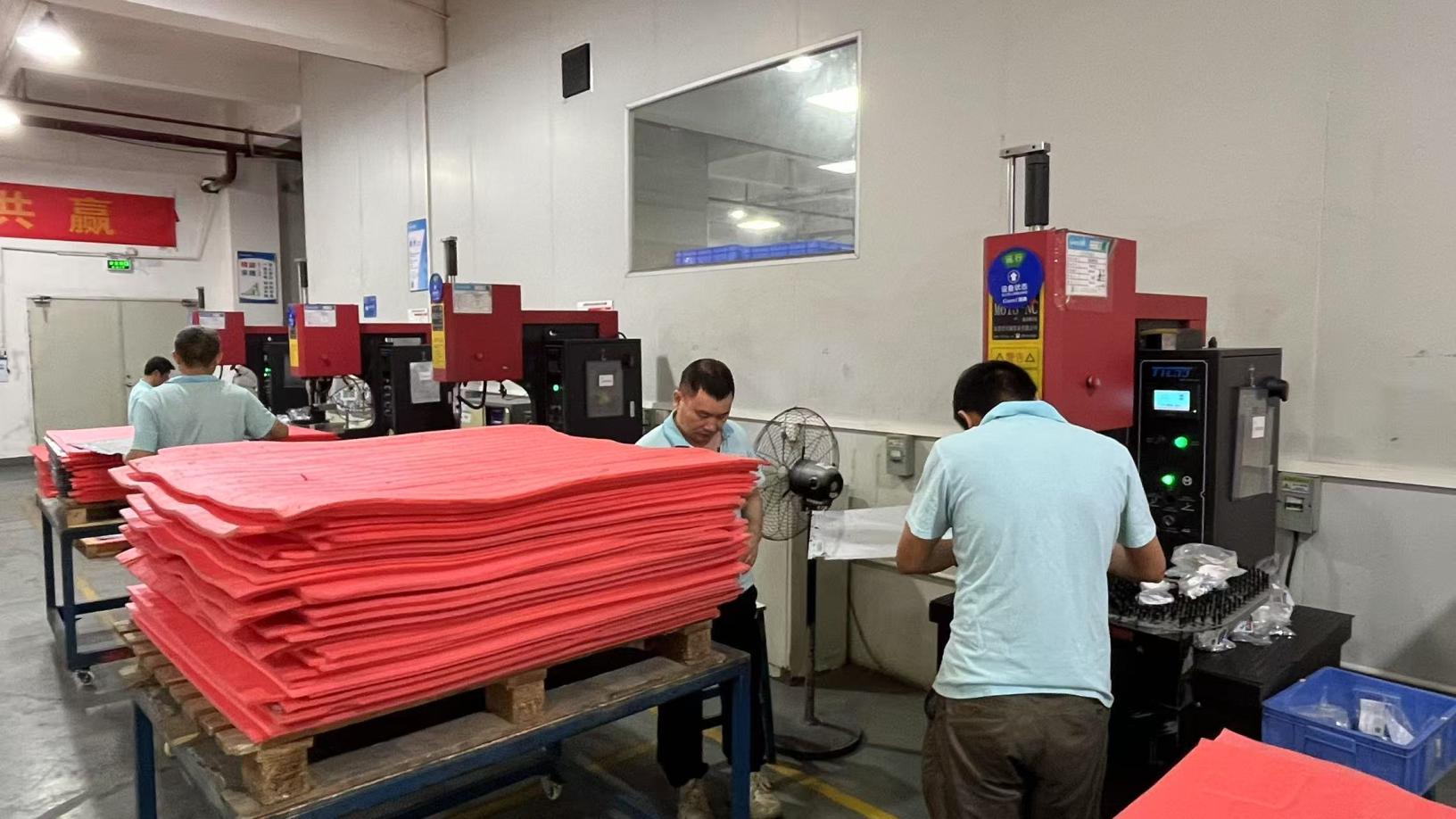
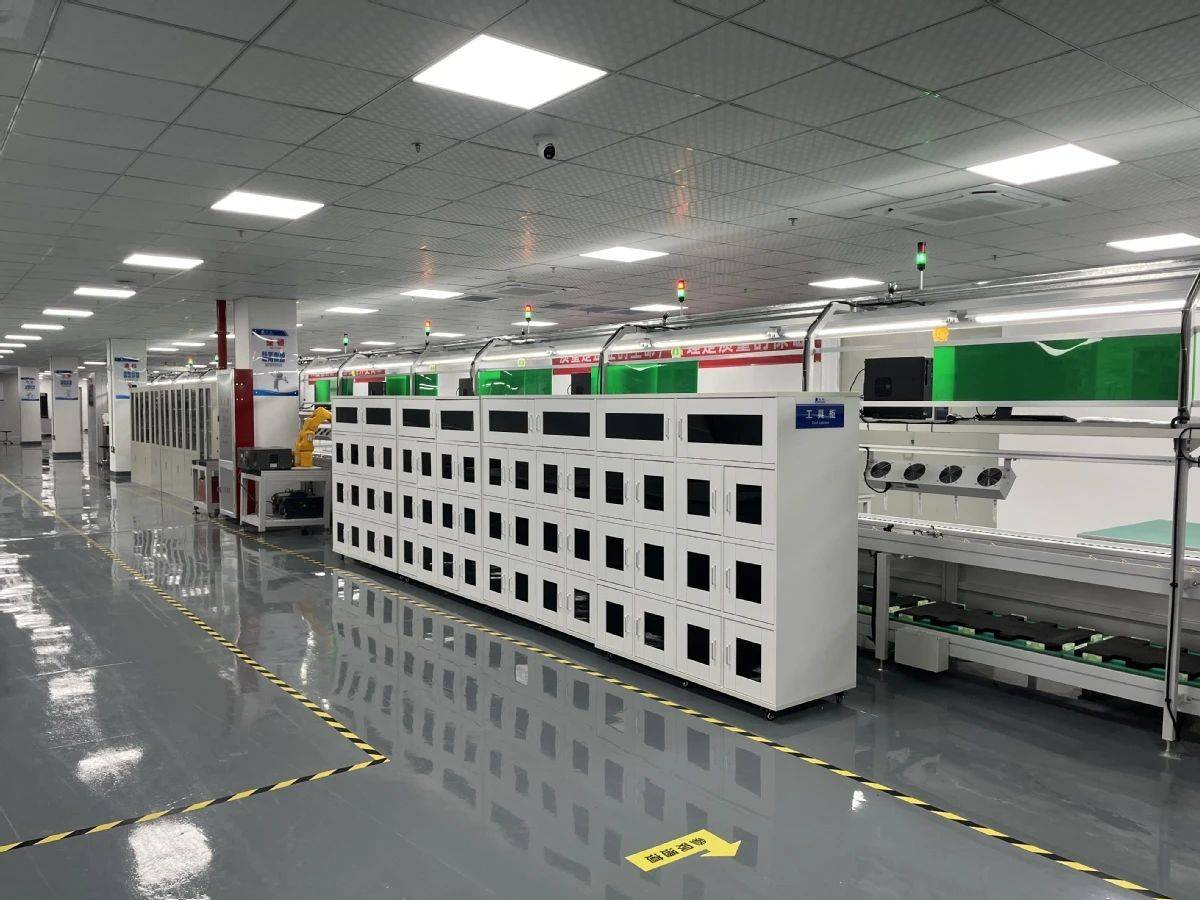
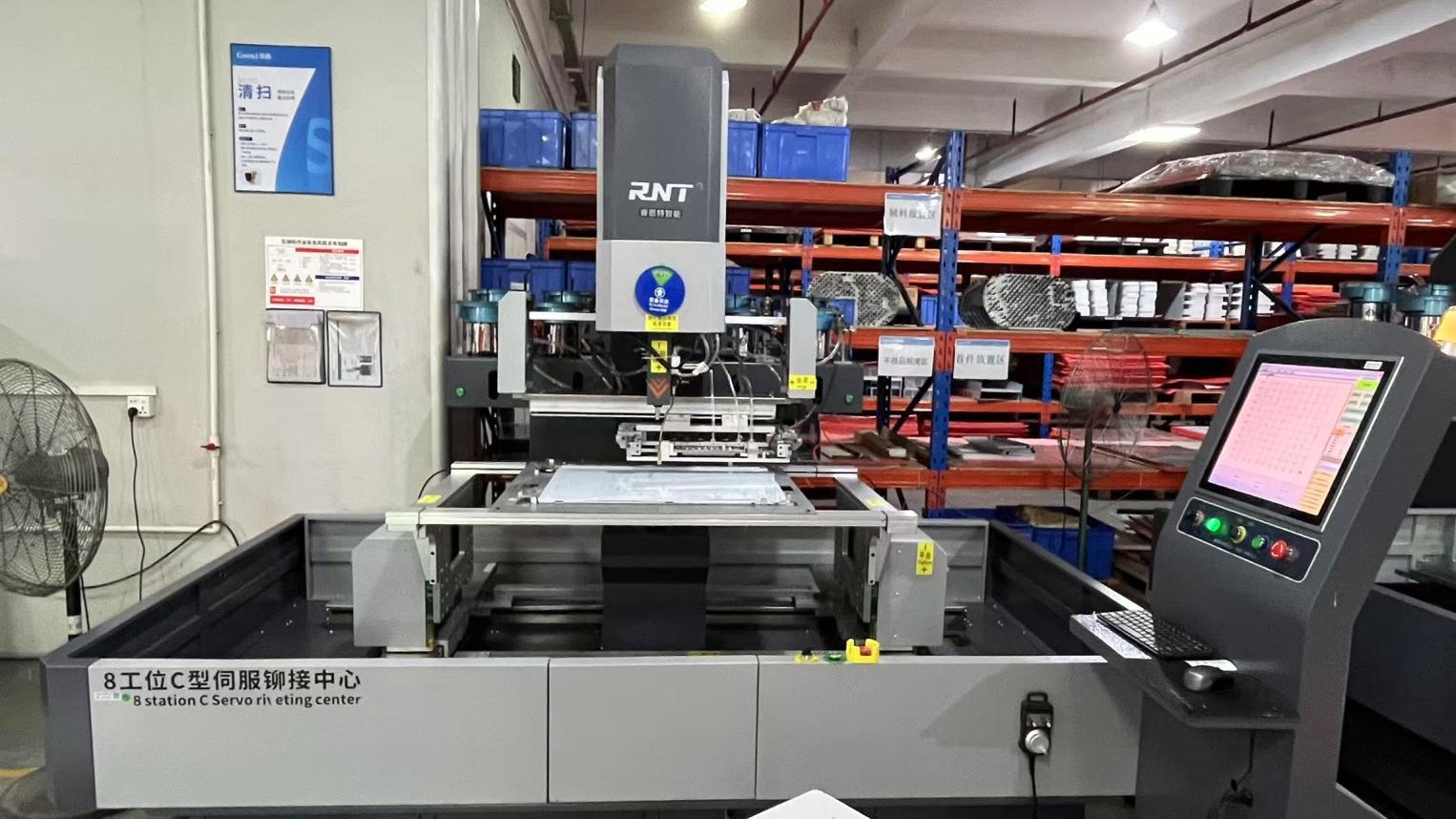
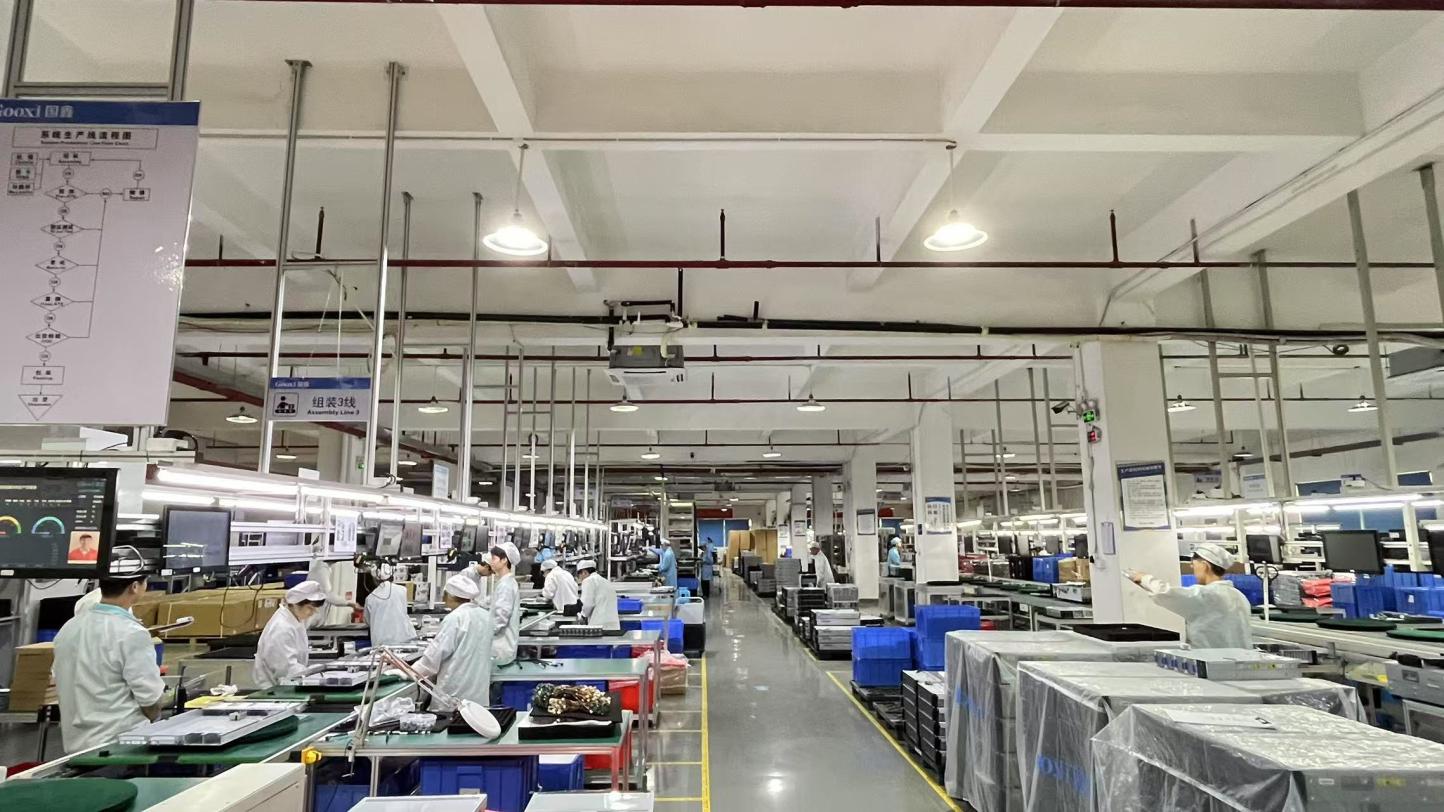
Our operations span a modern production facility optimized for advanced system integration. By running automated hardware stress tests, thermal performance tests, and high-workload simulations, our QC team ensures that every chassis leaving the facility meets the standards expected by AI research institutions, cloud service providers, and enterprise IT departments worldwide.
Deploying tailored configurations across key markets while adhering to strict regional frameworks and data policies.
Operating across North America, Europe, Southeast Asia, and the Middle East (with key markets in the United States, Germany, Singapore, and the United Arab Emirates) requires deep knowledge of regional compliance frameworks. TensorNova ensures all hardware integrations comply with local emission, efficiency, and disposal regulations.
We work closely with customers during pre-sales customization to define the right thermal management strategy. This includes matching liquid-cooling systems or high-RPM air configurations with local data center power limits, helping clients optimize energy usage and lower total cost of ownership (TCO).
Our engineering vision for high-throughput computing architectures and next-generation storage hardware.
Utilizing Compute Express Link (CXL) architectures to enable shared, dynamic memory pools across CPUs and GPUs, reducing PCIe bus latency.
Transitioning high-density server configurations to direct-to-chip and immersion liquid cooling setups to support high-TDP processors.
Embedding AI-driven telemetry units directly into server BMC chips to predict hardware anomalies and manage fan speeds dynamically.
Adopting PCIe Gen 6 NVMe-oF technologies to allow bare-metal server nodes to mount remote NVMe namespaces over network connections.
Answers to common questions about server engineering, configuration design, and shipment logistics.