TensorNova
TensorNova
TensorNova
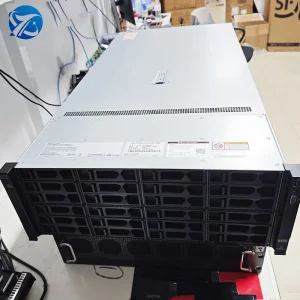
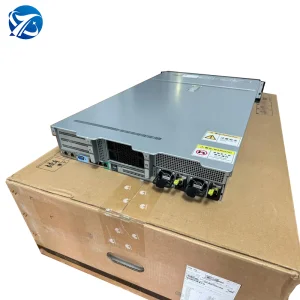
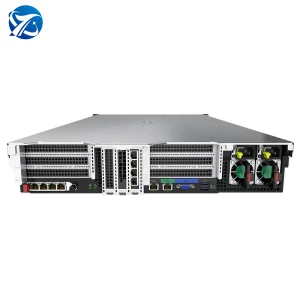
The global demand for high-density Artificial Intelligence (AI) computational power has initiated a paradigm shift in data center architecture. As Large Language Models (LLMs) like DeepSeek, Llama-3, and proprietary transformer architectures scale, traditional compute hosting no longer suffices. Modern AI GPU Hosting requires specialized bare-metal integration, thermal dissipation configurations capable of handling TDP limits over 700W per accelerator, and sub-microsecond non-blocking fabric configurations.
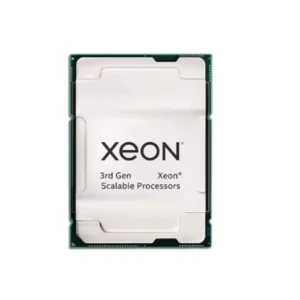
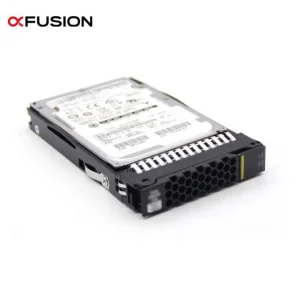
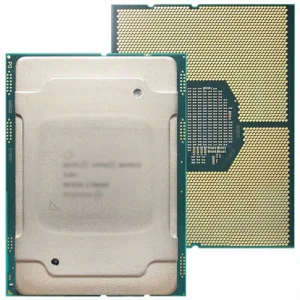
Currently, enterprises across North America, Europe, Southeast Asia, and the Middle East are experiencing a critical structural supply deficit. Proprietary hyperscalers face long lead times for next-generation hardware. This has propelled China's premier AI GPU hosting manufacturers to the forefront of the international hardware market. By offering customized engineering, flexible bare-metal integration, and robust components (such as Xeon Gold processors, high-performance SAS HDD systems, and NVMe arrays), these suppliers bridge the gap between architectural concept and deployment.
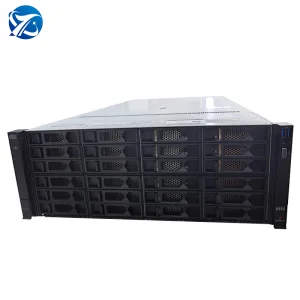
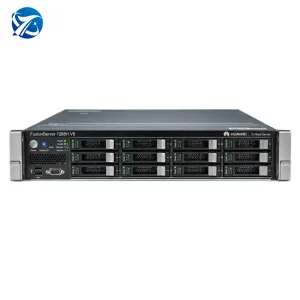
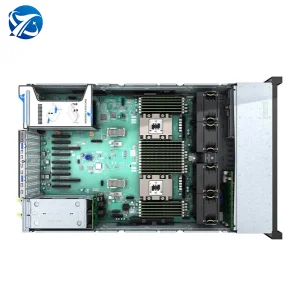
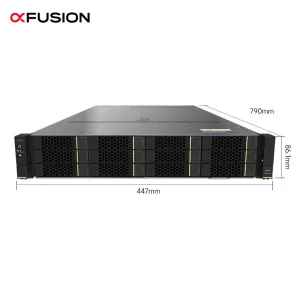
While virtualization layers on commercial public clouds simplify initial development, they introduce hypervisor overhead and network jitter that degrade multi-node training speed by 15% to 28%. Dedicated physical GPU hosts, such as the xFusion FusionServer G8600 V7, deliver raw PCIe direct paths and uninterrupted access to the high-bandwidth inter-GPU interconnects. This ensures maximum matrix-multiplication efficiency, critical for training runs that scale to hundreds of billions of parameters.
The production of state-of-the-art server components requires a hyper-localized logistics and raw material ecosystem. The hardware clusters in southern China, particularly Shenzhen and neighboring industrial hubs, represent the world's most concentrated integration network. This allows manufacturers to source high-Tg PCBs, multi-phase Voltage Regulator Modules (VRMs), heavy-gauge chassis, and high-frequency busbars with minimal latency.
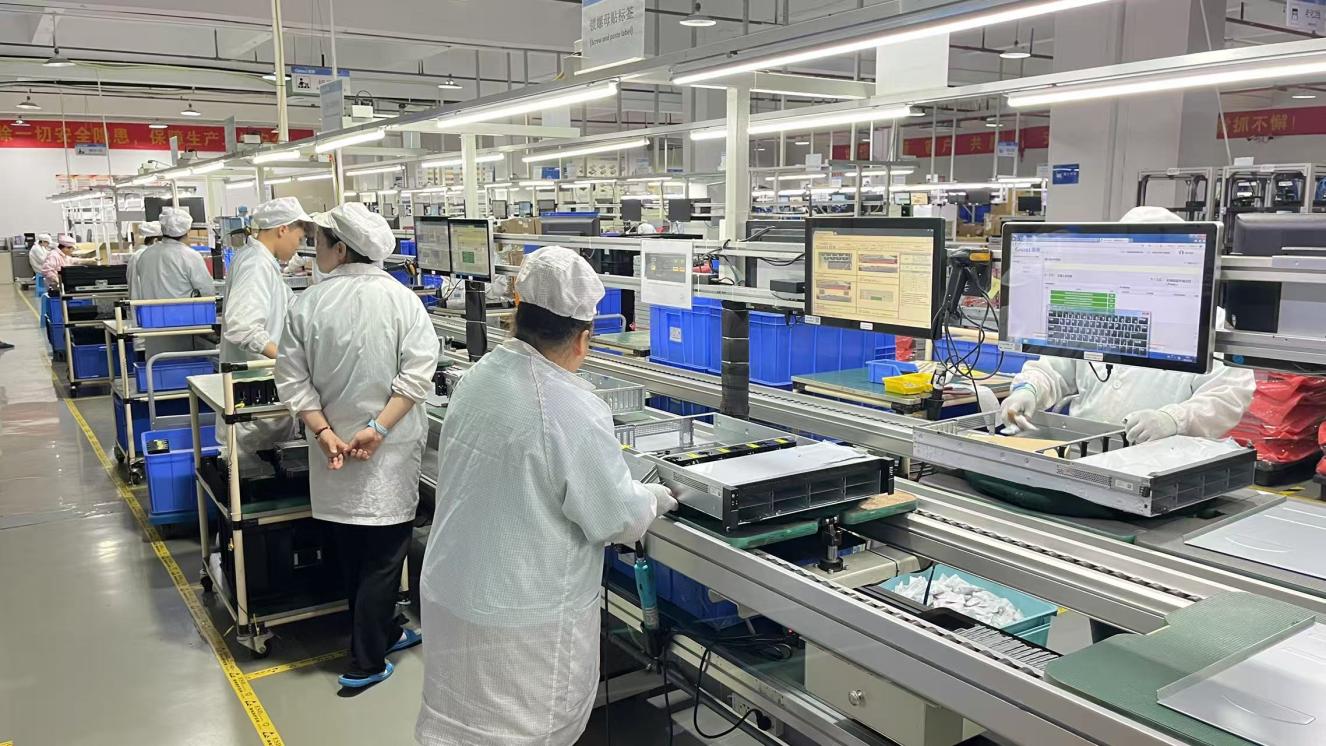
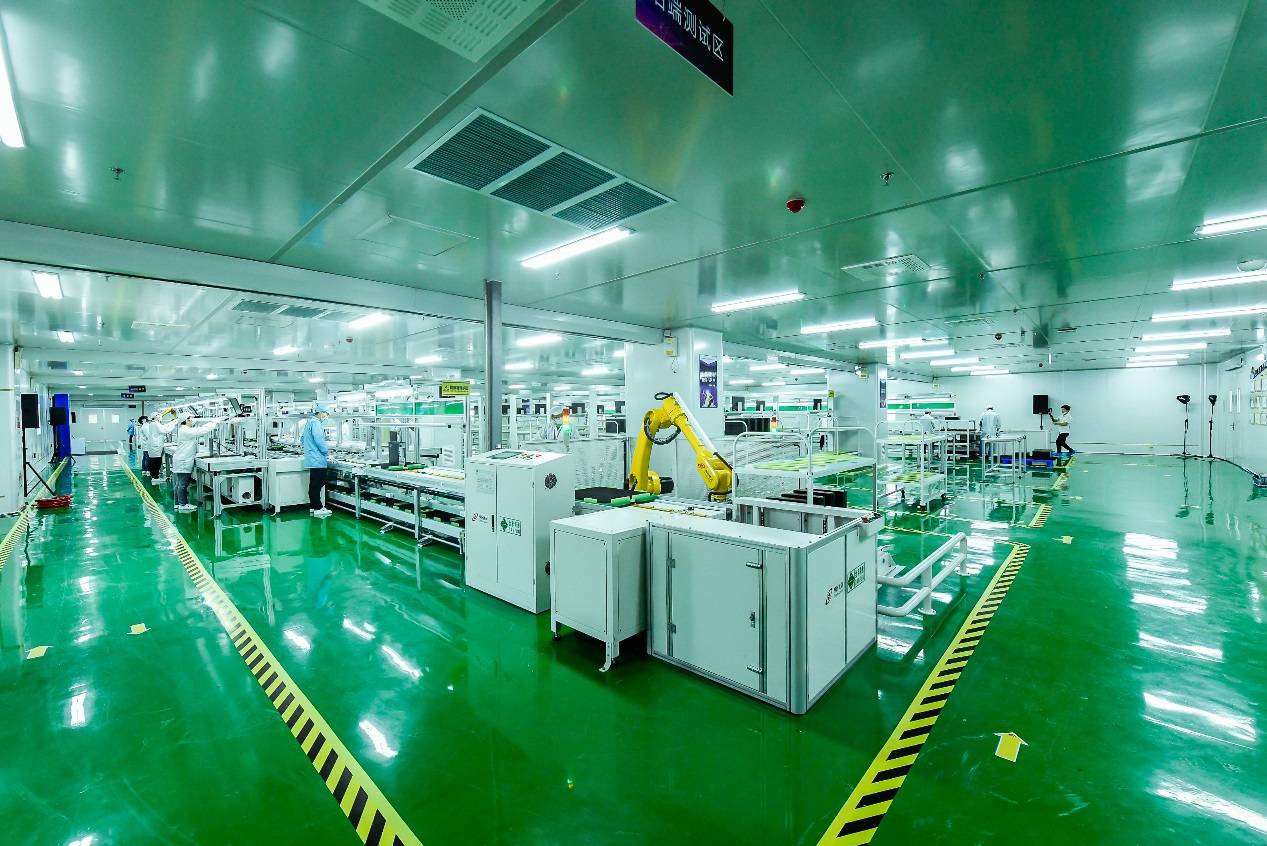
TensorNova exemplifies this supply chain synergy. Established in 2016, TensorNova has scaled into an industry-leading high-performance AI GPU server manufacturer and infrastructure provider. Operating from a highly optimized 320㎡ assembly facility, the company leverages over 12 years of industry experience to execute complex system design, thermal testing, and hardware customization. With 6 years of global export experience and an annual export revenue reaching approximately $8.5 million, TensorNova bridges Chinese assembly efficiency with Western compliance and service expectations.
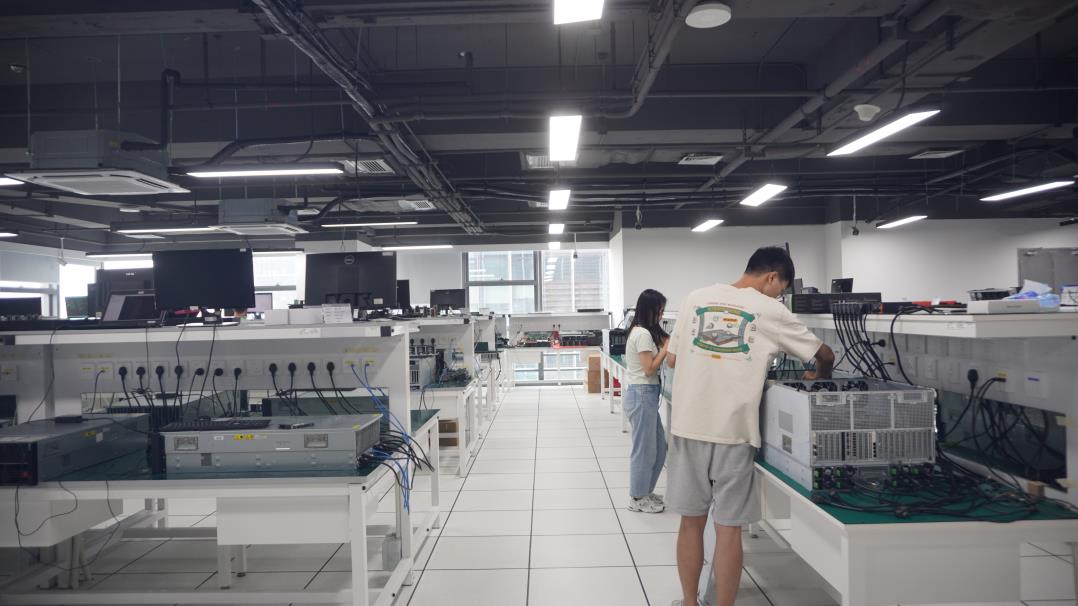
Quality control is critical for hardware expected to run continuously under 100% computational load. TensorNova employs 45 dedicated quality control specialists who oversee testing protocols under strict ISO9001 quality systems. Every system undergoes:
Backed by 180 R&D engineers and a strategic network of over 1,200 component partners, TensorNova introduced 320+ new products in the past year, confirming its position as a fast-turnaround, high-reliability partner.
Deploying dedicated compute platforms requires aligning the physical hardware layout to the exact mathematical operations of the target application. Below are the key scenarios where custom-manufactured hardware delivers measurable performance gains:
LLMs require intense inter-GPU communication bandwidth during gradient synchronization phases. Hosting servers configured with 8-GPU systems, such as the FusionServer G8600 V7, maximize high-speed mesh interconnects. This prevents system buses from choking during training or serving open-source deep learning platforms like DeepSeek.
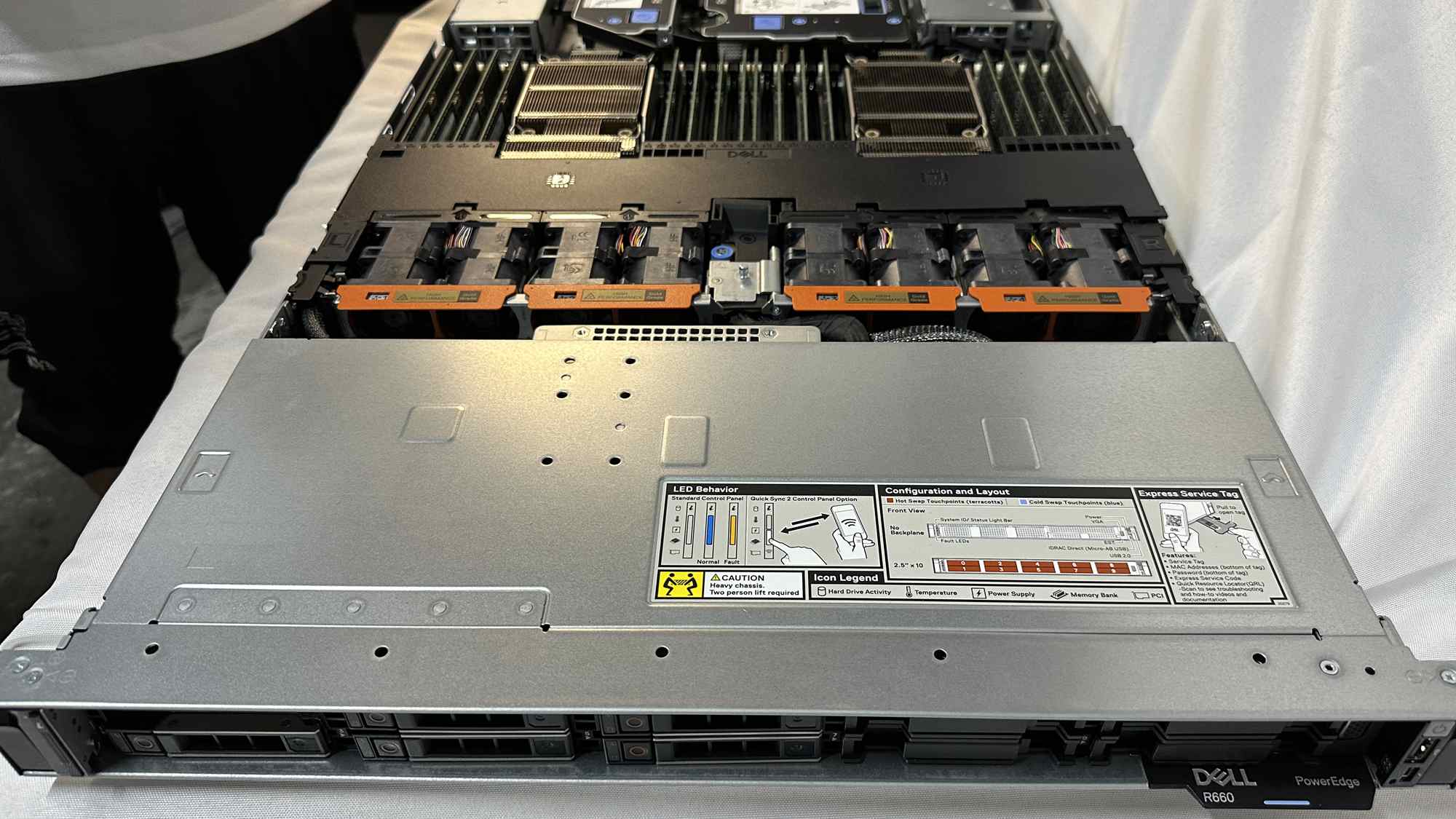
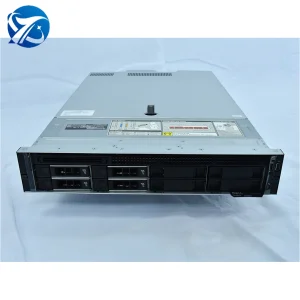
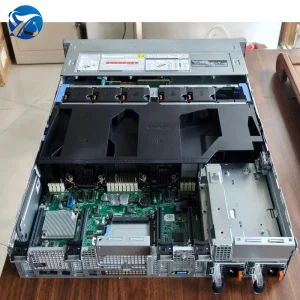
Processing real-world sensor streams requires rapid data ingestion paired with parallel compute nodes. Using high-density 2U platforms, such as the Dell PowerEdge R7625 with dual AMD EPYC processors and NVMe storage arrays, allows researchers to ingest petabytes of video data, run training simulations, and deploy models in real time.
Reassembling genetic sequences and executing molecular dynamics models requires parallel execution engines. GPU workstations and rack servers equipped with customized PCIe slots allow research institutes to install custom FPGA accelerators alongside GPUs to handle complex hybrid analysis routines.
The trajectory of AI hardware design is dictated by energy efficiency and thermal dissipation. Over the next five years, raw compute demands will require innovative approaches to system integration.
Transitioning from standard air-cooling to hybrid Direct-to-Chip (D2C) liquid-cooling loops. This design accommodates higher thermal envelopes, reducing fan power consumption by up to 45% and lowering total PUE down to 1.15.
Implementing PCIe Gen 6 architectures to double throughput compared to Gen 5 systems, utilizing PAM4 signaling and low-loss substrates to maintain signal integrity over longer physical server routing lines.
Widespread adoption of full single-phase and two-phase immersion cooling systems. This allows for ultra-dense GPU spacing and modular deployment units, reducing the physical data center footprint for large clusters.
Deploying equipment across international jurisdictions requires careful compliance management. Enterprise customers must navigate import regulations, safety certifications, and data protection mandates.
All hardware exported by TensorNova is certified under recognized standards, including CE, FCC, RoHS, and UL. This guarantees that power distribution units, motherboards, and power supplies comply with safety guidelines. Furthermore, integration with modern hardware security features like TPM 2.0 (Trusted Platform Module) ensures secure boot processes and helps protect system firmware from unauthorized modifications.
To prevent system downtime, we support global operations with international shipping channels and clear warranty terms. Our engineers assist remotely with IPMI (Intelligent Platform Management Interface) configurations, hardware diagnostics, and replacement component sourcing. This ensures that enterprise operations receive quick support, regardless of their location.
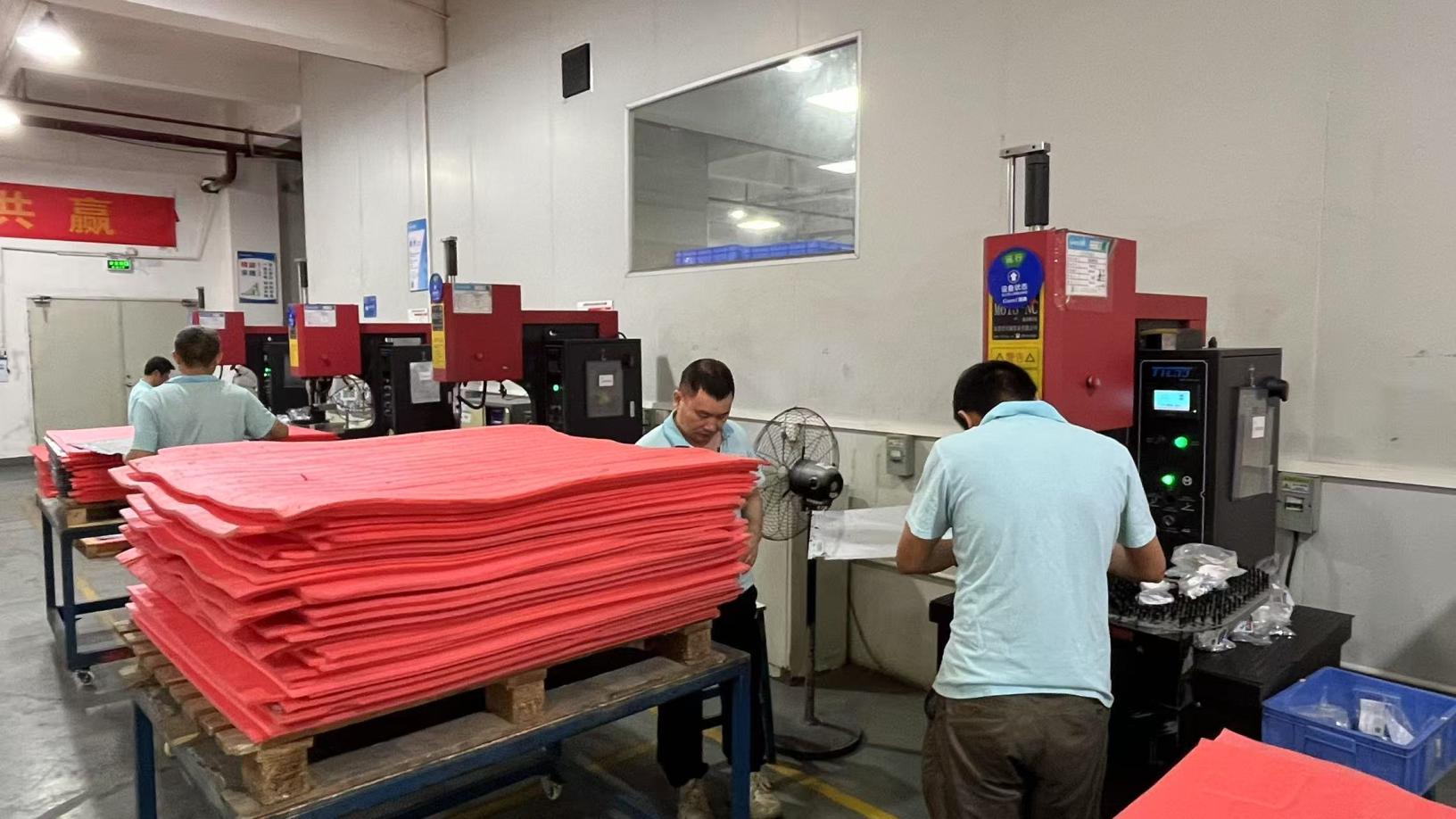
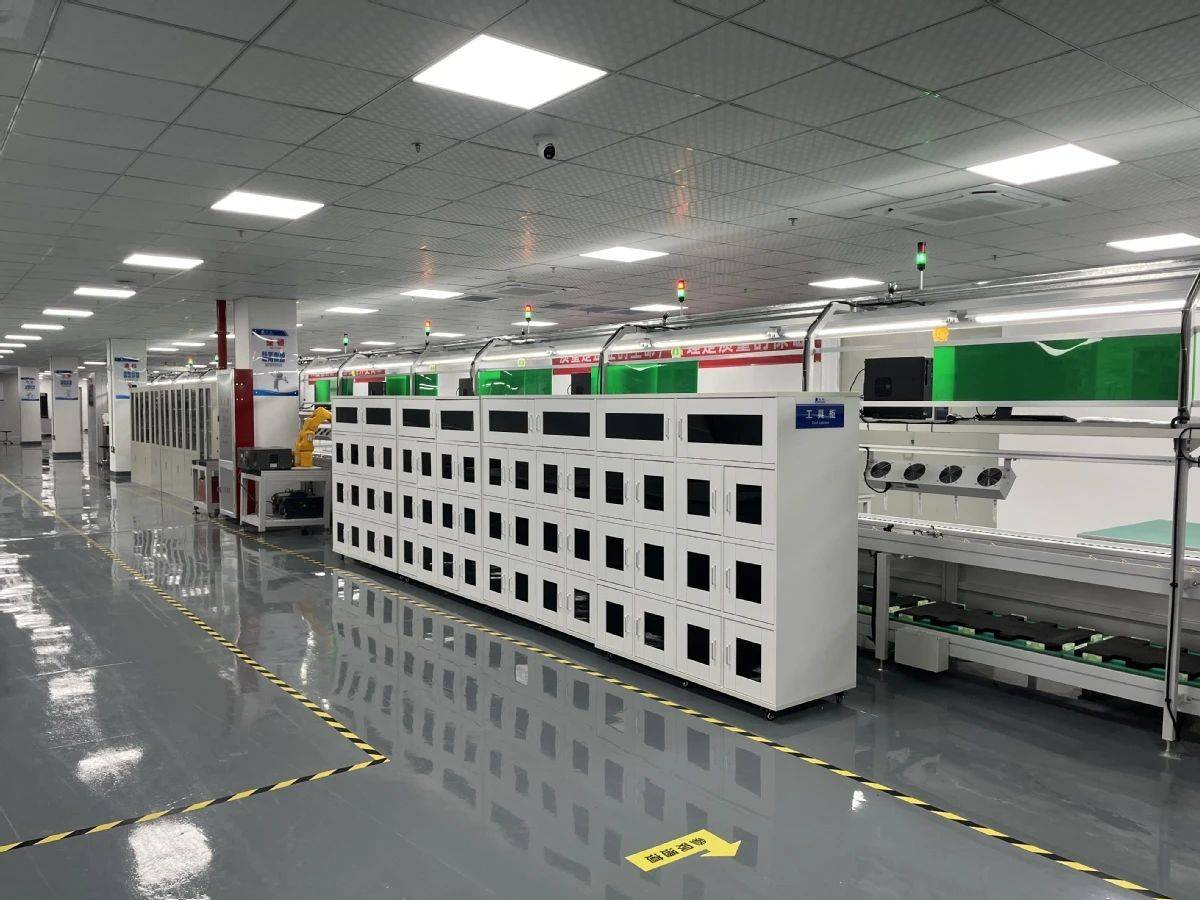
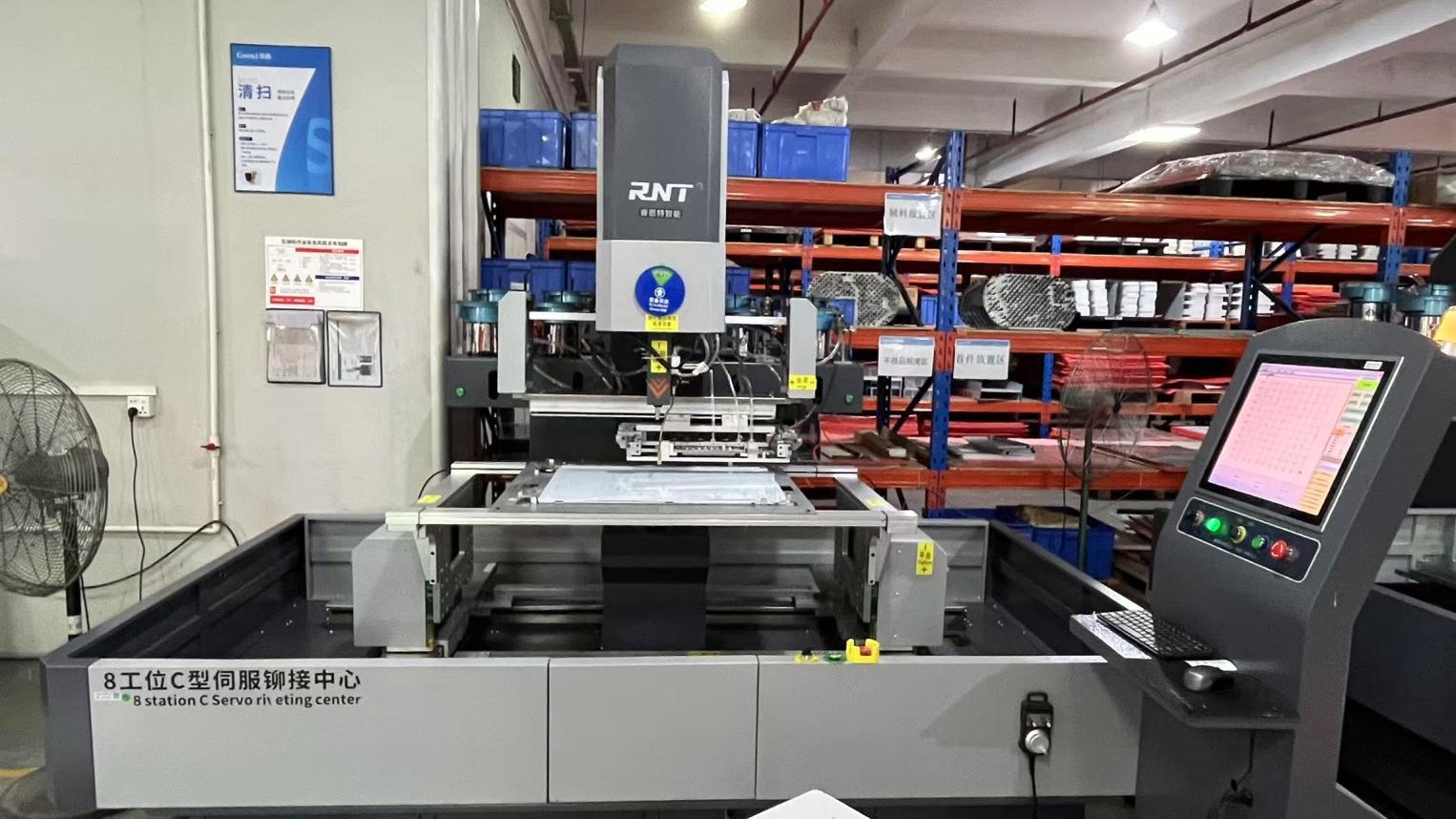
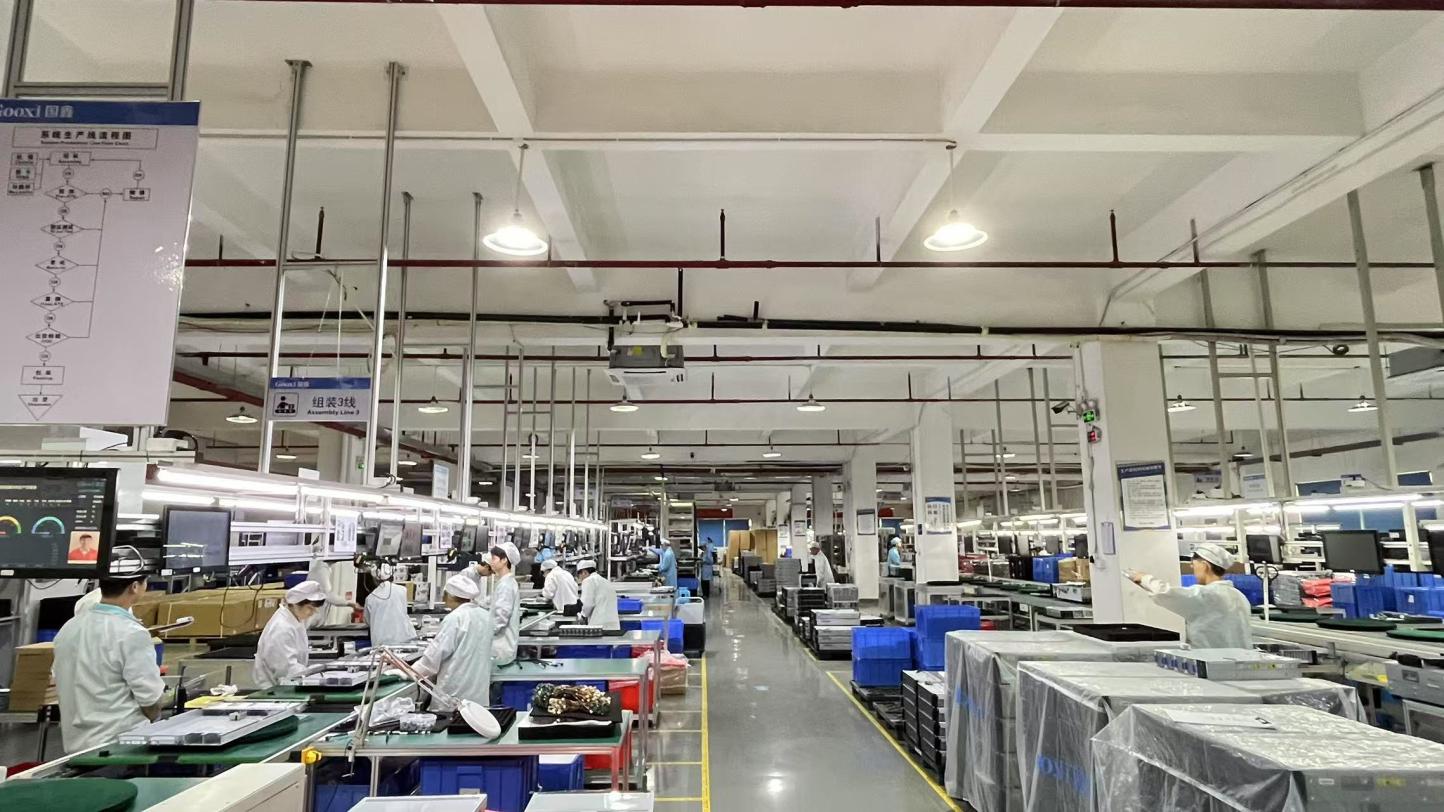
We maintain strict manufacturing standards throughout our assembly processes. Below is a view of our modern production facility, cleanrooms, stress-testing benches, and finished server arrays ready for export validation.