TensorNova
TensorNova
TensorNova
Explore our industrial-grade computing solutions engineered for low-latency, scalable cloud, and deep learning configurations.
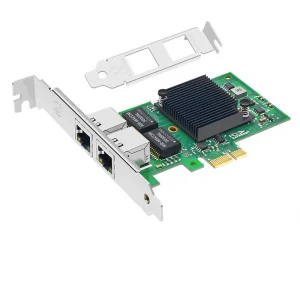
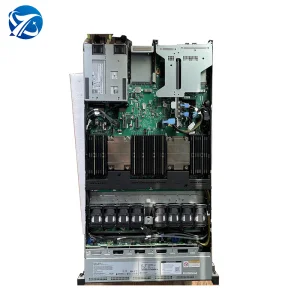
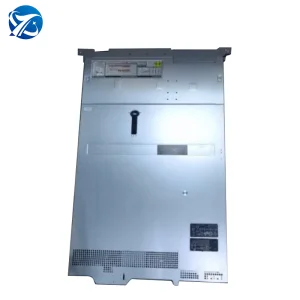
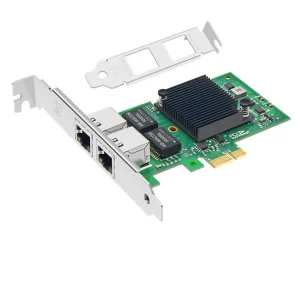
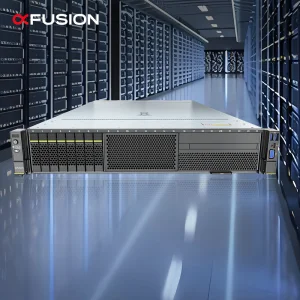
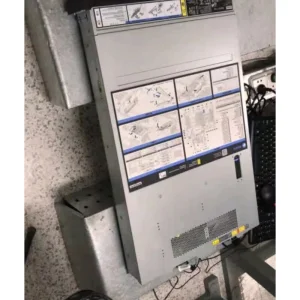
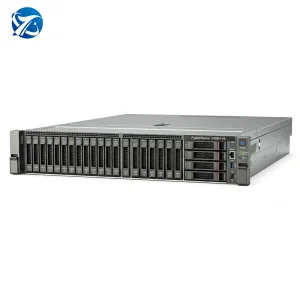
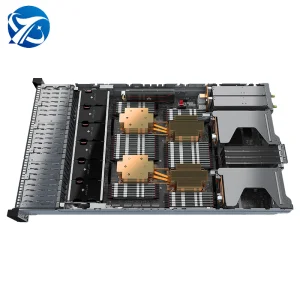
In the digital-first era, deploying high-performance computational clusters, server architectures, and network storage systems requires more than raw throughput. Global compliance, safety assurance, and rigorous quality certification represent the foundational pillars of robust IT engineering. As a premier CE Certified Network Appliance Supplier & Exporter, we bridge the gap between complex AI computing requirements and strict regional security regulations, enabling businesses worldwide to integrate seamless hardware frameworks without administrative or physical bottlenecks.
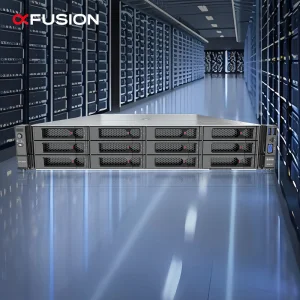
Whether configuring cloud environments, video archiving arrays, or complex neural networks, our products—ranging from xFusion FusionServers to specialized SAS/SATA RAID Controller Cards—undergo intensive evaluation. Certified CE marking signifies that every piece of computing hardware we export adheres to European Economic Area (EEA) health, safety, and environmental protection standards. This certification eliminates operational risk and verifies that our servers meet strict Electromagnetic Compatibility (EMC) and Low Voltage Directives (LVD), guaranteeing safe, sustained performance under extreme computational loads.
TensorNova is a professional high-performance AI GPU server manufacturer and infrastructure solution provider based in China, specializing in AI computing, GPU clusters, and scalable data center hardware solutions for global enterprises. Established in 2016, TensorNova has developed into a trusted supplier in the AI hardware industry with a strong focus on innovation, performance, and customized computing systems.
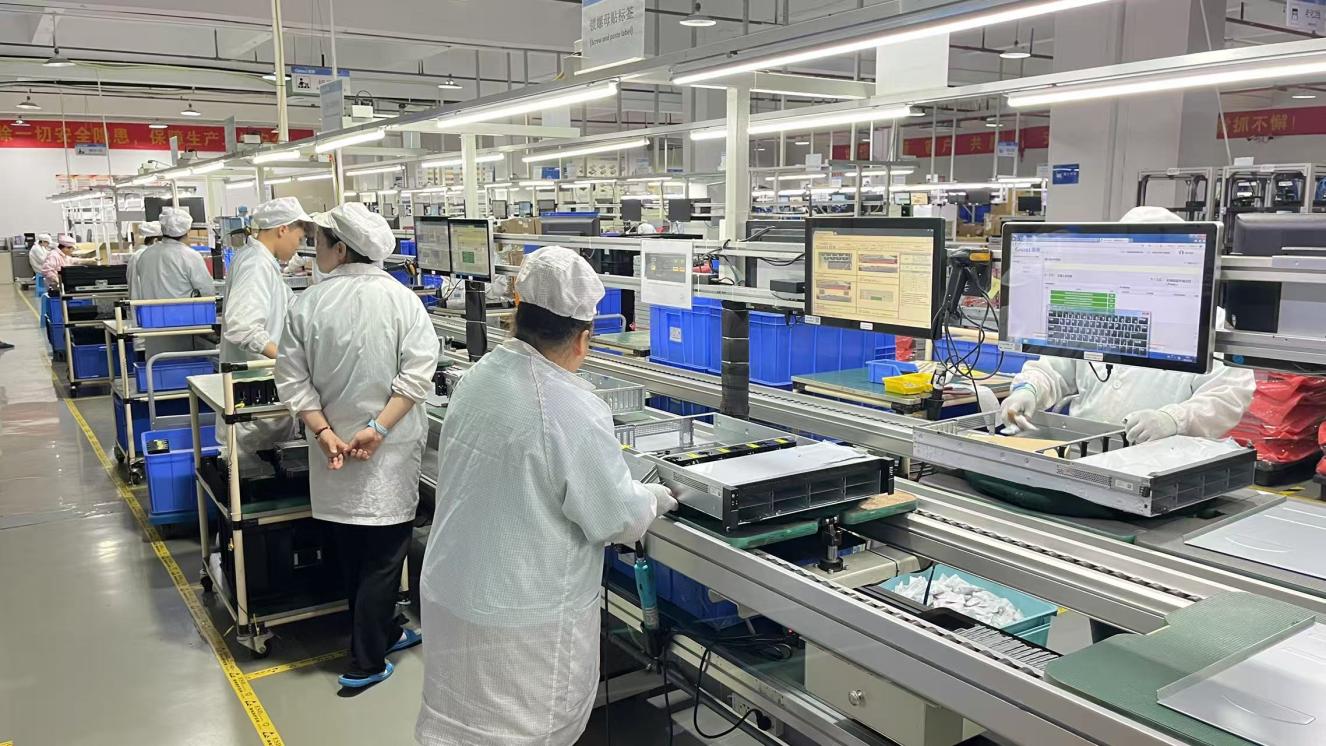
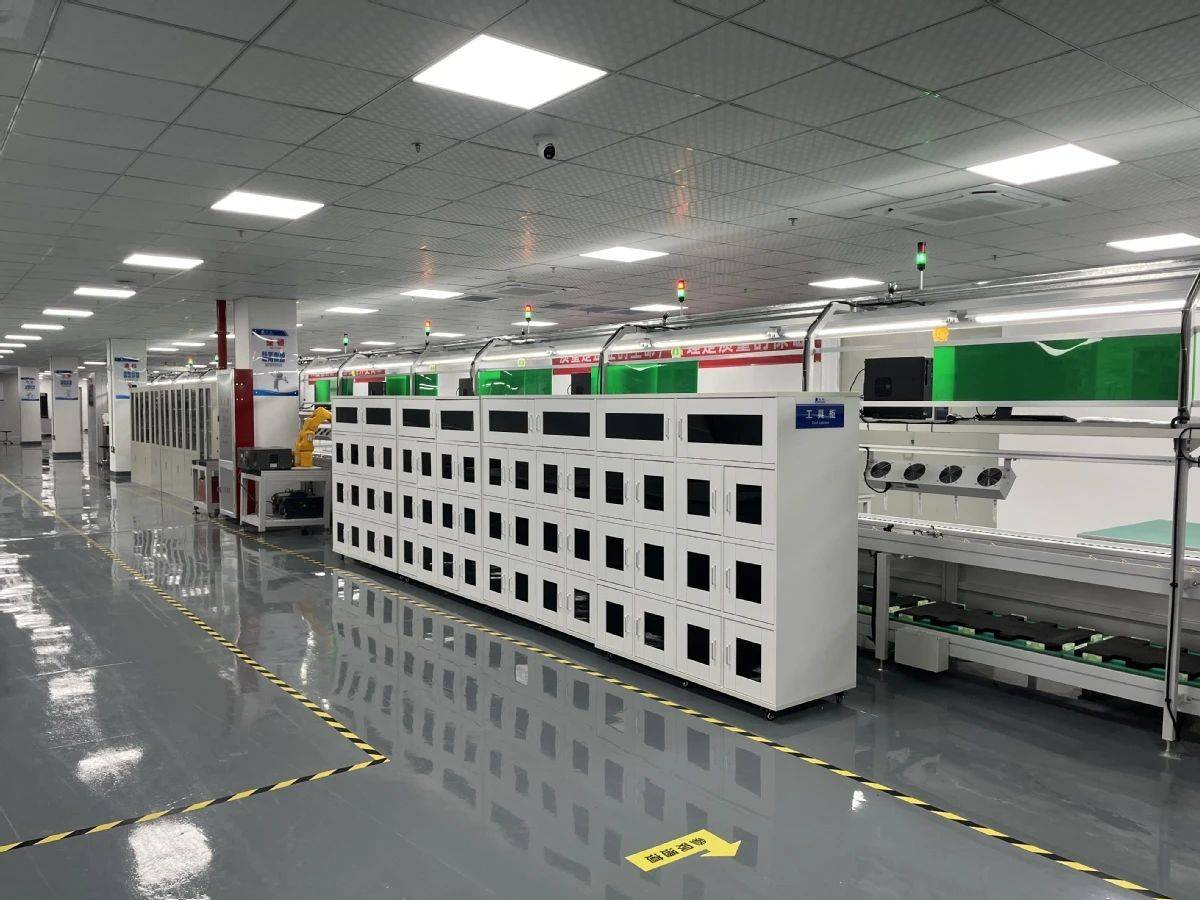
Operating a modern production facility covering approximately 320㎡, equipped for advanced server assembly, testing, and system integration, the company has consistently scaled its engineering capabilities. Today, TensorNova records an annual export revenue of approximately $8.5 million, backed by 6 years of export experience and over 12 years of industry experience in AI computing and server manufacturing.
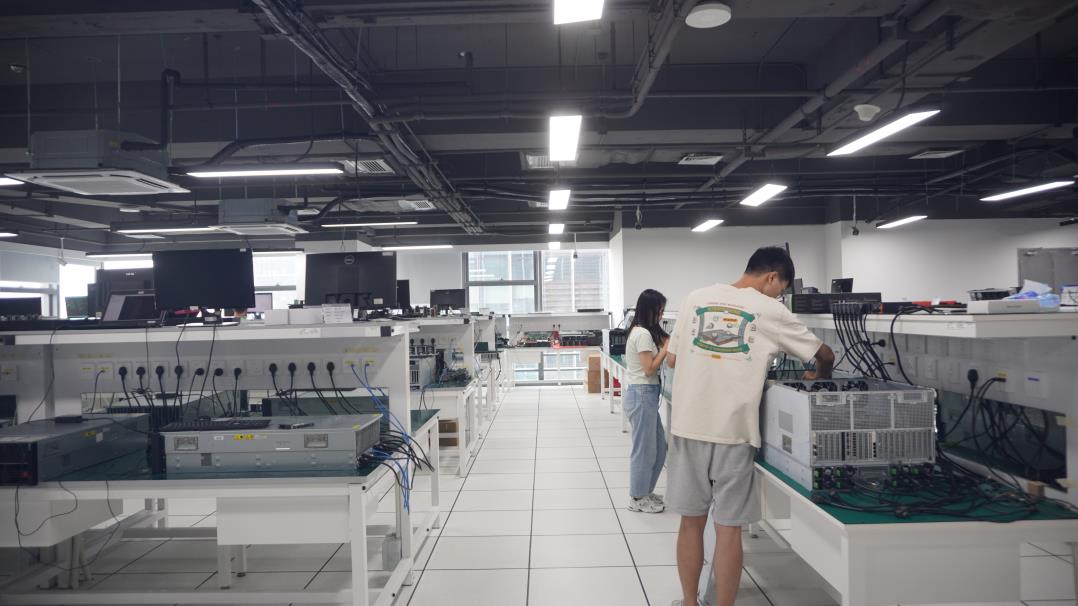
Quality control is implemented through ISO9001 systems. Hardware undergoes stress testing, thermal validation, burn-in protocols, and intensive AI workload simulations by our 45 QC specialists.
We provide full customization, including custom GPU topologies, modified chassis layouts, optimized liquid or air cooling systems, custom motherboard-level tuning, and AI-workload configurations.
Supported by 180+ R&D engineers, we launched over 320 custom products last year, introducing next-gen edge computing nodes and high-density GPU computing clusters.
The global demand for reliable, certified network appliances has reached unprecedented heights. Industries ranging from automated smart factories and remote telecom hubs to global hyper-scale data centers rely on continuous data processing. With the explosion of edge AI inference, industrial Internet of Things (IIoT), and low-latency financial systems, the hardware powering these networks must run flawlessly in variable, demanding conditions.
However, importing and deploying servers across international borders presents compliance challenges. Regulatory frameworks demand that network devices operate within strict electromagnetic thresholds, avoiding interference with other systems while resisting environmental noise. As global energy prices fluctuate, the industry must shift toward green, high-density server configurations. Under this dual pressure, CE-certified systems serve as a compliance baseline, ensuring that high-throughput rack servers run safely, sustainably, and efficiently within modern enterprise frameworks.
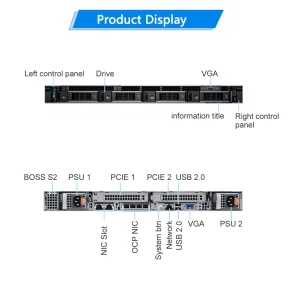
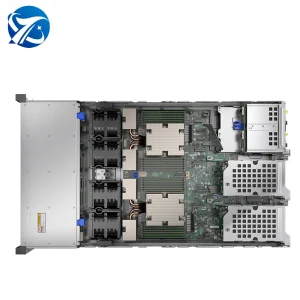
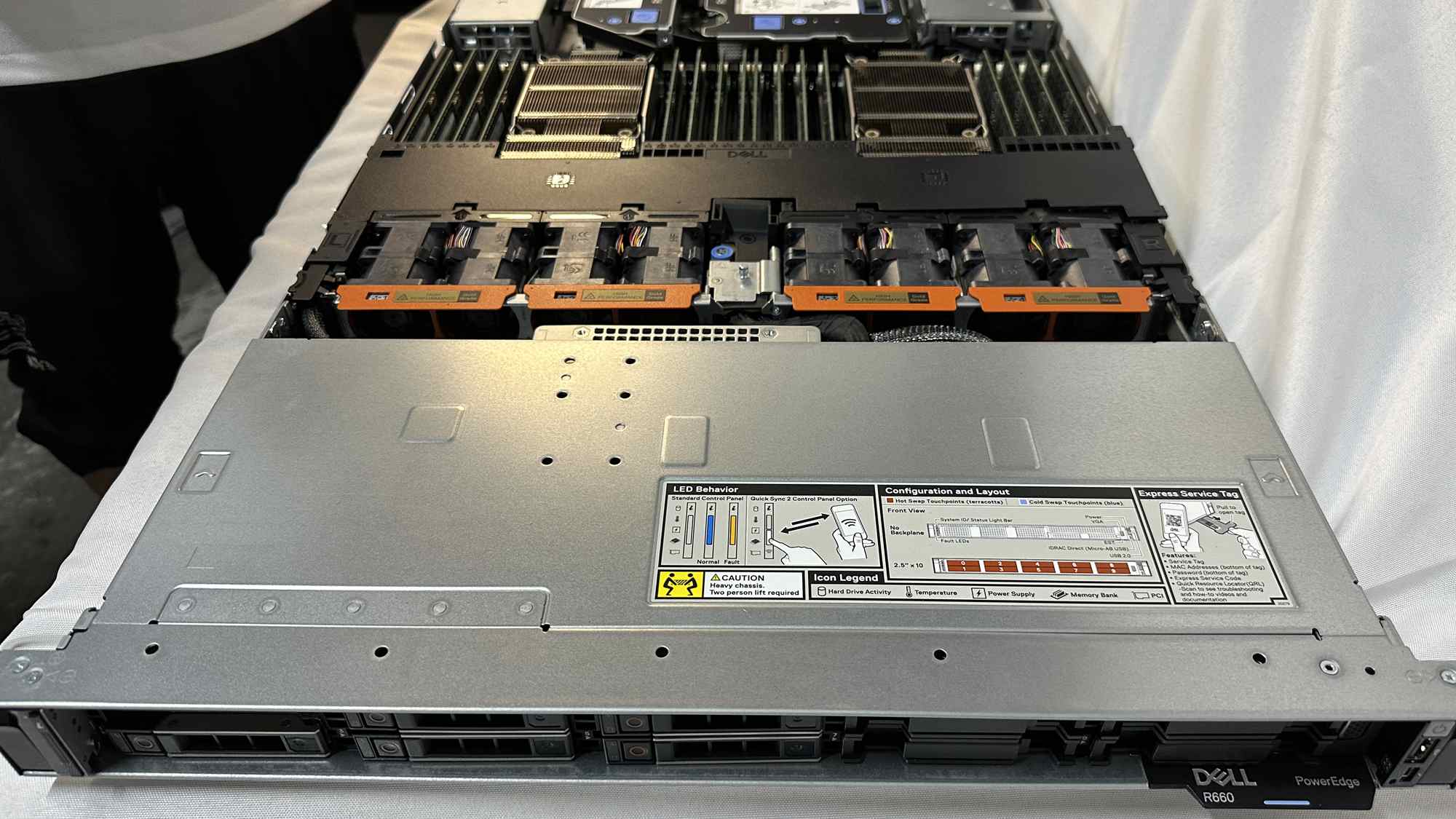
By leveraging strategic partnerships with over 1,200 tier-1 component suppliers, TensorNova delivers hardware tailored to these international challenges. From rack-mount edge servers (such as the PowerEdge R350) to specialized multi-socket computing centers (like the 2488H V6), our components match the performance demands of the global market while maintaining strict regulatory certifications.
Safety and regulatory compliance must be built directly into the manufacturing cycle. To maintain compliance-grade reliability across all exports, TensorNova operates a comprehensive, multi-phase quality assurance pipeline supervised by 45 QC experts.
Every component is subjected to extreme electronic and signaling stress to locate early failures and guarantee bus stability across PCIe interfaces.
We test structural thermal limits across varying ambient profiles to ensure optimal performance of our cooling systems (air and liquid).
Hardware runs under continuous, high-performance simulation testing for up to 72 hours, ensuring components handle sudden power spikes and sustained operations.
Products are certified under CE standards, verifying strict compliance with EU Directives on electromagnetic emissions and electrical safety.
Modern networks are highly specialized; there is no one-size-fits-all hardware configuration. Our CE-certified network systems are engineered to target key operational requirements across the enterprise landscape:
Deep learning models require exceptional hardware coordination to prevent communication bottlenecks. Using systems like the FusionServer G5500 V6 AI GPU Server and custom multi-socket server platforms, research institutions can deploy massive neural networks without data path issues.
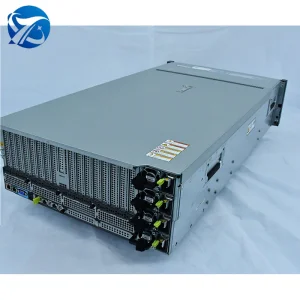
Modern surveillance and media delivery systems require high-capacity, highly available storage configurations. Using storage platforms like the 5288 V5 4U Storage Server (36-Bay), companies can store large amounts of data while maintaining access speeds and hardware failovers.
Computing continues to move toward the network edge. Standard server platforms, like the xFusion 2258 V7 2U 2-socket system and the compact 1U PowerEdge R350, act as secure nodes that process IoT inputs directly at the point of origin, reducing dependency on central clouds.
As standard CPU architectures reach physical limitations and AI processing demands continue to grow, the design of network appliances must evolve. The road toward next-generation high-density computing requires innovations in electrical design, thermal management, and physical density. TensorNova remains at the forefront of this shift by focusing our R&D efforts on key development areas:
First, we are transitioning toward advanced liquid-cooling systems to handle the heat output of high-power processors. These liquid-to-air cooling options fit standard rack spaces, helping data centers reduce their Power Usage Effectiveness (PUE) and operational costs. Second, we integrate the latest high-bandwidth interconnects, including PCIe Gen 5 and Gen 6 interfaces, to ensure zero-bottleneck data transfer between CPU, memory, and acceleration cards. This keeps communication open and lag-free, matching the requirements of complex AI workloads and storage setups.
Finally, security remains a core focus. Future hardware will implement silicon-level Root of Trust (RoT) protections alongside our current CE and ISO compliance. By building secure boot features directly into system controllers (such as the XP270-M2 SAS3808), we help modern enterprises defend against firmware-level exploits and build more resilient, secure networks.
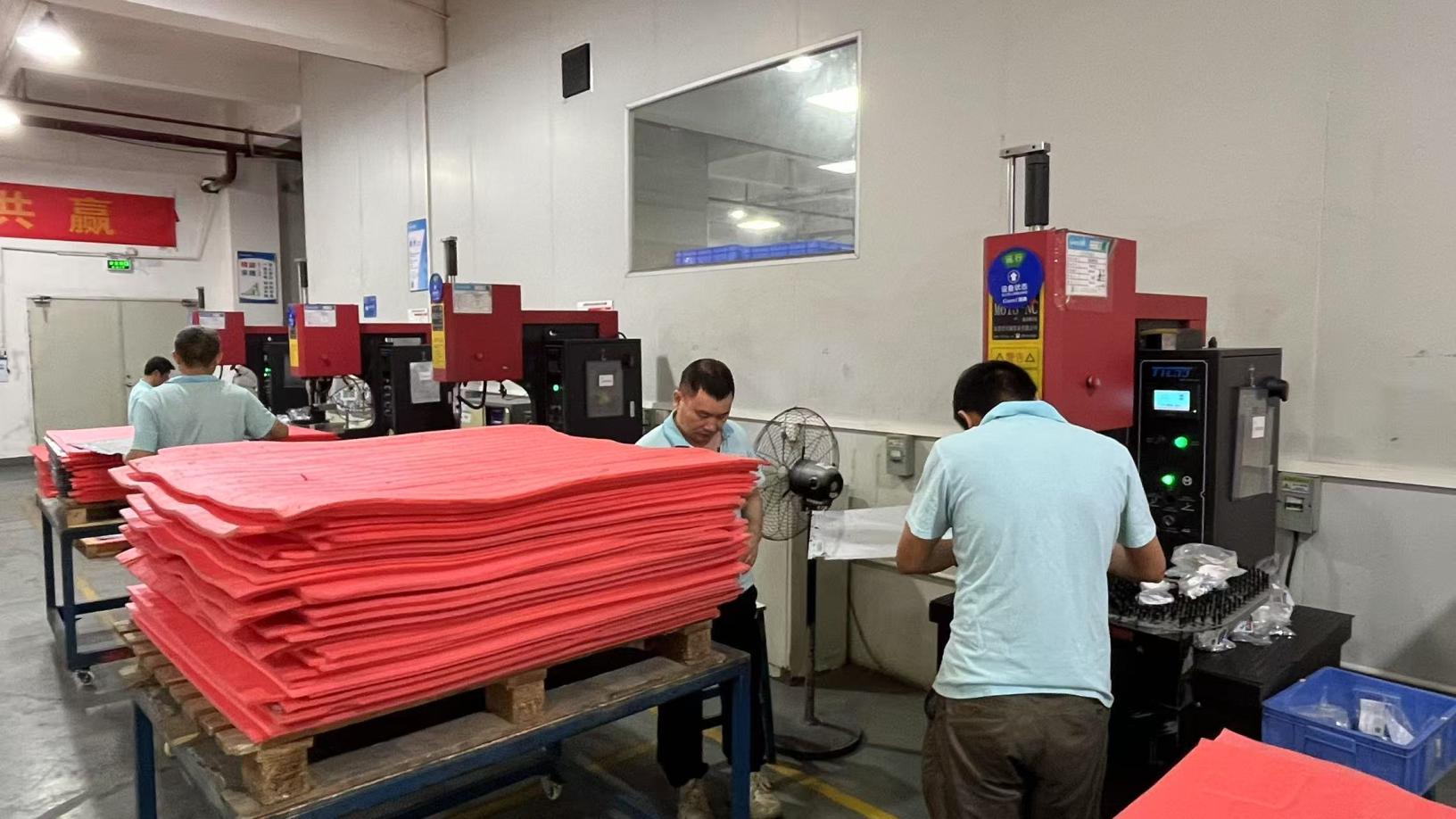
A transparent look inside our manufacturing floor, testing suites, assembly blocks, and ISO-certified infrastructure systems.



Enhance your computational throughput and infrastructure efficiency with our latest server systems and components.