 TensorNova
TensorNova
TensorNova
China is rapidly emerging as a leading player in the global AI server market. Major AI server manufacturers are investing heavily in expanding their capabilities. According to a recent report by IDC, the Chinese AI server market is projected to grow at a compound annual growth rate (CAGR) of 29.3% from 2022 to 2026. This growth reflects the increasing demand for AI applications across various sectors, including finance, healthcare, and transportation.
Companies like Huawei and Inspur are dominating this landscape. They provide high-performance computing systems specifically designed for AI workloads. These systems enable businesses to process vast amounts of data quickly. However, despite rapid advancements, challenges remain. For instance, the rising costs of AI infrastructure can hinder small and medium enterprises from adoption.
Furthermore, the industry is evolving, but the pace can be overwhelming. New technologies emerge regularly, prompting manufacturers to adapt swiftly. In a competitive market, innovation is key. Yet, not every strategy yields success. Companies need to reflect on their approach and invest in research to stay relevant. The landscape for AI server manufacturers in China is both promising and complex.
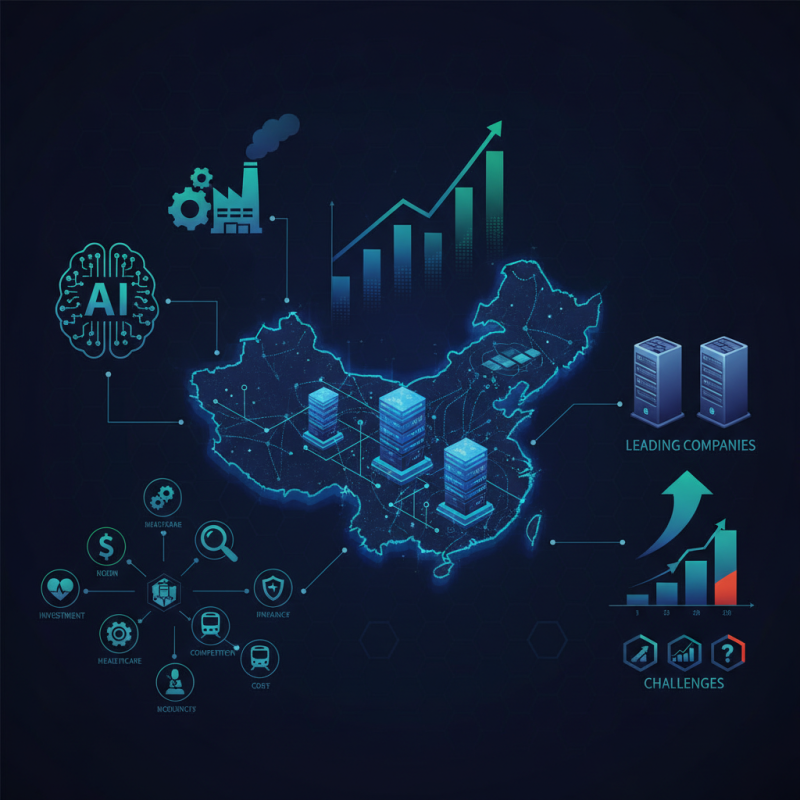
China's AI server market is booming. With rapid advancements in technology, many manufacturers are vying for position. The demand for efficient, high-performance servers is increasing. These servers are crucial for powering AI applications and data analytics. However, consumers face challenges in choosing the right provider.
The landscape is diverse. Numerous companies offer various specifications to cater to different needs. Some focus on energy efficiency while others prioritize raw computing power. Understanding the unique requirements is essential. Buyers must be meticulous in their selection process. Evaluating reliability and support options can be tricky.
While China has many capable manufacturers, some have faced quality control issues. Reports underline the inconsistency in product performance across different brands. It highlights the importance of doing thorough research. Engaging with industry experts can provide valuable insights. The market is evolving, and keeping informed is vital for making sound investment decisions.
I servers in China?
Optimizing performance reduces latency, essential for efficient data processing in AI technologies.
Many struggle with understanding integration into existing systems and adapting to rapid technological change.
Companies are concerned about energy efficiency and seek greener alternatives for long-term sustainability.
Manufacturers face supply chain challenges and a shortage of key components, impacting production efficiency.
Embracing automation in production can help enhance efficiency and reduce overall costs.
Investing in R&D is crucial for competitiveness and can lead to higher returns on investment.
Strong partnerships can mitigate risks associated with component shortages and ensure smoother operations.
Regular training helps staff adapt to emerging technologies and improves overall productivity in operations.
Businesses need ongoing reflection to adapt strategies amid fast-paced technological advancements.
The article delves into the burgeoning AI server market in China, highlighting the key players and the competitive landscape. It provides a comprehensive market overview, revealing the increasing demand for advanced AI servers driven by technological innovations and growth trends in 2023. A comparative analysis of top AI server manufacturers showcases their capabilities and contributions to the sector, emphasizing the rapid advancements being made in server technology within the country.
Furthermore, the piece addresses the challenges that AI server manufacturers face, such as supply chain issues and market saturation, while discussing strategic responses to navigate these obstacles. Overall, the insights presented underscore the dynamic nature of the Chinese AI server market and its pivotal role in the global technology landscape.
